How Local Conditions Play In
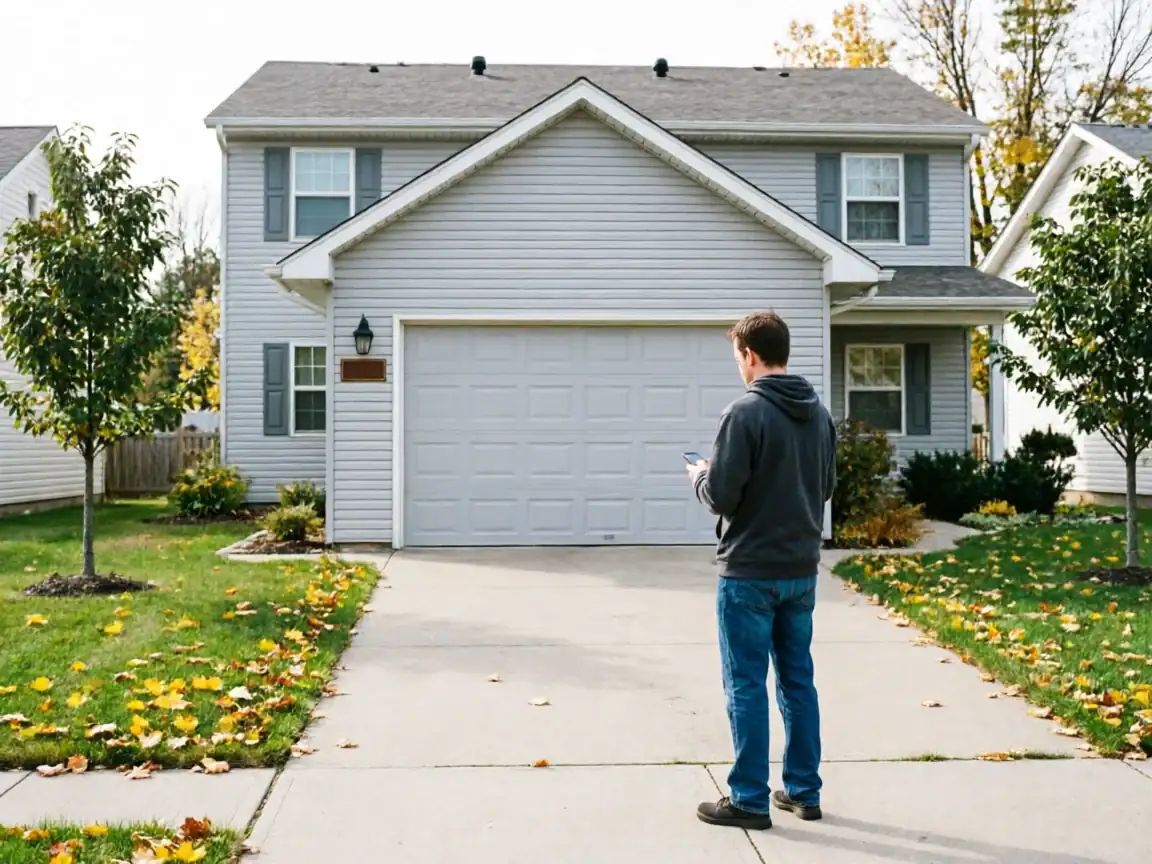
Most of the housing across this service area went up between 1938 and 2006, with the median build year landing around 1986. That matters because doors from that era were sized and insulated for a different expectation of what a garage needed to do - a lot of them were single-layer steel with no thermal break, built for a garage that was just storage, not a heated or semi-heated space. Across the 30 named areas we cover, the heaviest concentration of stock is 1980s and 90s construction, which usually means a 7-foot standard opening and hardware sized for a lighter, uninsulated panel.
Columbus sits in a cold-climate band with severe winter exposure. That changes the math on replacement in a way a mild-climate buyer never has to think about. A thin single-layer door in a cold snap doesn't just feel drafty - the panel itself can warp slightly with the temperature swing, and condensation on the inside face freezes the bottom seal to the slab overnight. If your current door is original to a 1980s build, you're replacing 1980s thermal performance, not 2024 performance, even if the door still looks fine.
What to Check
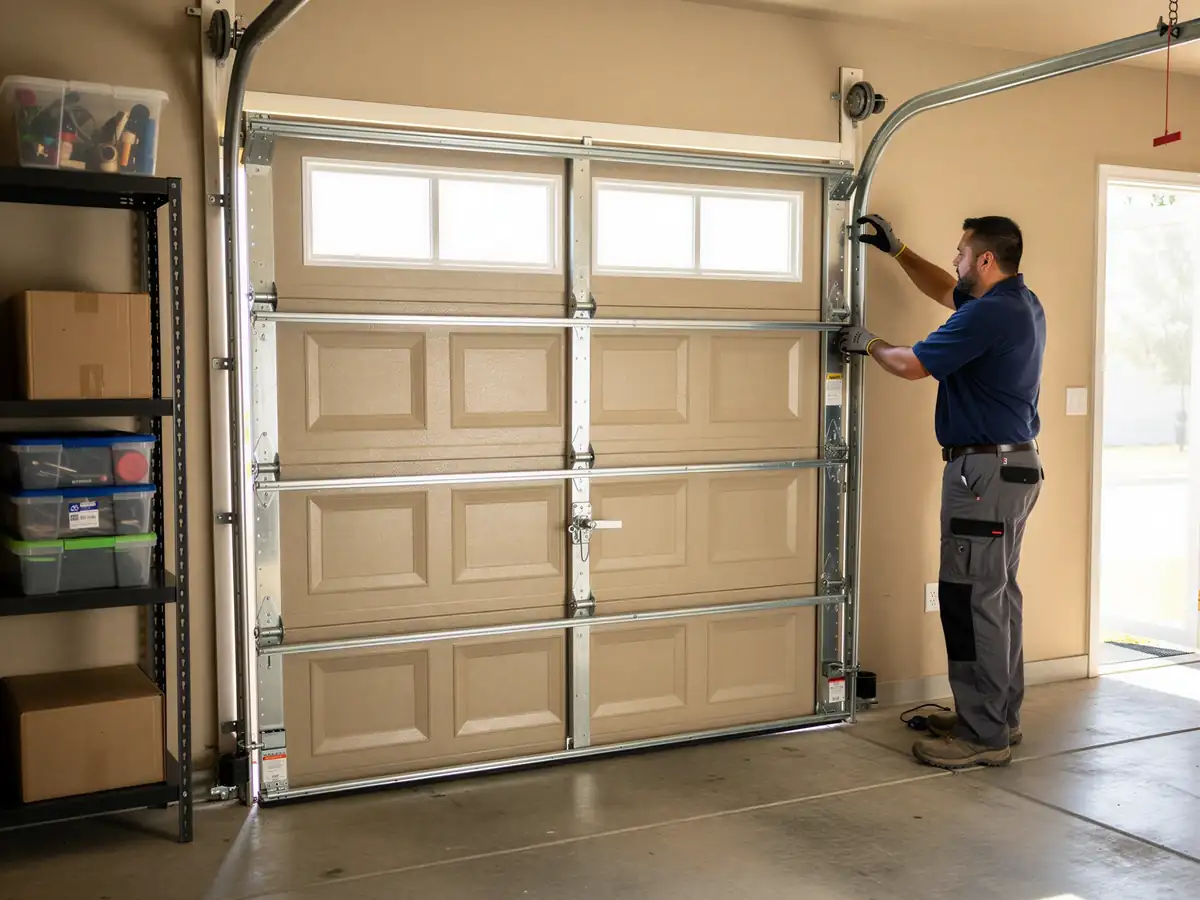
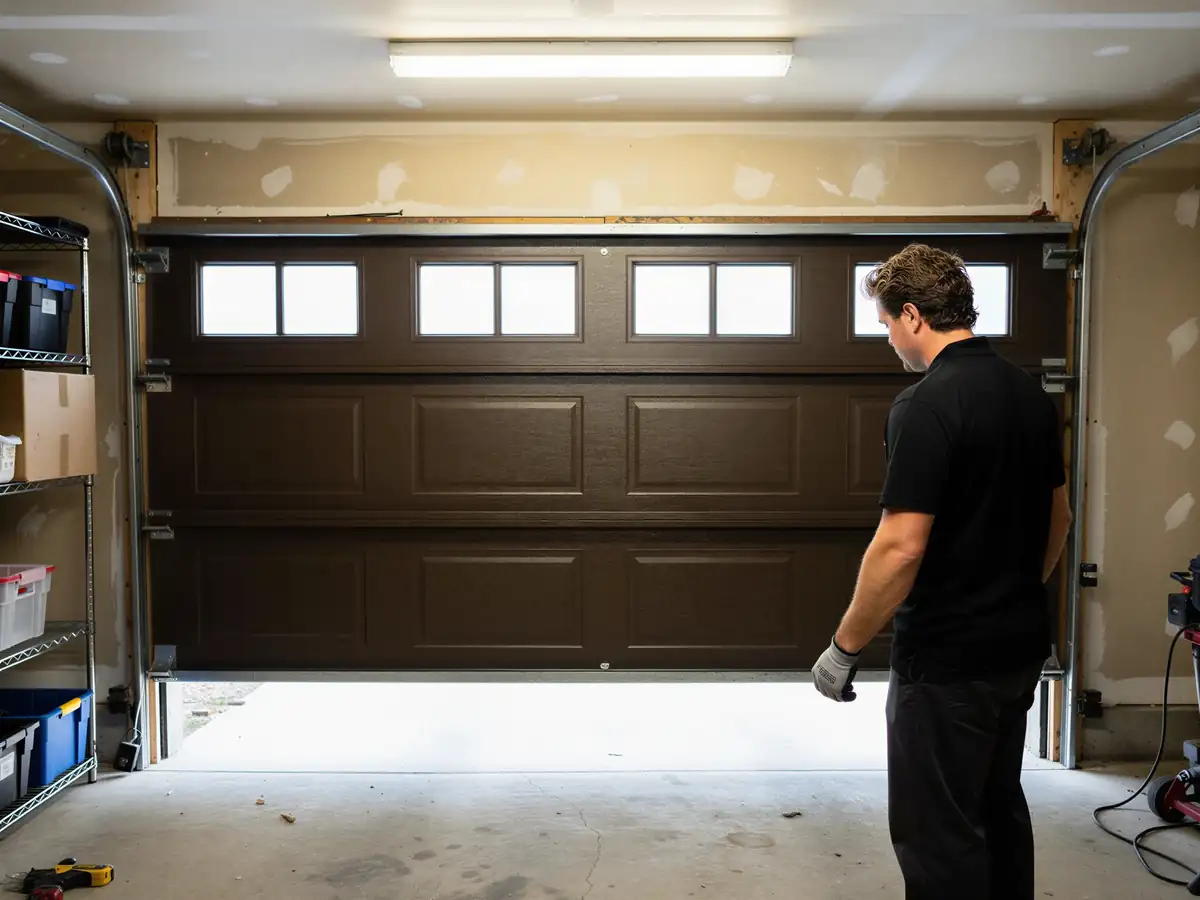
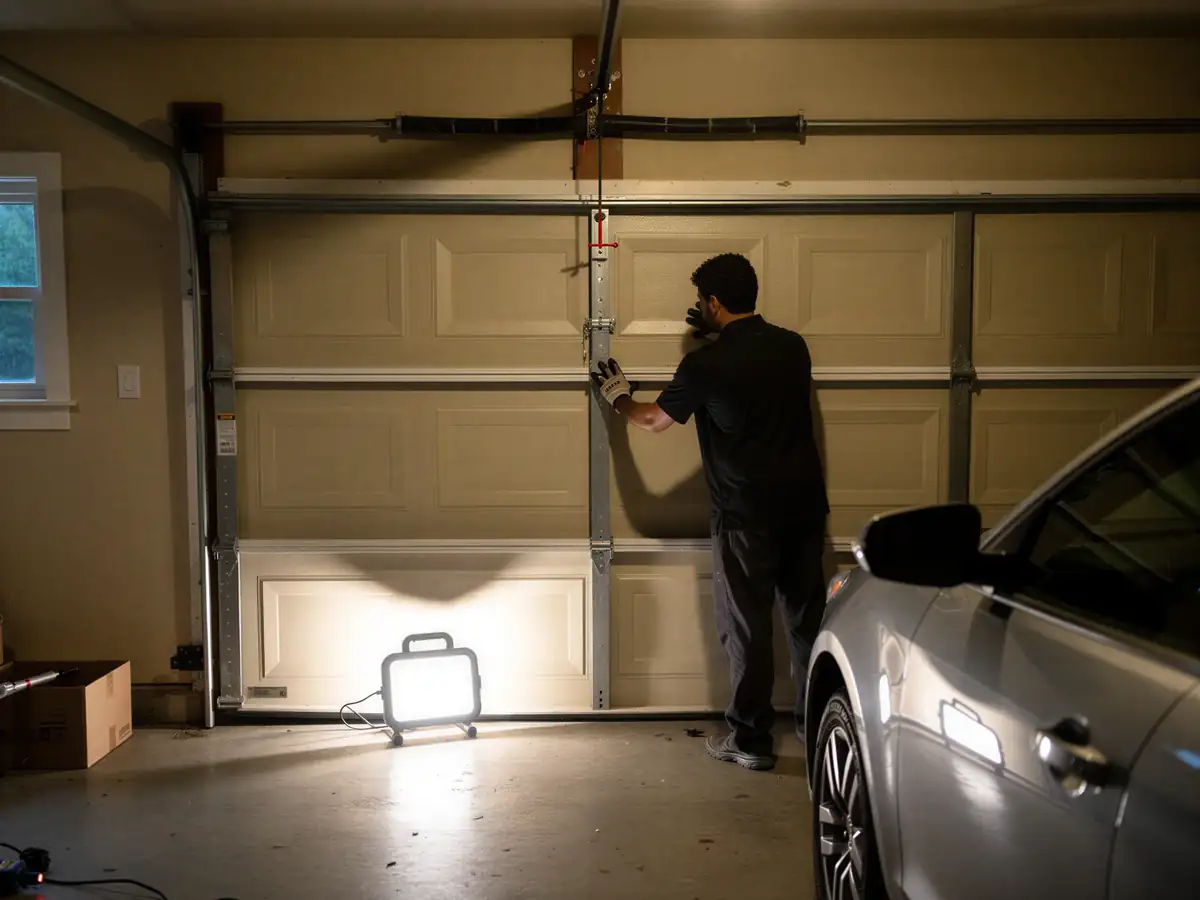
Before you order anything, measure the actual rough opening rather than trusting what the old door's label says - homes built across the 1938-2006 span in this area were not built to one uniform opening size, and a door ordered to the wrong width won't seat right on older track. Check the track style too. A lot of the 1980s-90s stock here runs standard-lift torsion on a low-headroom garage, and if you're upgrading to a thicker insulated panel, that track sometimes needs to come along with it rather than being reused.
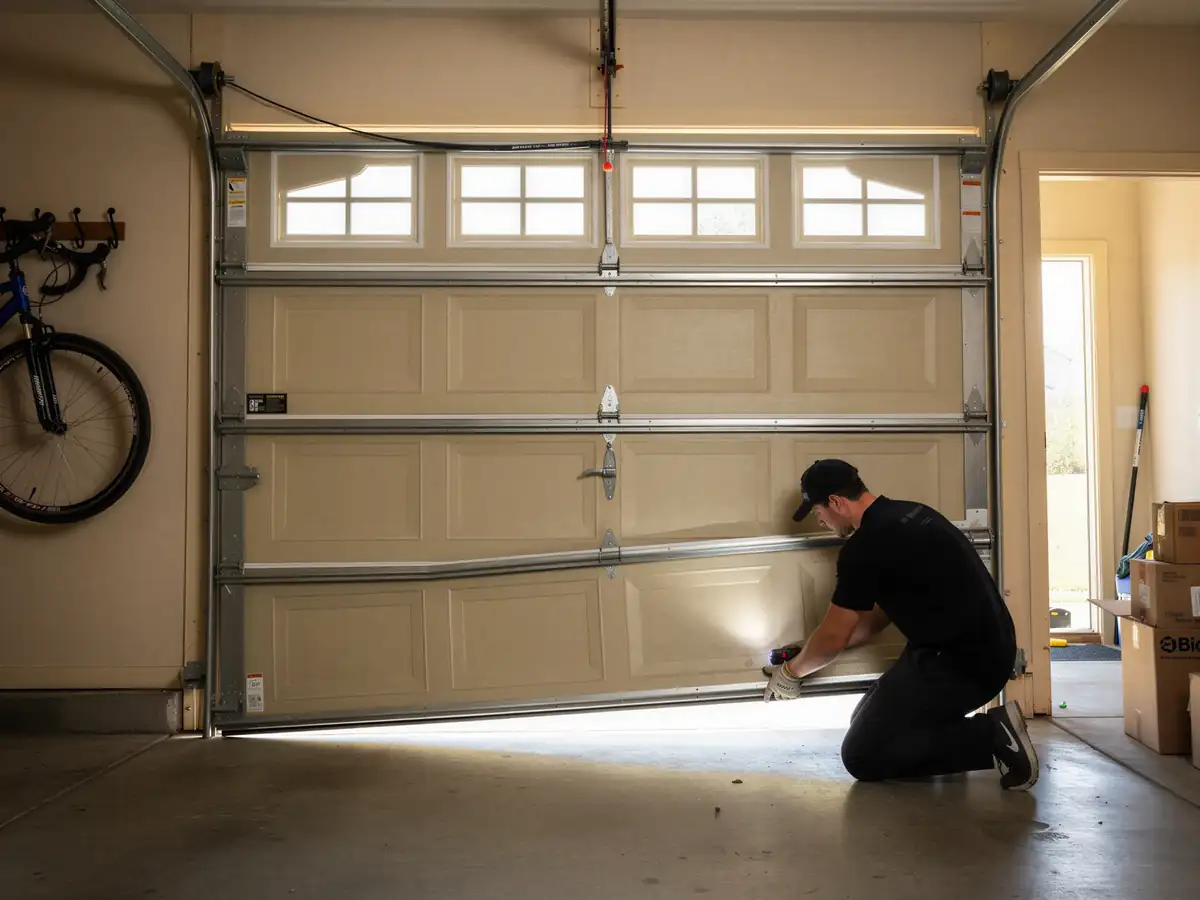
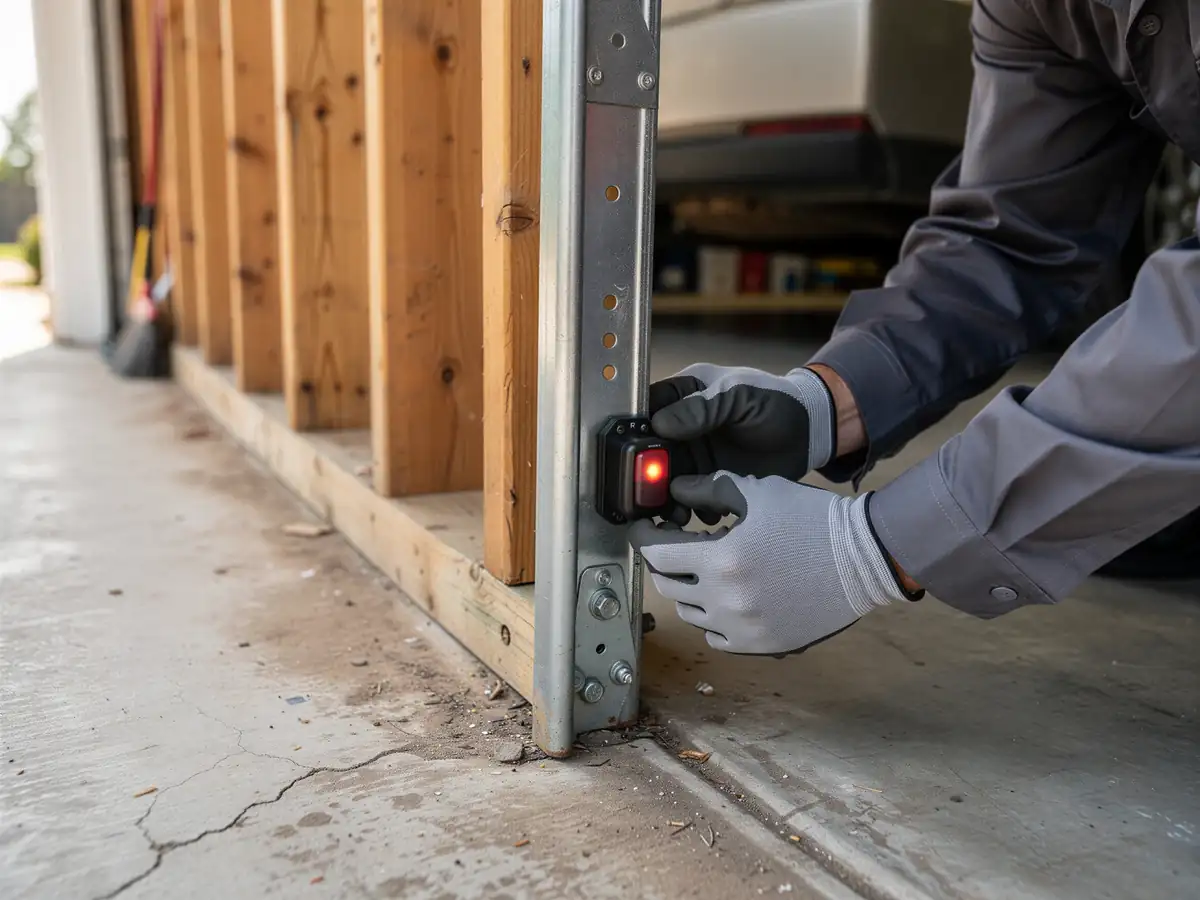
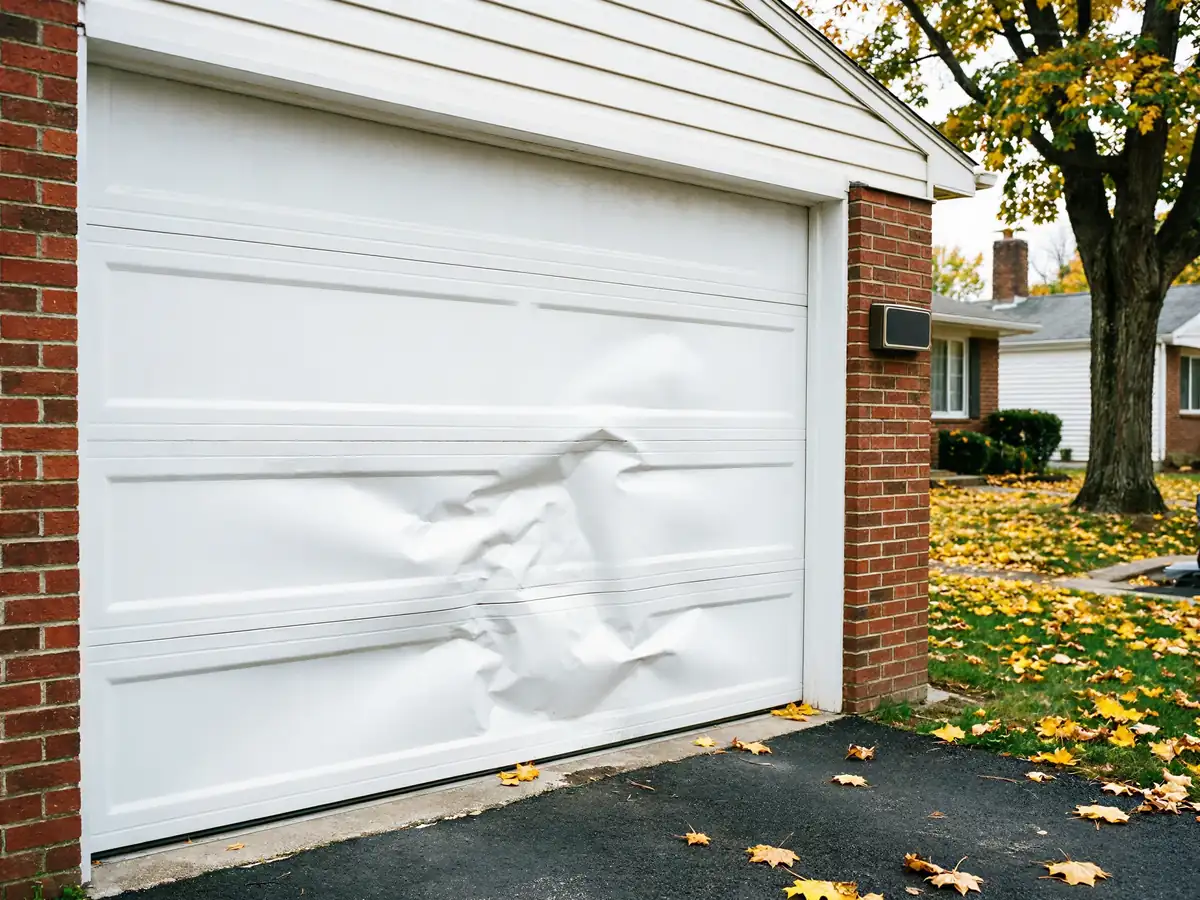
Look at the slab at the threshold. In a cold-climate area like this, decades of freeze-thaw cycling can leave the slab edge chipped or uneven, which throws off how a new bottom seal sits even on a perfectly good door. And check what's actually behind the old panel - sometimes the jambs themselves have shifted enough over 30-40 years that a new door needs shimmed framing before it will hang square. Skipping that step is the single most common reason a new door doesn't close right on day one.
The Cost of This Job
We're not going to hand you a number that doesn't hold up once we see your opening
Door pricing swings on size, insulation level, and window options more than anything else, and we don't have a flat rate that's honest to quote blind. What we can tell you is what drives the decision here specifically. With median household income in this area at $99,964, most owners we talk to end up choosing an insulated steel door over a bare single-layer one, because the severe winter exposure makes the thinner option a false saving - you pay it back in heating loss and in how often the seals need replacing.
The other cost factor is the opening itself
If your home falls into that 1938-2006 build range, especially the 1980s-90s cluster that's most common across our 30 service areas, odds are decent the track or jamb needs some attention alongside the door, not just a drop-in swap. That's a labor cost, not a door cost, and it's the kind of thing that only shows up once someone's measured your actual garage.
The Situation
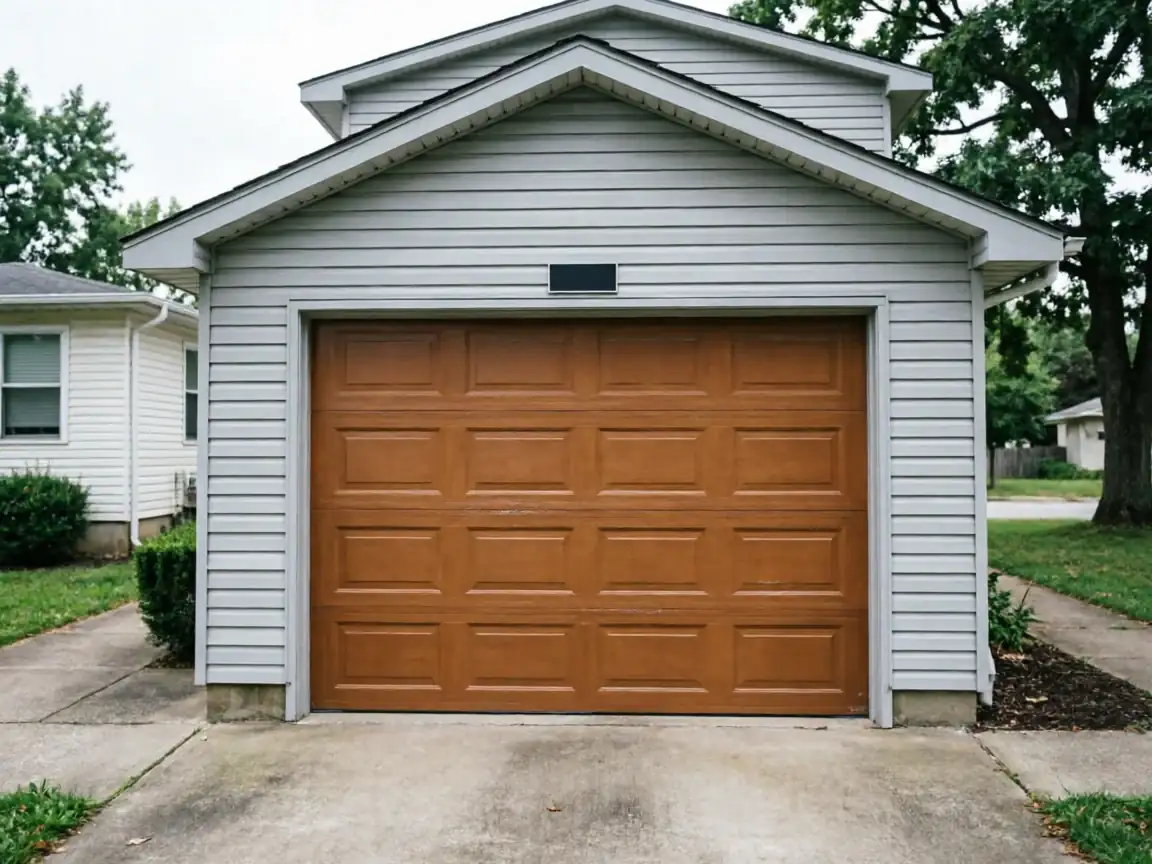
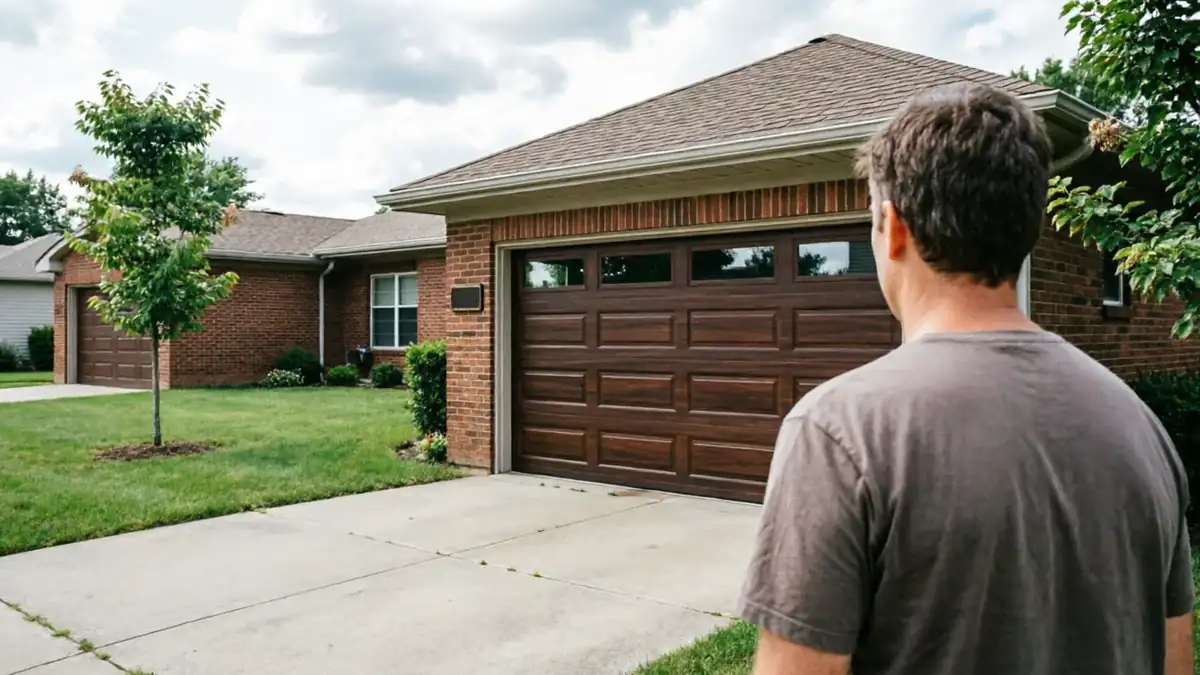
Whether you're in Grandview Heights or Bexley, both about 3 miles out, or further toward Dublin at 12 miles or Westerville at 10, the opening sizes and hardware patterns don't vary much - the building decades that shaped this area's garages are the same decades across most of it. What does vary is condition: a door that's sat through 35-plus winters of this area's cold exposure is a different animal than one installed in the last decade, even if both look structurally sound from the driveway.
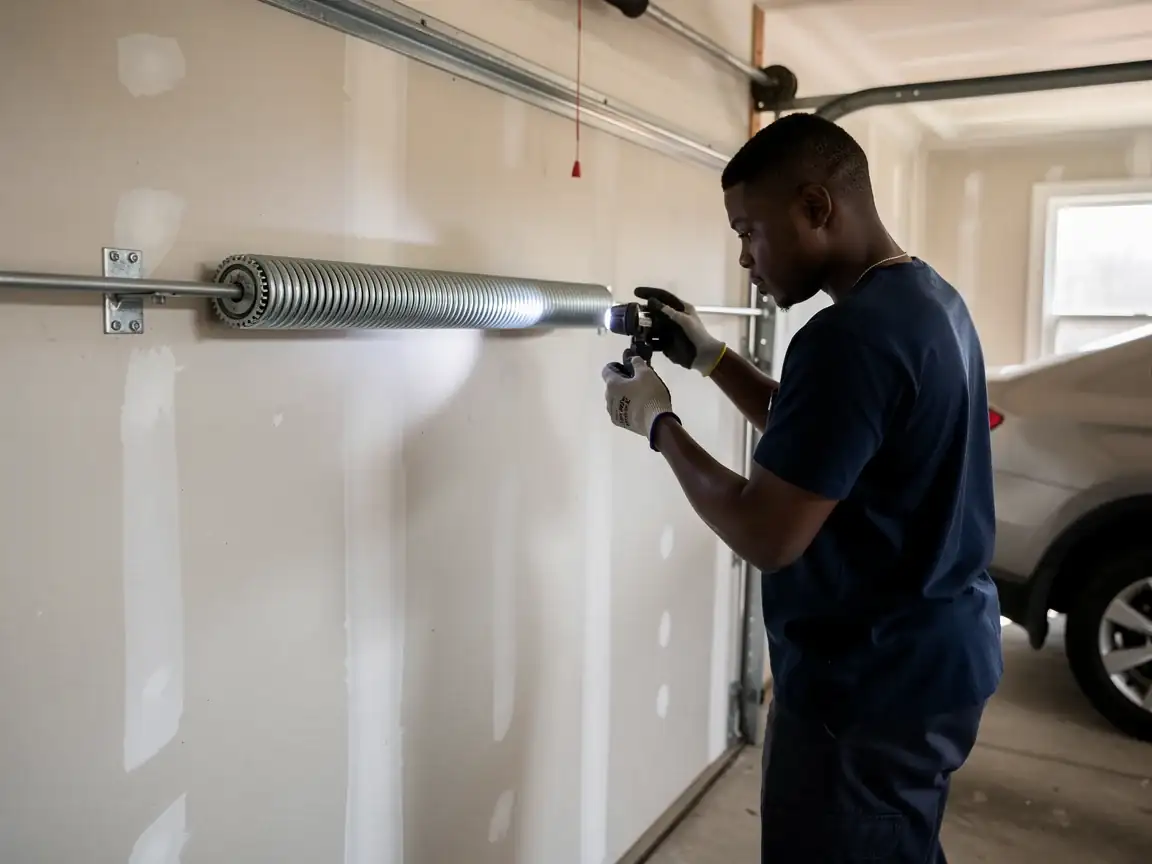
One limitation worth saying plainly: we don't stock every insulated panel style on the truck, and a specific color or window-pattern order can mean a short wait rather than a same-day swap. If your door is original to a 1980s or 90s build and still working, replacement isn't always the right call over a spring or roller repair - we'll tell you that straight rather than sell you a door you don't need yet.