How It Shows Up
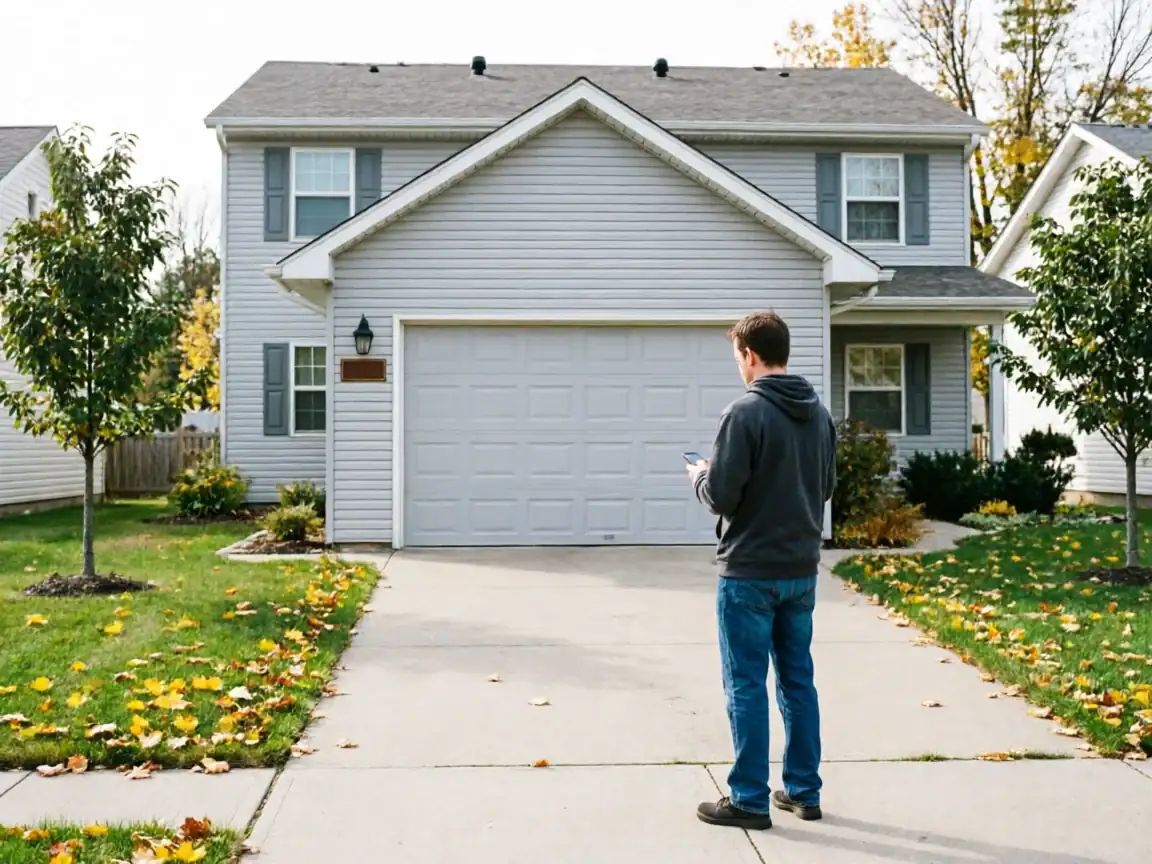
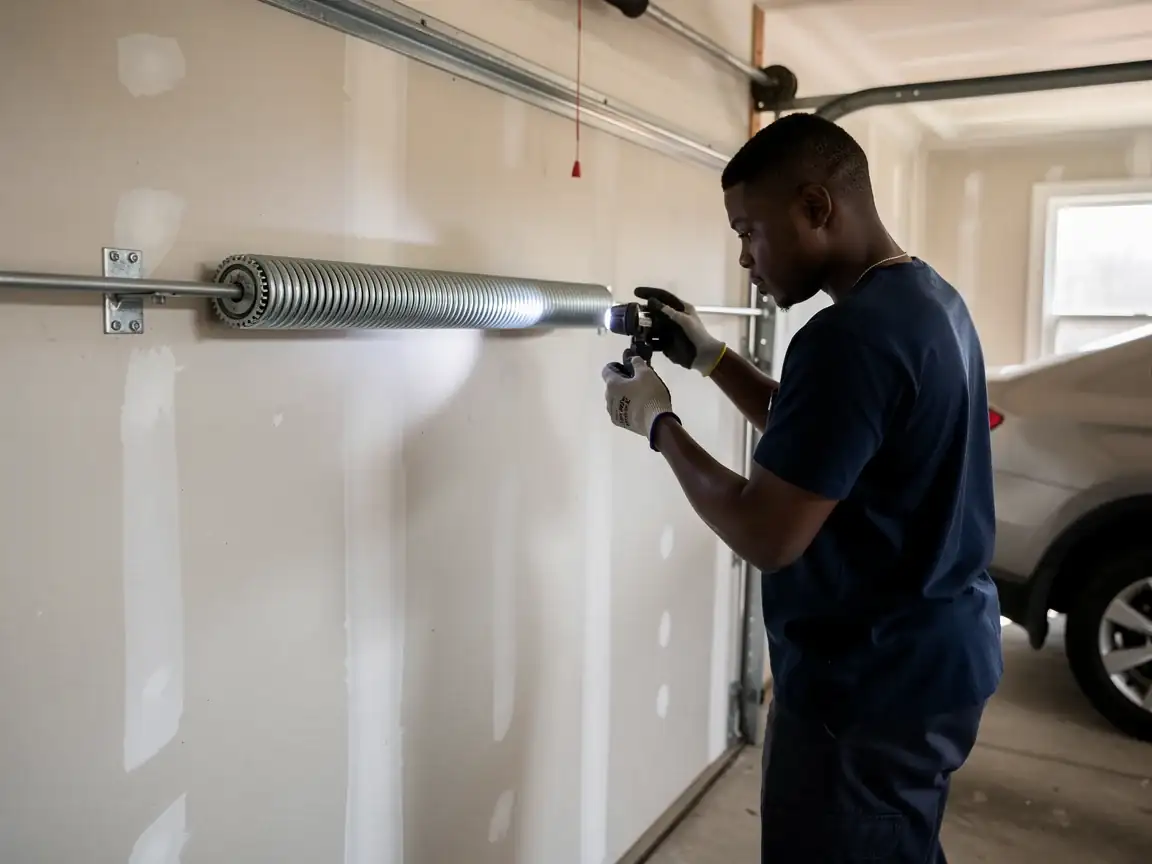
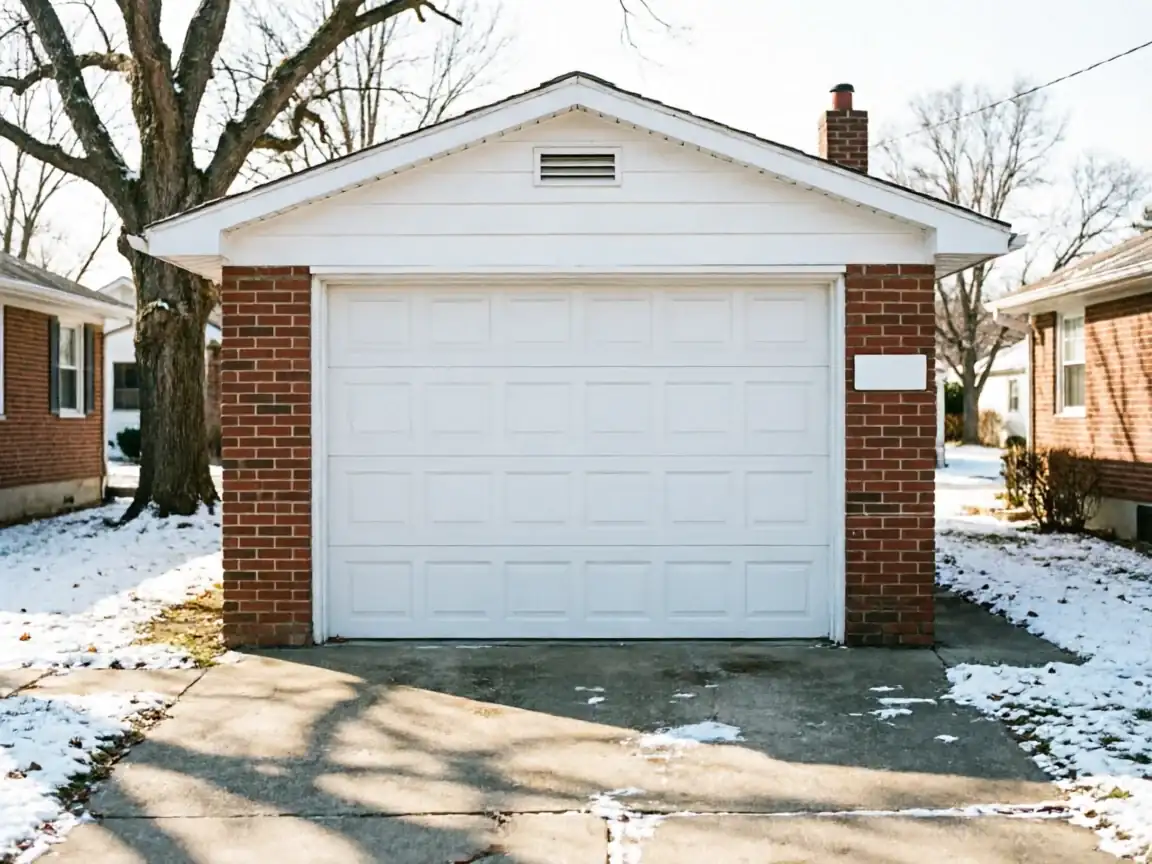
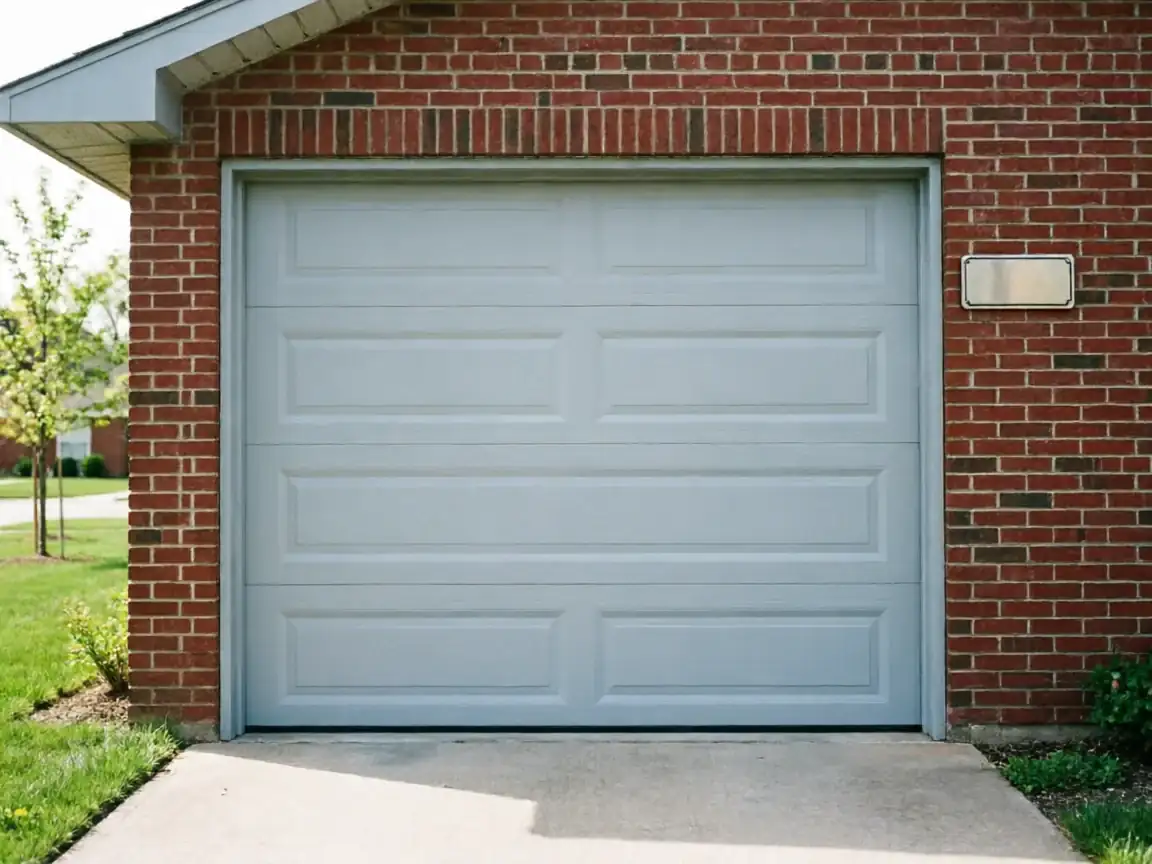
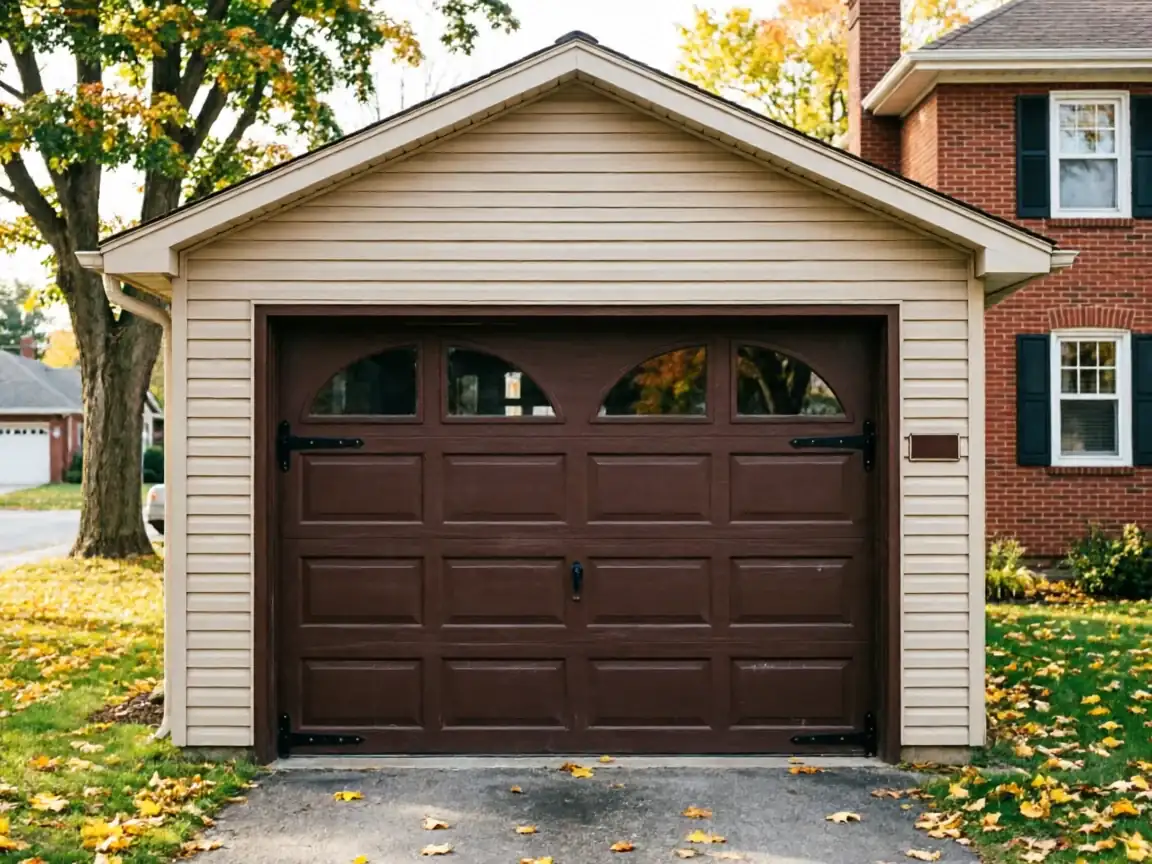
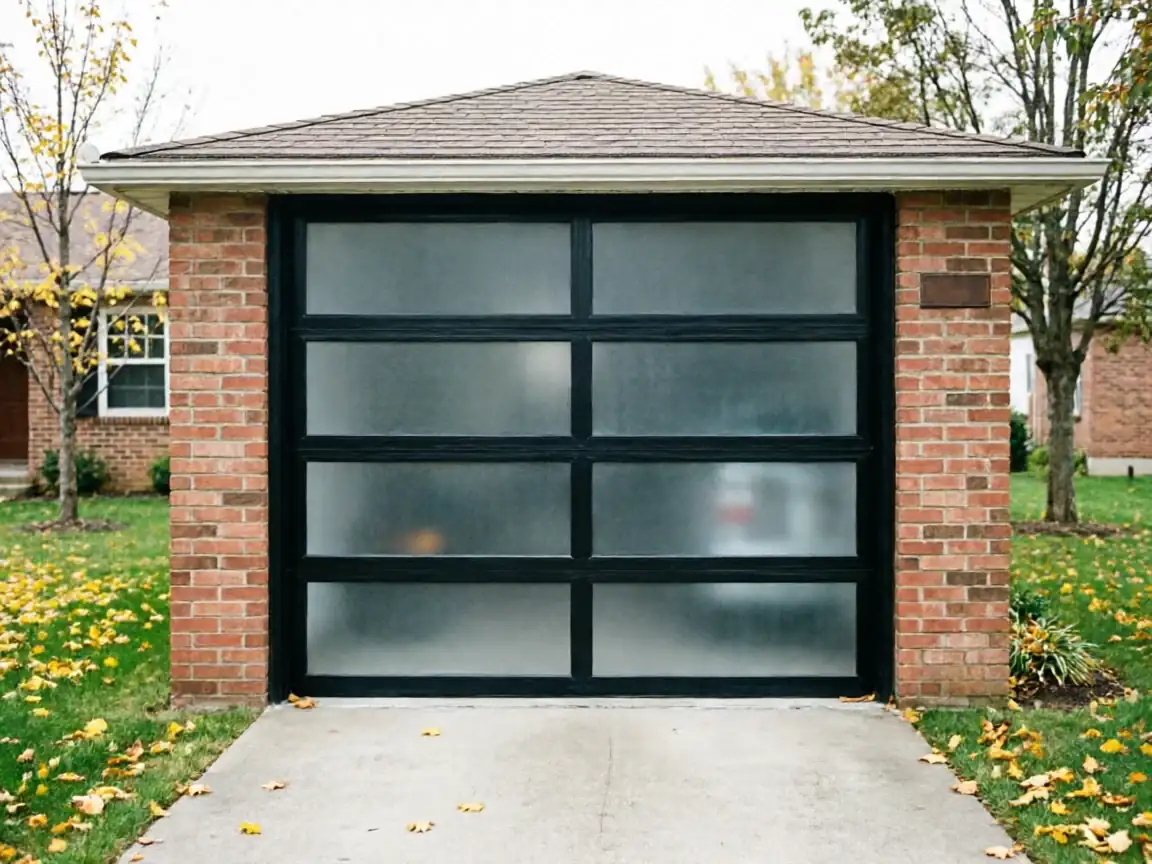
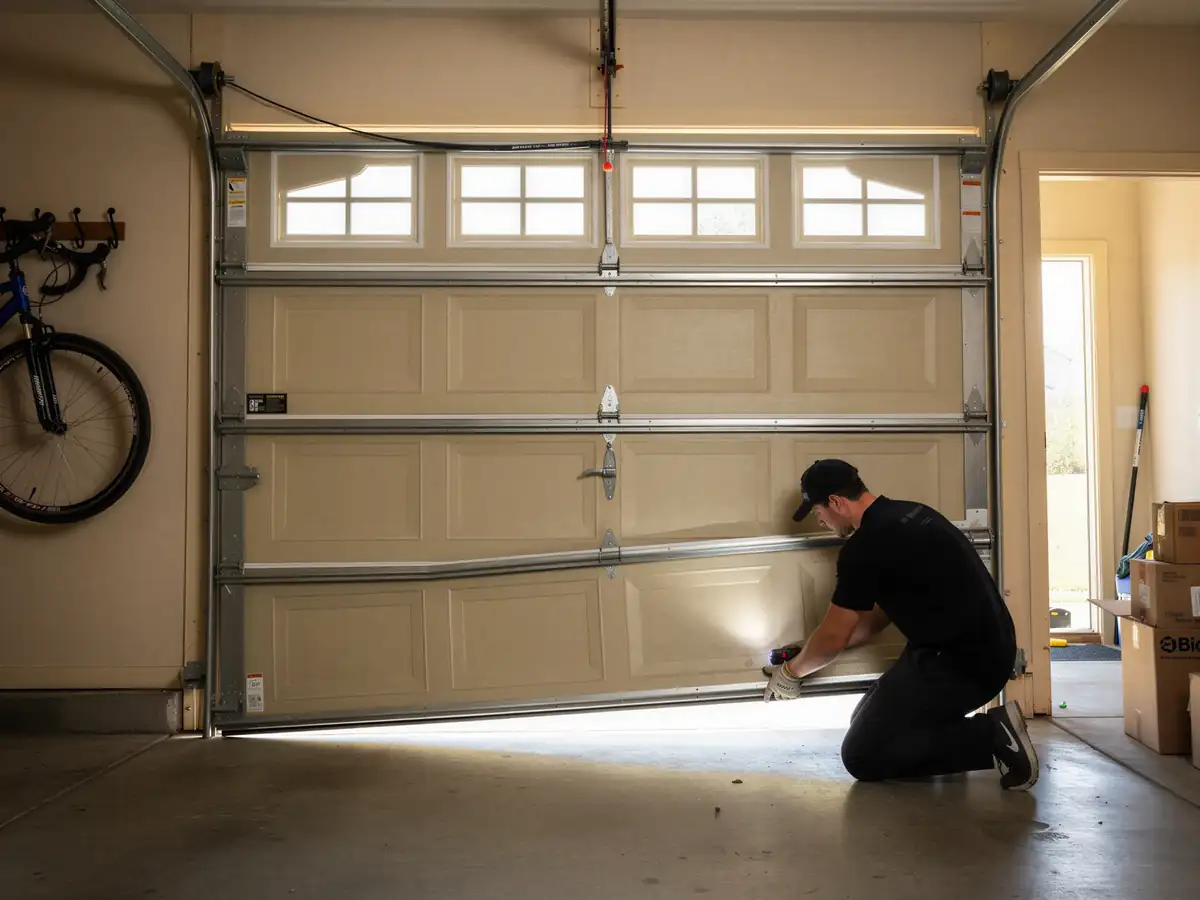
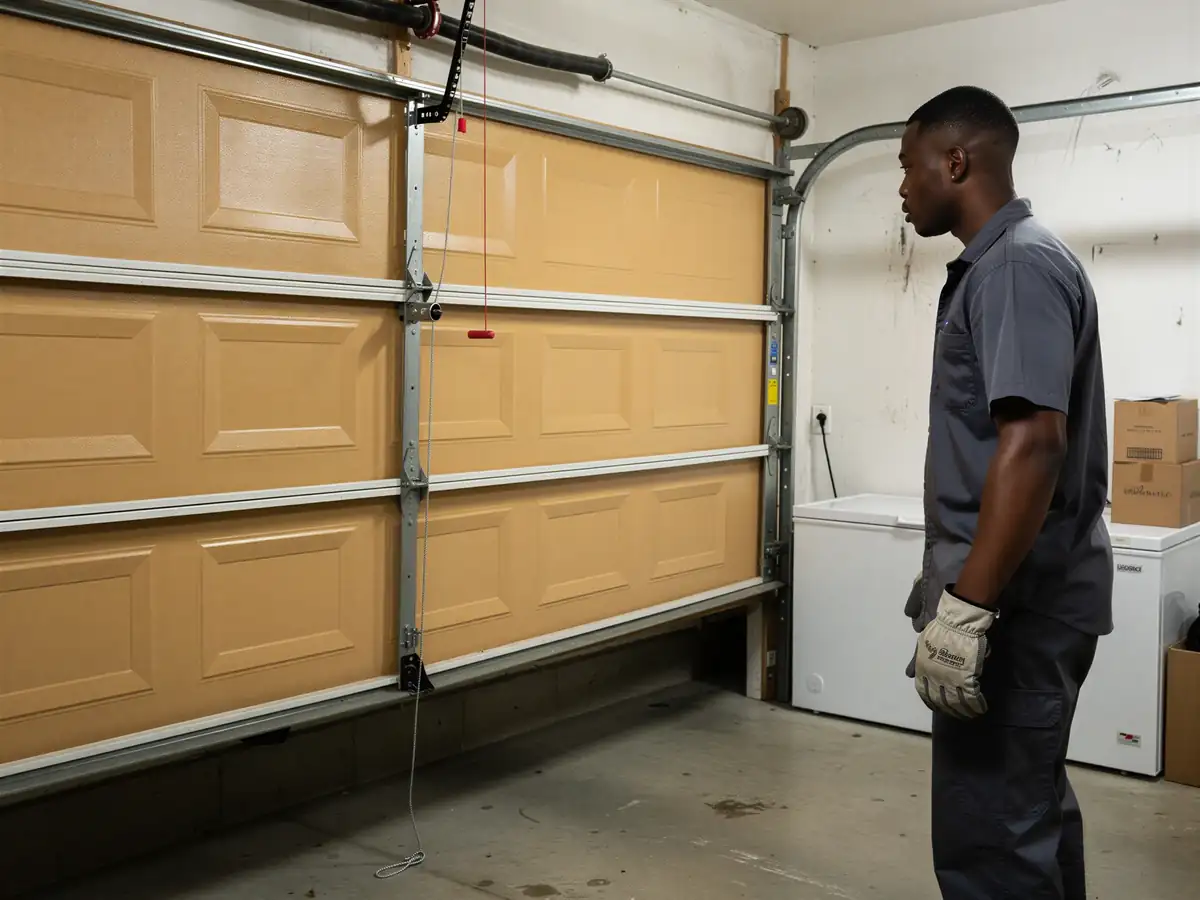
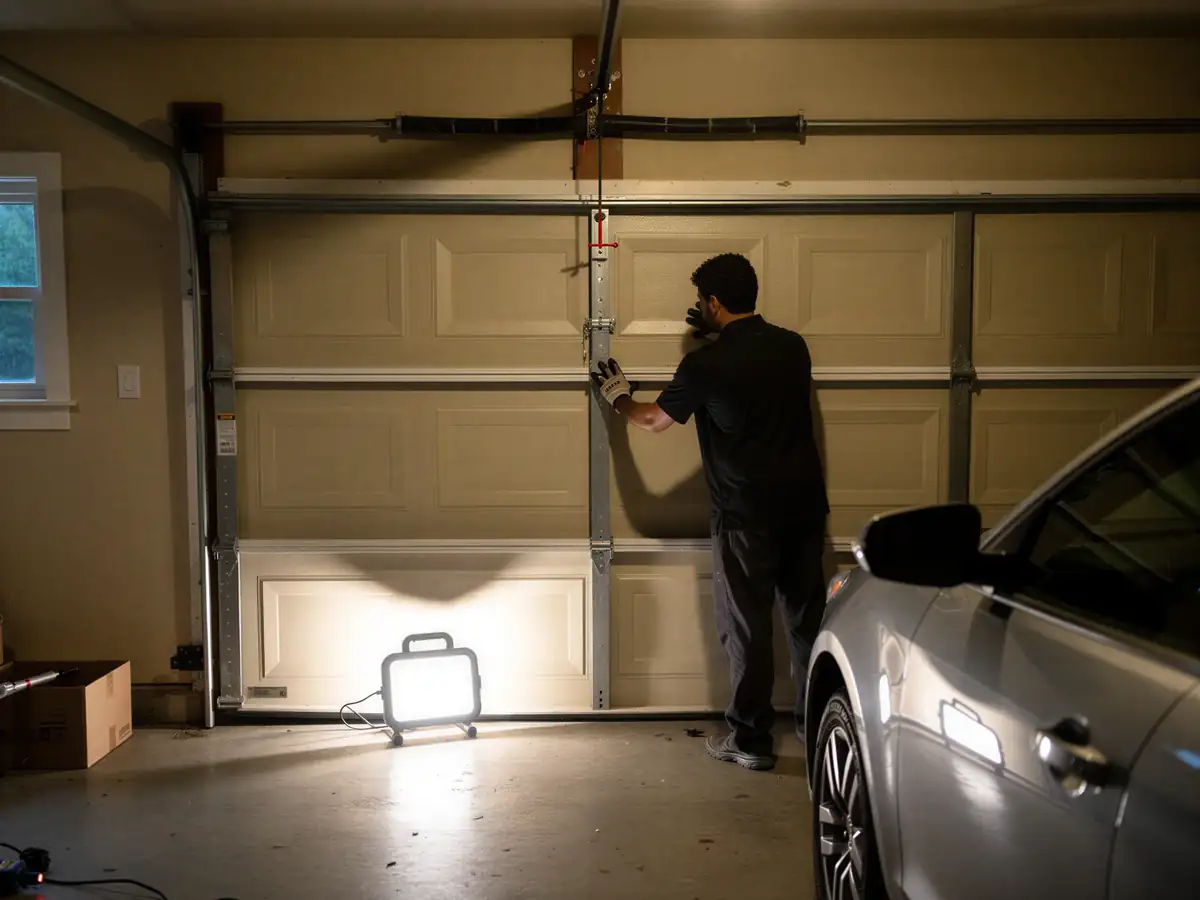
Most calls start the same way: the door won't move, or it moves wrong. A torsion spring lets go with a bang loud enough to bring a neighbor outside. A cable frays and jumps the drum, leaving one side of the door hanging low. An opener runs but the door doesn't lift, which usually means a stripped gear or a spring that's already gone and just hasn't been noticed yet.
In a service area built out mostly between 1938 and 2006, with a lot of that stock dating to the 1980s and 90s, we see a predictable mix: original torsion springs on houses from the Reagan era that have never been replaced, and newer steel doors with opener electronics that fail from age rather than abuse. Across neighborhoods from the to Blacklick Estates, the failure mode tracks the housing era more than the neighborhood name.
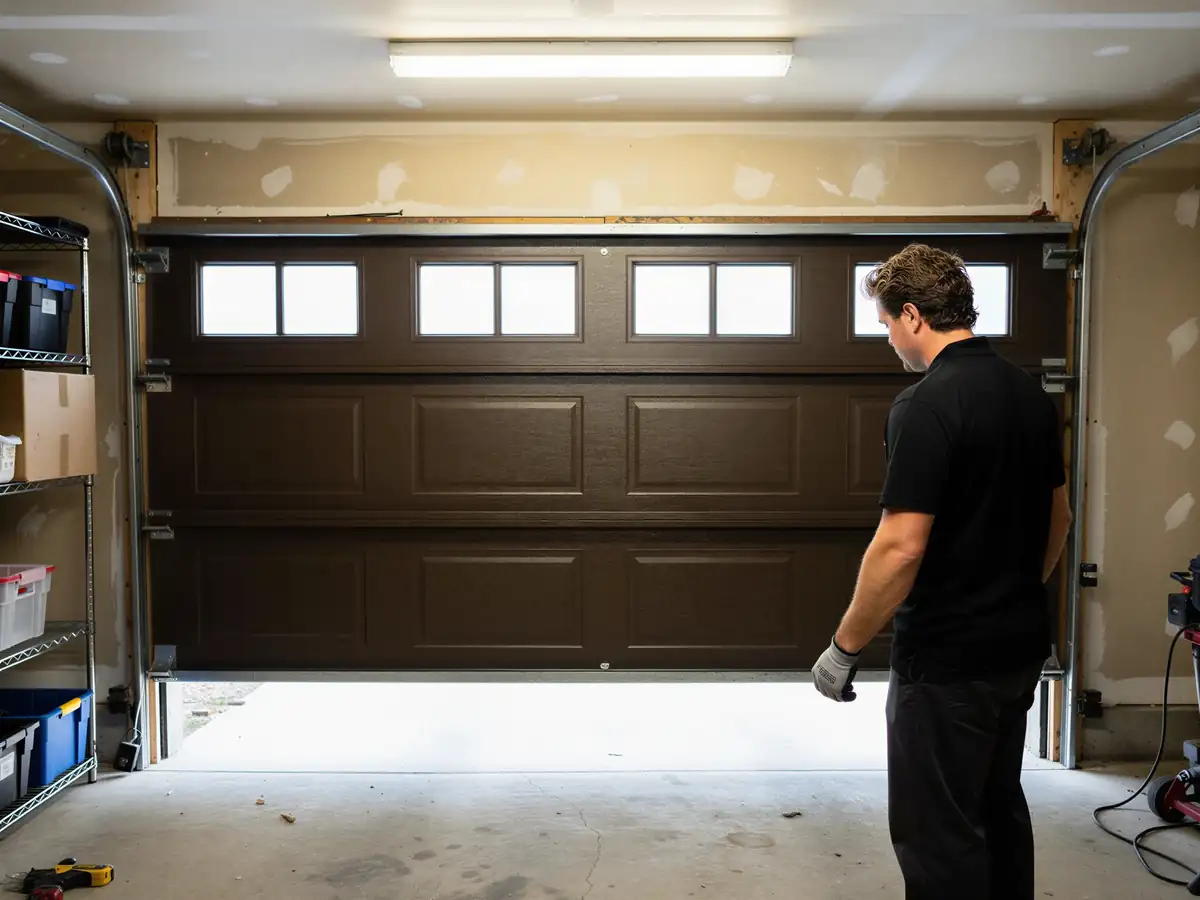
Some emergencies are obvious - the door is stuck open with a car trapped inside, or stuck shut with no way. Others are quieter: a door that still closes but grinds, drifts off its track an inch at a time, or reverses on its own. Both kinds count as urgent if you can't trust the door to open or close on command.
What the Repair Takes
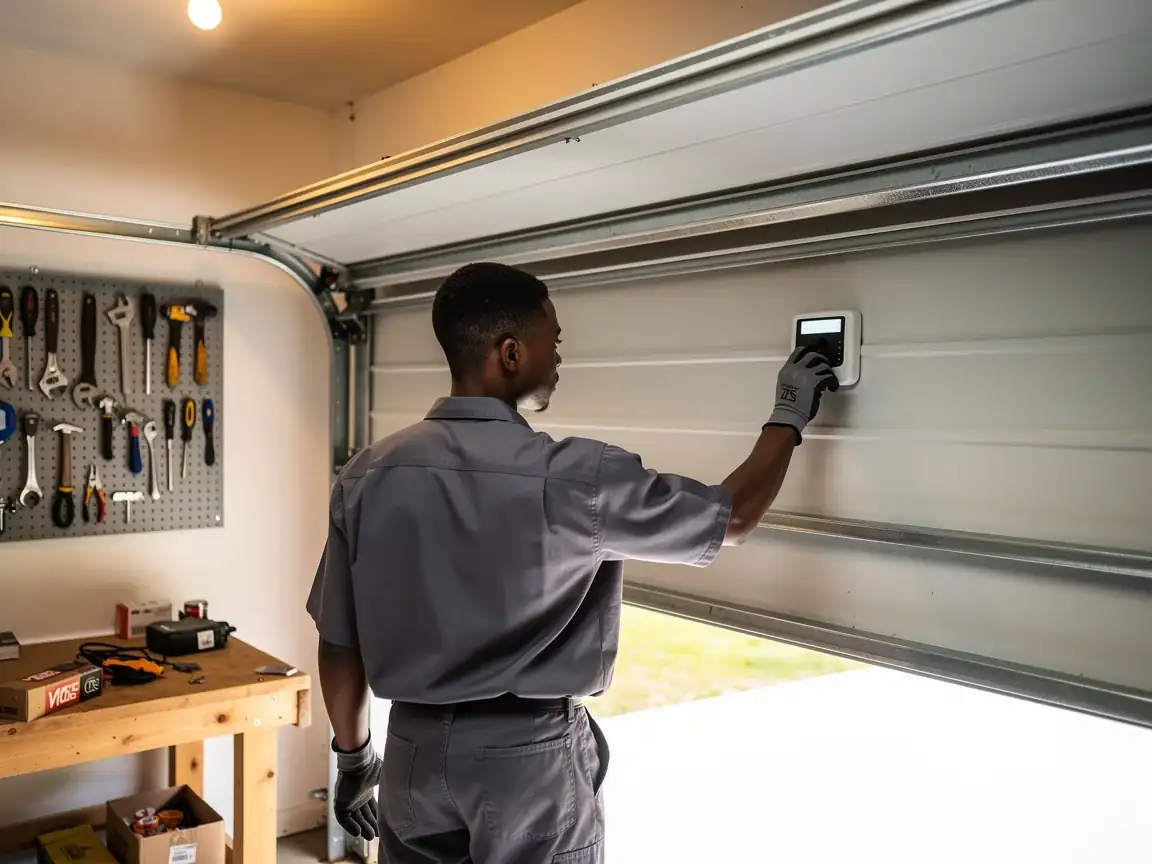
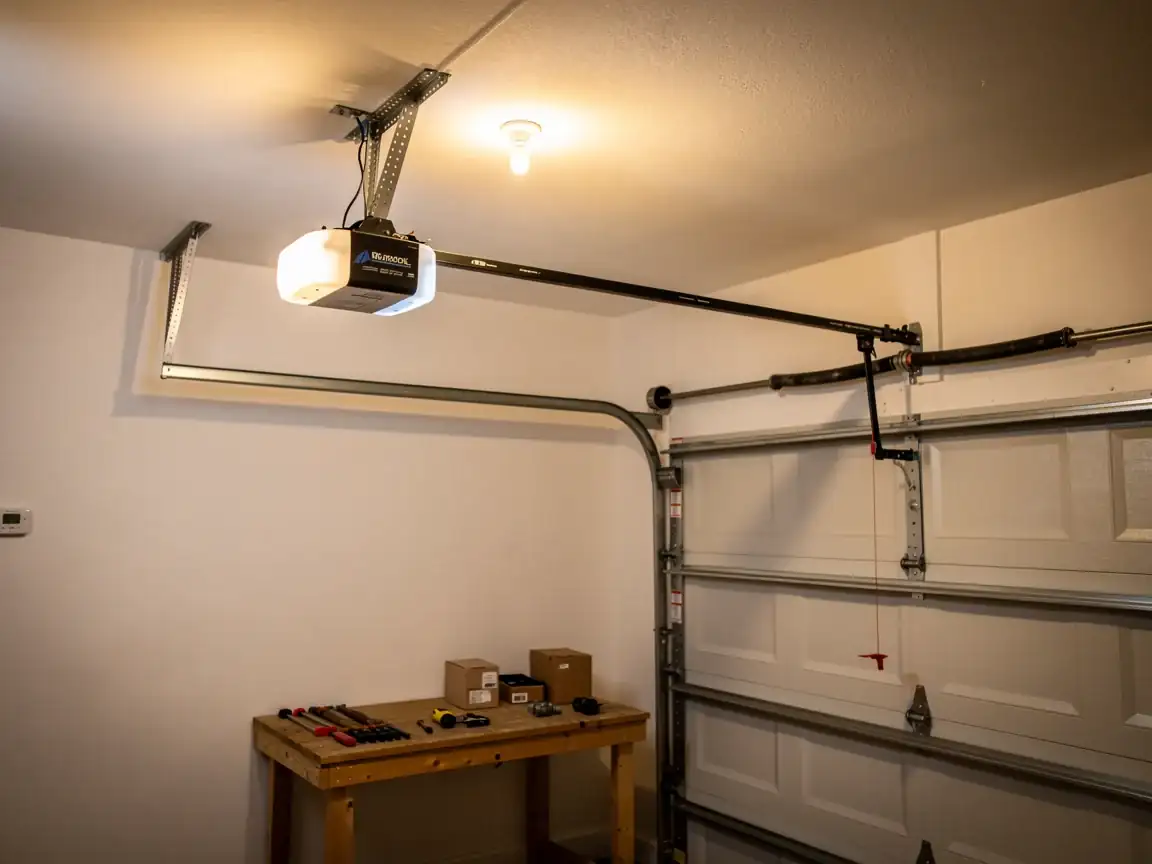
A spring job on a standard double door is a parts-and-labor call, not a diagnostic mystery - once we know the door's size and spring type, the fix is mechanical and usually done in one visit. A cable replacement is similar. Where it gets slower is opener boards and circuit modules on doors installed in the last decade or two, since some parts have to be sourced rather than pulled off the truck.
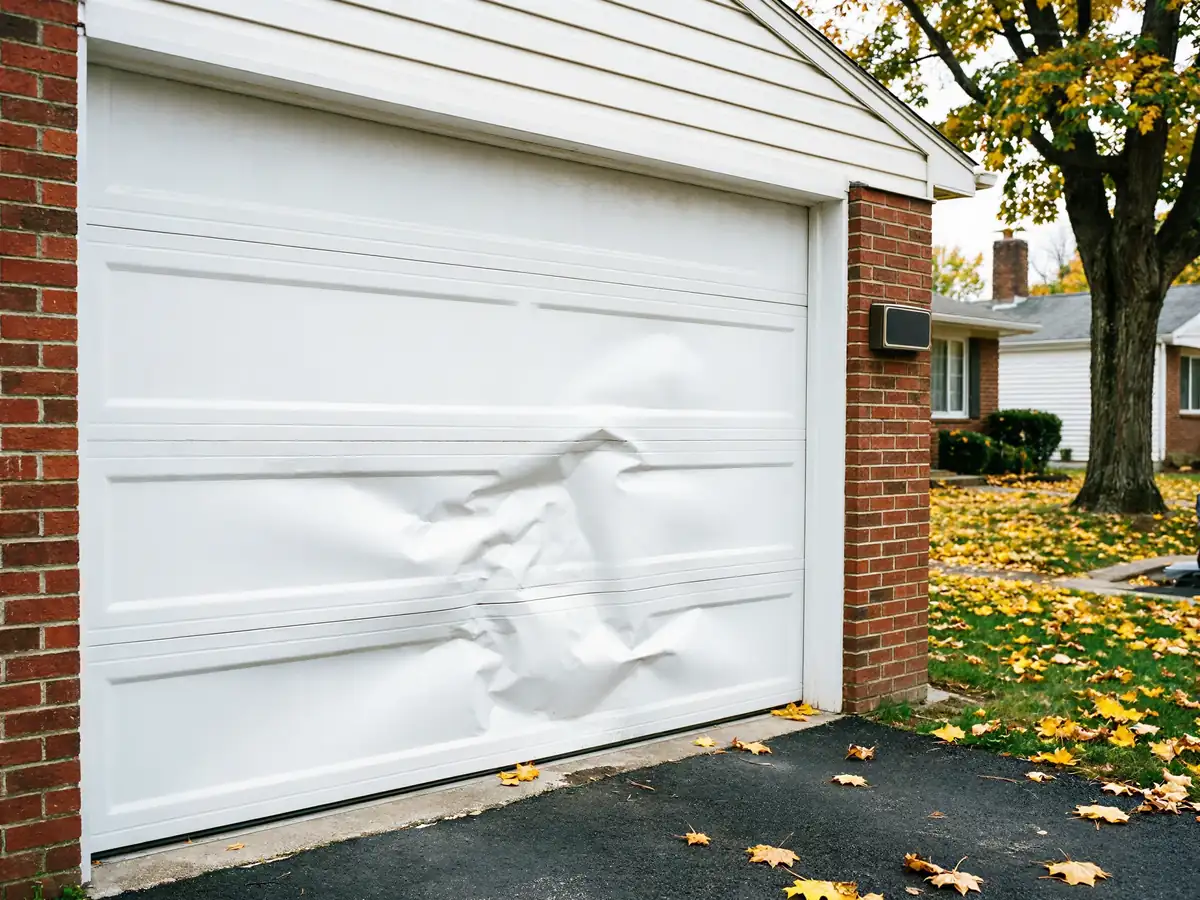
We won't pretend every job is quick. If a track is bent badly enough that the rollers won't seat, or a panel is cracked from an impact, that's a structural fix, not a tune-up, and it takes longer than a spring swap. Being upfront about that at the door is part of the job, not an excuse.
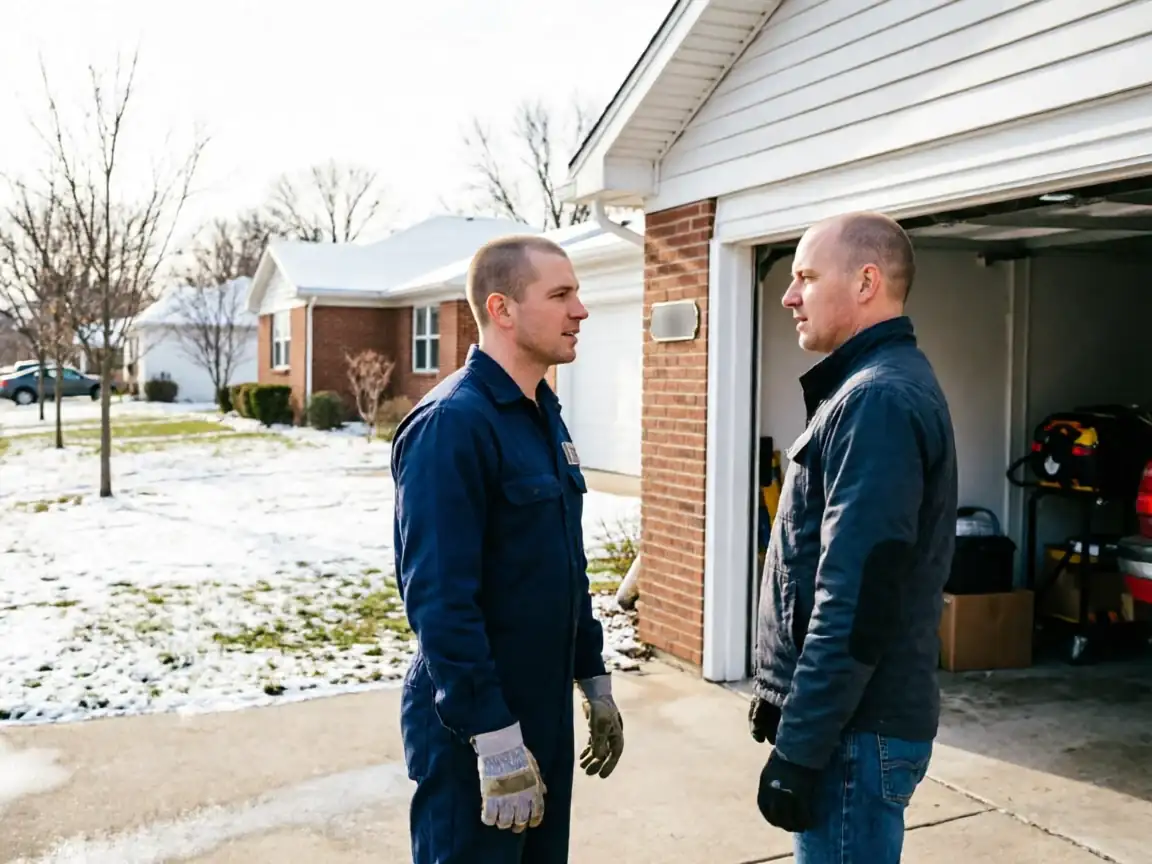
Winter changes the math too. In a climate zone rated cold and severe, cold steel contracts, lubricant thickens, and springs under tension are more likely to snap on the first cold morning of the season than in July. That's not a scare tactic - it's just what cold metal does, and it's why late-fall and January calls run heavier than the rest of the year.
Can You Do This Yourself
Some things are fine to try
Checking the track for visible obstruction, checking the opener's wall switch, resetting the travel limits - all reasonable before you call anyone. A torsion spring is not on that list. It's wound under enough tension to break a wrist or worse if the winding bars slip, and that's true whether the door is five years old or twenty-five.
If the door is off its track, don't force the opener to run it anyway
That bends the track further and turns a repair into a replacement. Same goes for a cable that's jumped the drum - the door is now unevenly supported and can come down hard if someone cranks it.
Honest limitation: we don't talk anyone through a spring or cable fix over the phone
Even though we get asked. The tension involved doesn't leave room for a guess, and a wrong move with a winding bar is the single most common way people get hurt on these doors.
Why It Happens Here
The service area's housing stock is the real driver. A median build year of 1986 means a large share of the doors we're called to are on hardware that's been in place since before most owners bought the house - original torsion springs rated for a certain number of cycles, now well past it. That's consistent across the 30-plus named areas we work in, from out to Powell and Pataskala.
Income and household data back up what we see on the ground: with roughly 129,263 households and about 71,000 owner-occupied houses across the area, and a median household income near $99,964, most of these are owned homes where the door gets used daily and maintained only when something breaks - not a rental turnover cycle, not a luxury upgrade cycle. People fix the door when it fails, not before.
Add the cold-severe climate on top of that aging hardware and you get a pattern: more spring failures in the coldest stretch of the year, more opener failures as older units reach the end of their motor life, and a steady baseline of repair calls that tracks the age of the neighborhood more than any single event.