How It Shows Up
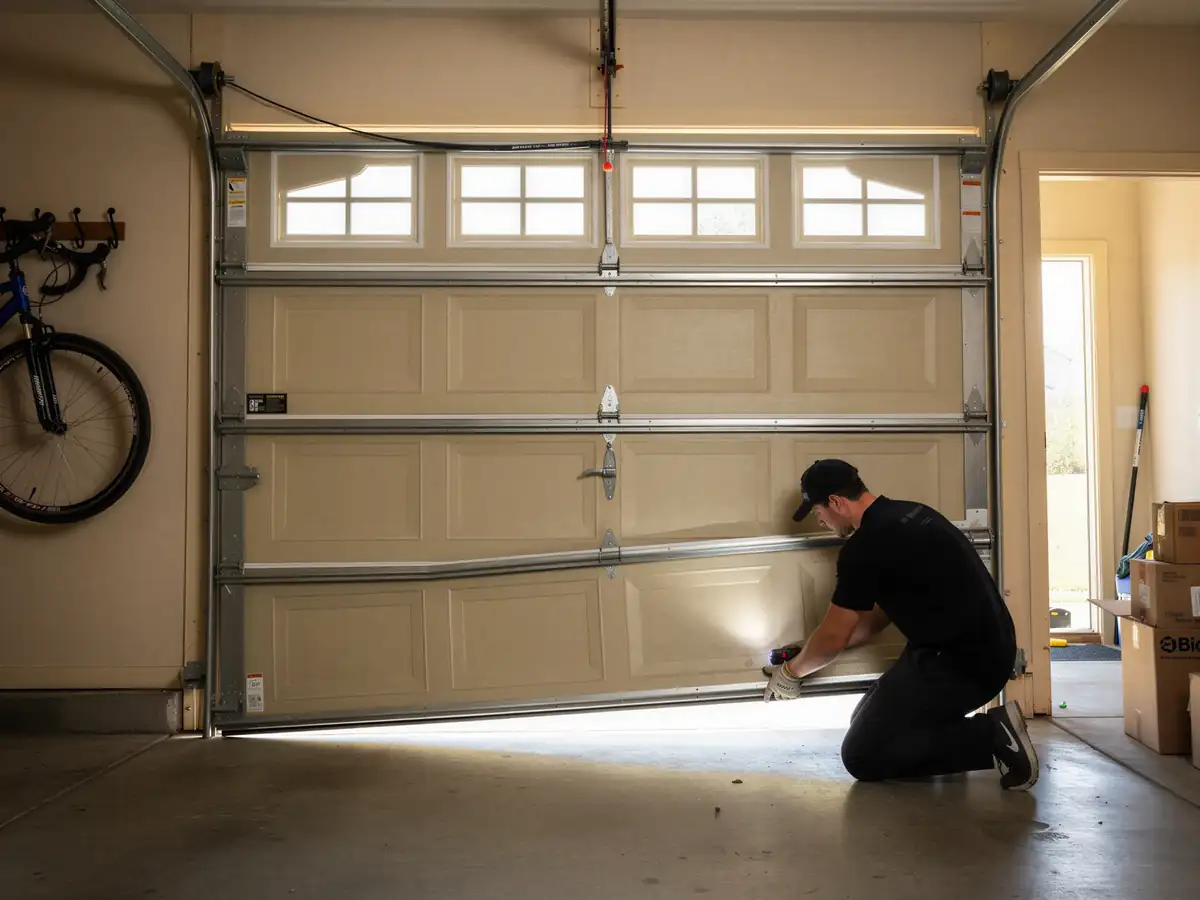
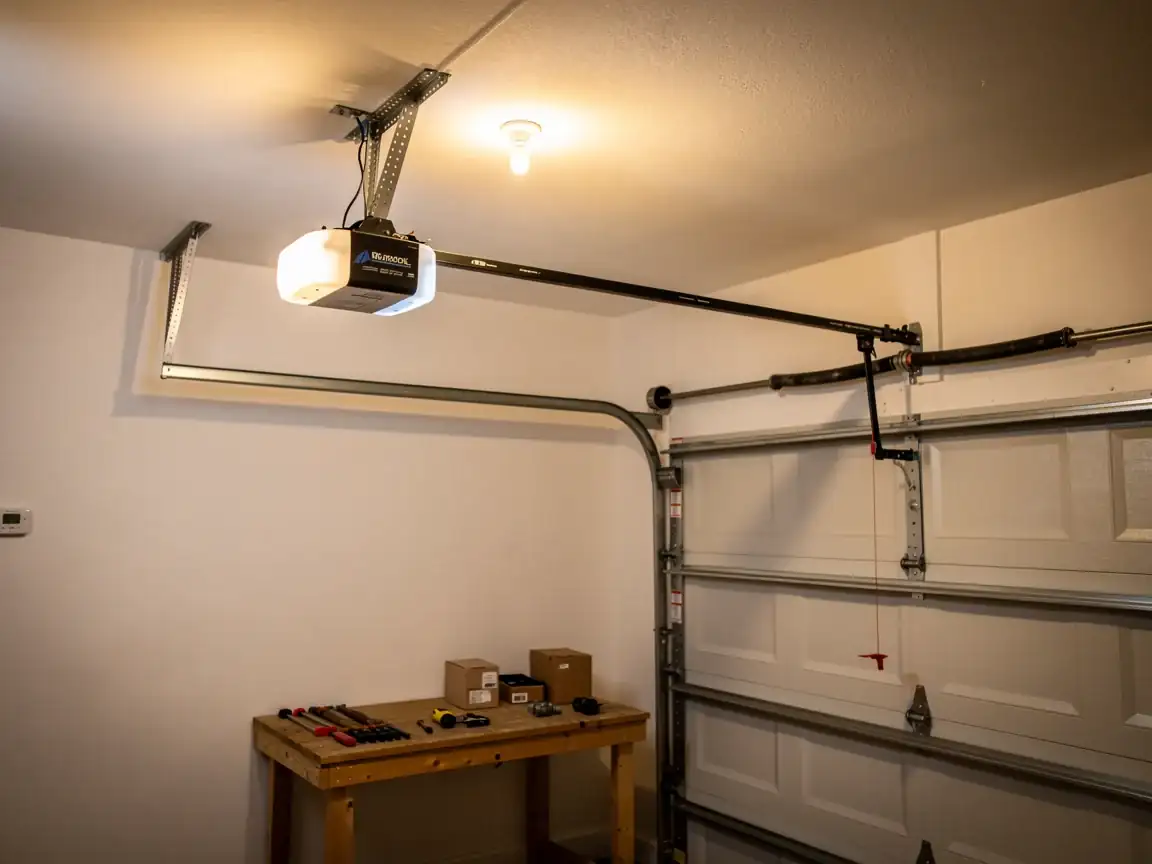
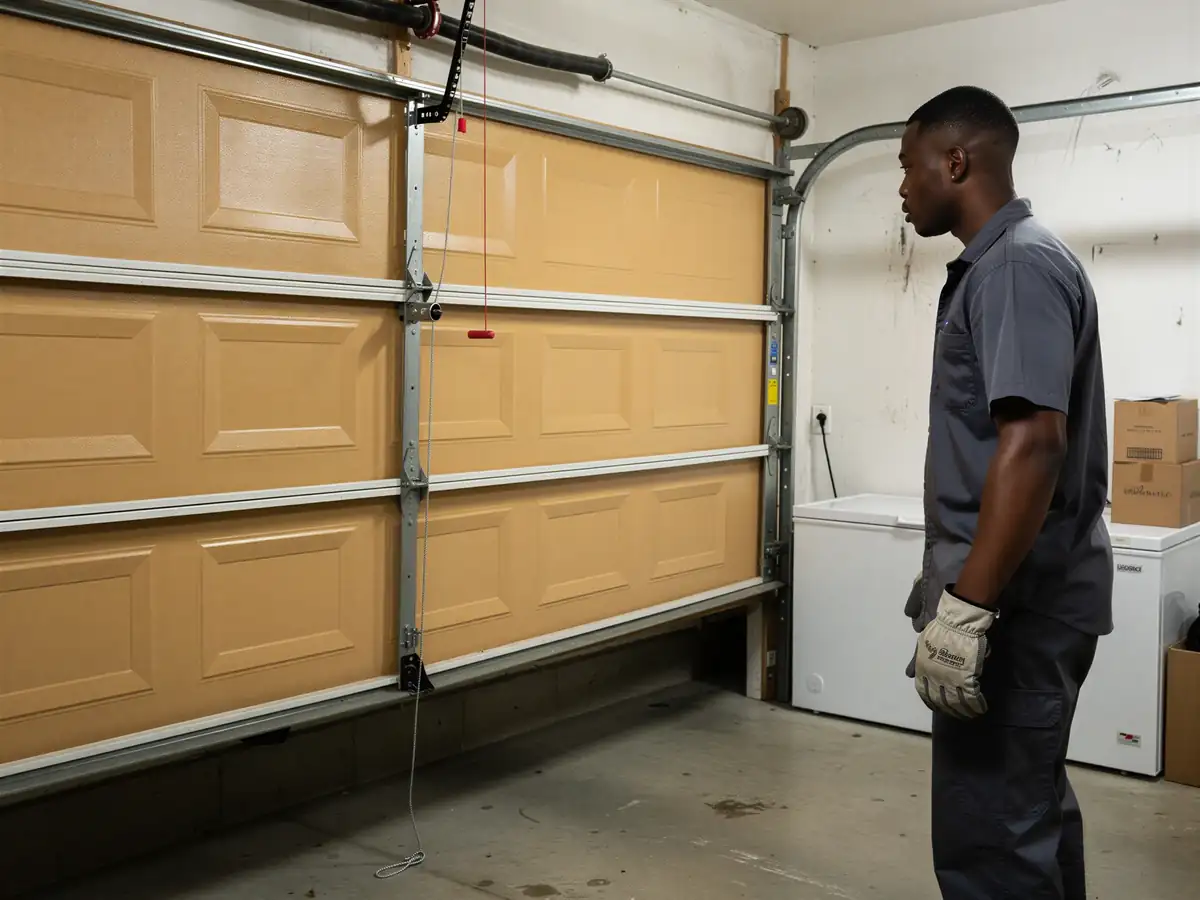
A cable problem almost never announces itself politely. One side of the door drops faster than the other, or the door hangs crooked in the opening with one bottom corner low. Sometimes you hear a bang and the door won't move at all because a cable jumped the drum and wedged itself. On a lot of the older torsion setups common in Columbus's 1980s-90s stock, the lifting cables run down each side from the drums to the bottom bracket, and when one frays or snaps, the door loses its balance point immediately.
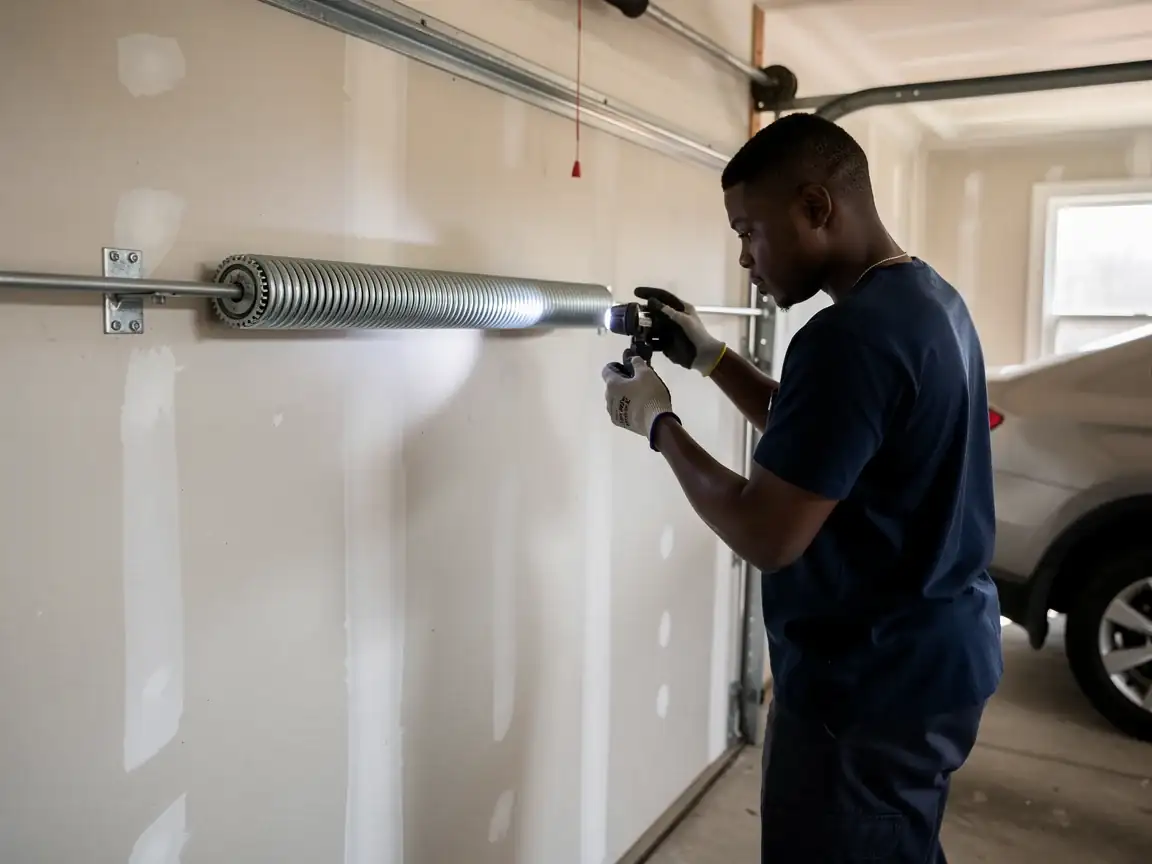
Other times it's quieter: a cable that's frayed but hasn't let go yet, showing a few broken strands sticking out near the bottom bracket or the drum. If you see that, stop using the opener. A cable under tension that finally gives can snap back hard enough to hurt someone standing nearby or damage the track.
Across the Columbus service area, where the housing stock spans 1938 to 2006 with a lot concentrated in that 1980s-90s build window, we see this fail mode on both single and double doors, torsion and extension spring systems alike. The age of the hardware, not the brand of door, is usually what decides when a cable finally gives out.
What the Repair Takes
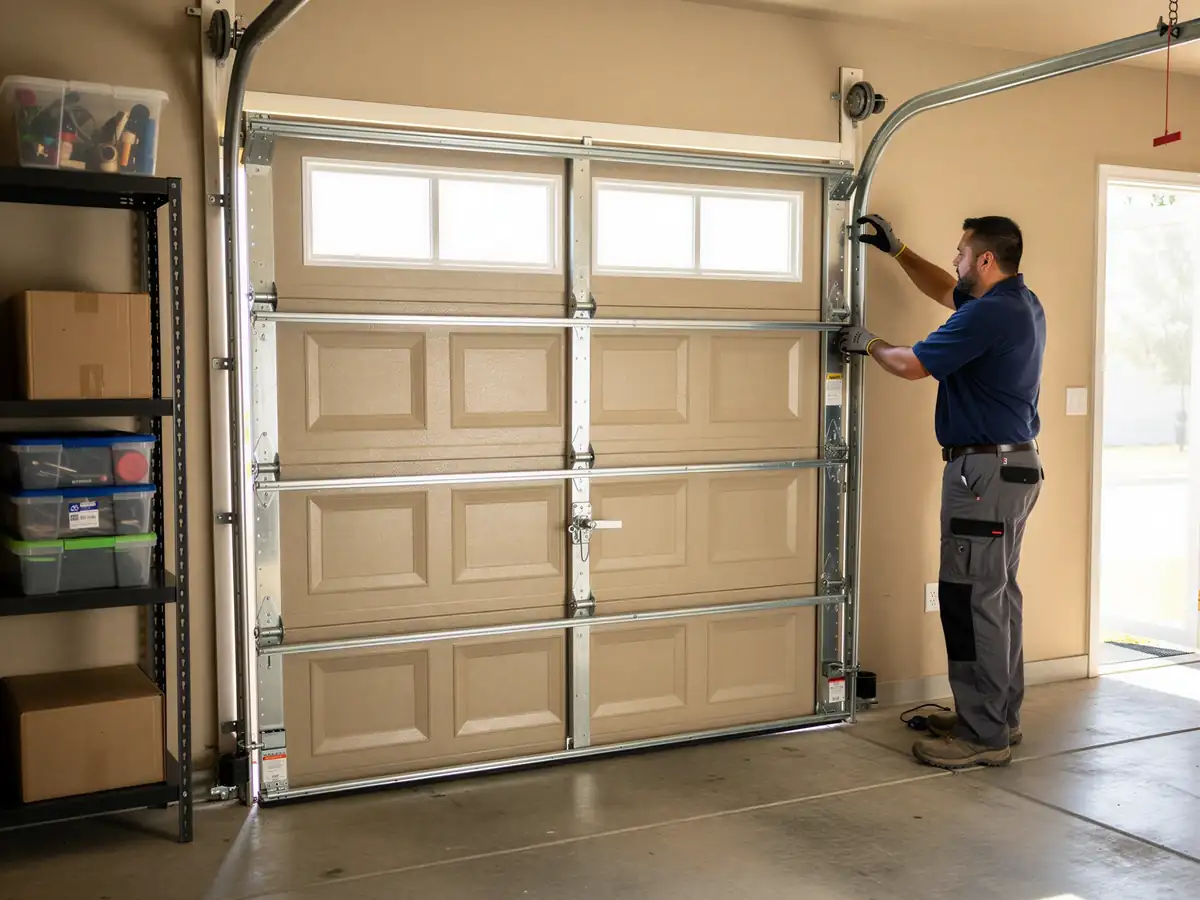
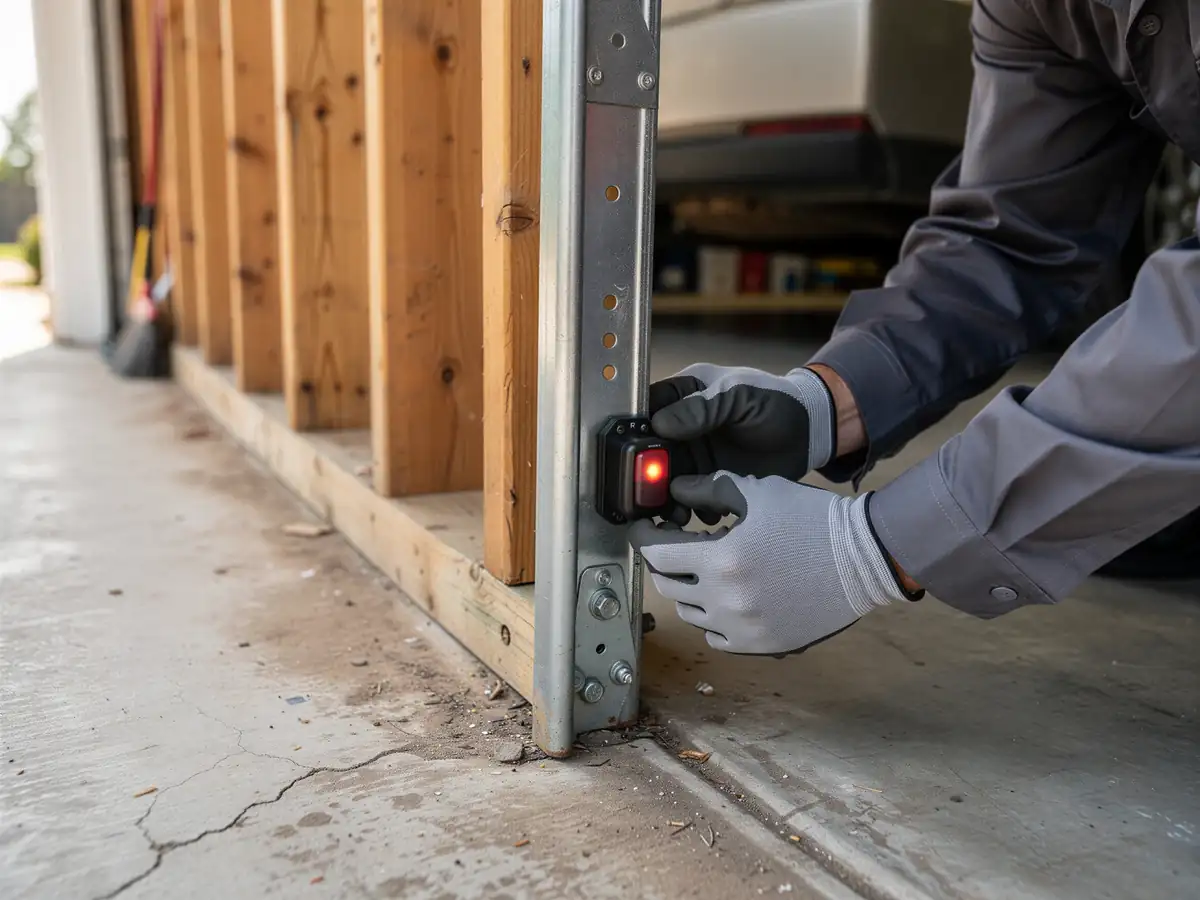
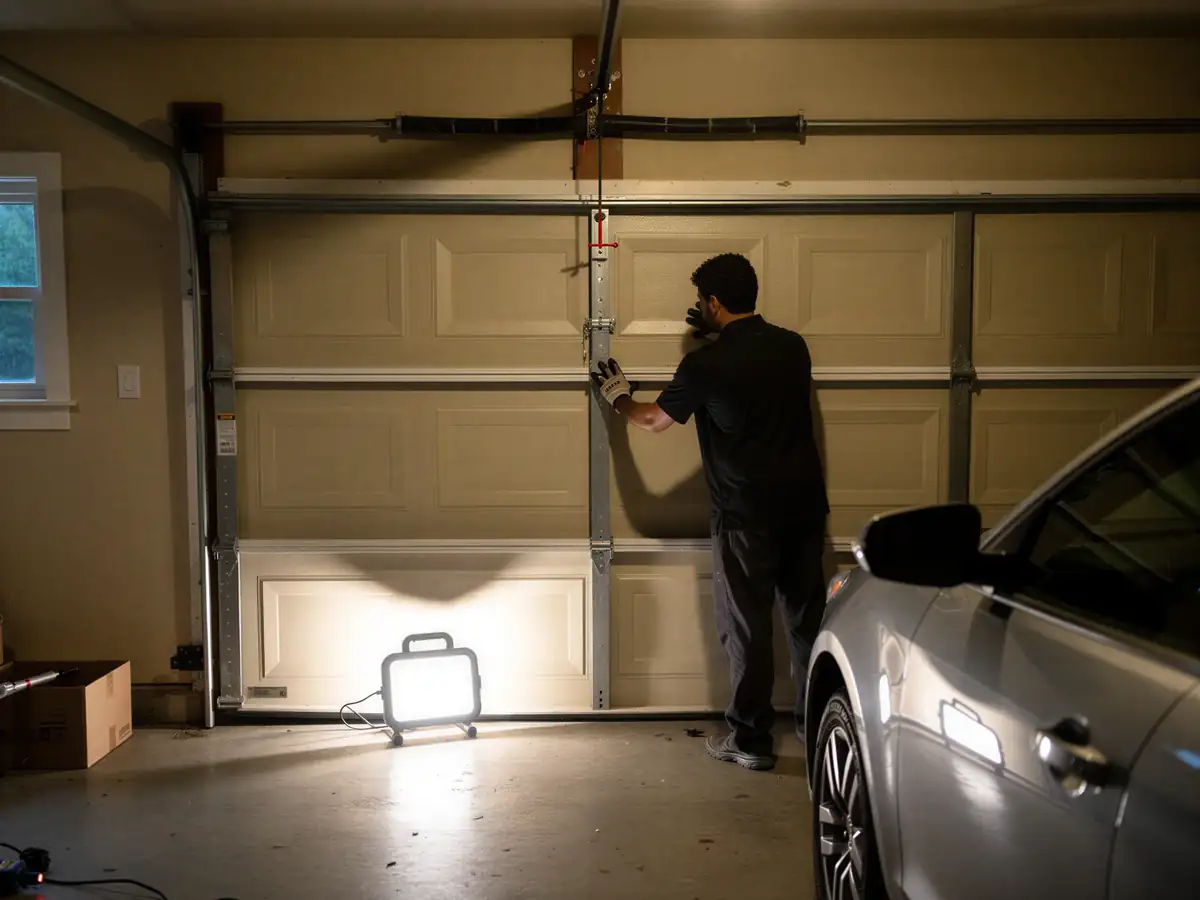
A straight cable replacement on a residential door is a bounded job: release spring tension safely, pull the old cable off the drum and bottom bracket, run the new one, re-tension, and test the balance. Most of the time we're doing both cables as a pair, even if only one failed, because the other one is the same age and under the same load.
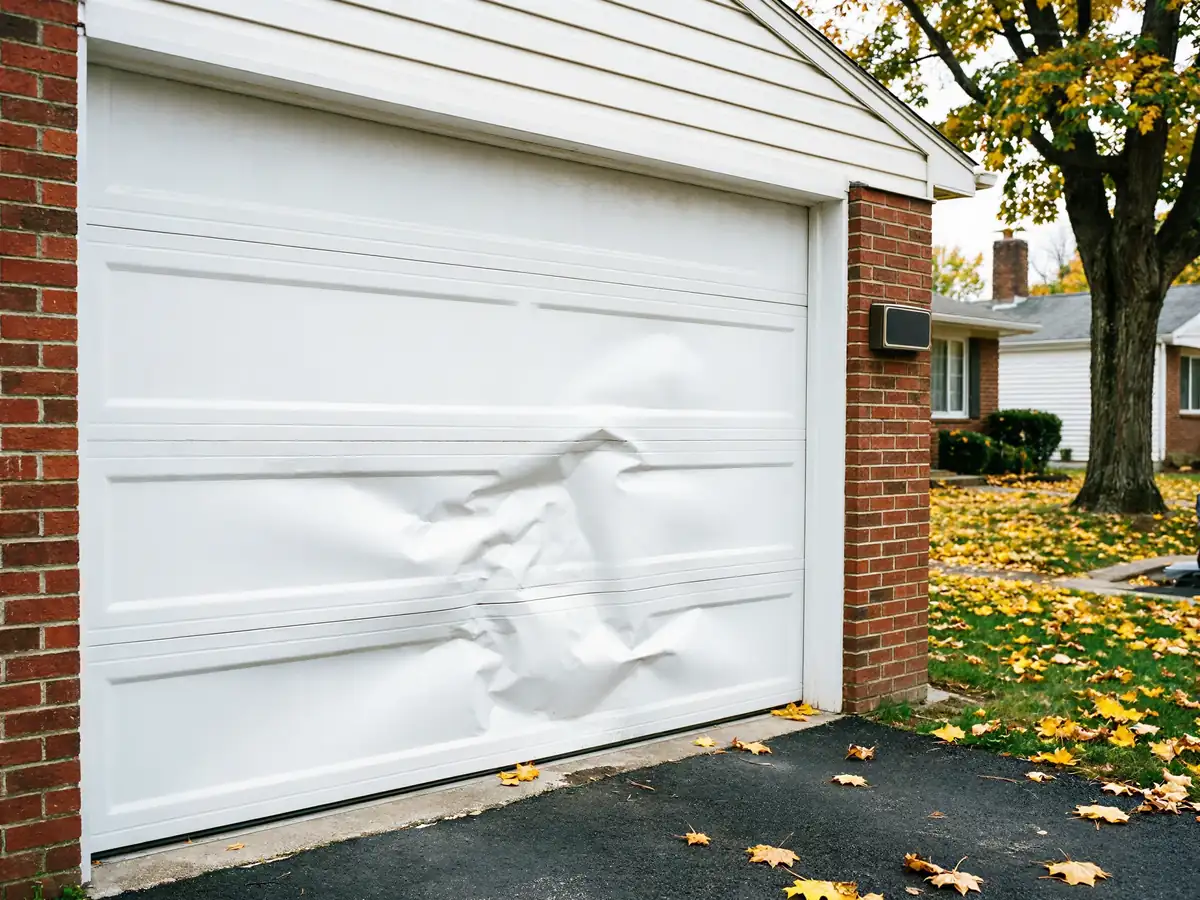
Where it gets longer is when the cable snapped mid-use and the door dropped hard. That can bend a track, crack a bottom bracket, or knock an off-balance door into the opener's carriage. In those cases the cable itself is a small part of the ticket; the bent hardware is the rest of it.
We don't carry every length and gauge of cable for every drum size on the truck, so on an unusual setup - an older high-lift conversion or a commercial-weight residential door - there can be a short wait on the exact part. That's the one honest limitation here: most jobs close same-visit, but not every oddball setup does.
Can You Do This Yourself
We'll say it straight: don't
A garage door cable works in tandem with a torsion or extension spring that's storing real force, and the two systems share load. Loosen the wrong thing while a spring is wound and you're looking at an injury, not a repair. Even on extension-spring doors, where the tension looks lower, a cable under load that slips off a pulley can whip.
If the door is already down and won't move, and a cable is visibly broken
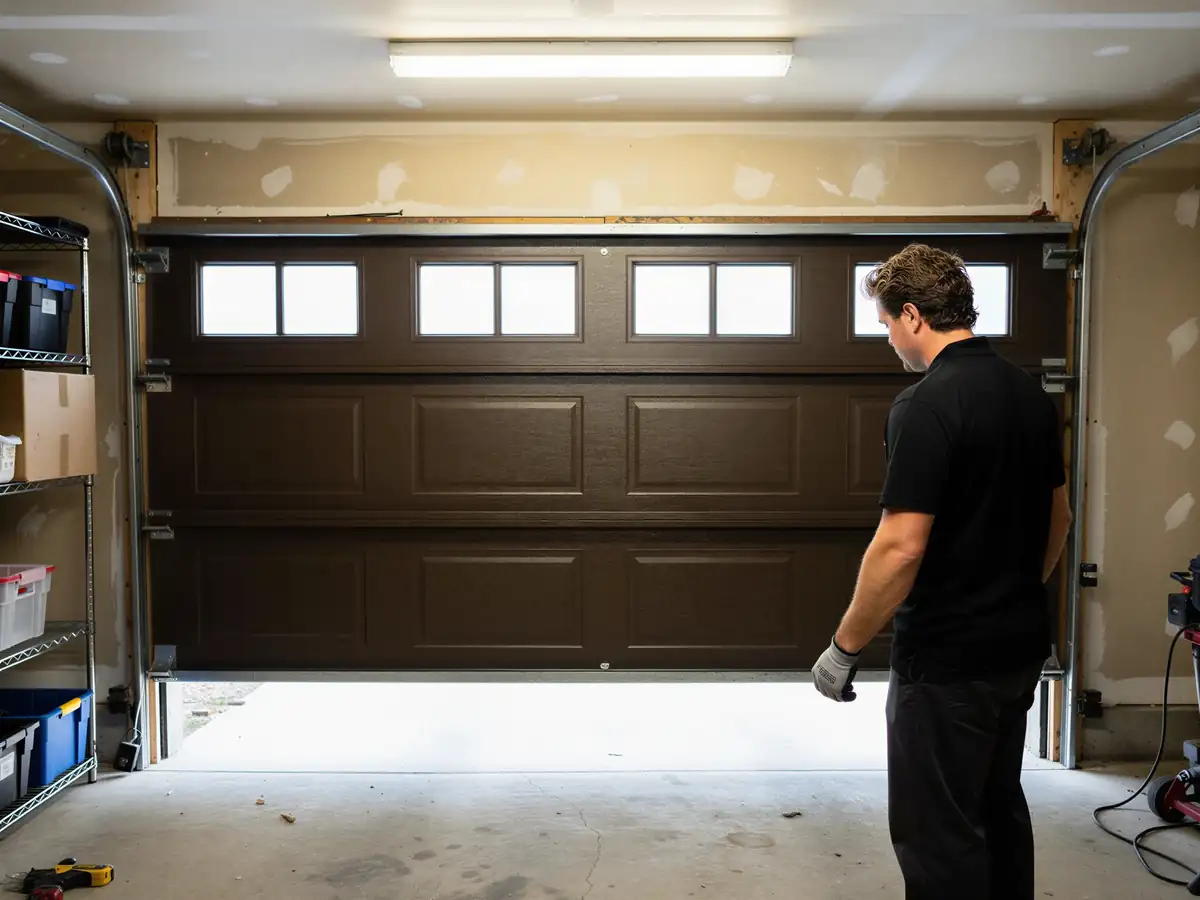
The safe move is to leave the opener disconnected and not force the door by hand. A door that's lost one cable is being held crooked by the other side, and forcing it can bend the track or pop the second cable too.
There isn't much middle ground on this one
Either the door is balanced and moving, or it isn't, and a cable job is tension work, not a bracket swap.
Why It Happens Here
Columbus's housing stock runs from 1938 through 2006, with the median build year around 1986 and the bulk of homes across the roughly 30 named areas we track going up in that 1980s-90s stretch. That means a huge share of the doors in this market are on original or first-replacement cable and drum hardware that's now thirty-plus years old - well past the point where galvanized cable strands start to fatigue and rust from the inside, where you can't see it until a few strands let go at once.
The climate side matters just as much. Columbus sits in a cold, severe-winter band, and that swing from humid summers to hard winter cold puts repeated stress on exposed steel cable: it contracts in the cold, expands in the heat, and picks up surface rust faster at the pulley and drum contact points where moisture collects. A cable that would last indefinitely in a dry, mild climate works harder here every single season.
Put those two things together - older hardware across a metro area of roughly 71,000 owner-occupied houses, sitting through real winters - and cable failure isn't rare. It's one of the most common calls we get, in both older inner neighborhoods and the newer-built outer areas alike.