How It Shows Up
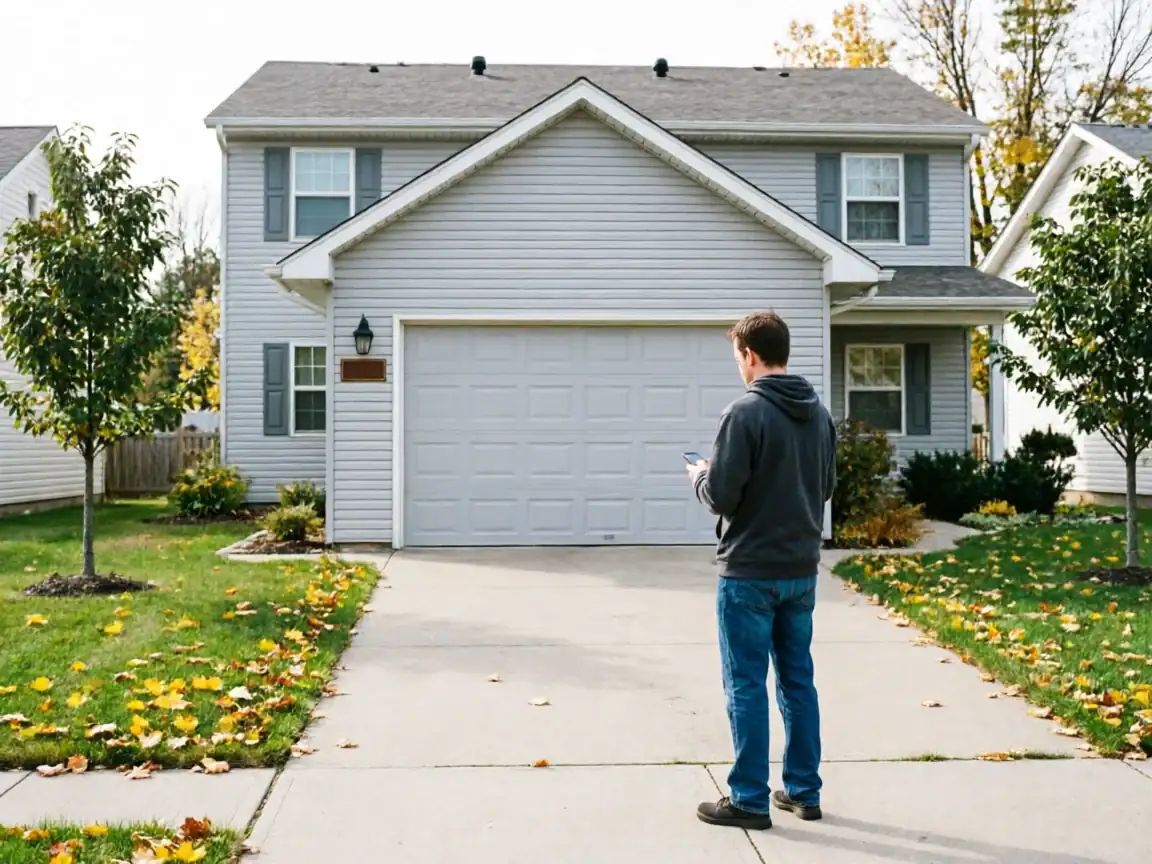
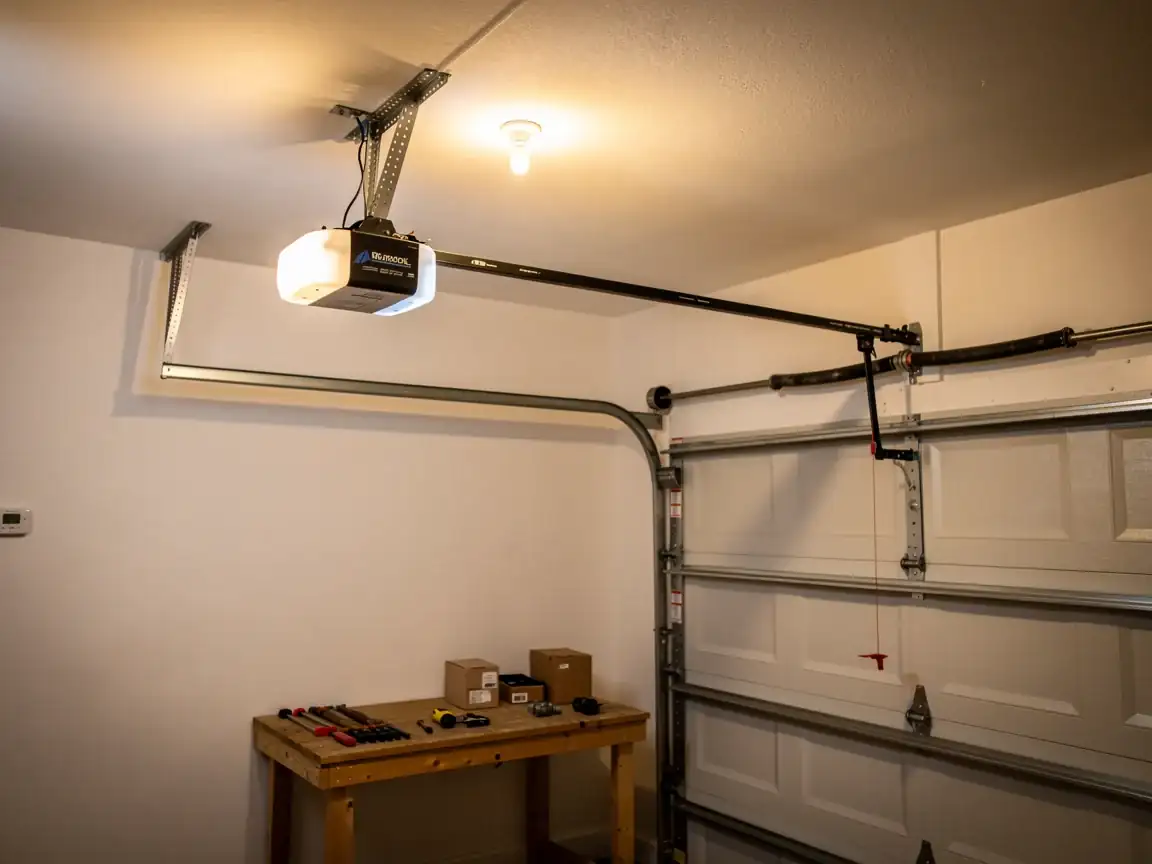
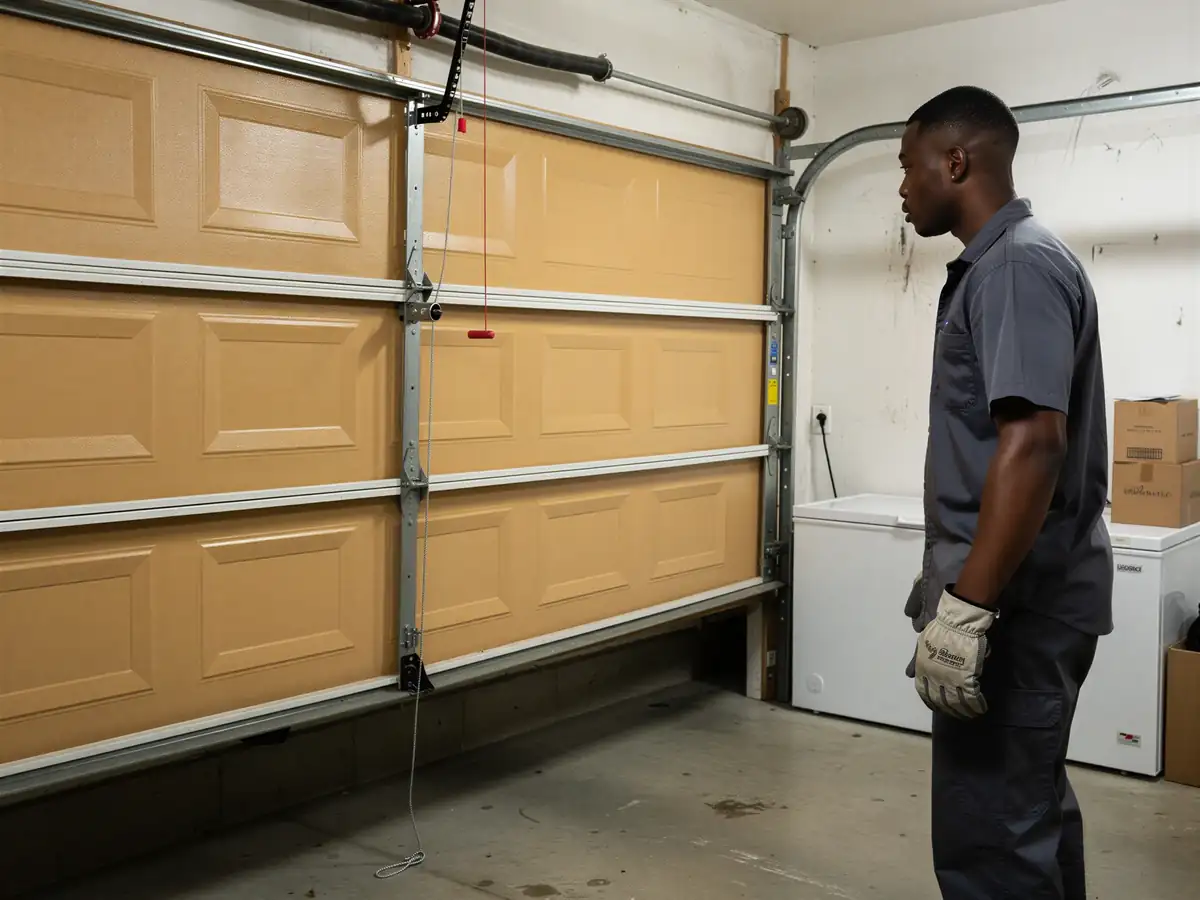
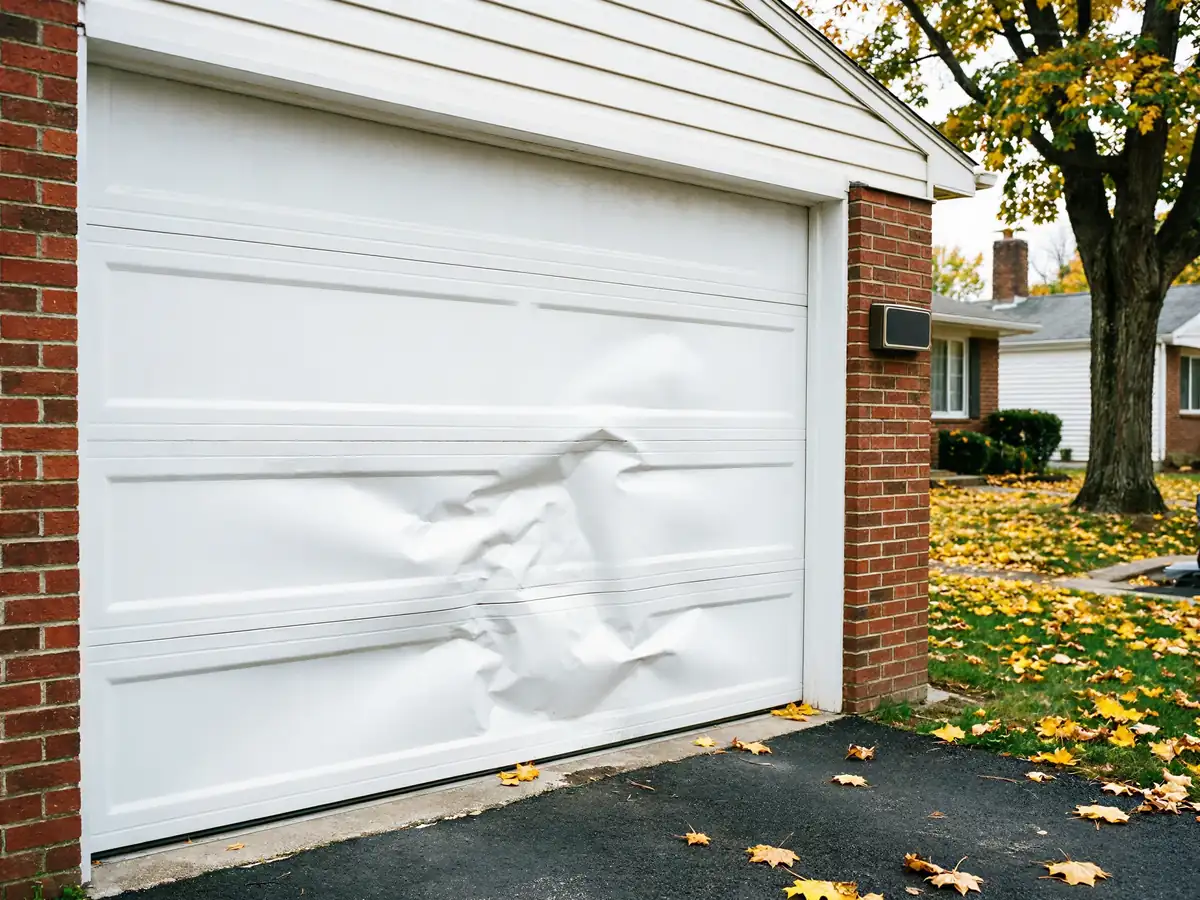
The call usually starts the same way: the door looks fine from the driveway but it's heavy to lift by hand, the opener strains and clicks off mid-cycle, or cold air pours around the bottom seal no matter how many times you've replaced the weatherstrip. Across Columbus's housing stock, built mostly between 1938 and 2006 with a median year of 1986, that's rarely one broken part. It's an original door and opener pairing that was sized for a lighter, uninsulated panel decades ago and never upgraded. Owners in the older sections closer to the center of the city deal with single-layer steel doors on torsion springs calibrated for that lighter weight. Owners further out, in the 1980s-90s stock that makes up most of the 30 named areas we work in, often have a door that's structurally fine but an opener that's undersized for a double-wide insulated replacement they've been eyeing. Either way, the symptom isn't failure - it's mismatch. A door that groans, an opener that overheats, a bottom seal that never quite closes the gap: these point to a door and drive system that were never engineered together in the first place, which is a installation problem, not a tune-up.
What the Repair Takes
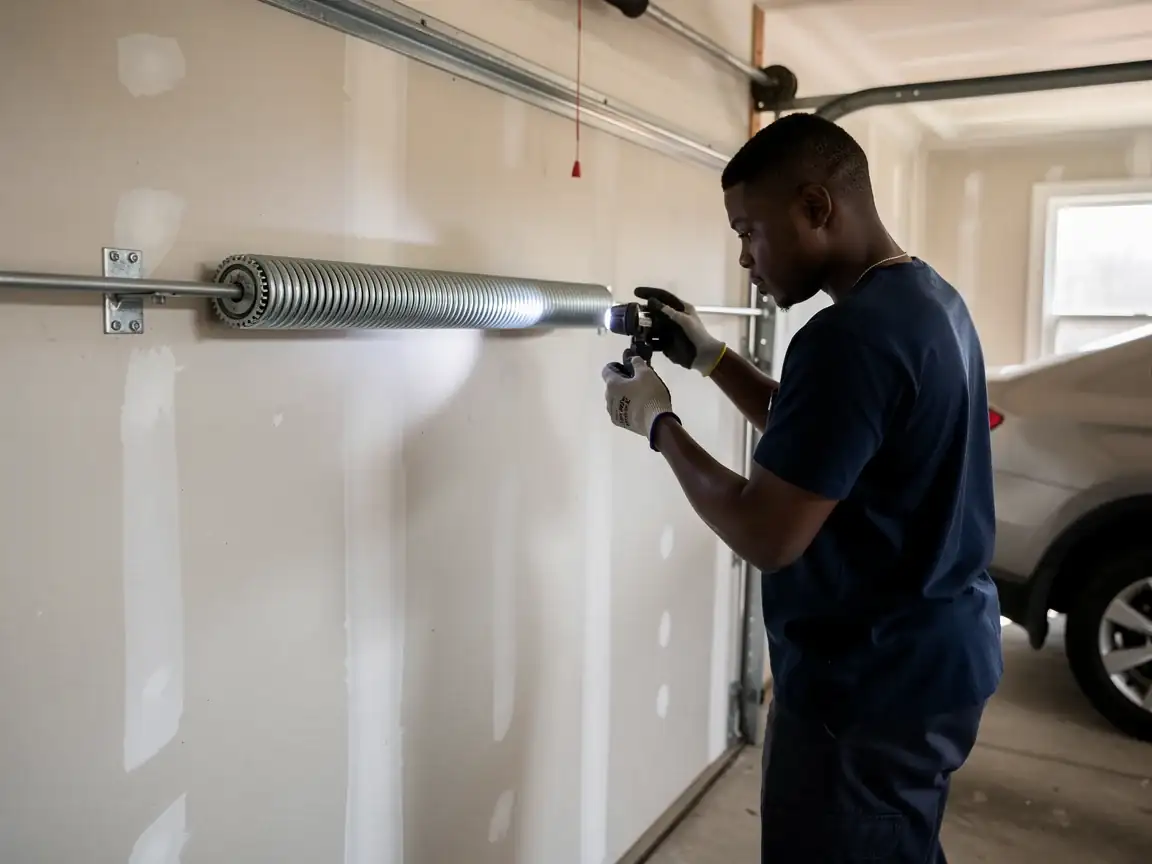
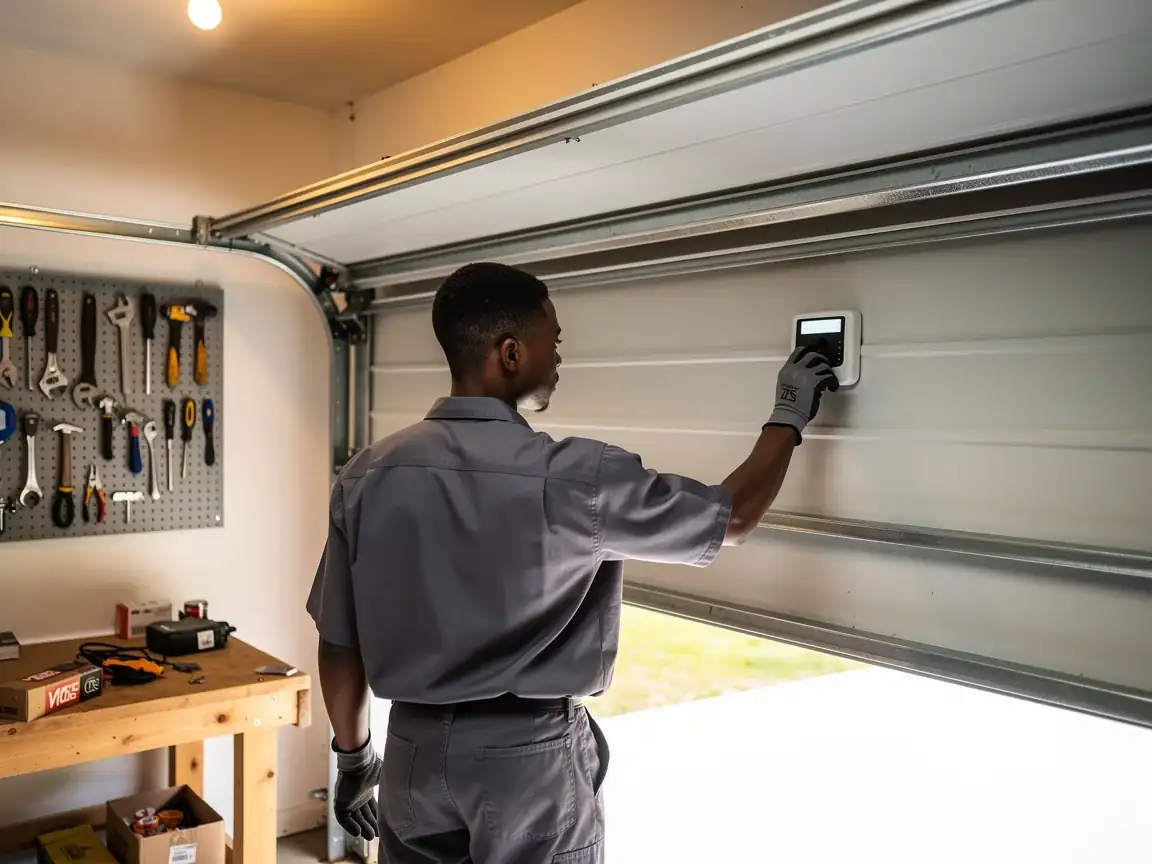
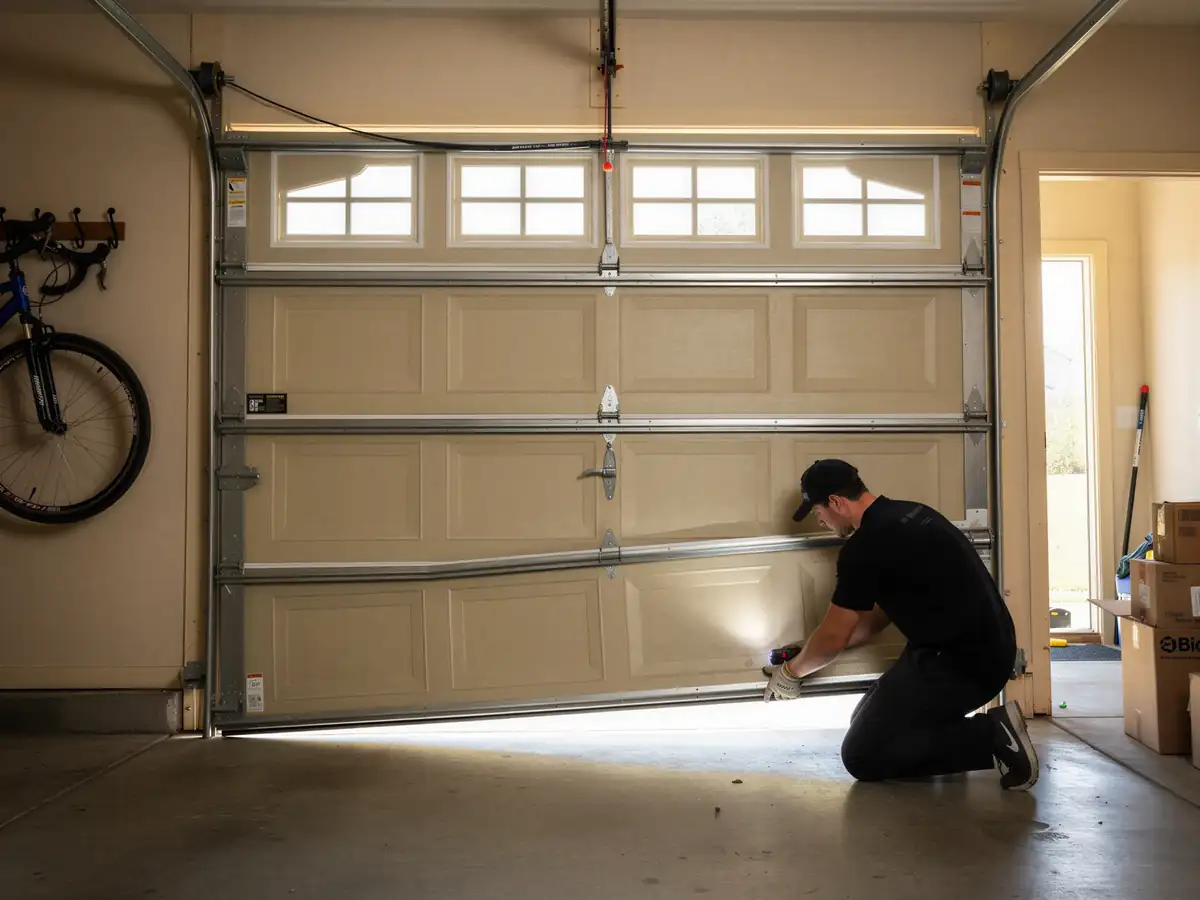
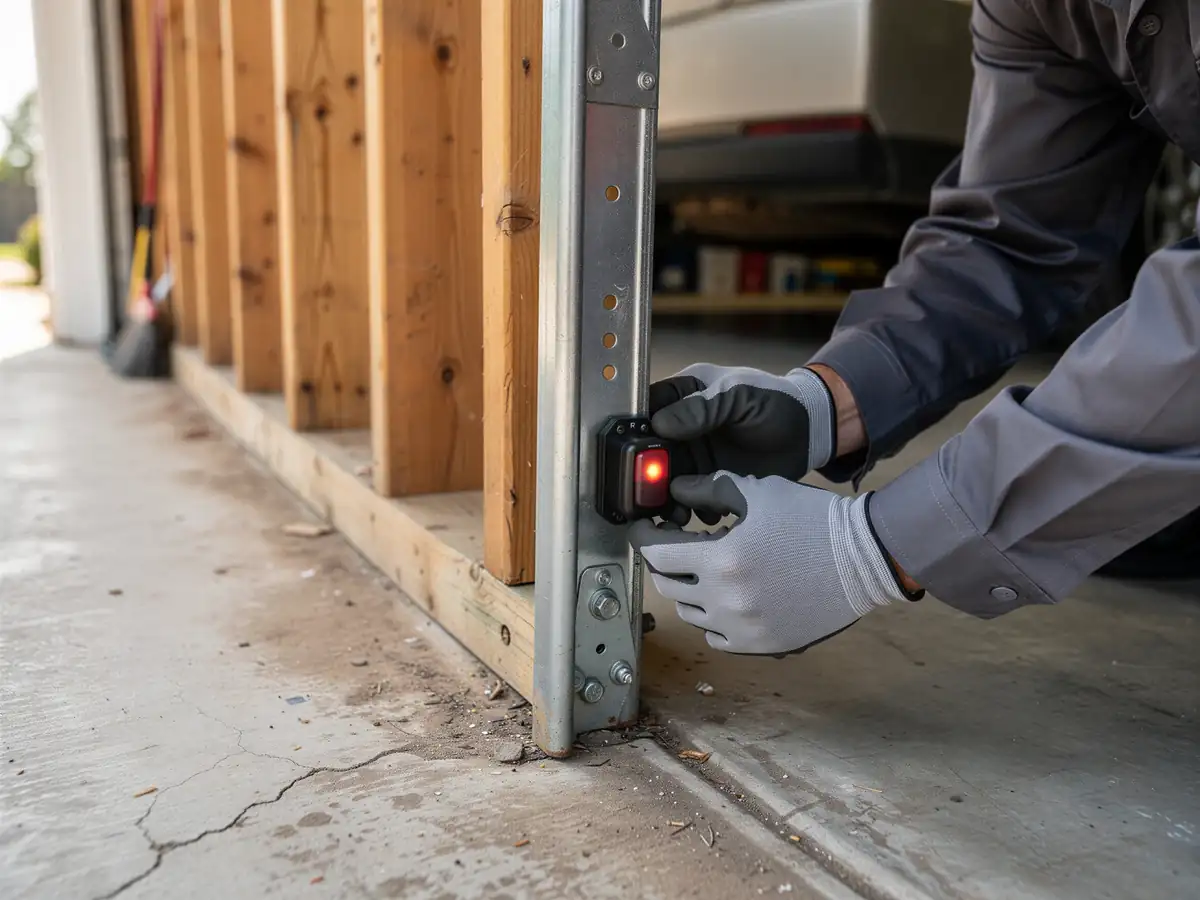
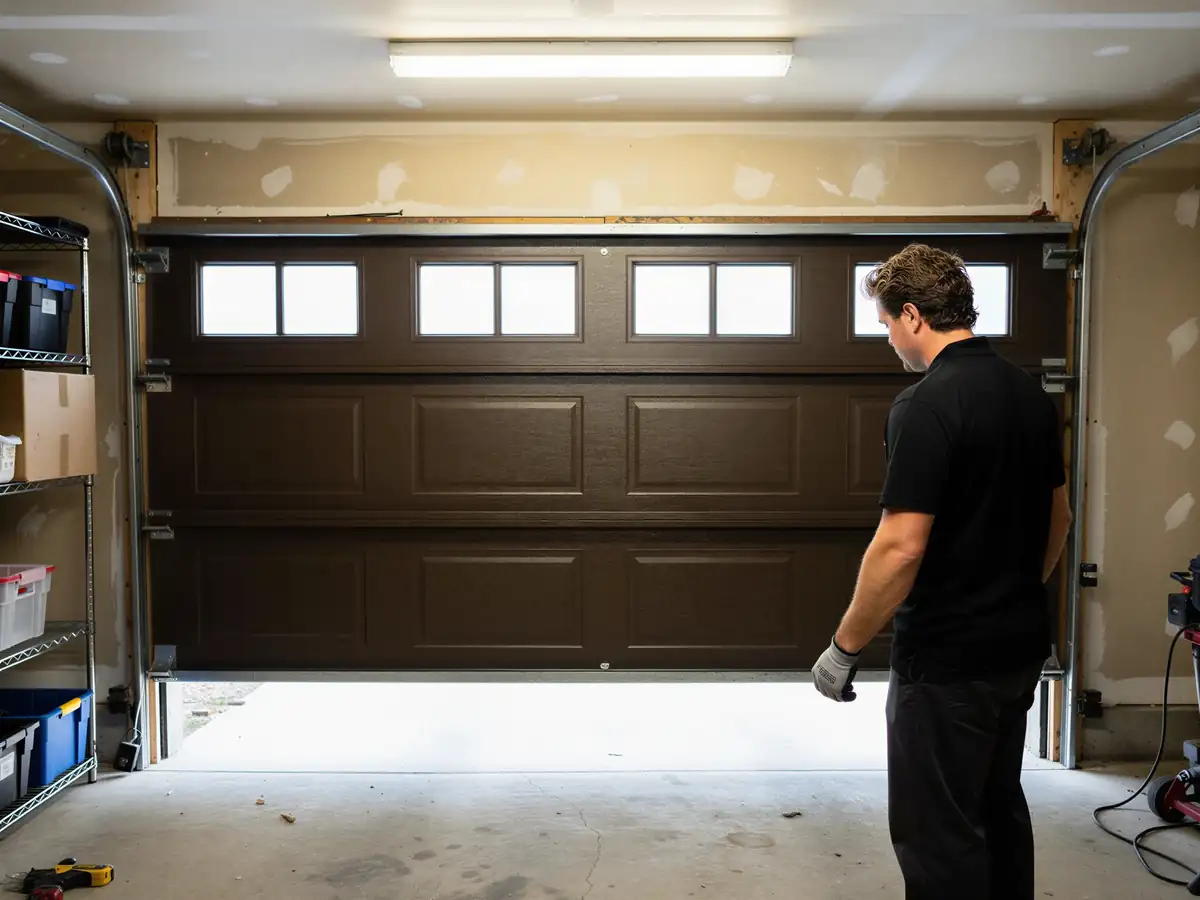
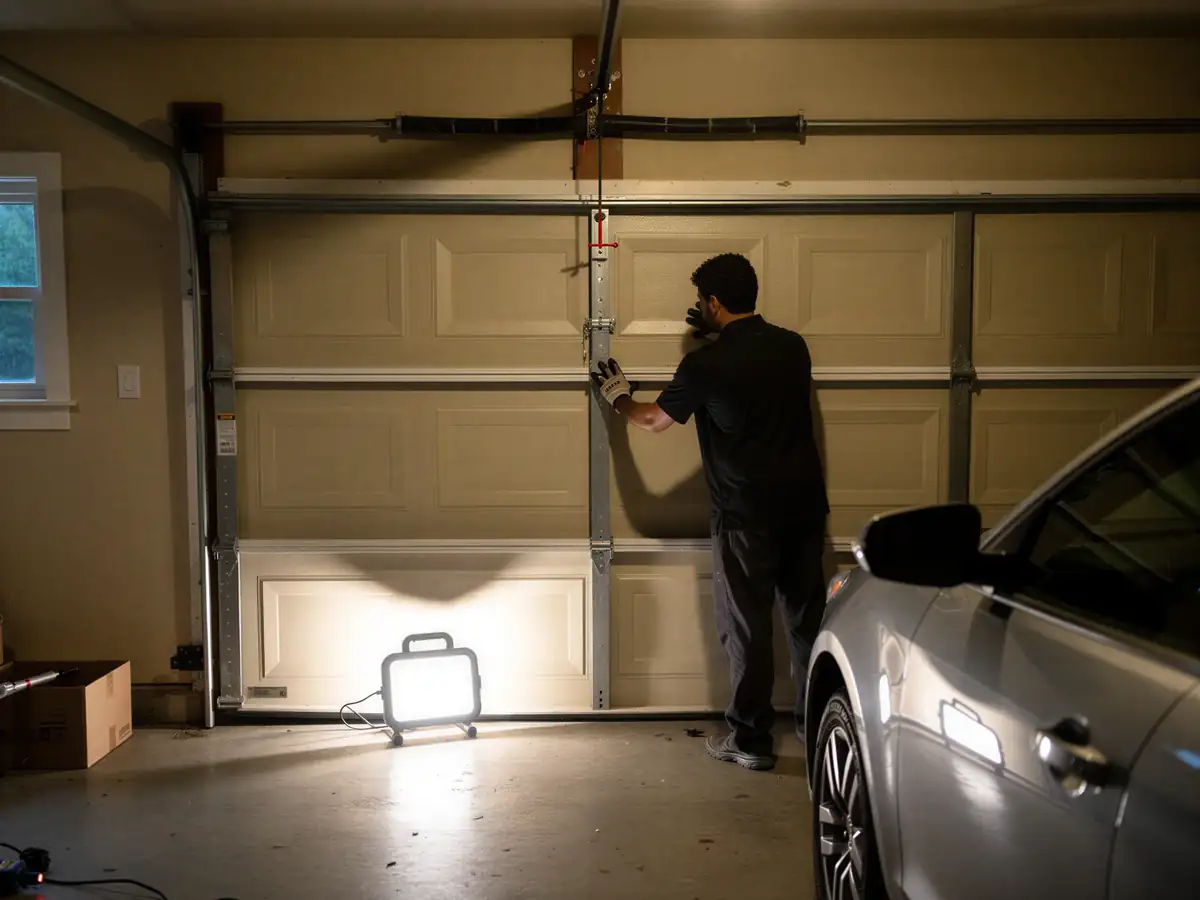
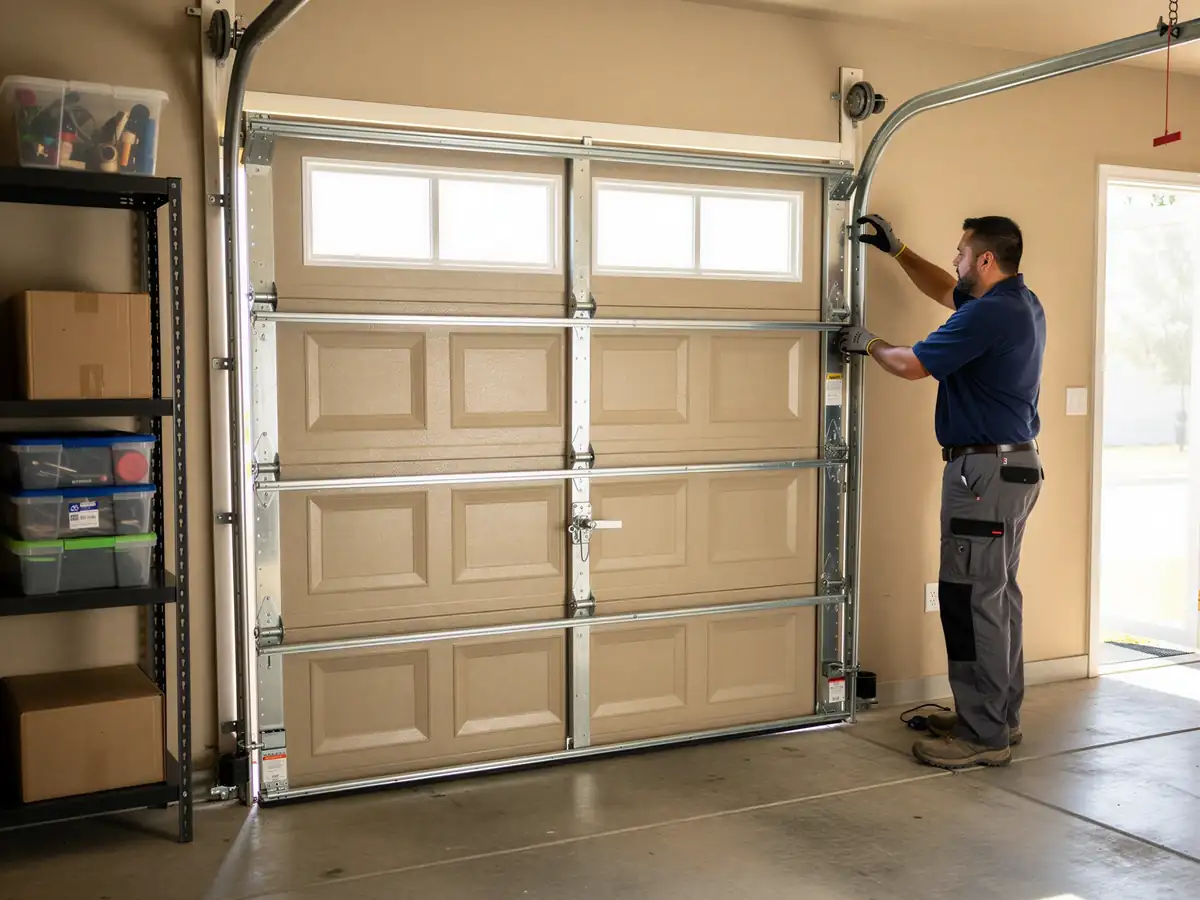
A proper installation starts with taking the old door off its hardware entirely, not just swapping panels. We pull the existing torsion springs, strip the track to the jamb, and check that the opening is still square - plenty of houses from the 1938-2006 build range have settled enough that it isn't. The new door gets sized to the actual opening, not assumed from the old one, and the springs get calculated for the real weight of an insulated steel door, which is heavier than the single-layer originals common on older Columbus stock. Track goes back in plumb, rollers and hinges are new rather than reused, and the opener gets matched to the door's weight and cycle count rather than whatever unit happened to be on the shelf. Because the service area sits in a cold-severe climate band, we default to insulated sections with a sealed bottom astragal rather than a standard panel - that's not an upsell, it's what holds up against a January cold front. The job runs most of a day. What it doesn't take is guesswork on spring size, which is where a lot of installs go wrong.
Why It Happens Here
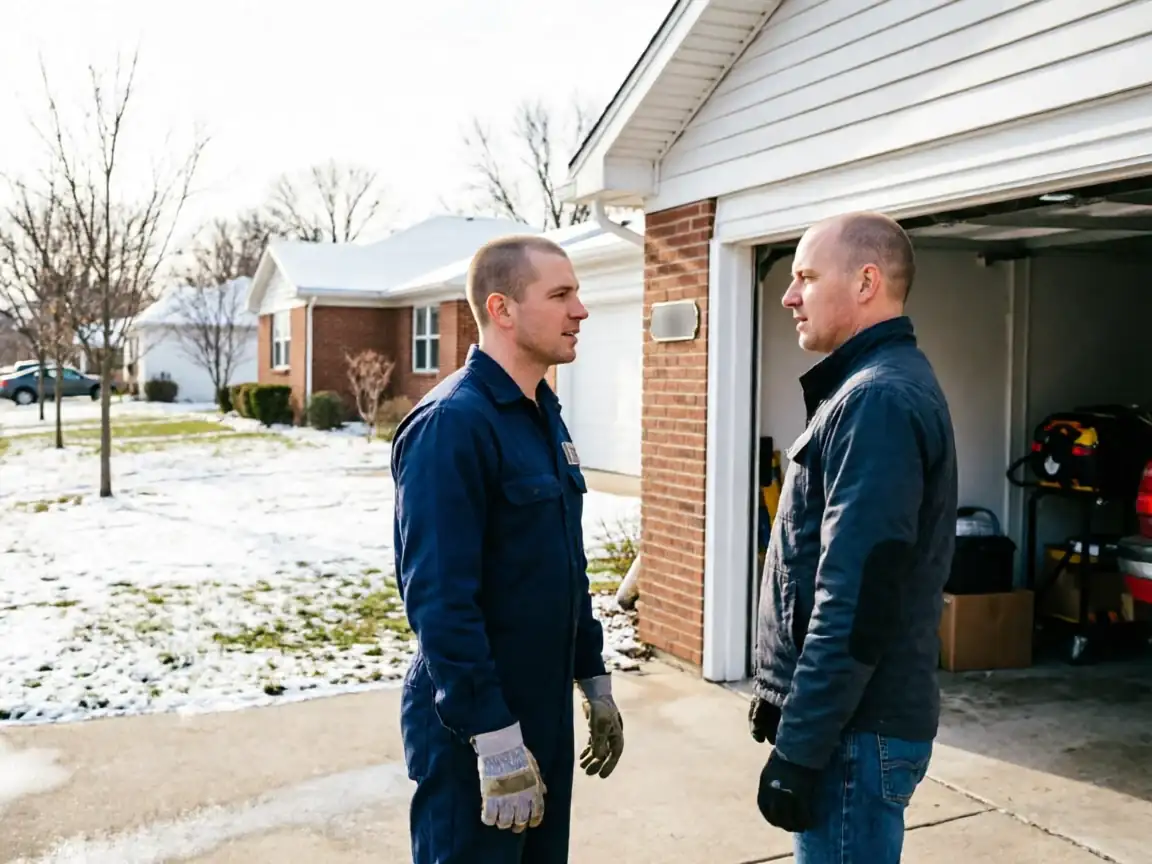
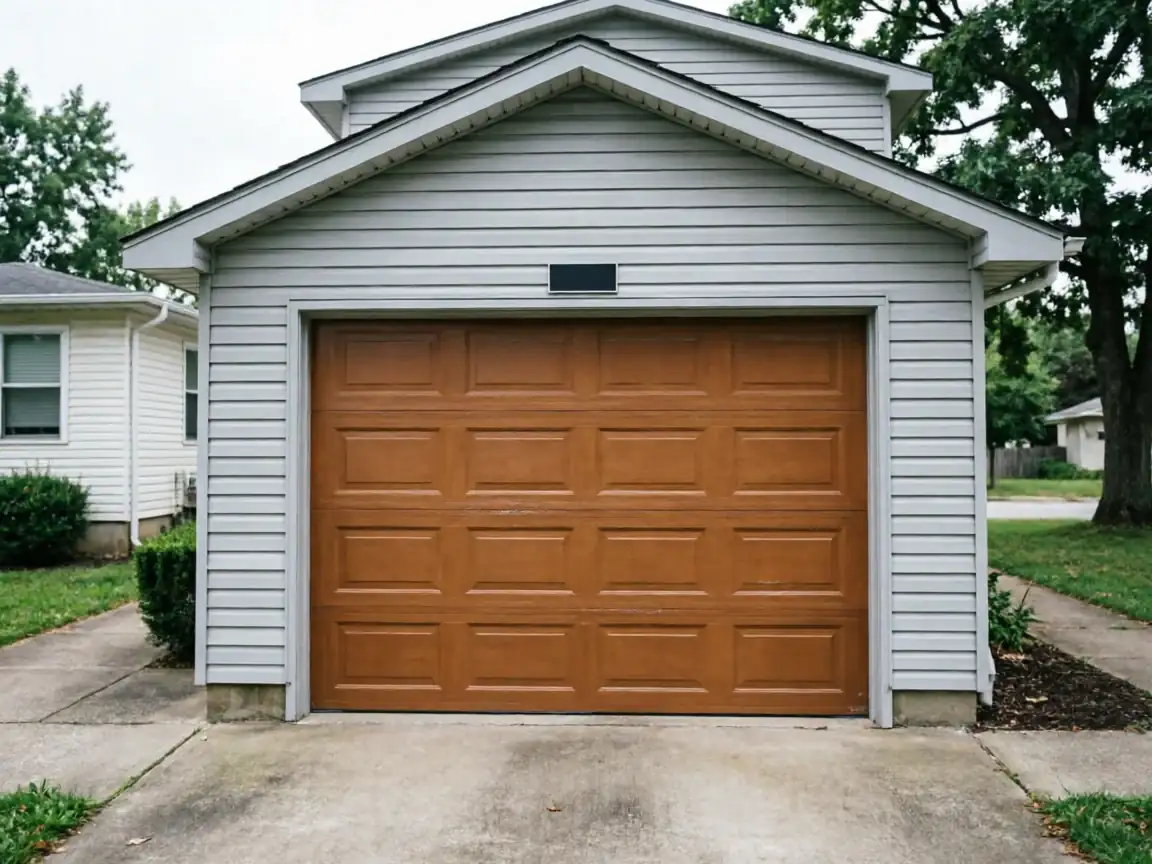
This comes down to when Columbus was built and what the winters do to it. Housing across the service area spans 1938 to 2006, with most of the 30 named neighborhoods - from the to outlying spots like Westerville and Blacklick Estates - built heavily in the 1980s and 90s. Doors from that stretch were engineered to building and energy standards that existed then, not now, and they were almost never insulated to today's level. Layer on a cold-severe climate band and you get doors that technically still open and close but were never built for the temperature swings or the heavier, better-sealed replacements owners want now. With 70,994 owner-occupied houses among the 129,263 households across the area, that's a large base of homes hitting the same wall around the same age. A median household income of $99,964 means most owners here can reasonably choose full replacement over patch repairs, which is part of why installation calls outnumber pure repair calls in the older sections closer to the city center.