How It Shows Up
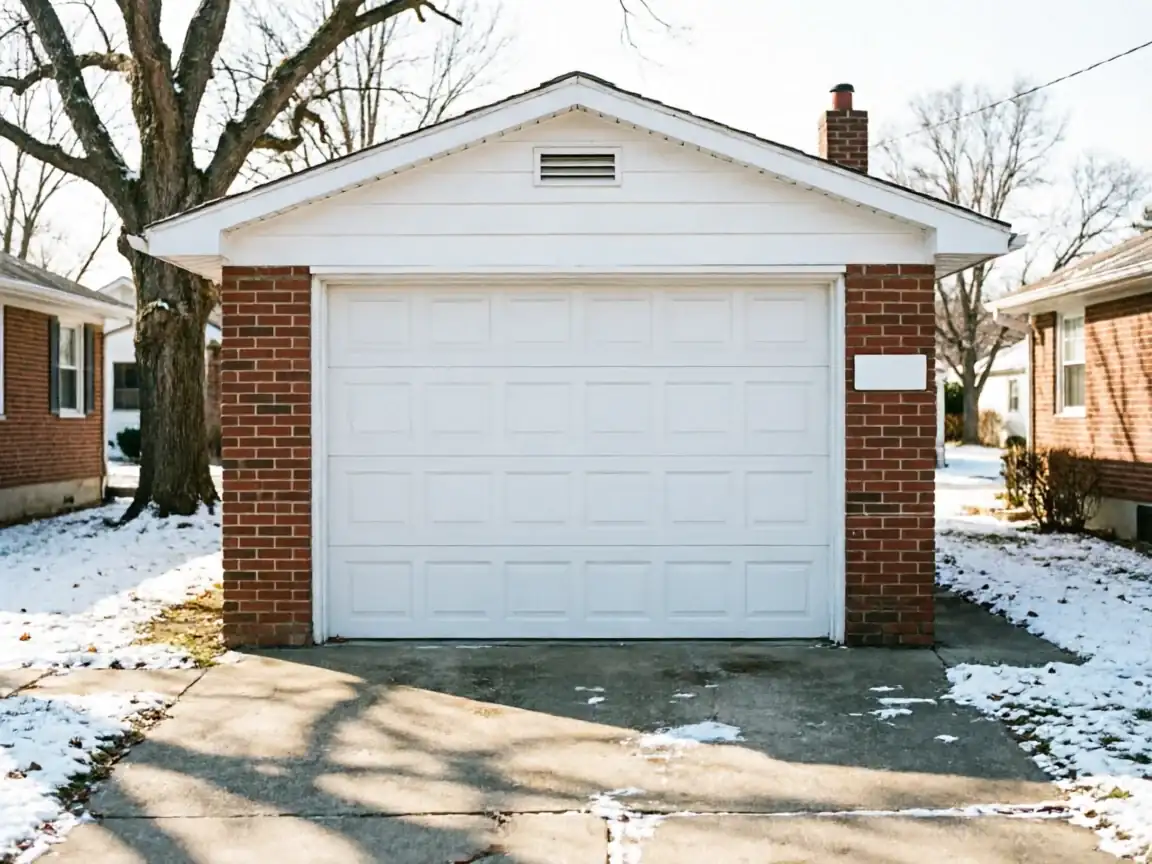
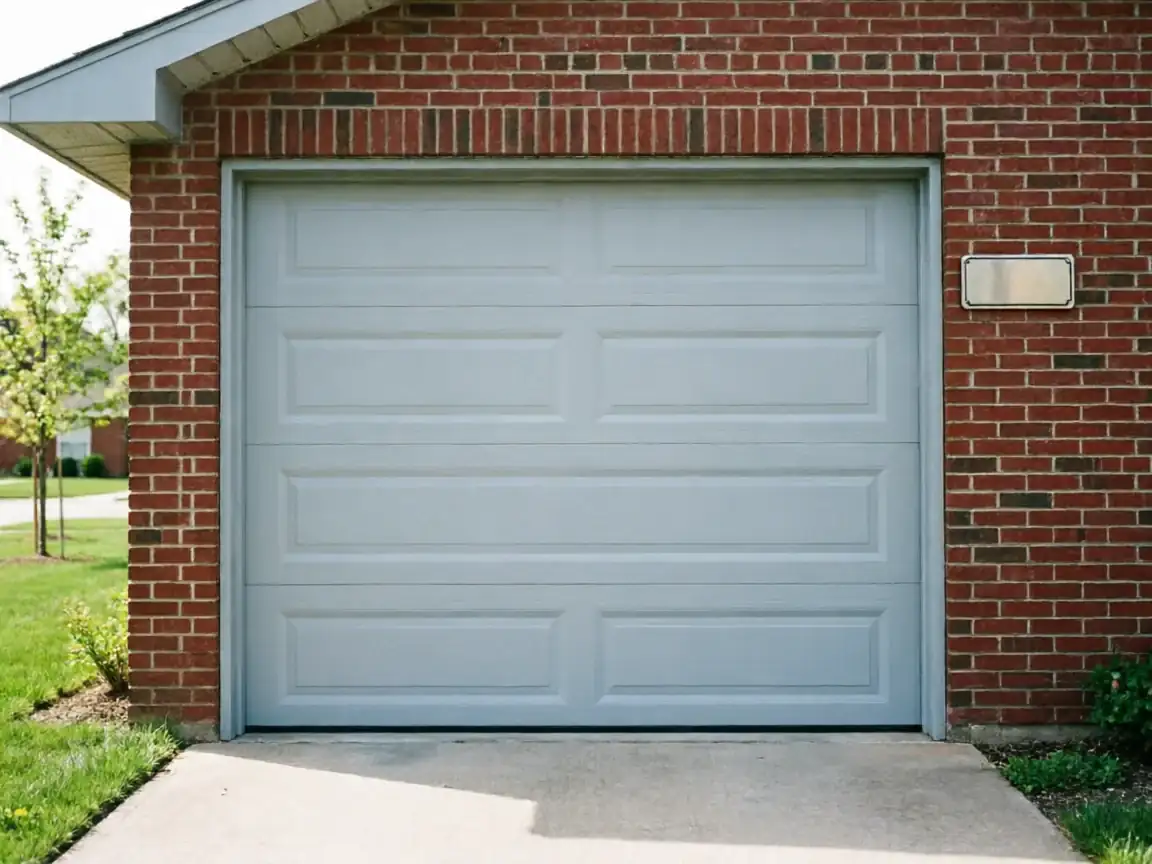
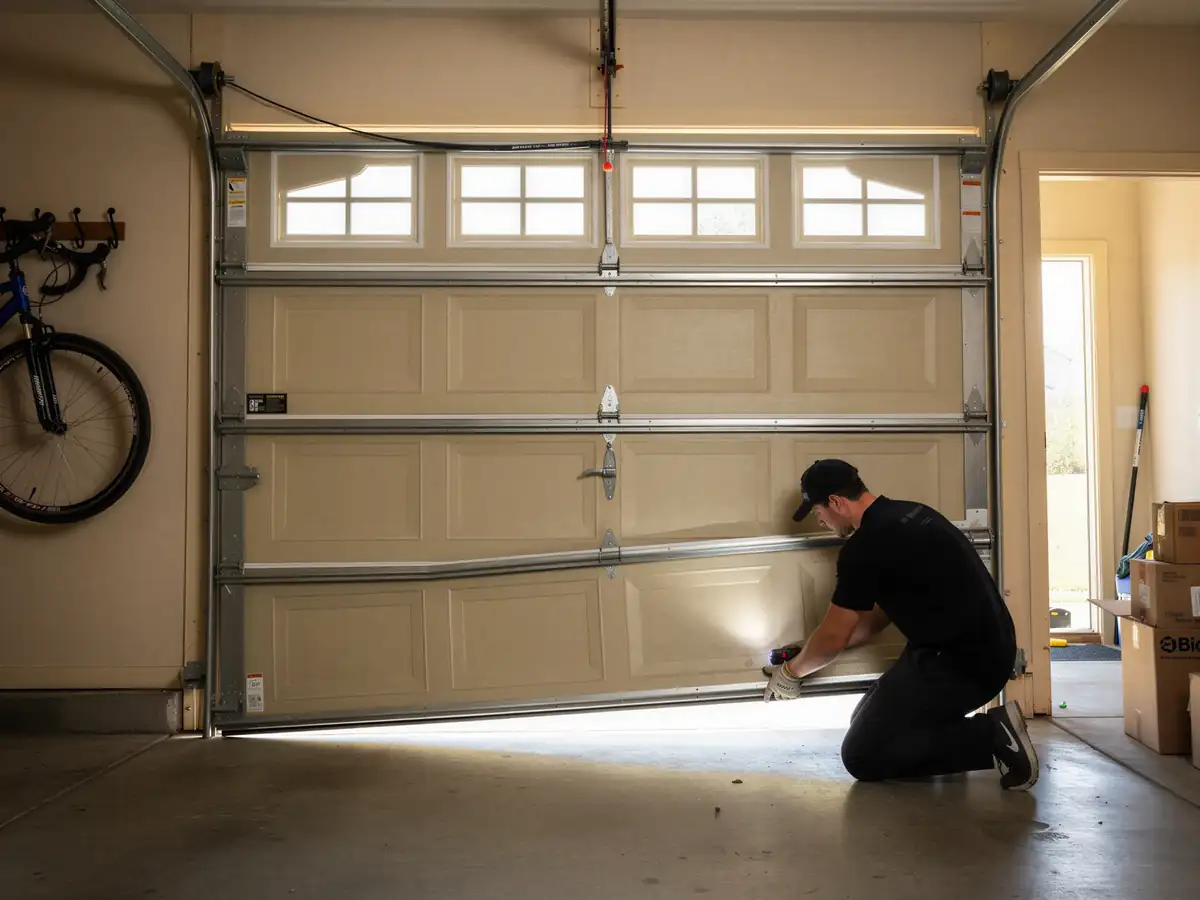
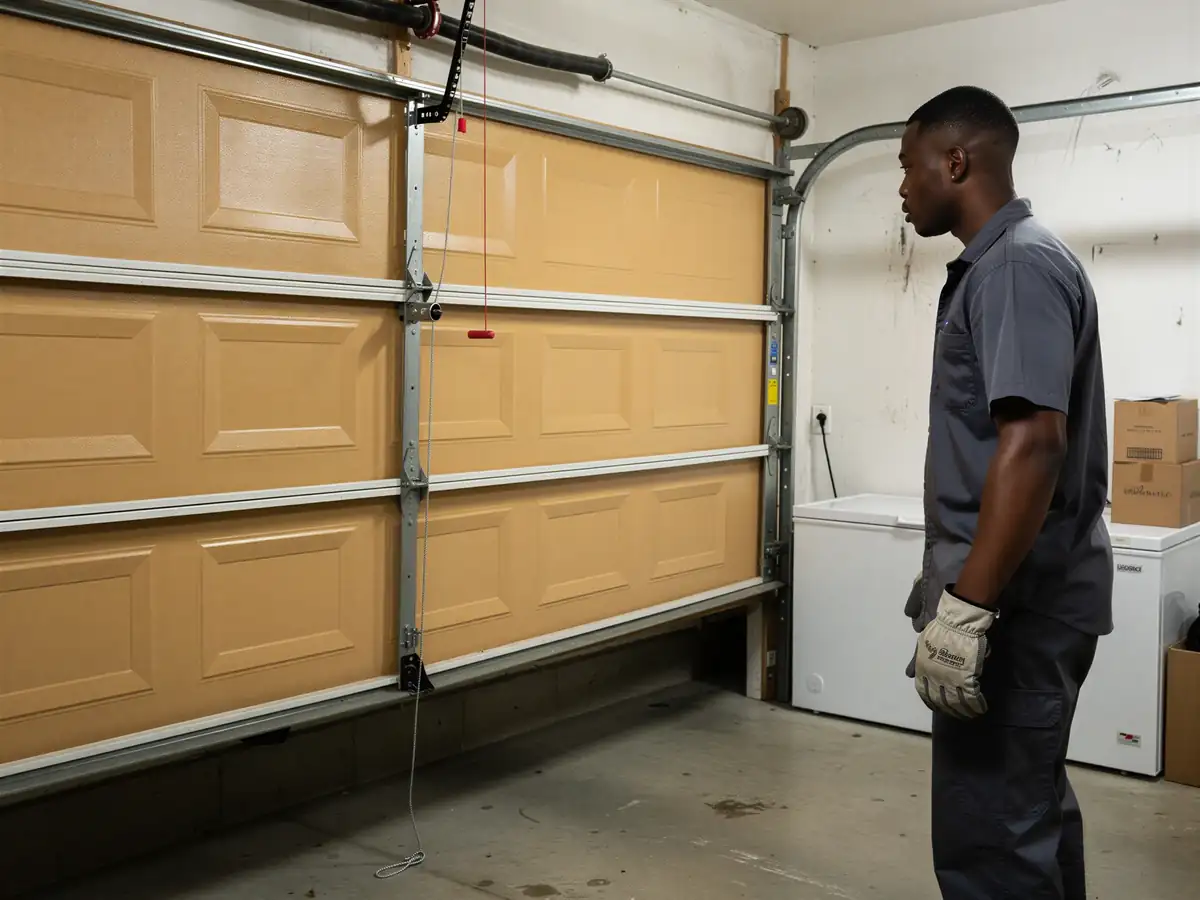
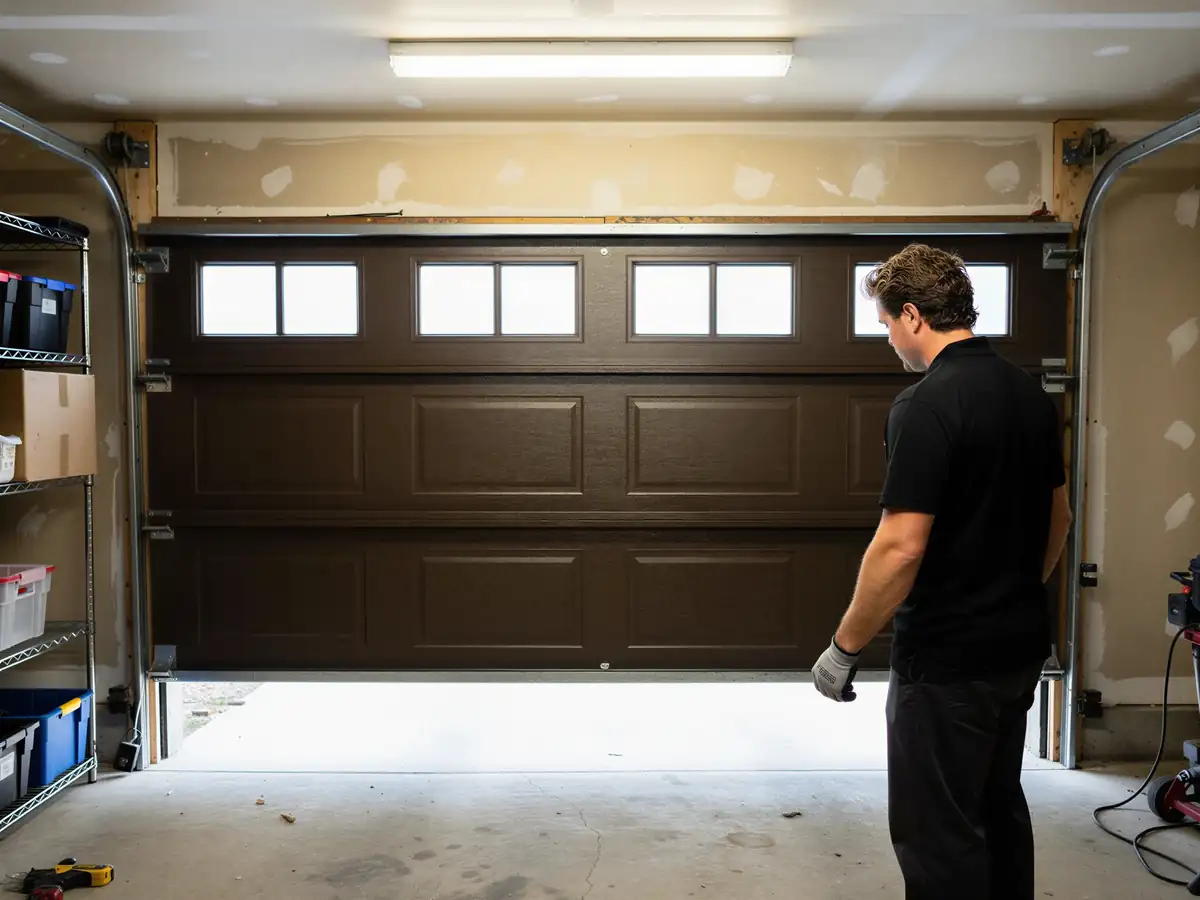
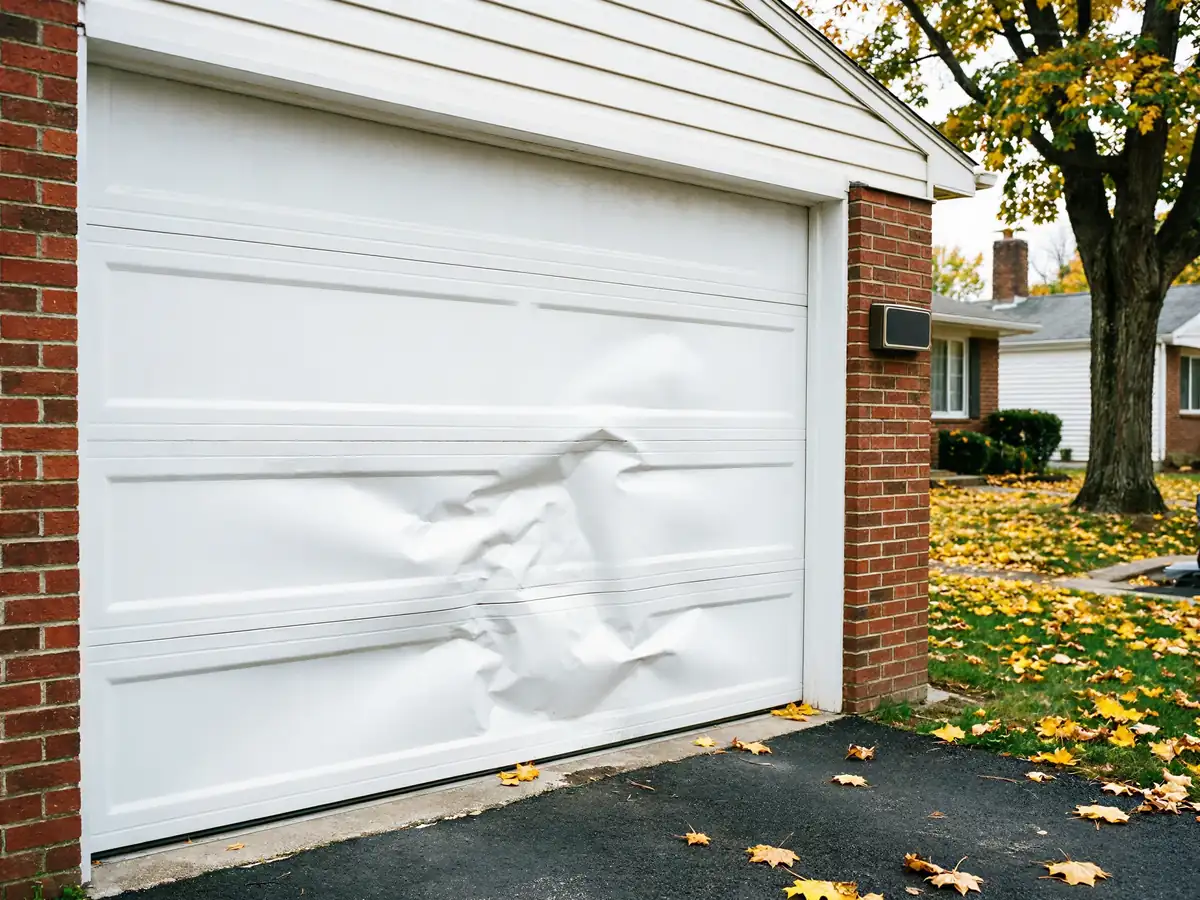
A panel failure in Columbus rarely looks the same twice. On the older end of the housing stock, built as far back as 1938, you'll see steel panels that have rusted through at the bottom seam where years of snowmelt sat against the track. On newer builds from the 1990s and 2000s, the damage is usually blunt force: a dent from a car bumper, a crack where a basketball or a kid's bike caught the lower section, or a panel that's bowed because a roller tore loose and put the whole section under load it wasn't built for.
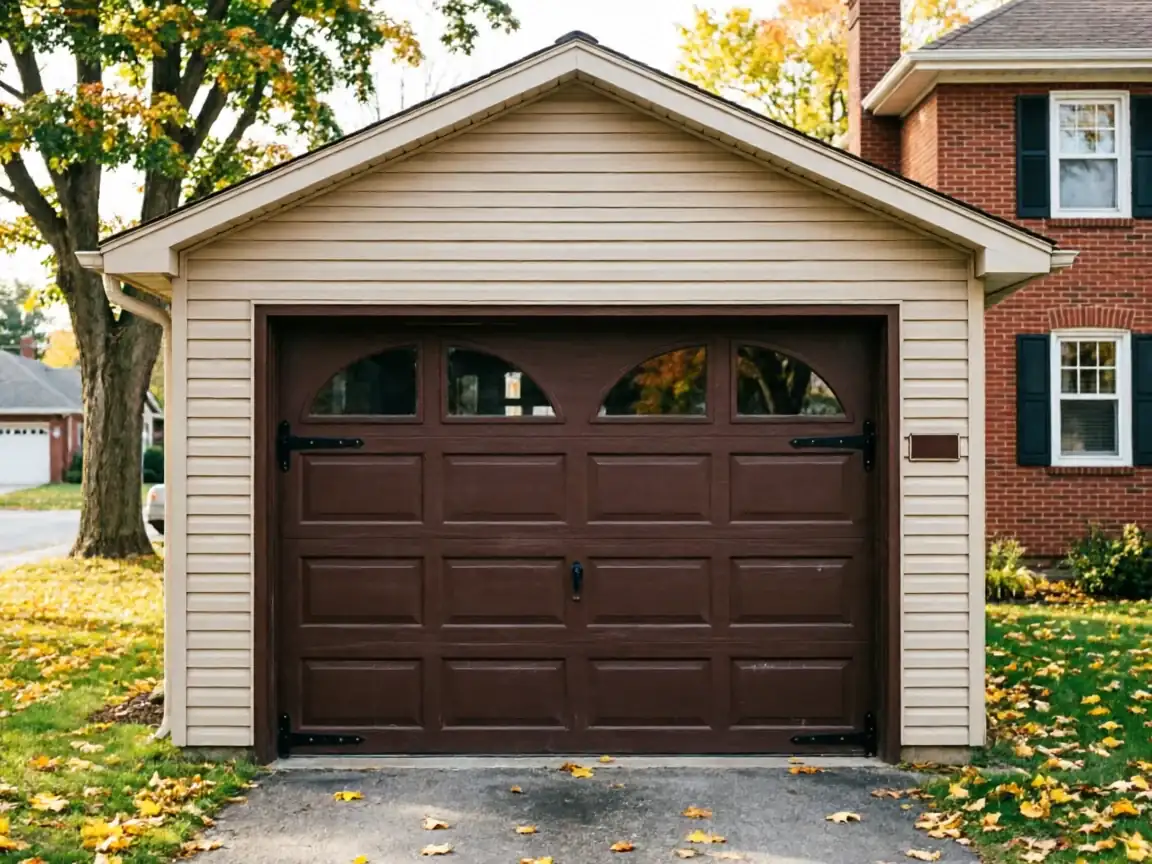
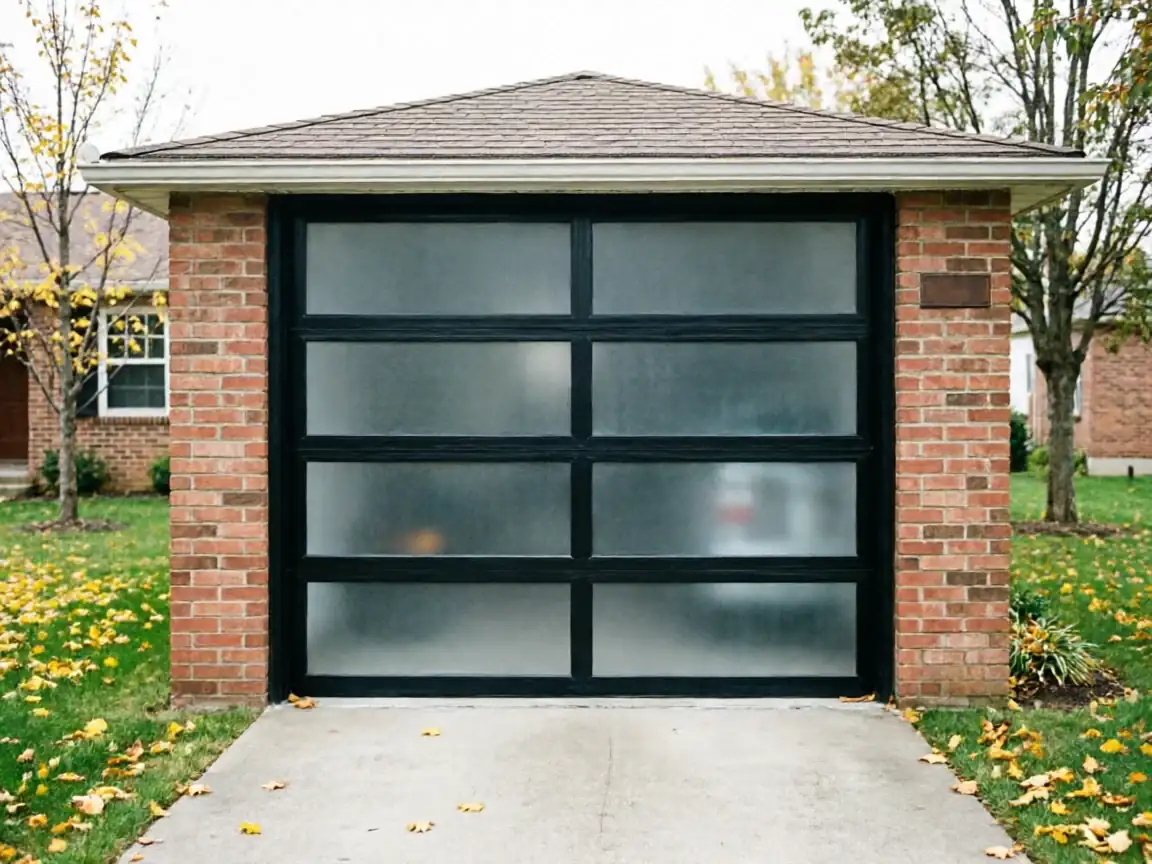
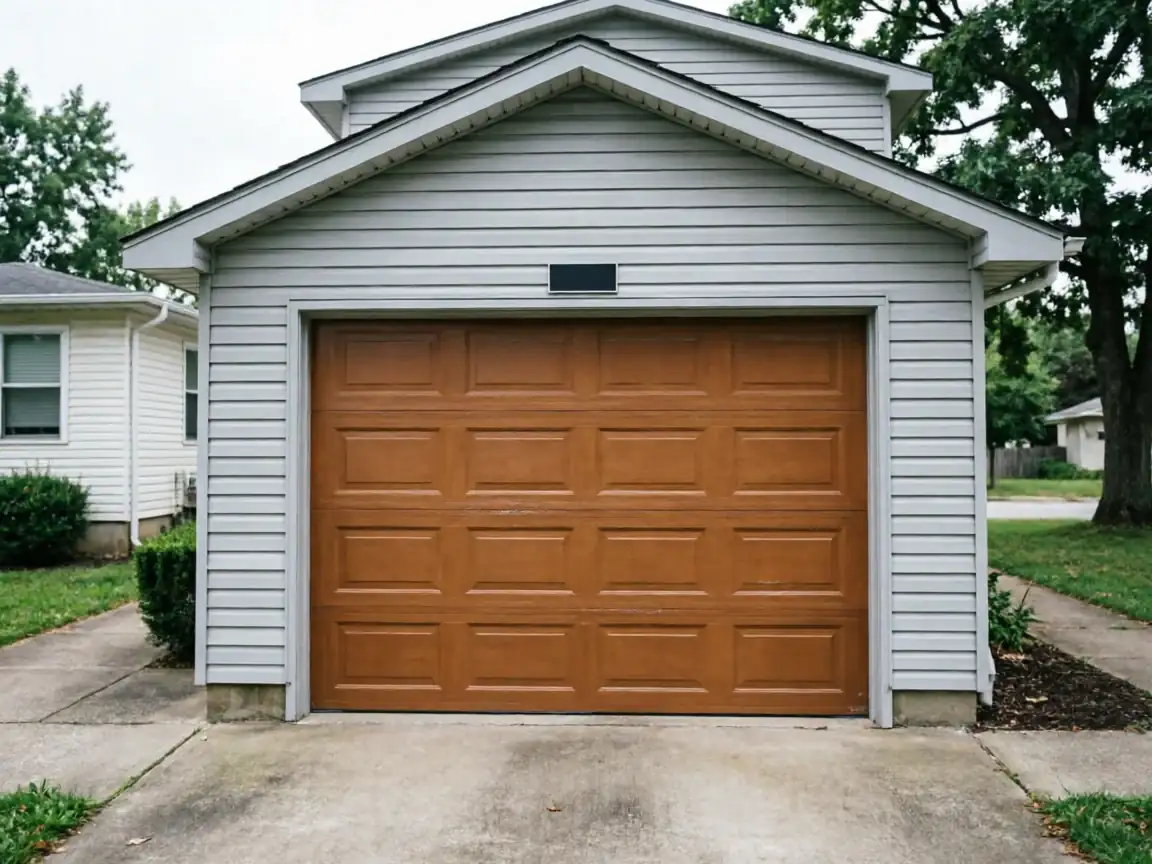
Because Columbus's housing spans nearly seven decades of construction, median around 1986, the fix depends heavily on what's actually on the door. A door from the 1980s or 90s, the most common era across the area's named neighborhoods, usually uses a steel panel style that's still produced in a close match. A door from the 1940s or 50s is a different conversation; original wood or early steel sections sometimes can't be matched at all, and the honest move is a full door instead of chasing one panel.
Cold-weather cracking is its own pattern here. Severe cold snaps make steel brittle and make any existing stress point - an old dent, a hairline crack - more likely to split the rest of the way through.
What the Repair Takes
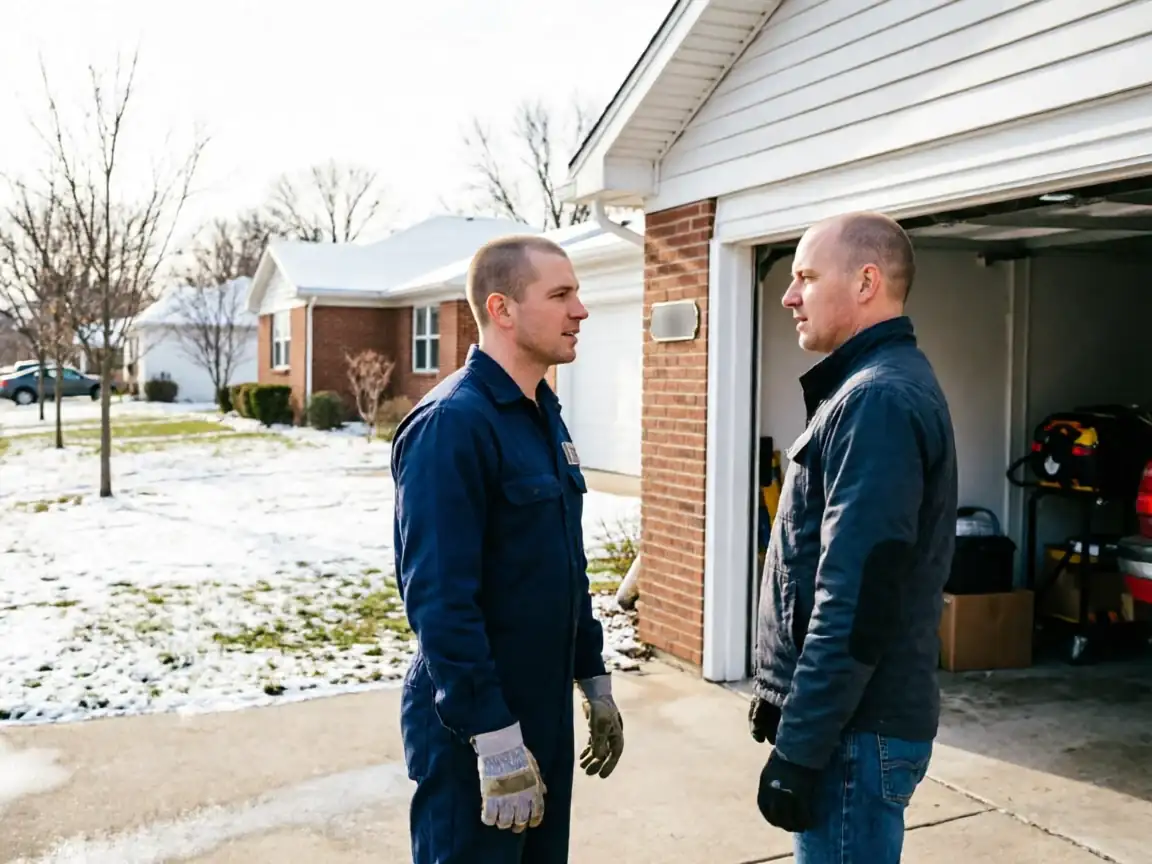
Panel replacement starts with identifying the door - manufacturer, model, section height, and whether the panel is insulated or non-insulated steel. On a lot of the 1980s and 90s stock common across this area, that's a known match and we can order the section without guesswork. On older or discontinued doors, we sometimes can't get an exact panel; in that case we'll tell you straight whether a close color/texture match is good enough or whether it's time to talk full replacement.
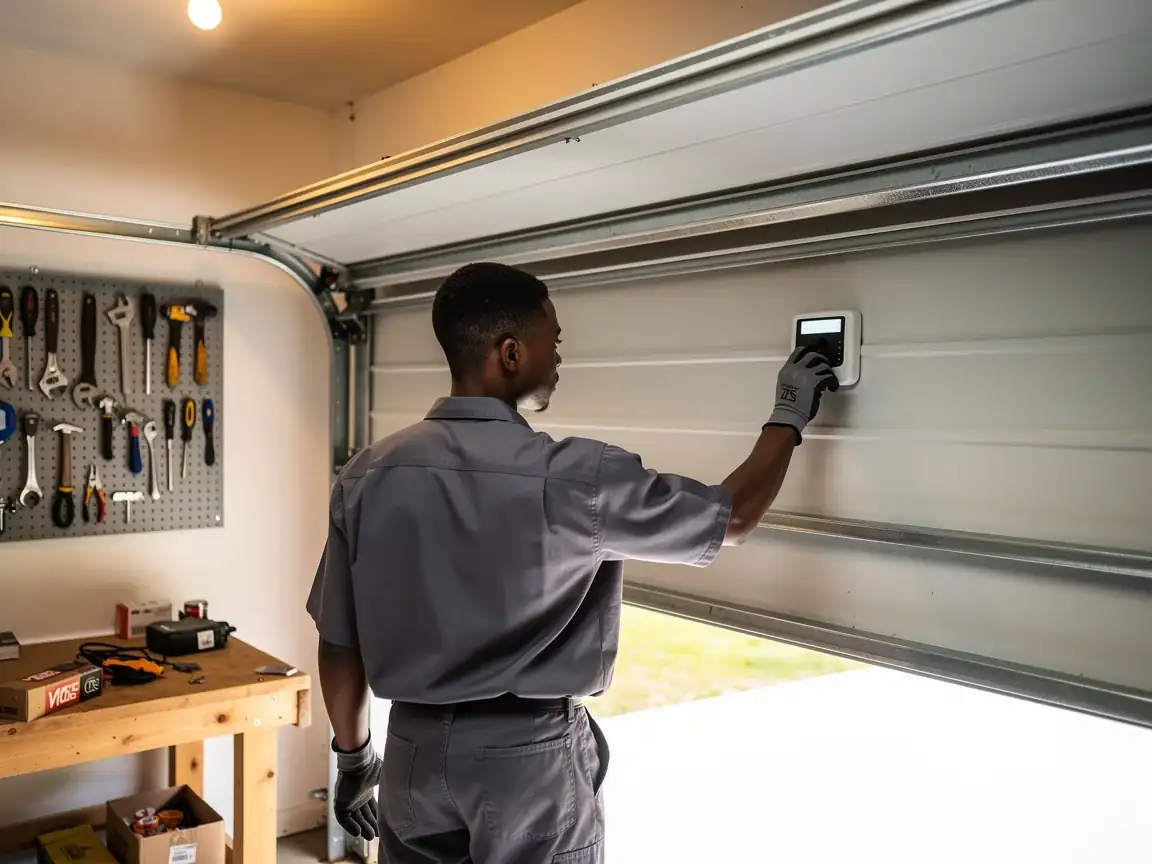
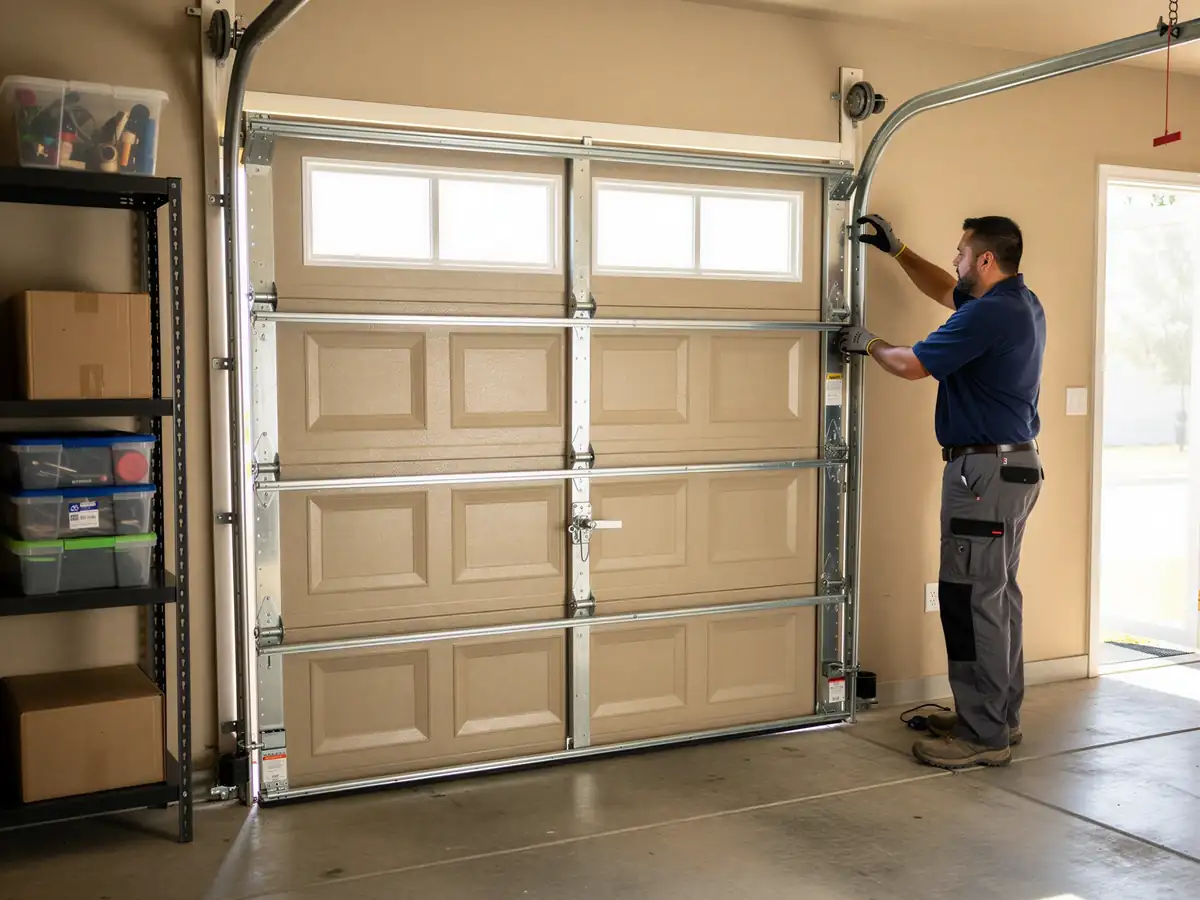
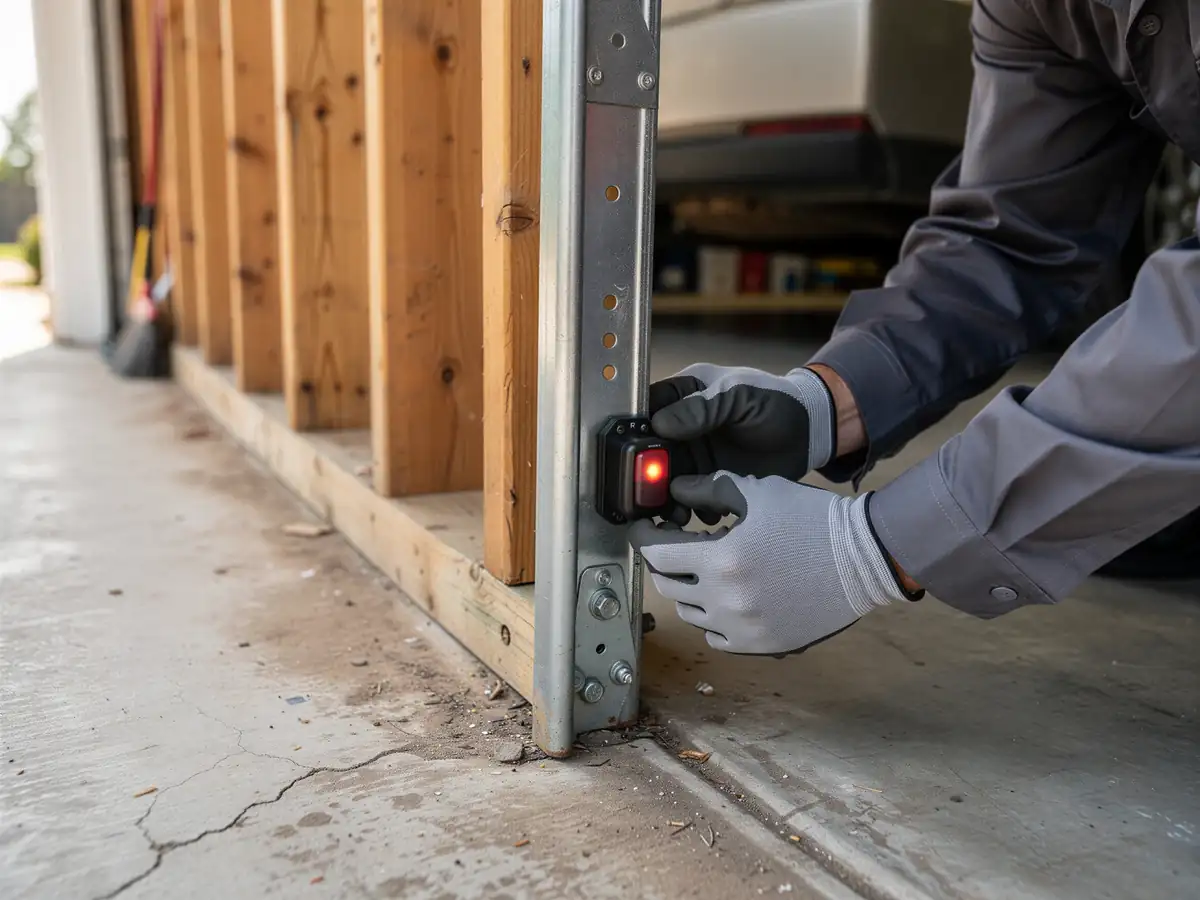
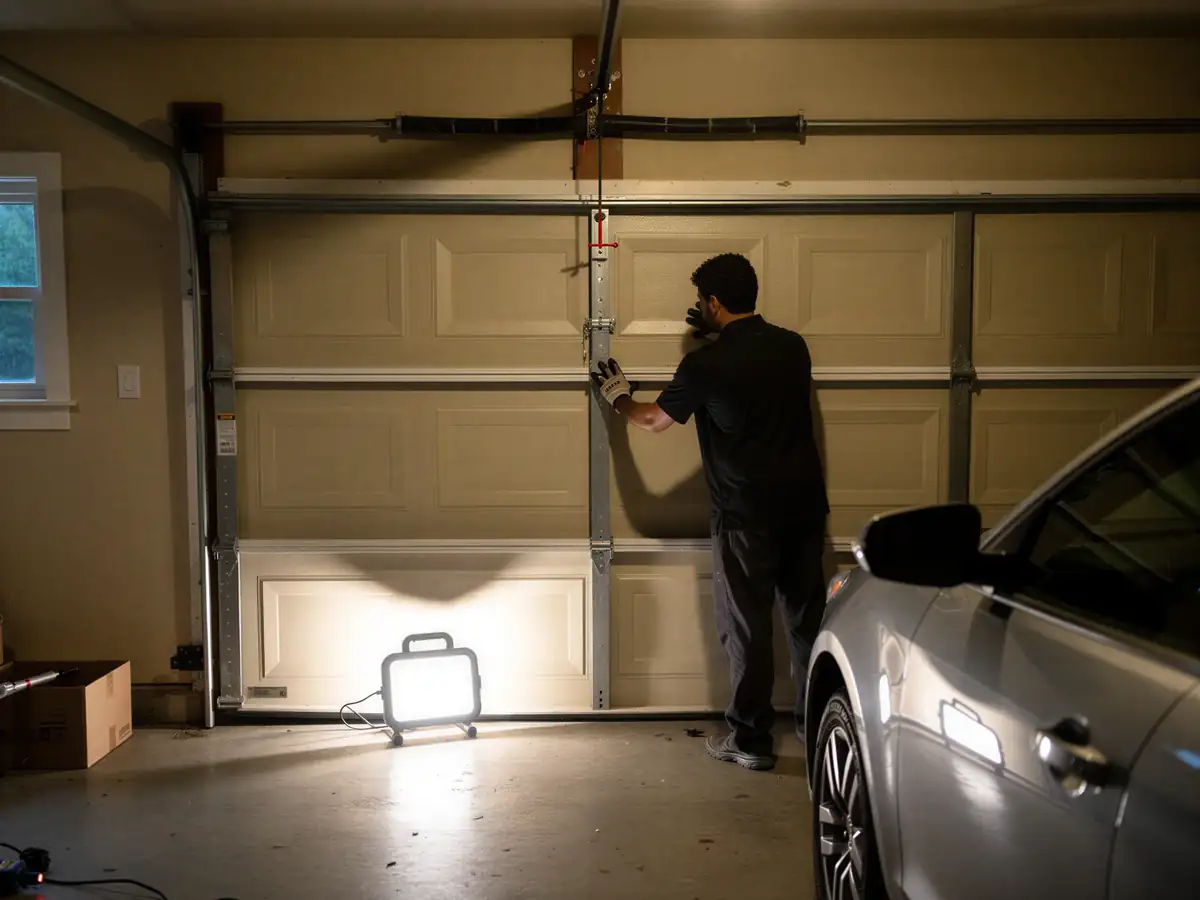
Once the panel is in hand, the job means pulling the hinges and rollers off the damaged section, freeing it from the door without letting the rest of the sections shift out of track, and setting the new panel in with matched hardware. On a double-wide door, we also check the strut and the end stiles, since a hard enough impact to crack a panel can bend the reinforcement behind it too.
One honest limitation: panel lead time depends entirely on the manufacturer and how old the door is. A current model ships quickly. A door from the 1960s or 70s might mean a multi-week wait on a special order, or no match at all - we won't string you along on that.
Can You Do This Yourself
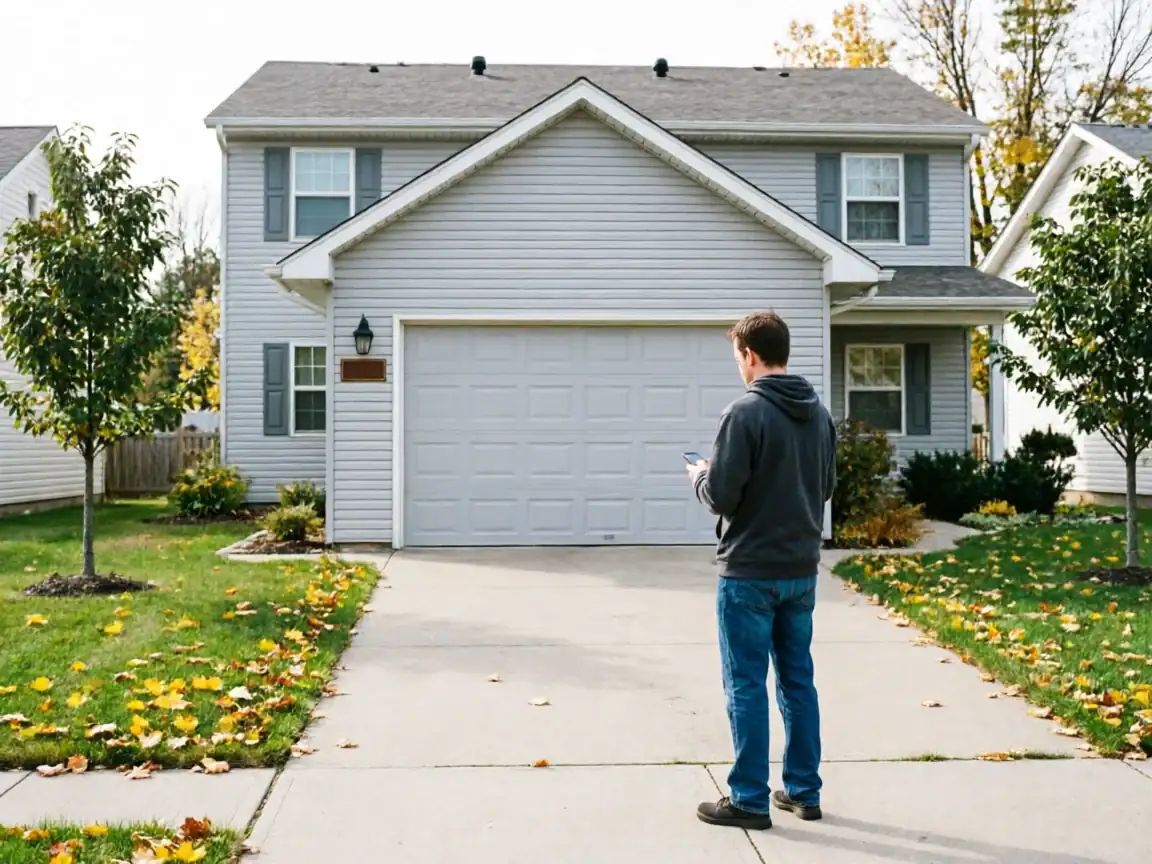
A single panel swap looks simple from the driveway
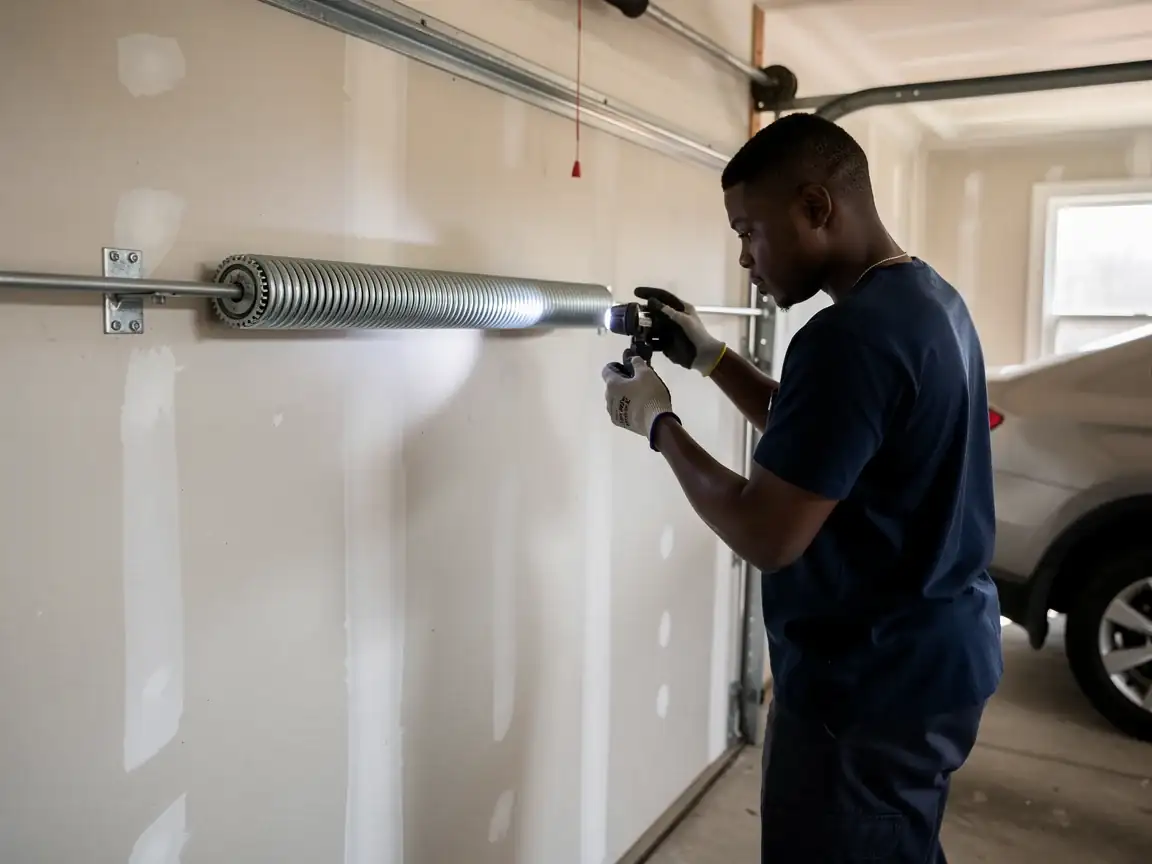
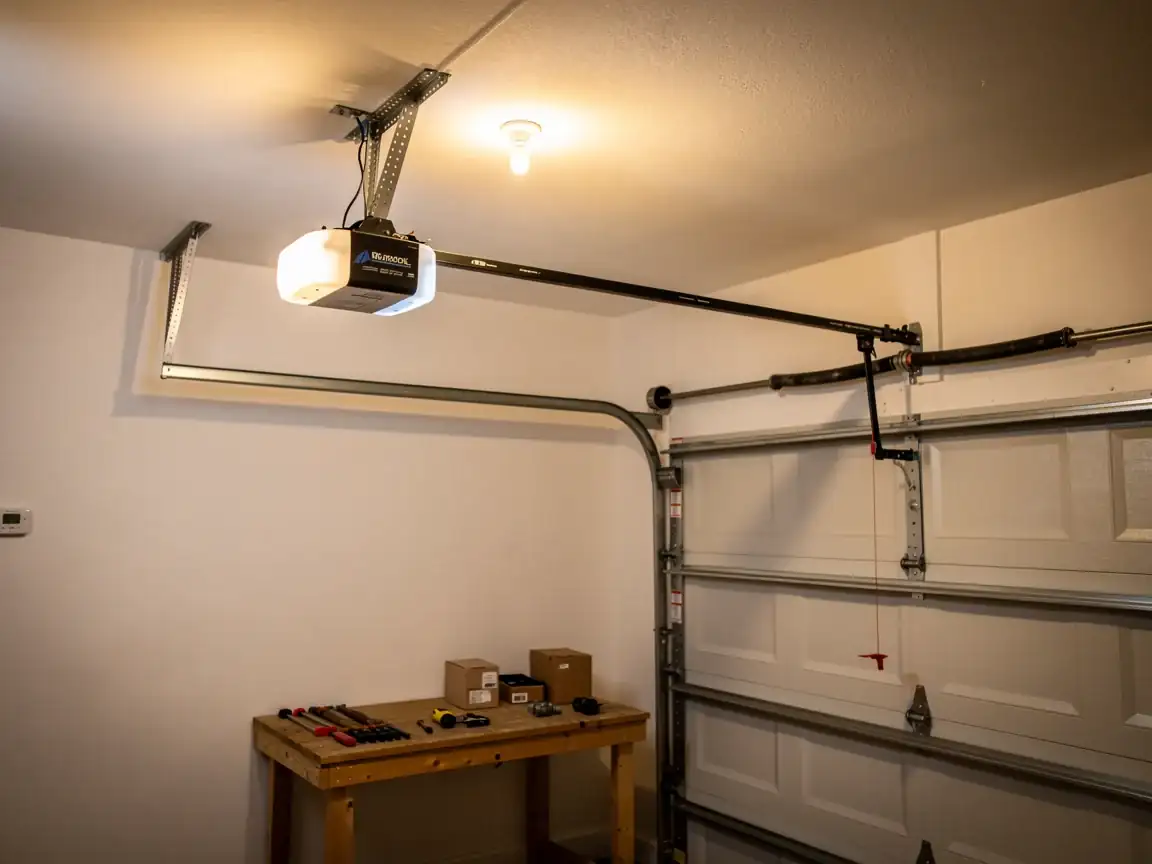
Pull some bolts, drop in a new section, bolt it back - but a few things make this a bad DIY candidate even for a handy homeowner. The panel has to seat flush with the sections above and below it or the door won't seal and will bind in the track, especially in cold weather when steel contracts and tolerances tighten up. Get the hinge placement wrong and you put uneven load on the torsion spring, which can shorten its life or cause it to fail under tension.
There's also the matching problem
Ordering the wrong panel style for a door built decades ago, which is common given how much of the area's housing predates current door lines, means a return shipment and a second delay.
If the damage is cosmetic and the door still runs true
No binding, no new noise, opener cycles it fine - a panel swap is a reasonable weekend project for someone comfortable with hand tools. If the door is already out of square or the track shows wear, call it in before you start pulling hardware.
Why It Happens Here
Three things line up to make panel damage a steady call across Columbus. First, the age spread: housing here runs from 1938 up through 2006, with the bulk of it dating to the 1980s and 90s. That means a huge share of doors in the service area are old enough for steel to have fatigued at stress points but not so old that panels are impossible to source - the sweet spot for a panel-only fix rather than a full door.
Second, the climate. Columbus sits in a severe cold band, and steel panels that flex fine in summer get brittle in a hard freeze. A dent that would've just dented the door in July can crack it clean through in January.
Third, volume. Across the roughly 129,000 households and 71,000 owner-occupied houses in this service area, that's a lot of garages, a lot of cars backing out in a hurry, and a lot of doors built in the same two-decade window hitting the same age-related wear at roughly the same time.