
Where We Drive To, and What Changes by Neighborhood
We drive from Columbus to Bexley, Dublin, Westerville and dozens more. See how 1938-2006 housing stock changes the failures we see and how a call works.
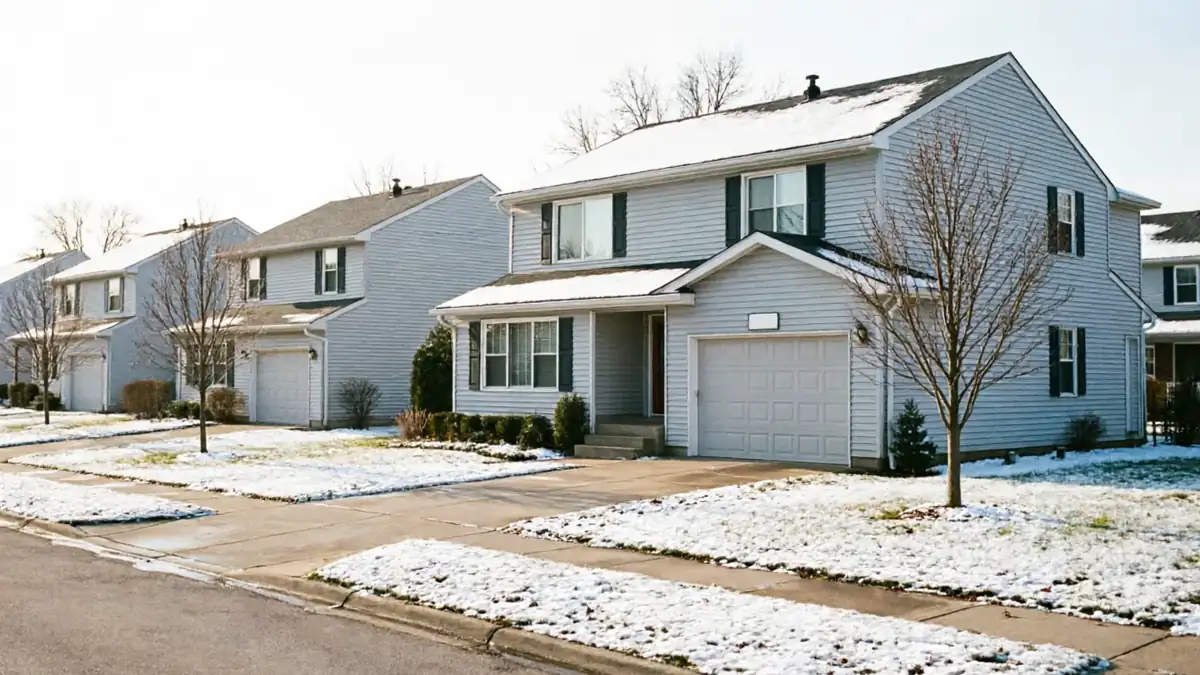
Columbus-area neighborhoods & nearby communities we cover
Nearby communities
What You Pay For
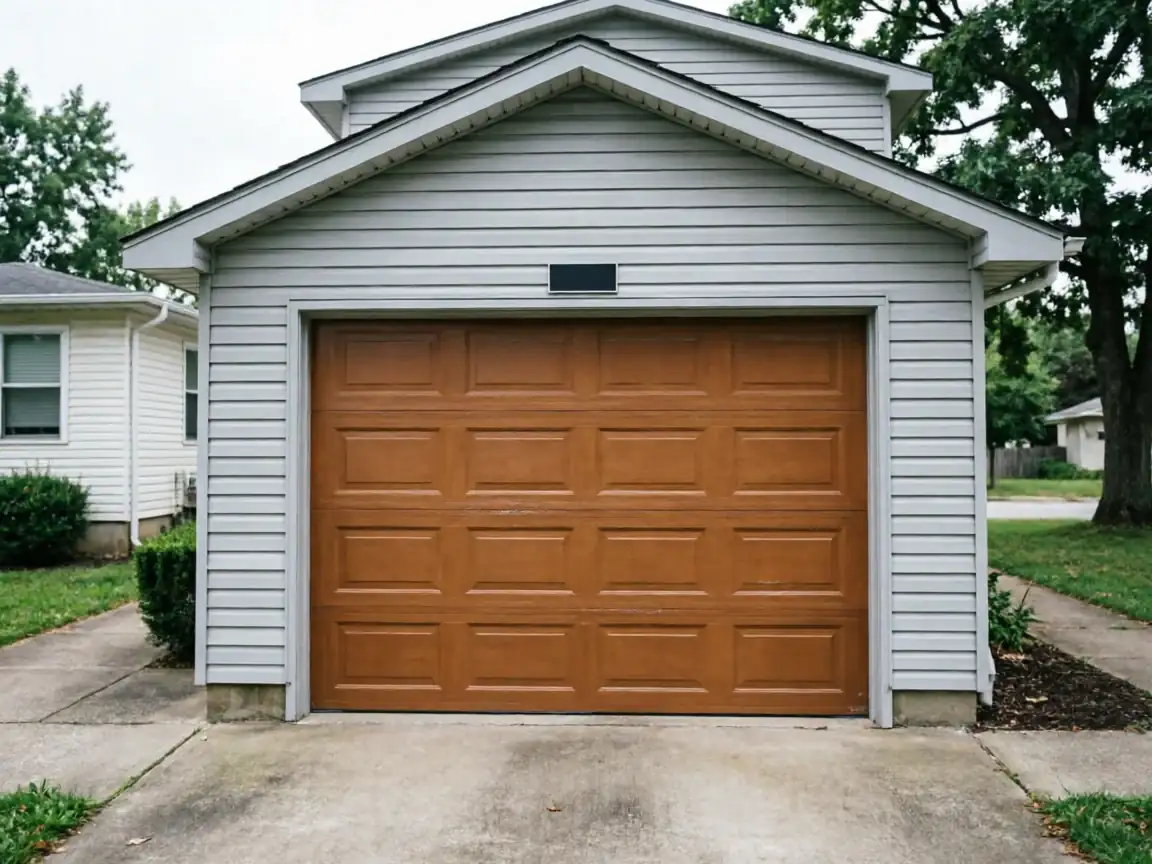
We don't post a flat rate on this page because the honest answer depends on the door in front of us, not the zip code it sits in. Across the places we drive to - Grandview Heights and Bexley three miles out, Whitehall at five, all the way to Sunbury and Johnstown near twenty - homes run from 1938 up through 2006, with the typical build year sitting at 1986. That range matters more than distance does. A torsion spring on a 1940s one-piece door is a different job than a nylon roller swap on a builder-grade 1990s double door, even though both might be a twenty-minute fix once we're on site.
What you're actually paying for is a truck, a tech who knows which hardware shows up on which era of house, and parts that match. We won't quote a number sight-unseen over the phone, because guessing wrong either shortchanges the job or oversells you on something you don't need. The area's median household income sits at $99,964, which tells us most calls here are repair-or-replace decisions made with a calculator, not a blank check - so we price the job we see, not the job we assume.
How a Call Goes
You call, tell us where you are and what the door is doing
Won't open, grinding, off track, one side hanging lower than the other. We ask the make and rough age if you know it, because a door built when the house went up in the 1980s or 90s behaves differently than one installed later as a replacement. From there we drive out from Columbus.
Whether you're in a mile away or out past Pataskala at fourteen
The truck comes loaded for both an old spring swap and a newer opener board, since we don't know which one we'll find until we're standing in the driveway. On site, the tech opens the door by hand first to feel where the resistance is - spring, cable, or track - before touching a panel.
You get a number before anything gets torn apart
And you get a straight answer if the fix costs more than the door is worth. We don't push a repair just because we're already there, and we don't push a full replacement on a door that only needs one part. That part - telling you no - is as much the job as the wrench work.
When Replacement Wins
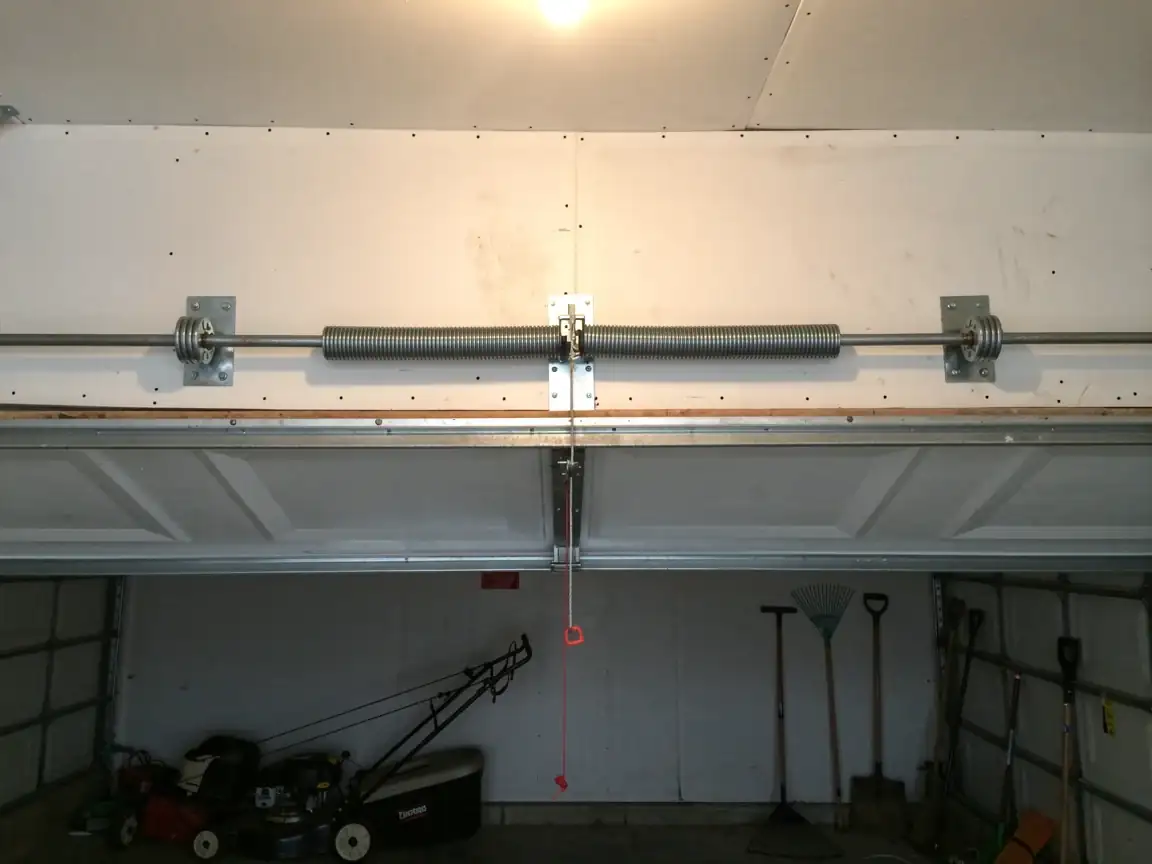
Across the service area's 129,263 households, 70,994 own the house they live in, and a lot of those houses were built right around the 1986 median - which puts a lot of original torsion springs and openers well past the point where a repair makes sense. A spring rated for a normal number of cycles doesn't care what year it is; it just wears out, and on a house pushing forty years old, it's usually gone.
Winters here fall in the severe end of the cold band, and cold steel is less forgiving steel - a spring that's already fatigued is more likely to snap on a hard freeze morning than on a mild one, and a track that's slightly out of square sticks worse when it's cold. That's a reason to replace sooner rather than patch a spring twice on an older door.
On the newer end of the range, houses built closer to 2006 usually have openers and tracks that are still serviceable, and there a repair almost always beats replacement. We won't sell a full door to a homeowner whose actual problem is one bad roller. But once a door is original to a house built in the 1960s or 70s, parts get harder to match, and replacement starts winning on cost per year, not just on the repair invoice.
What to expect
Diagnosis first
Every visit starts by finding what actually failed - not a pre-written parts list.
The right part for the door
Springs and openers matched to the door’s weight and age, so the fix holds up.
Straight answers
When a repair makes more sense than a replacement - or the reverse - you hear it plainly.
Clean, careful work
Tension released safely, hardware set true, the door tested under power before we leave.
Frequently asked
Straight answers about garage door repair in Columbus. Still unsure? Ask us directly.
How old does a garage door have to be before repair stops making sense?
There's no fixed age, but once you're repairing the second or third failed part on a door original to a house built decades ago, replacement usually costs less over time than chasing individual failures. A door with one worn part and an otherwise sound frame is usually worth fixing regardless of age.
Why do springs seem to break more in winter here?
This area sits in a severe cold climate band. Cold metal loses tension faster, and a spring already near the end of its cycle count is more likely to snap on a cold morning than a mild one. It's not that cold causes the wear - it just speeds up the failure once wear is already there.
Do you carry parts for older doors on the truck?
For common parts - springs, cables, standard rollers - usually yes. For original hardware on older houses, sizing can be nonstandard, and panel matches on discontinued door styles sometimes mean a short order wait rather than a same-visit fix. We'll tell you which situation you're in before we start.
Does the age of my opener matter if the door itself is fine?
Yes - openers tend to fail around the 10-to-15-year mark on their own schedule, separate from the door. A sound door with a dying opener motor is a different repair than a door with a broken spring, and replacing the opener alone is often the right call.
Ready to get your garage door sorted?
Tell us what it’s doing and where you are in Columbus - we’ll take it from there.