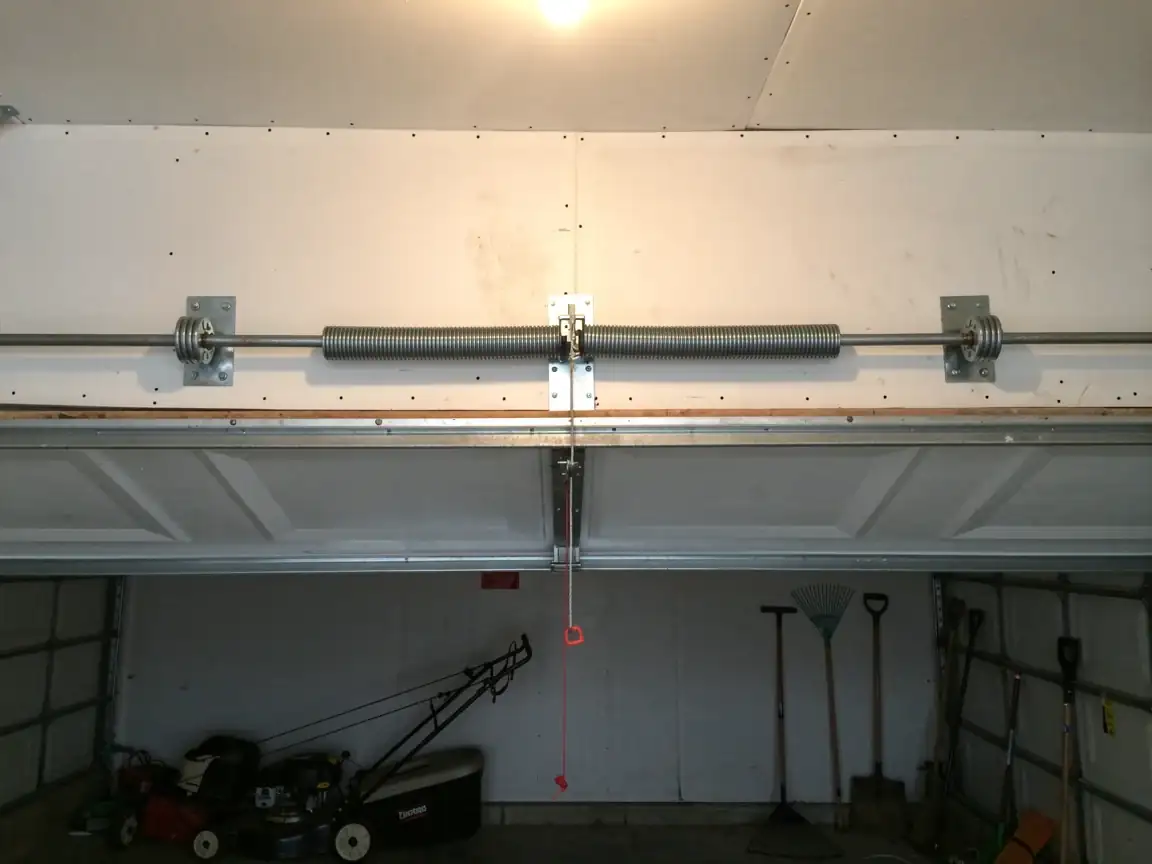
How It Shows Up
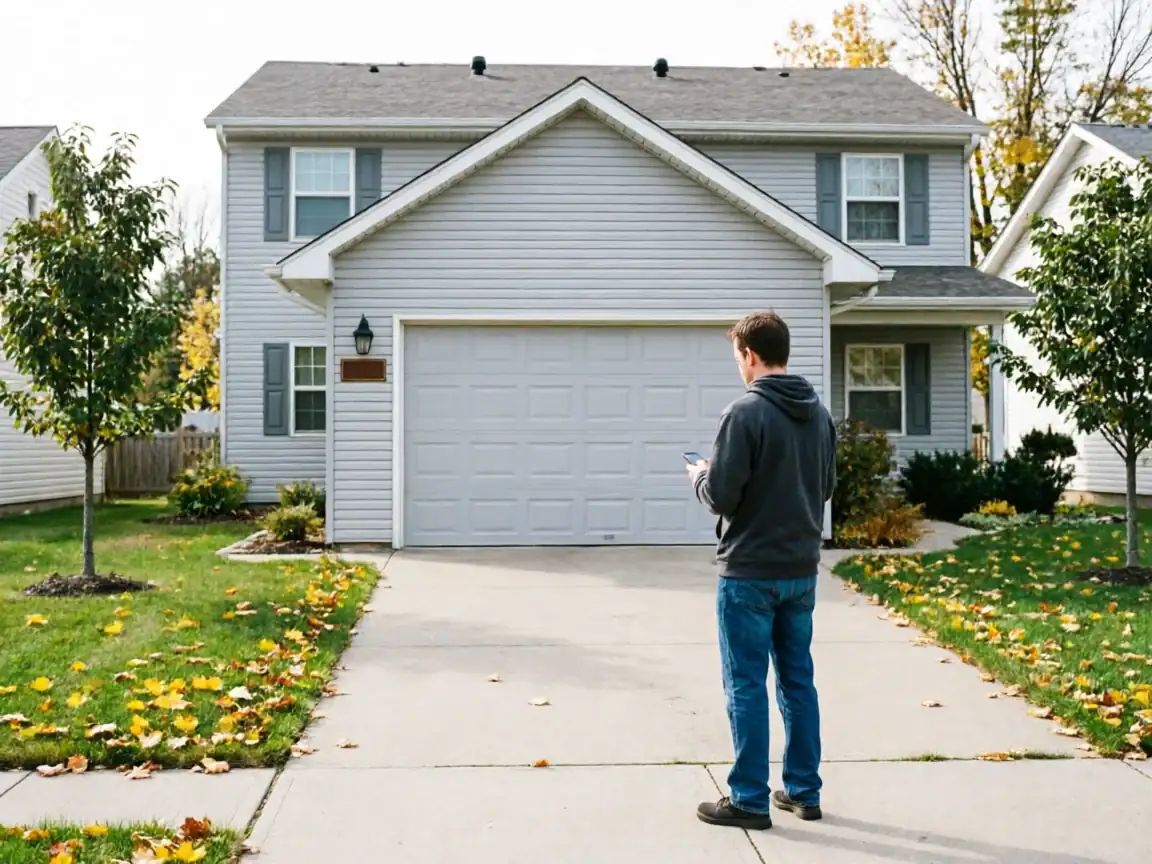
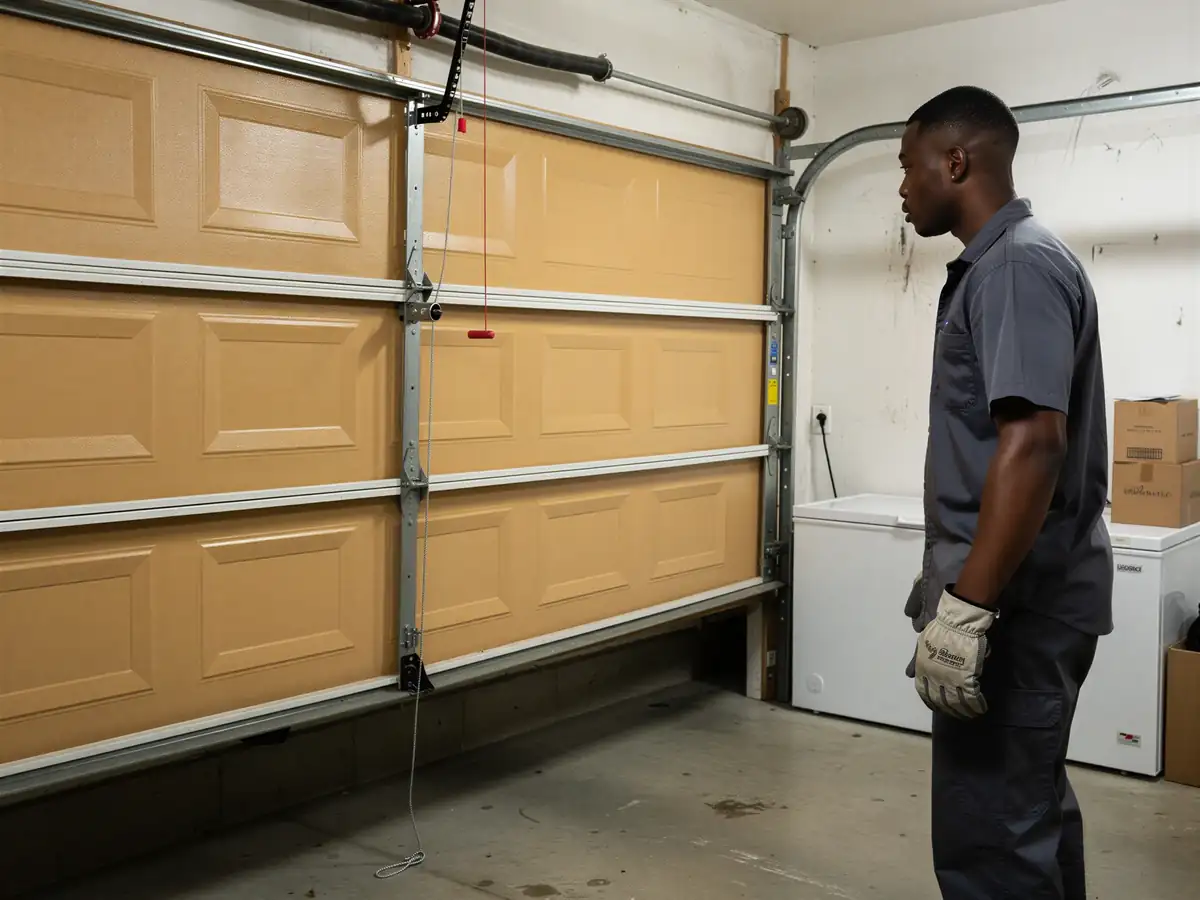
Most calls start the same way: the door groans, jerks, or stalls halfway up, and the opener strains to finish the job. In a city where the housing stock runs from 1938 to 2006 with a median build year around 1986, that strain is almost always a spring problem, not an opener problem. A torsion spring that's been doing its job since the house was built in the 80s or 90s has a lot of open-and-close cycles behind it, and steel fatigues whether anyone's paying attention to it or not.
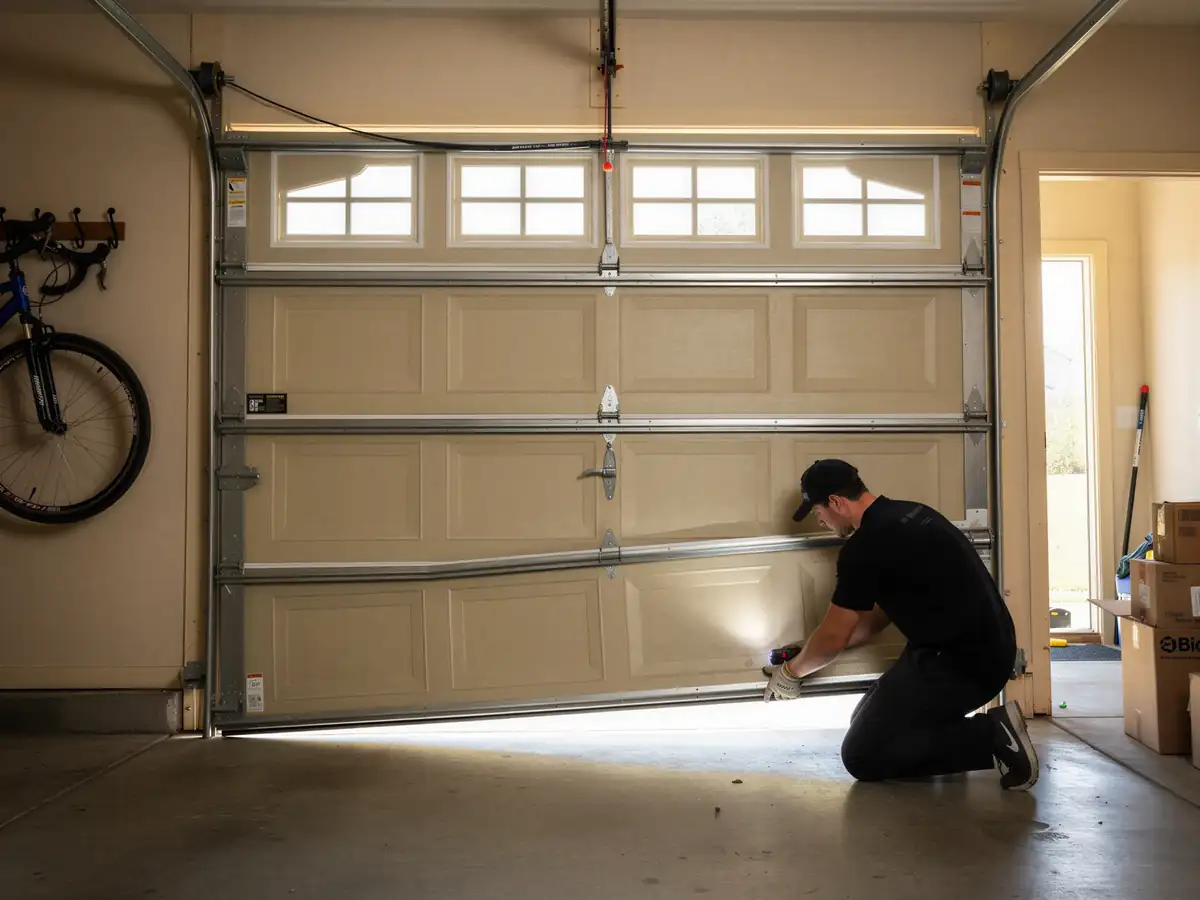
Sometimes it shows up as a loud bang in the garage - that's a spring letting go, usually in the early morning when the overnight cold has stiffened the metal. Other times it's quieter: the door feels heavier than it used to, the cables look loose at the bottom bracket, or the opener reverses for no clear reason. All three are symptoms of the same underlying thing - a spring or cable system that's past its working life and is telling you about it before it fails completely. Waiting rarely helps. A spring that's starting to sag or show a gap between coils is close to done, and running the door on worn-out hardware is how cables snap or doors come off track.
What the Repair Takes
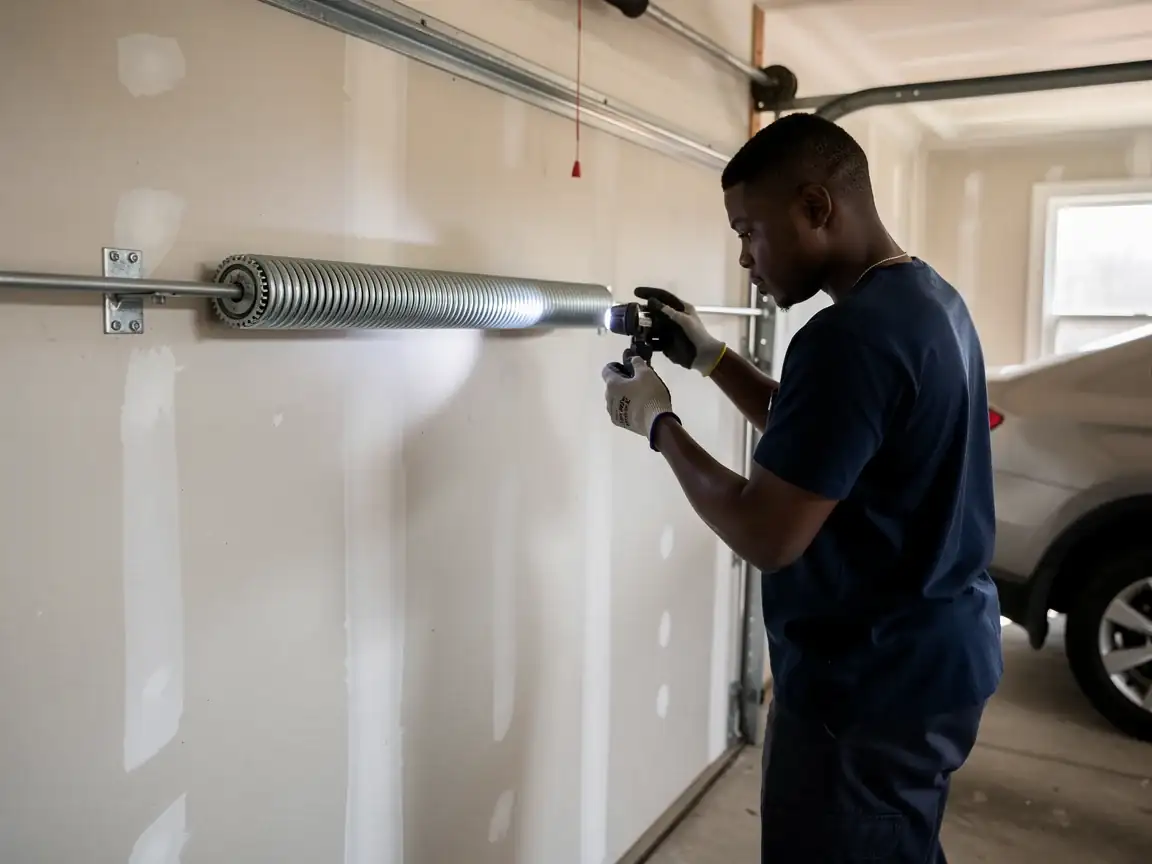
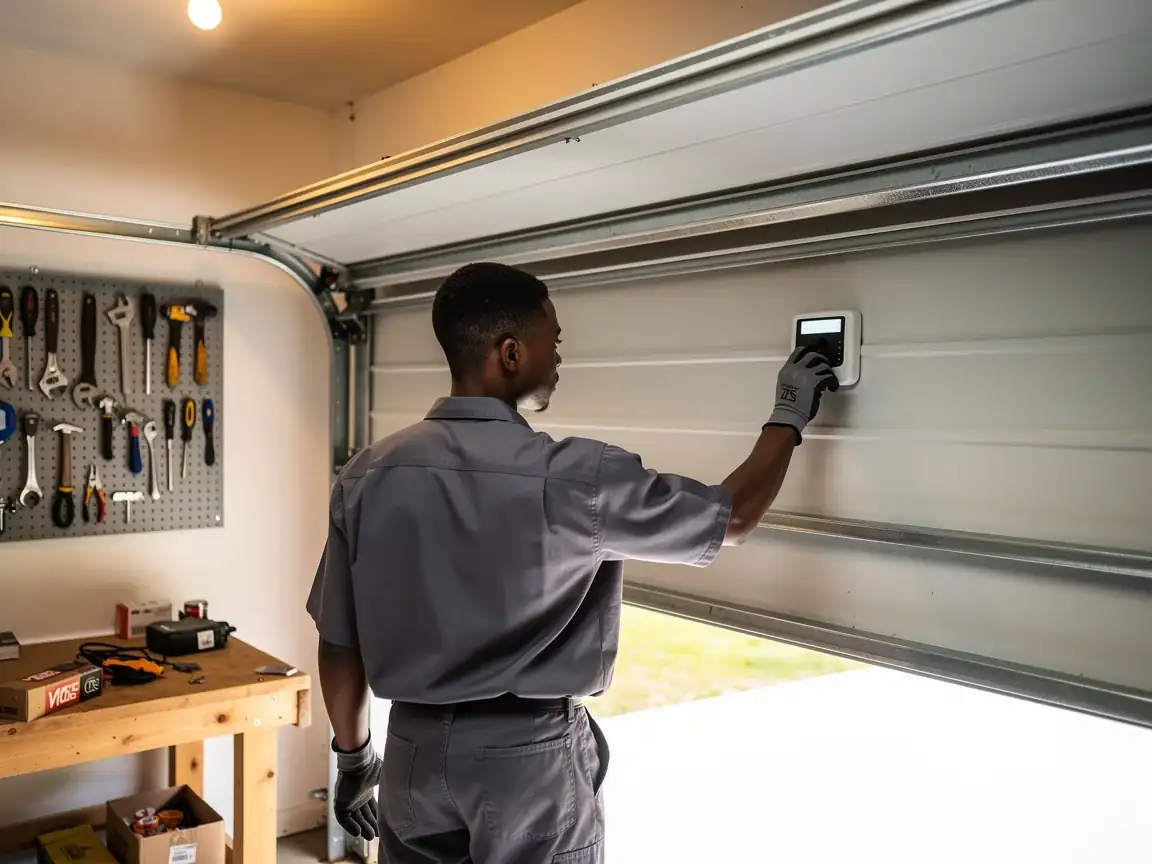
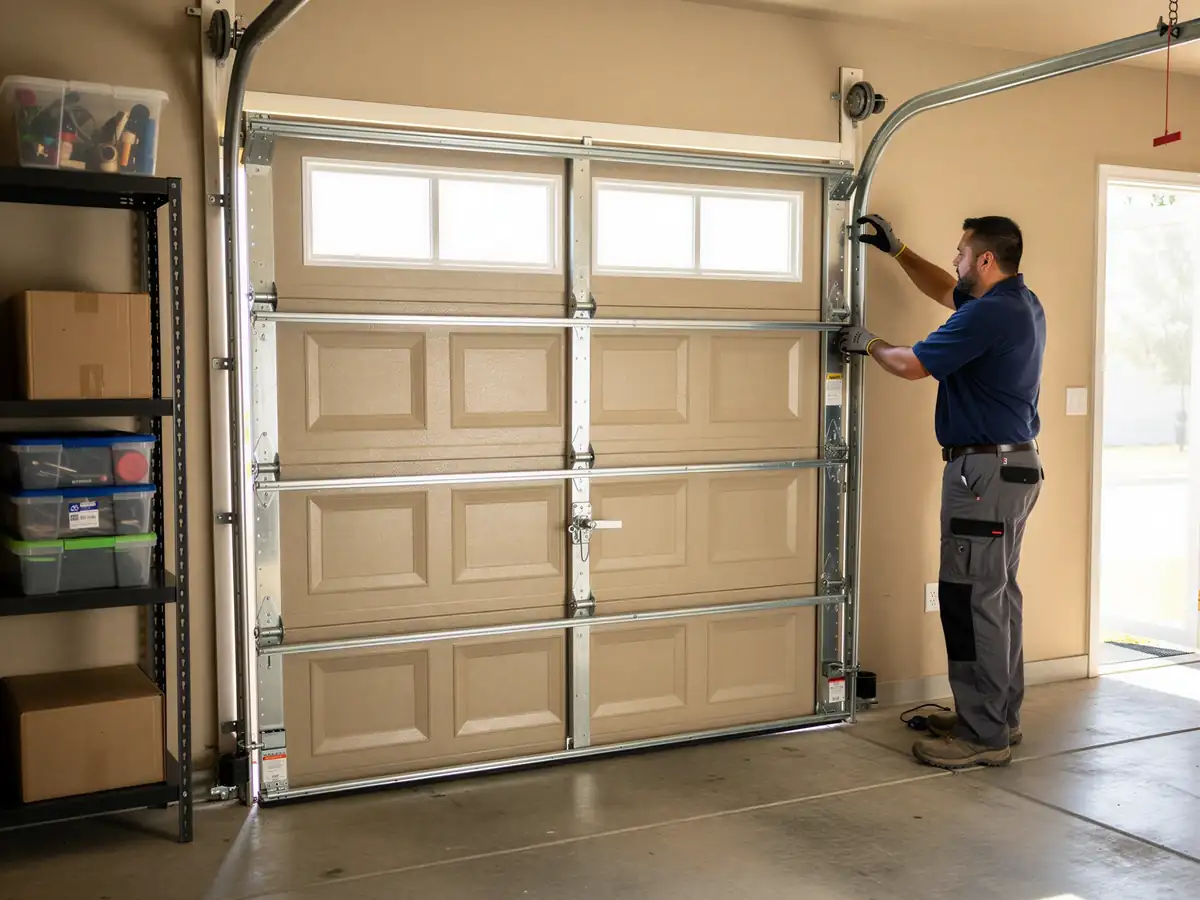
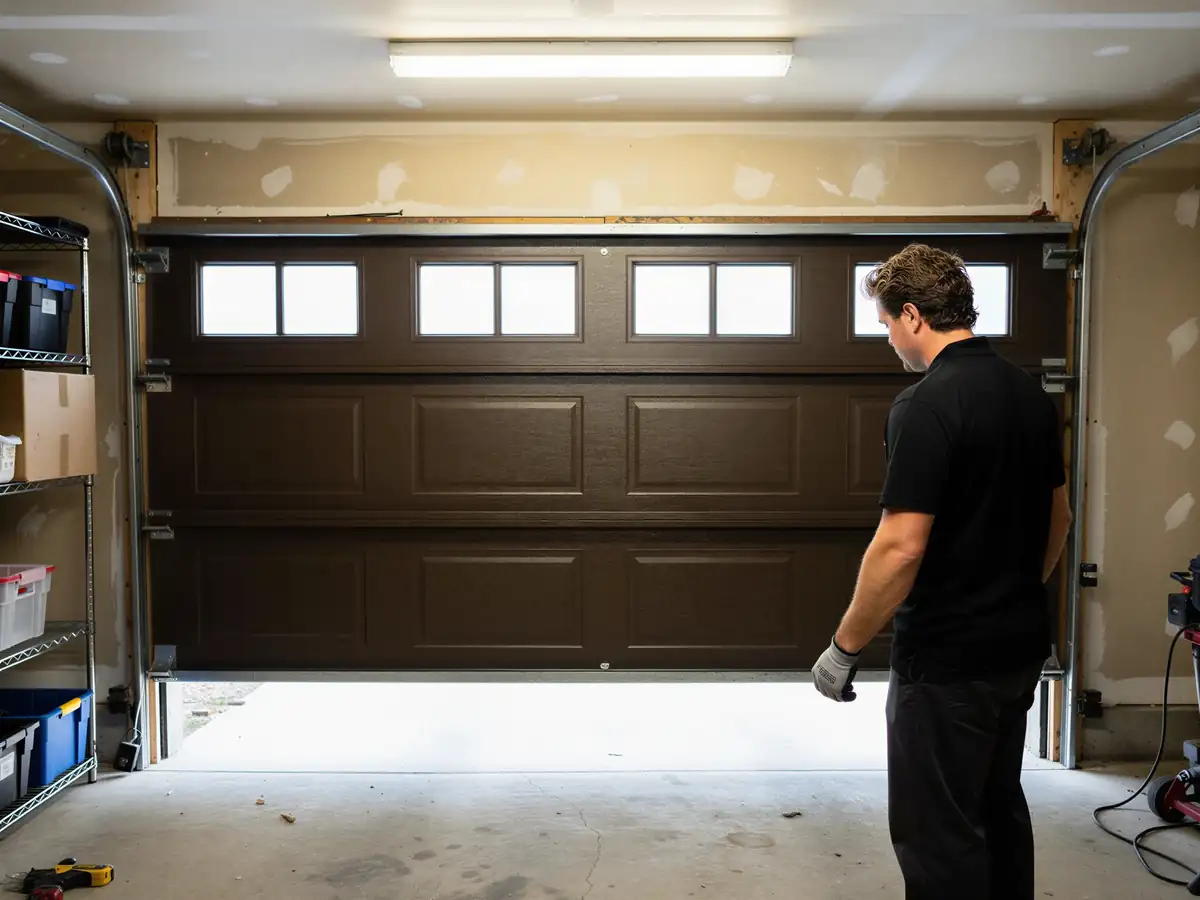
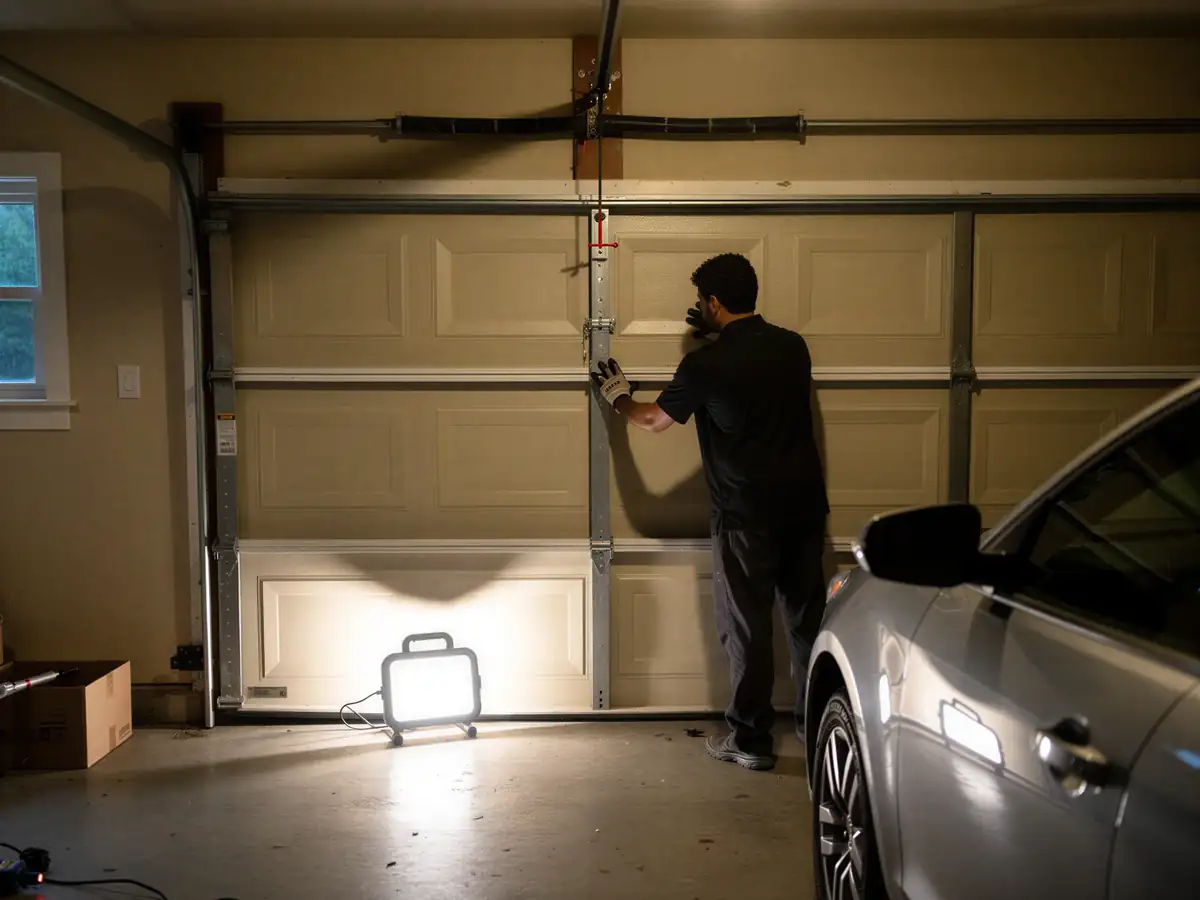
A torsion spring swap on a standard double door is the core of this job: matching the spring's wire size and wind to the door's weight, setting proper tension, and checking the drums, cables, and bottom brackets while the door is already open. We also check the rollers and track alignment, since a door that's been laboring on a bad spring often has worn rollers or a track that's shifted slightly out of plumb.
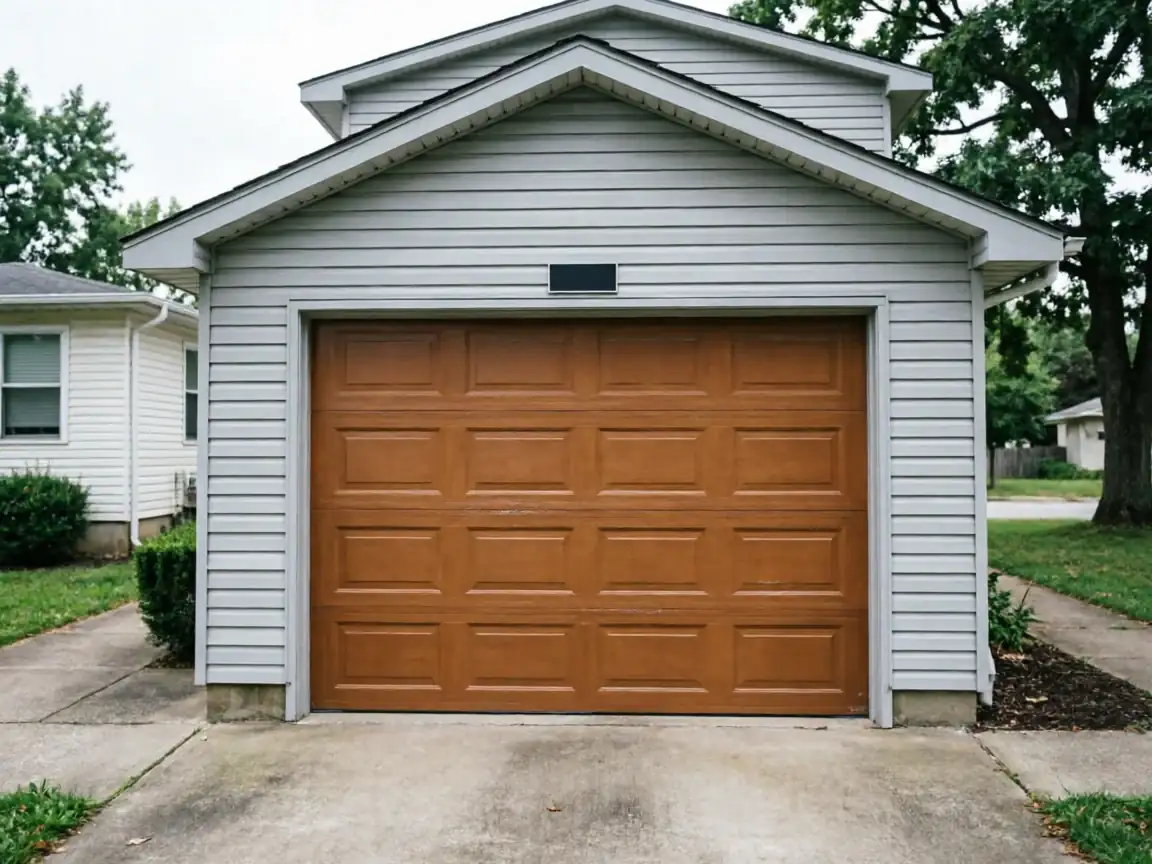
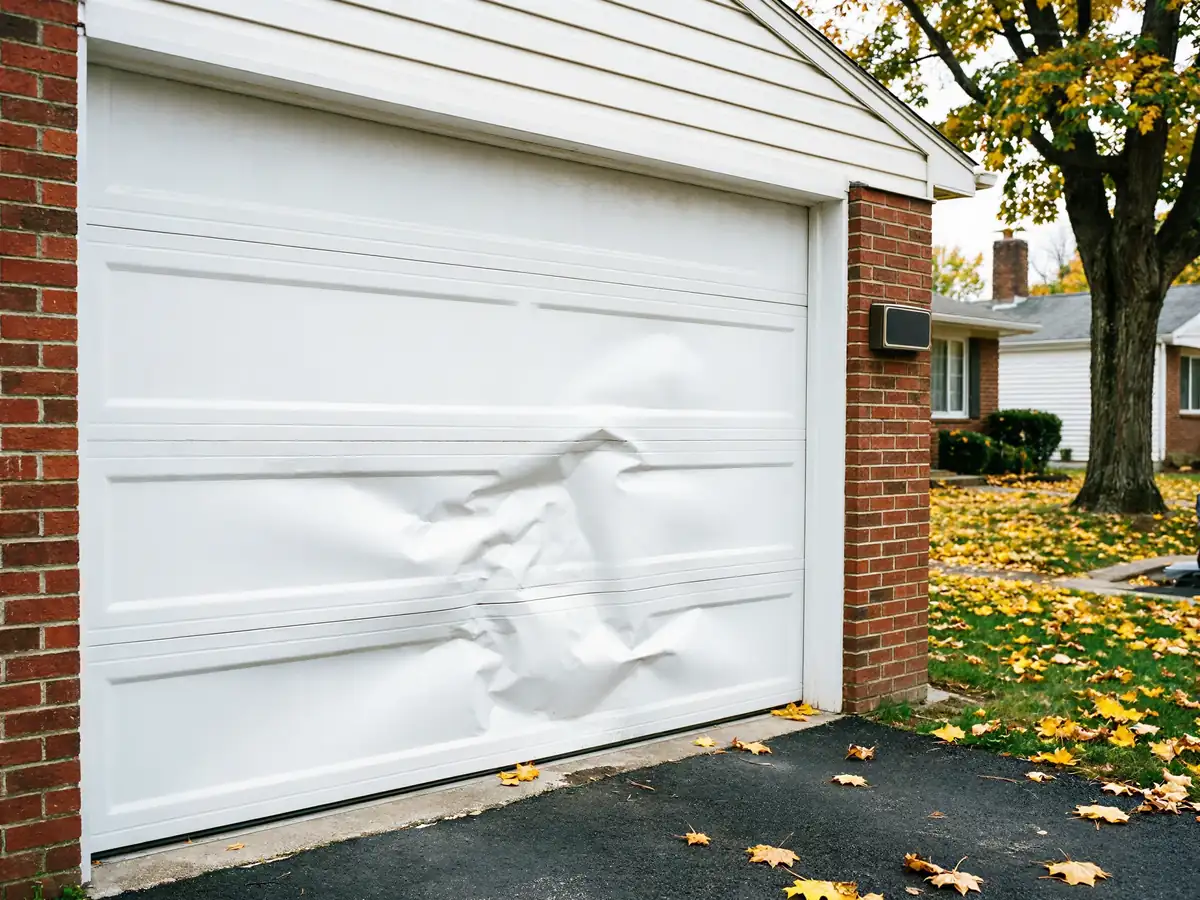
Here's the honest limit: if the door itself is original to a house built in the 1950s or 60s, the track and hardware may be sized for a door that's no longer made the same way, and sometimes the right call is a new door rather than chasing parts for an old one. We'll tell you straight if that's where you're at instead of patching something that'll just fail again in a year. For most homes in the 1970s-through-2000s range, though, spring and cable work is a same-visit fix, and the door goes back to running quiet and even.
Can You Do This Yourself
Torsion springs are under enough tension to cause a serious injury if they're released wrong
And the winding bars and clamps needed to do it safely aren't things most homeowners have lying around. This is the one repair on a garage door we'd tell you flatly not to attempt without the right tools and experience - a slipped winding bar under full spring tension can break fingers or worse.
There's plenty you can do yourself short of that
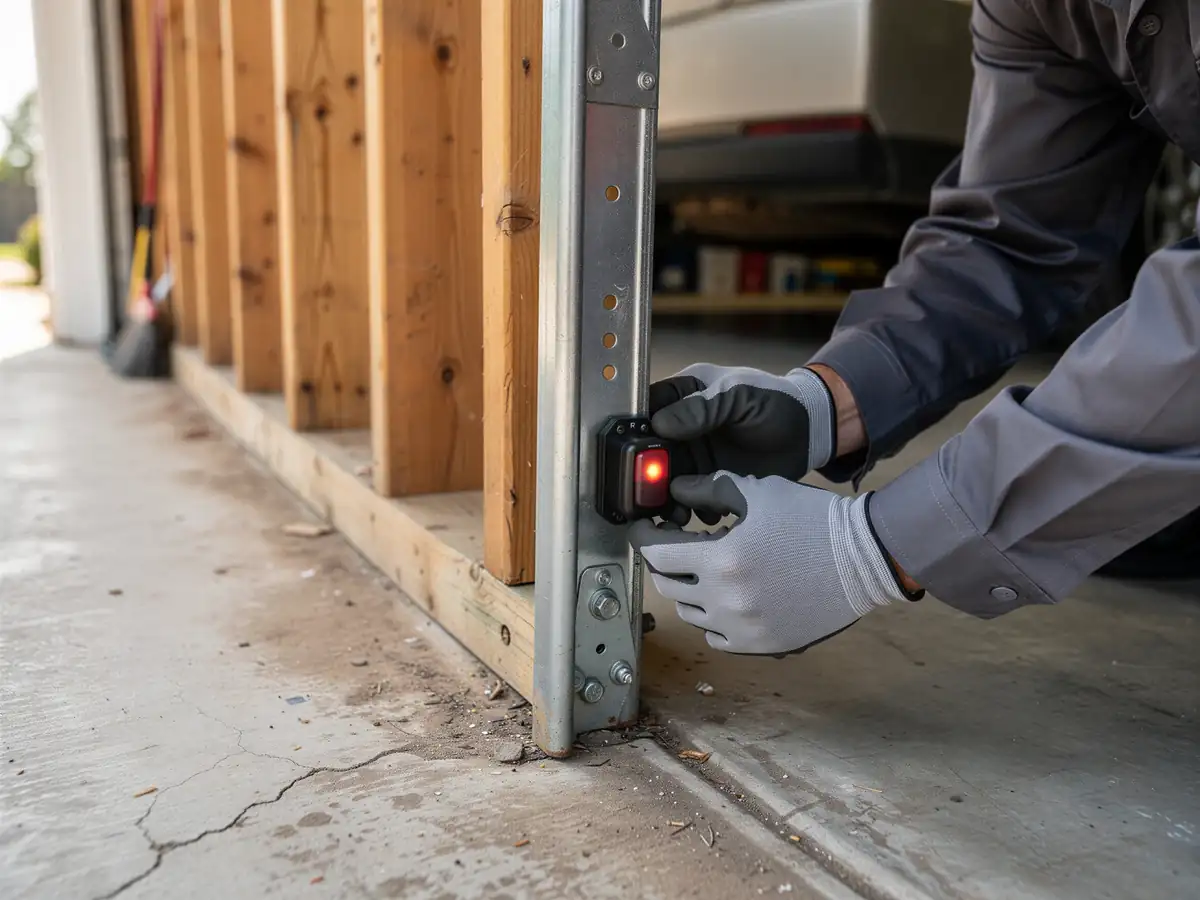
Lubricating hinges and rollers, checking that the photo-eye sensors near the floor are aligned and clean, tightening loose bolts on the track brackets, and listening for new noises before they become failures. Catching a fraying cable or a roller that's started to wobble early is the kind of thing that keeps a service call simple instead of urgent. But the spring itself - leave it to someone with the bars and the clamps built for it.
Why It Happens Here
Columbus sits in a cold-climate band, and that matters more for garage door springs than most people expect. Steel contracts in cold weather, which changes how much tension a spring is actually carrying on a 15-degree morning versus a 75-degree afternoon - it's part of why failures cluster in the coldest stretches of winter. Combine that with a housing stock where the median home was built in 1986, mostly across the dozens of neighborhoods and nearby areas we work in - from the close to downtown out through Worthington, and Gahanna - and you've got a lot of original or first-replacement hardware that's now 30-plus years into a job it was built to do for maybe 10,000 to 15,000 cycles.
Houses from the 1938-2006 range cover a wide spread of door and track styles, so the fix on a 1950s one-piece door in an older pocket near downtown looks different from the fix on a sectional steel door from a 1990s build near the outer suburbs. Either way, the pattern is the same: cold snaps plus aging springs is the single biggest reason this service gets called in Columbus.