How It Shows Up
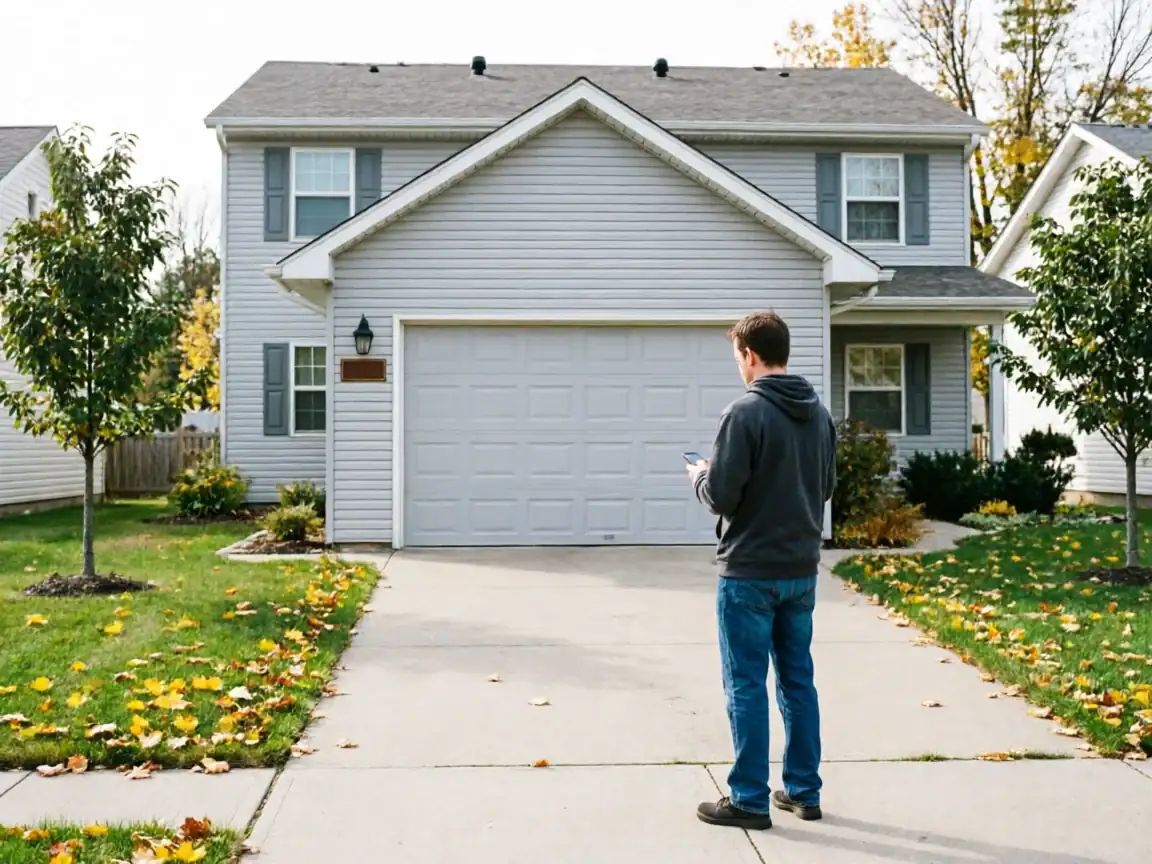
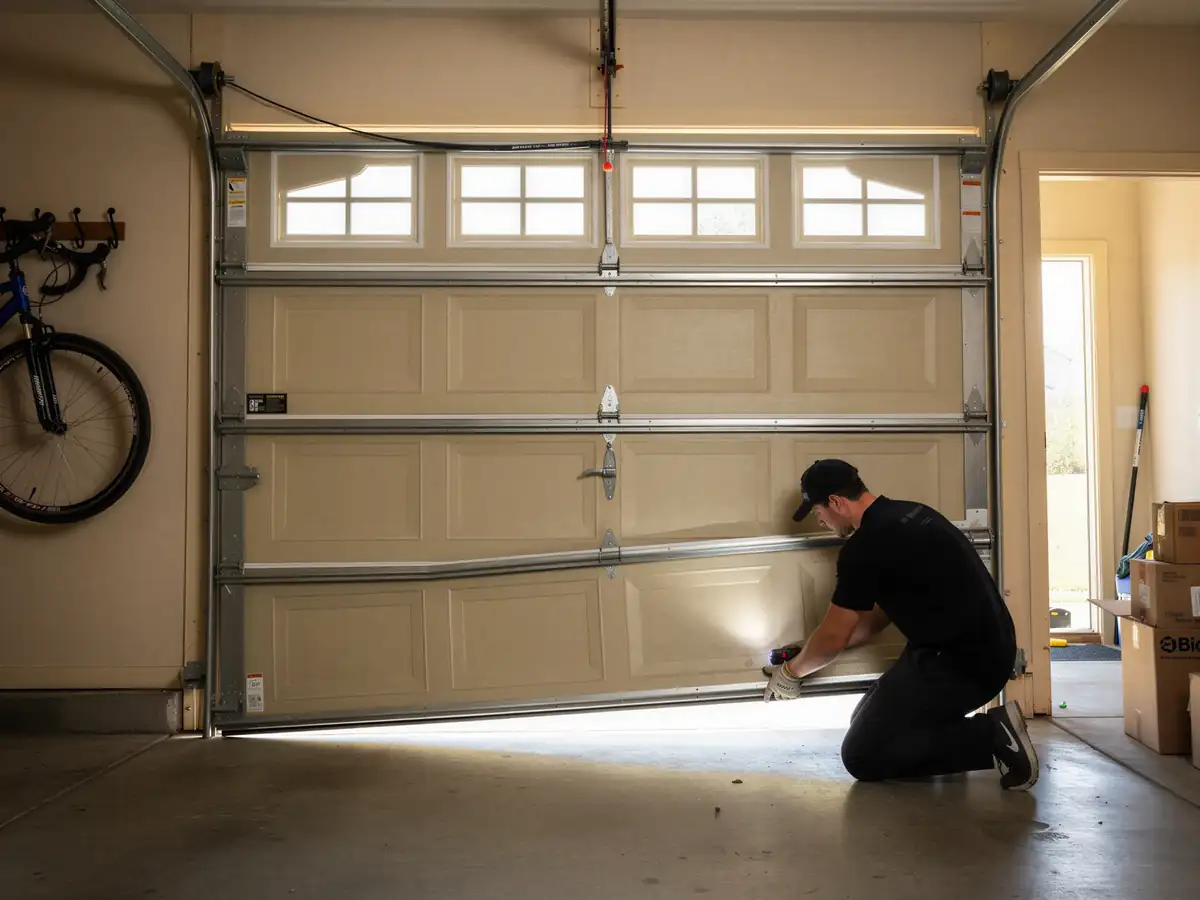
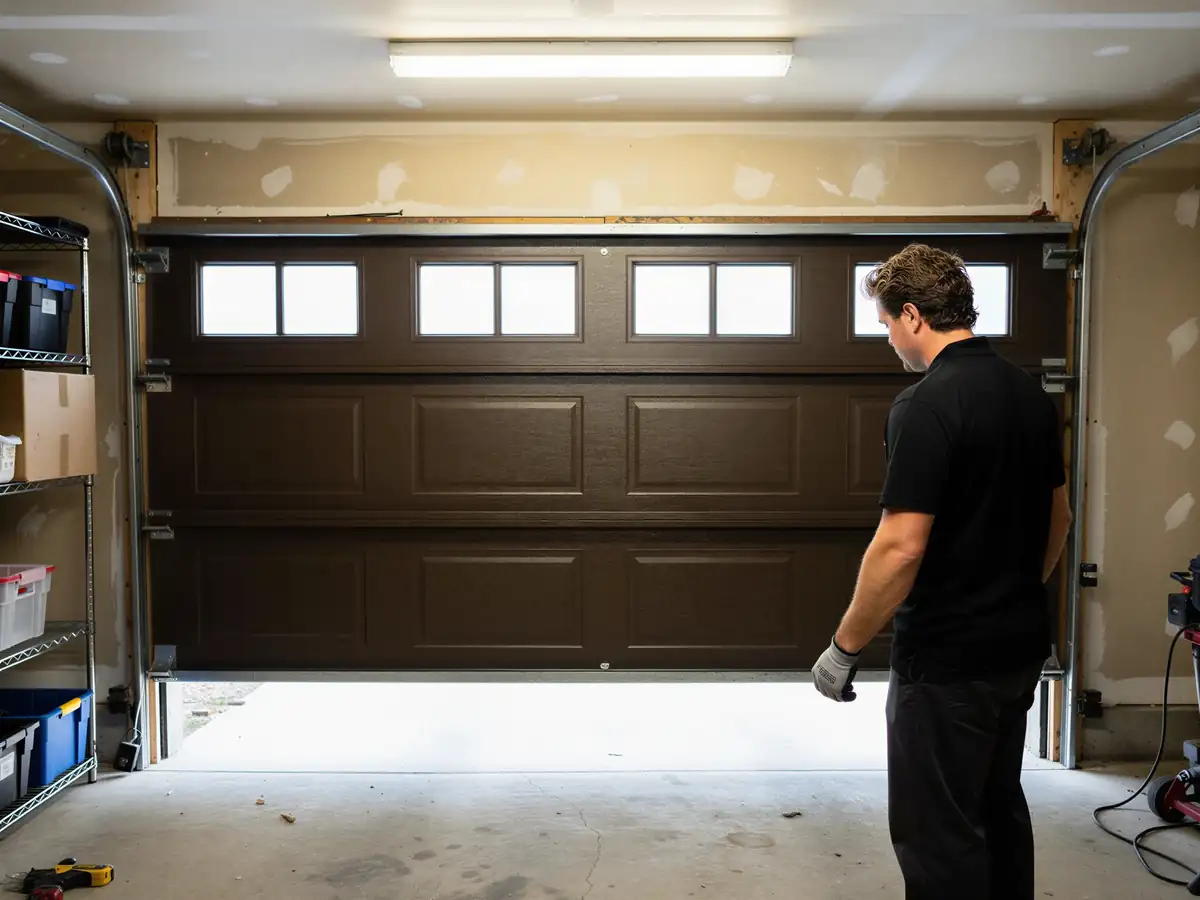
Most calls start the same way: the door hesitates before it opens, or it opens fine but closes with a shudder partway down the track. Sometimes it's a grinding noise when the opener kicks on, or a door that looks level but drags on one side when it's cold outside. In a service area where housing went up mostly between 1938 and 2006, with the bulk of it dating to the 1980s and 90s, we see the same handful of symptoms on streets across Columbus: hardened lubricant on rollers and hinges, a torsion spring that's lost tension but hasn't snapped yet, and weatherstripping that's cracked and no longer sealing the bottom panel. None of these fail all at once. They show up as a five-second delay, a louder-than-usual cycle, or a door that needs a shove to get moving. Catch it at that stage and it's a tune-up. Ignore it through a few more freeze-thaw cycles and it's a spring replacement or a burned-out opener motor. The door doesn't usually go from fine to broken. It goes from fine to noisy to broken, and maintenance is what happens in the noisy stage.
What the Repair Takes
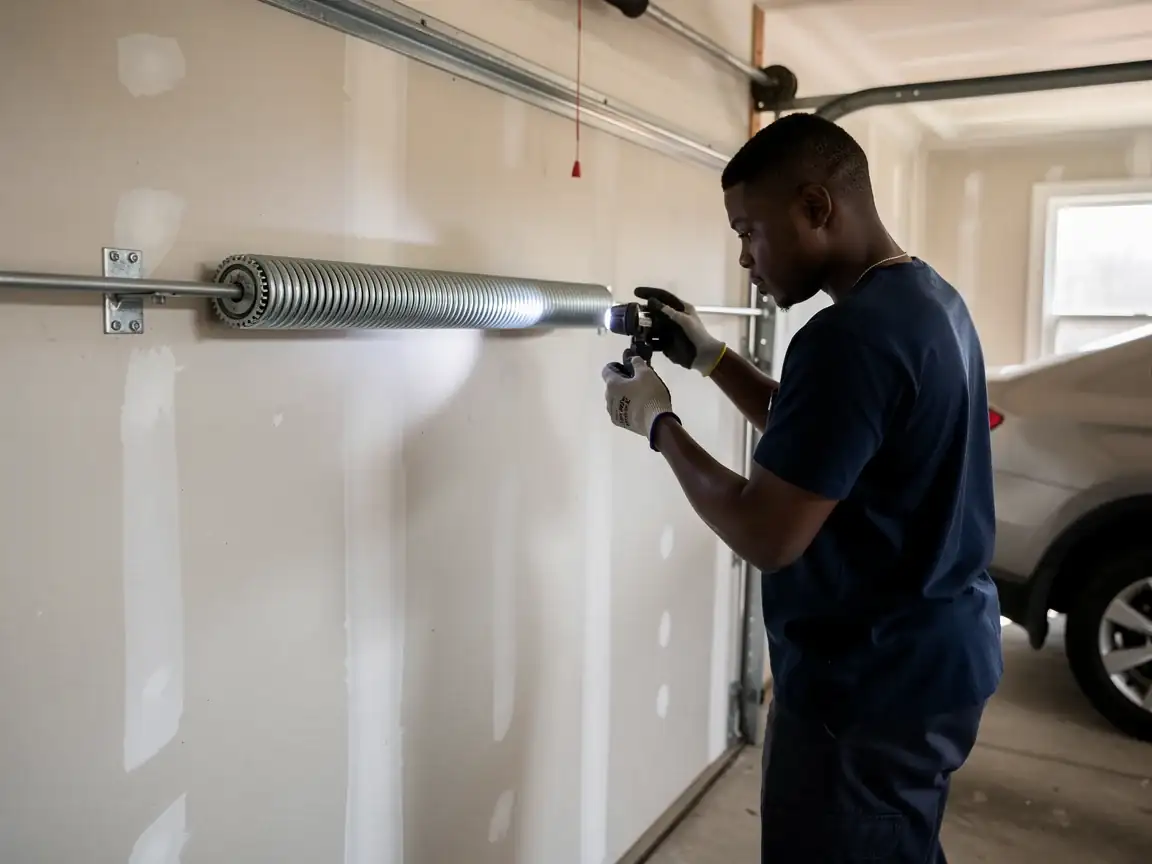
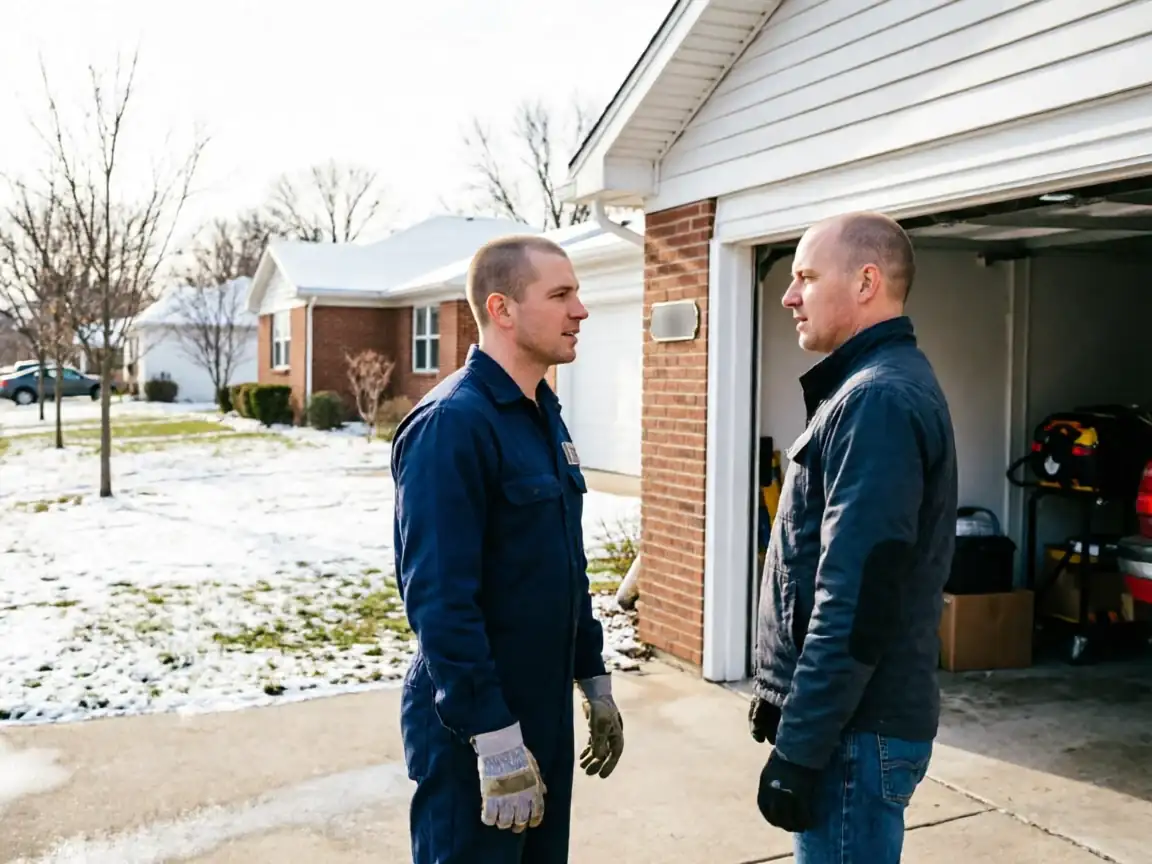
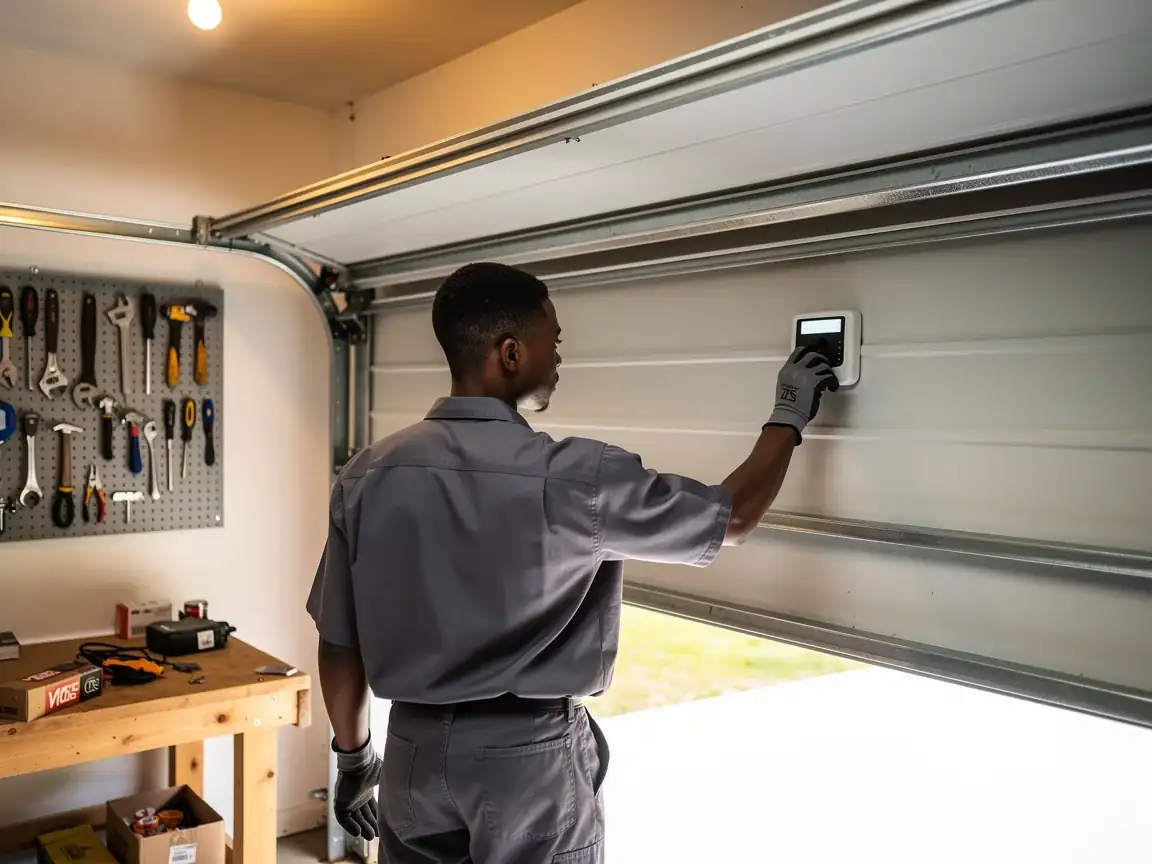
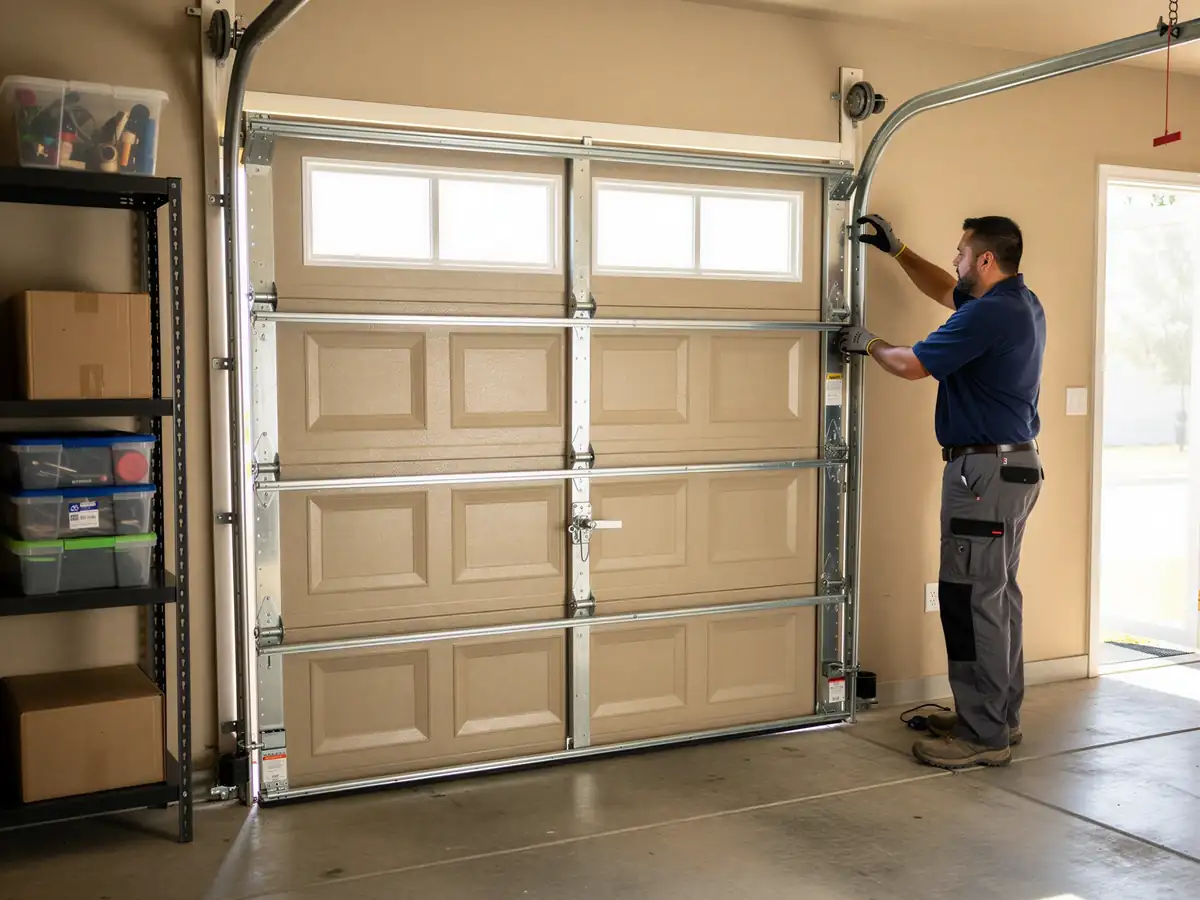
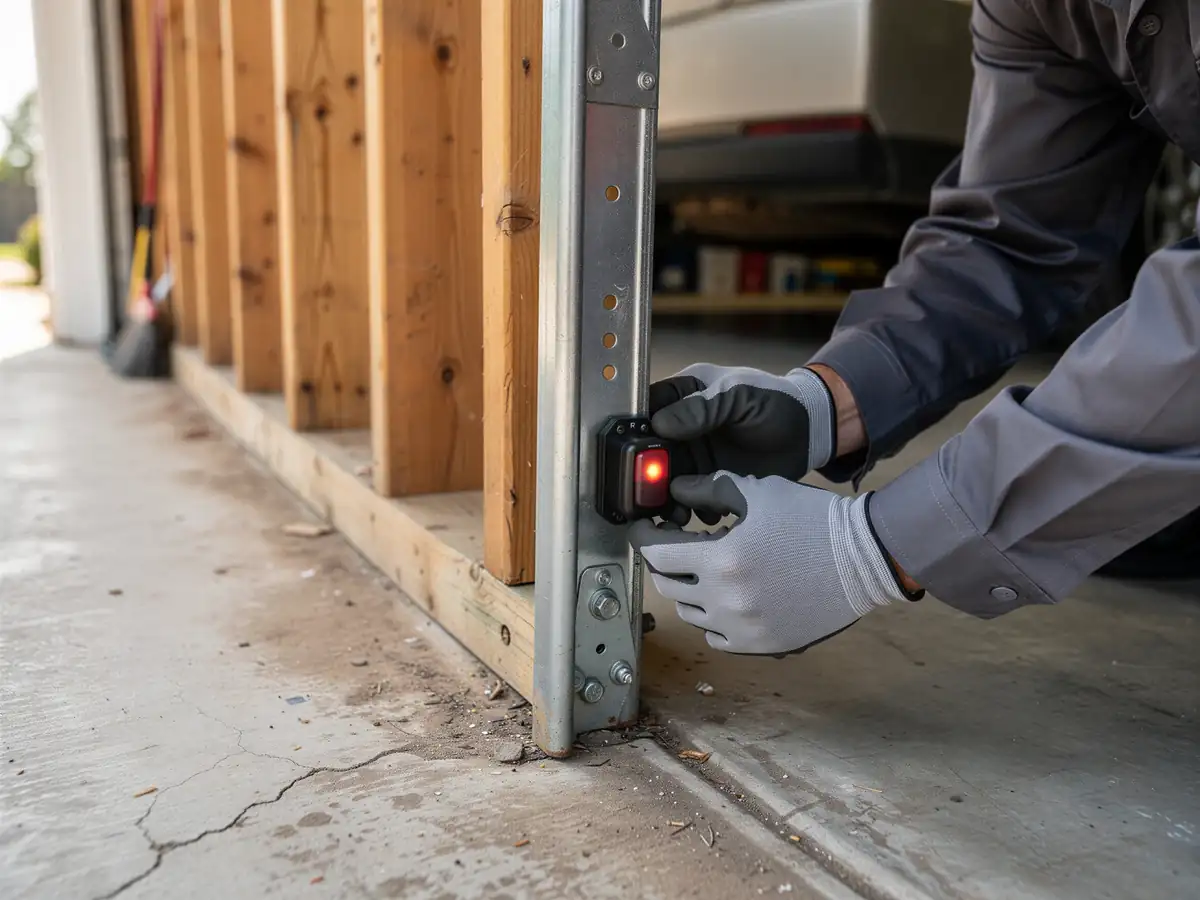
A maintenance visit isn't a repair in the sense of swapping a broken part - it's checking and adjusting the parts that are wearing but haven't failed. That means inspecting spring tension and cable wear, lubricating rollers, hinges, and the torsion shaft, tightening the hardware that vibration loosens over years of cycles, checking opener force settings, and testing the auto-reverse safety sensors. On a door with aging weatherstripping, we'll flag it rather than let it go another winter without a seal, since gaps let in the kind of cold air that stiffens lubricant and hardens rubber parts faster. We don't replace springs or openers during a maintenance call unless they're already past the point of adjustment - that's a separate conversation, and we'll tell you straight if that's where you're headed instead of doing a tune-up that won't hold. One honest limit: if a torsion spring is already showing a gap or visible stretch, a maintenance visit won't fix that, and we're not going to charge you for lubricant on a spring that needs replacing next month anyway.
Why It Happens Here
Columbus sits in a cold-severe climate band, and that matters more for garage doors than people expect. Cold stiffens steel springs, thickens grease until it stops lubricating properly, and makes rubber seals brittle enough to crack instead of flex. A door that cycles fine in June can bind in January simply because the same spring is now working against colder, stiffer metal. Layer that onto the housing stock: across the service area, homes were built between 1938 and 2006, with the median landing around 1986, and the bulk of the stock across the 30 communities we cover clusters in the 1980s and 90s. That means a lot of doors, springs, and openers installed in the same narrow window, now all aging out together and all facing the same winters. With 70,994 owner-occupied houses among 129,263 households in the area, and a median household income of $99,964, most owners are weighing a maintenance visit against a full replacement on hardware that's closer to 30-40 years old than 10. Maintenance buys time on original equipment; it doesn't reset the clock on parts built in a different decade.