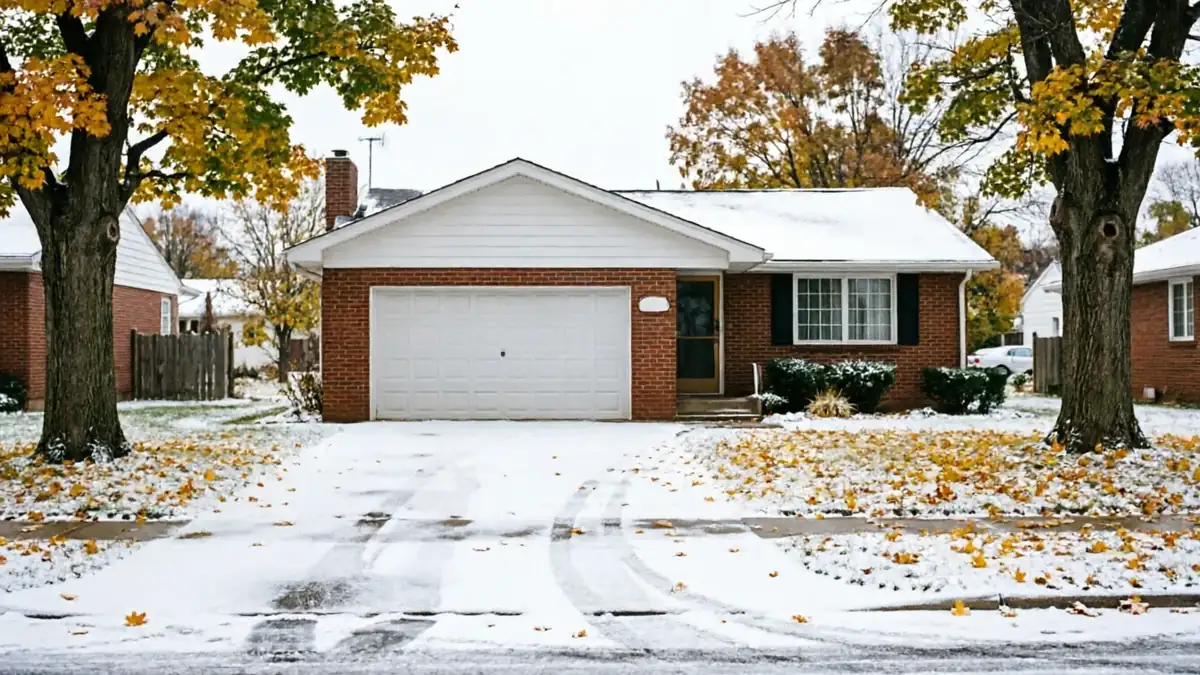
How Local Conditions Play In
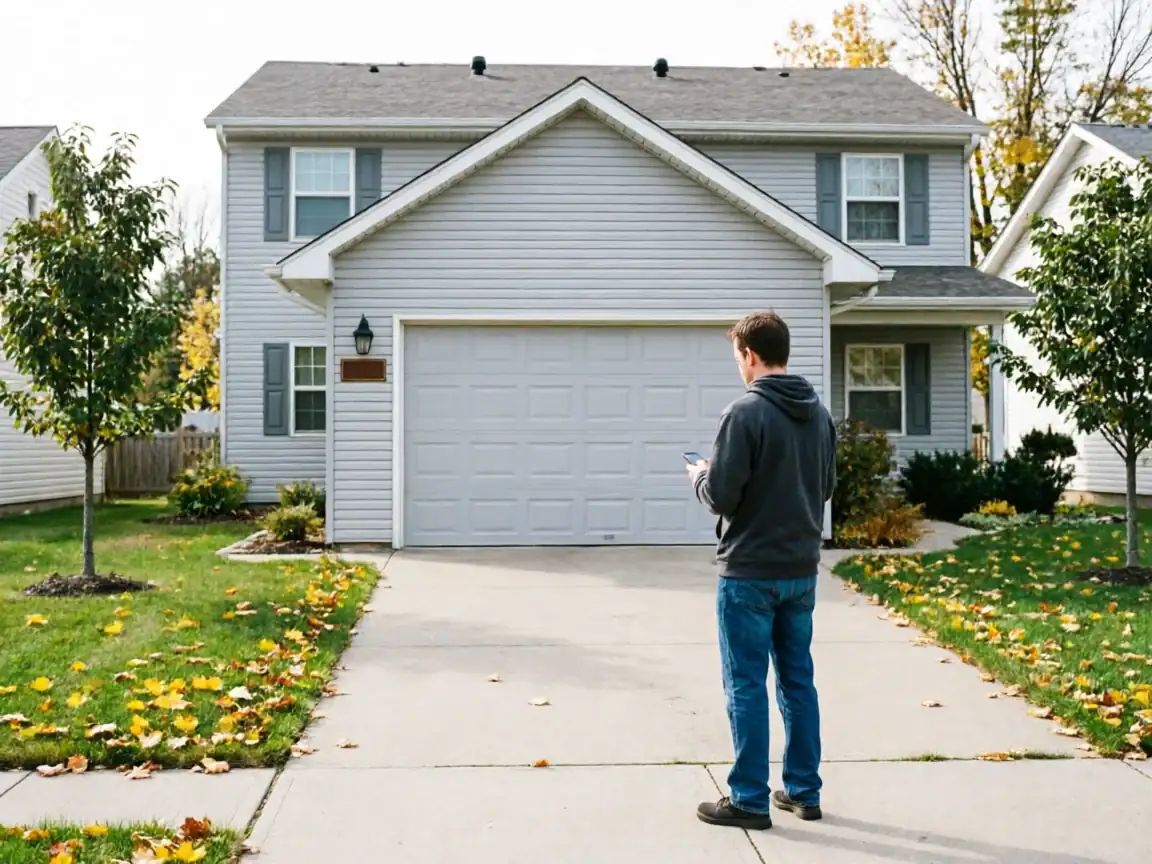
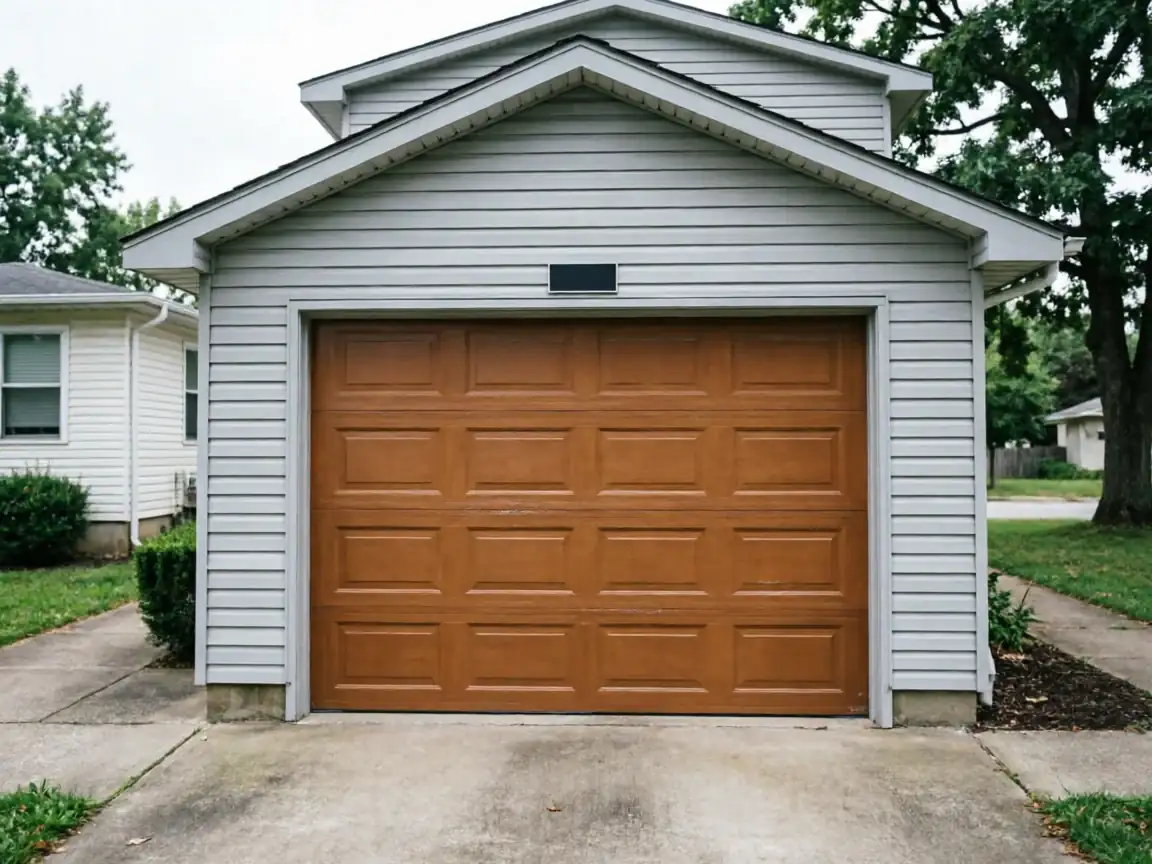
Most of the houses in this part of Columbus went up between 1938 and 2006, with the bulk clustered in the 1980s and 90s. That means the torsion springs on a lot of these garages are still the original builder-grade coils, now pushing thirty to forty years of flexing open and shut. Steel fatigues on a schedule, and cold accelerates it.
Columbus sits in a climate band the federal data marks as cold and severe, and that cold is what finishes off a spring that's already fatigued. Metal contracts as the temperature drops, and a coil that's been slowly losing tension for two decades has less give left to absorb that contraction. That's why the calls cluster on the first hard-freeze mornings rather than spreading evenly across the year.
Across the thirty-odd areas this covers, from the down through the housing stock is similar enough that the pattern holds: older torsion setups, a cold snap, and a spring that lets go with a bang instead of a slow sag. It's not bad luck. It's the age of the part meeting the season.
What to Check
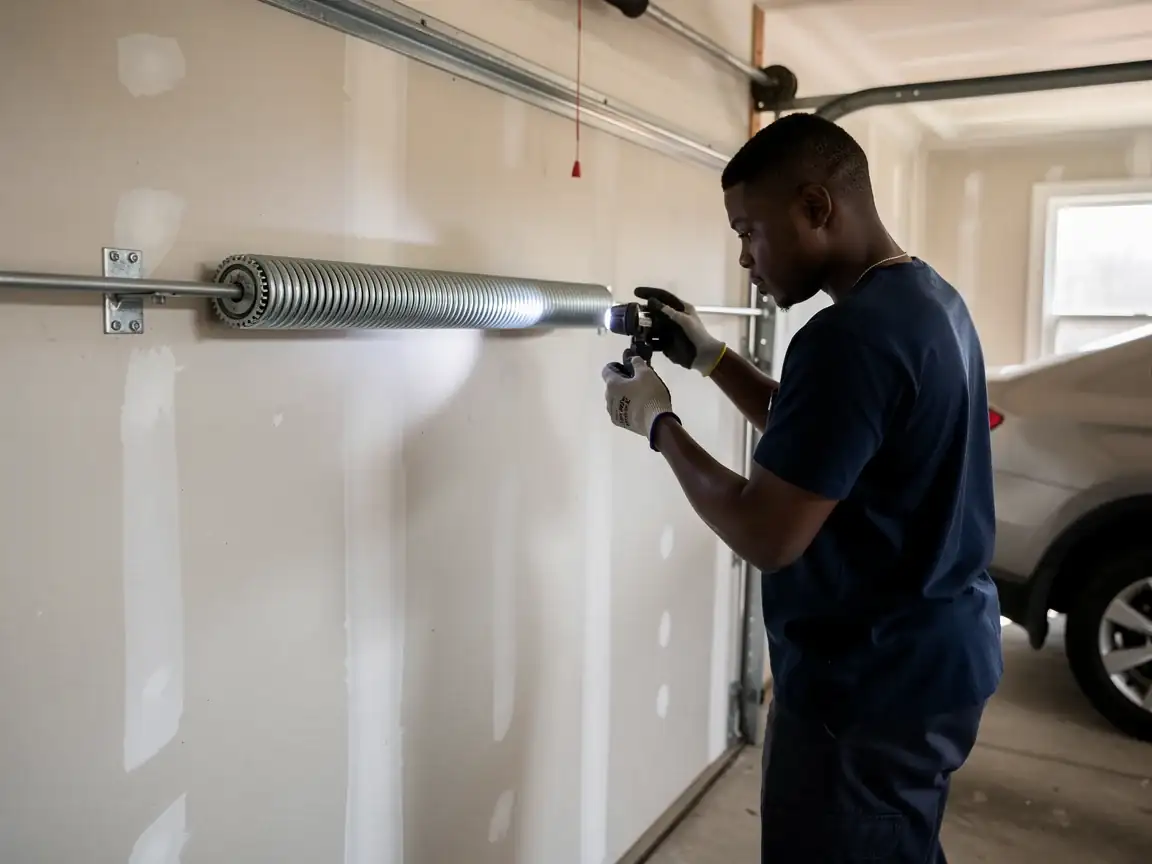
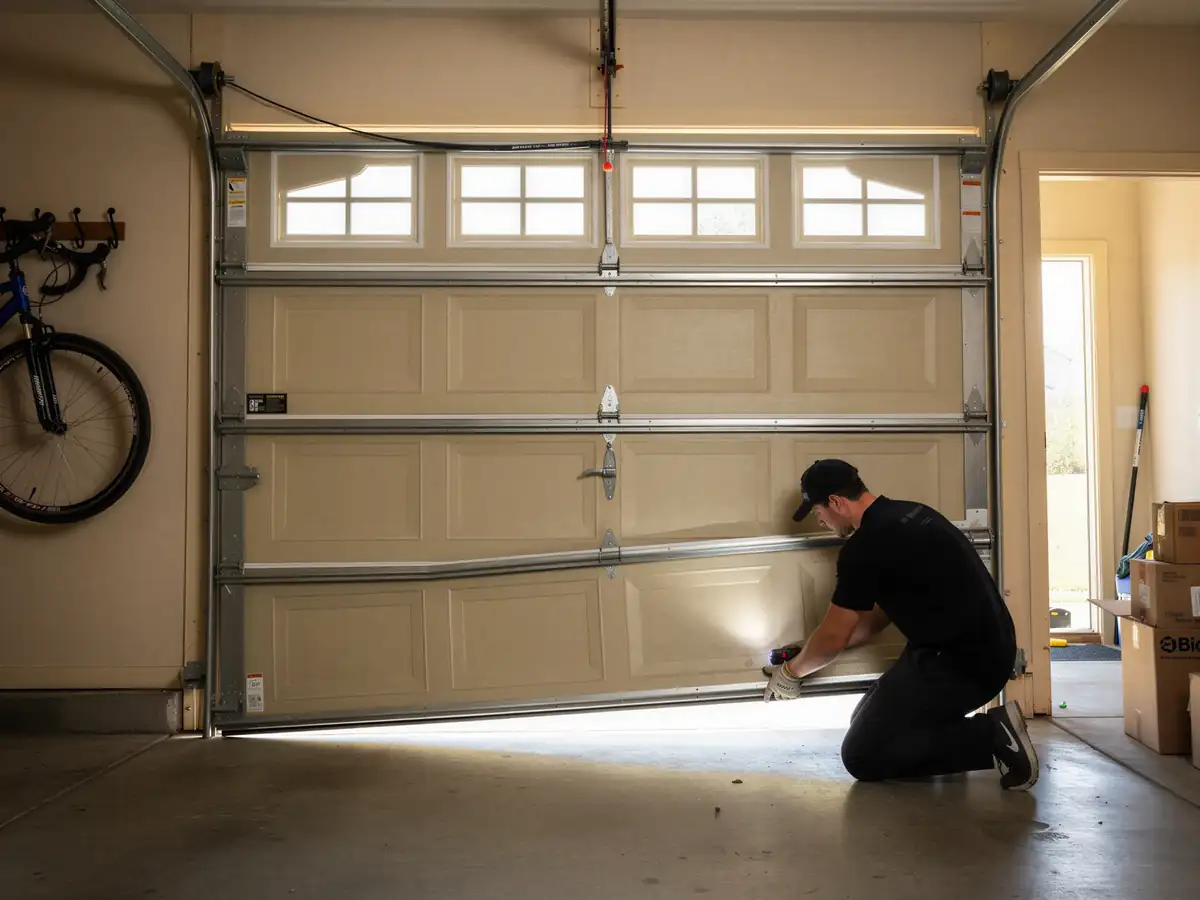
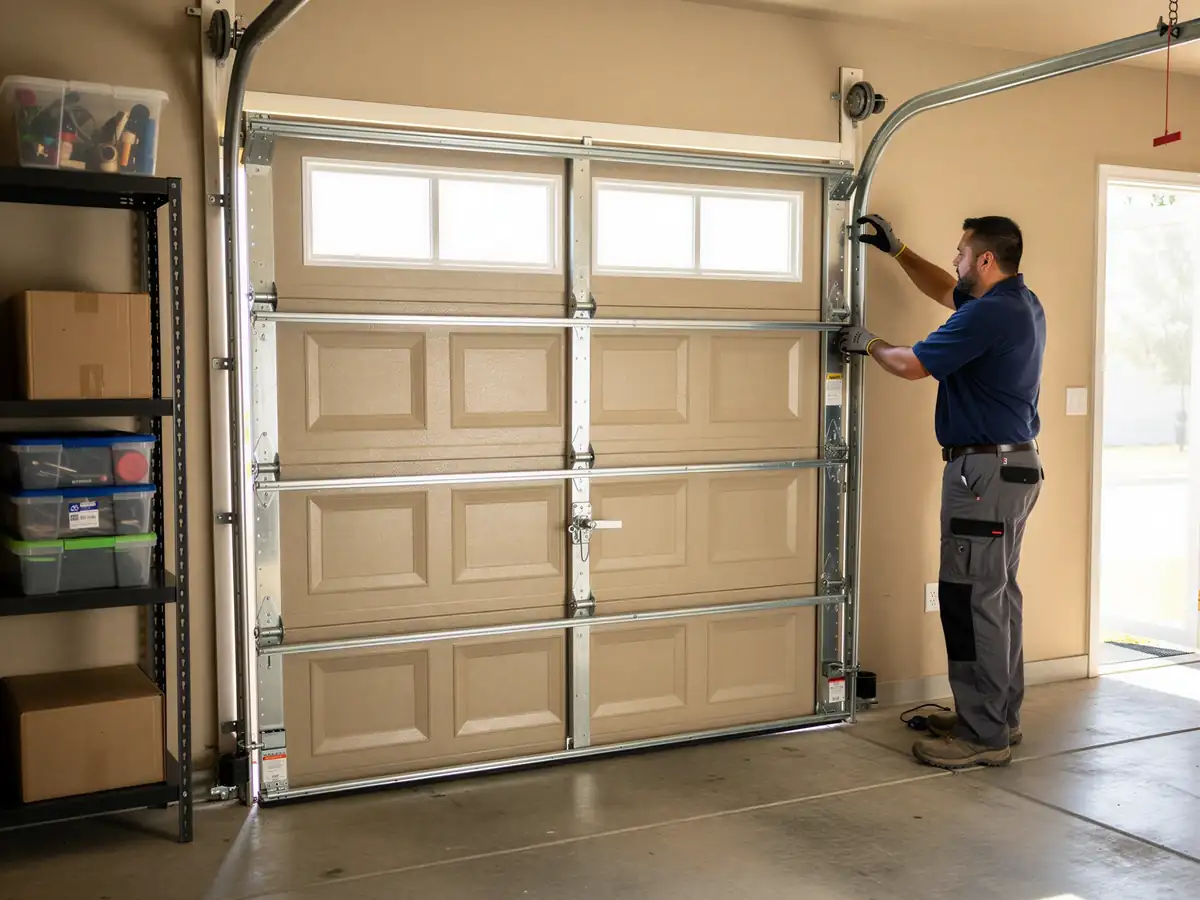
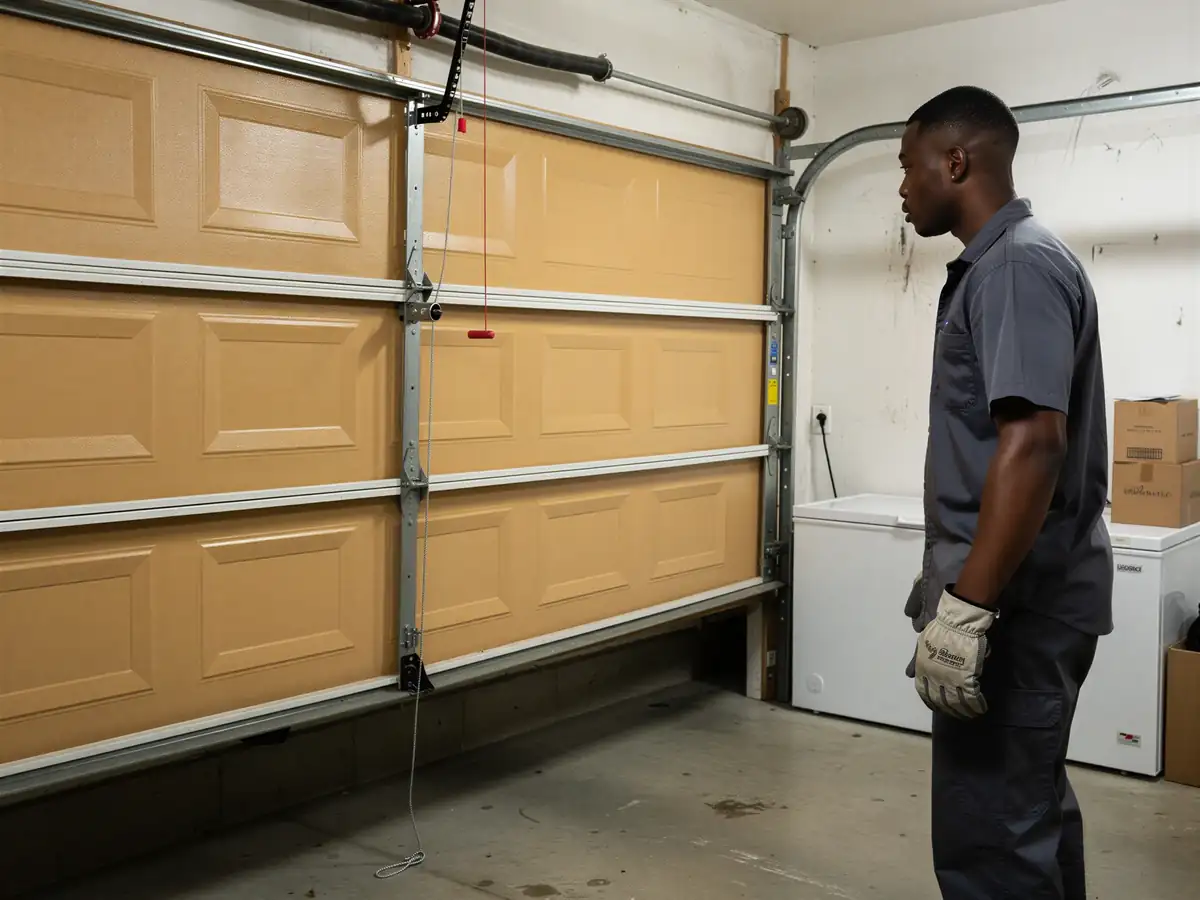
Before you call anyone, look at the spring itself. On a standard double door you'll see one or two torsion springs mounted on a bar above the opening, or a pair of extension springs along the horizontal tracks if the house is older. A broken torsion spring shows a clean gap in the coil, usually with the two ends twisted apart. An extension spring that's gone will look stretched or will have a visible split.
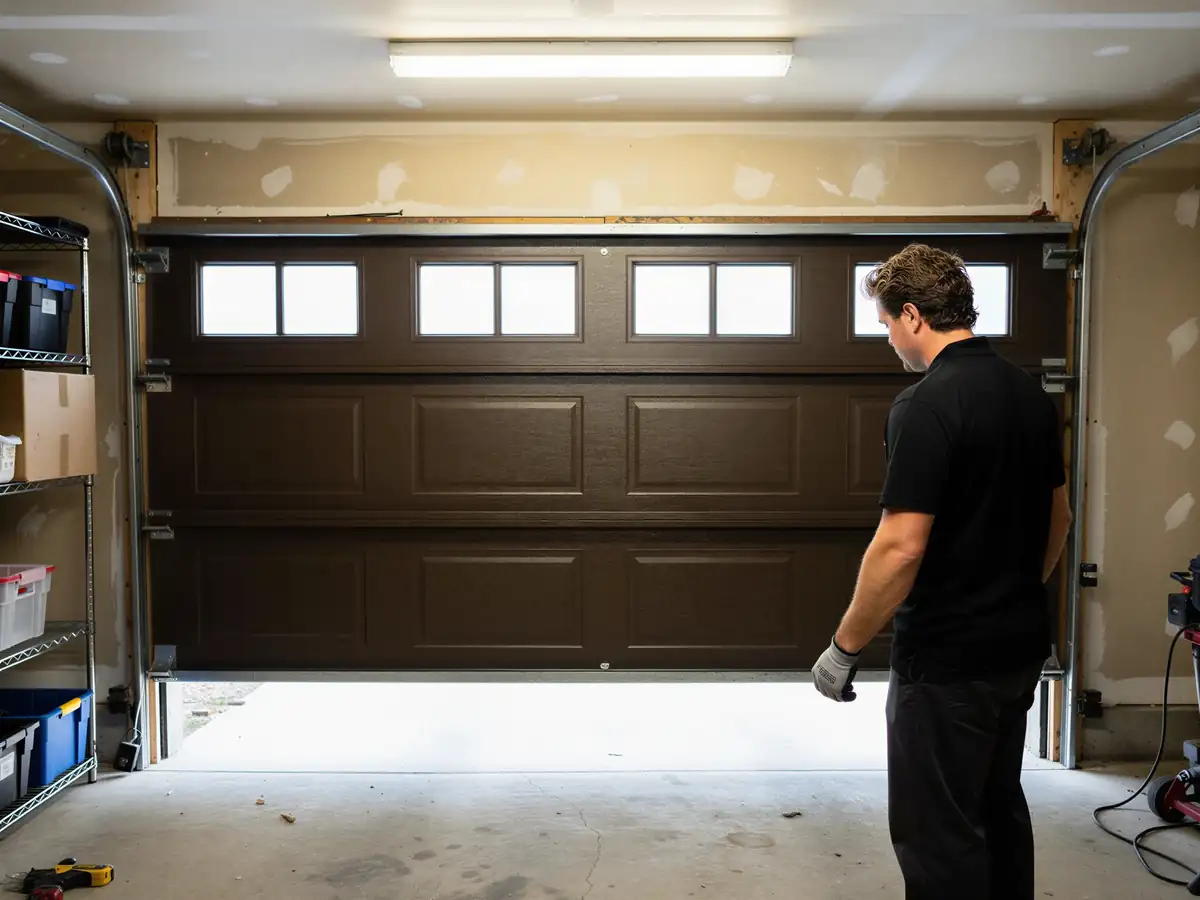
Listen, too. A spring failing in cold weather usually makes a loud bang, sometimes loud enough that owners think something fell in the attic. If the door won't budge, or moves a few inches and stops, that's consistent with a broken spring rather than an opener problem.
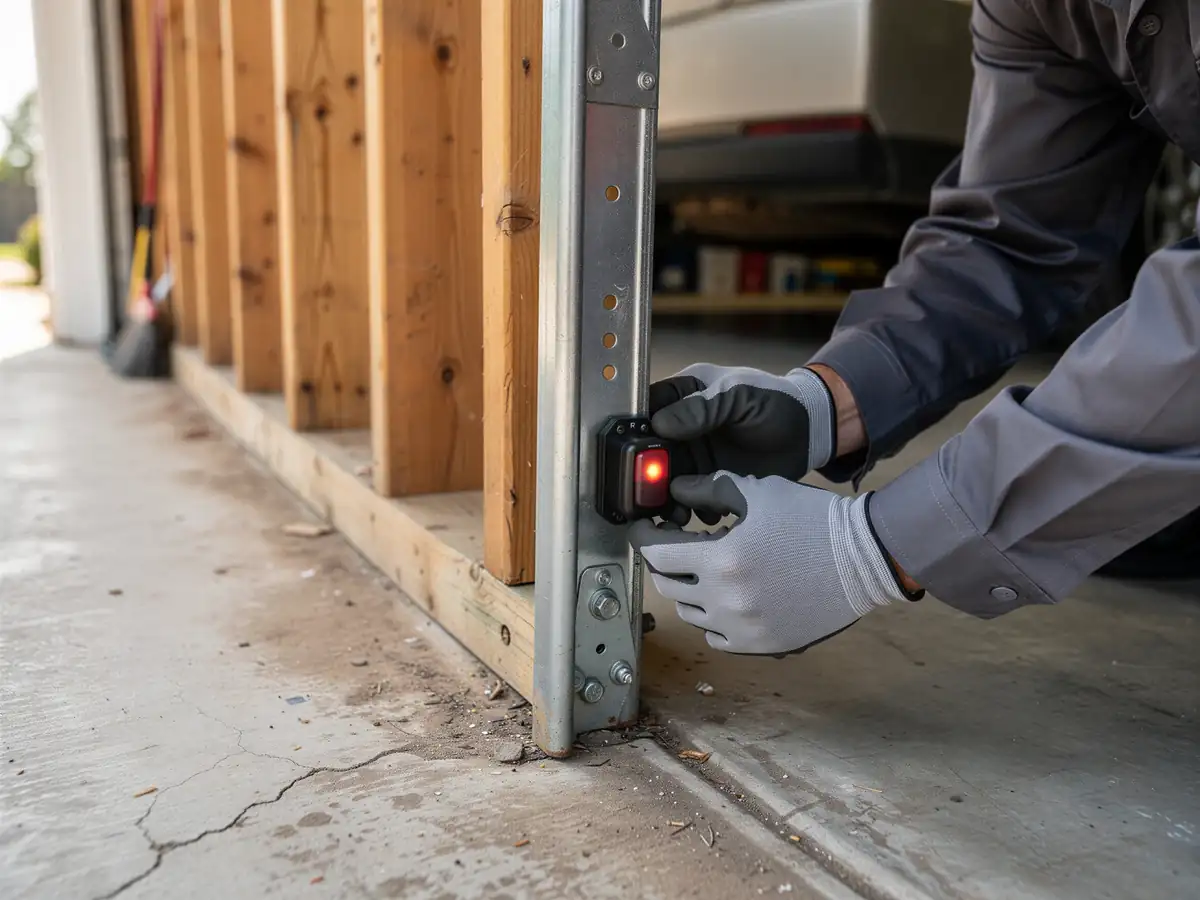
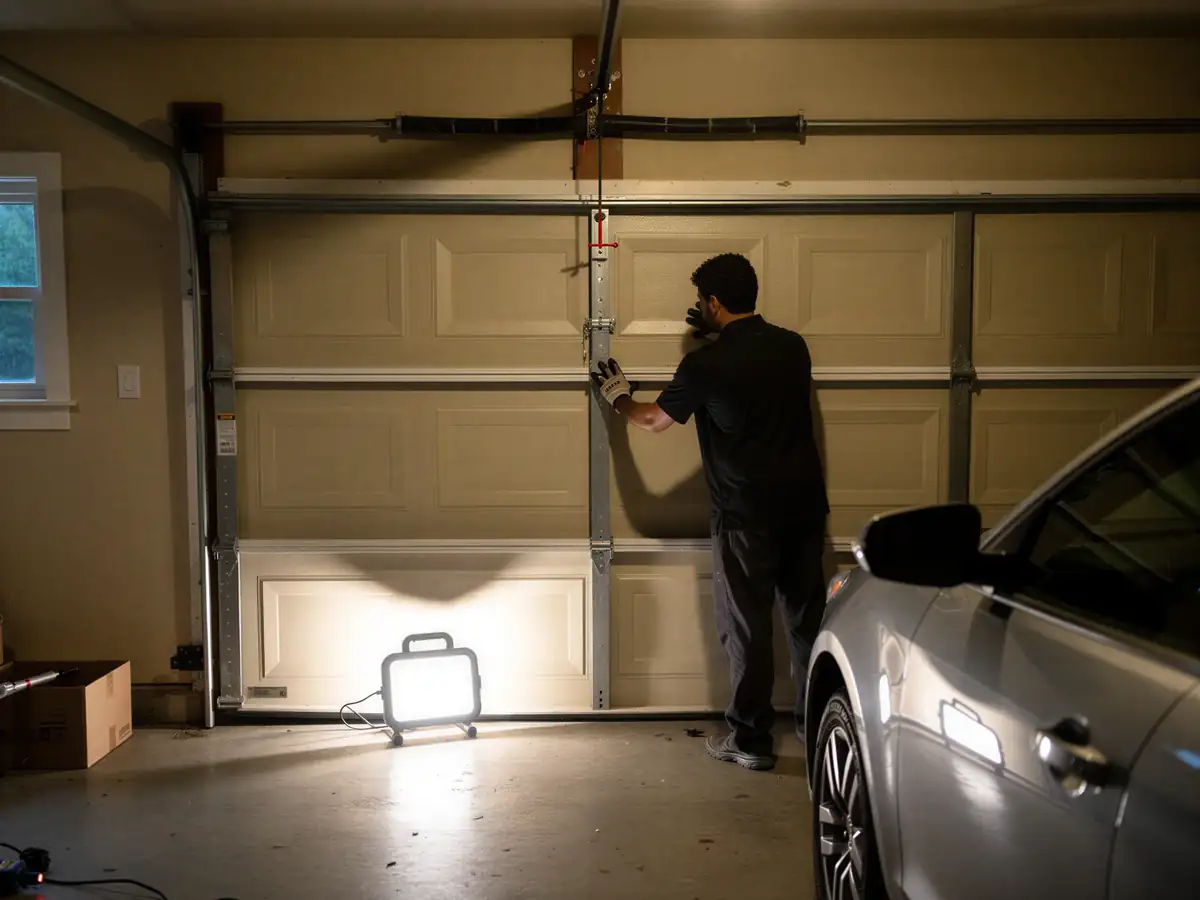
Check the cables next to the springs for fraying - a cable that's about to go will show thin, splayed wire rather than a clean strand. Do not try to lift the door manually and force it, and do not touch the torsion bar or attempt to wind or unwind a spring yourself. A wound torsion spring holds enough stored force to cause a serious injury, and that's not a job for a weekend fix regardless of how simple it looks once the cover is off.
The Cost of This Job
We can't give you an exact number without seeing the door
And we'd rather say that plainly than guess at a price that doesn't hold up once a tech is standing in your driveway. What drives the cost on a job like this is the spring size, how many springs the door uses, and whether the door is still on its original torsion hardware or has been converted at some point - which happens more often than you'd think on houses from the 1980s and 90s that have had an opener added later.
With median household income across the Columbus service area at $99,964
Most owners here replace both springs on a double door at once rather than patch one side, since the second spring is usually close behind the first once one has gone from age and cold. That's a judgment call we'll walk through with you on site rather than over the phone.
The honest limitation
If your door is original to a house built in the 1938-2006 range and the track or drum is worn along with the spring, sometimes a full spring swap isn't the whole fix, and we'll tell you that before doing only half the job.
The Situation
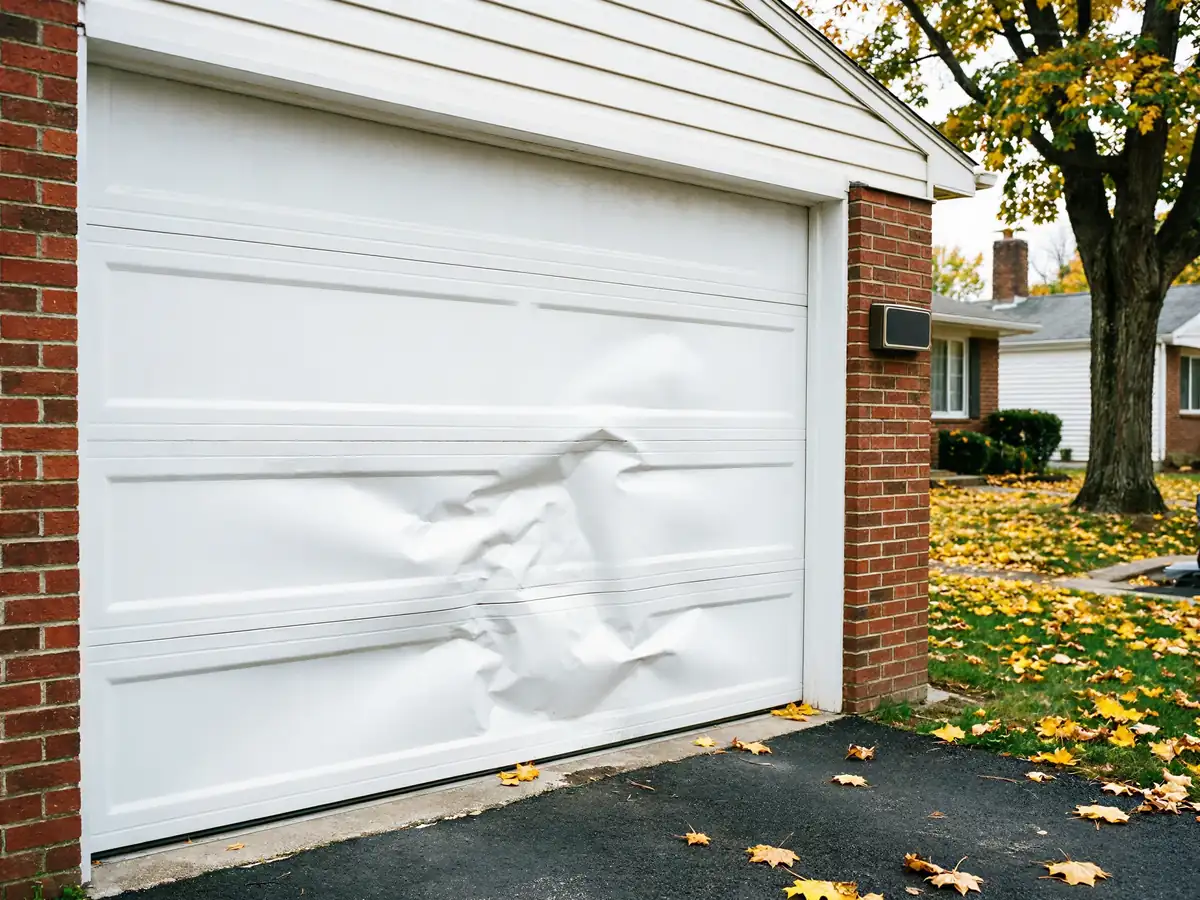
Across the roughly 70,994 owner-occupied houses in the Columbus service area, the pattern repeats every winter: a spring that held fine in October gives out on the first hard-freeze morning. The door was working the night before. Now it's stuck a third of the way open, or won't move at all, and someone's trying to get a car out before work.
In neighborhoods like the where the 1980s-era torsion hardware is common, that bang is almost always the spring, not the opener. Out toward Gahanna, Westerville, and New Albany, where some of the stock runs a little newer within that 1938-2006 span, you still see the same failure mode once a door hits its third decade.
This isn't an emergency in the sense of a gas leak, but it is urgent in the ordinary sense - nobody wants a two-ton door stuck halfway up over a car. The spring itself is a controlled, routine failure. What varies house to house is how much of the rest of the hardware has worn alongside it, and that's the part worth having someone actually look at before you decide what the fix is.