How It Shows Up
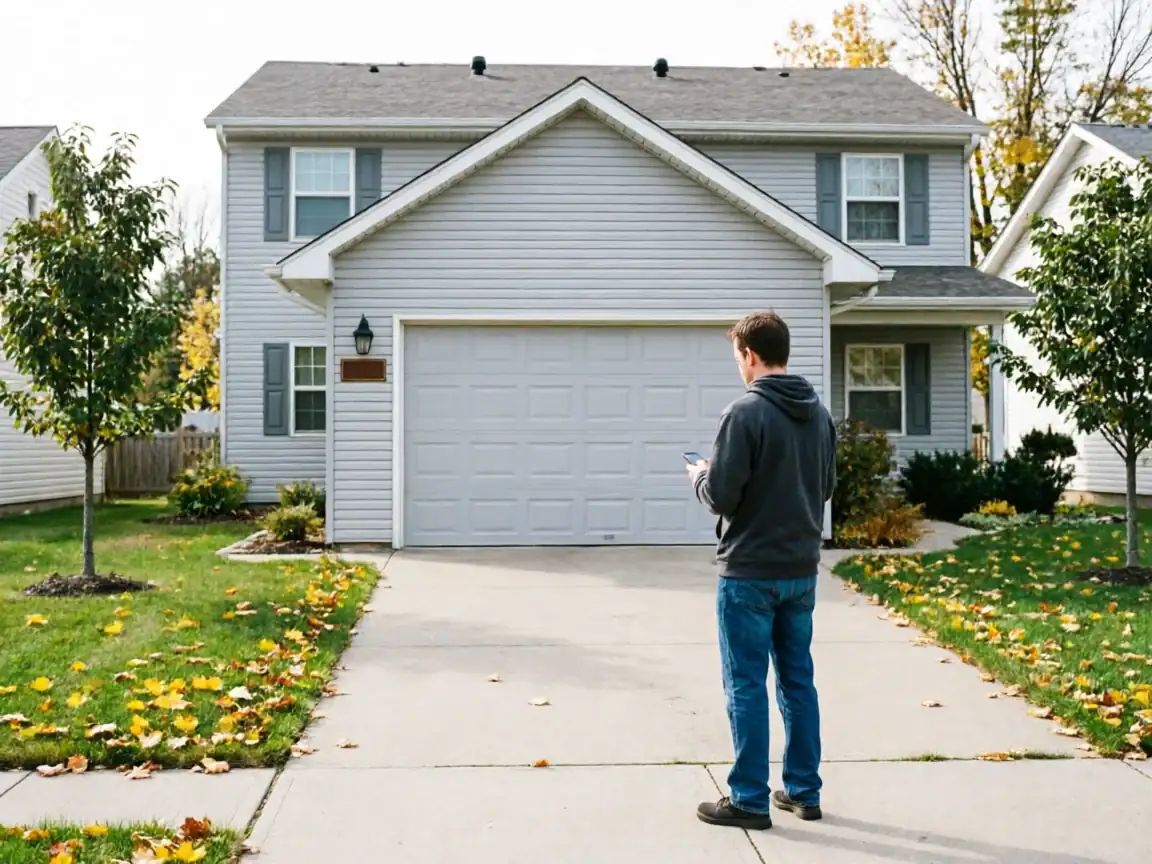
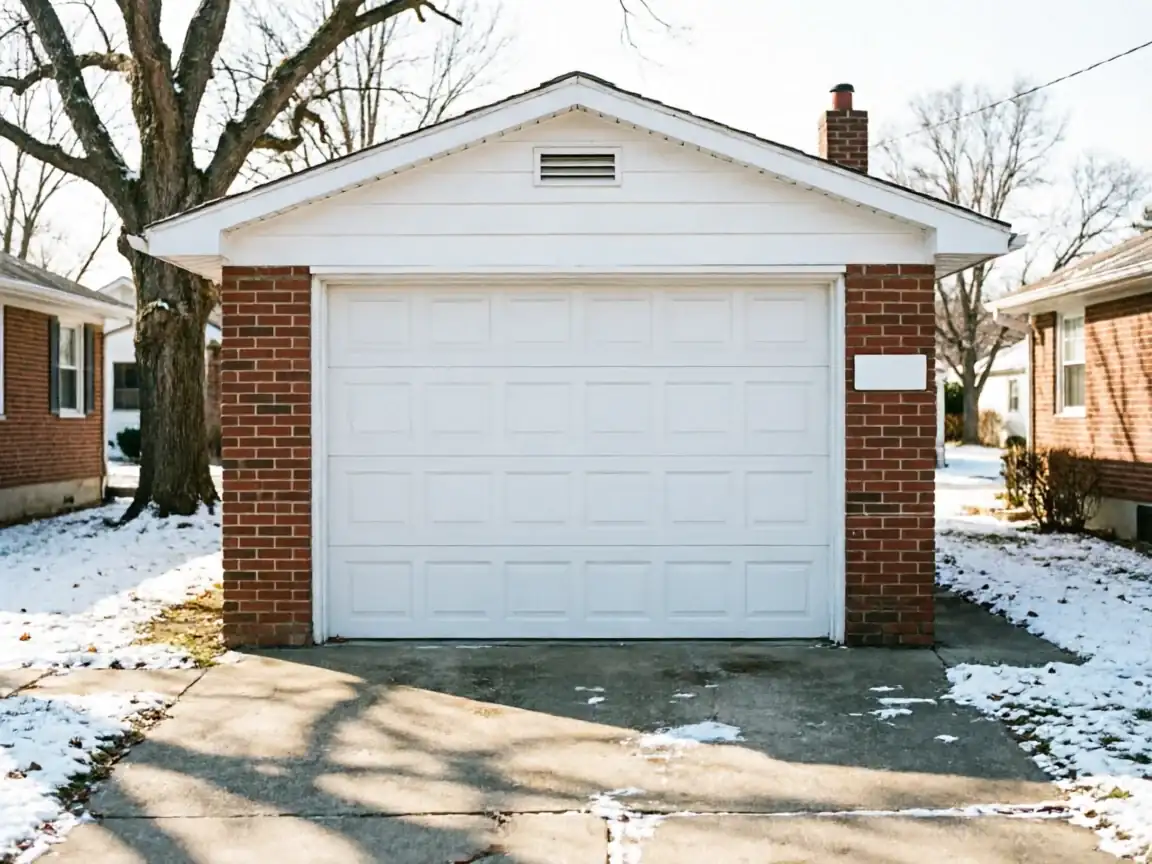
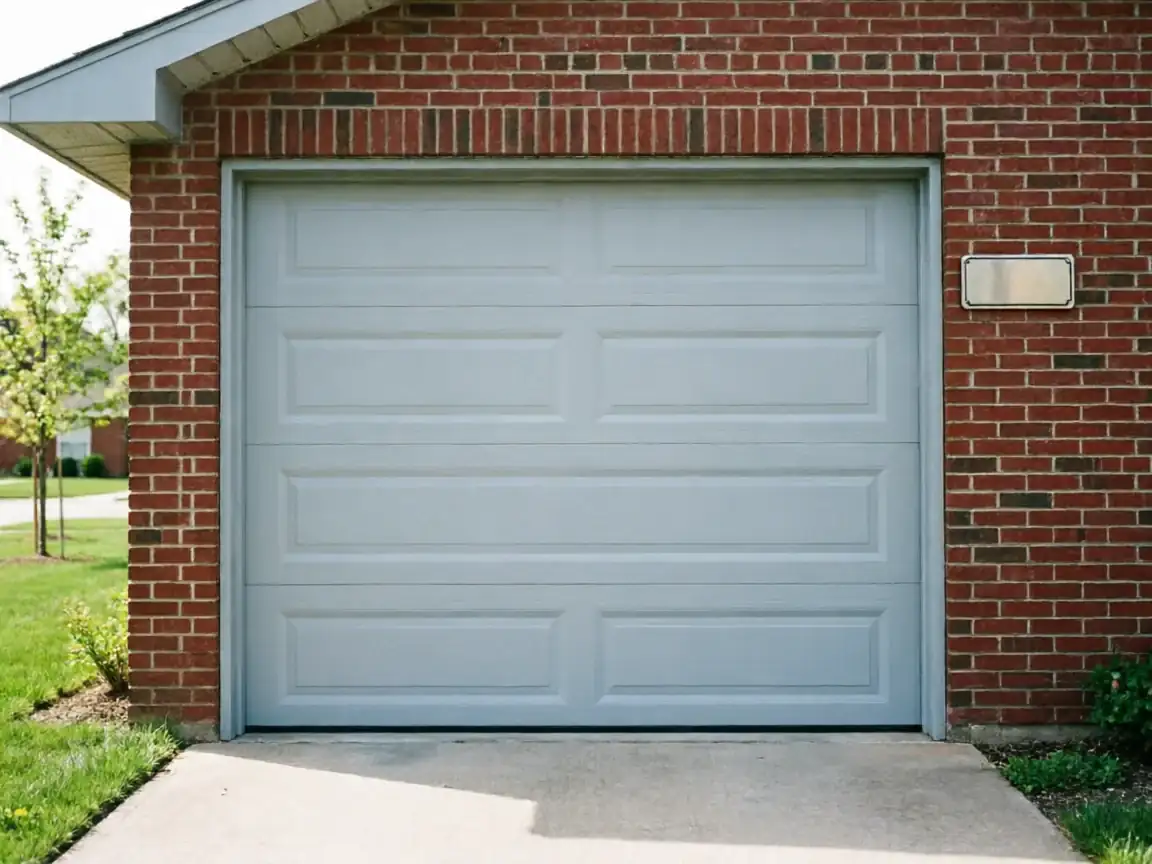
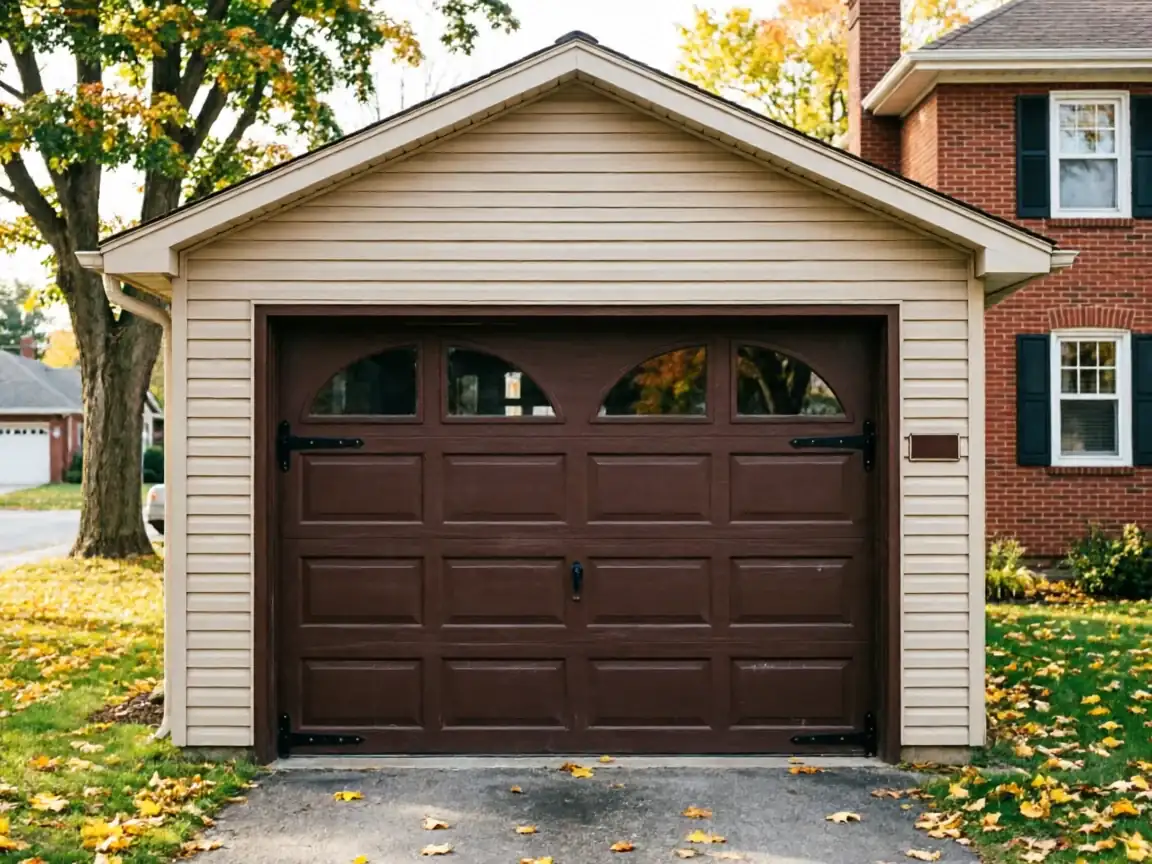
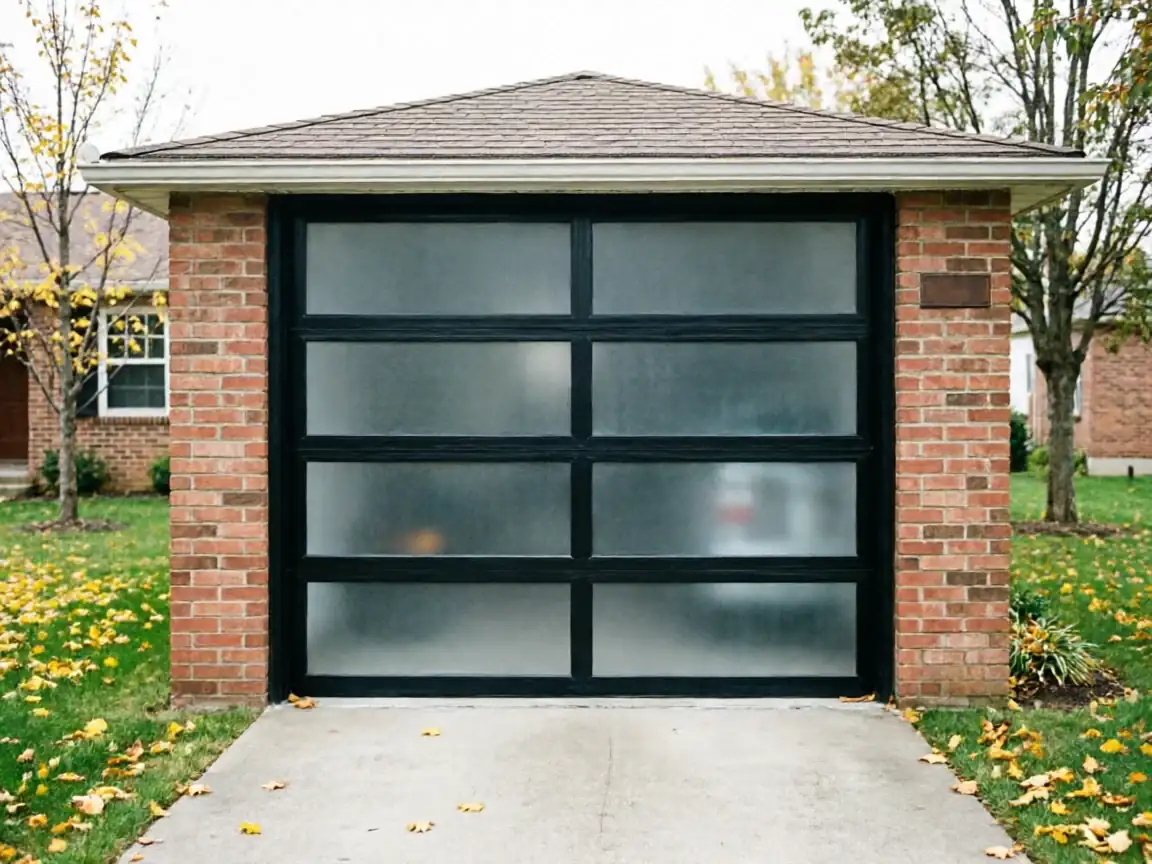
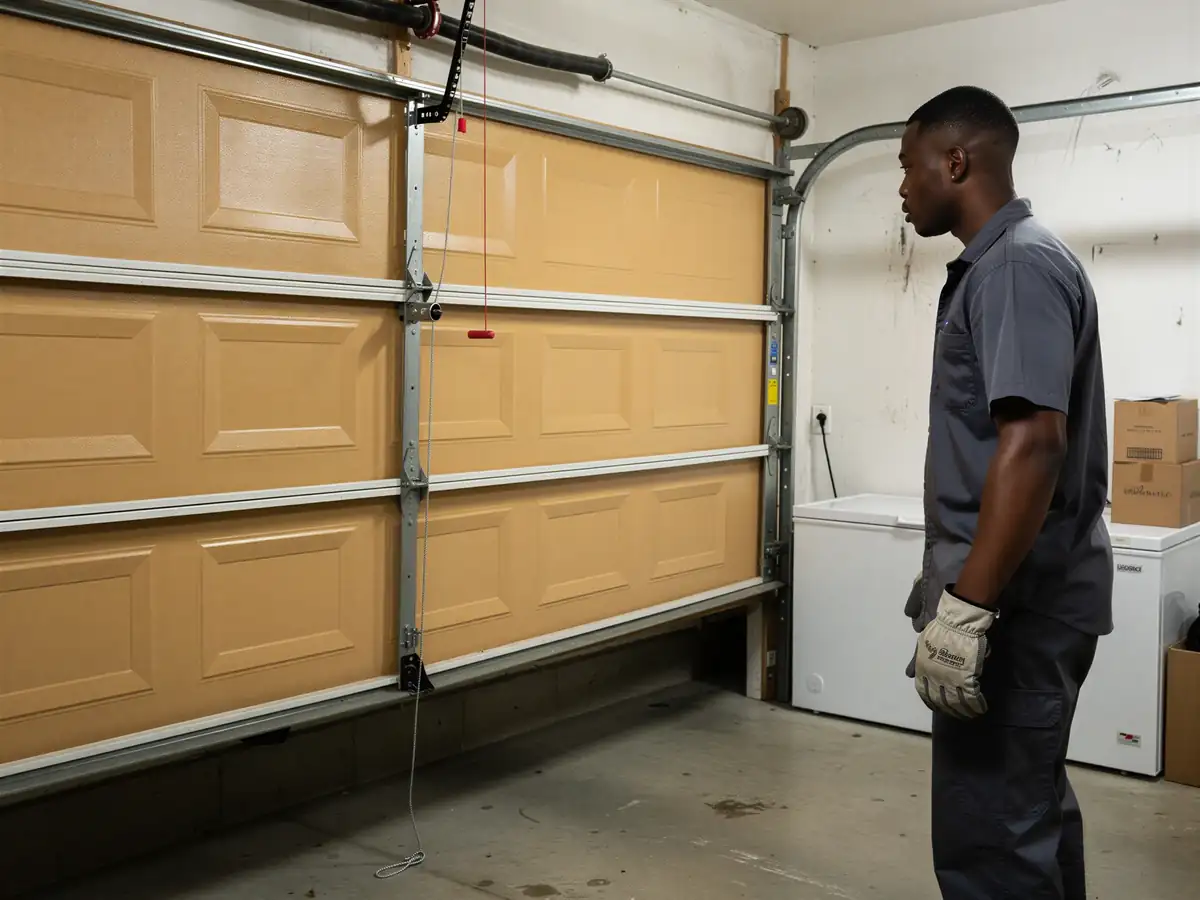
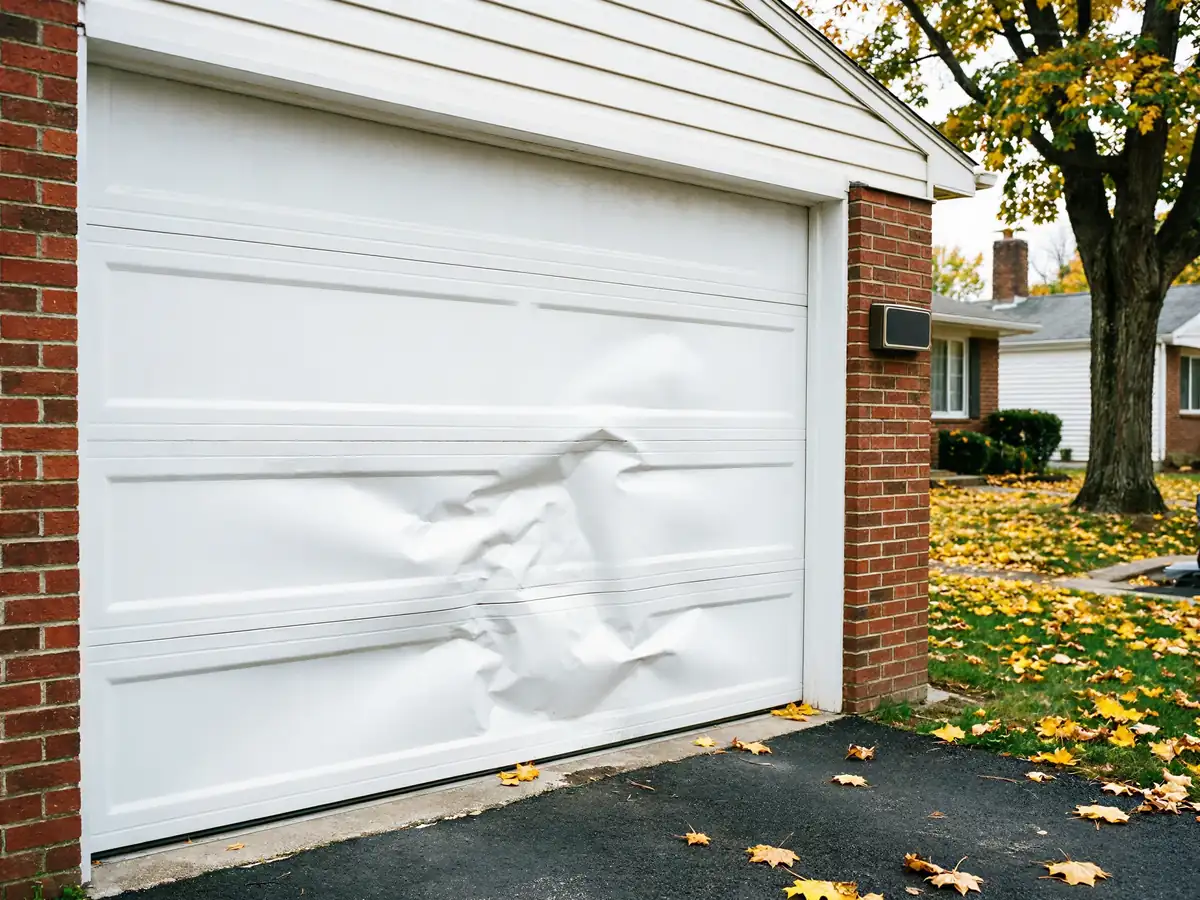
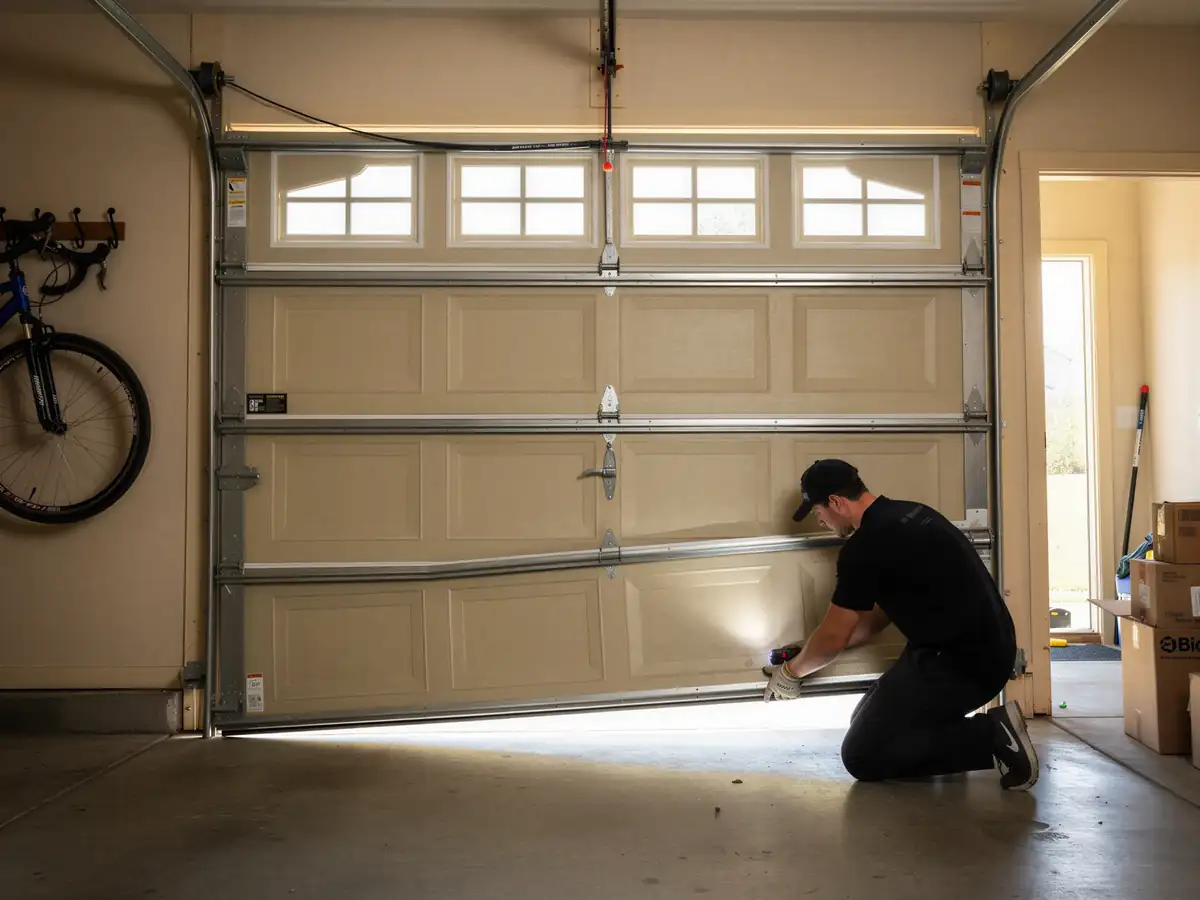
Most calls we get in Columbus start the same way: the door won't open, or it opens halfway and stops. In a city where housing runs from 1938 up through 2006, with the median build year sitting around 1986, the failure point depends a lot on when the house went up. In the older pockets near we're often looking at a torsion spring that's simply worn out from three or four decades of cycles, or hardware that was never upgraded past its original parts. In the 1980s-90s tract housing that makes up most of the metro, the complaint is usually a cracked plastic idler pulley, a stretched extension spring, or an opener logic board that's given out after twenty-plus winters. Either way, the door doesn't fail randomly. It fails at the weak point the house was built with, and that point is different depending on which decade you're.
A door that drags, slams the last six inches, or reverses right after it touches the floor is telling you something specific about cable tension or a bent track, not just 'getting old.'
What the Repair Takes
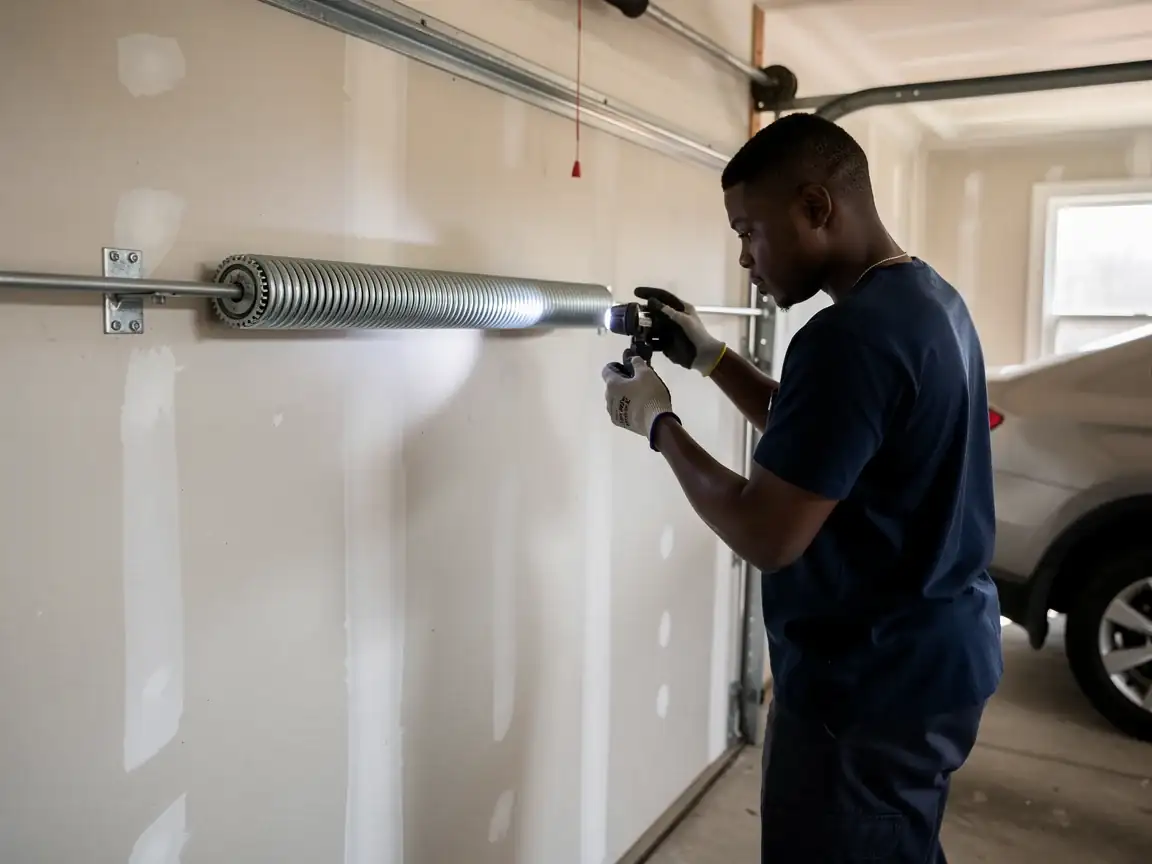
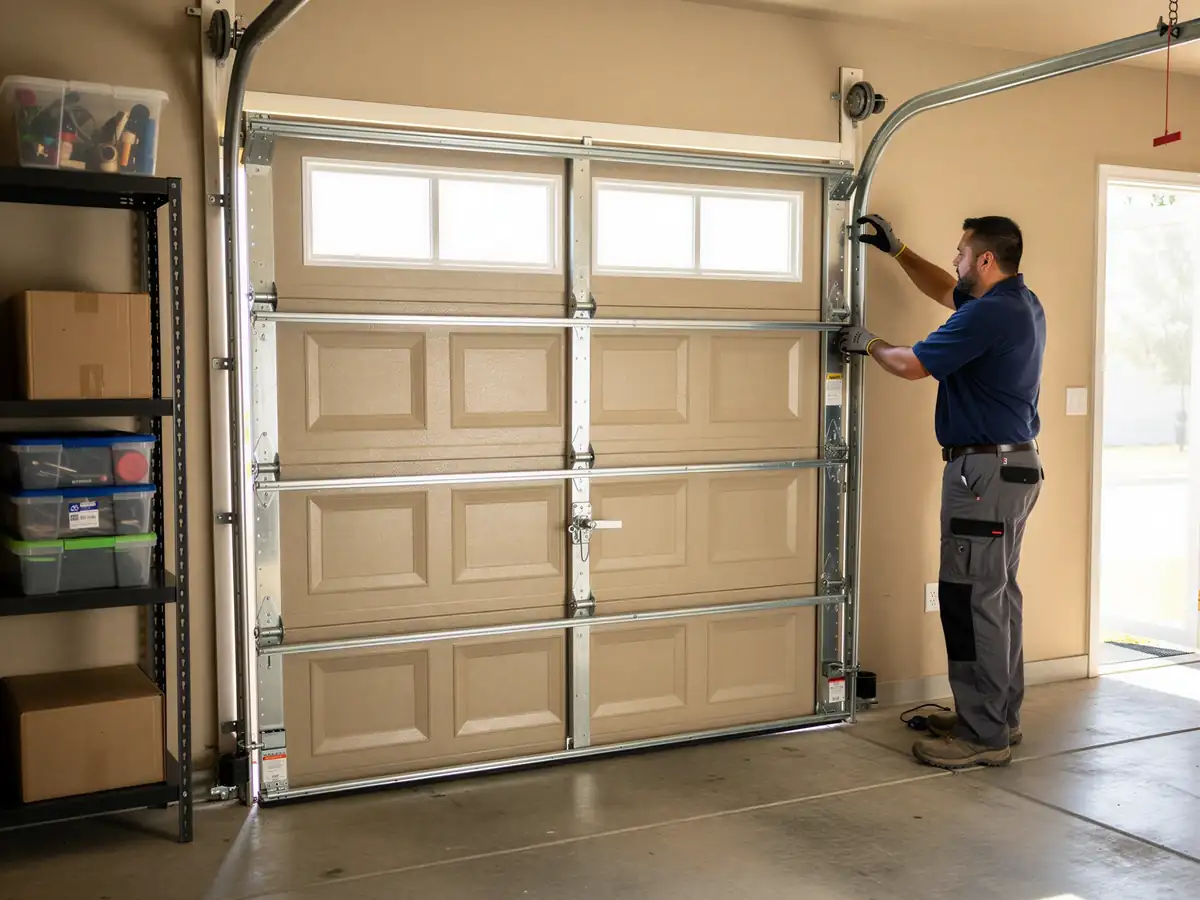
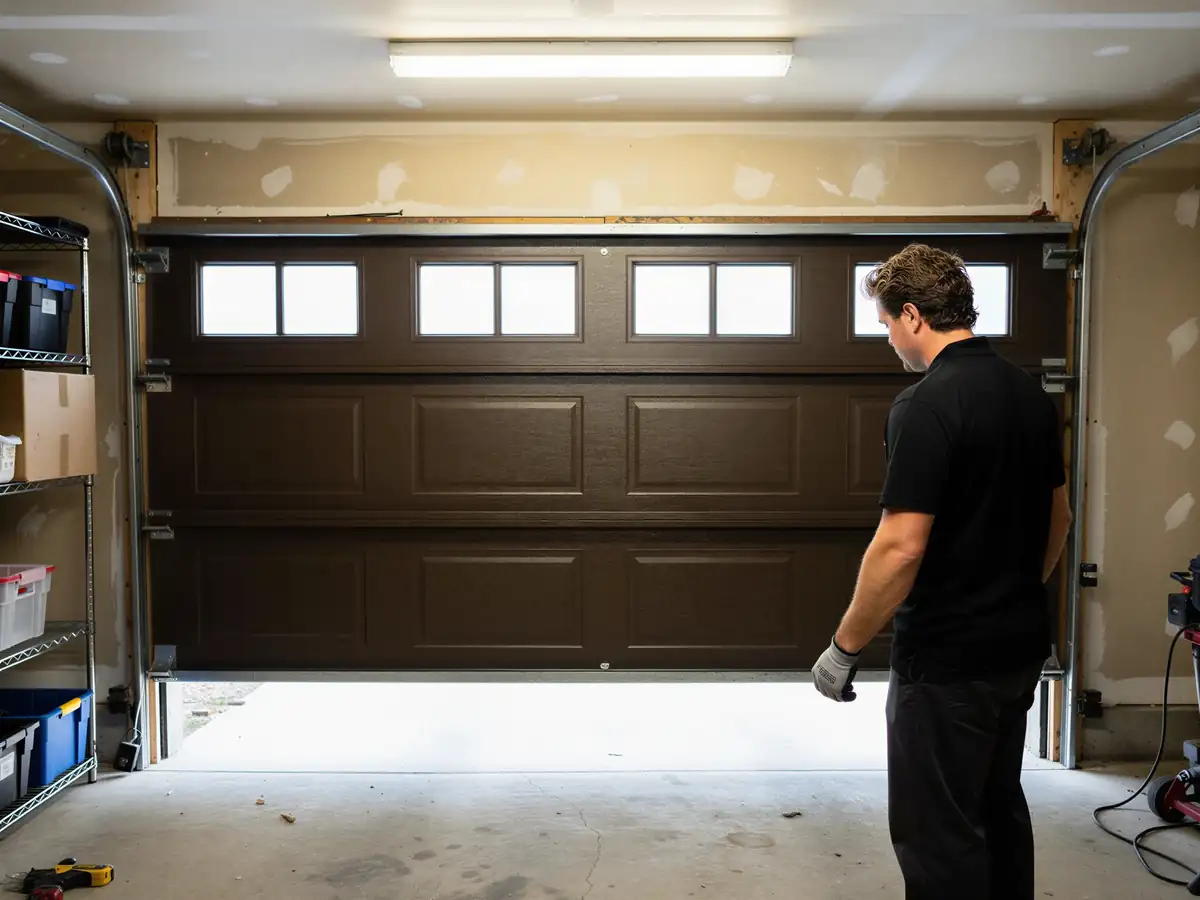
A straightforward torsion spring swap on a standard double door is usually a same-visit job once we've confirmed the spring size and drum setup, which varies more than people expect across Columbus's mixed-age housing stock. Extension spring systems, common in the 1980s-90s subdivisions that make up most of the service area, take a different kit entirely, and we carry both because we never know which one we're walking into until we're in the garage.
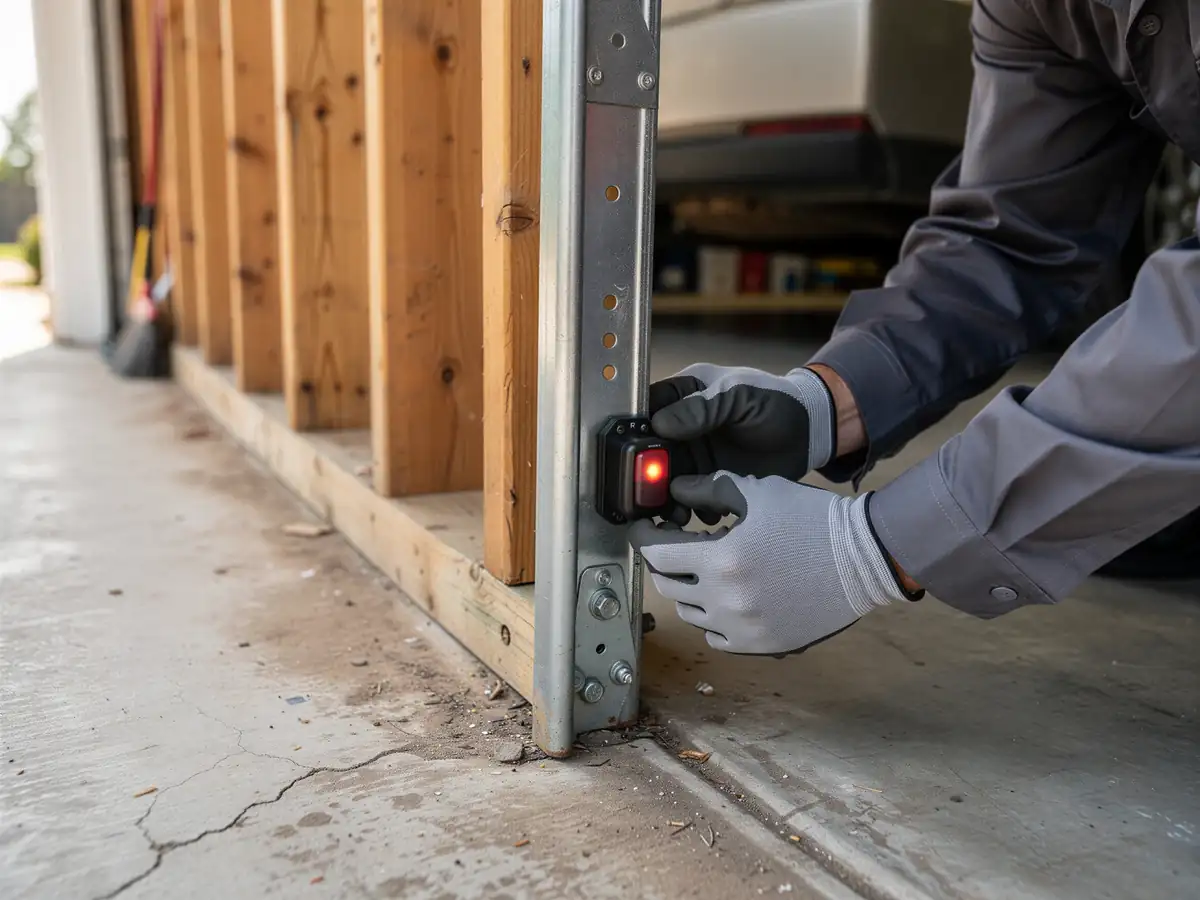
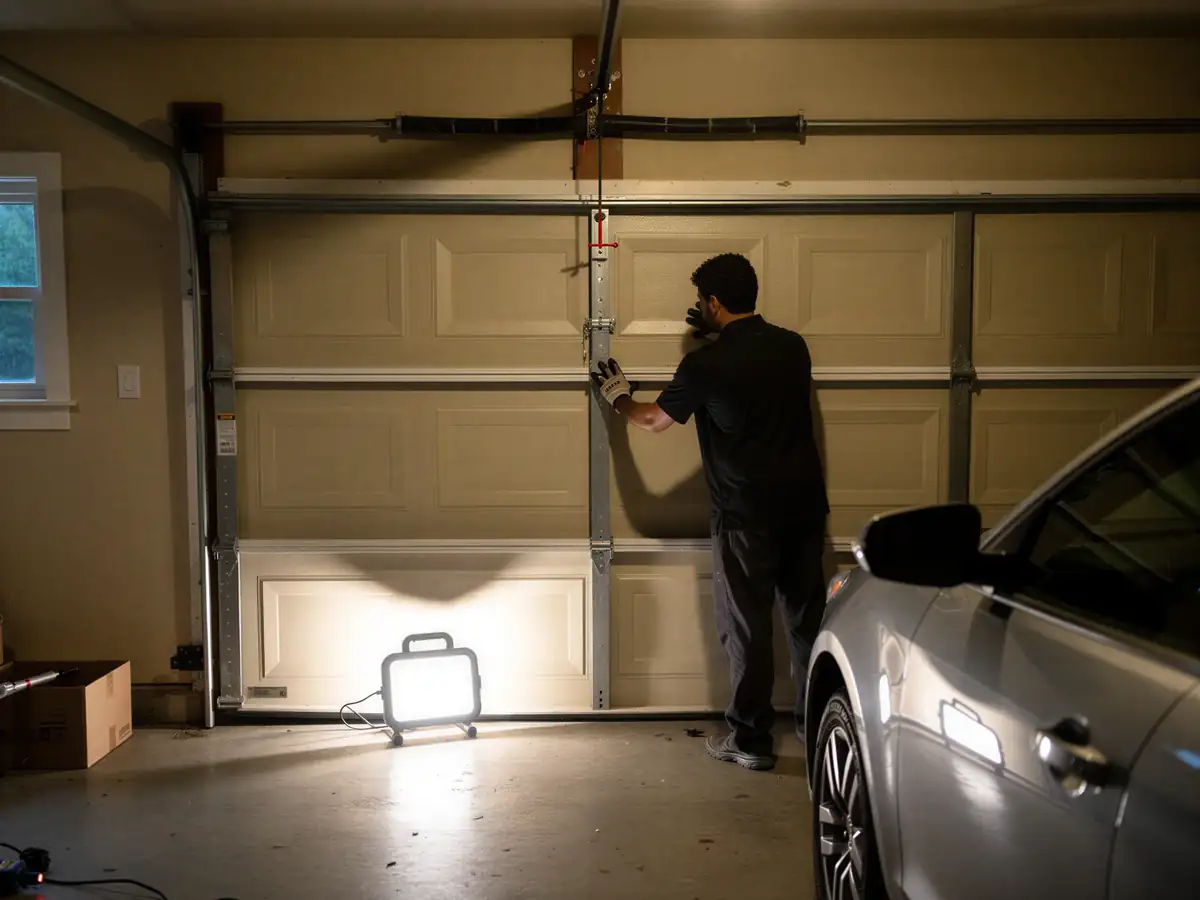
What we won't do is quote a repair over the phone without seeing the door. A bent track can look like a spring problem, and a bad opener board can look like a cable problem, and guessing wrong wastes your money and our afternoon. We check the springs, the cables, the rollers, the track alignment, and the opener's force settings before we touch anything, because in a cold-climate city like Columbus, metal fatigue and contraction hit several parts at once, not just the one that finally gave out.
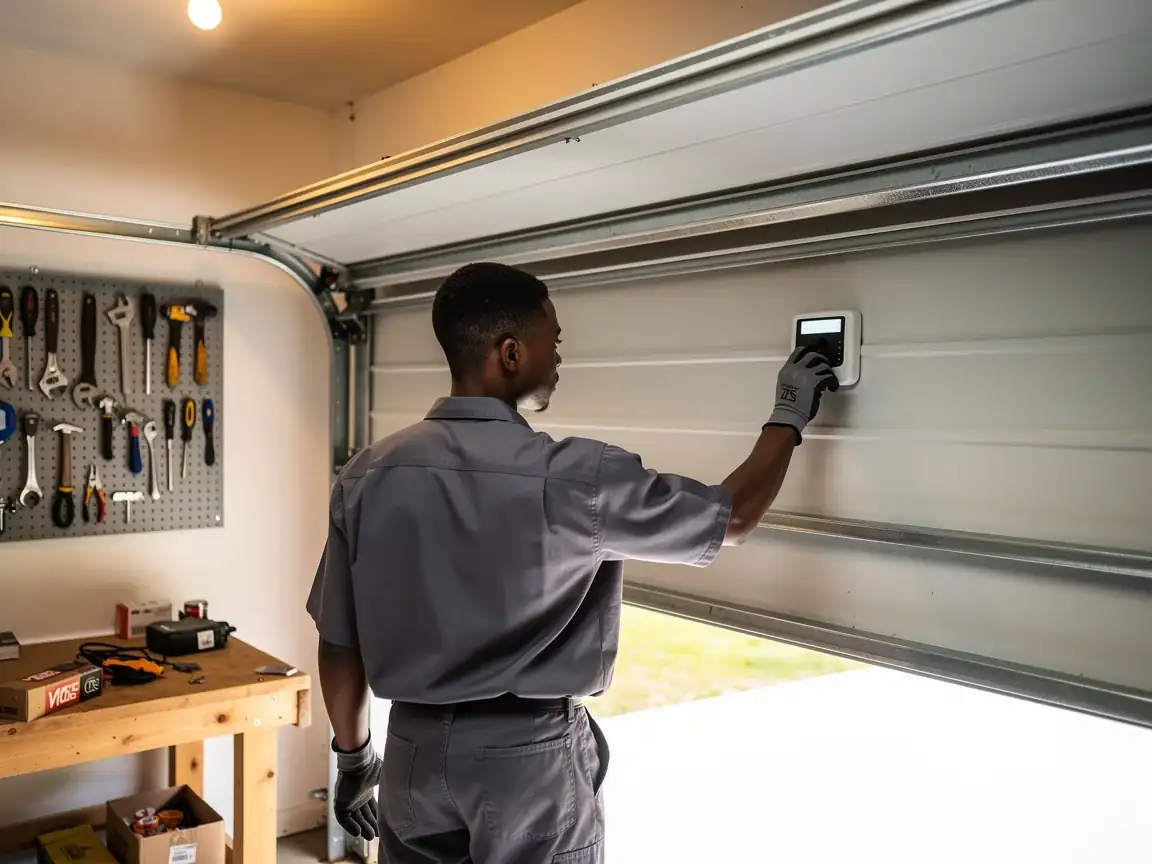
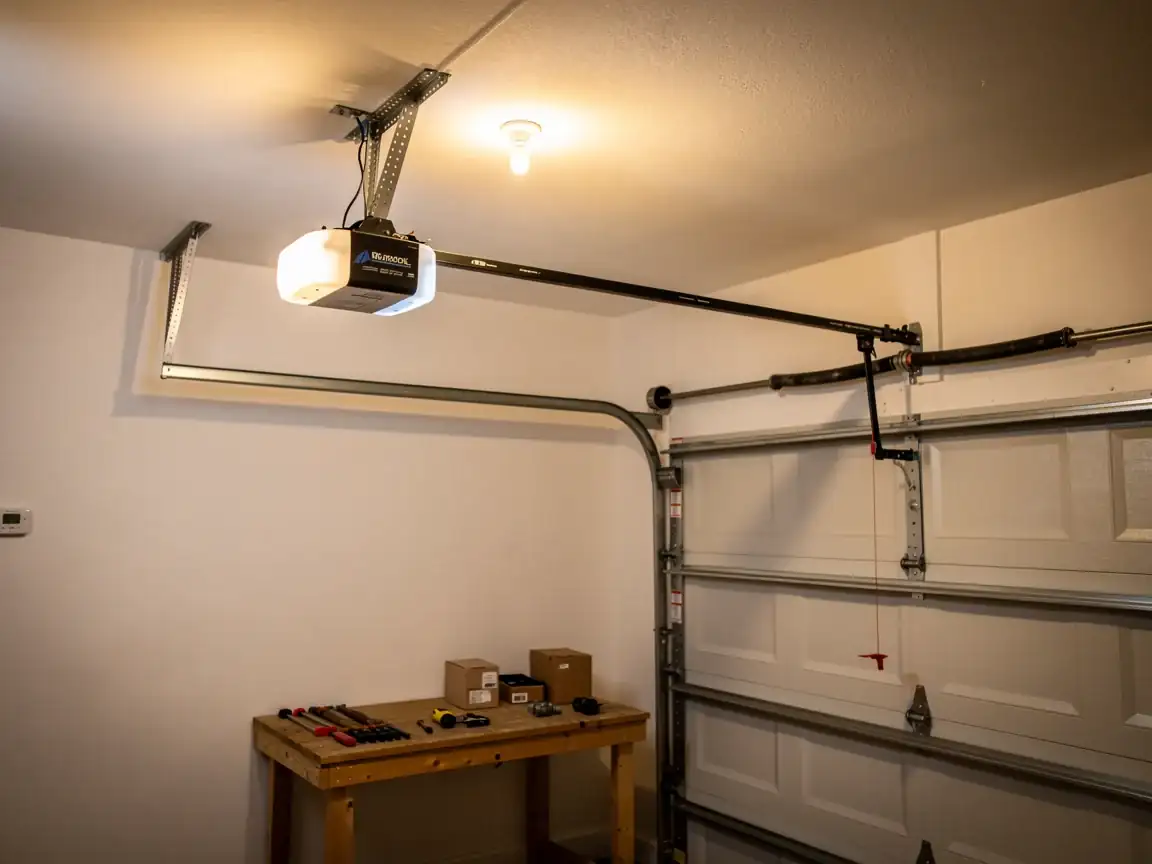
One honest limit: if your opener is more than a couple decades old and the board's gone, we may tell you replacement beats repair, since parts for some older models are no longer stocked anywhere.
Can You Do This Yourself
Swapping rollers or lubricating a track is reasonable weekend work if you're careful
A torsion spring is not. Torsion springs on Columbus's older housing stock - the stuff built well before 1986 - are wound under enough force to break a wrist or worse, and the side-mounted winding cones on some of these older setups aren't the same as what you'll find described in a generic online tutorial for newer construction.
Extension springs, more common in the 1980s-90s stock that dominates most of the metro
Are lower-risk to look at but still involve a door that weighs more than most people think. If the door won't stay up on its own when disconnected from the opener, that's a spring tension problem, and that's the line where we tell people to call rather than keep going. We'd rather talk you out of a job on the phone than show up to fix two problems instead of one.
Why It Happens Here
Columbus sits in a cold, severe climate band, and that matters more for garage doors than people assume. Steel contracts in winter, torsion springs lose a bit of tension with every hard freeze-thaw cycle, and nylon rollers that were fine in July turn brittle and crack in January. With housing built anywhere from 1938 to 2006 across this service area, and the bulk of it dating to the 1980s and 90s, we're dealing with decades of that cycle compounding on hardware that was never designed to last a hundred winters.
Across the roughly 70,994 owner-occupied houses in the 129,263 households we cover, from down through the pattern holds: the colder months are when springs finally snap and openers finally quit, because the stress that's been building since the house was built picks the worst week to show itself. It's not bad luck. It's the weather finishing a job the years already started.