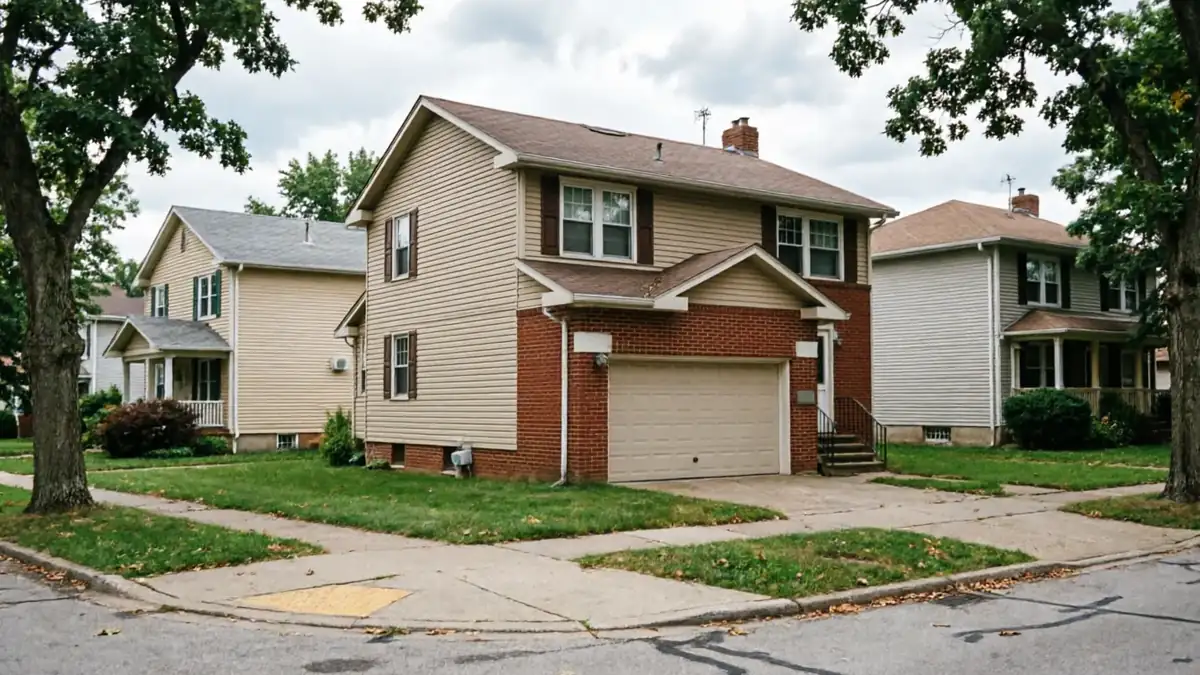
What Was Built Here
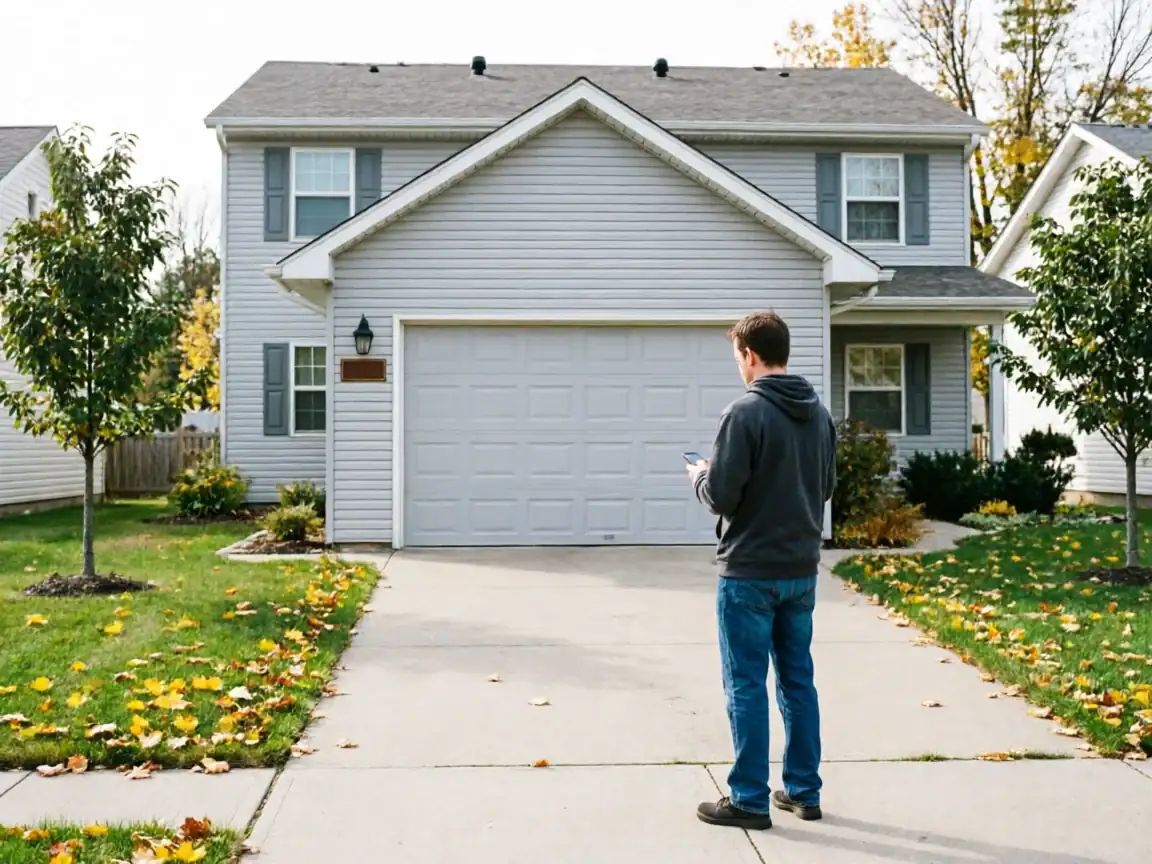
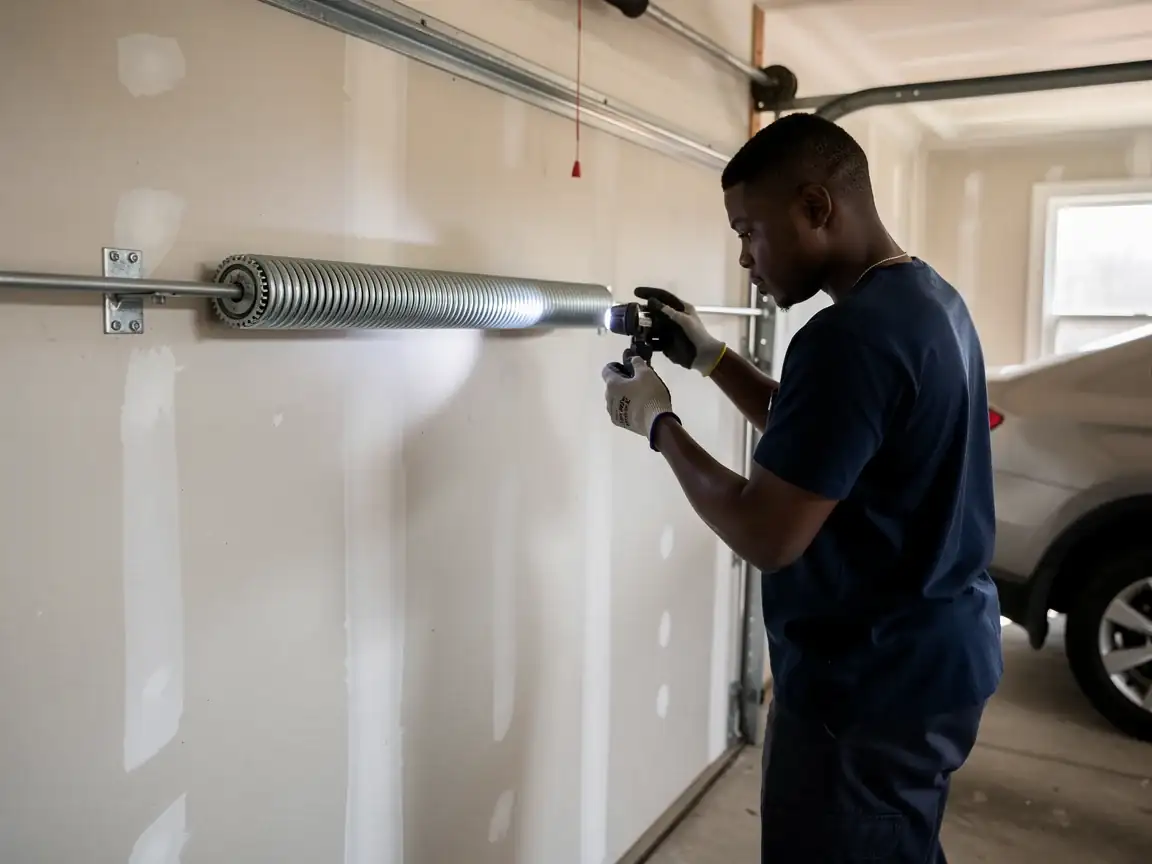
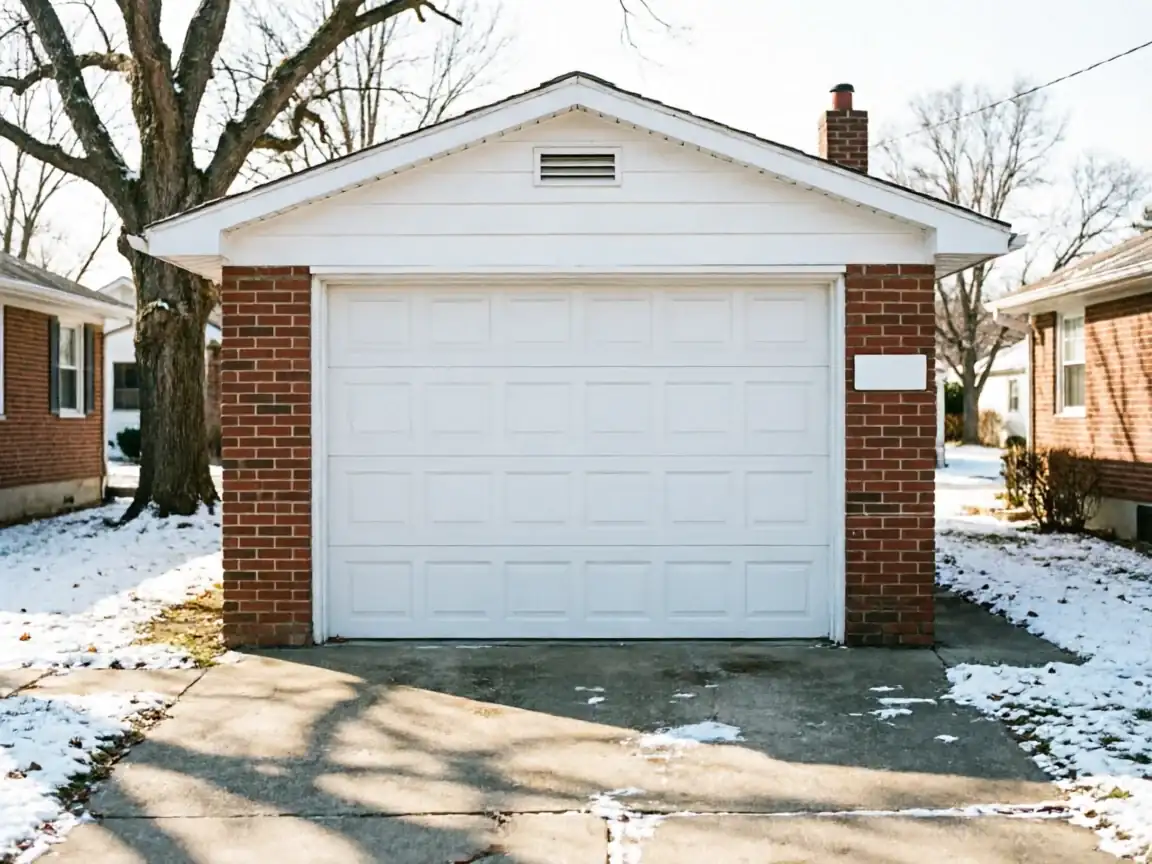
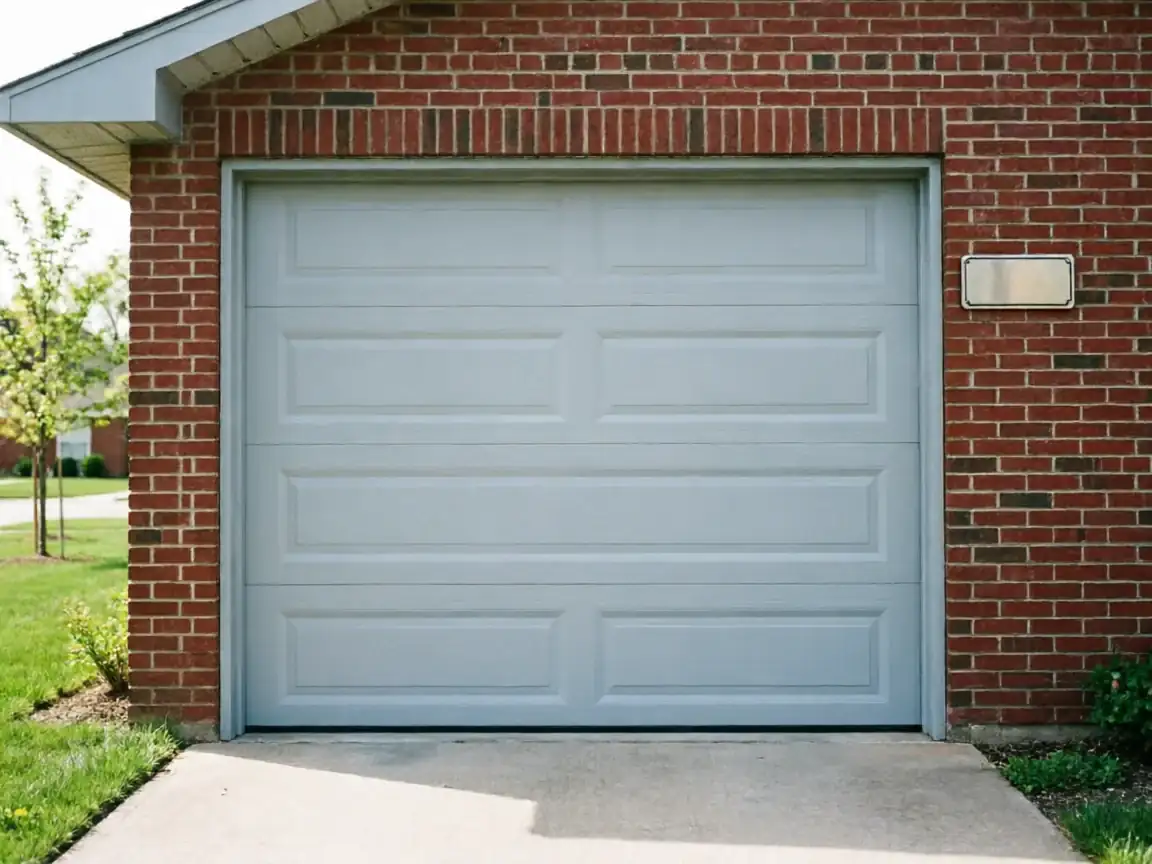
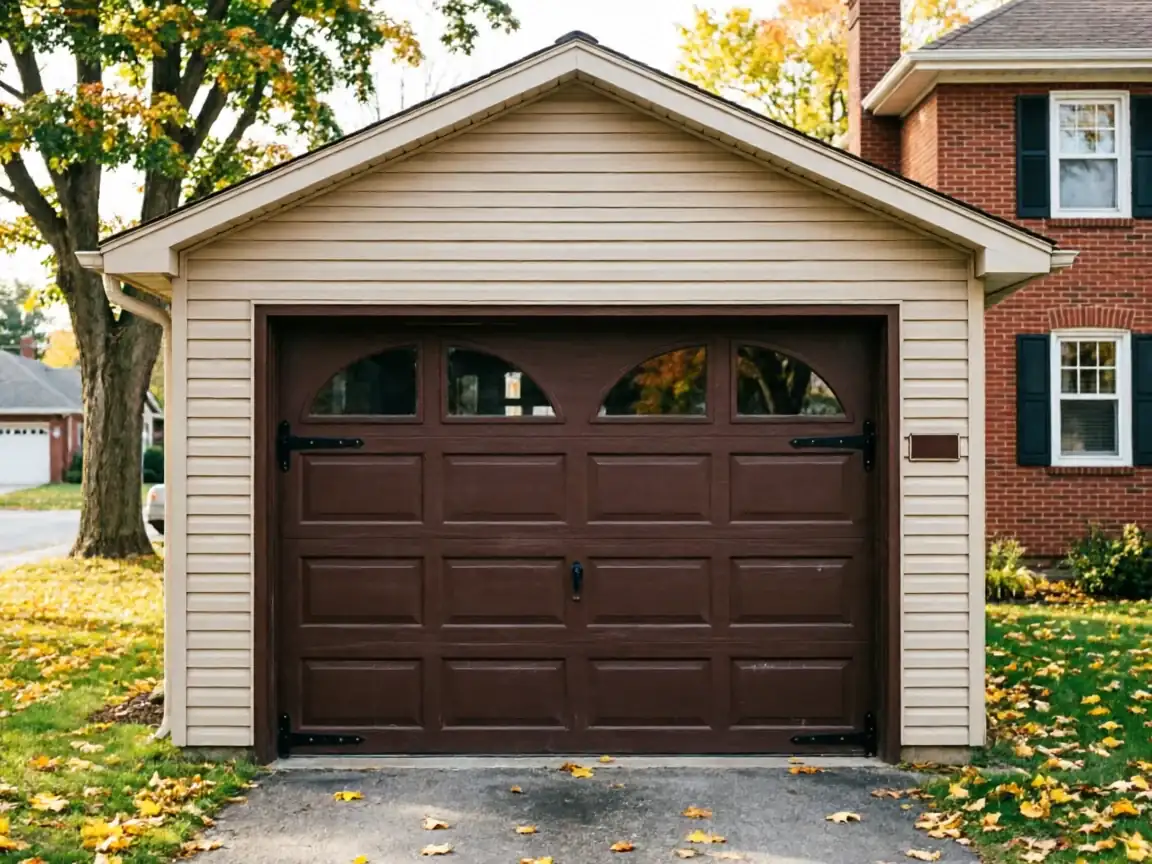
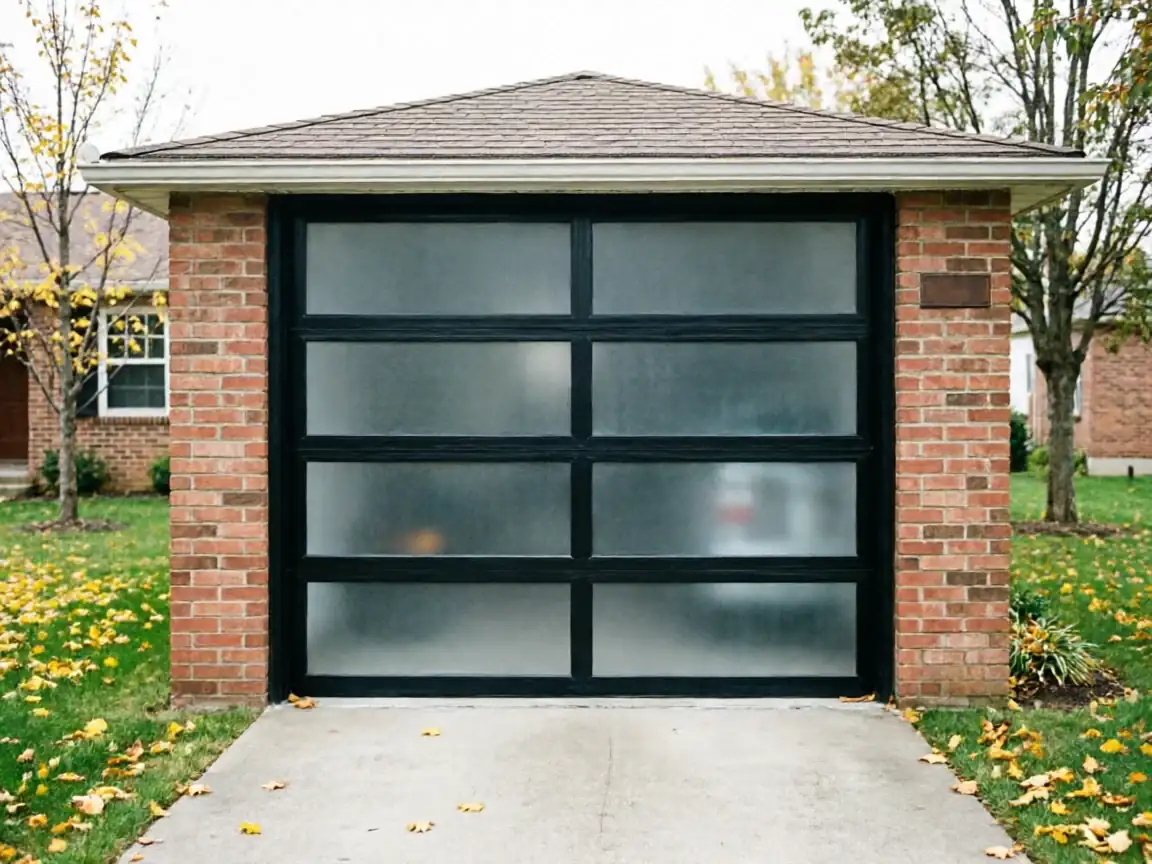
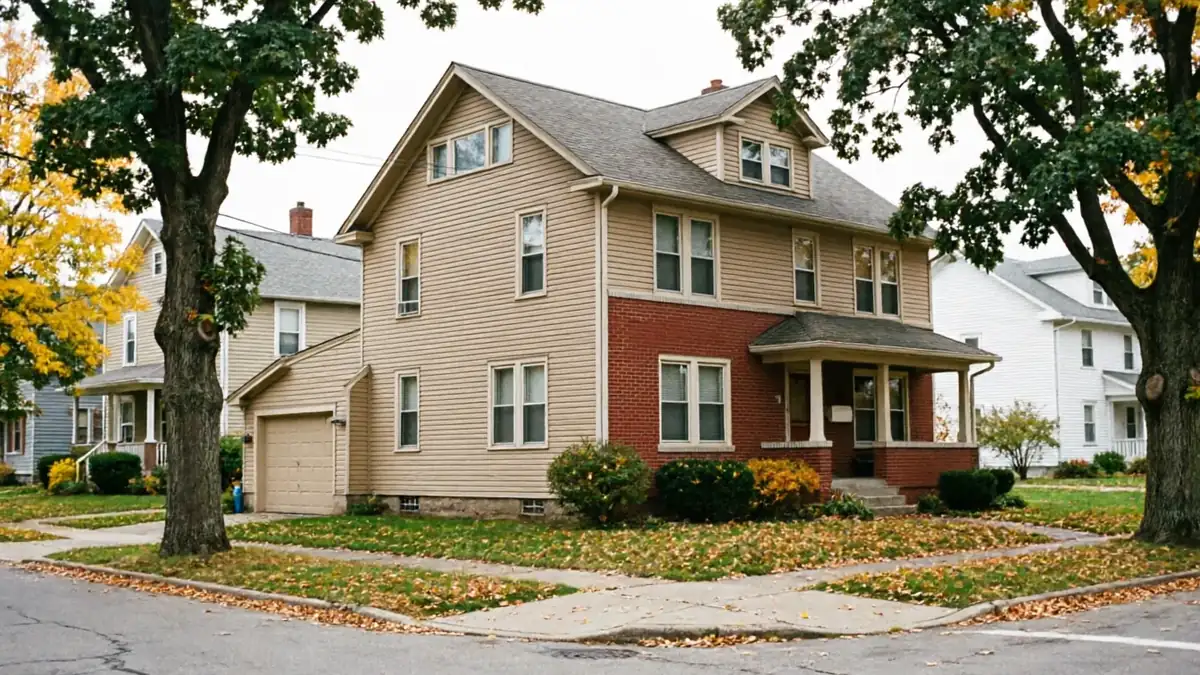
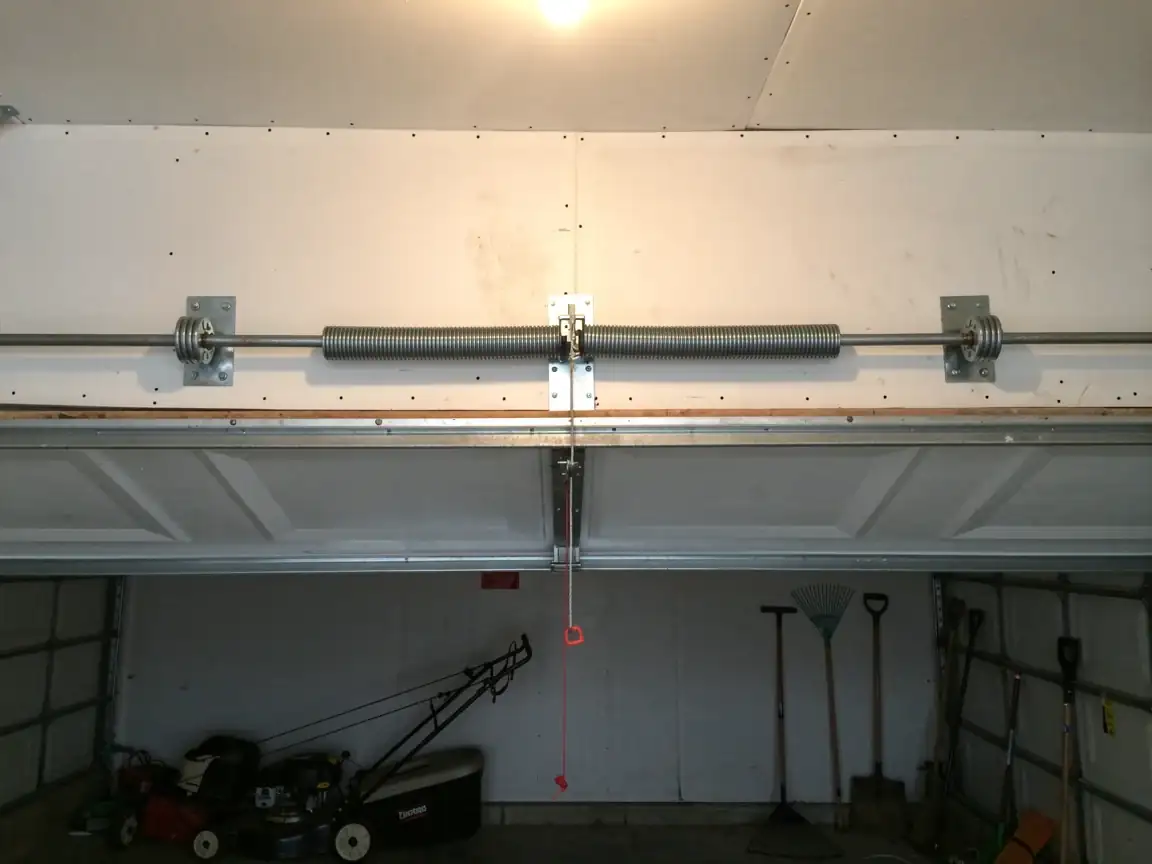
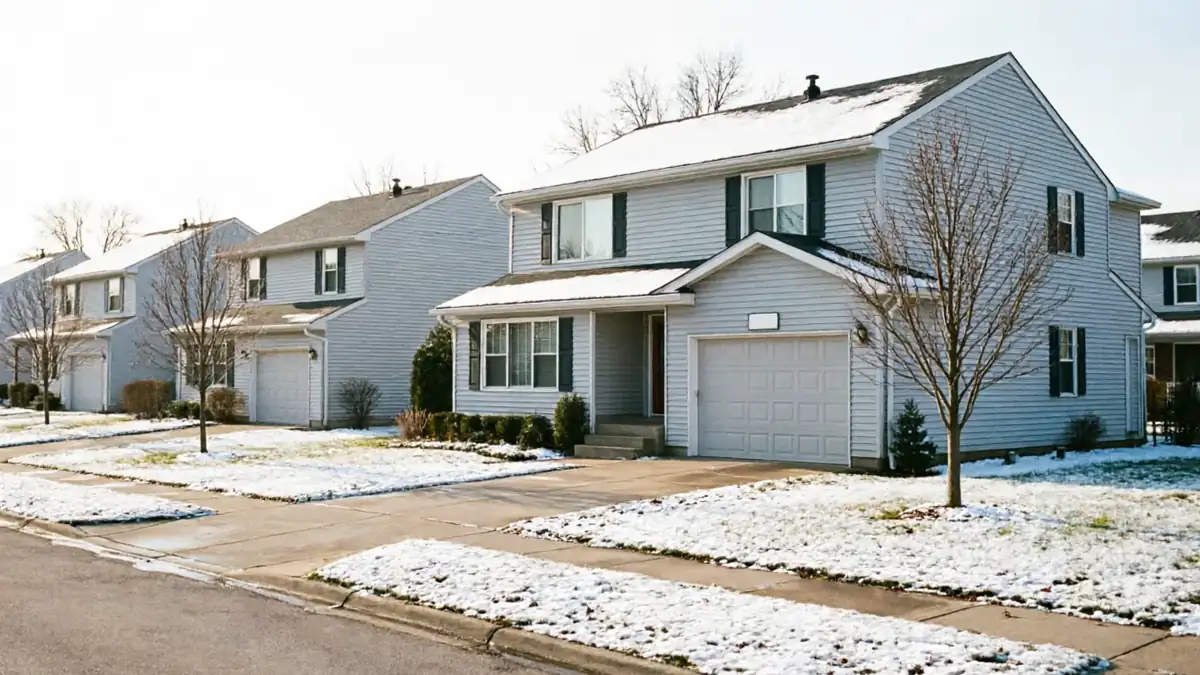
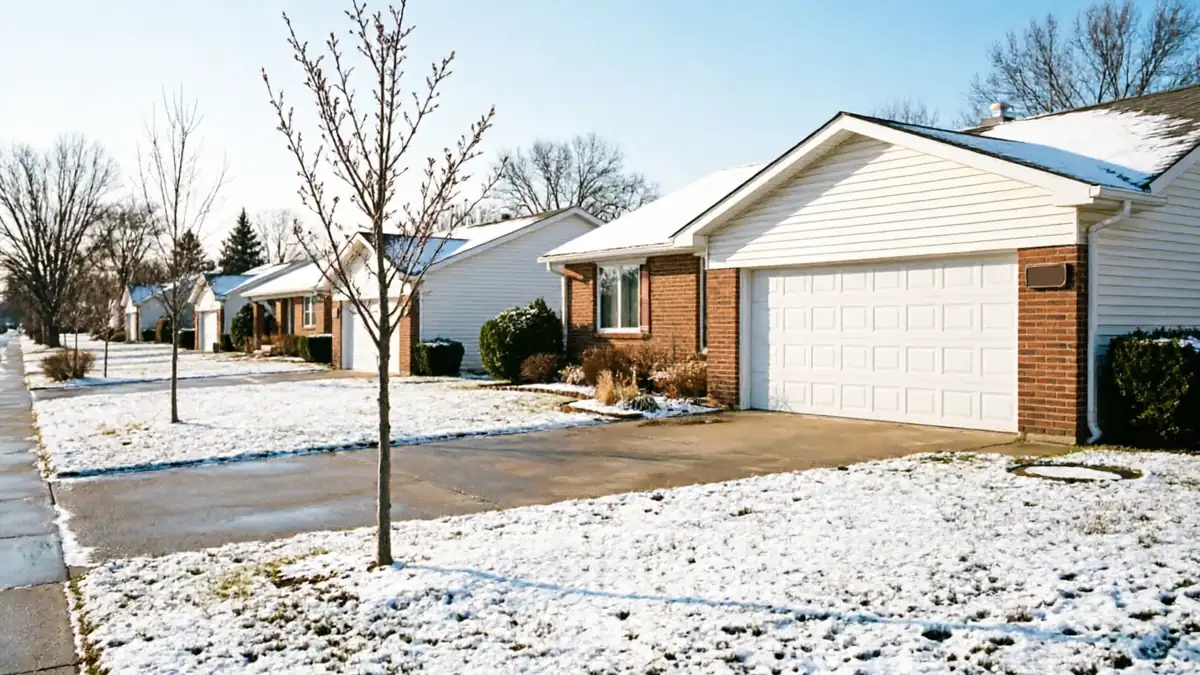
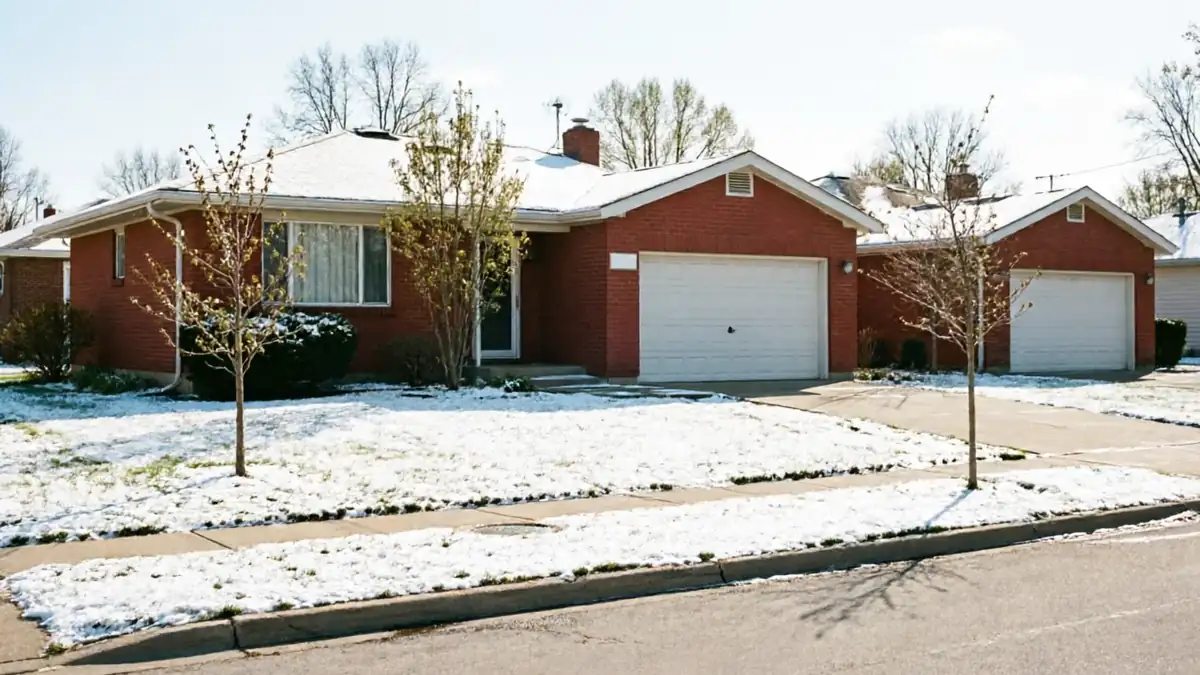
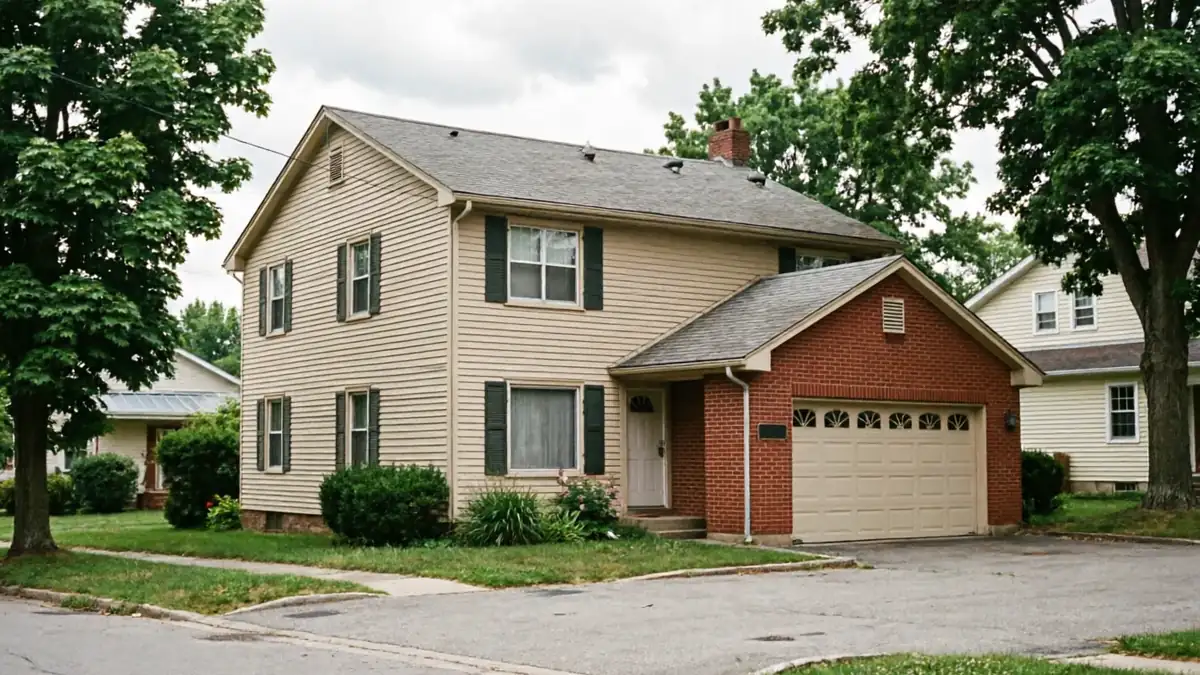
Dublin's housing stock centers on a median build year of 1996, a good decade newer than the wider service area's 1986 median. That gap matters more than it sounds like it should. A door installed in 1996 is far more likely to already have a mid-efficiency opener with a circuit-board logic board instead of the old mechanical limit switches you'll find on 1970s and 1980s doors elsewhere in the area. Springs on these doors are usually still the factory originals or a first replacement, and torsion setups are more common here than the older extension-spring systems that show up in older pockets of the region.
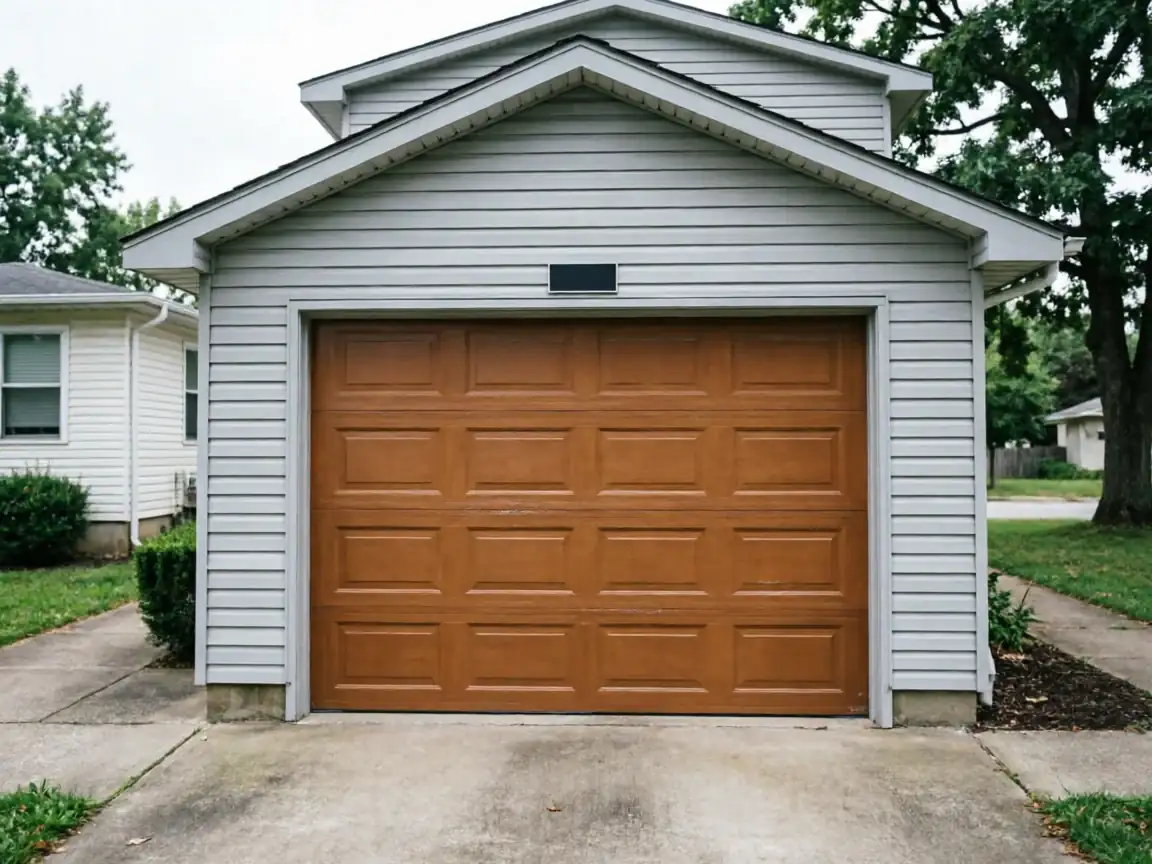
We also see steel doors with polystyrene insulation rather than the solid single-layer steel common on older builds - a difference that shows up when a panel gets dented and needs matching, since foam-core panels aren't interchangeable with solid ones. None of this means Dublin doors don't fail. It means when they do, the part numbers and failure patterns tend to look like mid-90s production rather than Reagan-era production, and a tech needs to know which one he's walking into before he opens the truck.
How We Get to You
We run out of Columbus, about 12 miles south of Dublin, and we don't keep a depot or drop truck sitting in the area. That's worth saying plainly: if you call expecting a crew parked around the corner, that's not how this works. What it does mean is a truck stocked for a standard service call heading your direction, same as any other run across the service area.
Dublin sits inside the wider ring of communities we reach from Columbus, alongside Worthington, Powell, and Upper Arlington on that same northwest arc. The distance isn't a reason to put off a call - a broken spring doesn't get safer to live with because the truck has a few more miles to cover - but it's part of planning your morning if you're waiting on a tech.
The Calls We Get From Here
With a median household income of $155,282 in Dublin
A lot of the calls we get here are owners choosing to replace rather than patch - a worn opener gets swapped for a new unit instead of a third rebuild, a dented panel gets a full panel replacement instead of a hammer-and-prayer fix. That's not universal, and we're not going to talk anyone into a new door they don't need. But it does shift the mix of jobs toward opener upgrades and full-panel swaps compared to areas where owners stretch an old unit another five years.
- $155,282 median household income
The climate here is the same severe cold band as the rest of the region
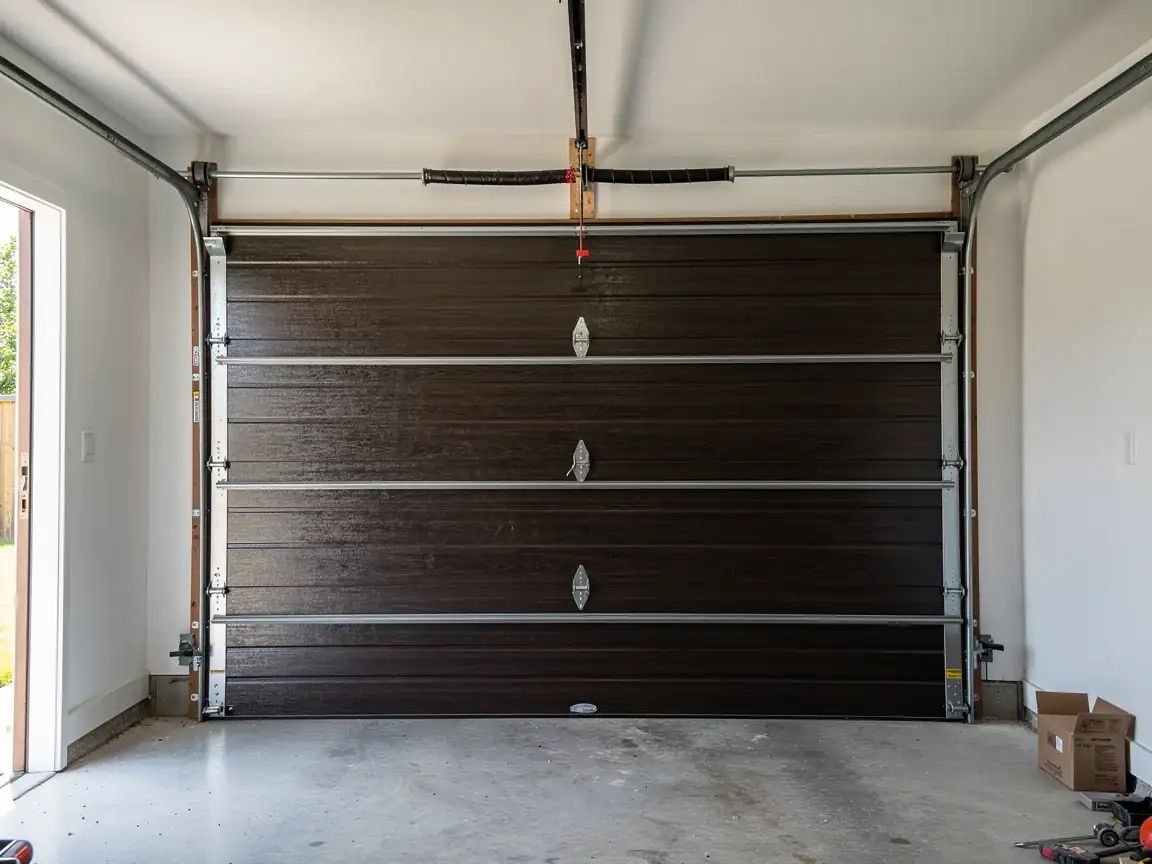
So winter calls follow the usual pattern: stiff torsion springs that lose tension in the cold, openers that strain against a door that's gone heavy and sluggish, and rollers that have hardened enough to bind in the track. None of that is unique to Dublin, but paired with newer, heavier insulated doors, a straining opener on a cold January morning is a common reason for the call.
What the Housing Means for Your Door
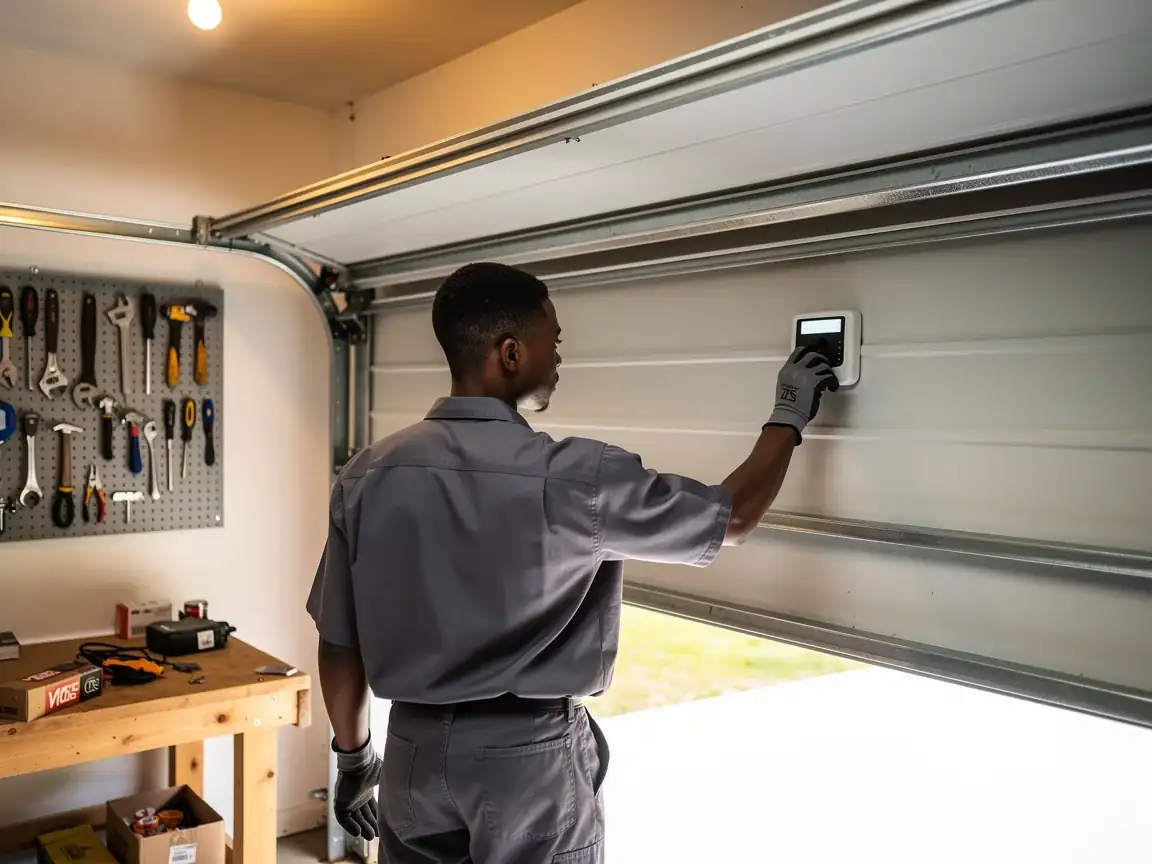
A door built around 1996 is old enough to be wearing out but young enough that most parts are still stocked rather than special-order. That's good news for repair turnaround on springs, cables, and rollers. Openers from that era are a mixed bag - some are still chain-drive units that just need a new logic board or sensor, others have already been replaced once and are closer to today's belt-drive standard.
We'll be straight about one limitation: if your door is an older holdover predating the 1996 median, matching an original wood or steel panel can mean a longer wait on parts, and sometimes a full door replacement makes more sense than chasing an obsolete panel. We'd rather tell you that up front than have you pay for a diagnostic visit that ends with 'we can't match this.'