Can You Do This Yourself
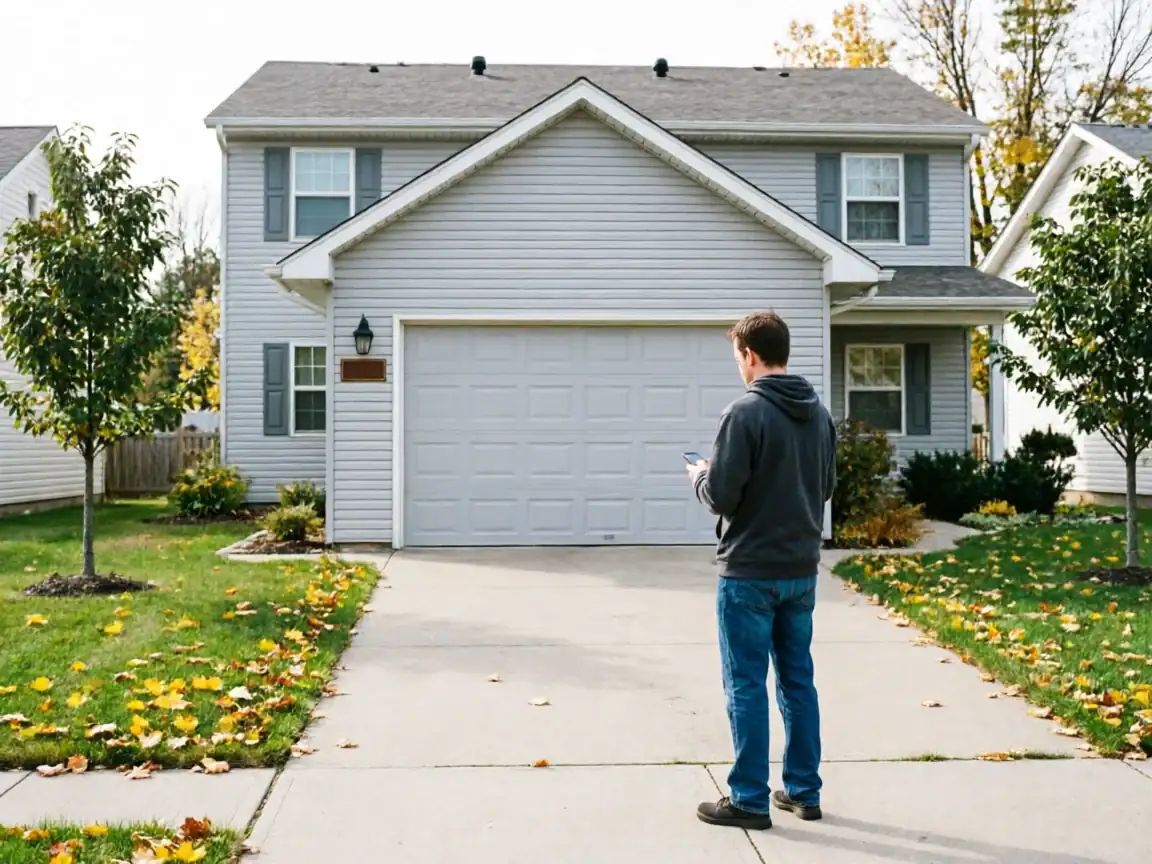
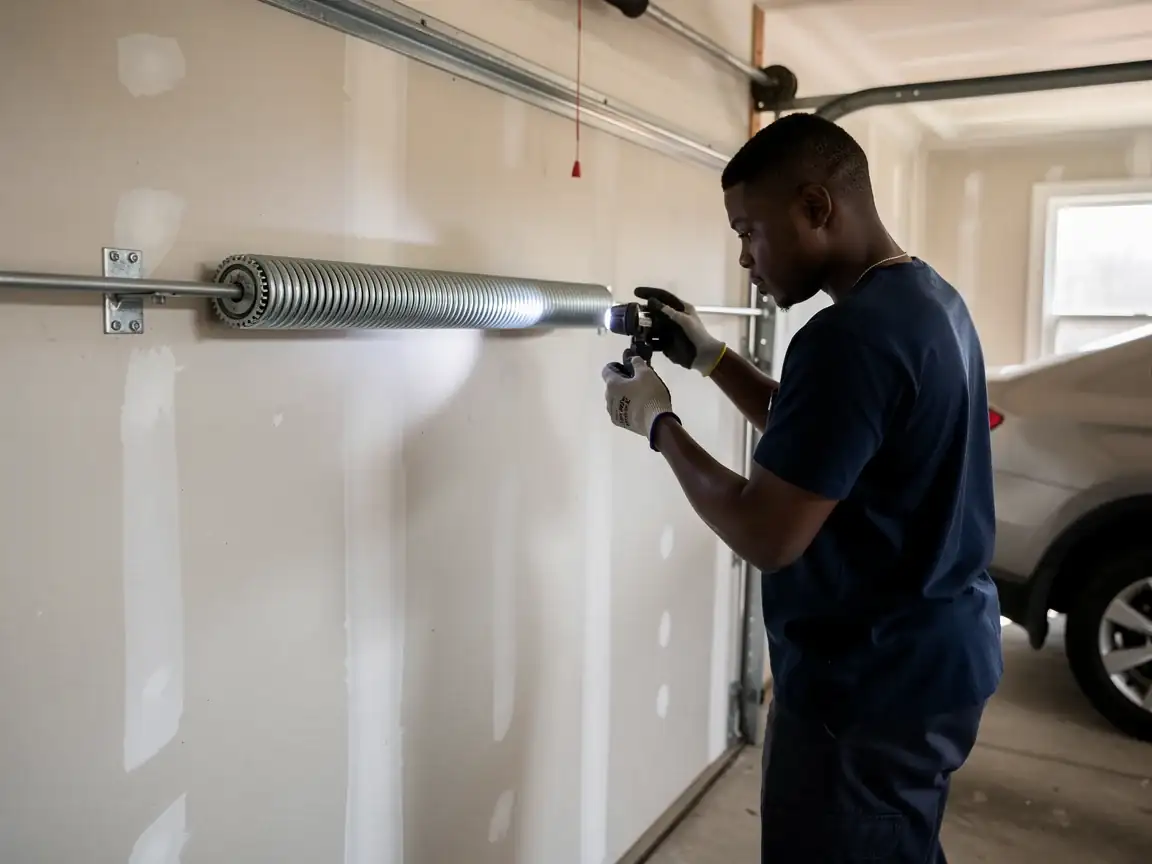
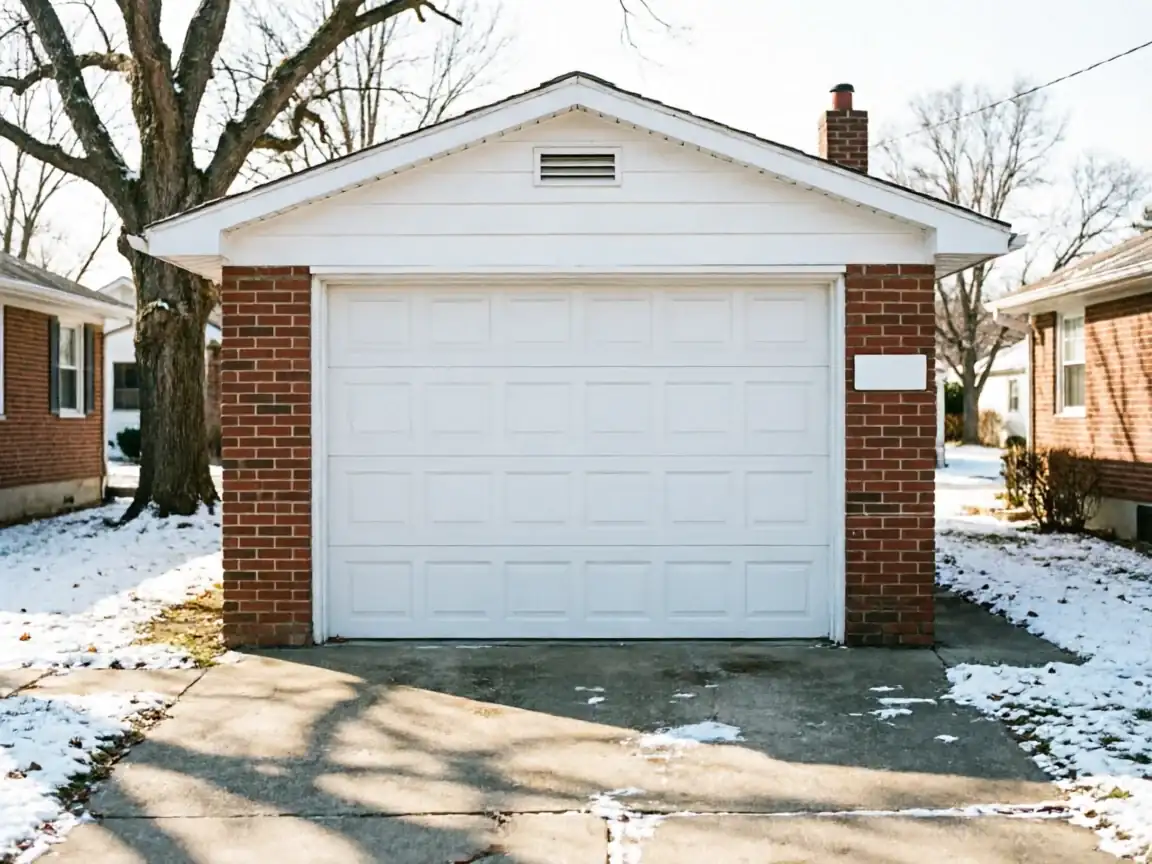
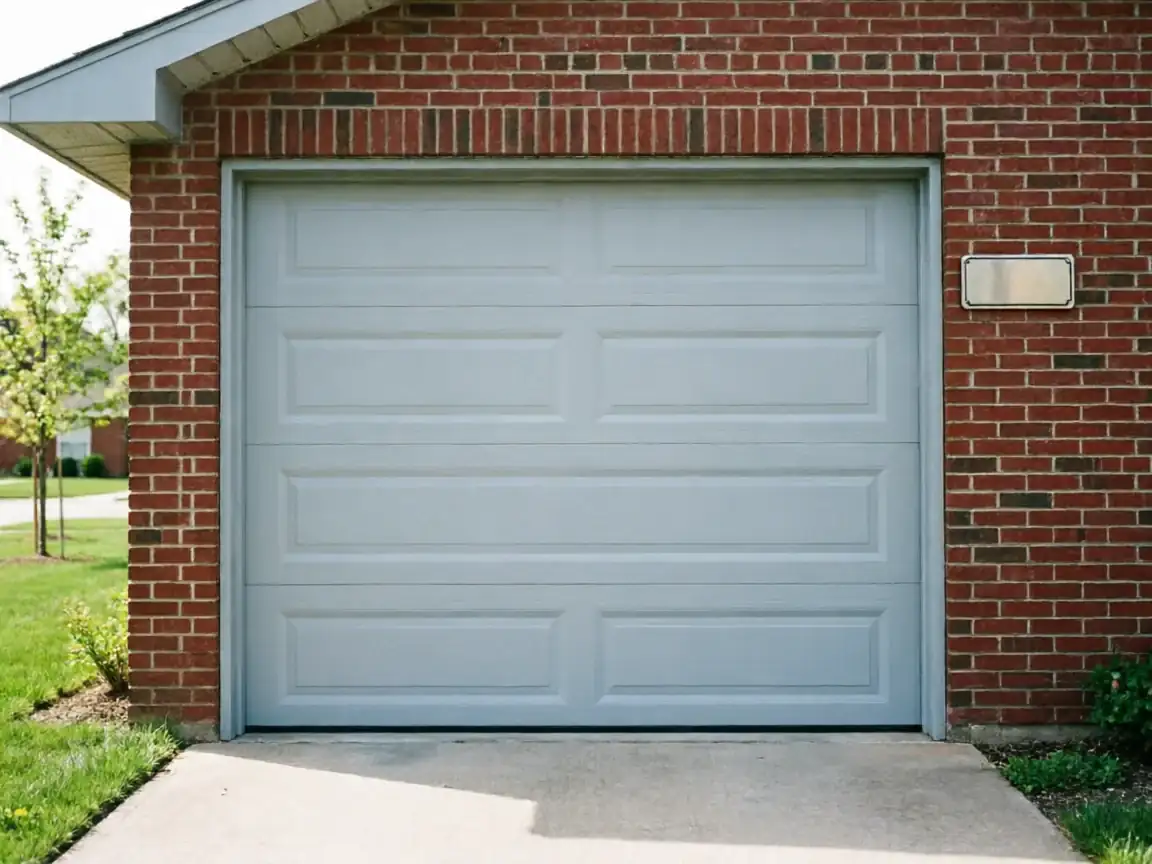
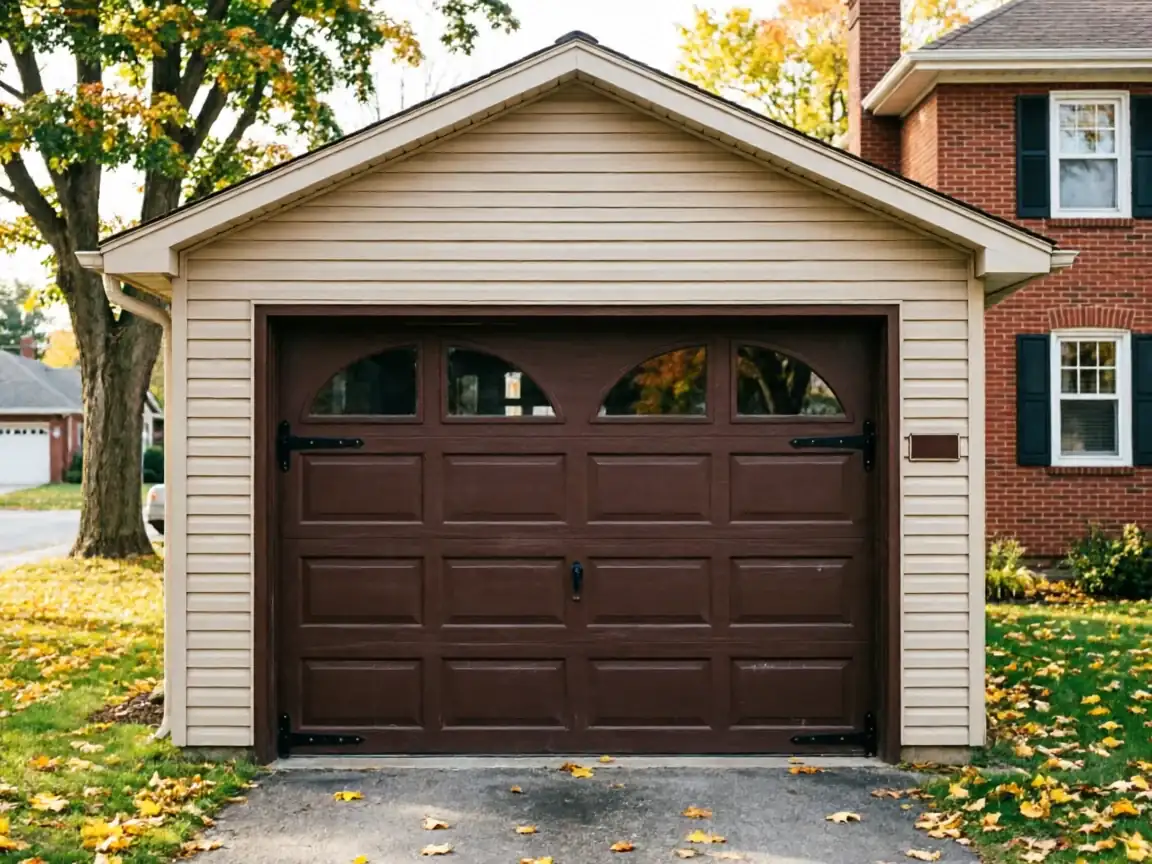
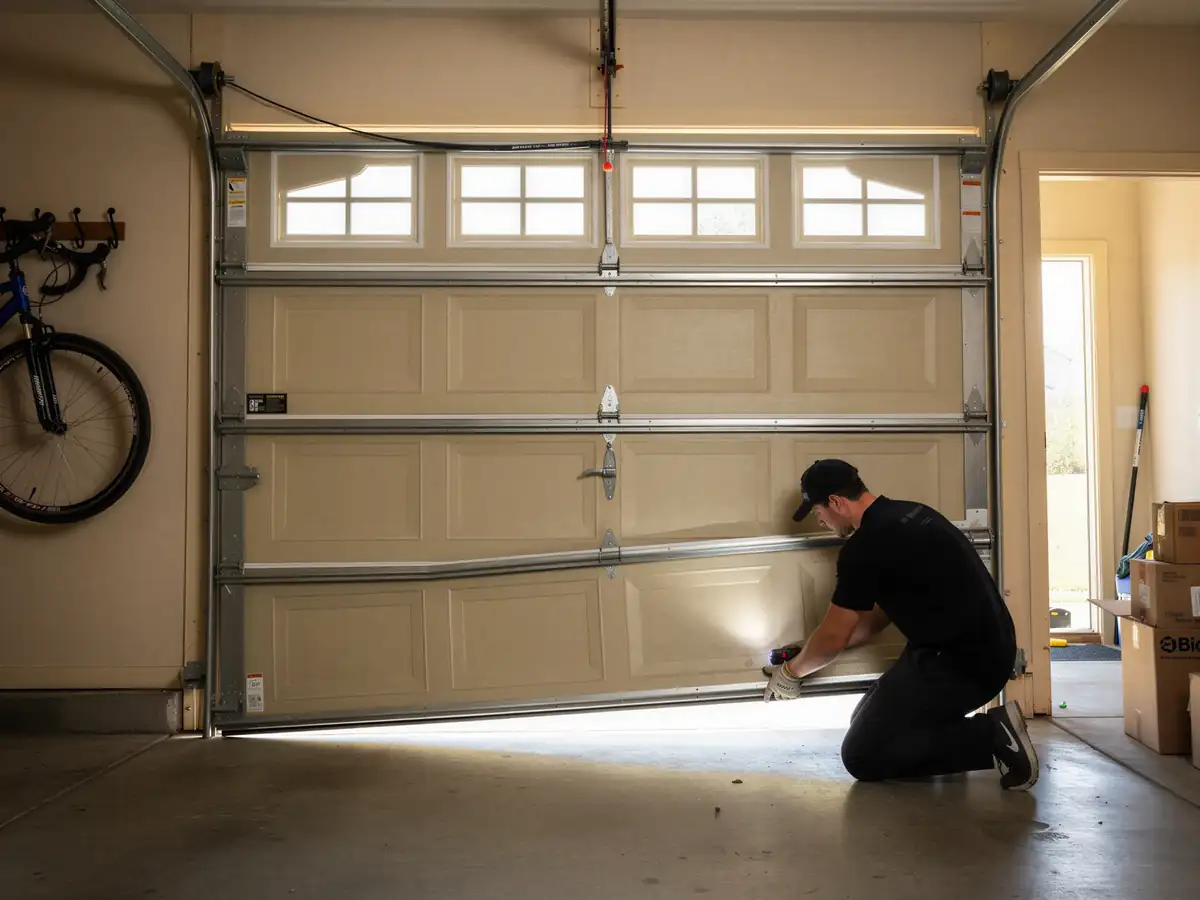
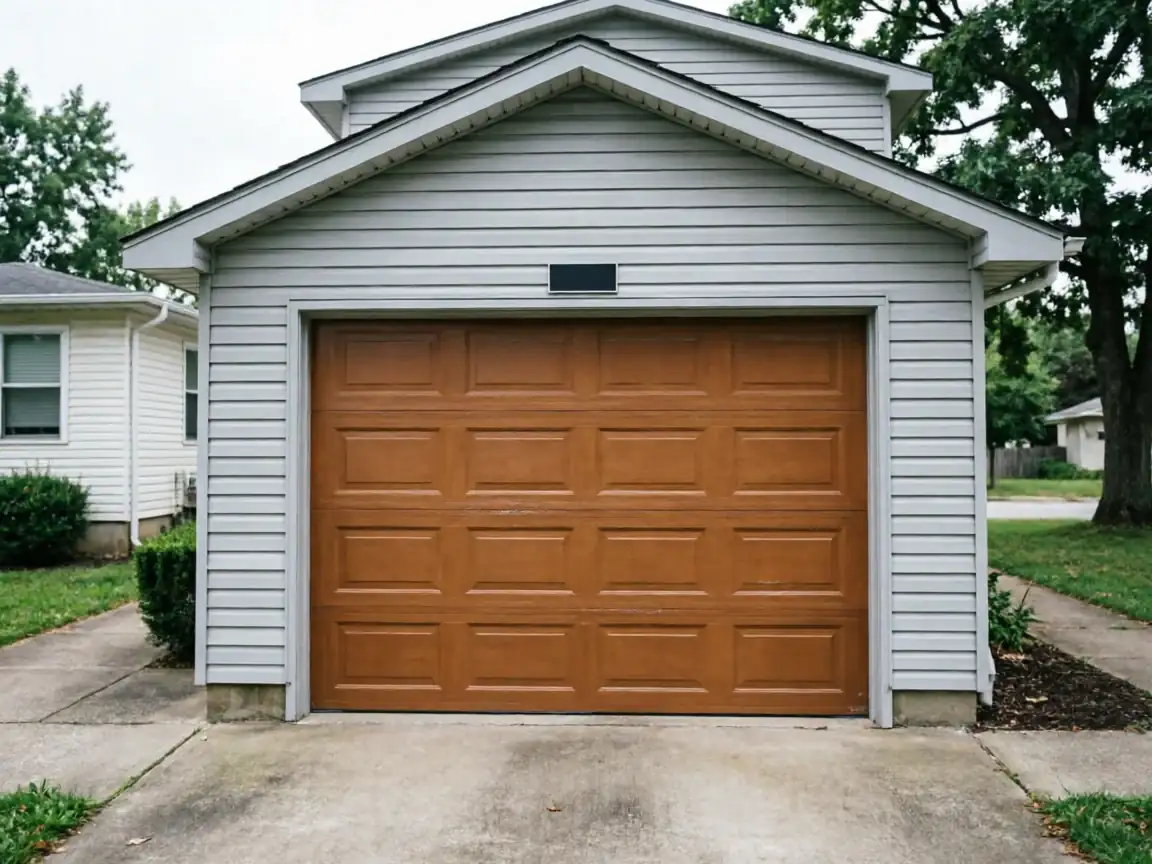
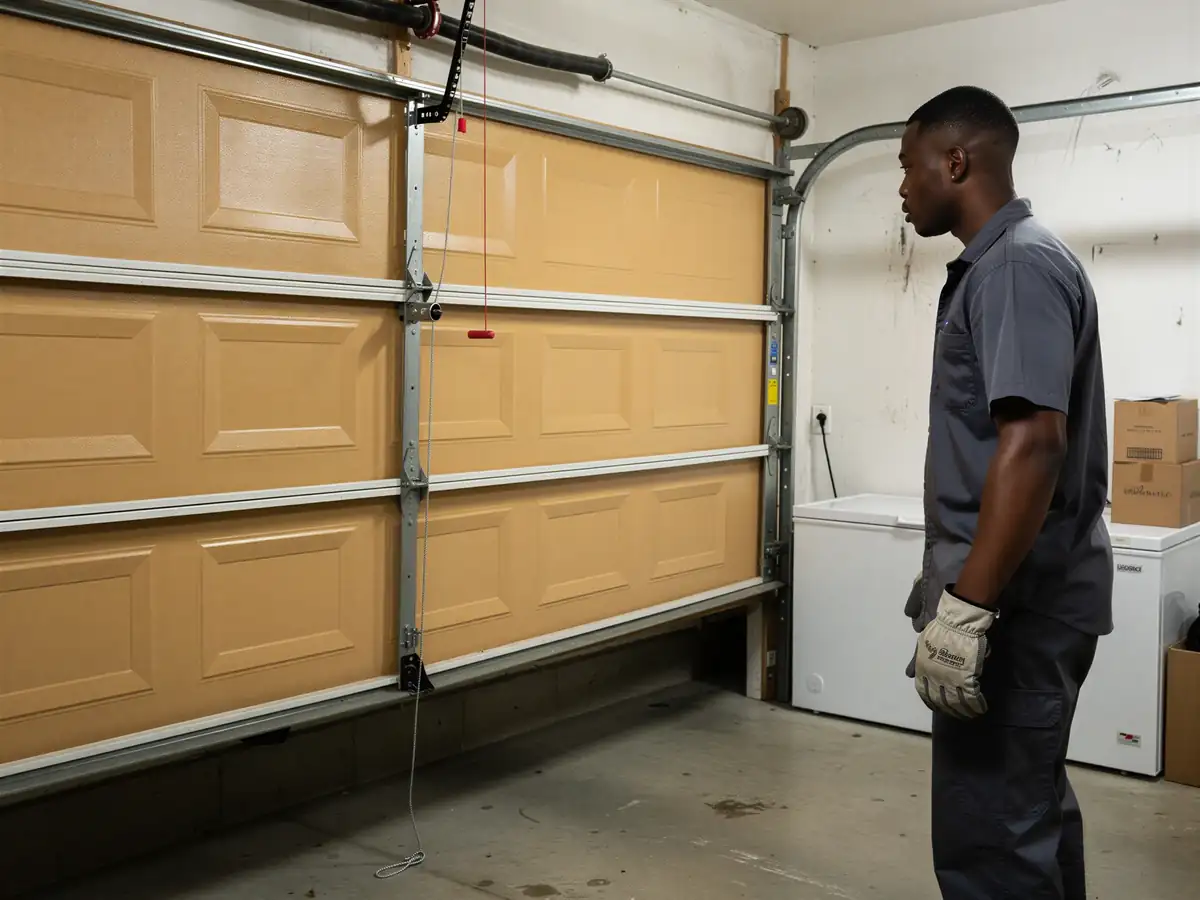
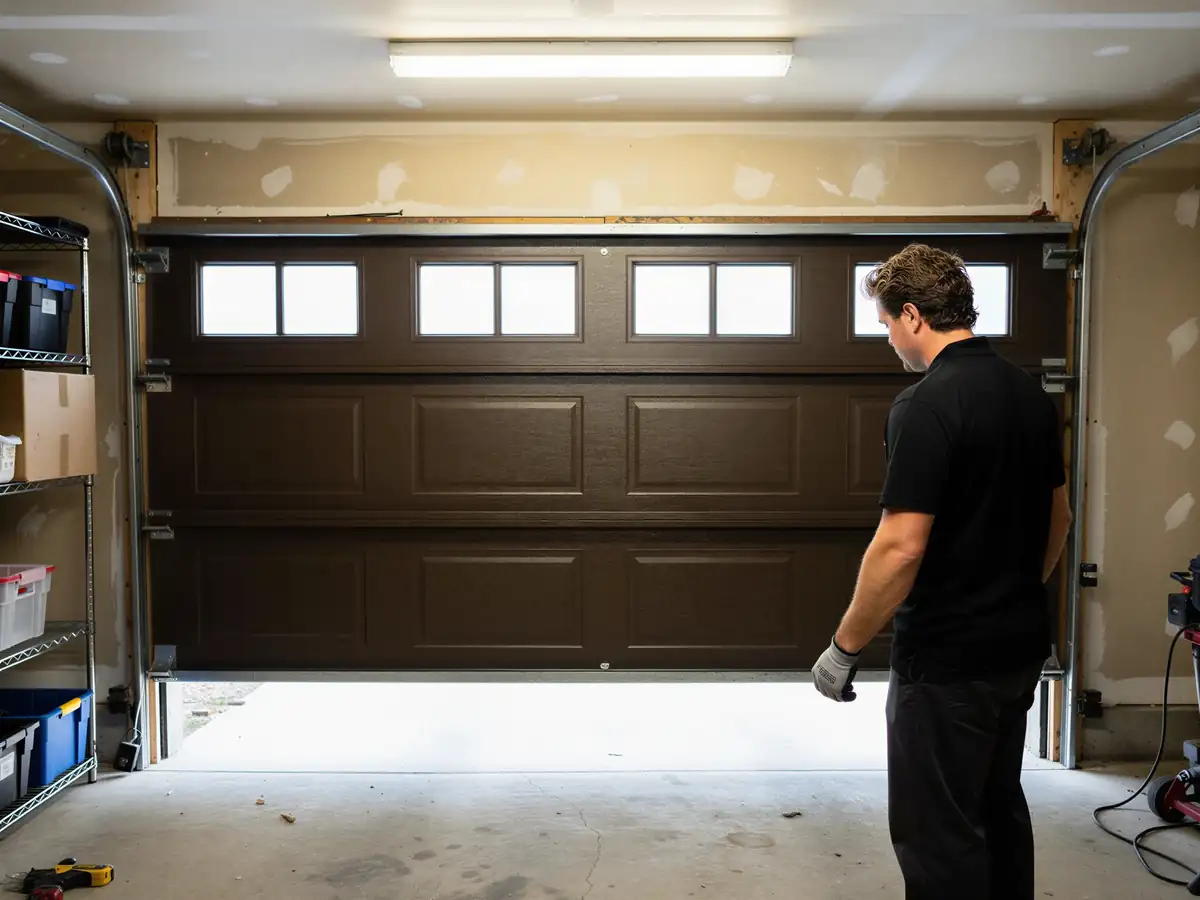
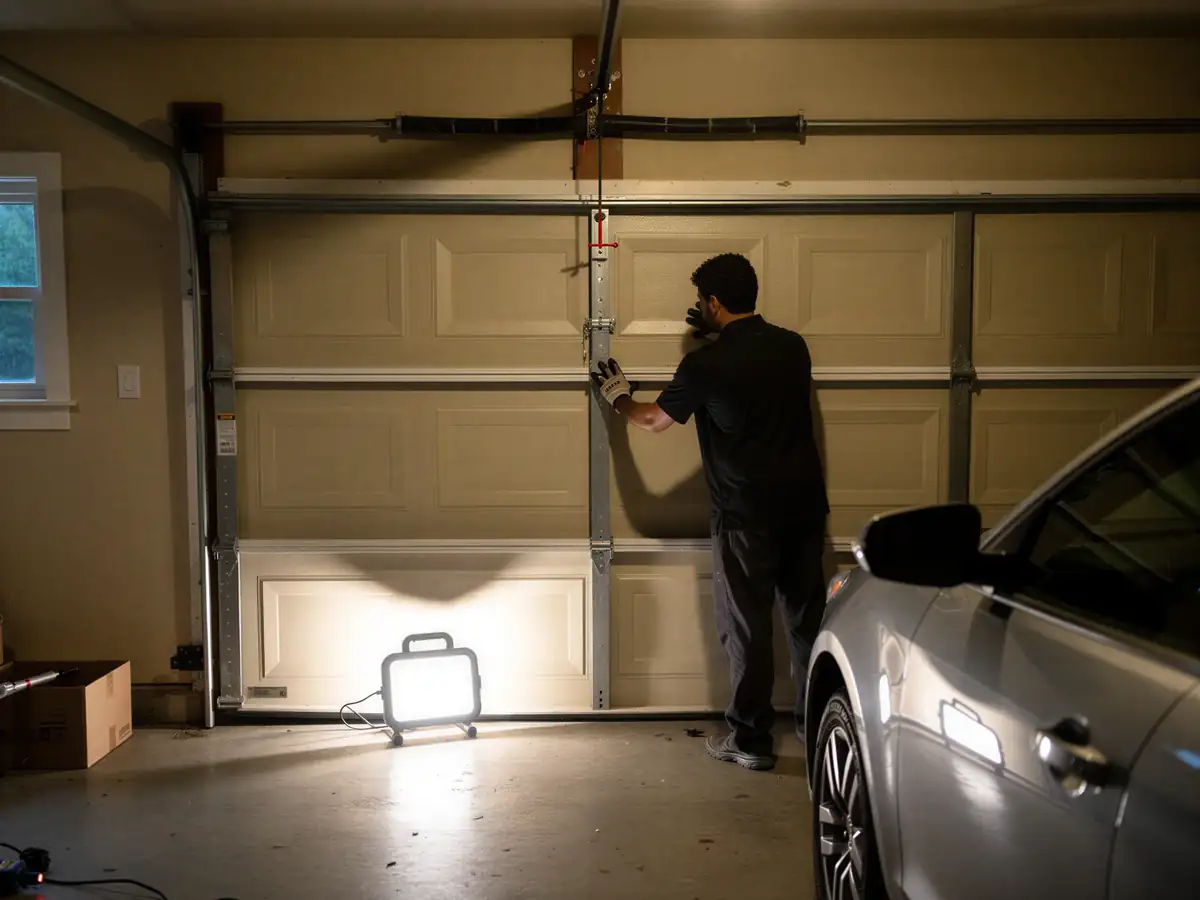
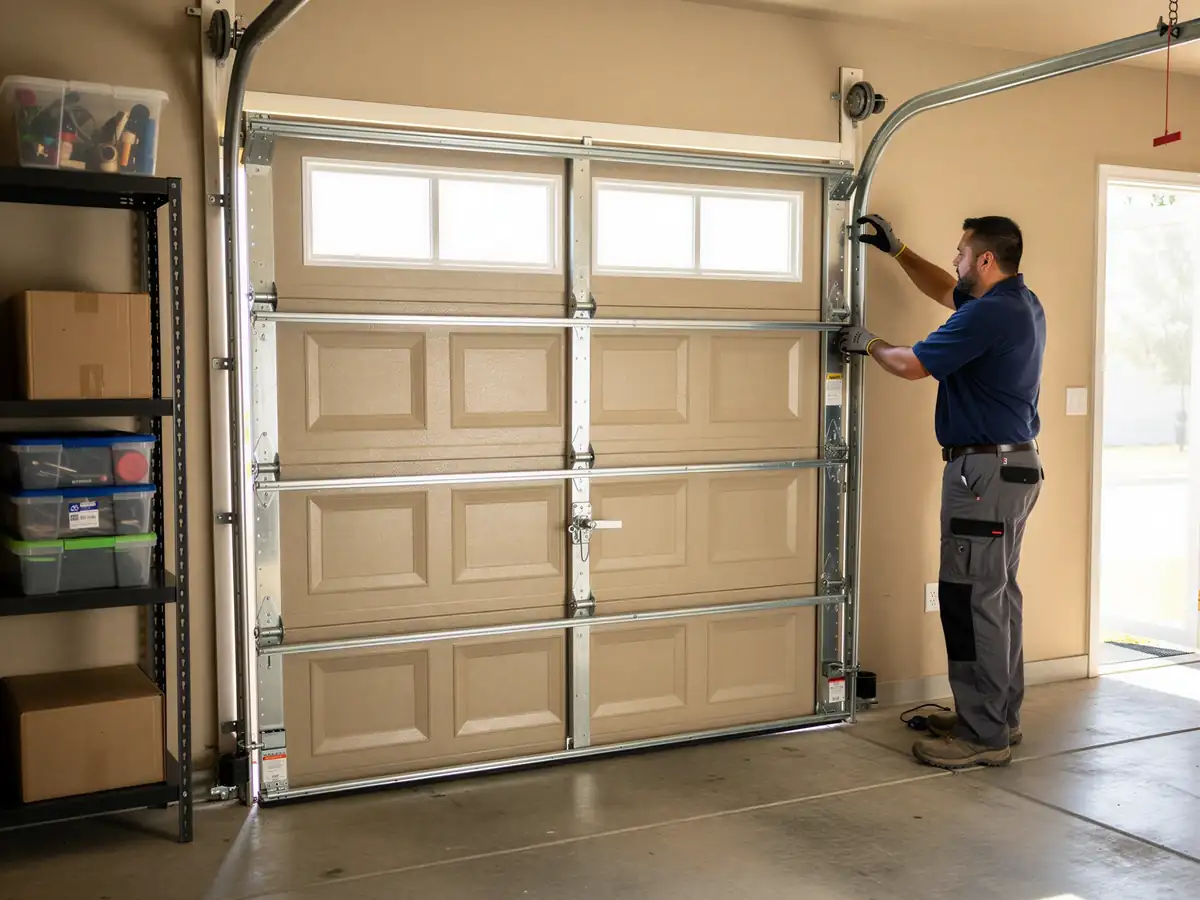
Most houses in Dublin went up around 1996, which means the rough openings were framed for factory steel doors with vinyl-backed insulation and a torsion spring sized for that panel weight - not the heavier wood doors or lighter single-layer steel you'd find in an older Columbus neighborhood. Swapping in a new door yourself is possible if the opening is square and the track is in good shape, but the lift cable, drum, and spring all have to match the new door's weight, not the old one's. Get that wrong and the opener strains, the cable frays early, or the door won't seat right against the weather seal. With a severe cold winter climate on this side of Ohio, a door that doesn't seal tight at the bottom costs you real heating dollars, not just curb appeal. If you've got the tools and patience to measure twice, a basic 8x7 steel door swap on an existing track is a weekend job. Anything involving a wider double door, insulation upgrade, or new opener wiring is where most DIY attempts stall out and call for a truck.
Where This Job Goes Sideways
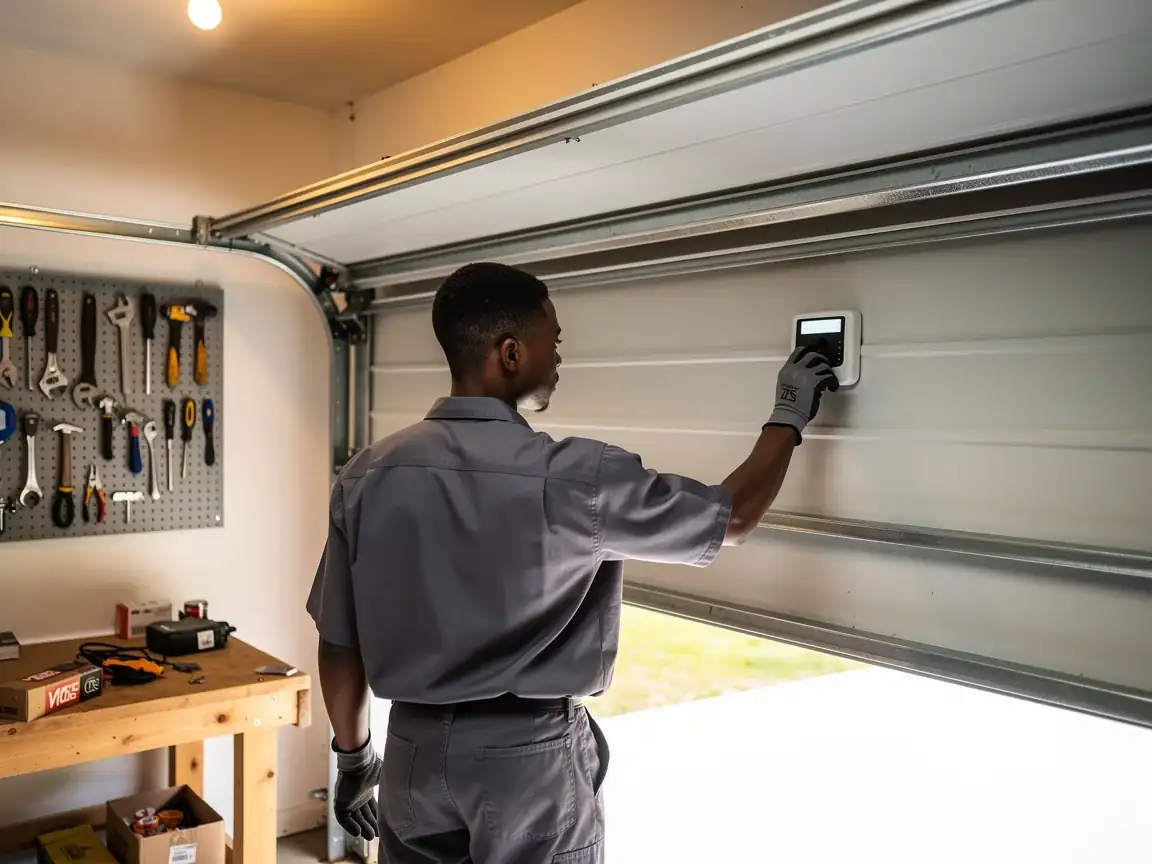
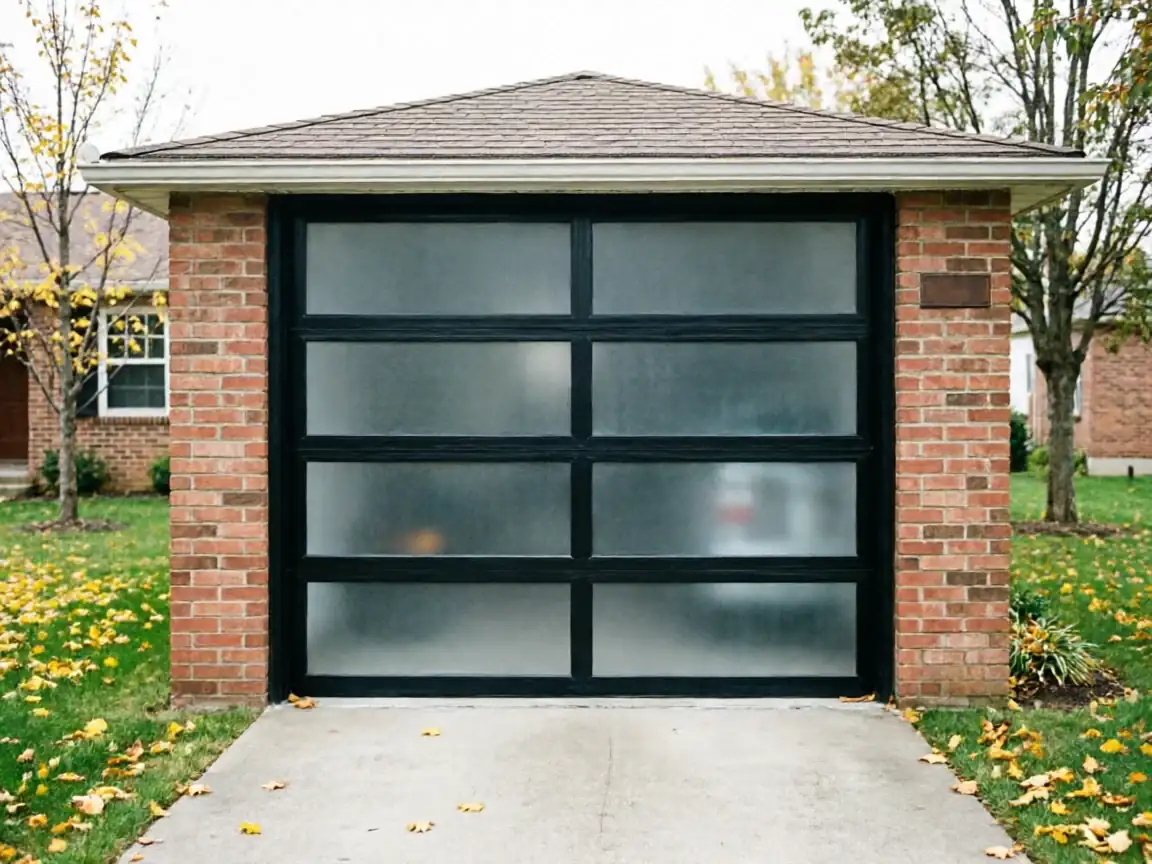
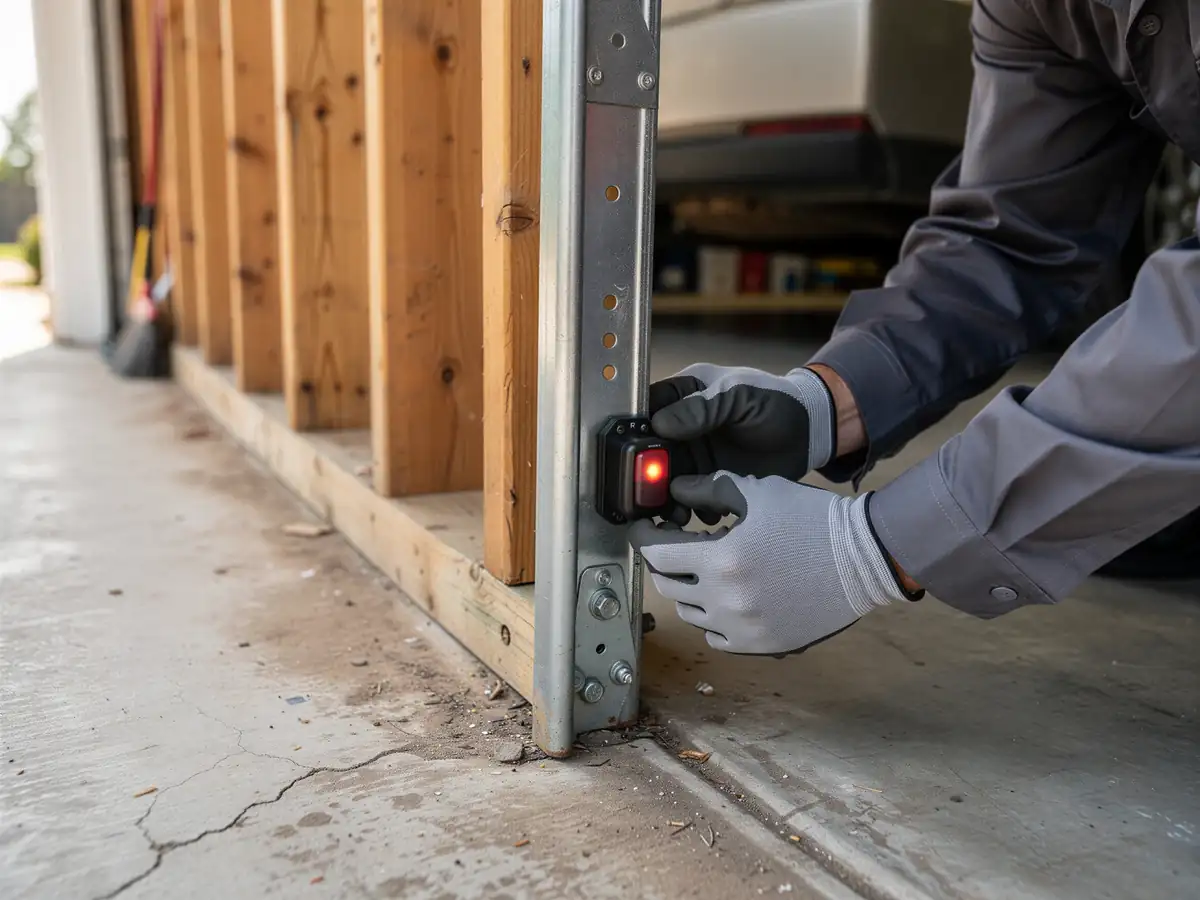
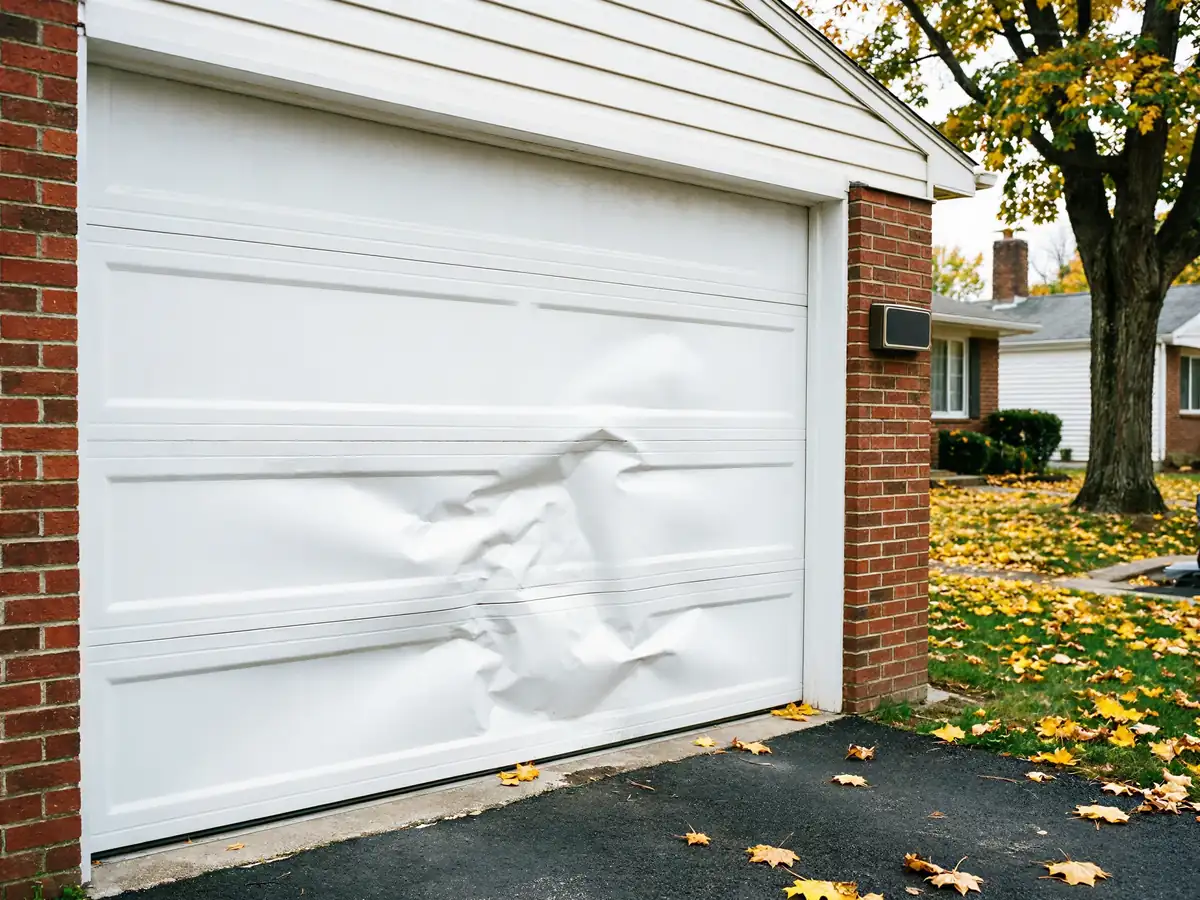
The trouble spot in Dublin installs isn't usually the door - it's the transition between what's original to a 1996-era house and whatever's been swapped in since. A lot of these homes have had one opener replacement already, sometimes with different horsepower or rail length than the original, and the new door has to work with whatever bracket pattern is already on the header. We also see openings that were never quite square to begin with, which is common in homes built across a single fast development push rather than one at a time. On a double-wide door, an out-of-square jamb shows up as a gap you can see daylight through on one side and not the other. With $155,282 as the median household income here, most owners aren't shopping bottom-shelf doors, and higher-end insulated models have tighter tolerances - they don't forgive a half-inch of racking the way a bare steel panel does. That's the part that turns a straightforward swap into a half-day header repair.
Stocked Parts
We carry standard torsion springs and steel panel sections sized for the common door widths used in mid-90s construction, along with the vinyl weatherseal that matches factory-insulated panels from that build period. What we don't keep on hand is anything custom - a non-standard width, a discontinued panel color, or hardware for a door that's been modified from its original spec. If your door is an odd size or you want a specific insulated R-value upgrade, that part may need to be ordered, and we'll tell you the lead time up front rather than guess. We run the job from Columbus, about 12 miles out, so we plan the parts list before the truck leaves rather than making a second trip for something we should have caught at the estimate.