Can You Do This Yourself
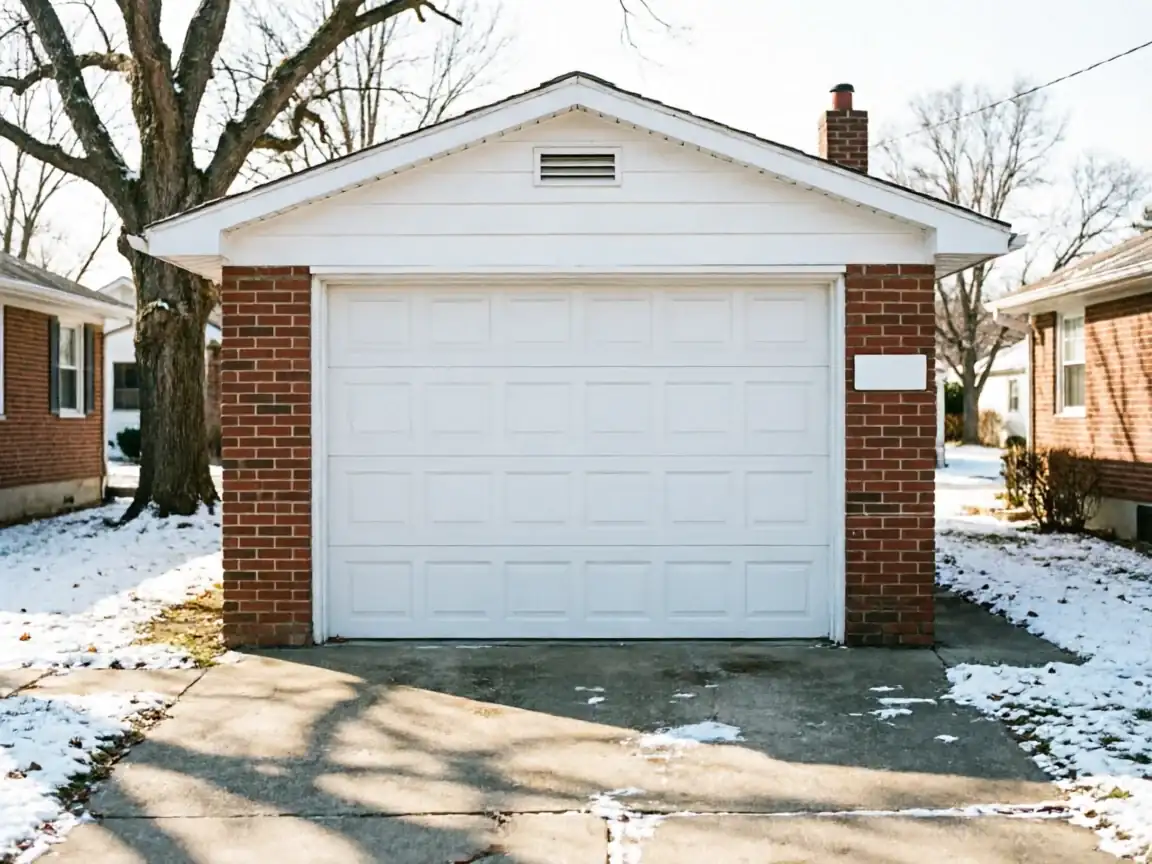
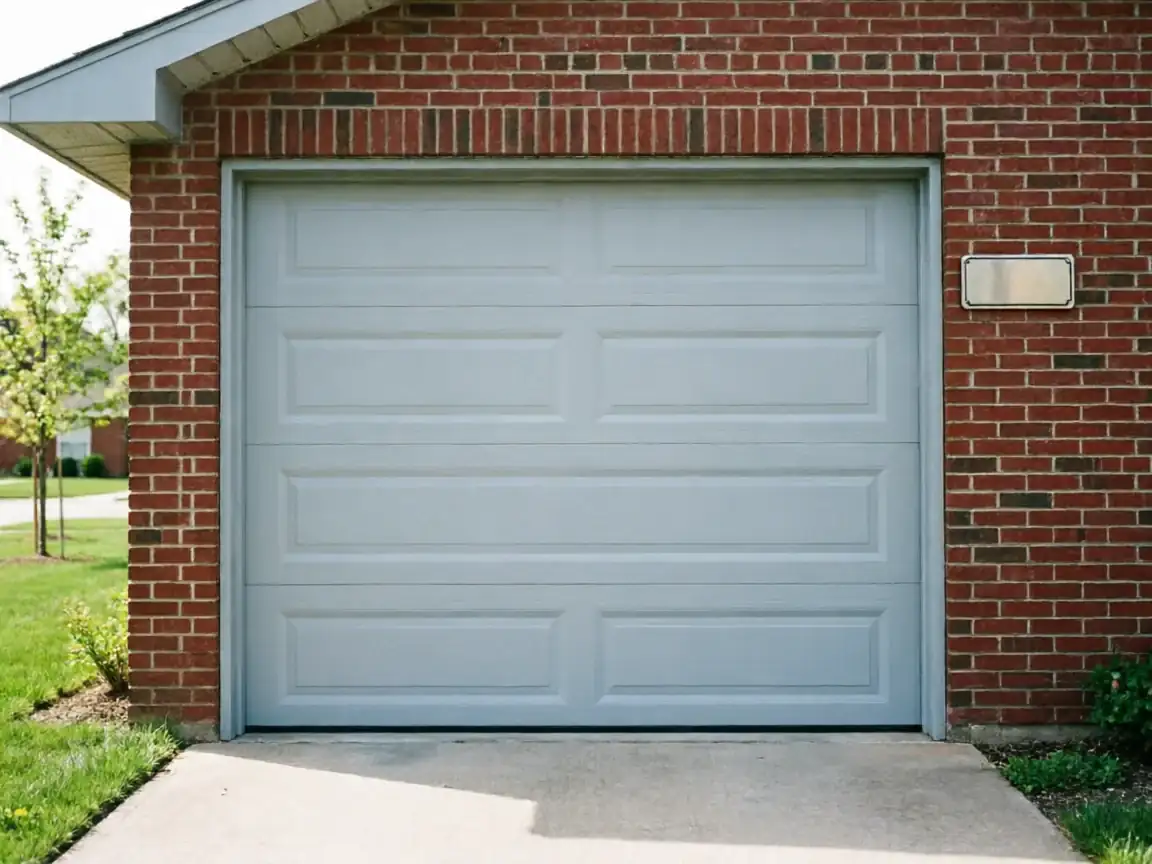
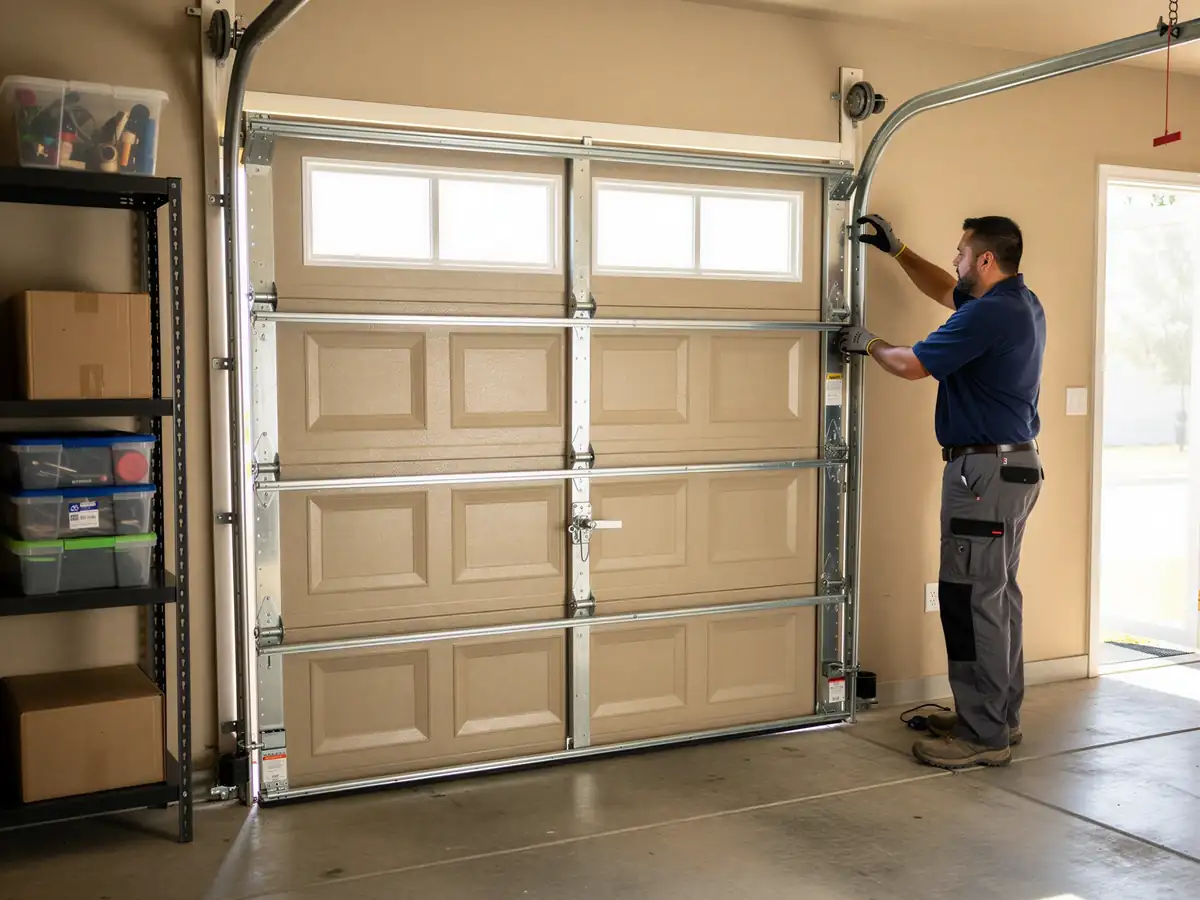
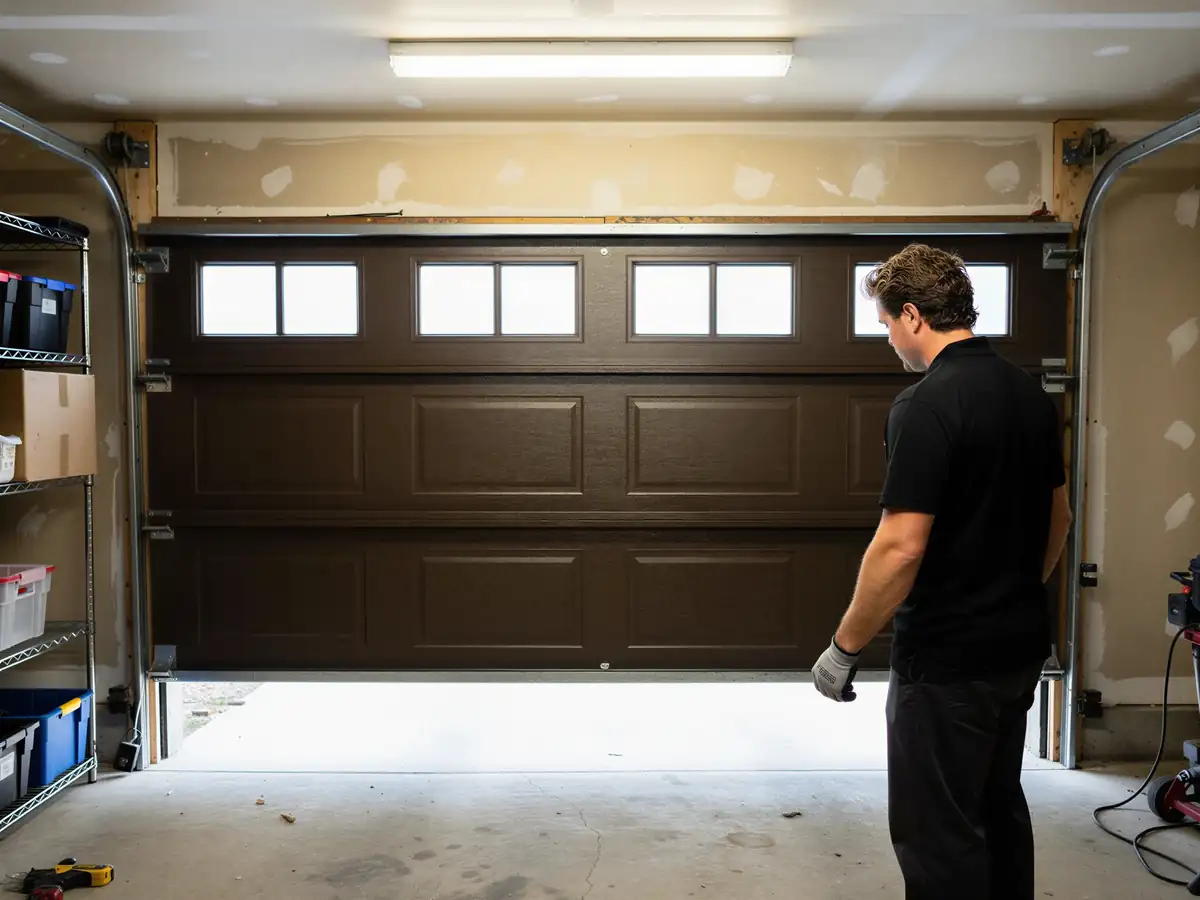
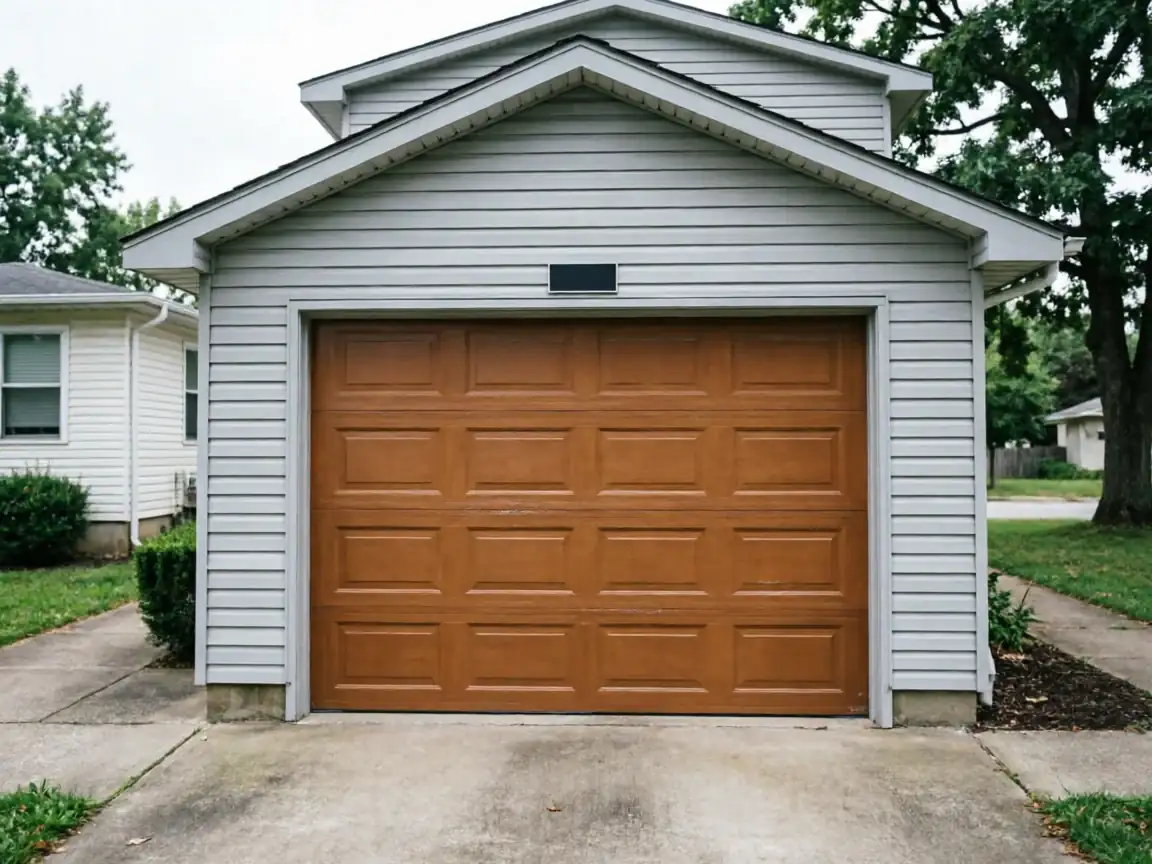
Most of Dublin went up around 1996, which means the doors on these houses are steel sectional units, usually 16 feet wide for a double bay, hung on torsion springs rather than the older extension-spring setups you'd find on a door from the 1960s. That's actually good news for a homeowner who wants to try something themselves: torsion systems are more standardized, and panel sizes are common enough that replacement sections aren't hard to source.
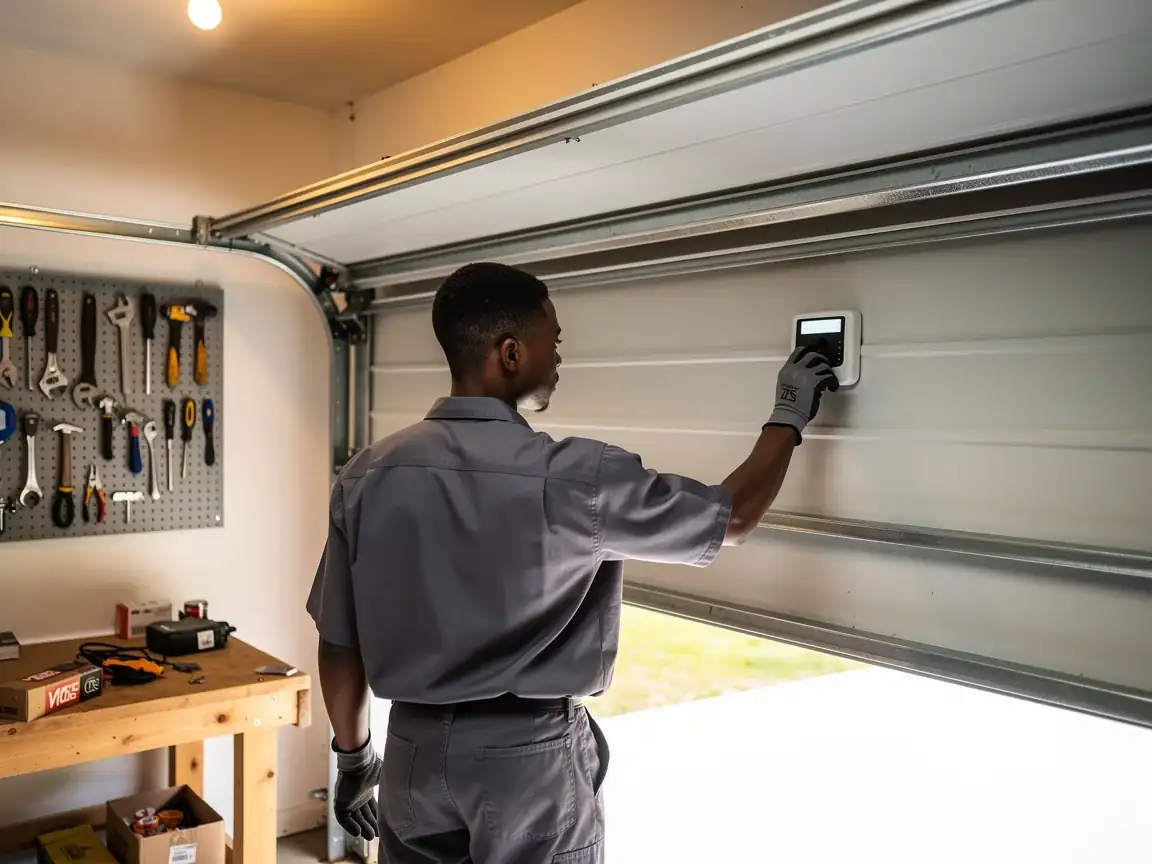
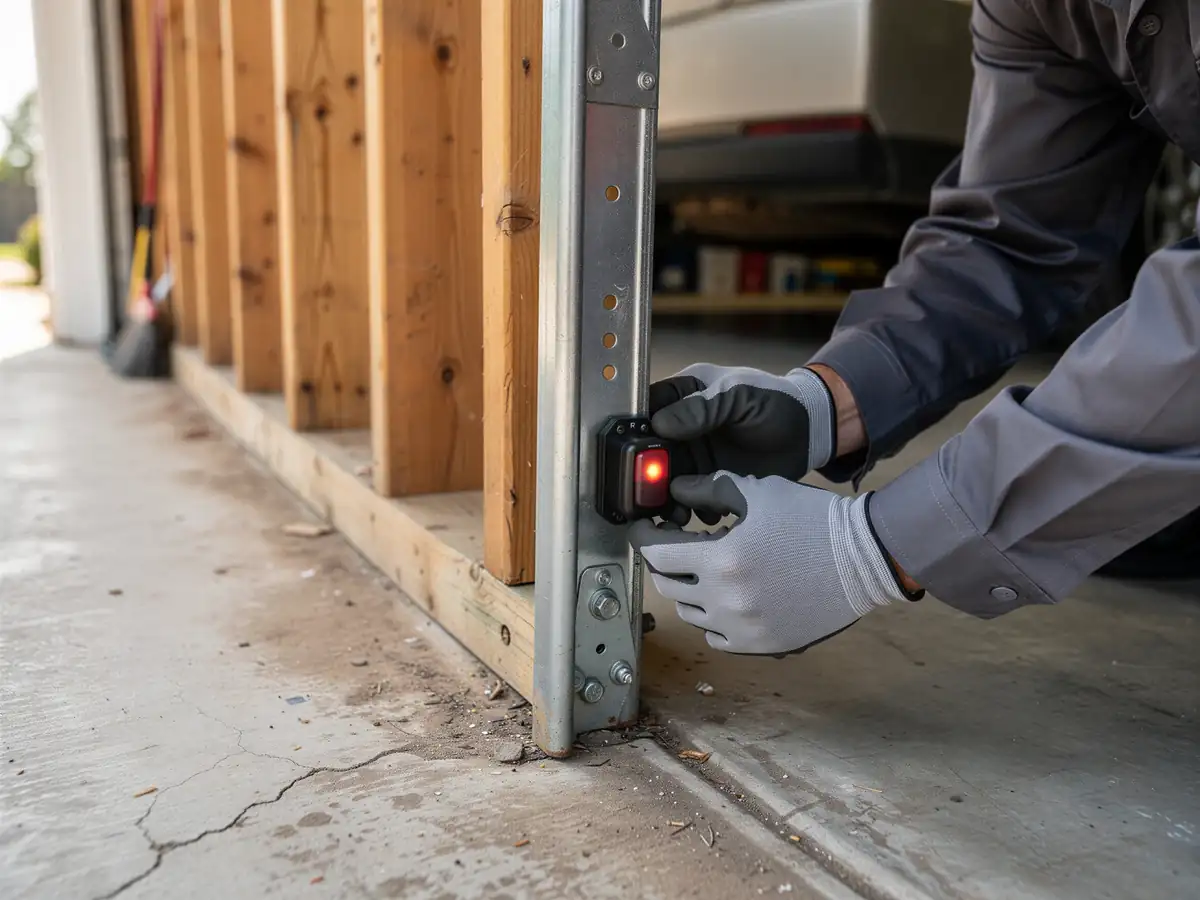
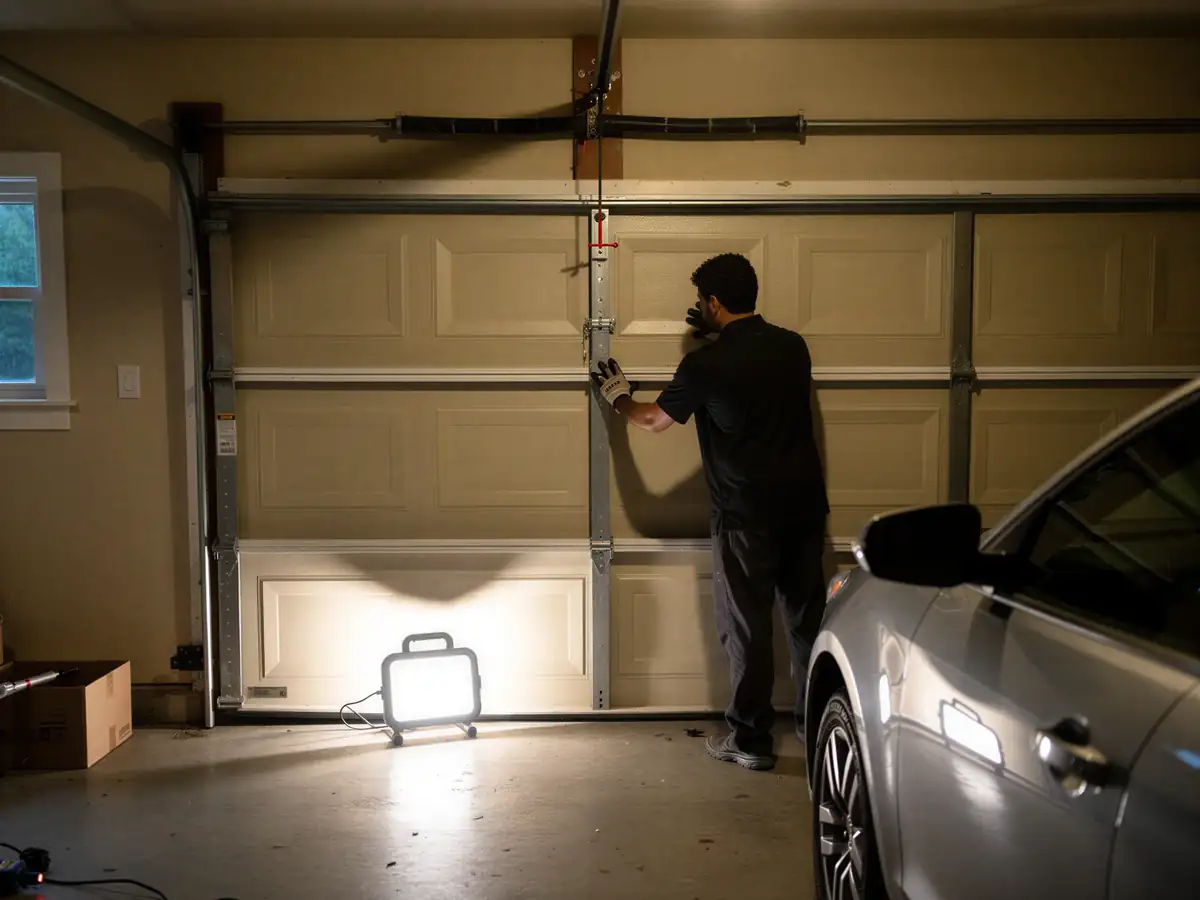
What you can reasonably do: swap worn rollers, tighten hinges, lubricate the track, replace weatherstripping along the bottom panel, and reset photo-eye sensors that have drifted out of alignment. These are bolt-and-screw jobs with low risk.
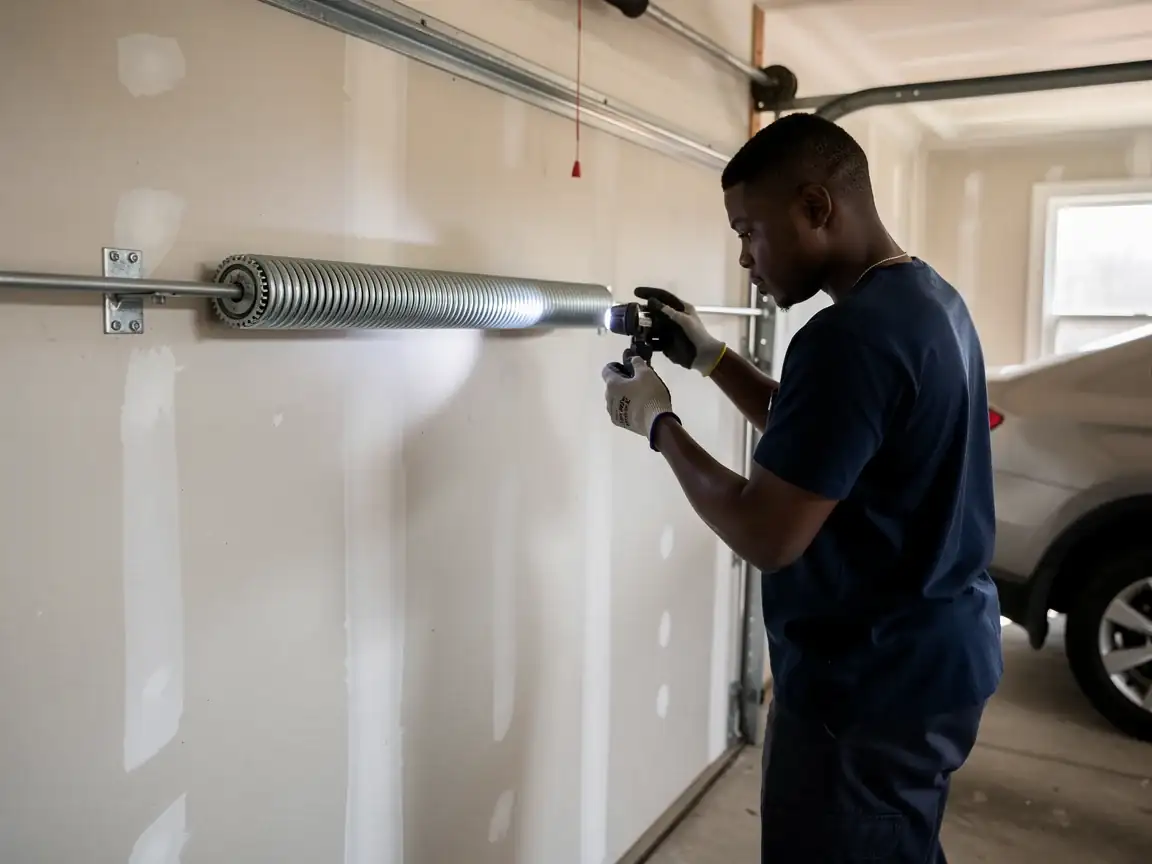
What you should not do: touch the torsion spring itself. A door this size, on a 16-foot double bay, is carrying a spring wound under several hundred pounds of tension. That's not a DIY repair regardless of how straightforward the rest of the door looks - it's the one place where a mid-90s door and a 1920s door carry the same risk. If you're not sure whether what's wrong is spring-related, that uncertainty is itself the signal to call rather than guess.
Where This Job Goes Sideways
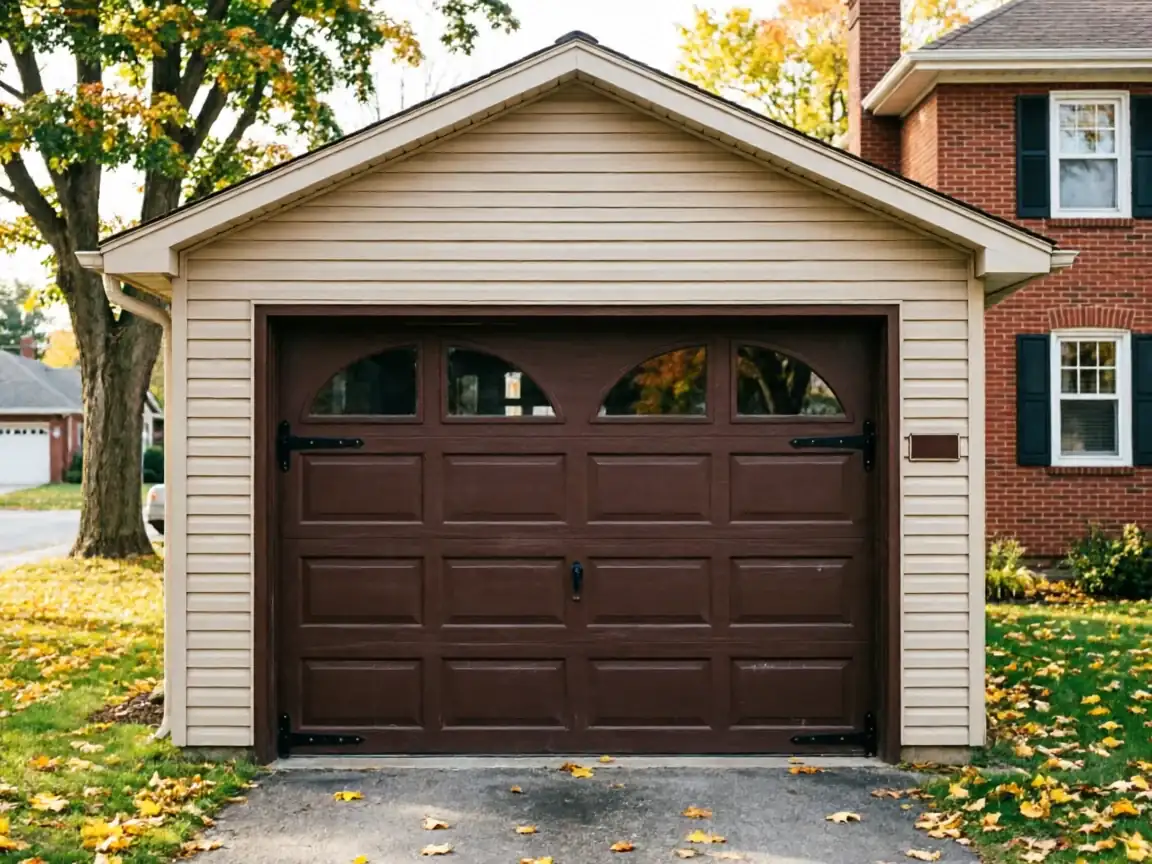
Dublin's household income runs well above the rest of the service area - a median around $155,282 - and that shows up in the doors themselves: more insulated steel sections, more decorative carriage-style hardware bolted onto standard panels, sometimes heavier commercial-grade springs on oversized doors. The jobs go sideways when someone treats one of these as a standard repair and doesn't account for the extra weight.
A torsion spring sized for a lighter door, installed on a heavier insulated panel, fails early or leaves the opener straining against resistance it was never built for. On a door this size that's a repeat service call waiting to happen, not a one-time fix.
The other place it goes sideways: openers. Houses built in the mid-90s often still have their original chain-drive opener, now thirty years old, paired with a newer door panel from a prior repair. Mismatched age between opener and door is common here, and it means a straightforward-looking opener replacement can turn into a conversation about whether the door itself is due too.
How It Shows Up
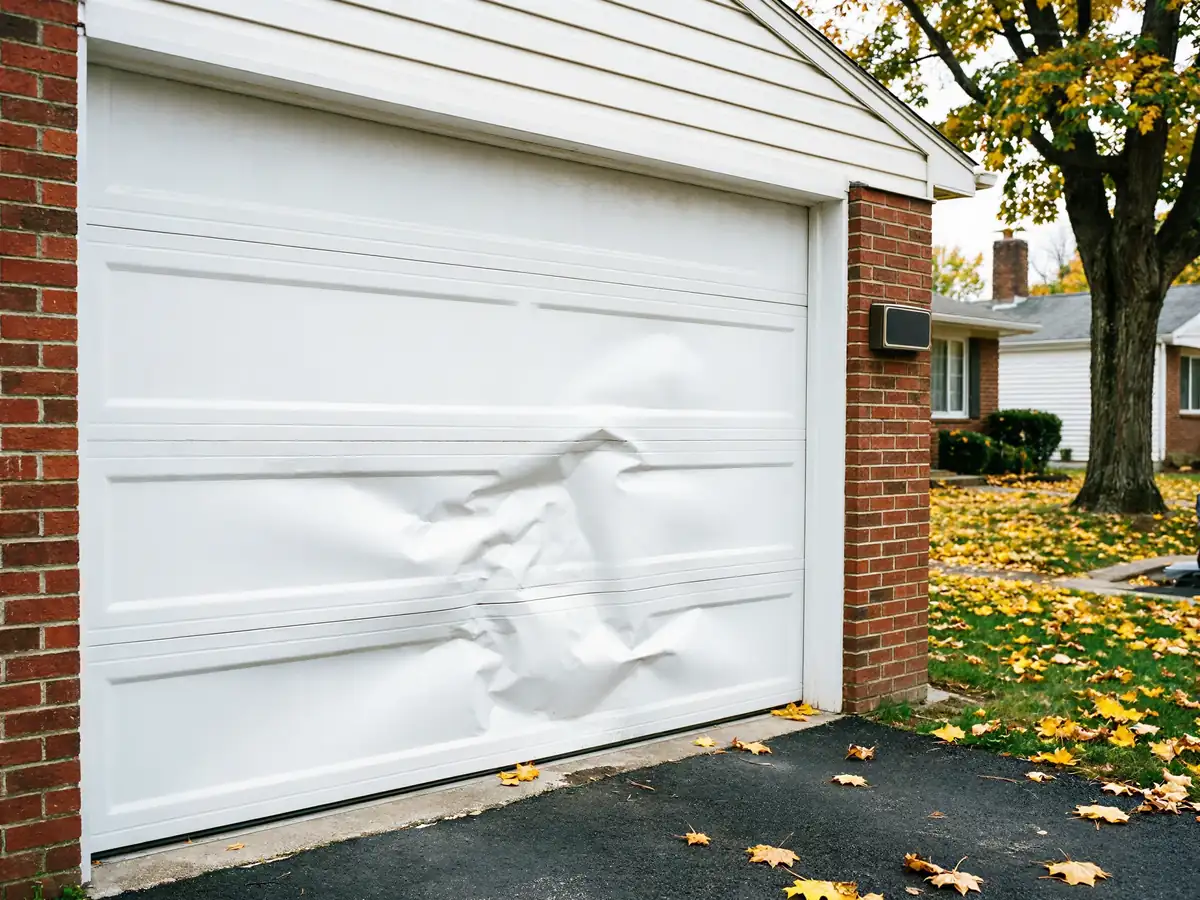
On a 1996-era door, the failure usually isn't rust-through on the panel
The steel and the climate-sealed coatings from that era hold up fine against a cold, severe winter. What gives out first is the torsion spring itself, usually around year twenty to twenty-five of daily cycling, which lines up with what a lot of Dublin homeowners are now seeing.
The door won't lift, or it lifts a few inches and stalls
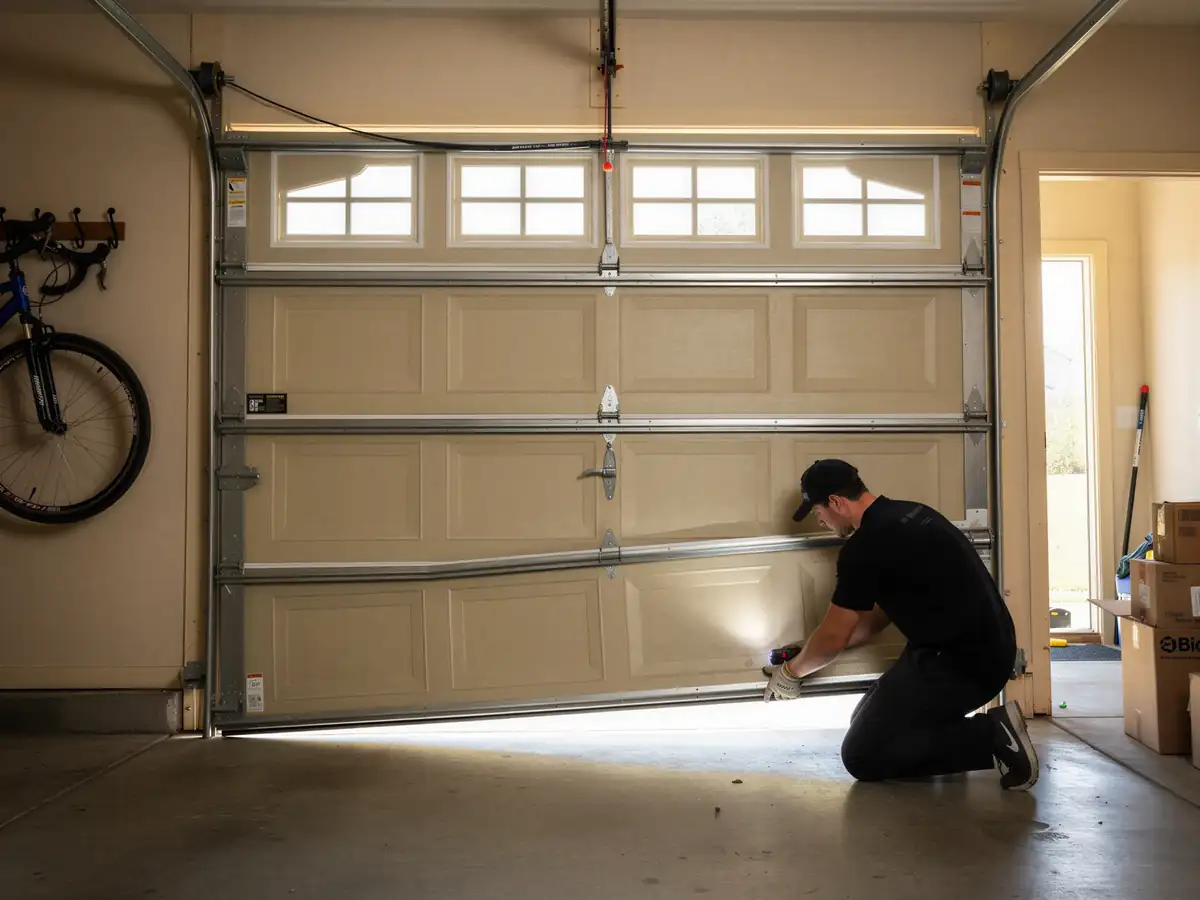
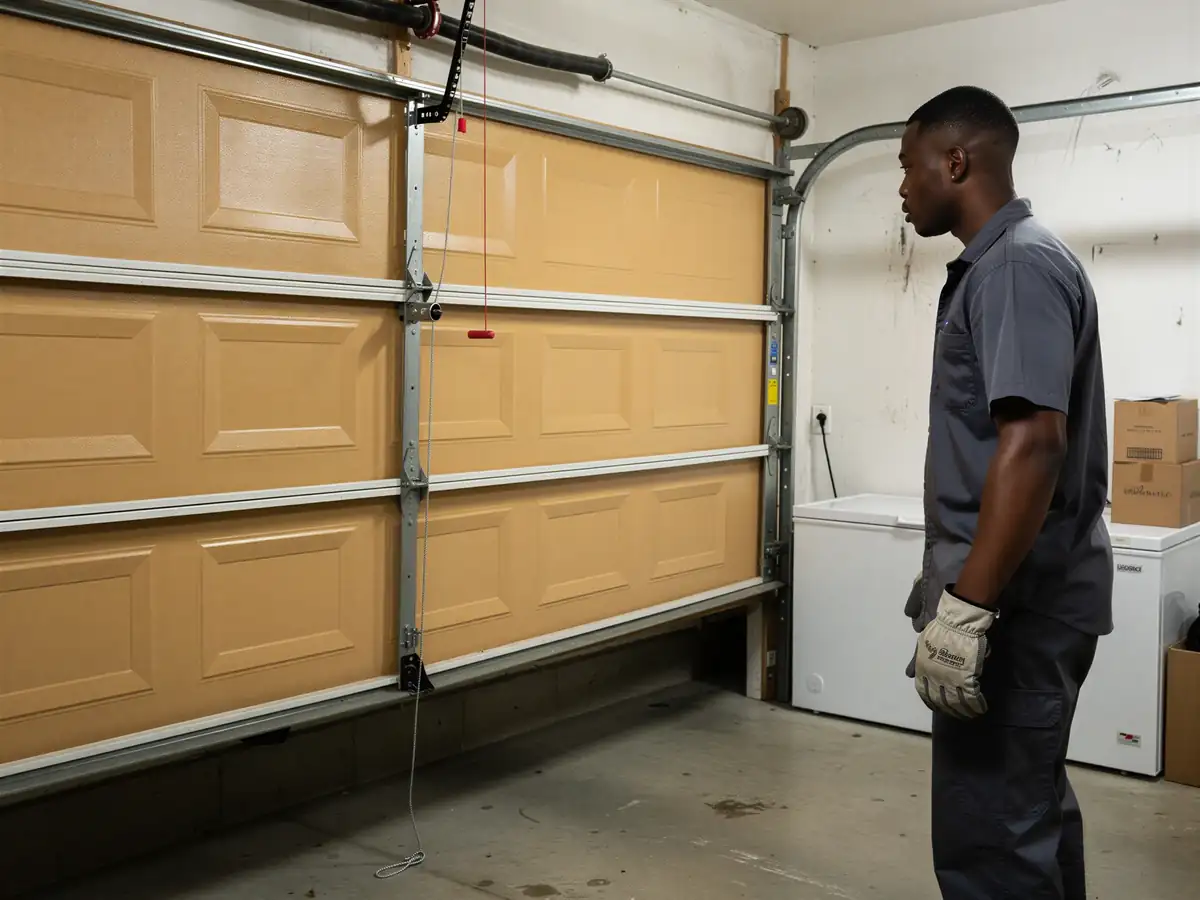
Sometimes the opener motor runs but the door doesn't move - that's the spring, not the opener, even though it feels like the opener failed. On double doors specifically, an uneven lift (one side higher than the other) points to one of two torsion springs going while its pair holds.
Cold-weather calls cluster in winter here because the severe cold band this area sits in stiffens lubricant and tightens tolerances right when the spring is already near end of life - the two problems compound instead of showing up separately
Stocked Parts
We run the truck in from Columbus, about 12 miles each way, so what we carry on board matters more than what we could theoretically order. For a mid-90s steel sectional door - the dominant type across this area - we stock the common torsion spring sizes, rollers, standard hinges, and photo-eye sensors on the truck.
What we don't carry as stock: oversized commercial-grade springs for the heavier insulated doors some Dublin houses have added since original construction, and decorative carriage hardware kits, which vary by manufacturer. Those are a one-trip-back job rather than a same-visit fix, and we'll tell you that up front rather than pretend otherwise.
If your door is original to a 1996 build and hasn't been upgraded, there's a good chance we have everything needed on the truck already.