Can You Do This Yourself
Dublin sits about 12 miles out from Columbus, which matters more than it sounds like it should. A cable job isn't a same-day drop-in the way it might be for a stop a few minutes from the shop - the truck has to carry the right cable length and drum size out on that drive, because there's no turning back for a part. That's the real reason we ask a few questions before we roll: cable diameter, door weight, whether it's a torsion or extension setup, so the first trip is the only trip.
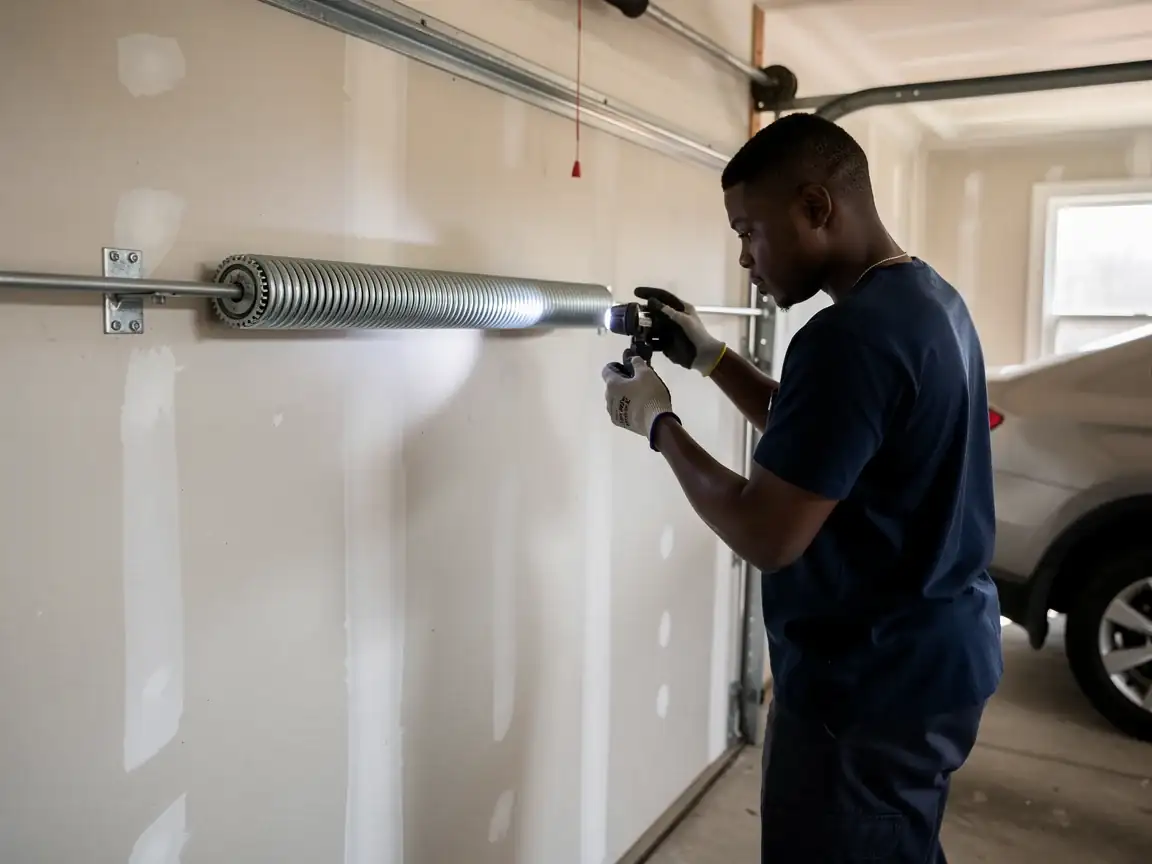
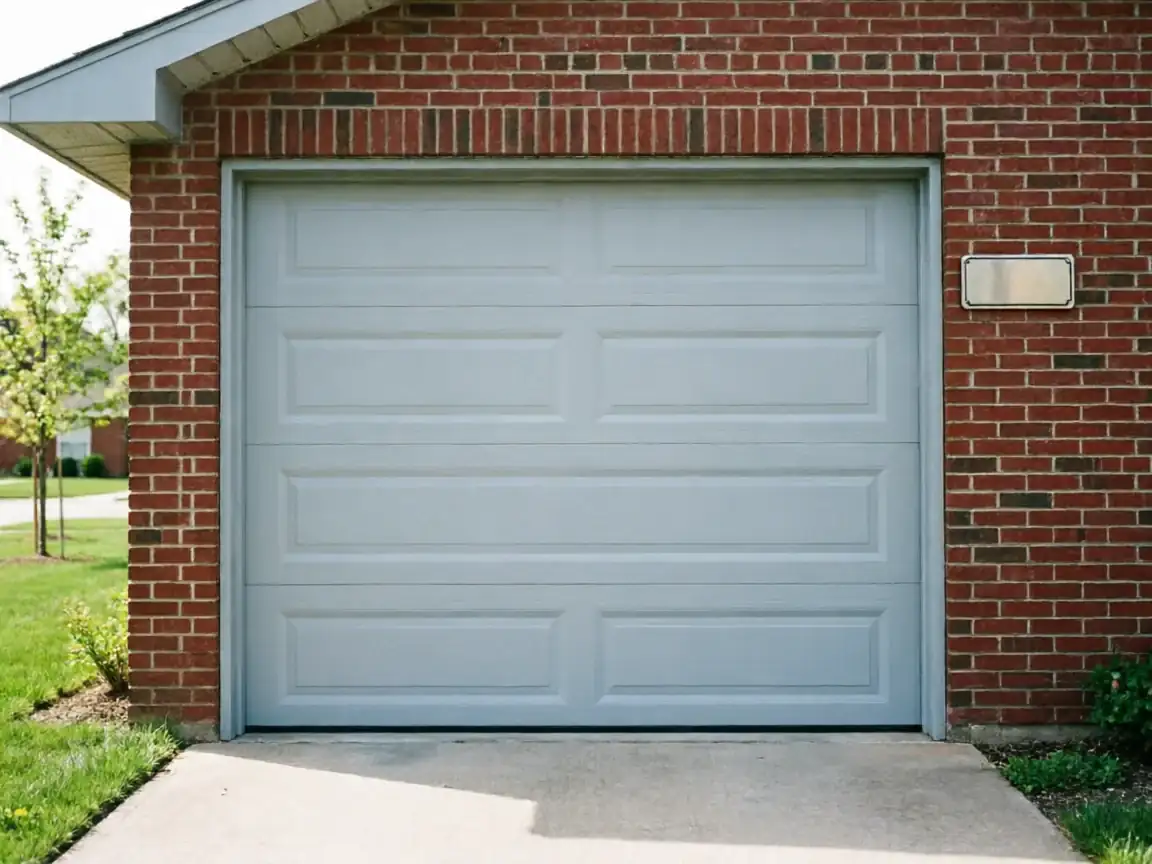
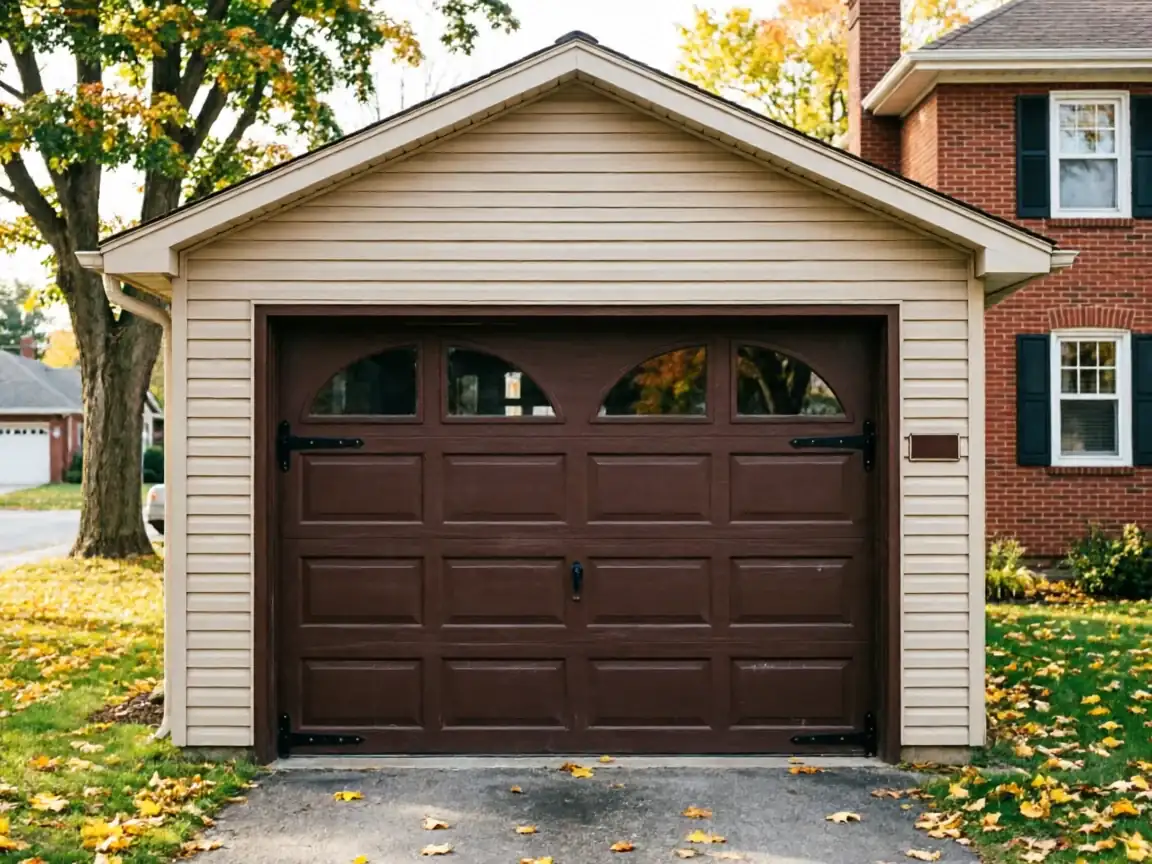
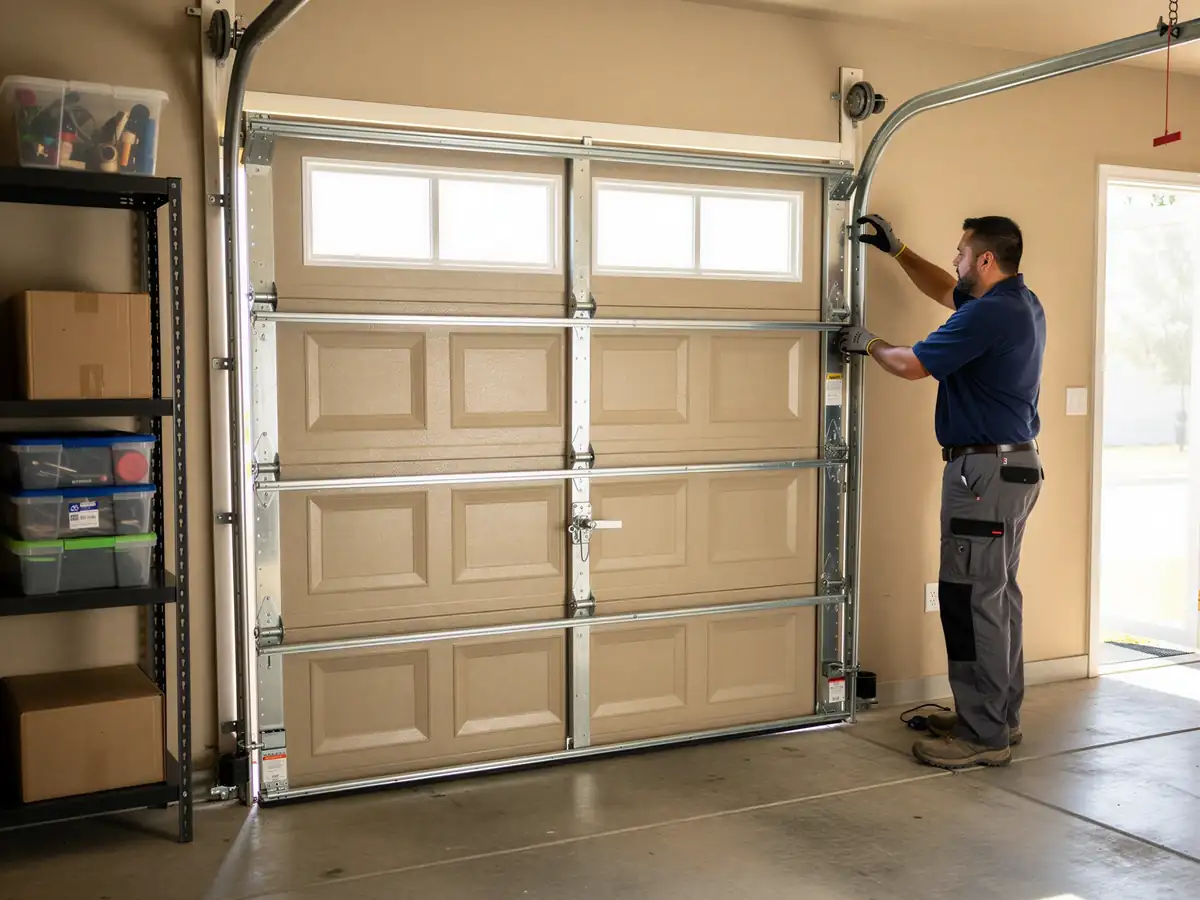
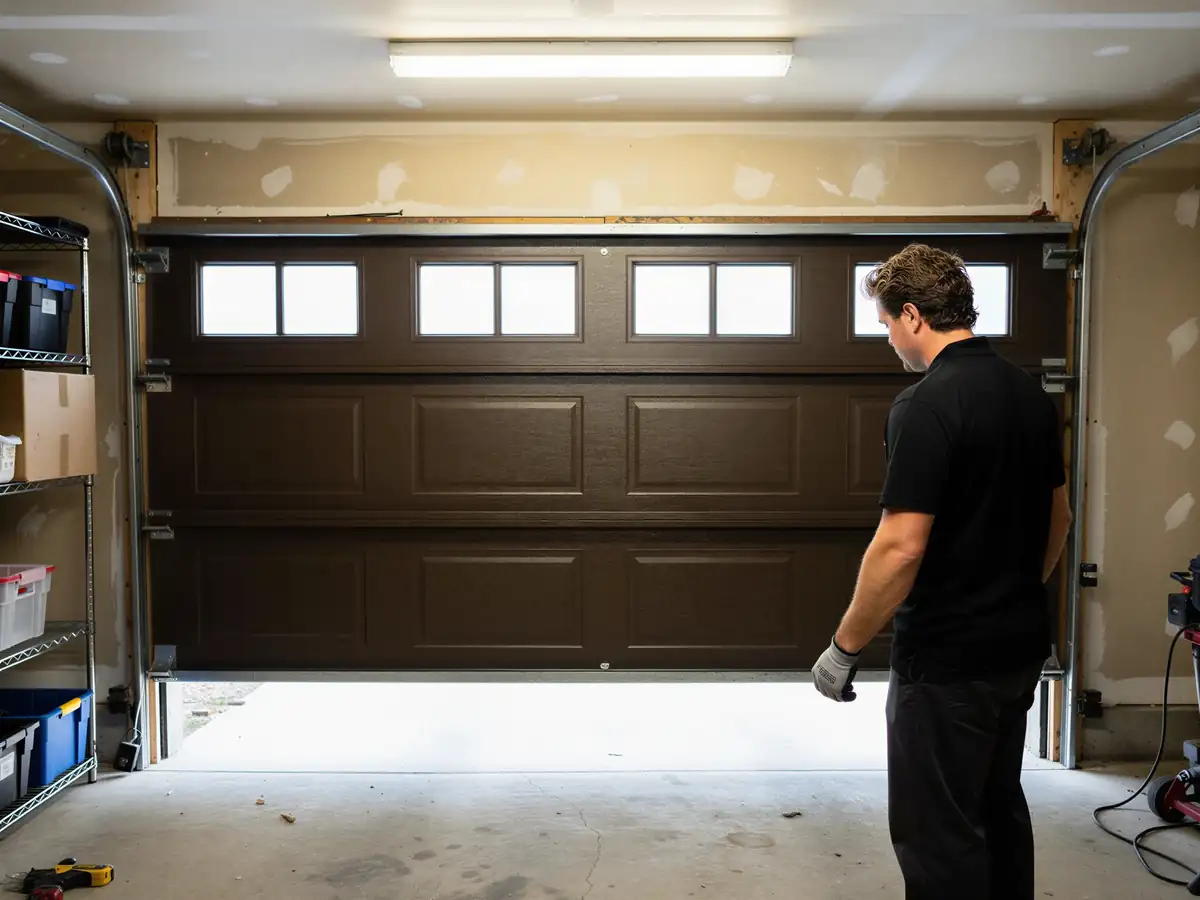
As for doing it yourself: a snapped cable on a door that's already down and resting on the floor is low-risk to look at, but not to fix. The drum and spring on the other side are still under load even when the cable looks slack. If the door is up on a broken cable, or hanging crooked, that's a cable paying out unevenly under spring tension - leave it. Don't cut a zip tie, don't pull a clamp, don't try to walk the door down by hand. Most of Dublin's housing went up well after 1990, so a lot of these are standard steel sectional doors on torsion springs - predictable hardware, but still hardware that can take a finger off if you're under it when it lets go.
Where This Job Goes Sideways
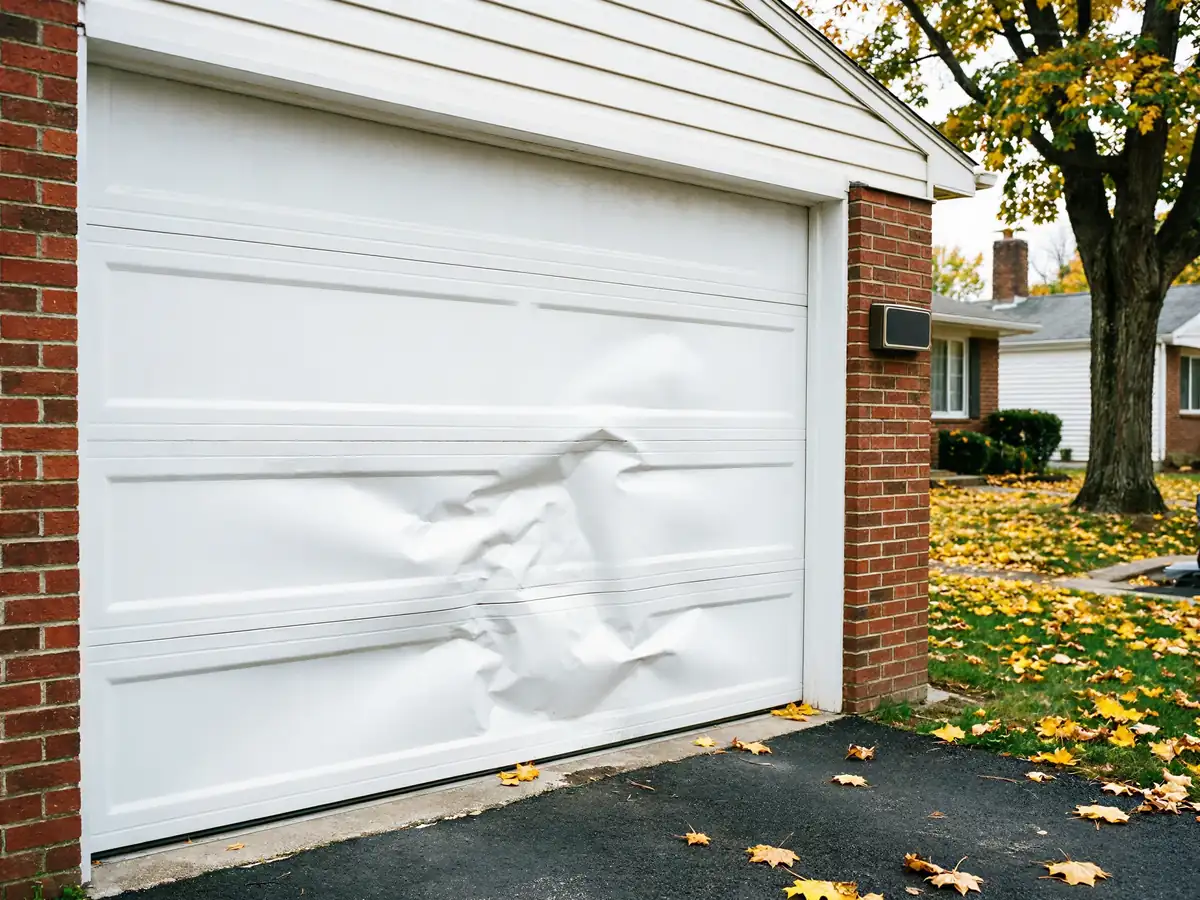
The trouble on a cable call rarely starts with the cable. It starts with whoever's taken a run at the door first - tried to force it down, propped it, or kept hitting the opener button hoping the cable would catch. By the time we see it, the drum has chewed a groove into itself, or the track's bent where the roller jumped out when the cable let go unevenly on one side.
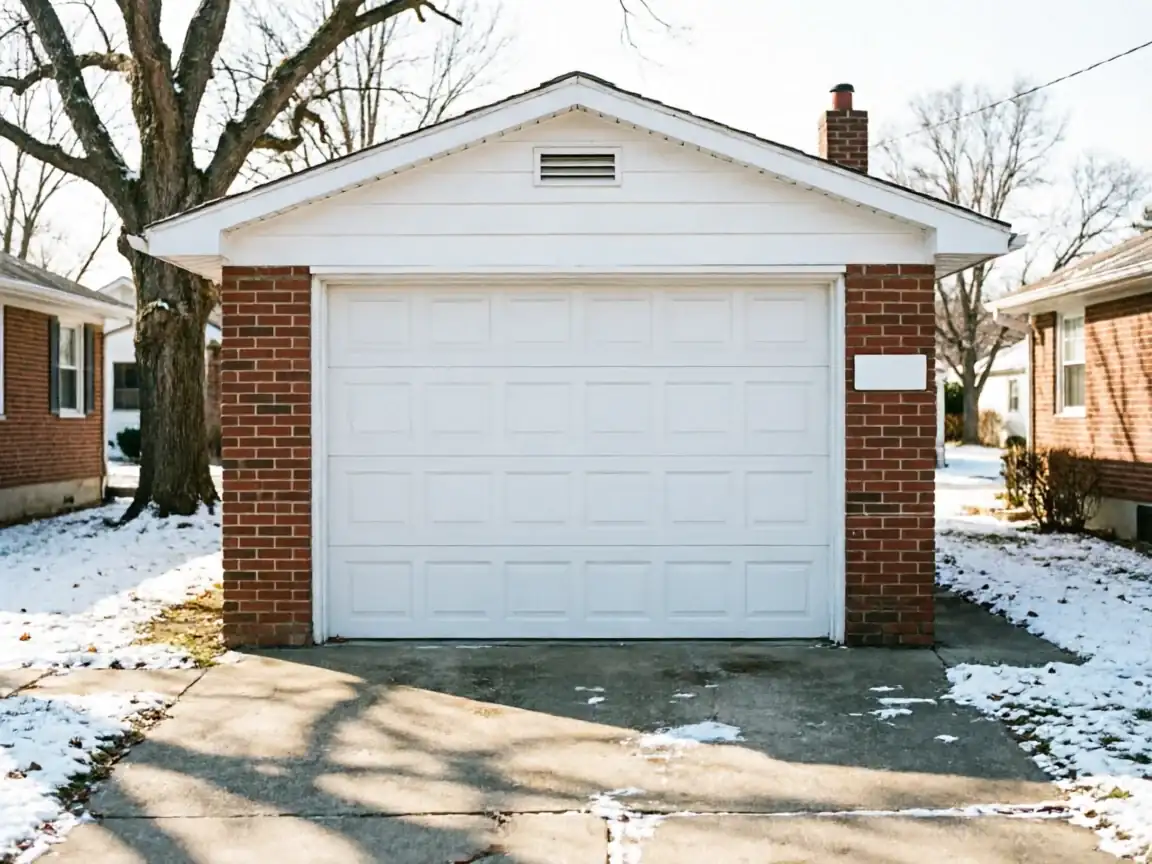
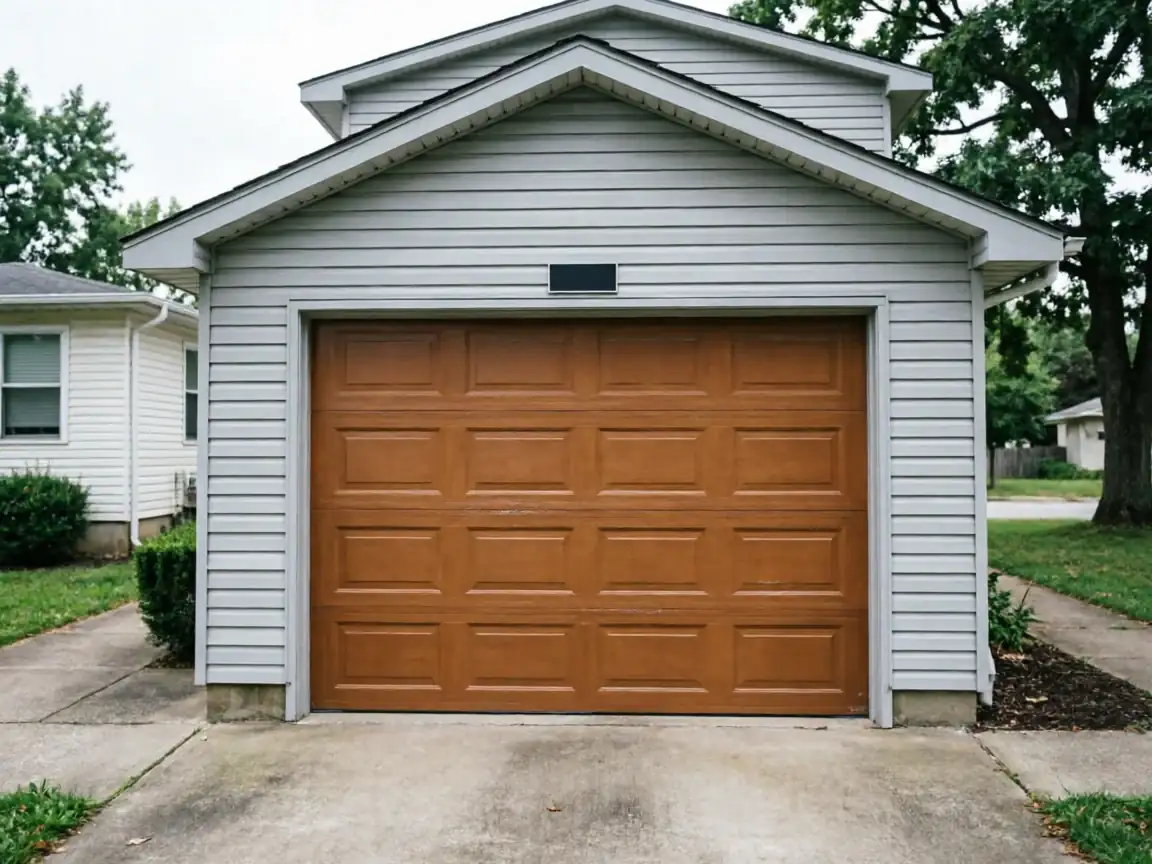
Dublin's housing stock runs newer than a lot of the service area - median build year is around 1996 - so the openers and spring systems tend to be more standardized than what you find on older doors elsewhere. That's good news for parts matching, but it doesn't mean the cable itself lasts forever. Winters here still put real stress on galvanized cable: cold makes steel less forgiving, and a cable that's been fraying slowly can finally give on the first hard freeze of the season. One honest limit: if both cables are original and one just went, we'll tell you to replace both rather than patch one side - mismatched wear on the second cable usually means a repeat call within a year, and that's a worse outcome for you than paying for the pair now.
How It Shows Up
Most Dublin calls for this come in one of three ways
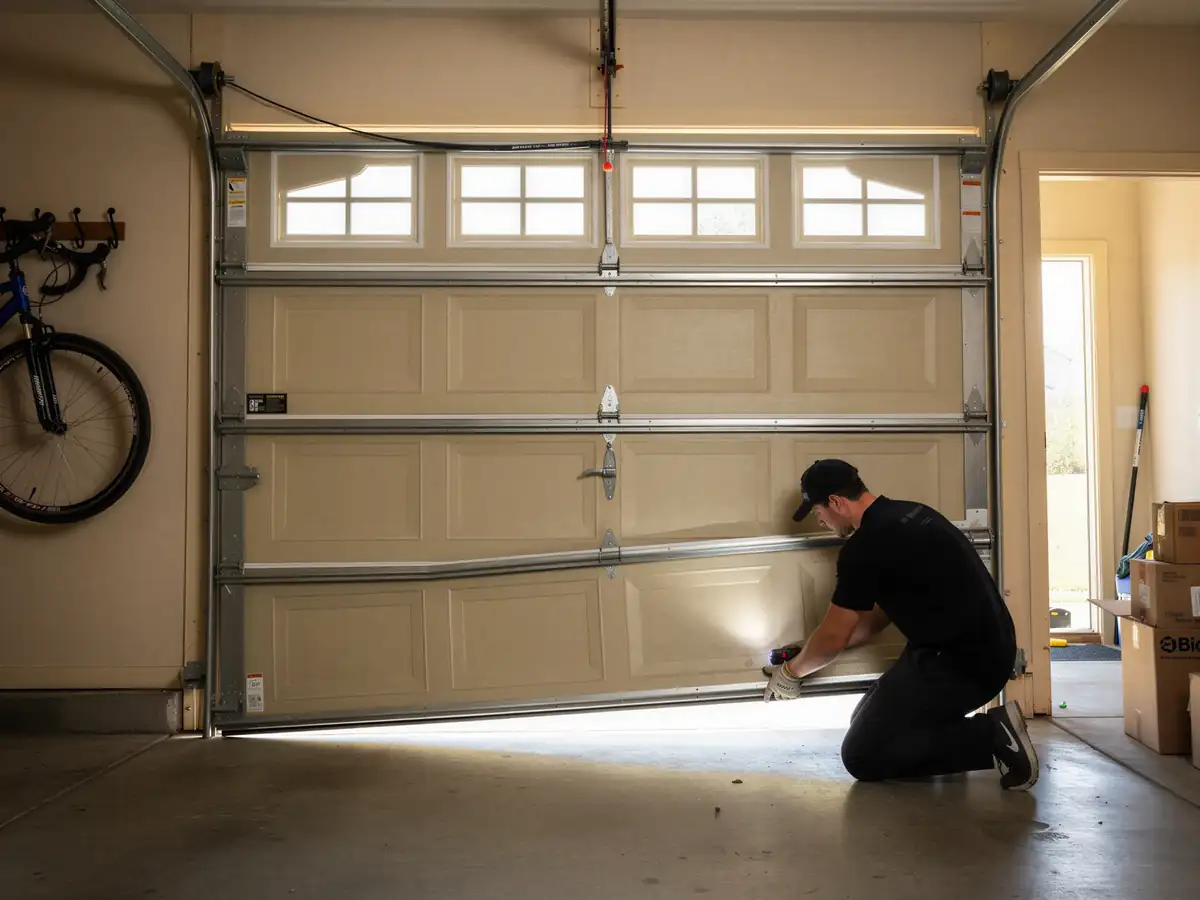
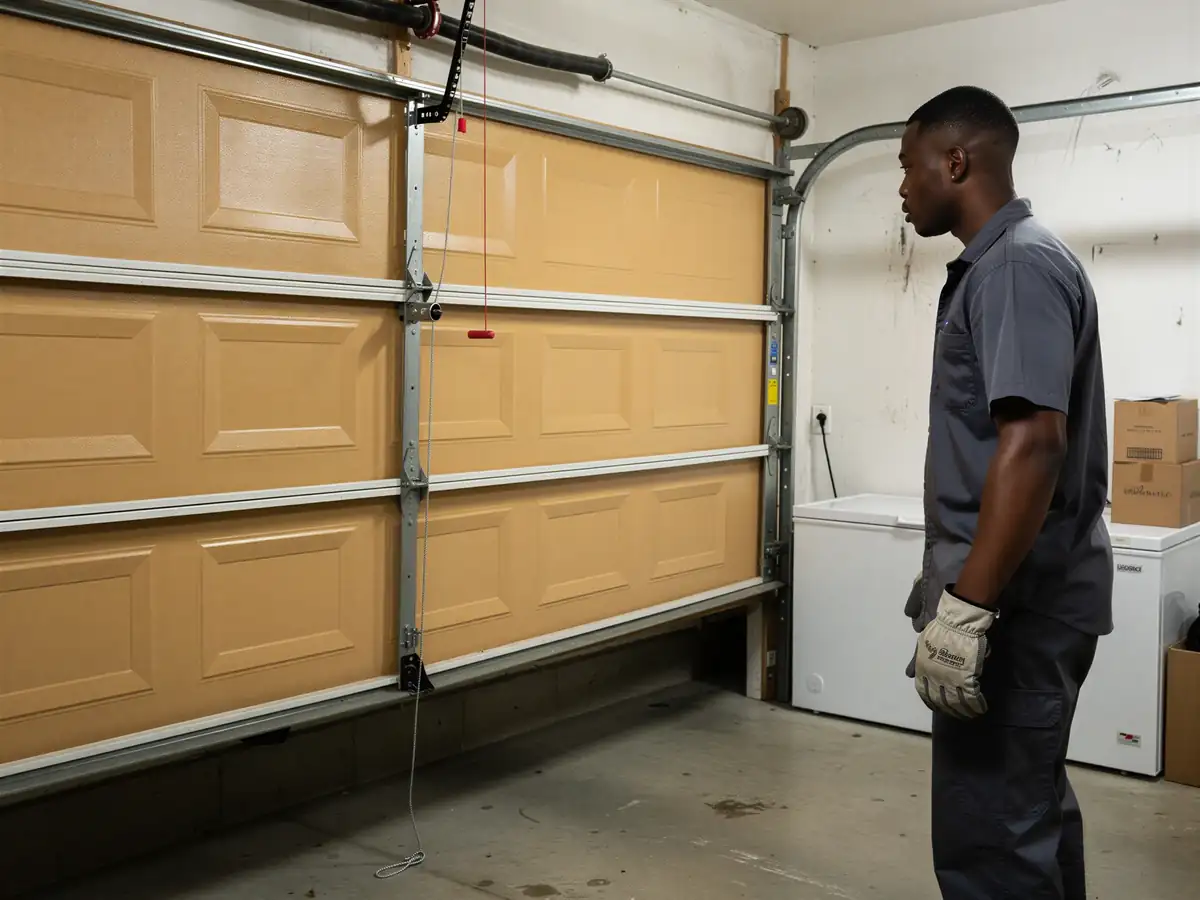
The door drops fast and hard on one side, usually with a bang, because a cable let go while the door was moving. Or the door sits crooked in the frame at rest - one corner low - because a cable has slipped off its drum or frayed enough to stretch. Or the opener runs but the door doesn't move at all, because the cable's come off the track entirely and there's nothing left connecting the bottom panel to the drum.
On the newer steel sectional doors common in Dublin's post-1990 stock
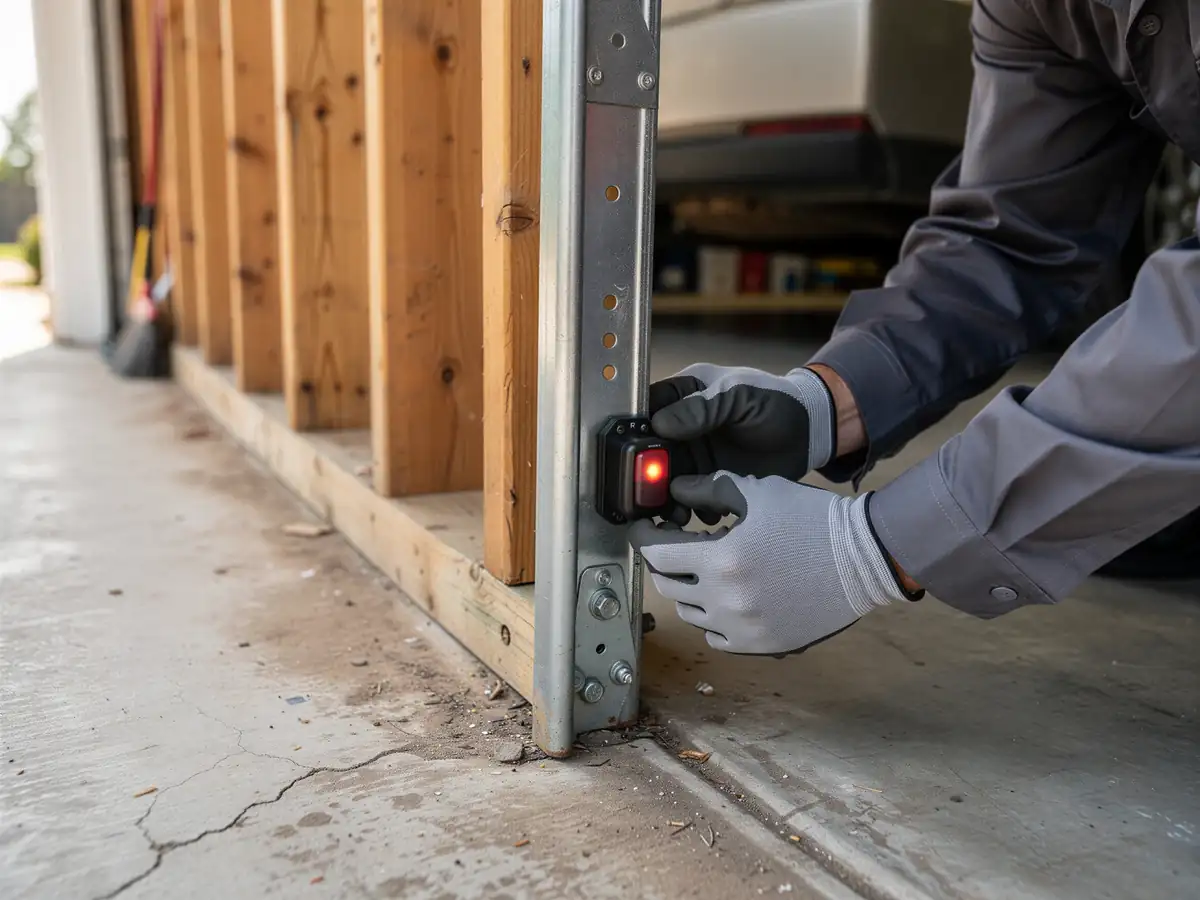
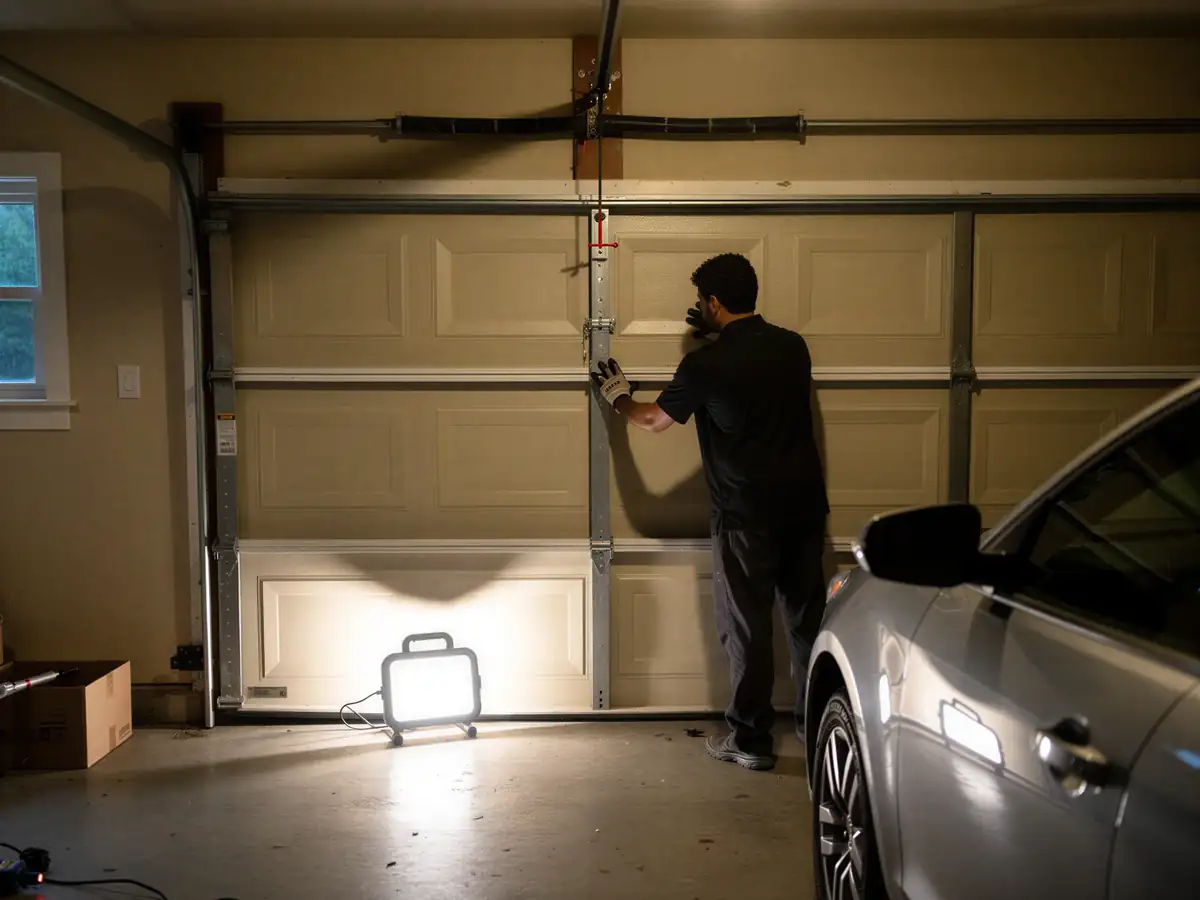
Cable failure tends to show at the bottom bracket first - that's the hardware taking the most repeated flex every time the door cycles. If you hear a pop followed by the door stopping mid-travel, that's often the cable; if you hear grinding with no pop, that's more likely the drum or roller, and worth mentioning when you call so we bring the right parts.
Stocked Parts
We carry standard-gauge galvanized lift cable in the common lengths for residential sectional doors, along with matching drums and the clips and fasteners that go with them. For the door types most common in Dublin's newer housing - standard torsion setups on steel sectional doors - that covers the large majority of calls without a return trip for parts.
Where we don't carry stock: unusual cable gauges for oversized or custom doors, and older extension-spring pulley systems that show up more in the service area's pre-1980s pockets, which aren't the norm out this way. If a job turns out to need one of those, we'll say so on site rather than guess and leave you with the wrong fix.