Can You Do This Yourself
Dublin's median household income runs about $155,282, well above the roughly $99,964 median across the wider service area. That number matters here because it changes the math on repair versus replace faster than it does in older, lower-income pockets of the metro. If a door is giving trouble and the house was built anywhere near the neighborhood's 1996 median build year, you're usually not looking at a worn-out original unit - you're looking at a door with real years left, where a tune-up beats a swap.
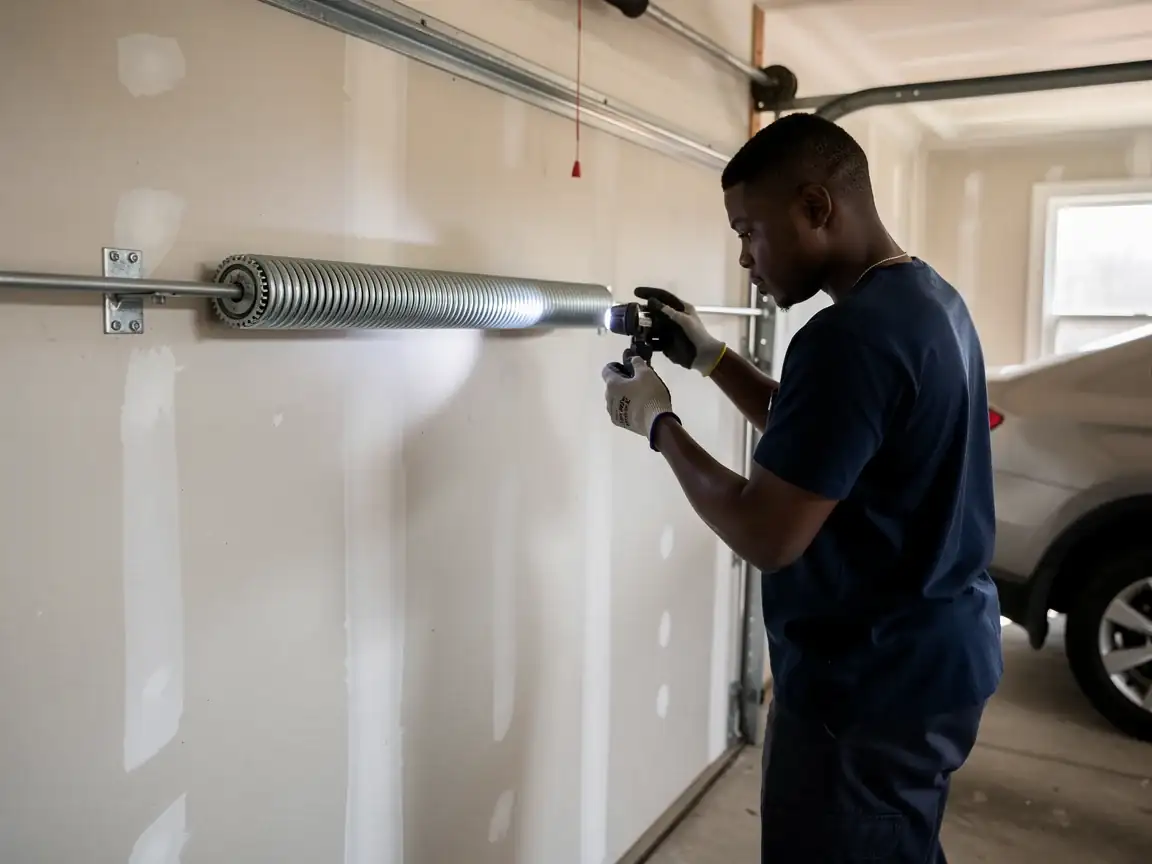
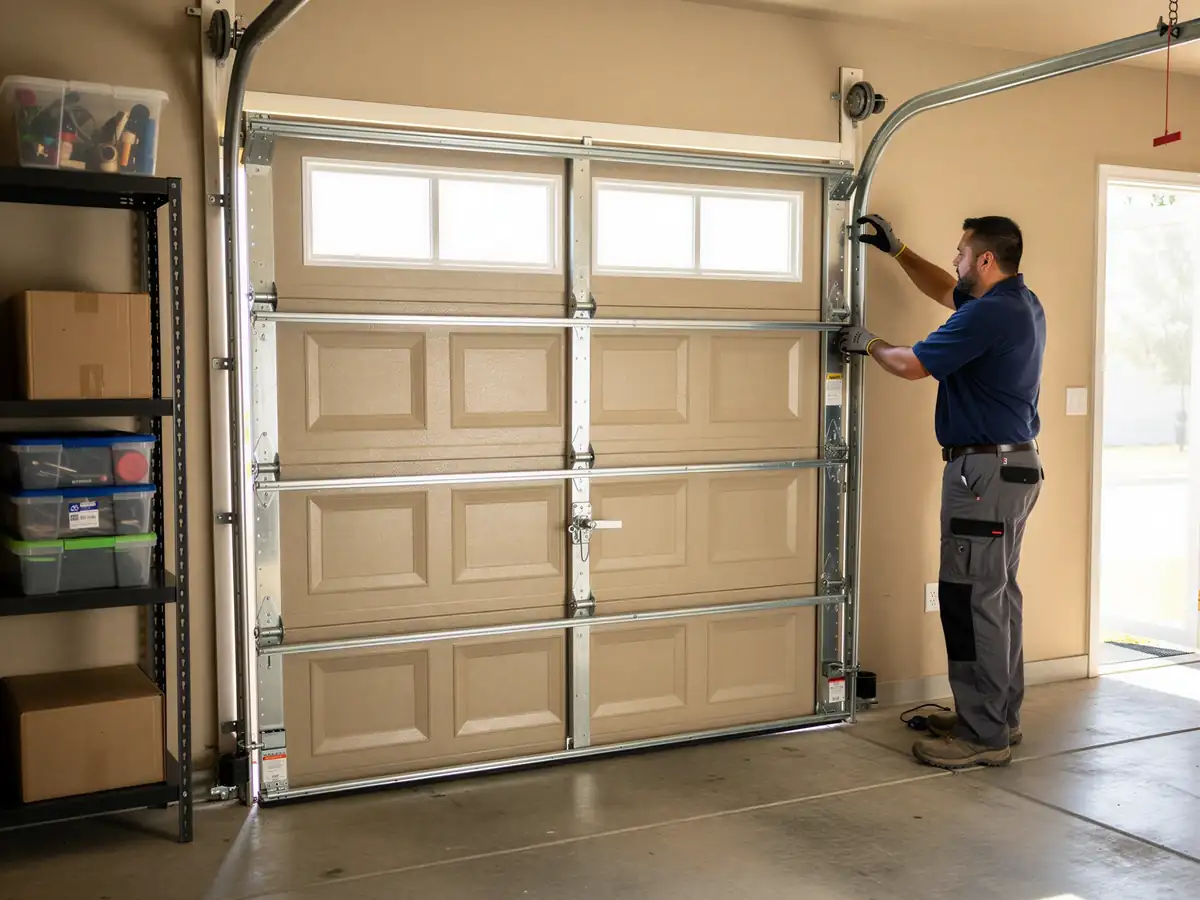
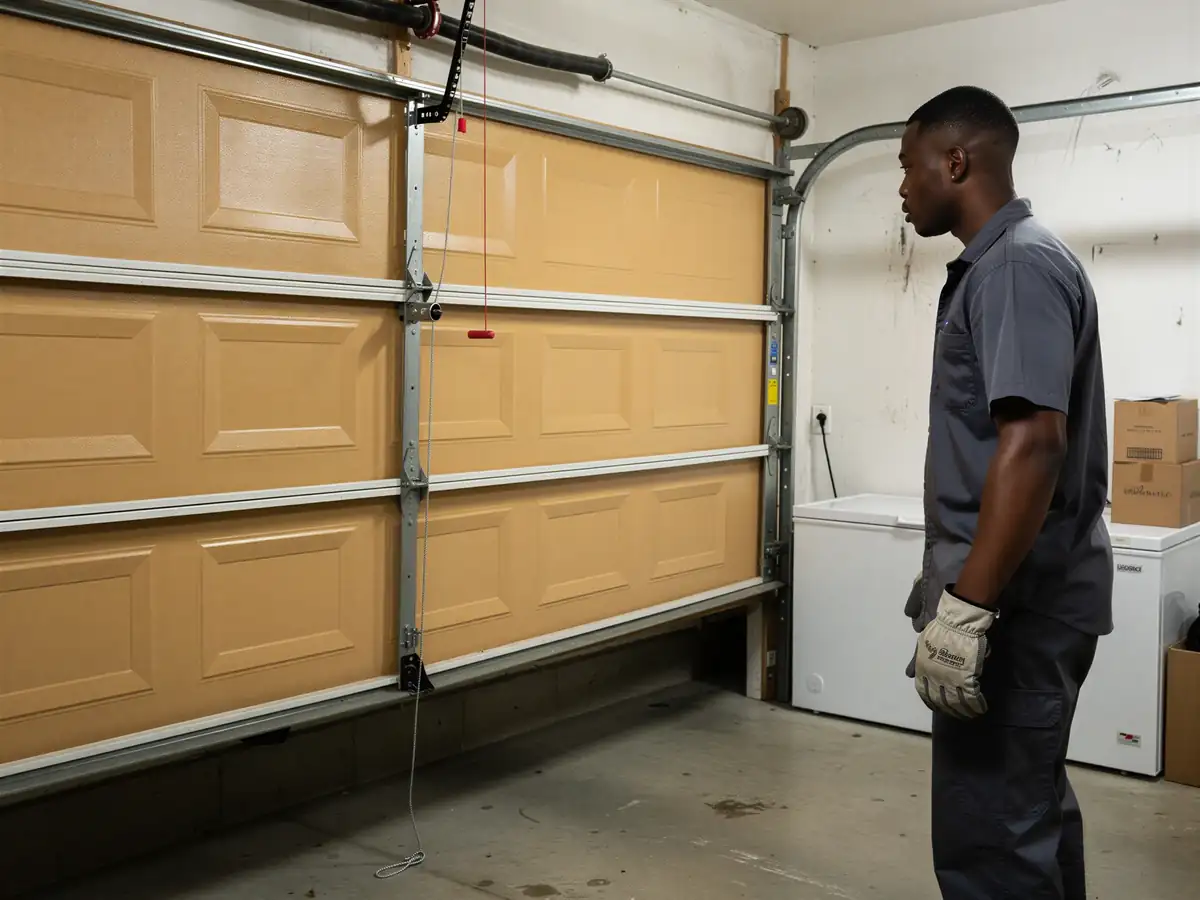
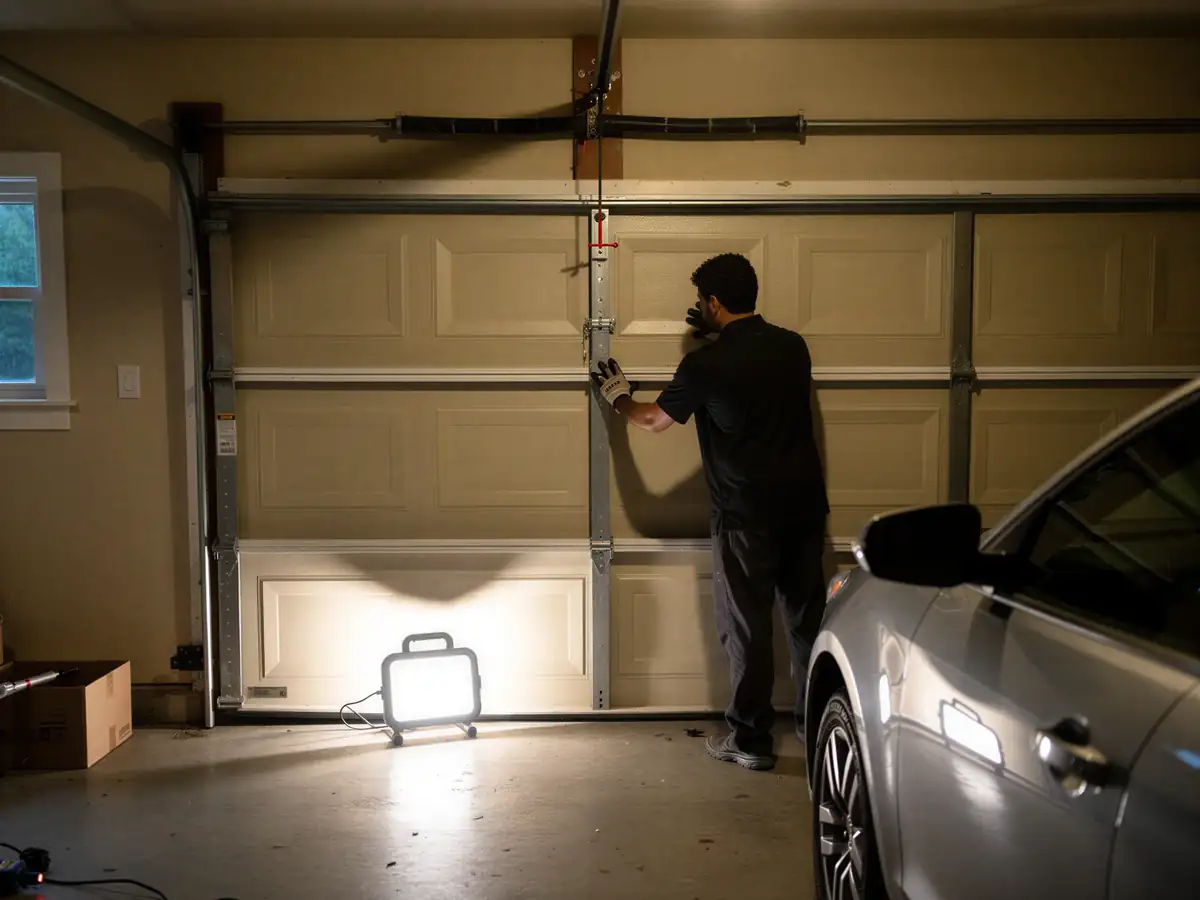
There's plenty you can do without a call. Wipe down and lubricate the rollers and hinges twice a year, check that the track is clear of debris, and test the auto-reverse by placing a 2x4 flat under the door and making sure it kicks back up on contact. Tighten the mounting bolts on the track brackets - they work loose with repeated cycling. What you should not touch is the torsion spring or anything under tension on the shaft above the door. That's where people lose fingers, and it's also the part most likely to need attention on a door from this era.
Where This Job Goes Sideways
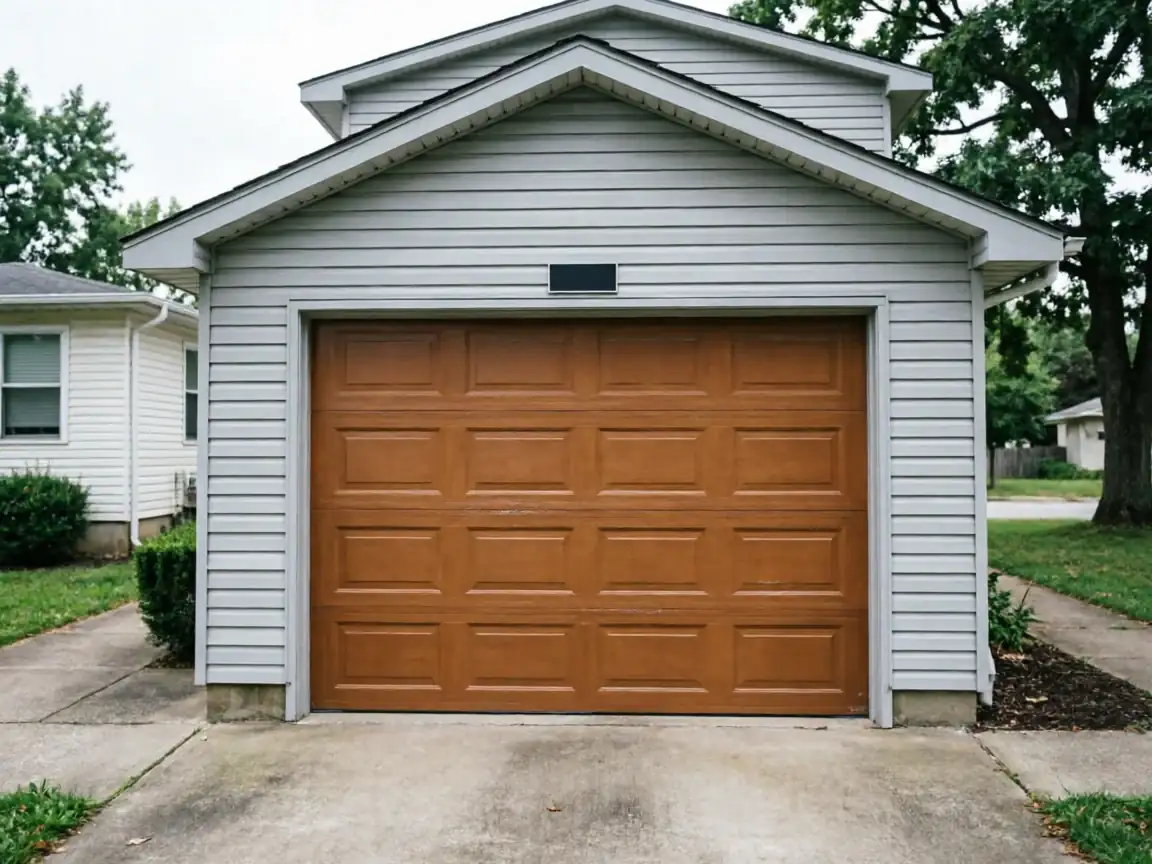
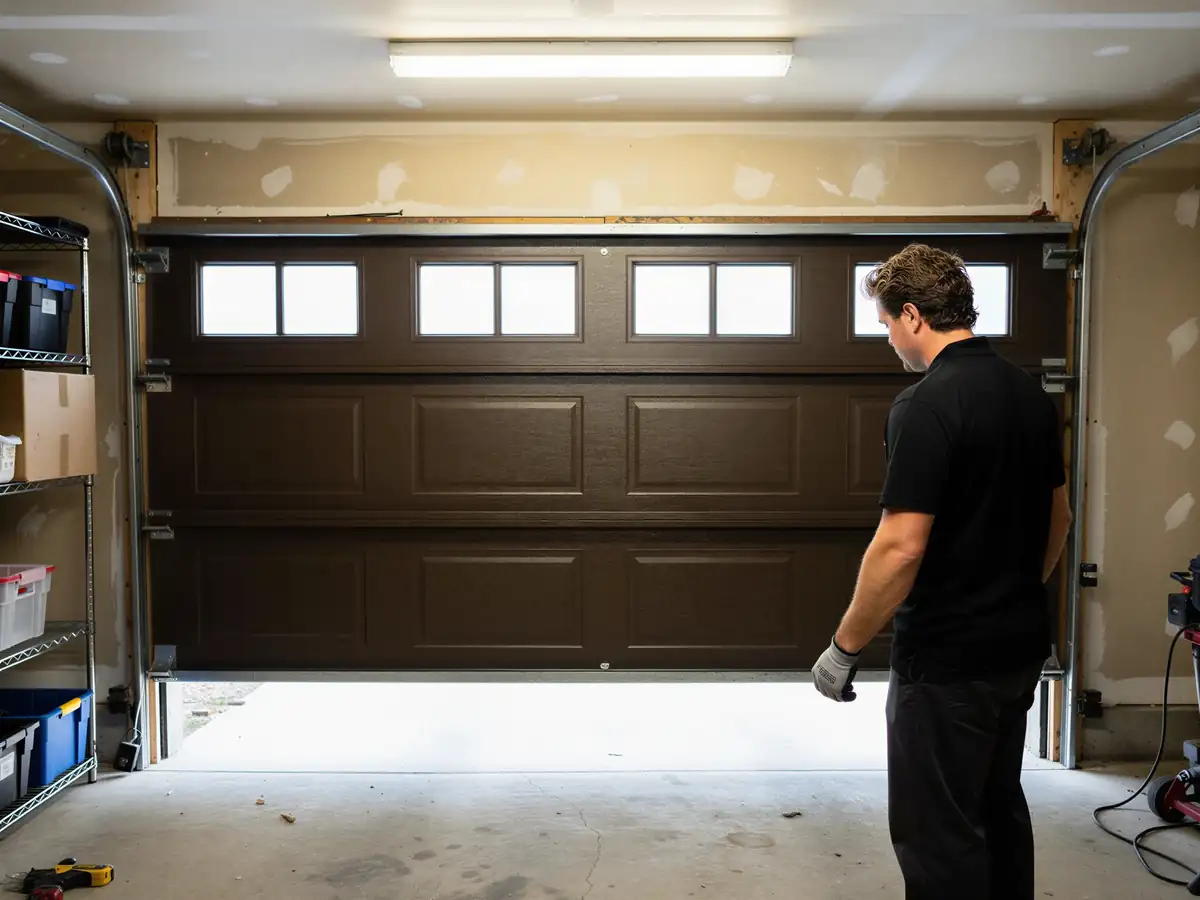
The housing stock in this part of the service area is newer than a lot of what Columbus Garage Door Co sees elsewhere - the broader area spans doors built from 1938 to 2006 with a median around 1986, while Dublin sits closer to 1996. That means fewer of the old wood-panel one-piece doors and more steel sectional doors on torsion hardware paired with openers that still run on the circuit boards and logic chips of their decade - parts that aren't always a simple swap when they fail.
The climate band here is cold and severe, and that's where maintenance skipped for a few years catches up with you. Grease that's gone stiff in January binds the rollers right when the opener is already straining against a cold-stiffened spring. We see openers get blamed for what's actually a spring problem, because the symptoms look the same from the kitchen: the door groans, stalls partway, or reverses for no obvious reason. Skipping a fall tune-up before the cold sets in is the single most common way this job turns into an emergency call instead of routine upkeep.
How It Shows Up
On a door built around the mid-1990s, the first sign of wear is almost always noise before it's failure
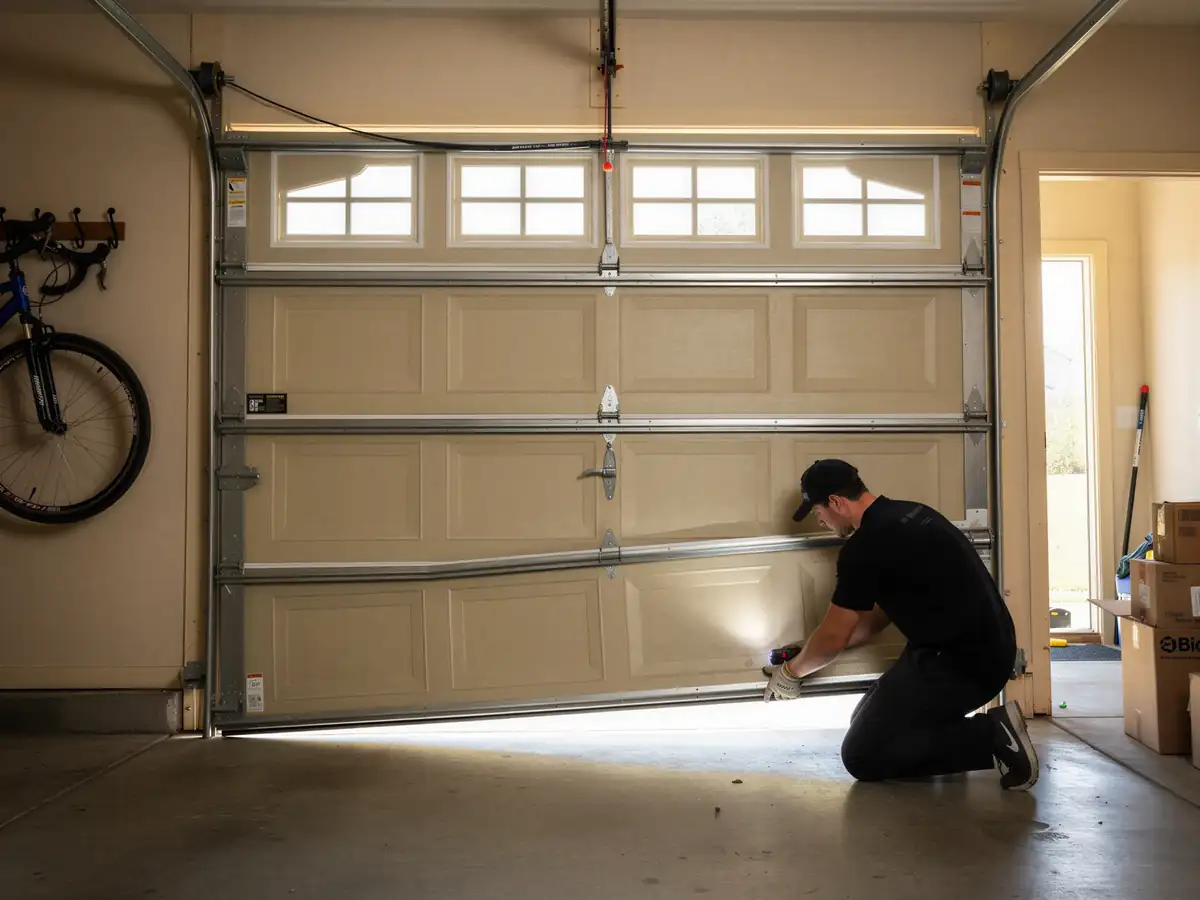
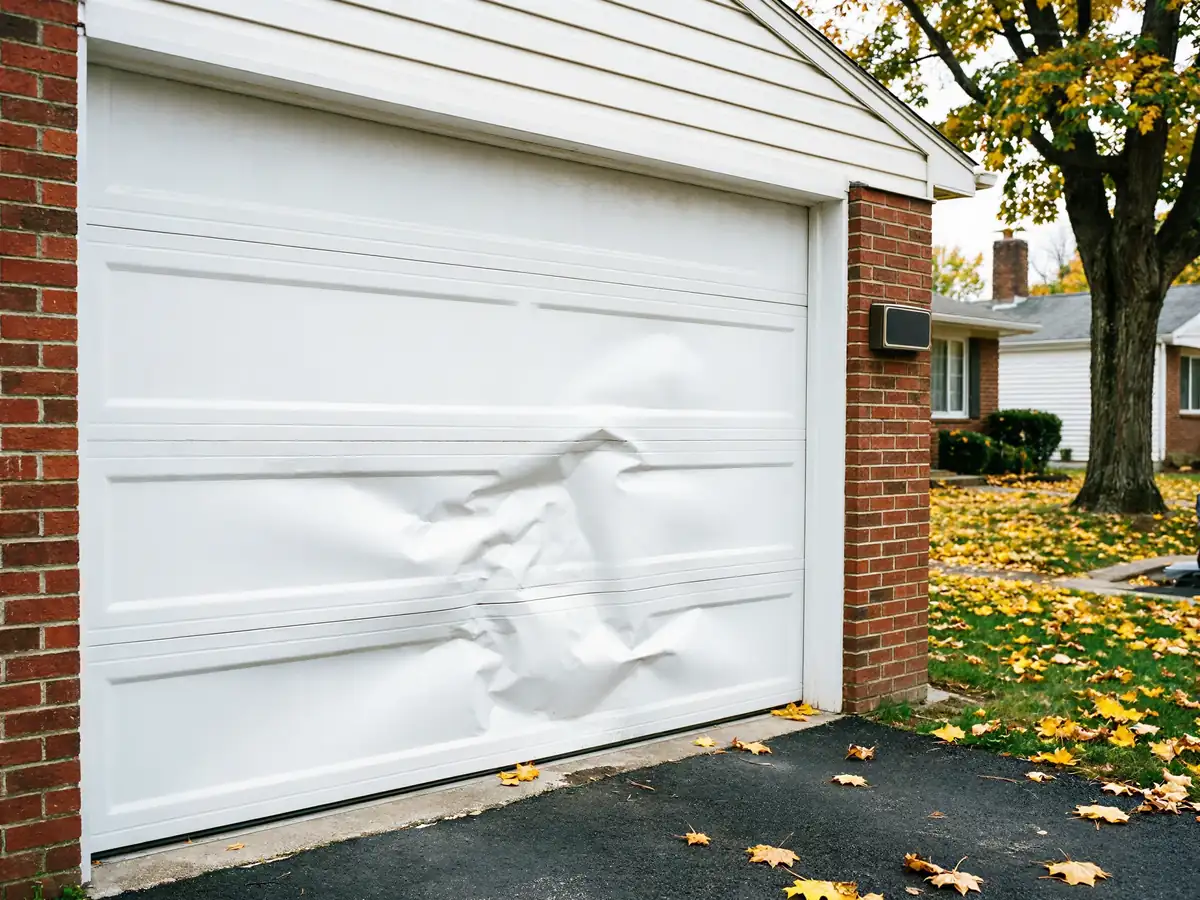
A rhythmic thump as a roller flattens, or a grinding sound when the track has drifted out of alignment from years of normal use. Cables starting to fray at the bottom bracket show up as a door that sits slightly crooked when closed, favoring one side by an inch or two.
Because the service area's winters are classed as cold and severe, cold-weather symptoms are specific
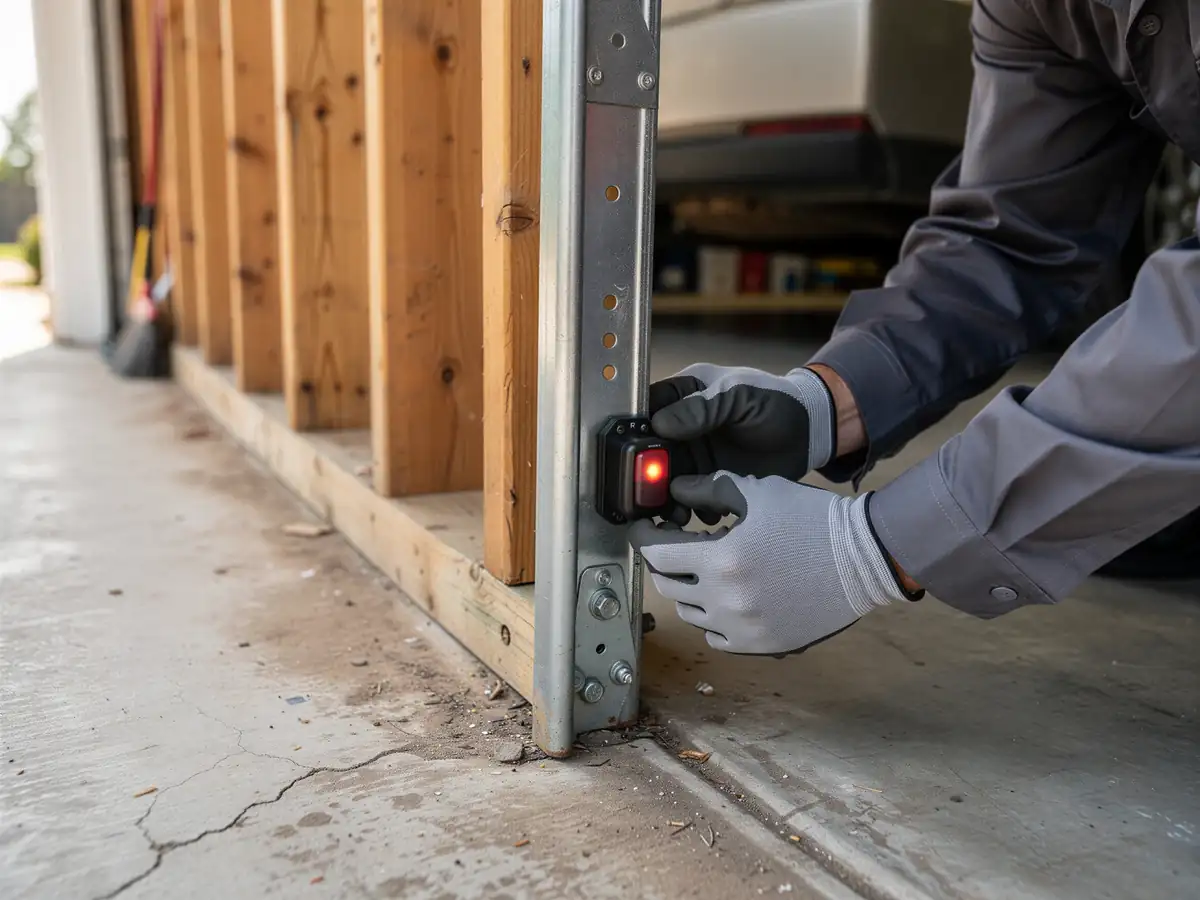
An opener that runs for the motor but the door barely moves usually means a spring that's lost tension in the cold, not a dead opener. A door that reverses on its own partway down in freezing weather is often ice or frozen condensation on the bottom seal catching the sensor beam, not a broken safety sensor. Knowing the difference before you call saves a diagnostic trip, and it's worth checking the obvious cause first.
Stocked Parts
We carry the rollers, cables, hinges, and standard torsion springs that cover most sectional doors from the 1980s through 2000s, which lines up well with the median 1996 build year typical of homes in this part of the service area. Weatherstripping and bottom seals - the parts that take the worst beating in a cold and severe climate - are stocked in the common widths.
Here's the honest limit: original circuit boards and remote receivers for openers from this exact era are not something we keep on the truck. Some of those manufacturers changed hands or discontinued boards years ago, and when a 1990s logic board fails, we may need to order a compatible replacement rather than hand you one on the spot. For a door that's otherwise sound, that's still cheaper and faster than a full opener swap - but it does mean a short wait on that specific part, not a same-visit fix.