How Local Conditions Play In
Columbus sits in a cold-severe climate band, and that matters more for a garage door than people expect. The bottom seal and the side weather seals are rubber, and rubber hardens and cracks faster when it swings through hard freezes and spring thaws every year, which is exactly our cycle here. Once that seal stiffens, it stops compressing against the slab and the track, and you get a visible gap at the corners even with the door fully down.
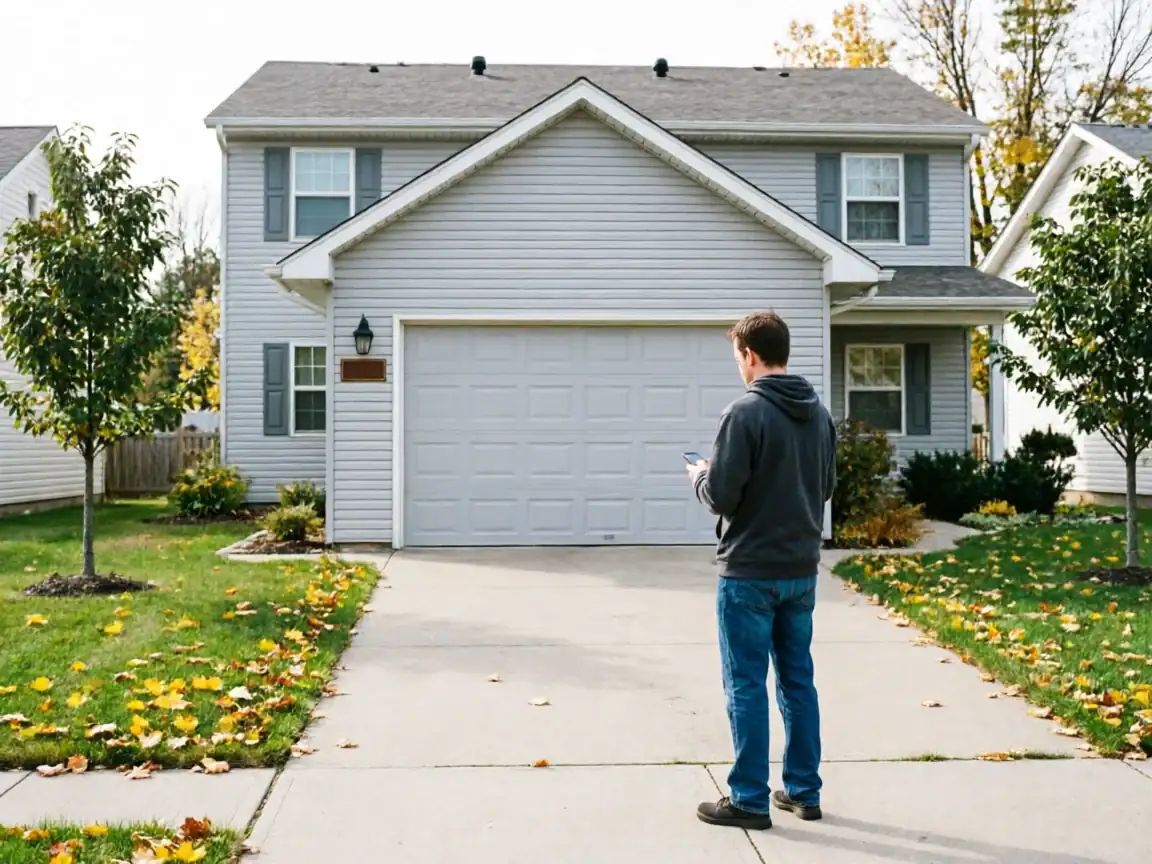
Housing in this service area was built mostly between 1938 and 2006, with the median year sitting around 1986, and across the 30 named areas we work in - the - the bulk of the stock is 1980s and 90s construction. That generation of garage was framed to builder-grade tolerances of its era, not to today's energy code, so the door opening itself is often slightly out of square compared to a newer build. A seal that looked fine when installed can end up fighting a frame that has settled over three or four decades, and that's a different problem than a seal that simply wore out.
Older homes near the sometimes still have the original jamb framing, which changes how a replacement seal needs to be cut and fitted.
What to Check
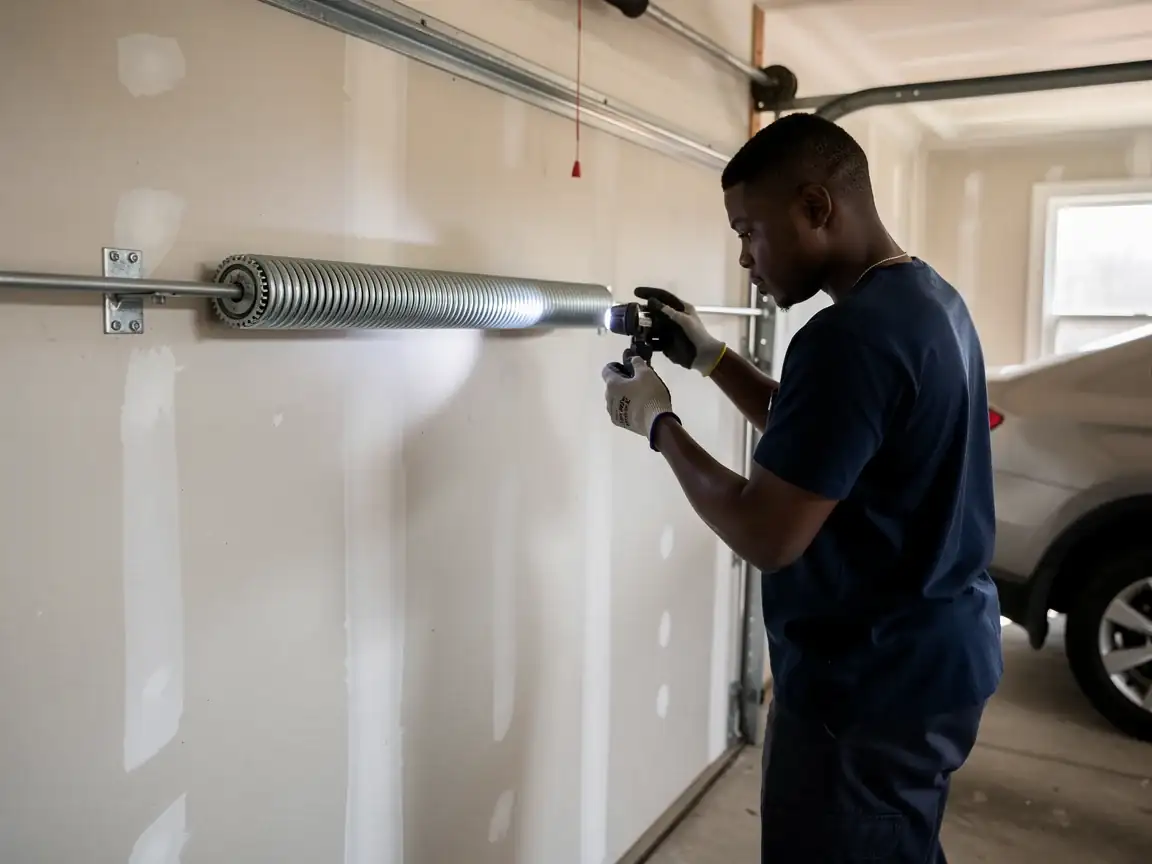
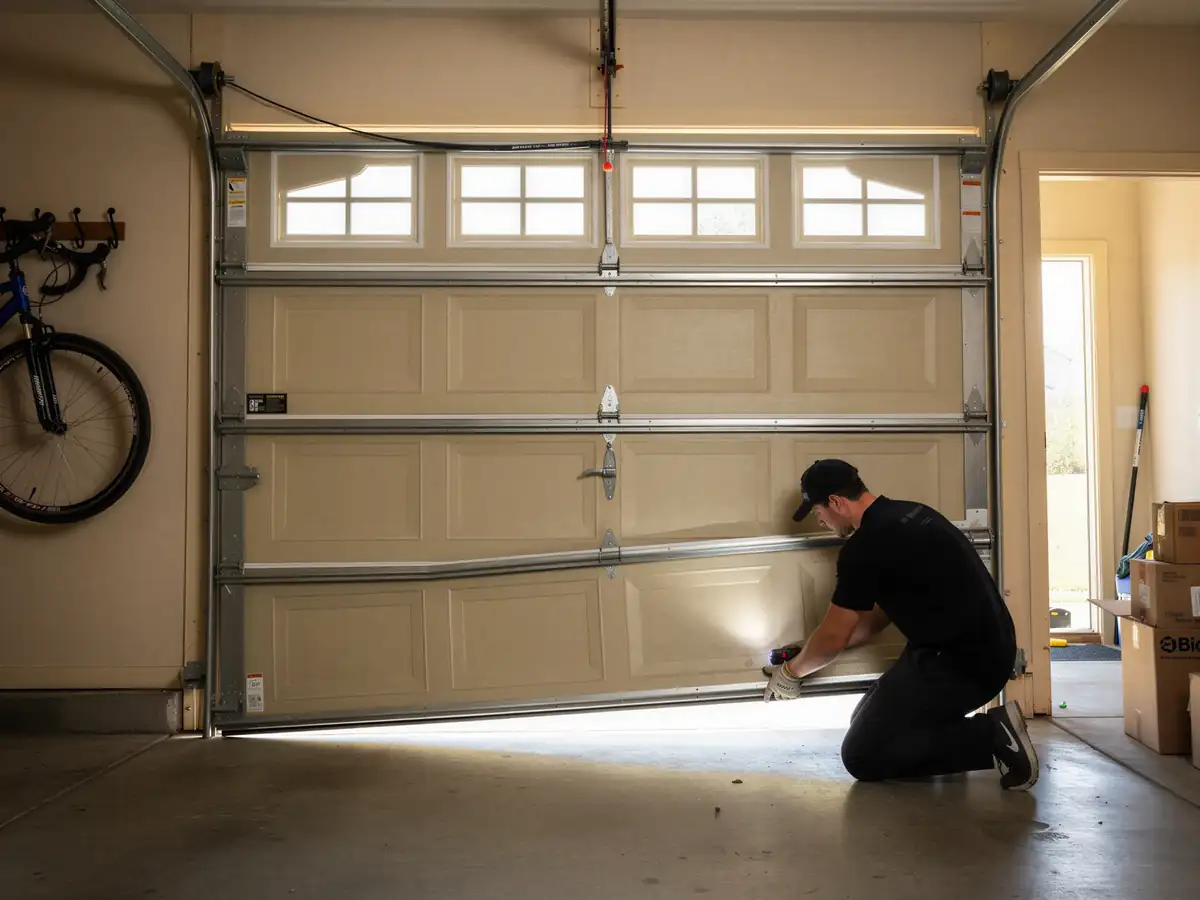
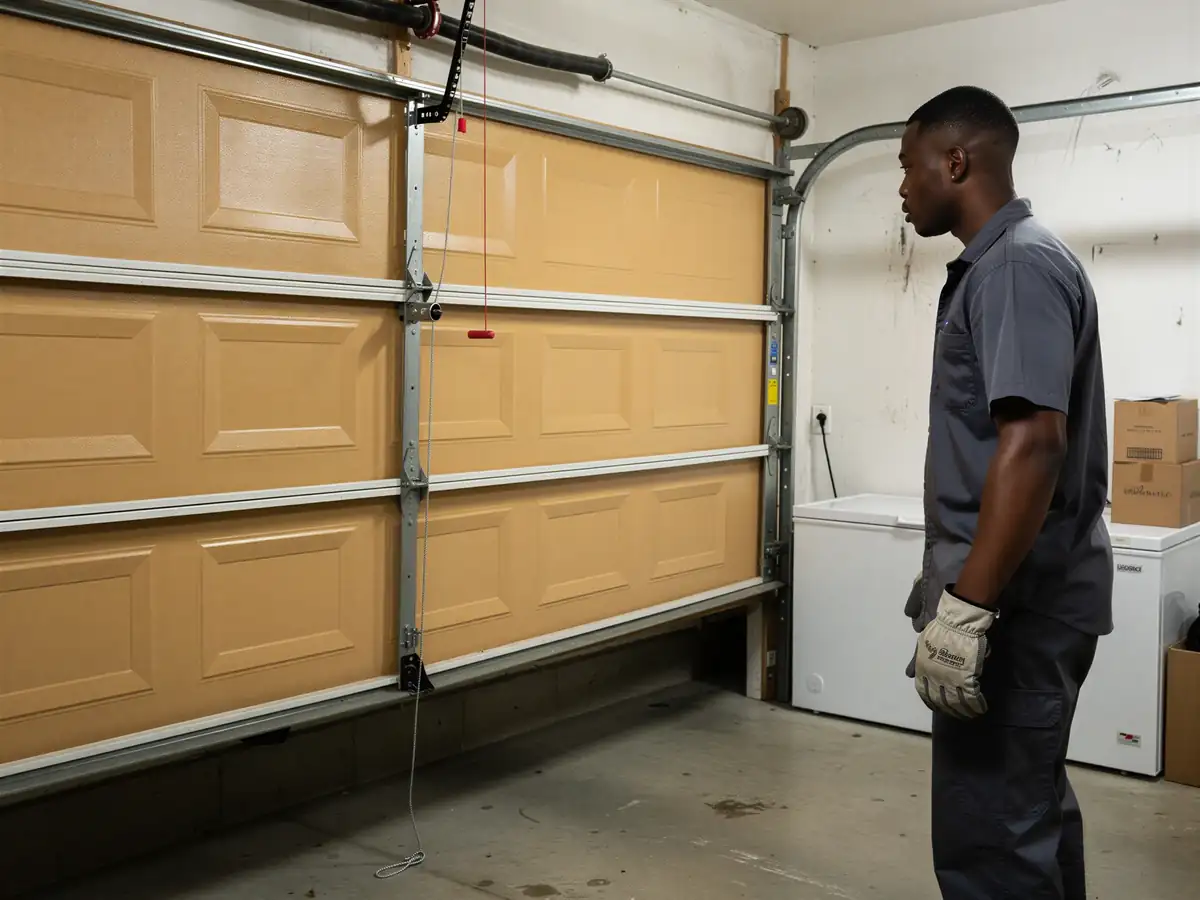
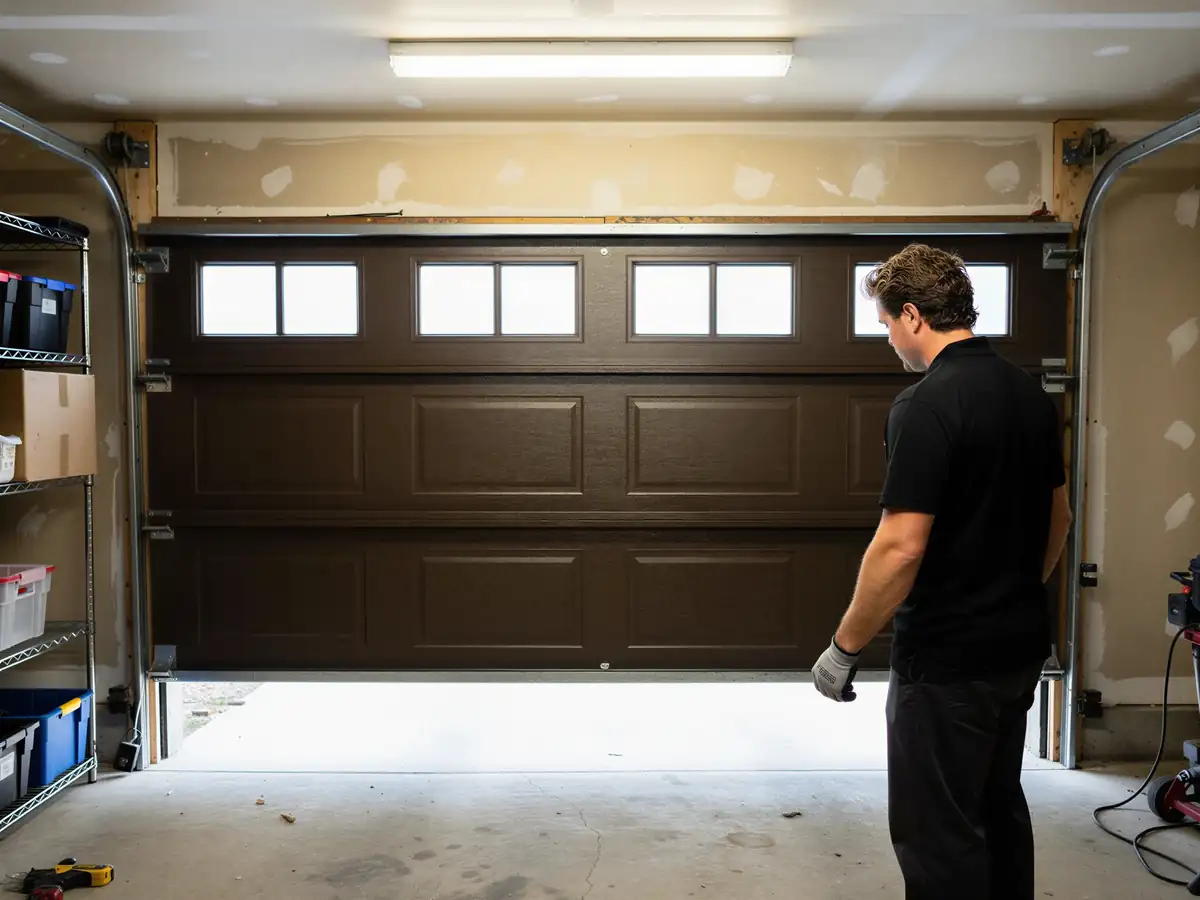
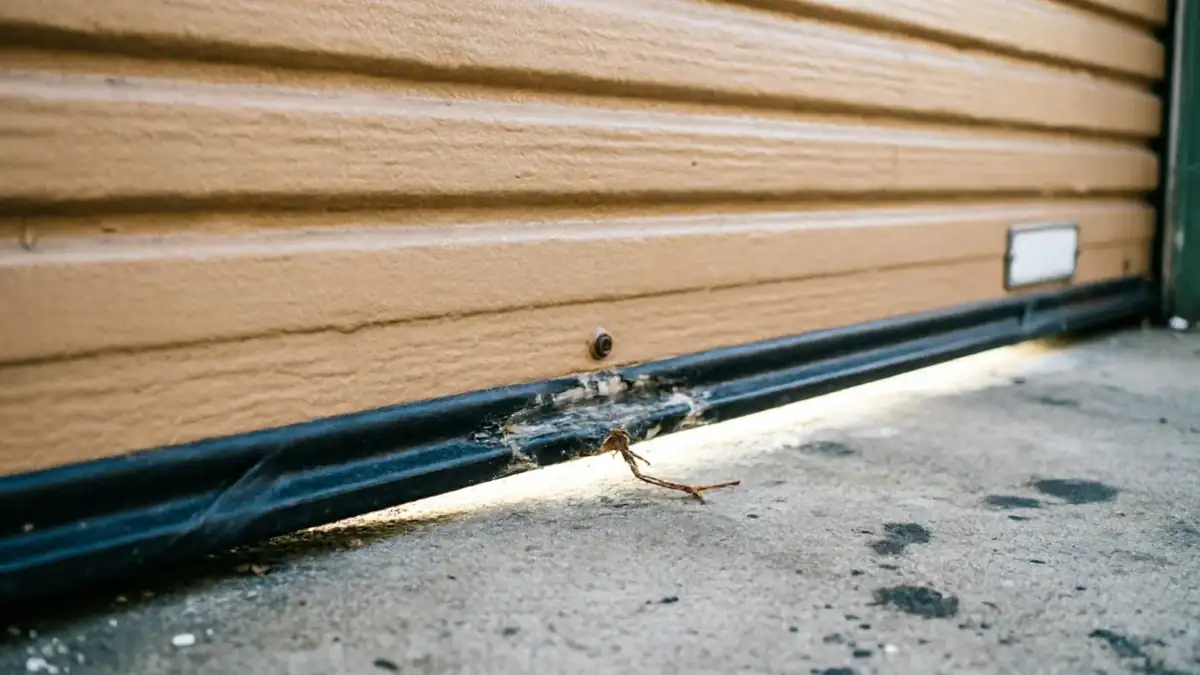
Start at the bottom seal. Push a flashlight along the floor from inside the garage with the door shut and look for daylight at the corners - that's the first place cold air gets in on a house built before the 1990s, since slab height and door-bottom clearance were rarely cut precise back then. Next, run your hand along both side seals and the top seal where the door meets the frame; if the rubber feels glassy or cracks when you bend it, it's past flexing and sealing, it's just sitting there.
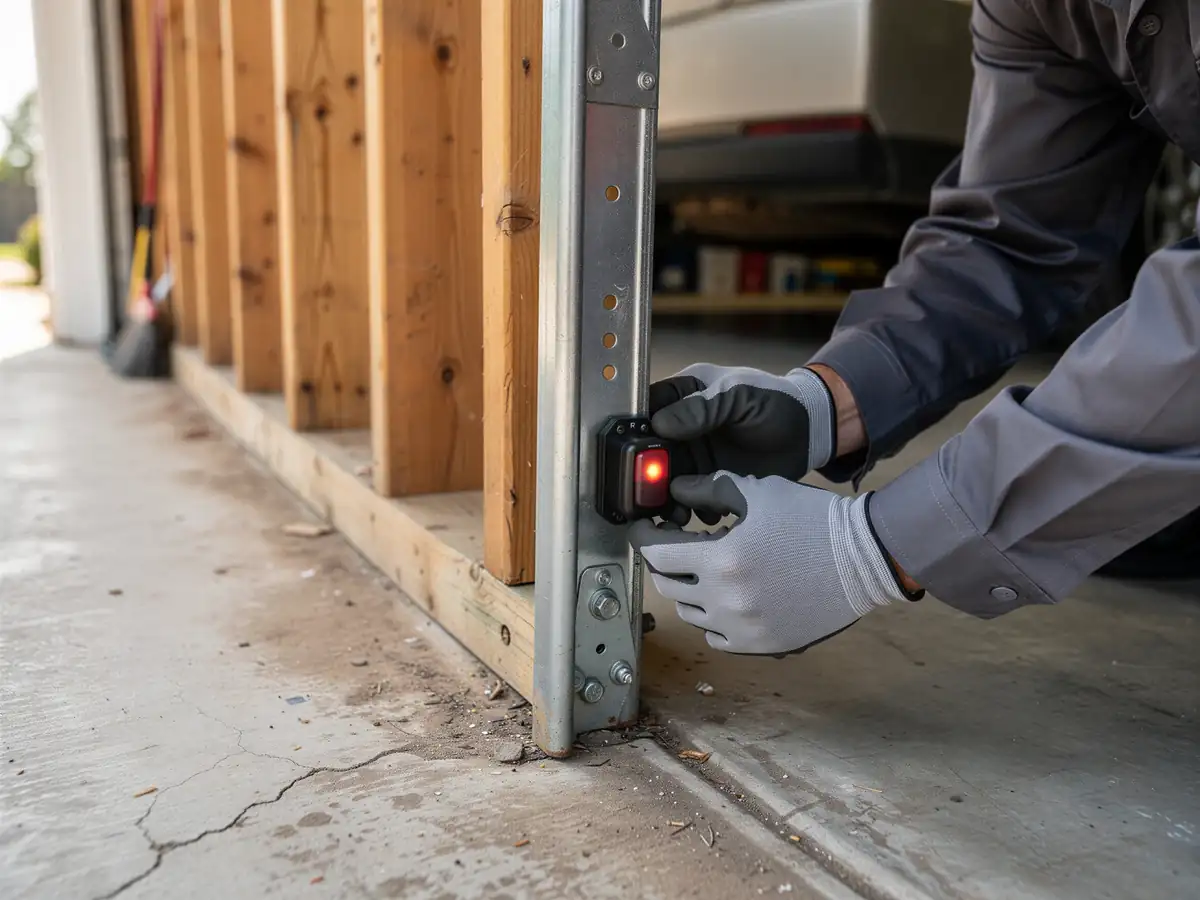
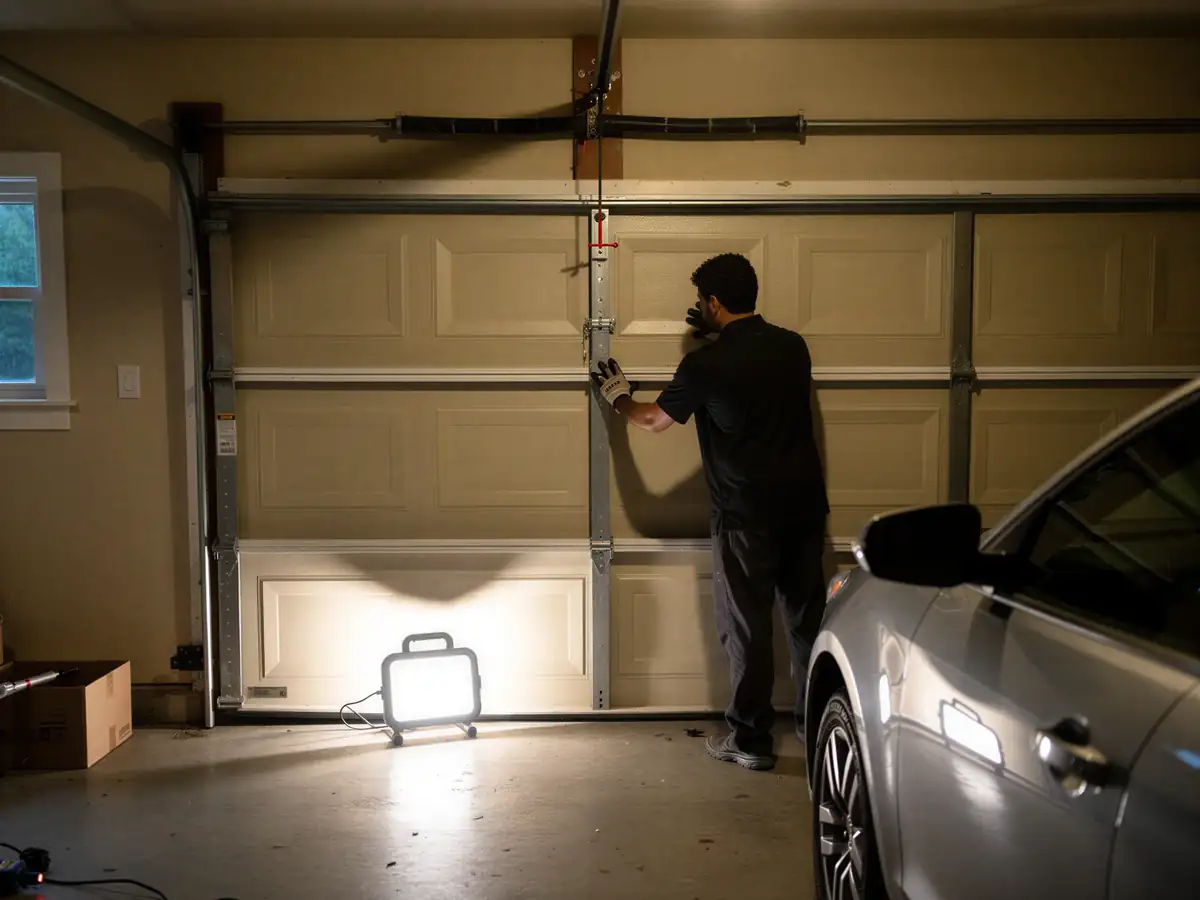
Check the astragal (the seal strip itself) for gaps where it's pulled away from its retainer - this happens more on older track systems where the retainer channel has widened slightly over the years. Also look at the weatherstripping around the framing, not just the door. On 1980s and 90s stock especially, the jamb itself can have shifted enough that no seal, however new, will close the gap without a shim or a reset of the stop molding.
If you feel cold air moving rather than just see light, that's a draft, not a cosmetic gap, and it's worth fixing before the next cold snap rather than after pipes have already felt it.
The Cost of This Job
We don't have a flat number to quote you here
Because seal replacement depends on door width, the seal type your track uses, and whether the jamb itself needs adjusting alongside the new seal - and that last part varies a lot across a housing stock spanning 1938 to 2006. What we can tell you honestly: a straight seal swap on a standard door is a small job, and reframing or shimming an out-of-square opening is a bigger one, and you won't know which you've got until someone looks at the actual gap.
With median household income in this area at $99,964
Most owners we talk to want to know whether it's worth paying for the bigger fix or just living with a draft. That's a fair question and the honest answer is: if the gap is under a quarter inch and even on all sides, a seal alone usually solves it. If the door or frame has racked with age, a seal by itself won't hold the fix for long, and you'll be back here next winter.
The Situation
Across this service area there are roughly 70,994 owner-occupied houses out of about 129,263 households total, and a meaningful share of those owners are sitting on a door and frame older than they are. That's not a criticism - it's just what a cold-severe climate does to rubber and wood over three or four decades, whether the house is in Bexley, three miles out, or out toward Westerville at ten.
The honest limitation here: we can reseal a door in an afternoon, but we can't make a badly settled frame square again without real carpentry, and that's not always worth doing just to stop a draft. Sometimes the right call is living with a strip of foam tape through one more winter rather than opening up the framing. If your door is closing tight and quiet but you're still feeling cold air, it's worth having someone look at the frame itself before spending money on a seal that won't be the fix.