How Local Conditions Play In
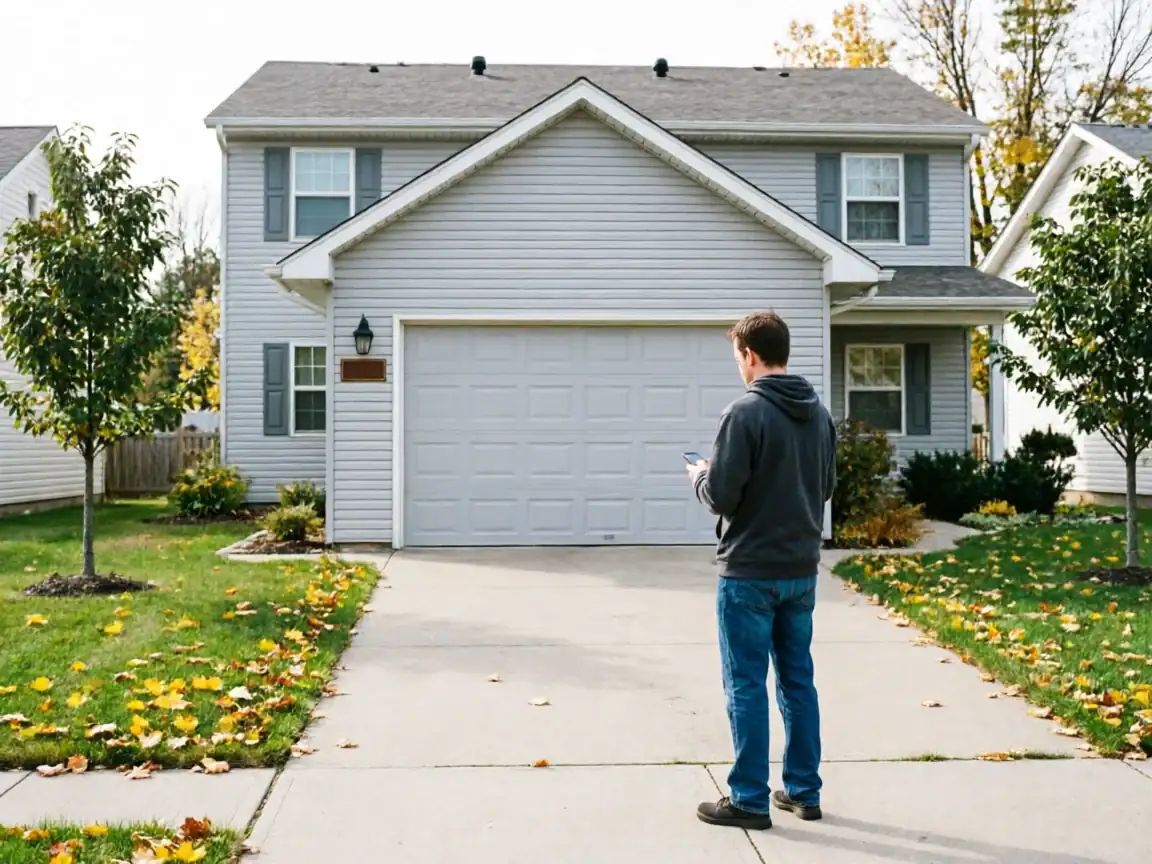
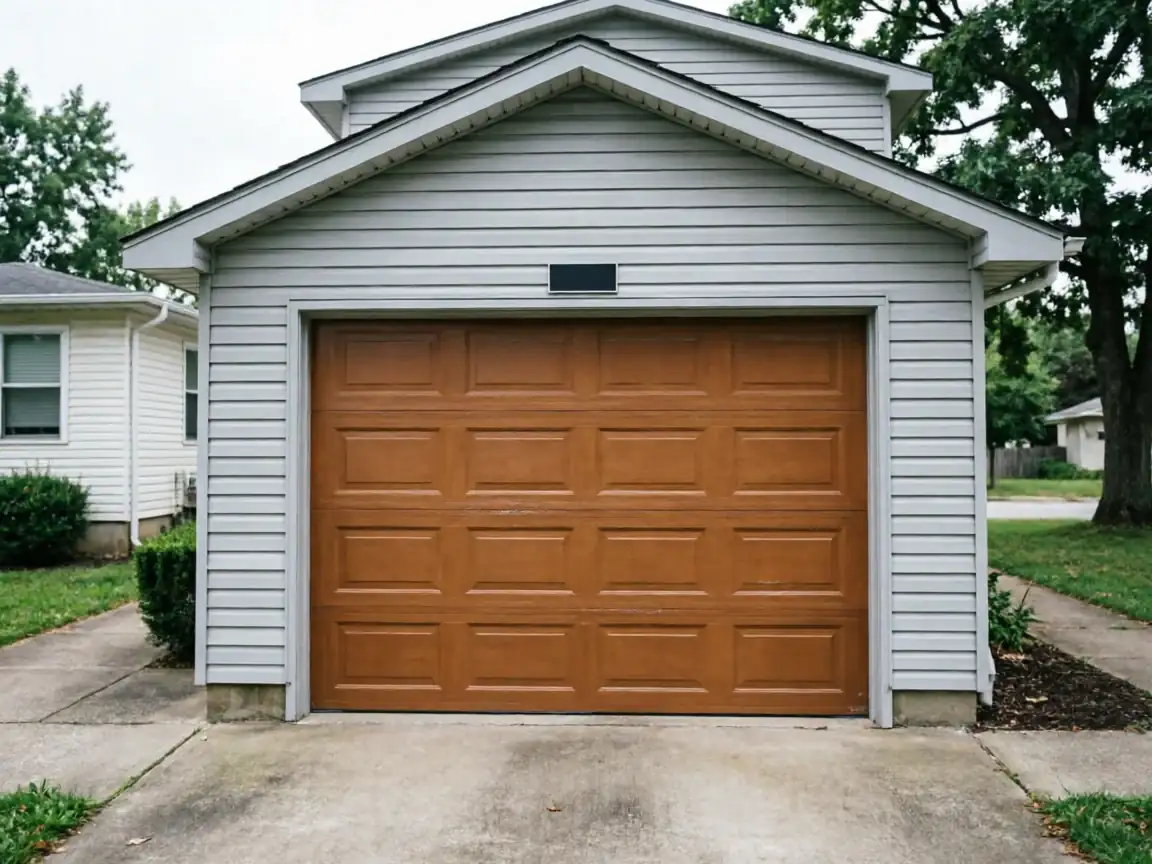
Most of the housing stock across this service area went up between 1938 and 2006, with the median home dating to 1986. That matters because insulation requirements for garage doors weren't part of standard residential building practice until well after a lot of these houses were framed. A door installed in 1986 almost never has a thermal break, foam core, or weatherstripping designed for sustained cold - it was built to the code of its decade, and that code didn't ask for it.
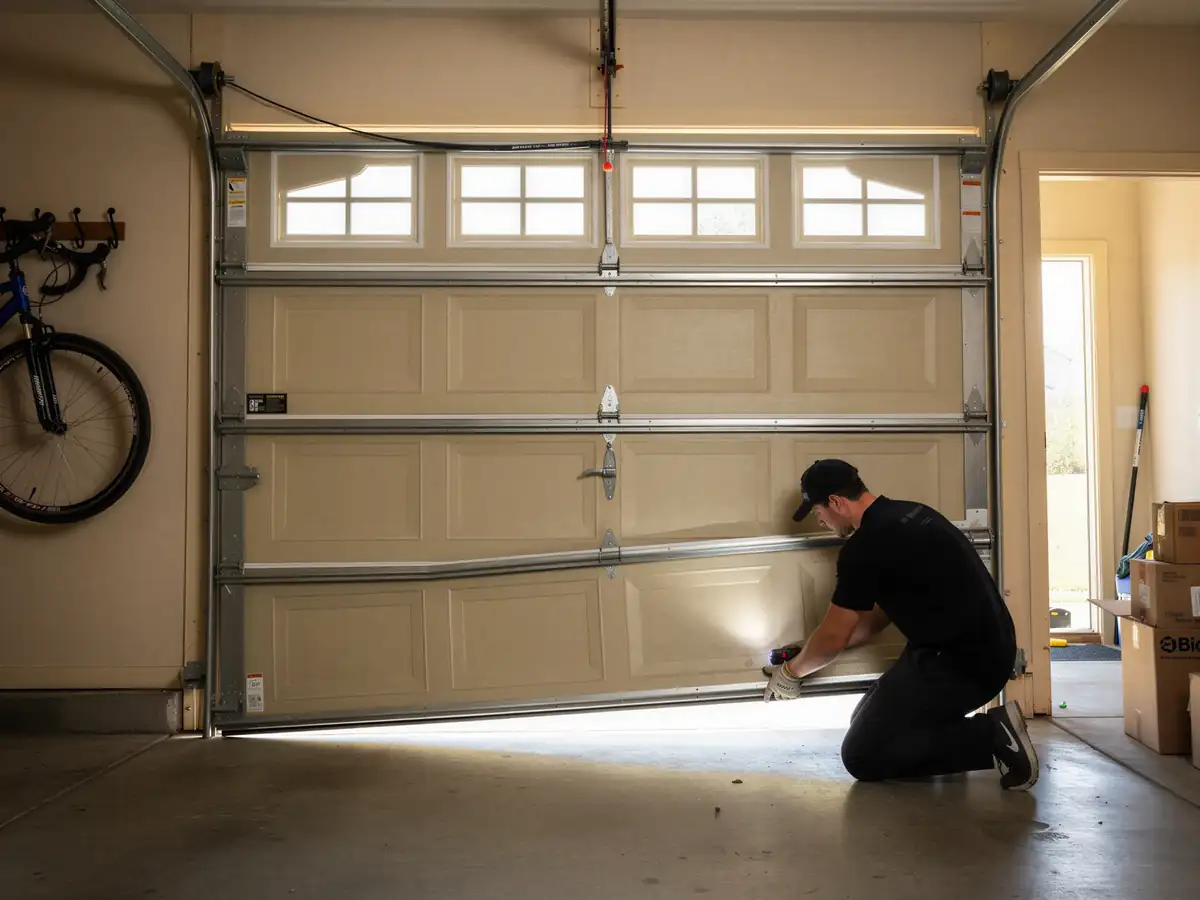
Columbus sits in a severe cold climate band, and that combination - older uninsulated doors plus hard winters - is what actually breaks things. Steel contracts in the cold. A panel that's slightly out of square in July will bind, bow, or pop a roller out of track in January, and a single-layer door flexes more than a homeowner expects when the temperature swings 40 degrees in a day. In neighborhoods like and the where the housing is concentrated in this older stock, we see the same pattern of complaints every cold stretch: stiff openers straining against frozen hardware, torsion springs that lost tension because the cold made the steel brittle, and bottom seals that cracked instead of flexed.
Newer construction near areas like New Albany or Powell, where more homes post-date 2000, doesn't show the same failure rate for the same reasons.
What to Check
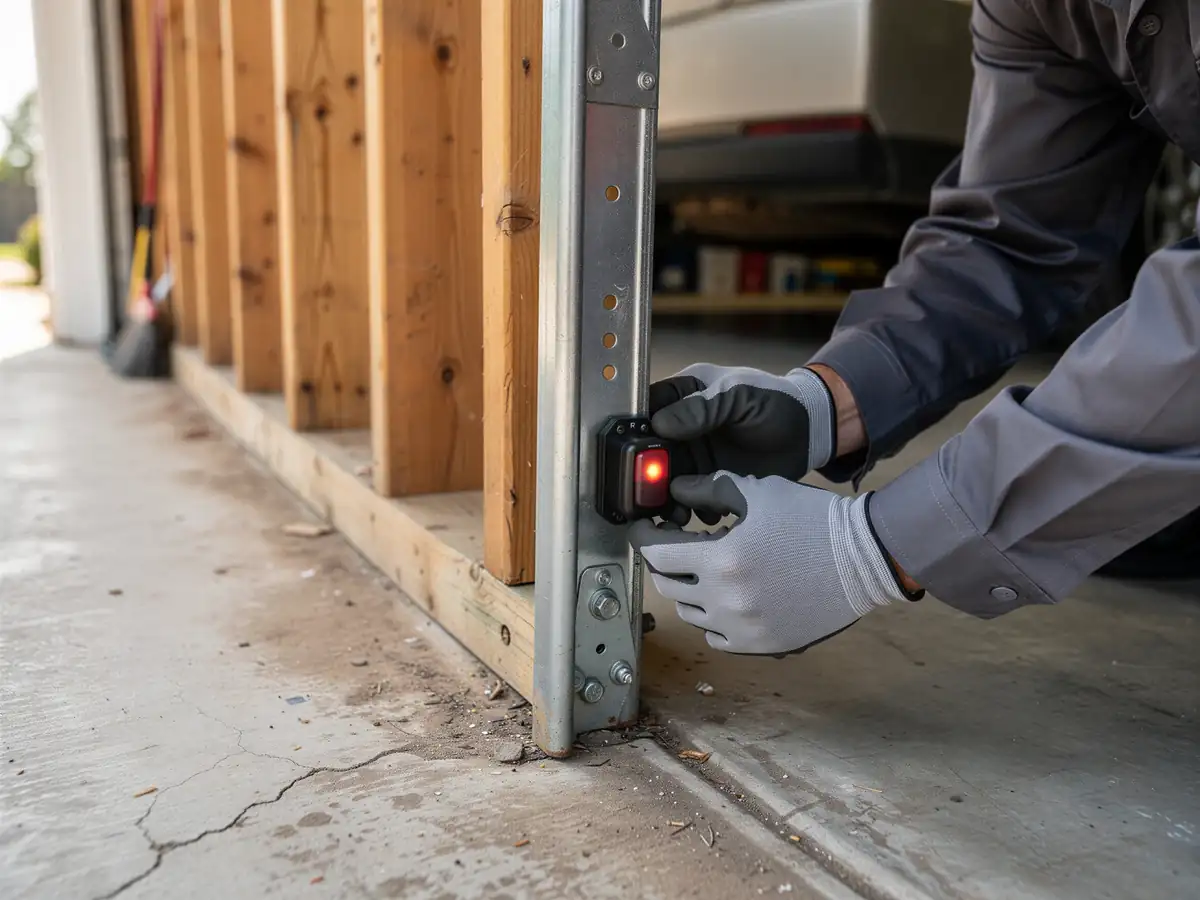
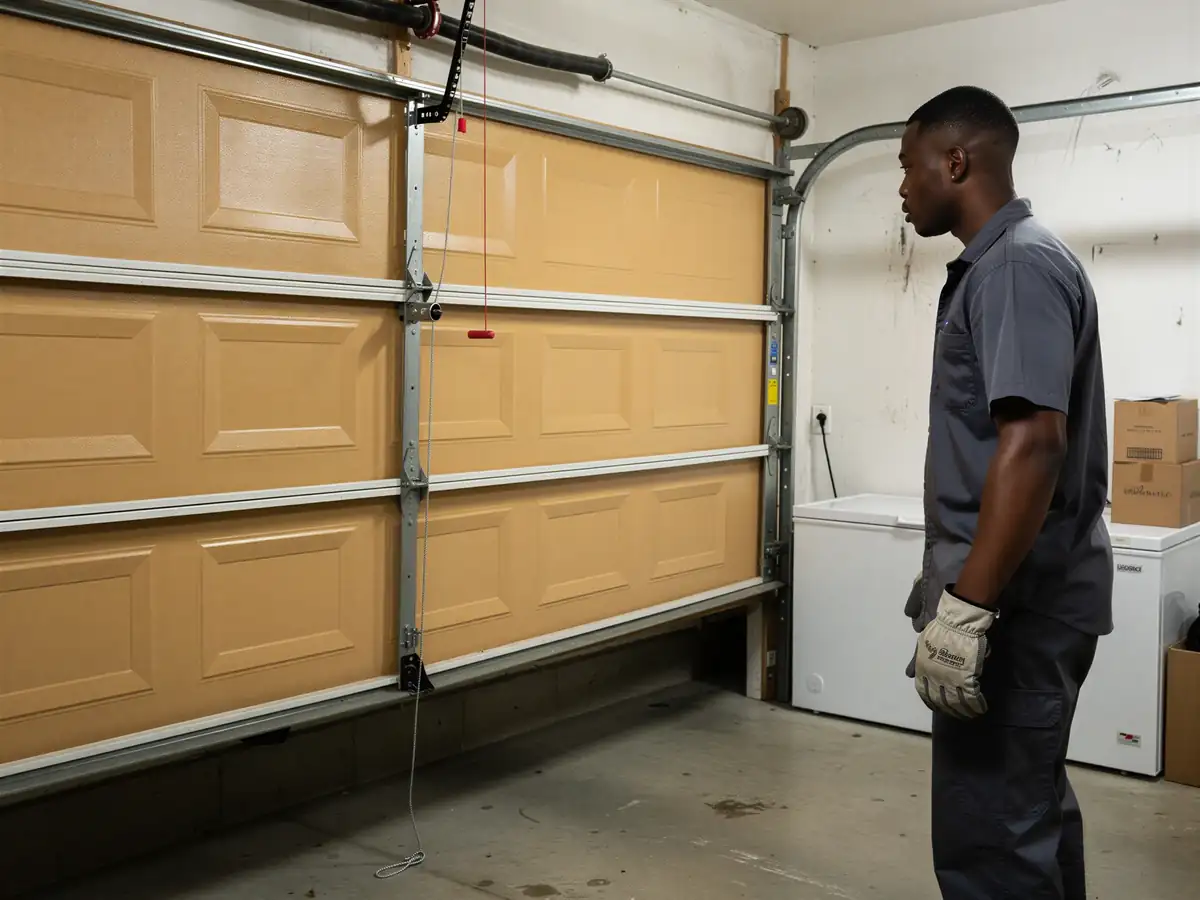
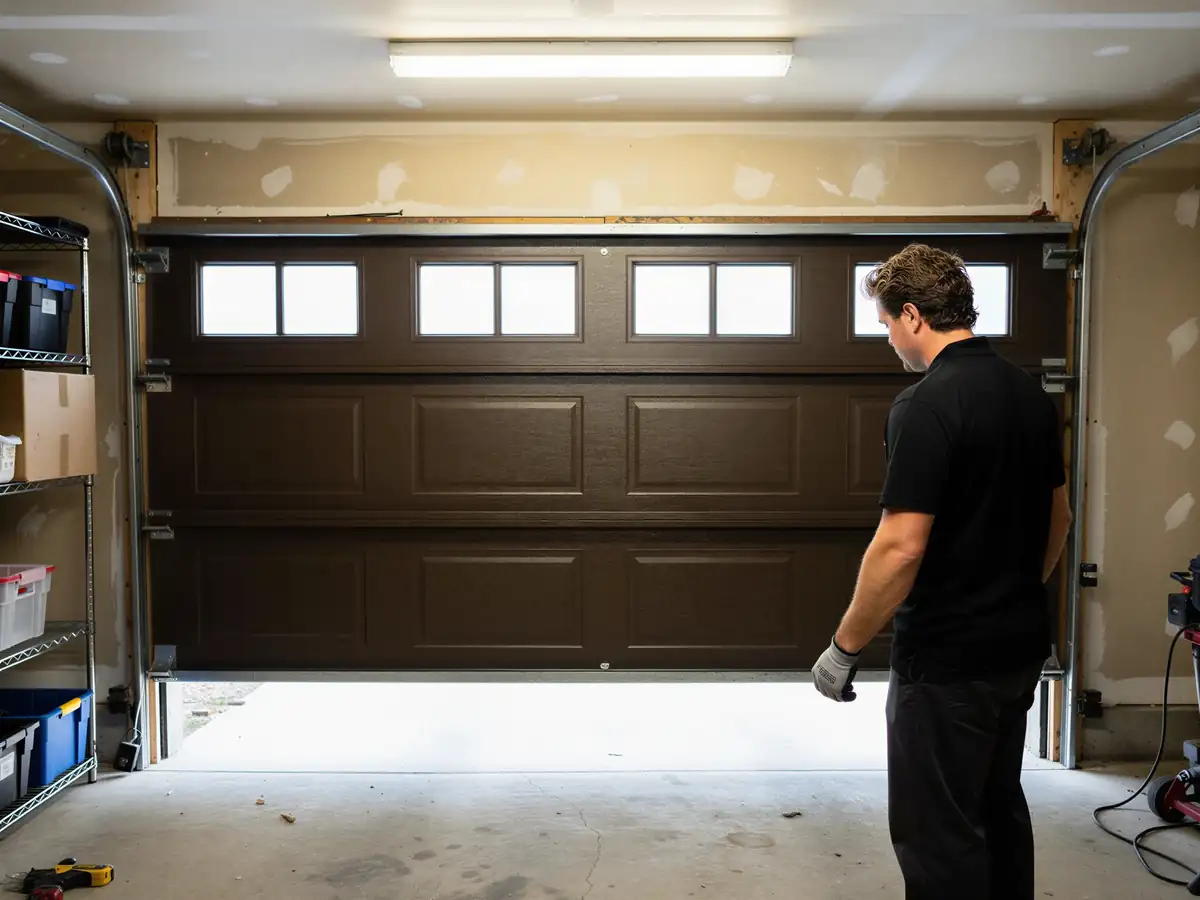
Start with the bottom seal. On a door from the 1980s or earlier, that seal is often the original rubber, and in severe cold it goes stiff and splits rather than compressing. If you can see daylight at the corners when the door is down, that seal isn't doing its job anymore.
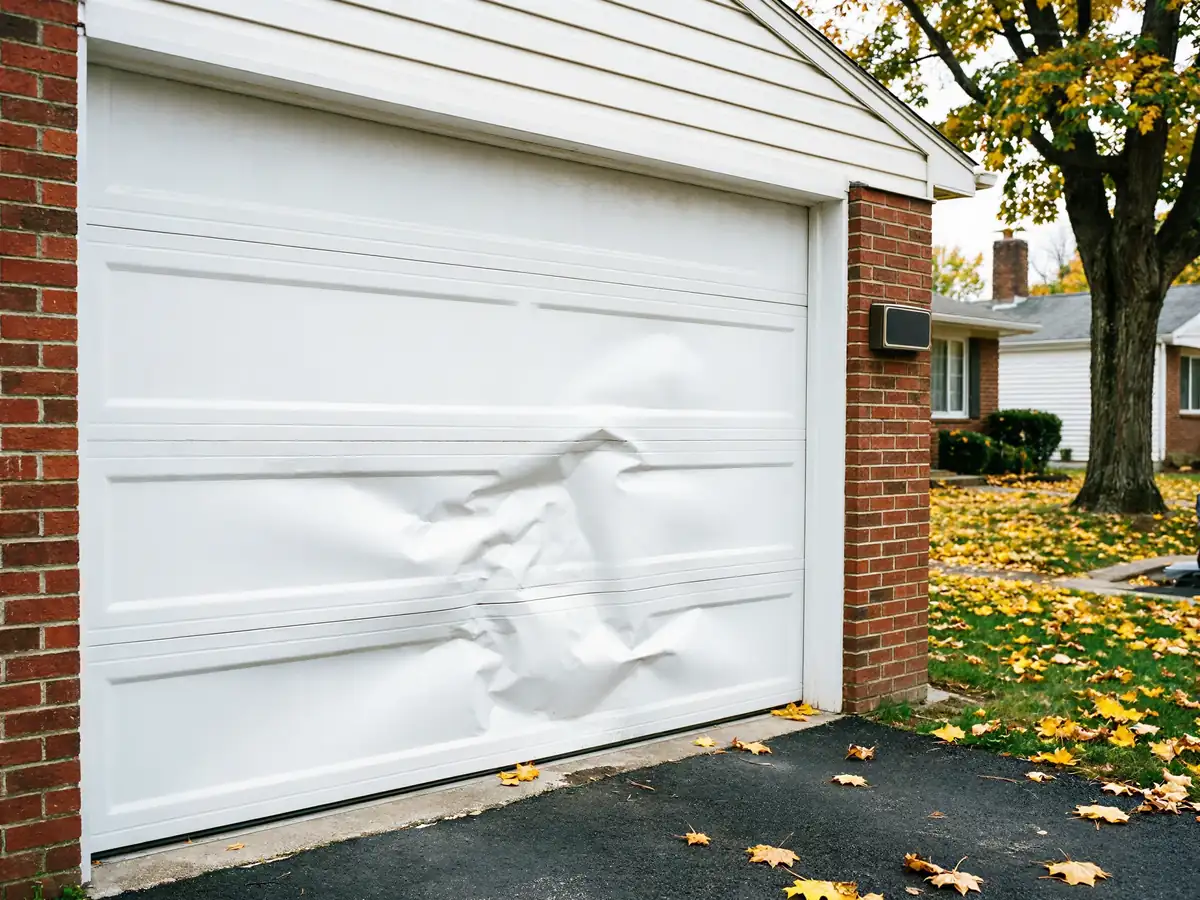
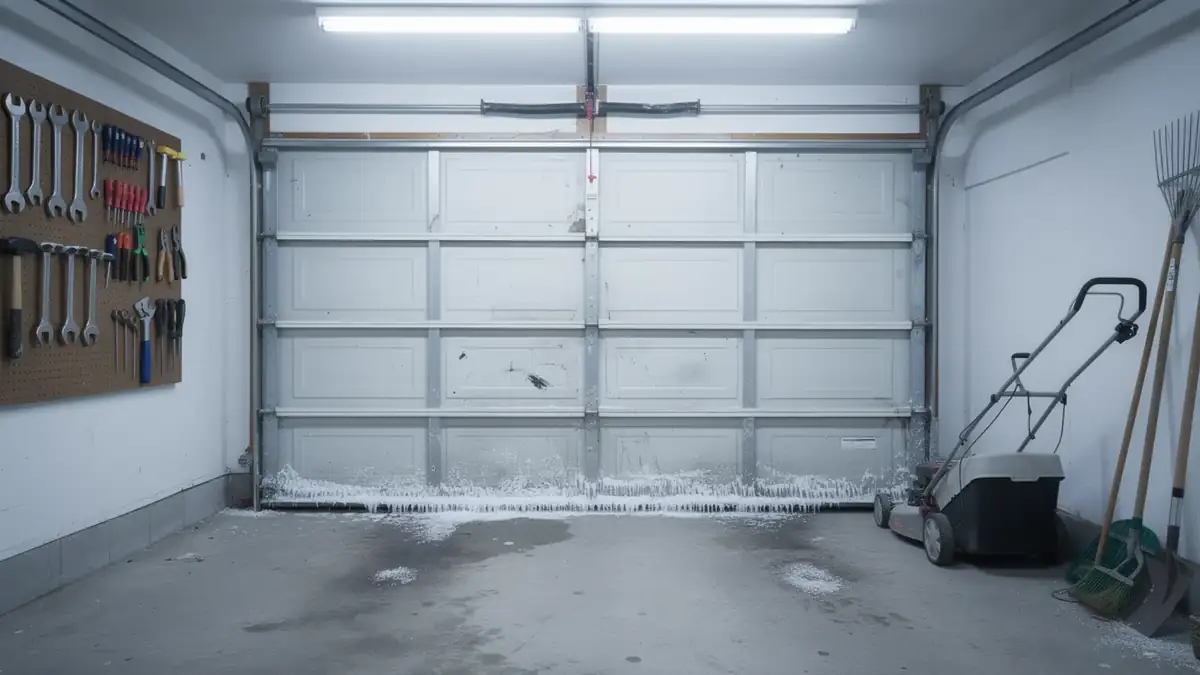
Next, look at the panels themselves. A single-layer steel door with no polystyrene or polyurethane core will show frost or condensation on the inside face during a cold snap - that's the door telling you it has zero R-value. Double-layer and triple-layer doors with foam fill won't do that.
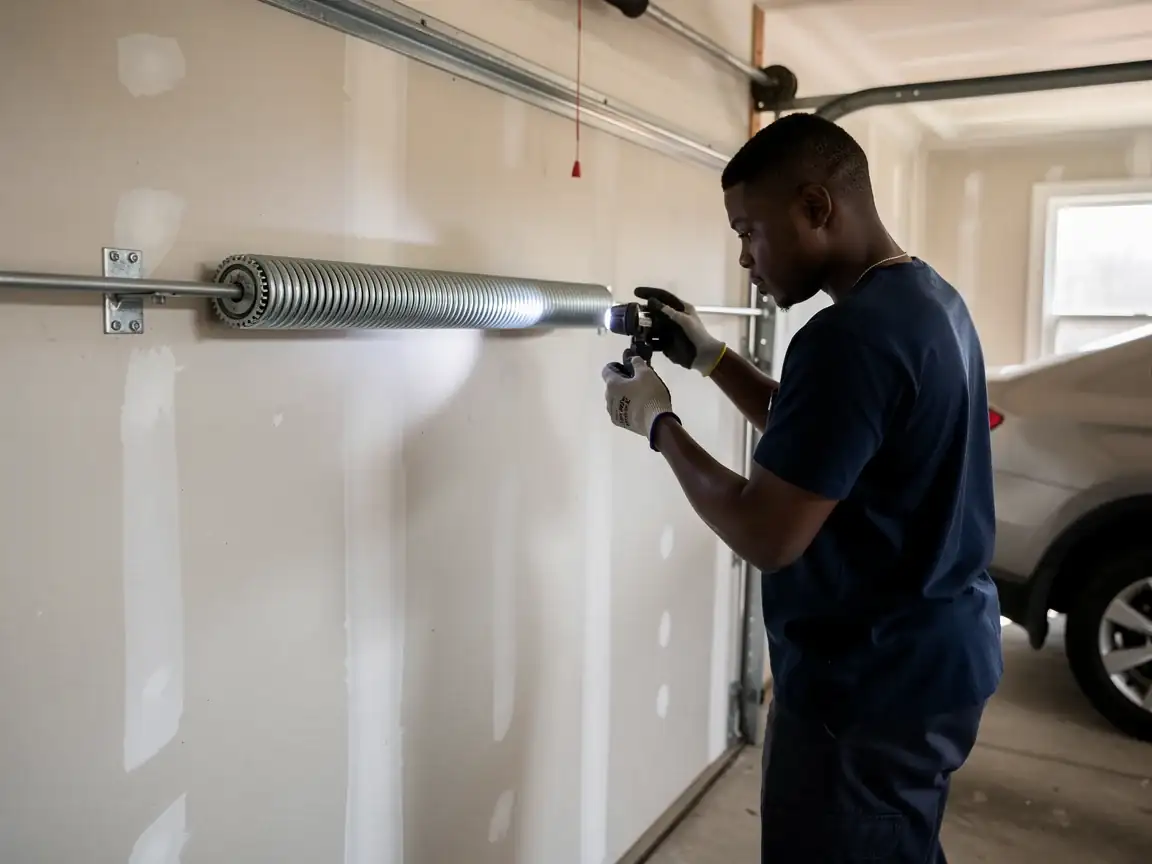
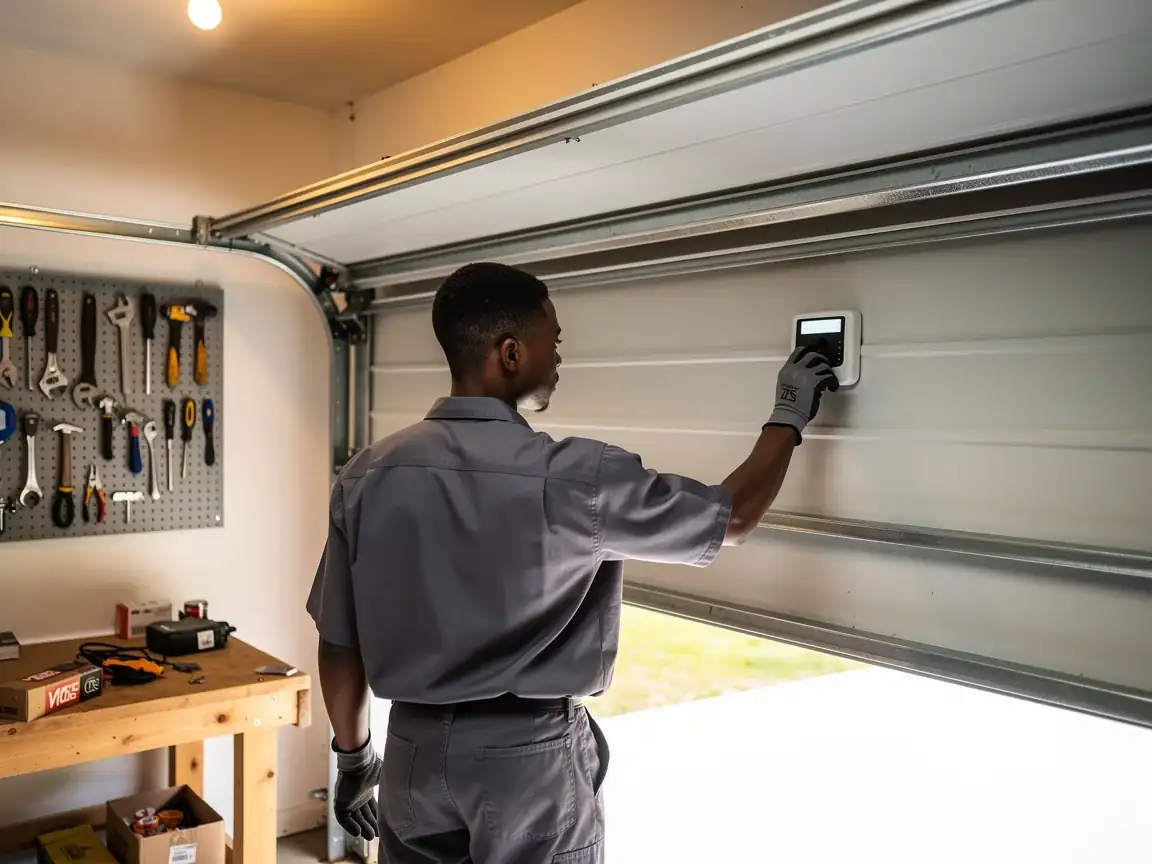
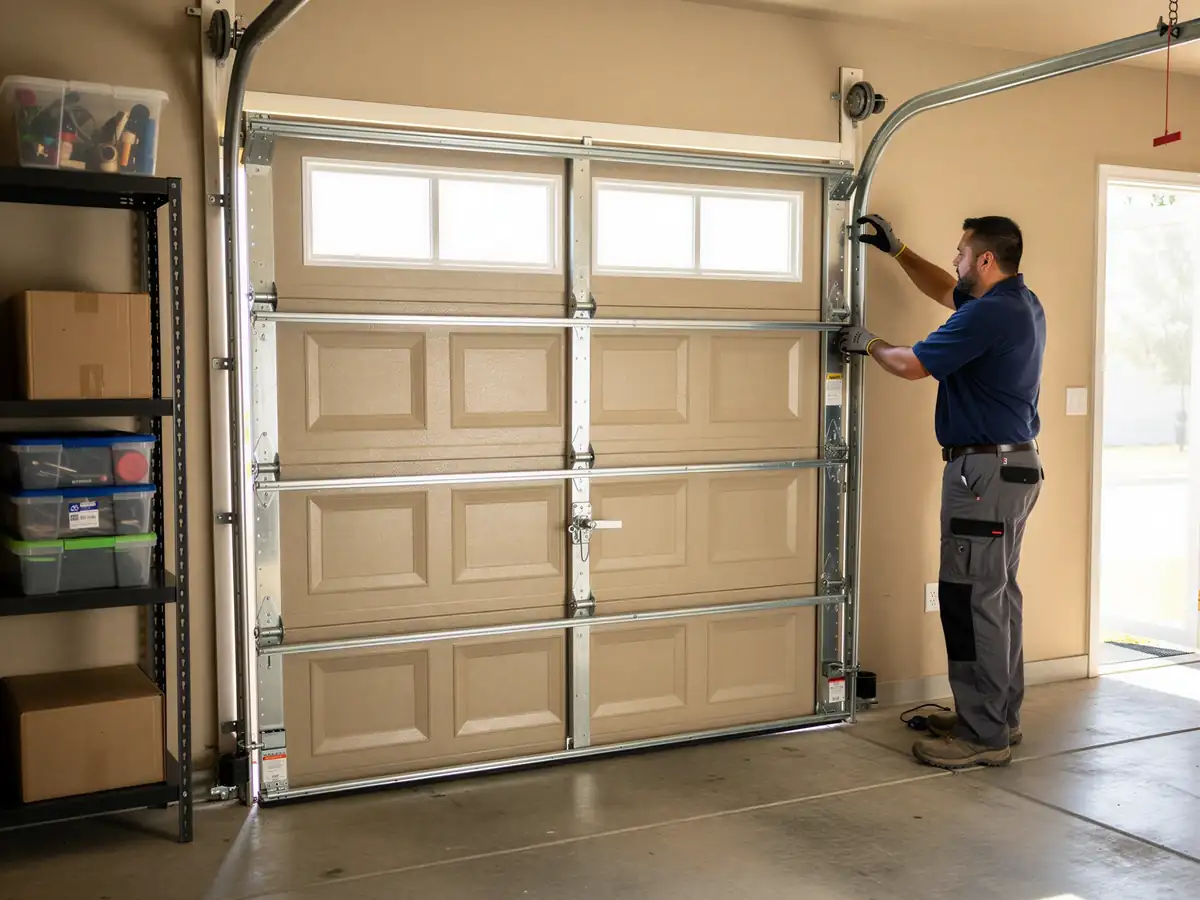
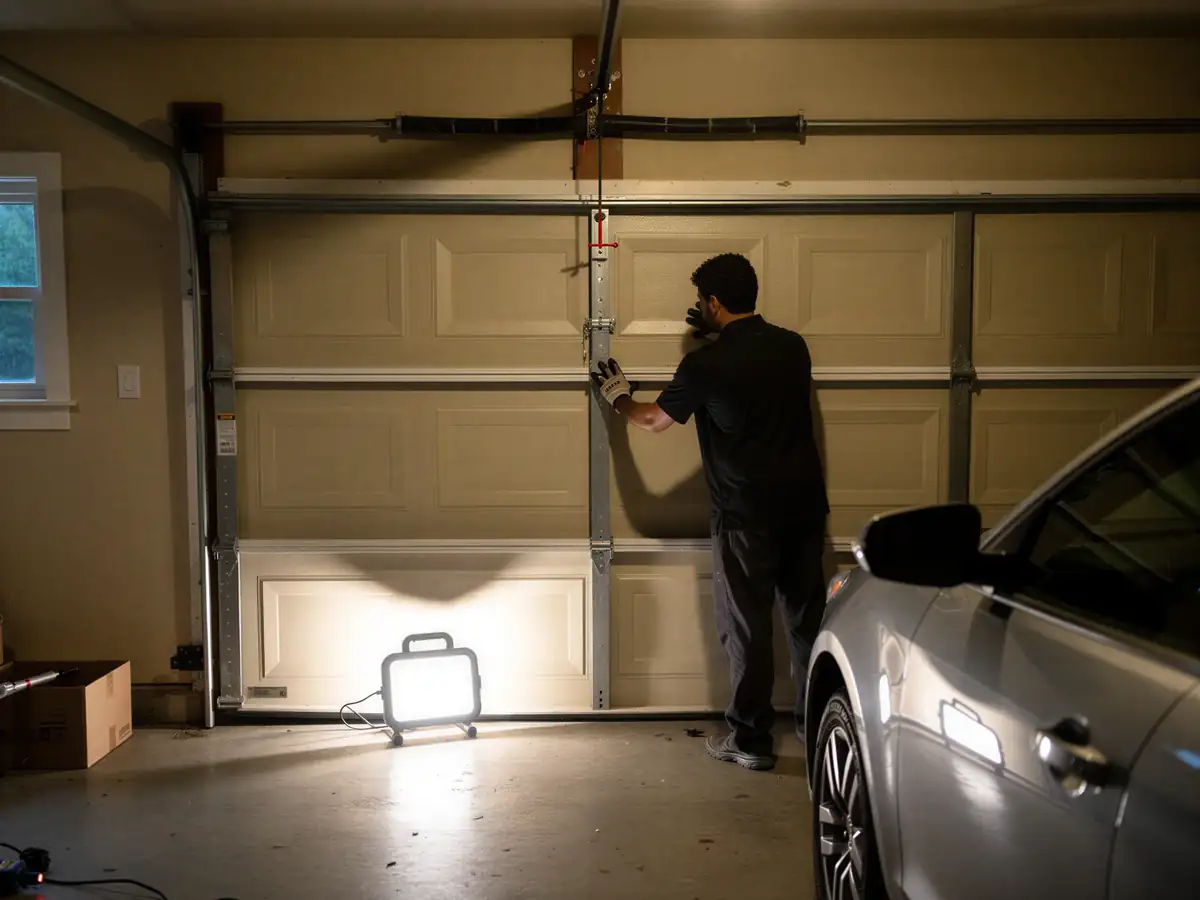
Check the torsion spring for visible gaps between coils or a spring that looks like it's sagging unevenly - cold makes old spring steel more likely to snap rather than just lose tension gradually. And run the opener by hand (disconnect it first) to feel for stiffness in the track. Builder-grade rollers from this era are often nylon without bearings, and cold makes that plastic brittle enough to crack at the edges.
One limitation worth saying plainly: not every symptom in cold weather means something is broken. A door that moves a little slower in January than July, with no grinding or binding, is just steel reacting to temperature. That's normal and doesn't need a service call.
The Cost of This Job
We can't give you a number here without a look at the door
A worn seal is a different job than a cracked panel or a spring that's lost half its coils - but the factors that drive cost on a house this age are consistent. If the door predates insulated steel construction, replacing just the seal or rollers is usually the cheaper fix and often solves the cold-weather symptoms without touching the door itself.
Where it gets more expensive is when the door itself has no insulation and the household wants that fixed
Not just patched. Swapping a single-layer panel door for an insulated one is a bigger job than a repair, and on an older house the track and header may need adjustment to fit modern hardware specs, since framing tolerances from the 1960s through 1980s weren't standardized the way they are now.
Median household income across this service area runs close to $99,964
And with roughly 70,994 owner-occupied houses in the mix, we see a wide range of what homeowners choose to spend - some want the cheapest fix that gets through winter, others want the door replaced once and done. Both are reasonable calls. What we'd steer you away from is spending repair money twice on a door that's already at the end of its service life; if the panels are rusted through at the bottom or the springs are original from a 1980s install, a repair quote and a replacement quote are both worth getting before you commit.
- 70,994 owner-occupied
The Situation
Across the roughly 129,263 households in this area, the garage door stock skews toward homes built in the 1980s and 90s, which is also when attached garages became standard rather than an add-on. That means a lot of doors in neighborhoods share the same era of hardware - torsion springs rated for a lighter standard than today's doors, openers without cold-start load sensing, and little to no insulation in the panel itself.
The practical upshot: winter is when these doors show their age. A door that's worked fine for fifteen summers can jam, bind, or snap a spring the first week it drops below freezing, simply because the steel and the lubricant and the old rubber seal are all reacting to cold they weren't built to handle well.
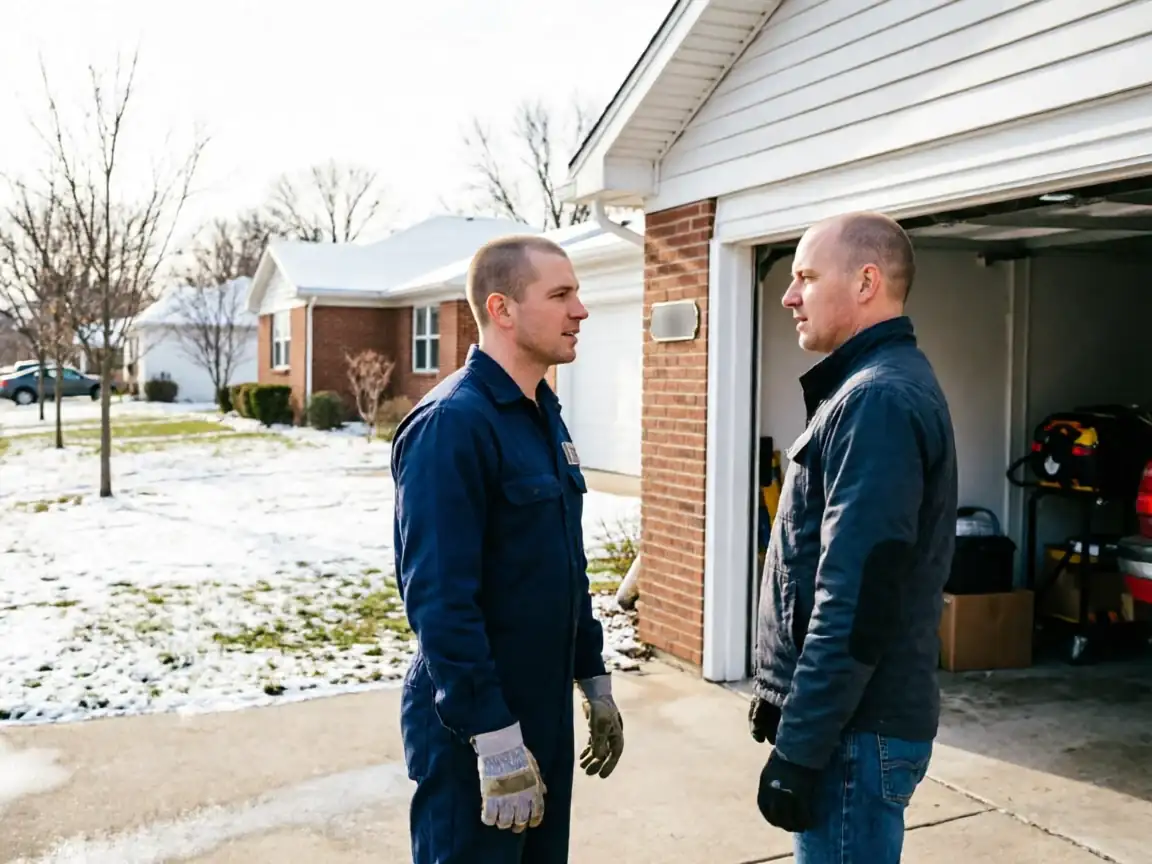
We're not going to tell you every older door needs replacing - plenty just need a seal, a lube job, and a spring check before the cold sets. But if your house falls in that 1938-2006 build window and the door has never been serviced, the smart move is getting it looked at before the first hard freeze, not after it fails on a Sunday morning with the car stuck inside.