How Local Conditions Play In
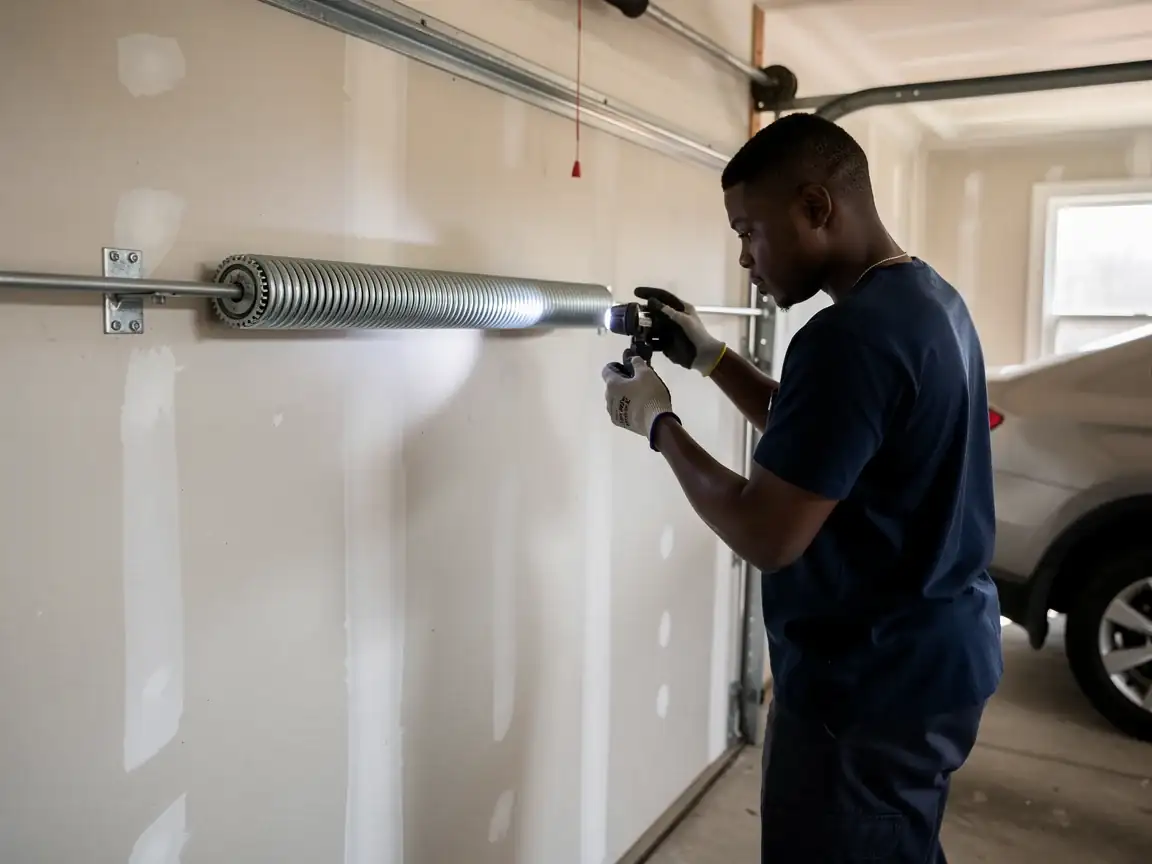
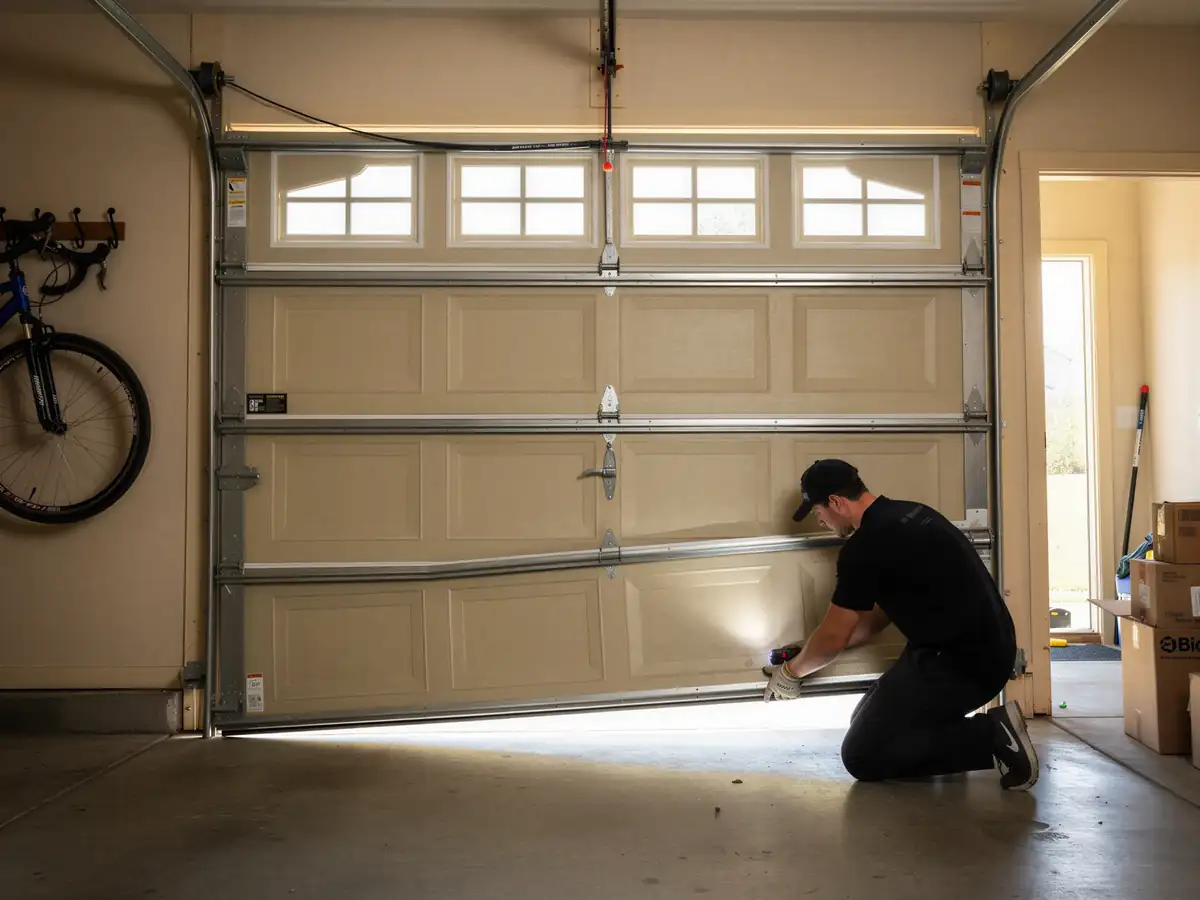
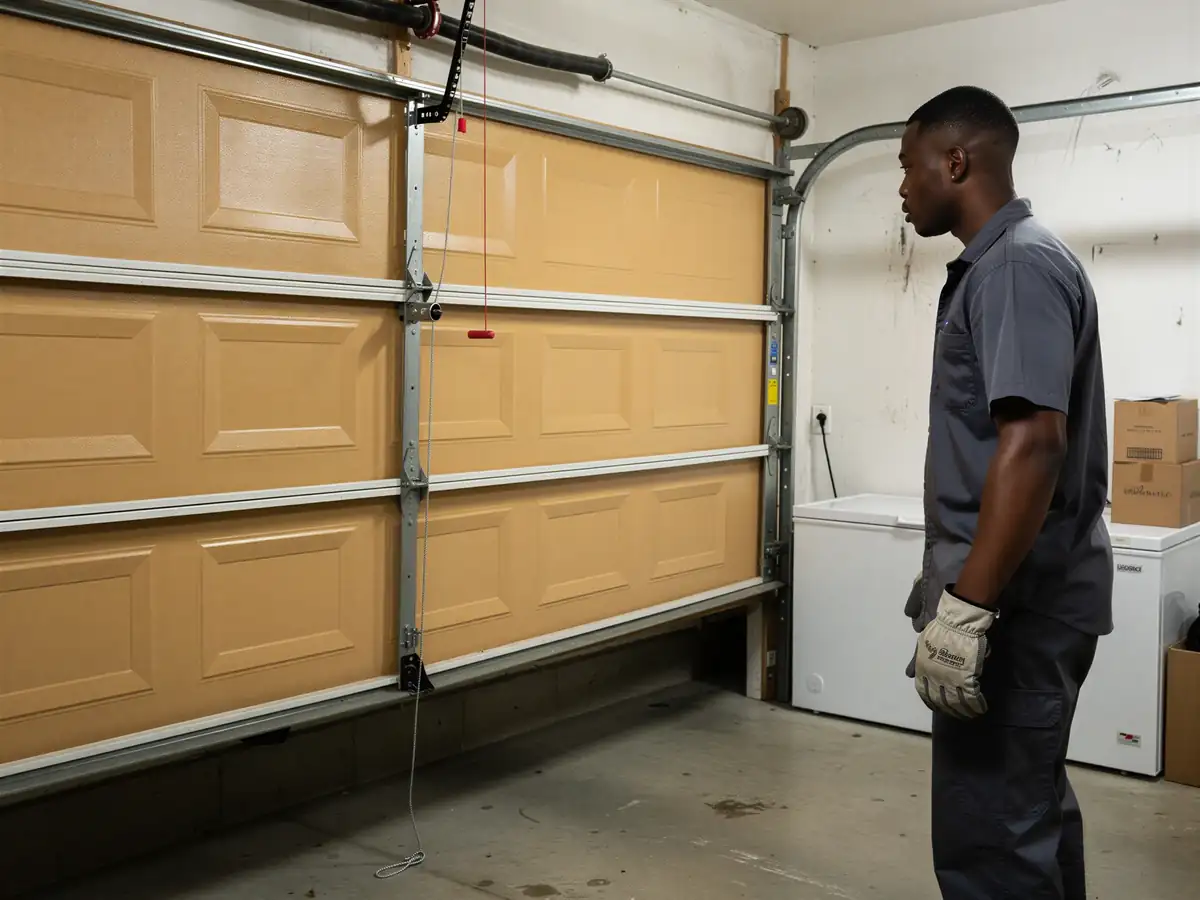
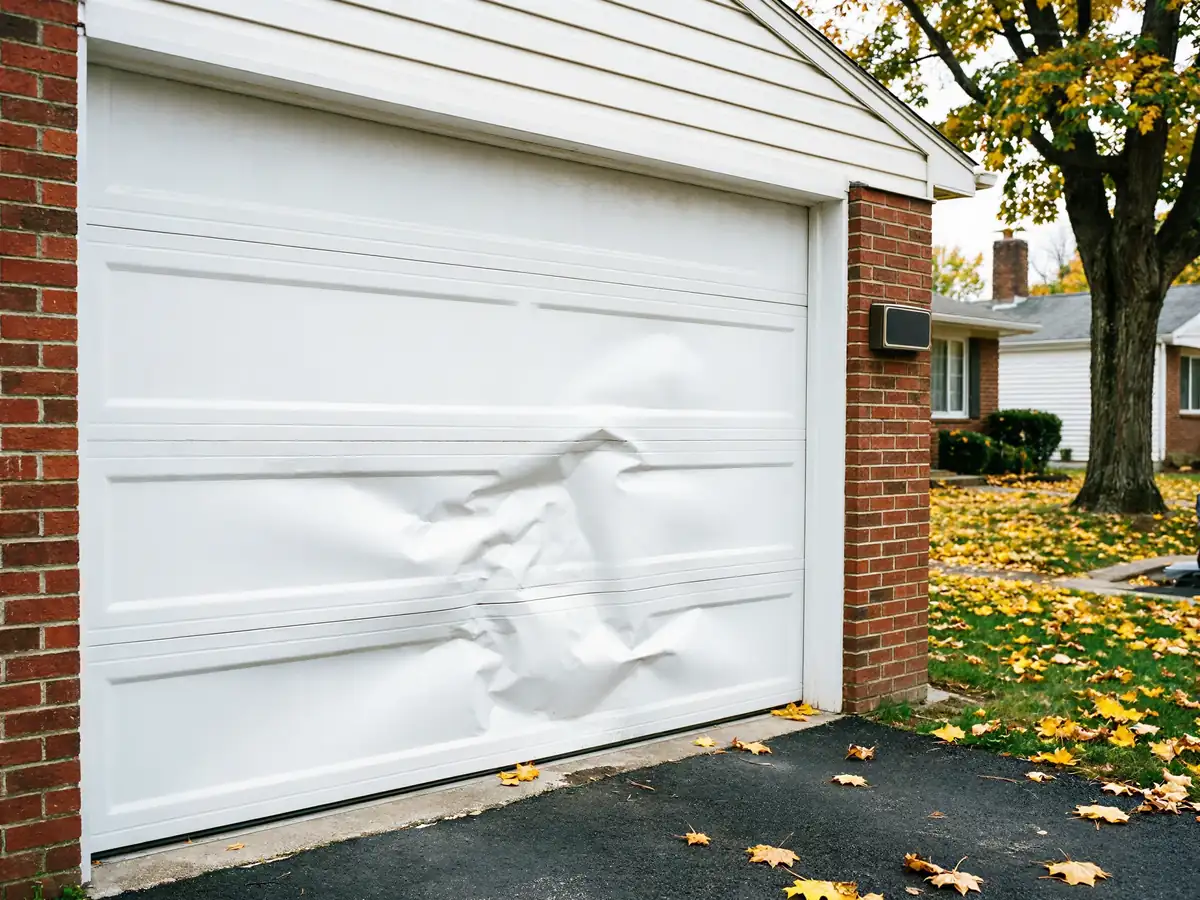
Columbus sits in a cold-climate band with real seasonal swings, and that matters more for garage doors than people expect. Steel contracts in the cold, which tightens tolerances on tracks and rollers that were set up during a mild fall install. A door that rolled smooth in October can bind or jump the track by January once the metal shrinks. Torsion springs lose tension faster when they're cycling through temperature swings all winter, so a spring that would last longer in a mild coastal town gives out sooner here.
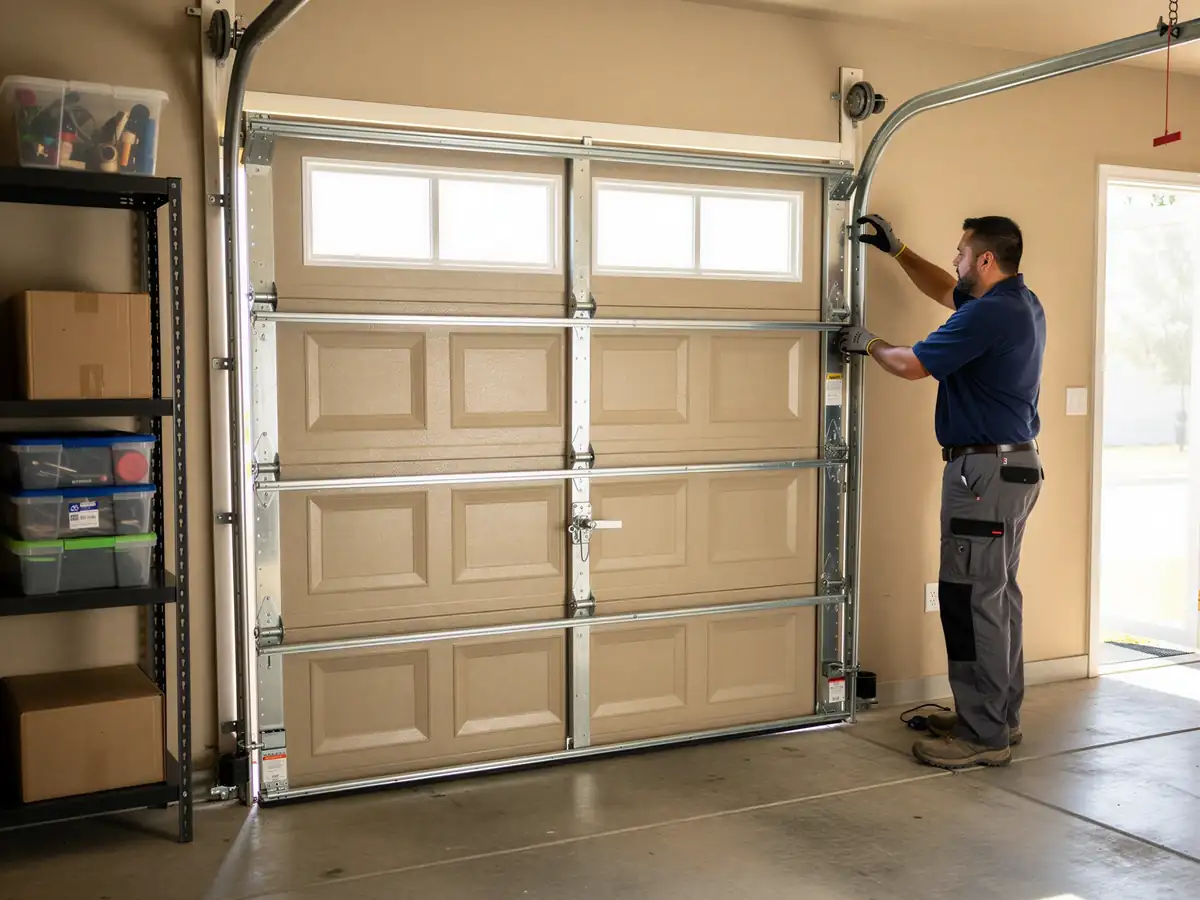
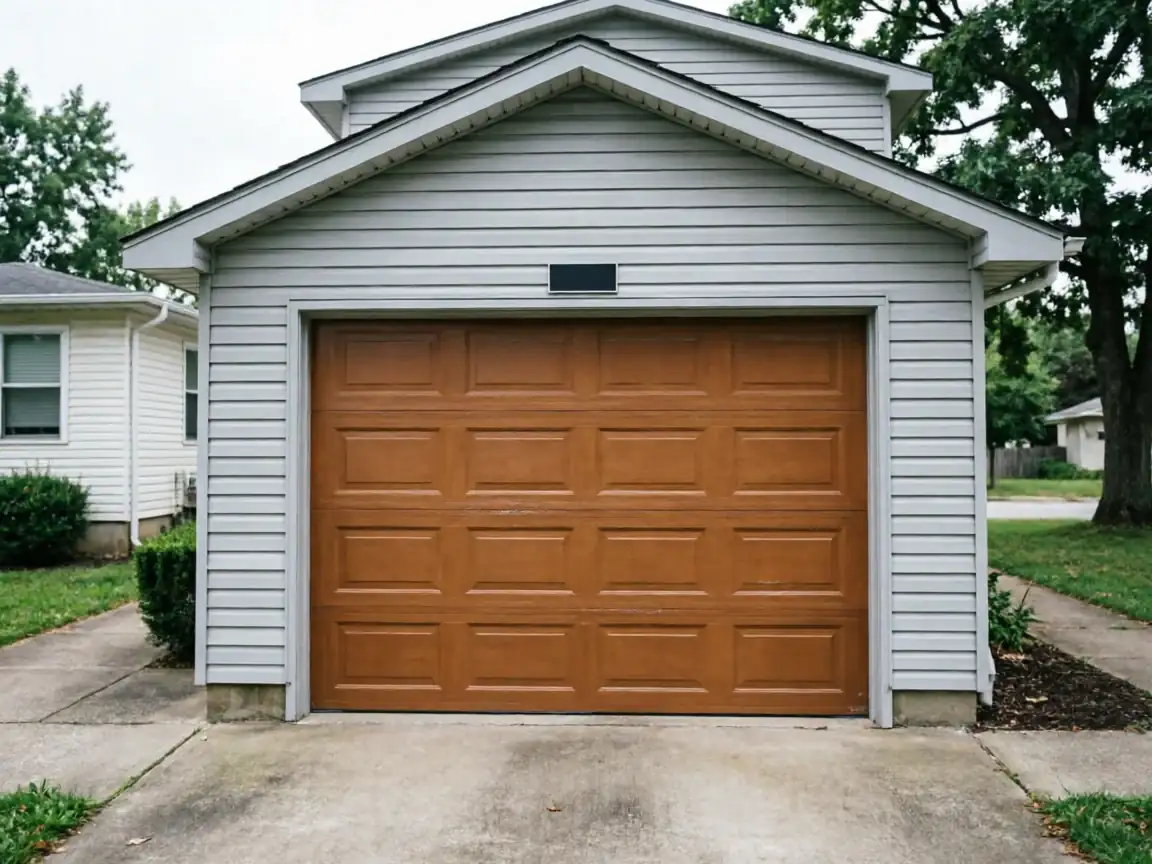
Housing stock plays into this too. Most of the service area was built between 1938 and 2006, with the bulk of it going up in the 1980s and 90s across the thirty-some named areas we cover. That means a lot of garages still running original openers and hardware from that build era - chain-drive units, non-insulated steel doors, galvanized torsion springs rated for a lifespan that's now well past due in a lot of these houses. A service call in a neighborhood built in the 1980s is often less about a single broken part and more about everything hitting end-of-life around the same time.
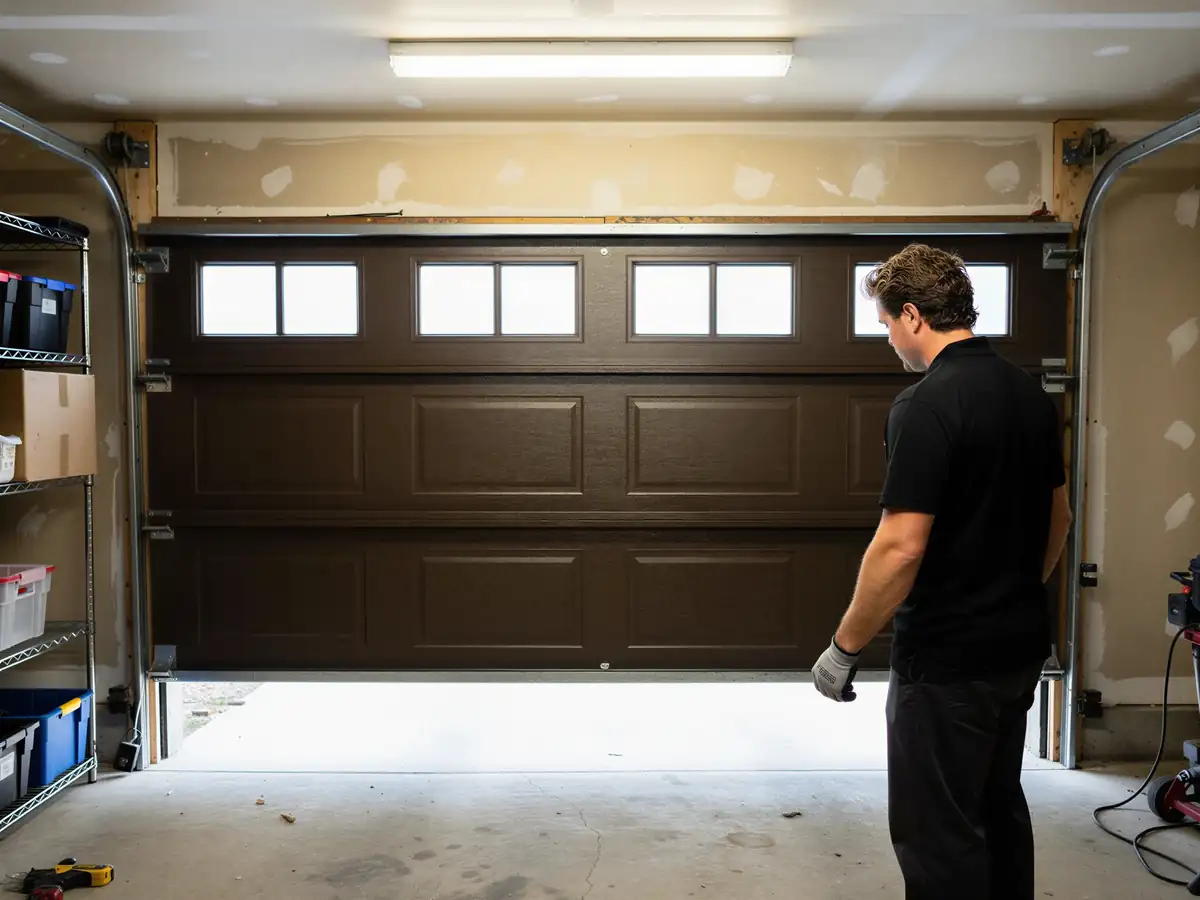
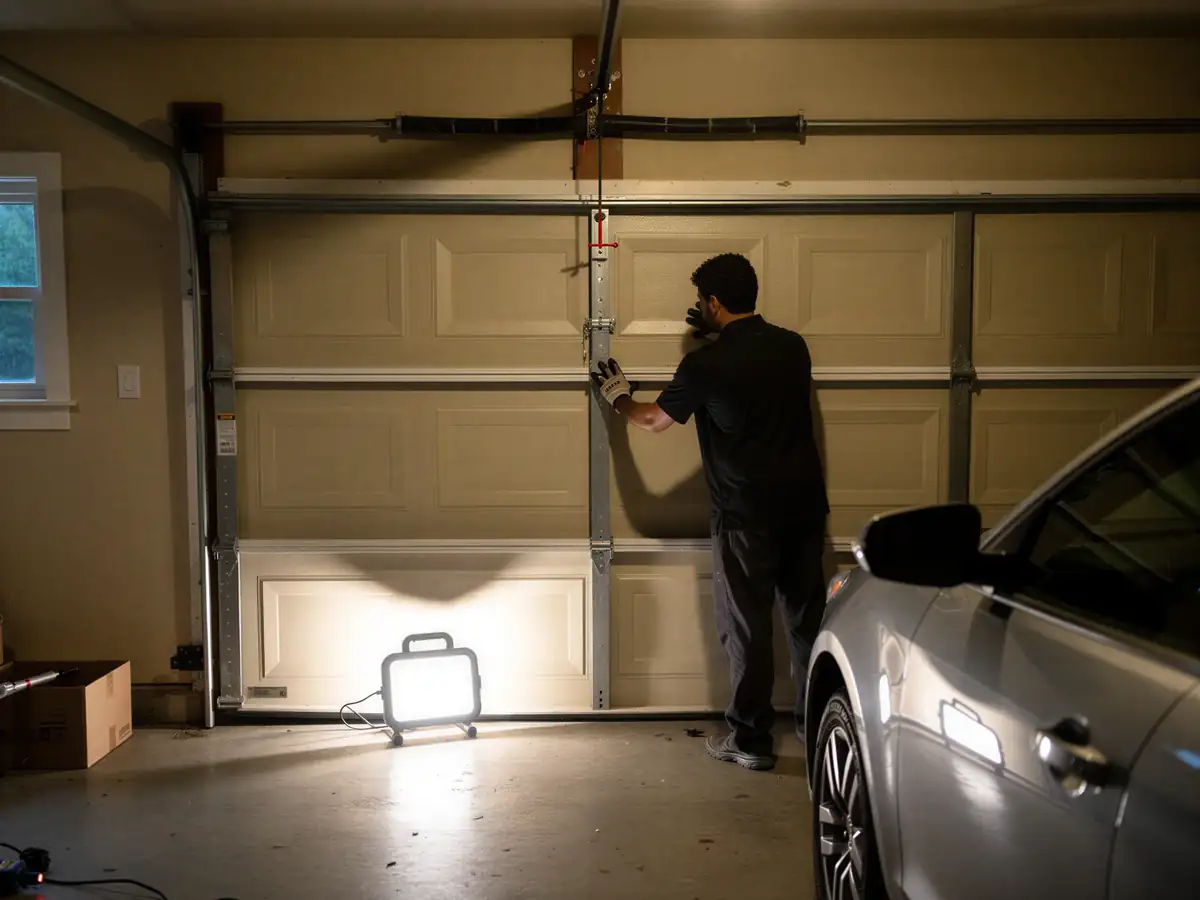
We don't treat a service call as a one-size checklist. What we look at depends on whether the house is closer to that 1938 end of the range or the newer 2006 end.