How It Shows Up
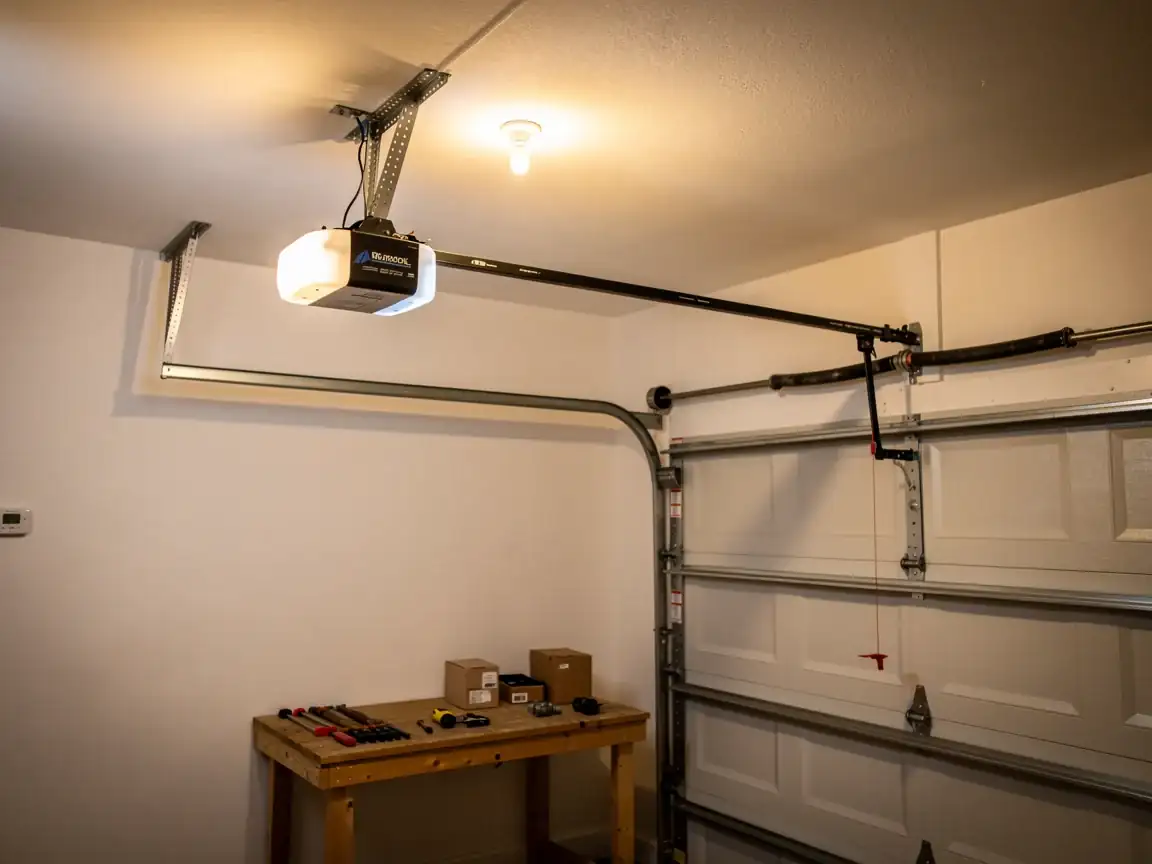
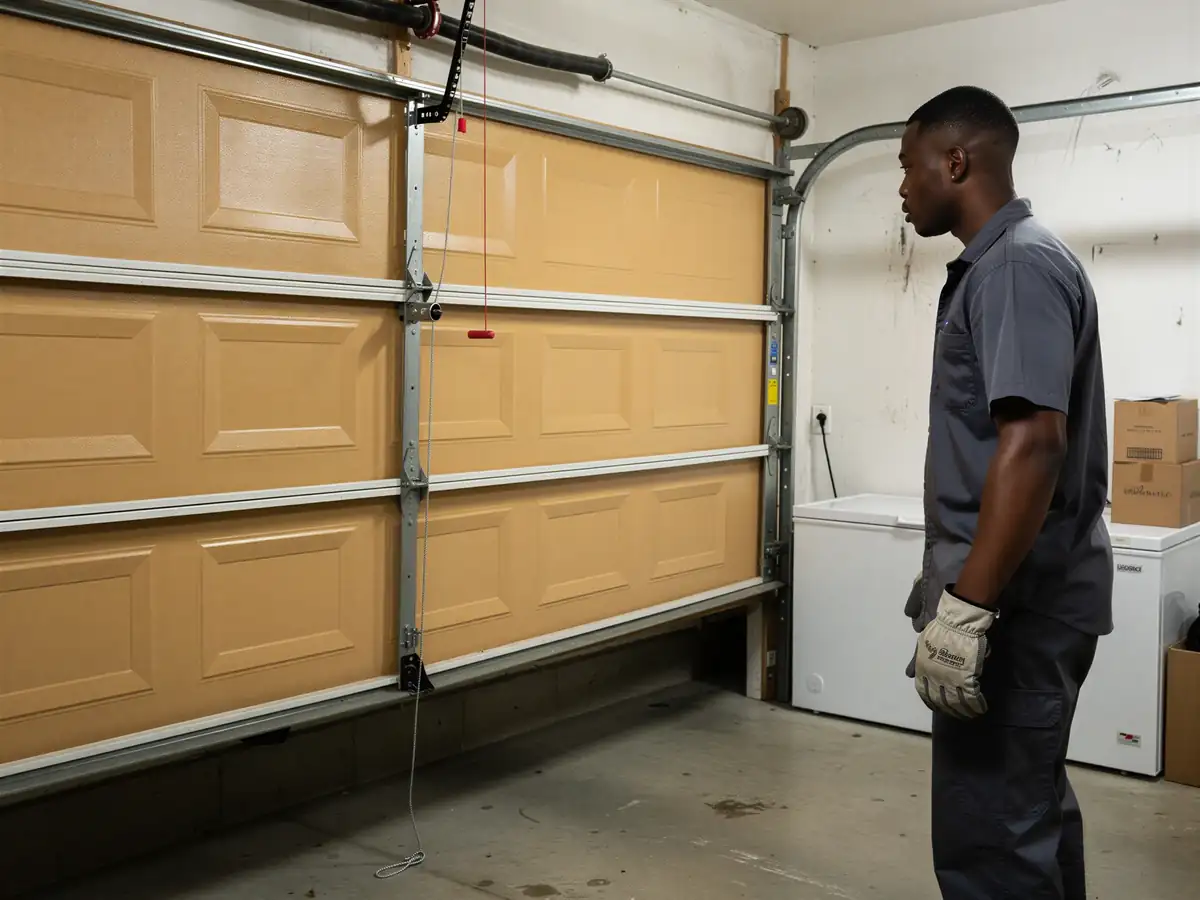
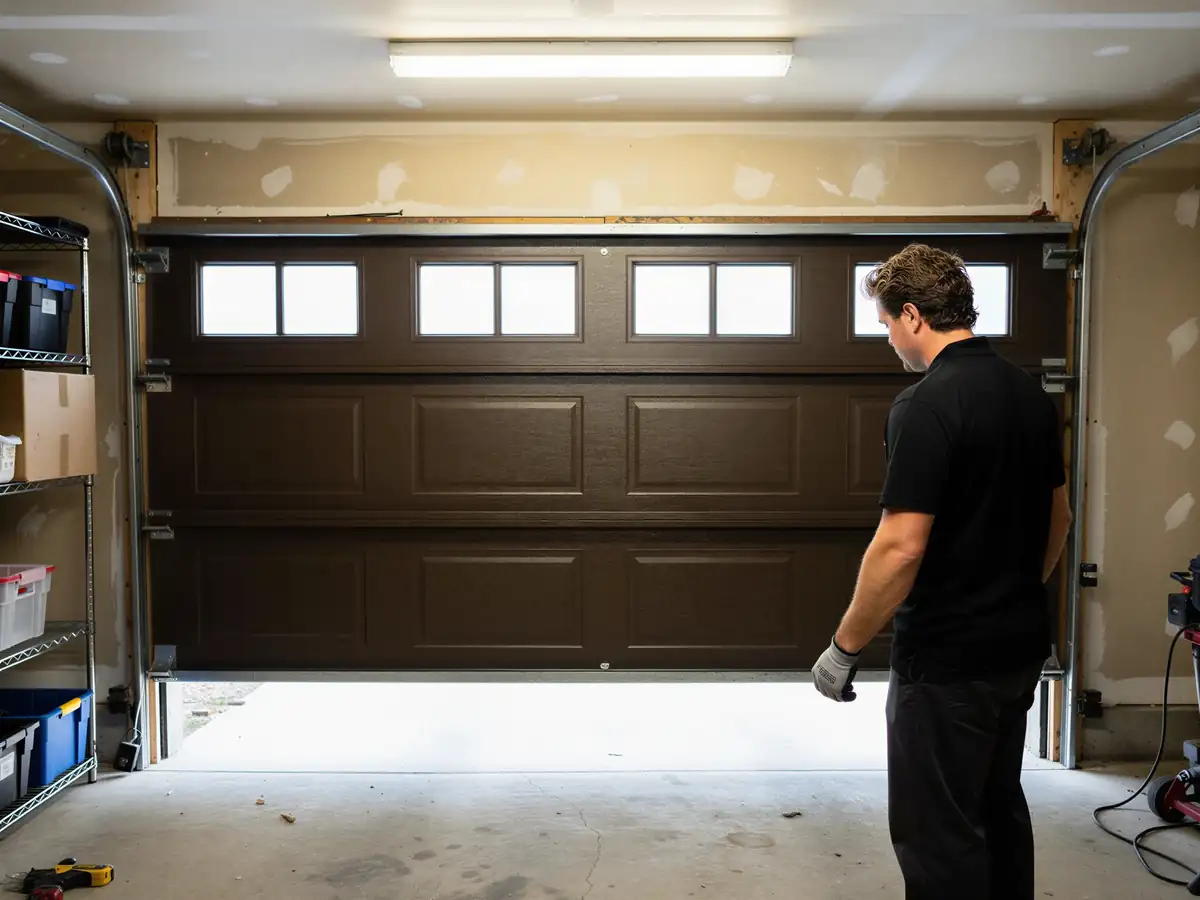
The opener hums but the door doesn't move. The light blinks and nothing happens. The remote works from the driveway but not from the car. In a service area where the housing stock runs from 1938 to 2006 with a median build year of 1986, we see the same handful of failure patterns over and over: a drive gear worn down to plastic dust inside the housing, a logic board that's taken one too many power surges, or a safety sensor pair knocked out of alignment by a bike or a trash can. Chain-drive openers from the 1980s and 90s, which cover a lot of the housing across the 30 named areas we work in, tend to fail at the gear and sprocket first. Newer belt and screw-drive units fail at the circuit board or the wall control instead. Either way, the door usually still opens by hand when the opener quits - that's your clue it's the opener and not the door itself.
What the Repair Takes
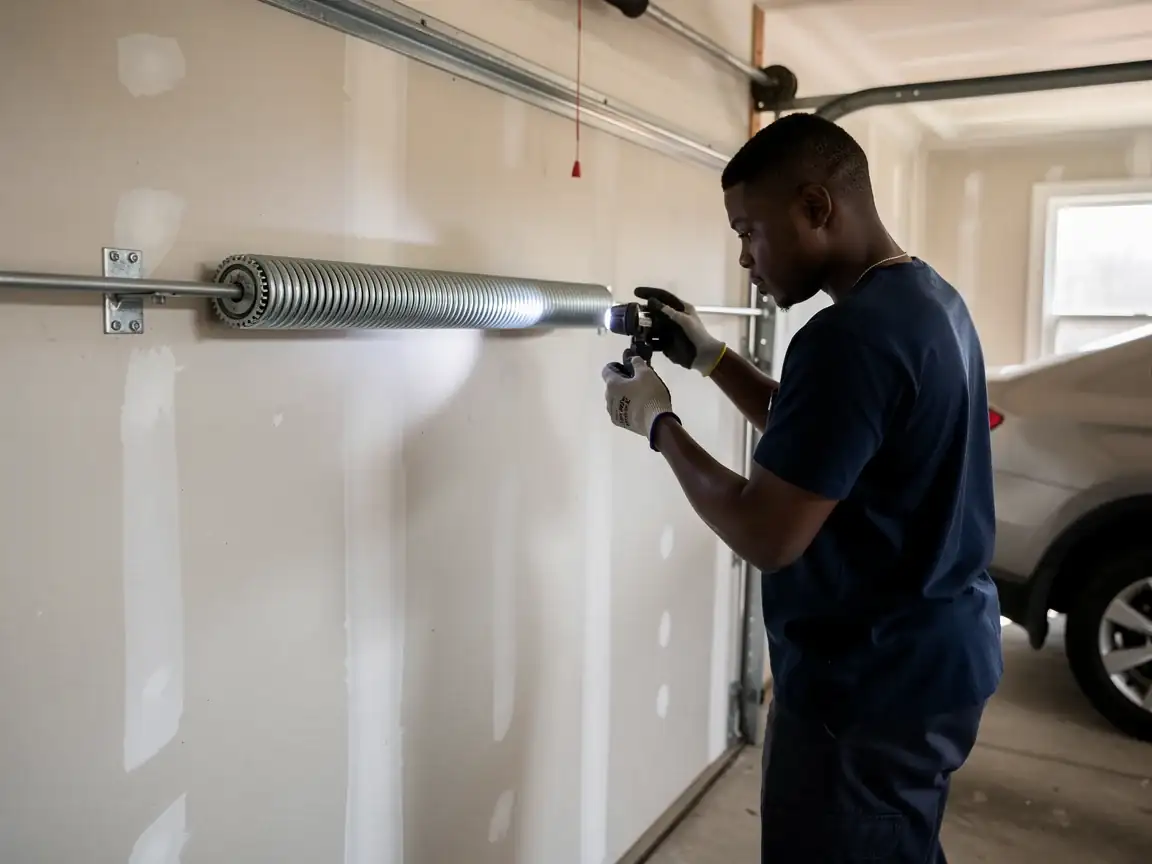
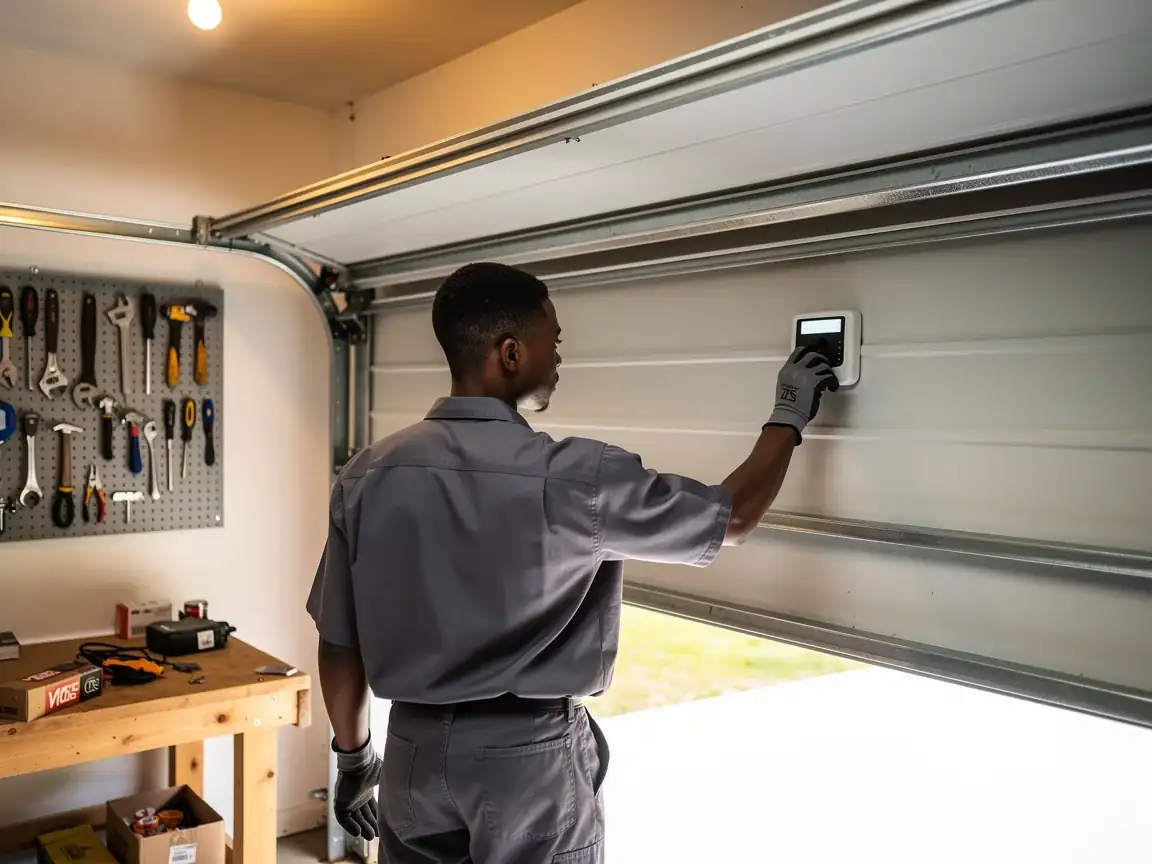
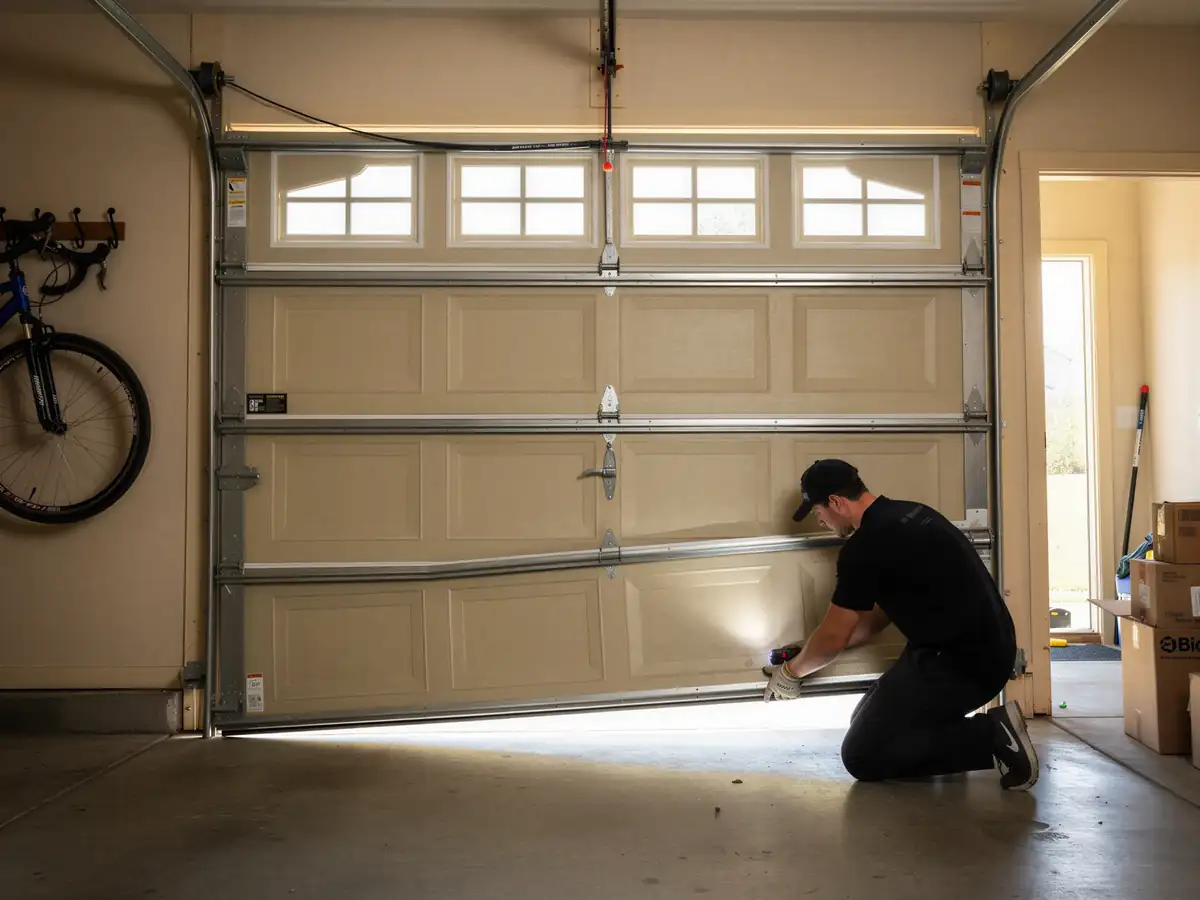
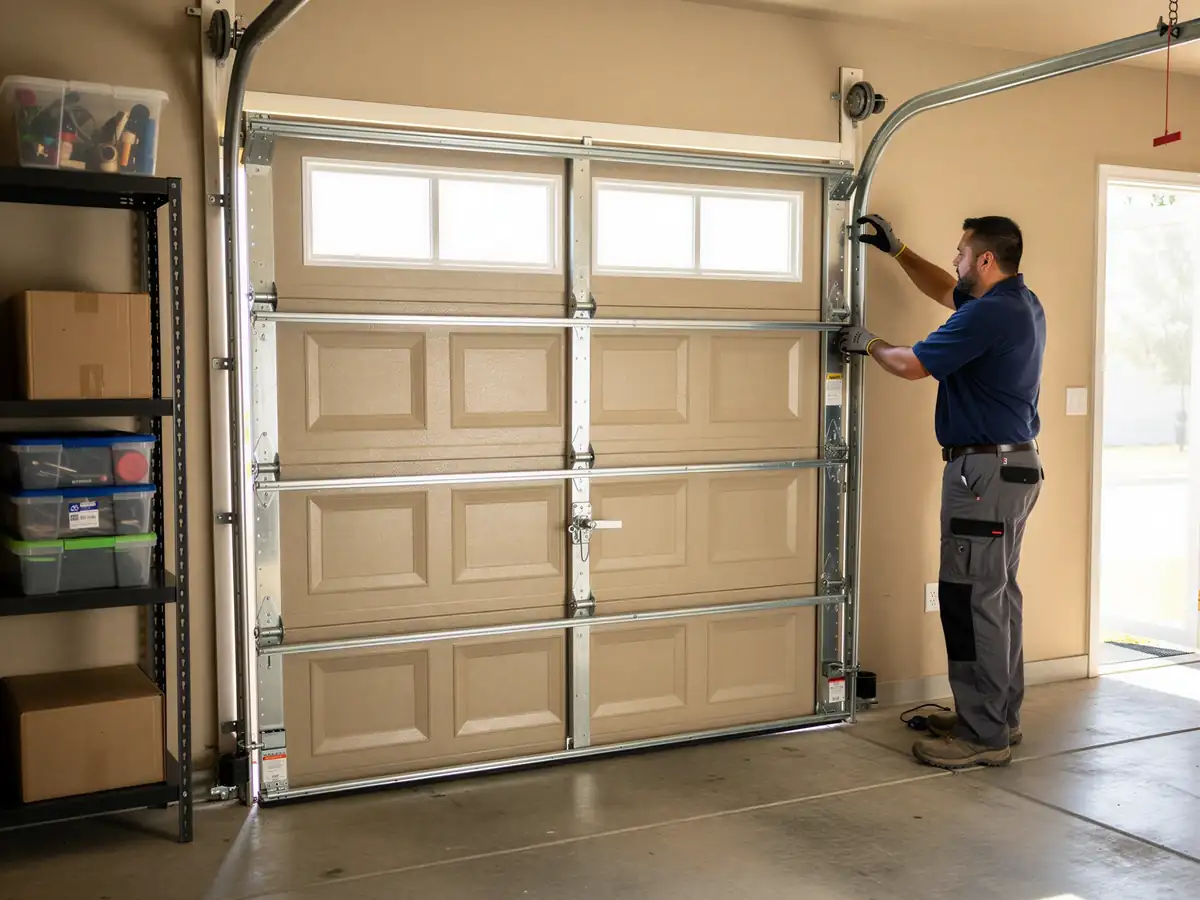
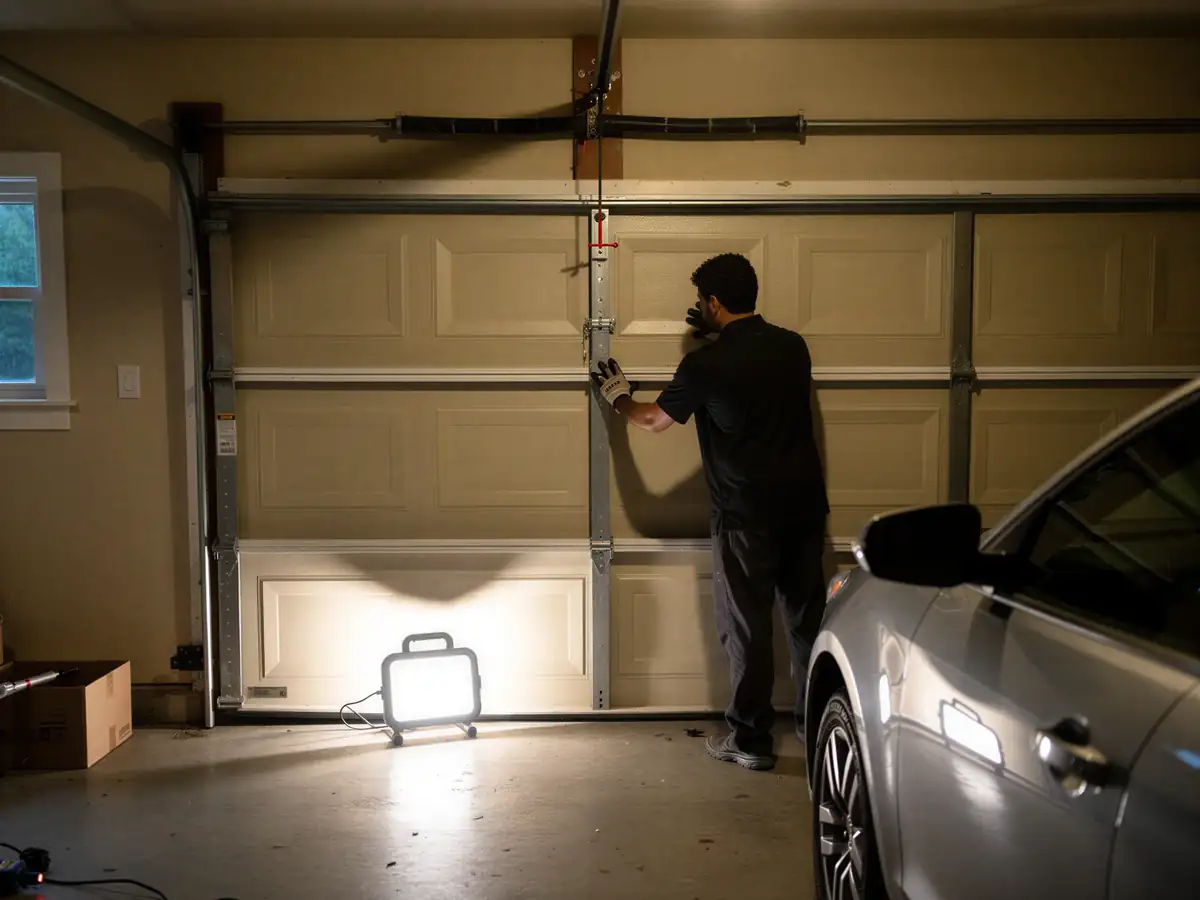
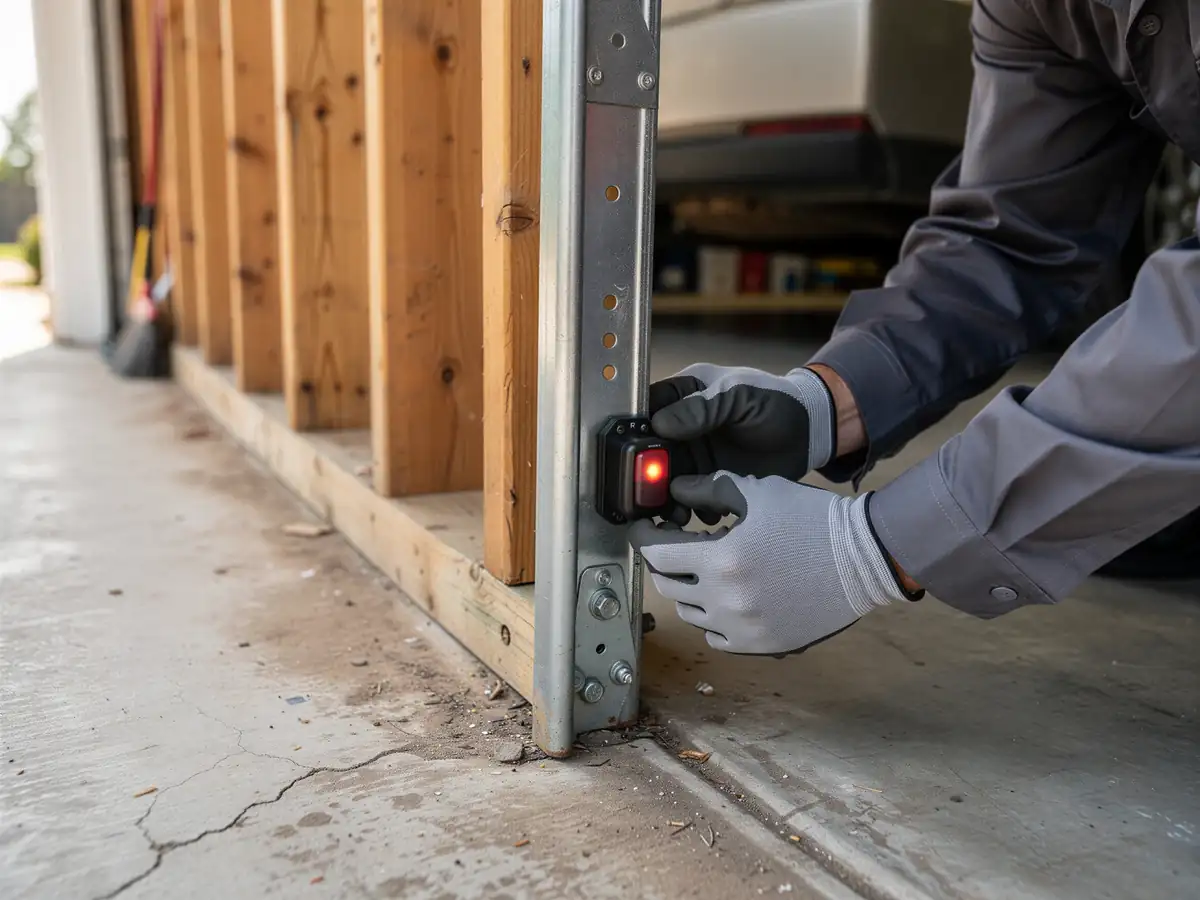
Most opener calls split into three buckets: a dead or stripped drive gear, a burned-out circuit board, or a misaligned/failed safety sensor. The gear job means pulling the motor housing apart, swapping the gear and sprocket, and regreasing - straightforward if the opener's not too old to still have parts available. A board failure is a swap-and-test job once we confirm it's the board and not the wiring or the wall switch. Sensor issues are usually the fastest fix: realign the eyes, clean the lenses, check the wiring for nicks from lawn equipment or a shovel against the frame in winter. We test the opener's force settings and auto-reverse after any repair - that's not optional, it's a safety check every time. One honest limit: if the opener is old enough that the manufacturer's stopped making the logic board or the gear kit, repair isn't always possible, and we'll tell you that up front instead of ordering a part that may not show.
Why It Happens Here
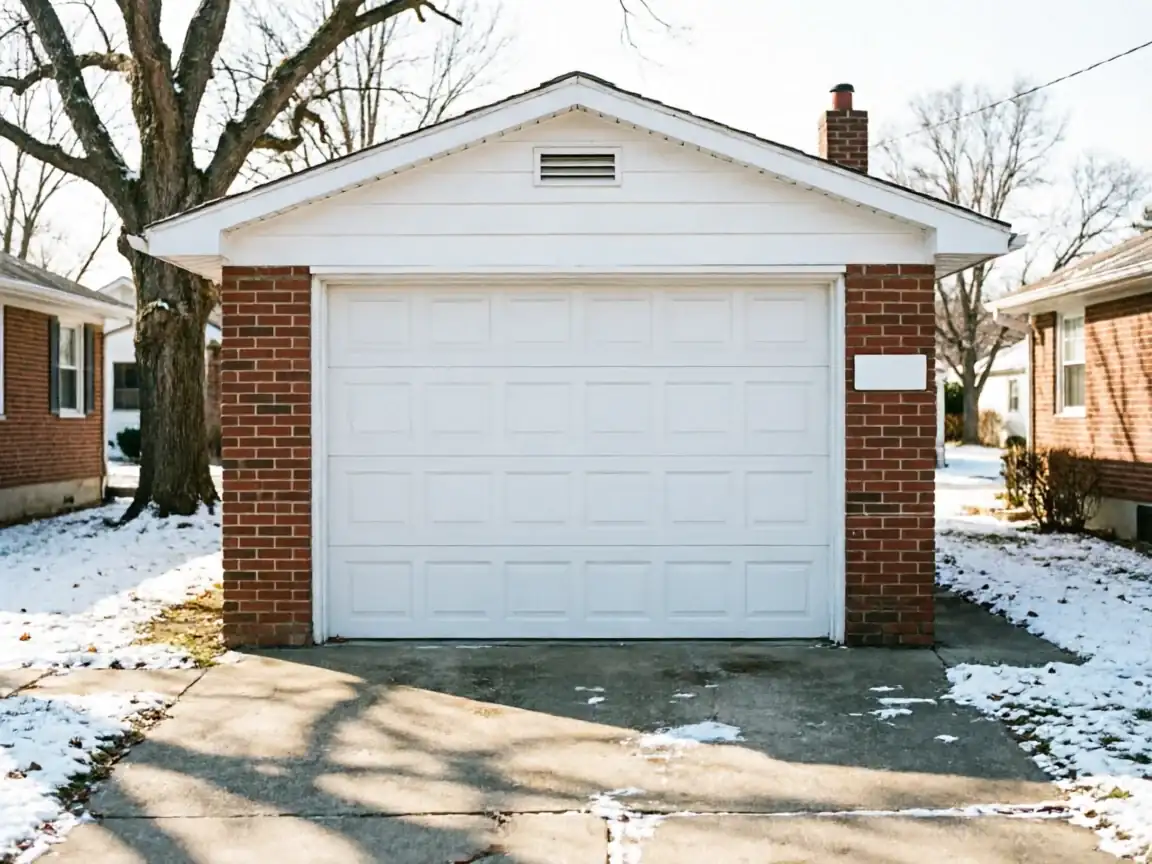
Two things line up against garage door openers in this area. First, the housing stock: with homes built anywhere from 1938 to 2006 and a median around 1986, a large share of the openers out there are old enough that their gears, capacitors, and boards are simply wearing out on schedule - not from misuse, just age. Second, the climate. This area sits in a cold, severe winter band, and an unheated garage puts the opener through repeated freeze-thaw cycles every season. Cold makes grease stiffen, metal contract, and plastic gears turn brittle right before they crack. We see opener failures cluster in late winter for exactly that reason - the unit limps through the cold months and gives out once the strain catches up with it. None of that is specific to one street or one neighborhood; it's the pattern across the owner-occupied houses we see from the near east side out to the farther suburbs in our service area.