Can You Do This Yourself
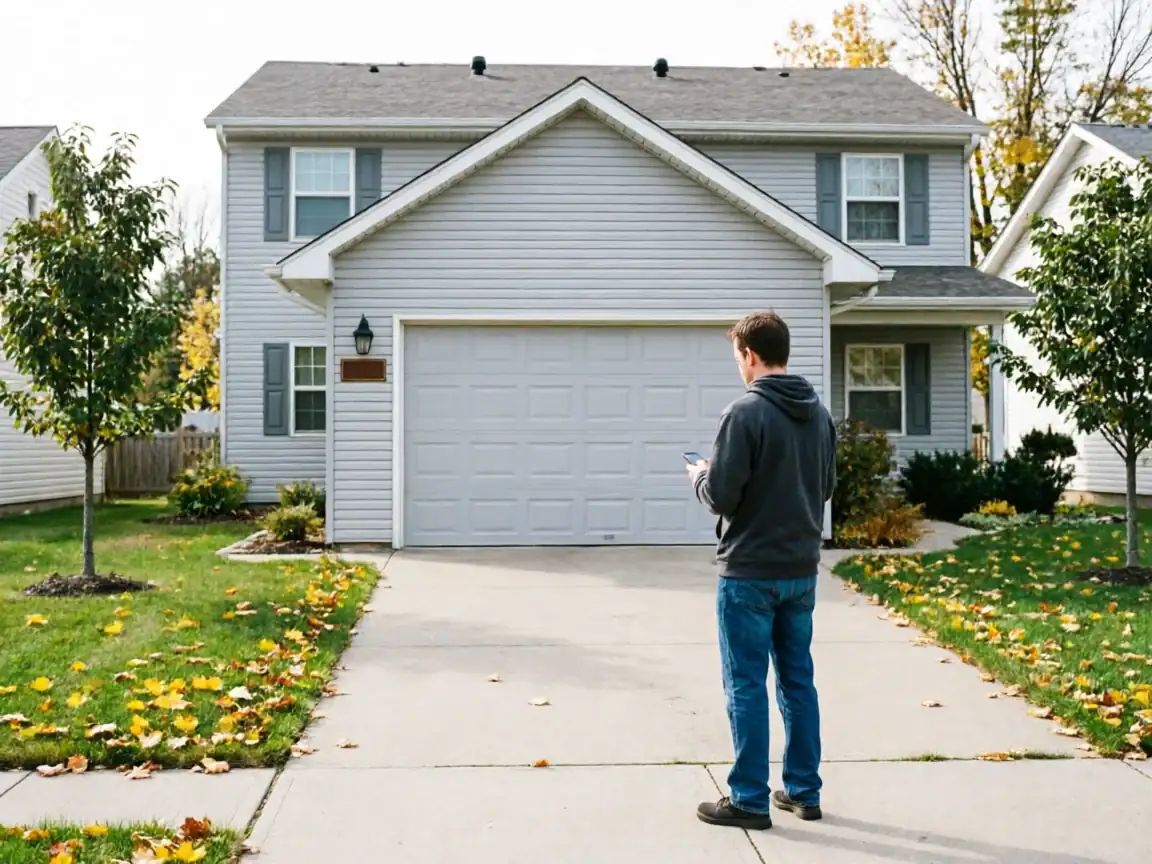
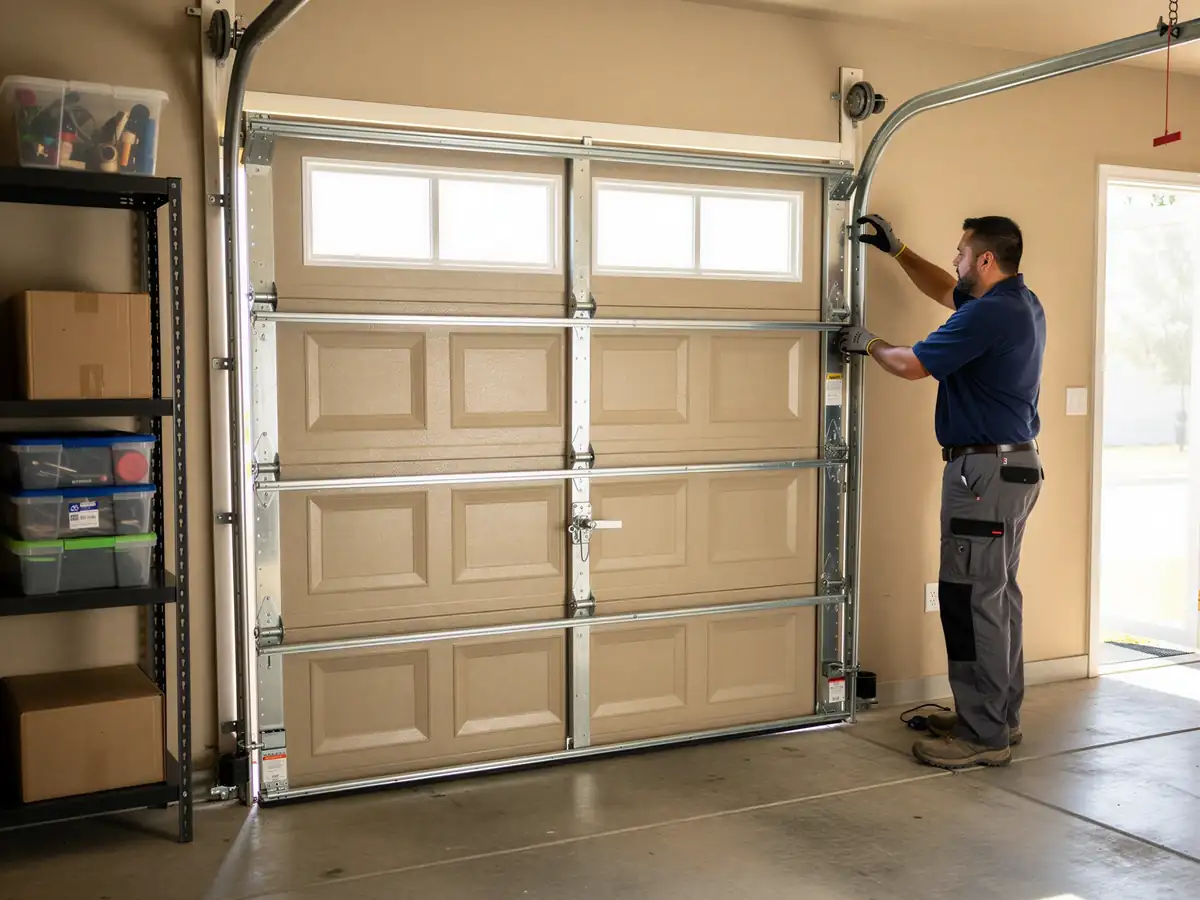
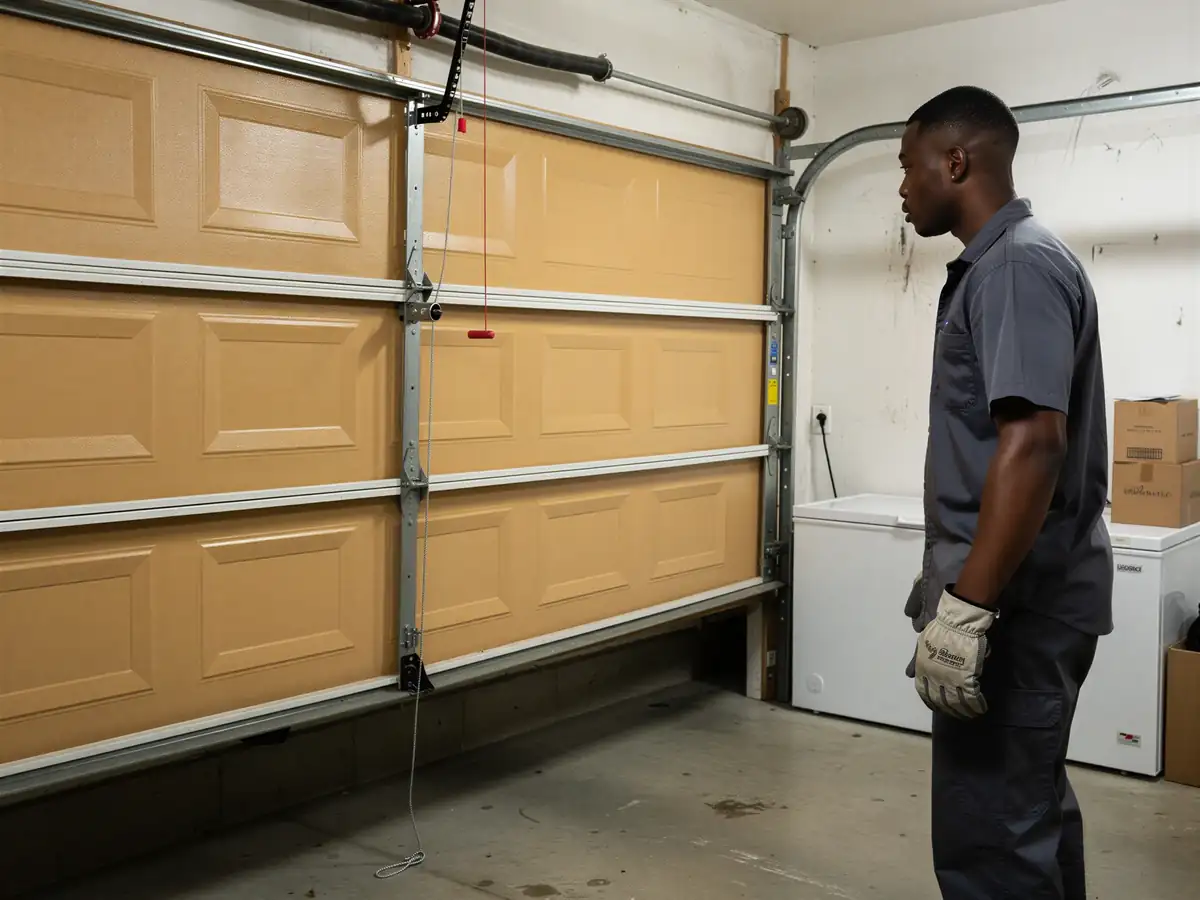
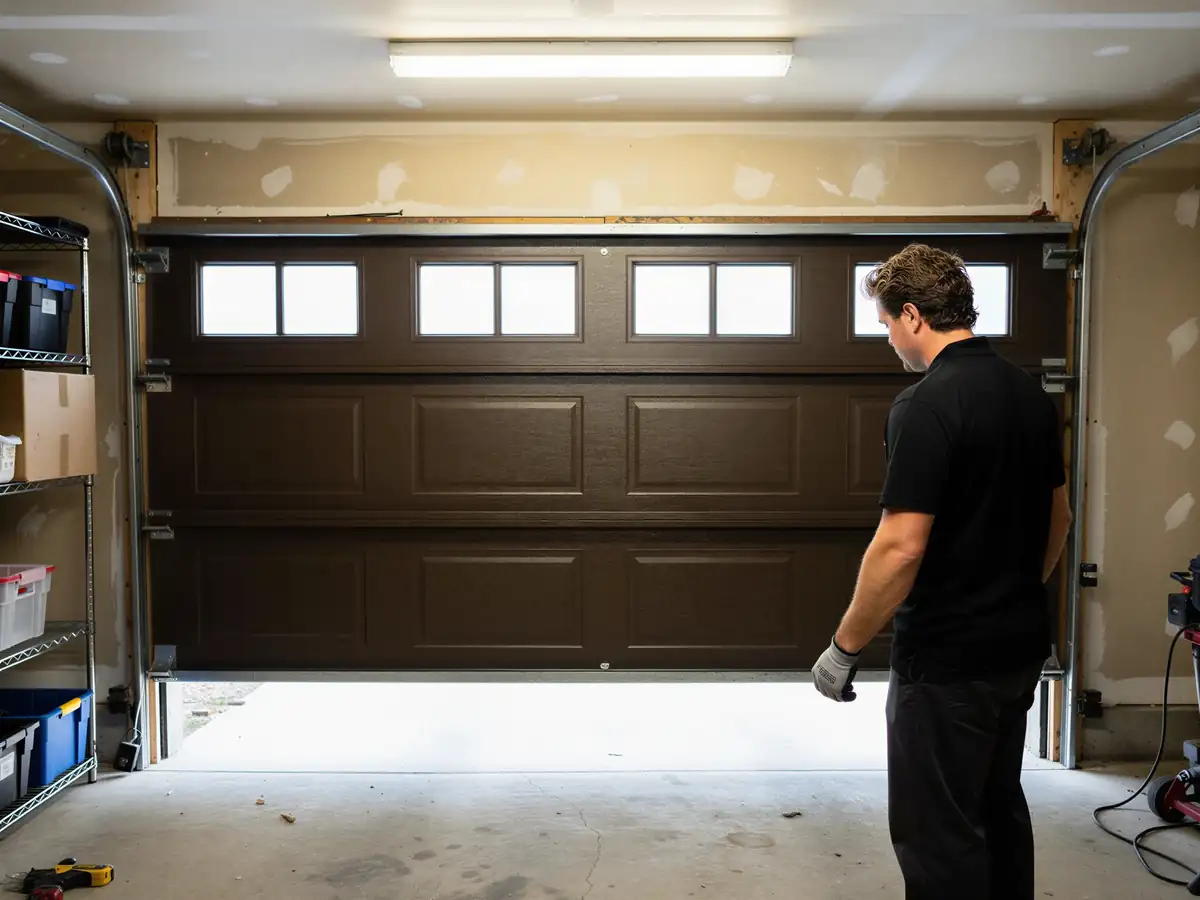
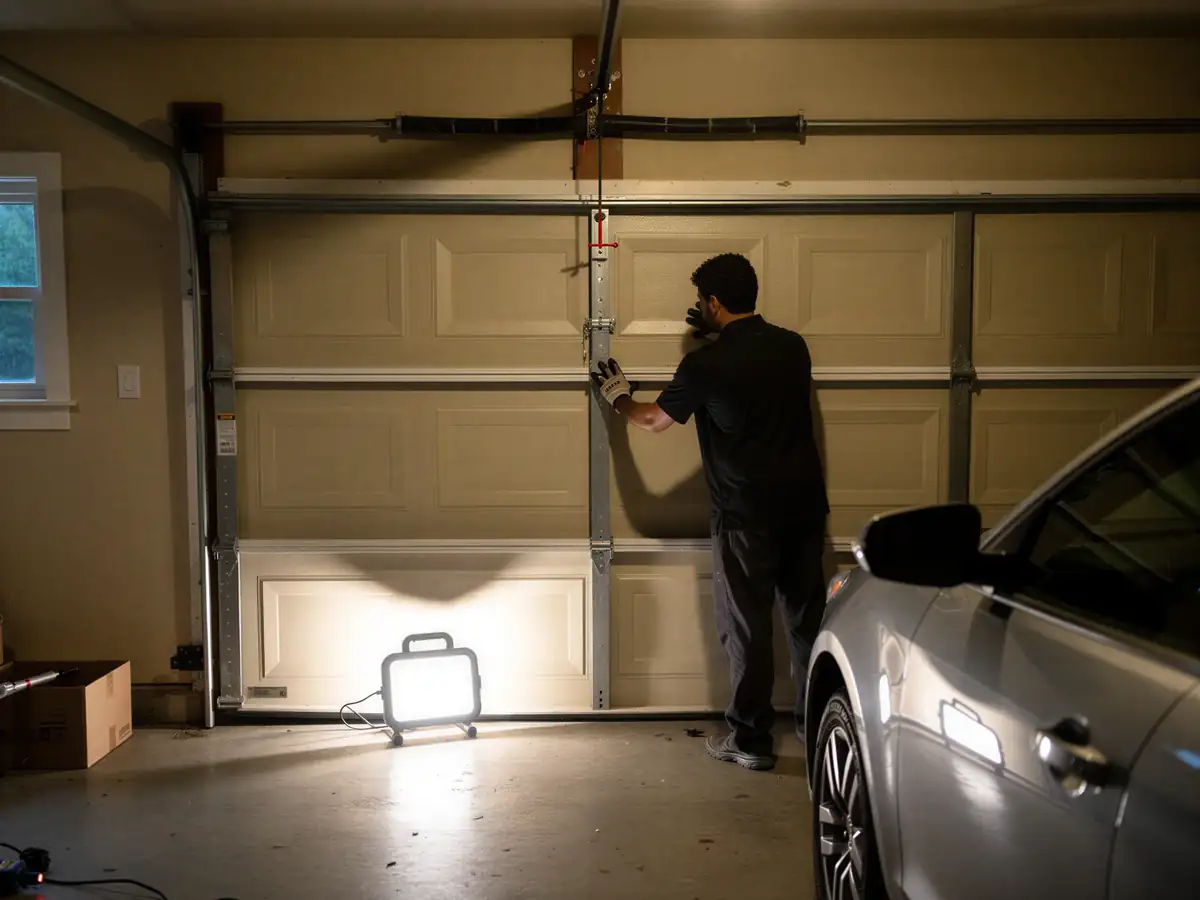
A single panel swap looks simple until you're standing in the driveway with the door half-apart. Most Dublin houses went up around 1996, well after the service area's overall median of 1986, which means you're usually dealing with a steel sectional door, insulated, with a foam core bonded between two skins. Pulling one panel off that kind of door means supporting the section above it, disconnecting hinges on both sides, and managing a stile that's often warped slightly from twenty-plus years of thermal cycling in a cold climate. If the door is a double, the center stile carries real load and a mistake there can rack the whole section.
What you can reasonably do yourself: pull the model and section number off the sticker inside the door (usually on the edge of a panel) before calling anyone, so you're not guessing on the phone. What you shouldn't do yourself: pull the bottom panel on a door with the opener still attached and the spring still wound. That's where people get hurt, and it's also where a $150 panel job turns into a bent track and a $600 job.
The honest limitation here - if your door is one of the builder-grade doors common to houses built through the 1990s and 2000s, exact-match replacement panels sometimes aren't stocked anymore and have to be special-ordered. We'll tell you that up front rather than promise a same-day match we can't deliver.
Where This Job Goes Sideways
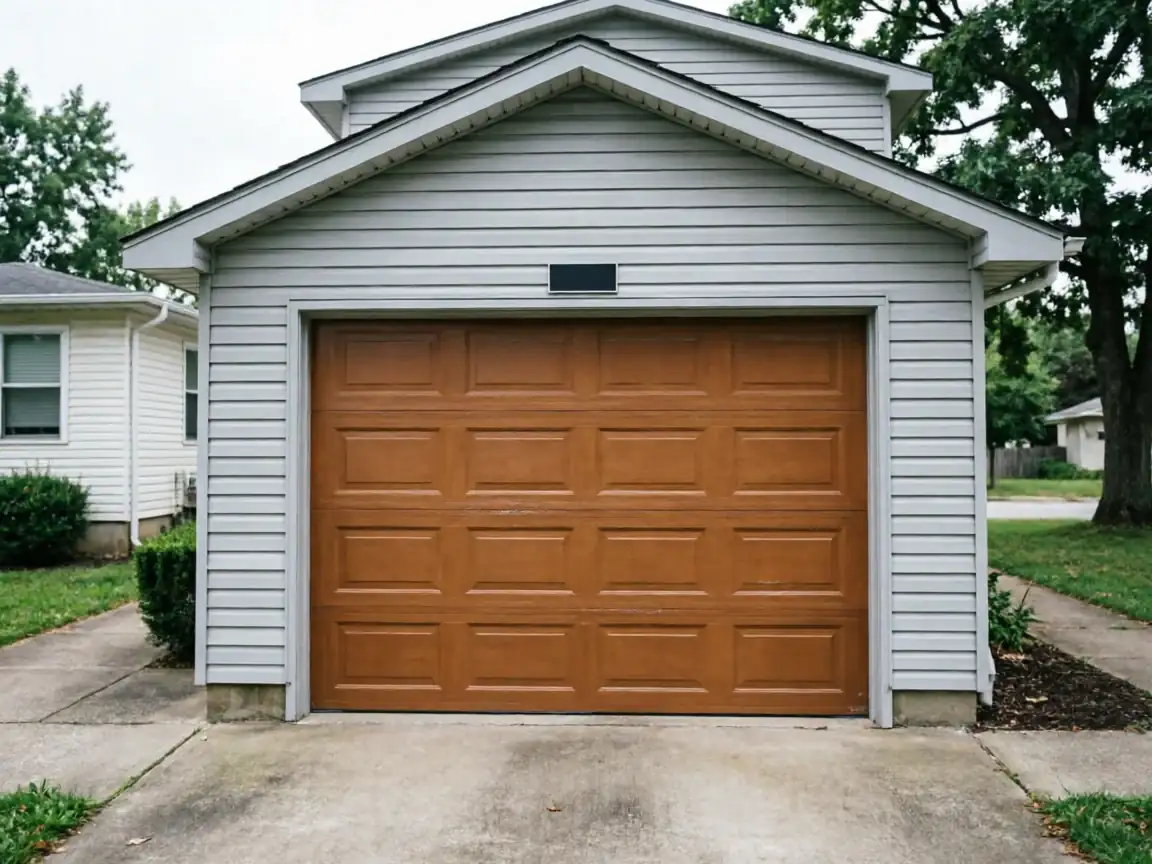
Panel replacement on Dublin's housing stock goes wrong in a specific way: color and texture mismatch. A door built in the mid-1990s has had twenty-plus years of UV exposure, and steel finishes from that era don't always have an exact match in current product lines. You can put in a structurally perfect new panel and still end up with a visibly different shade next to the original sections, especially on lighter builder colors that fade unevenly.
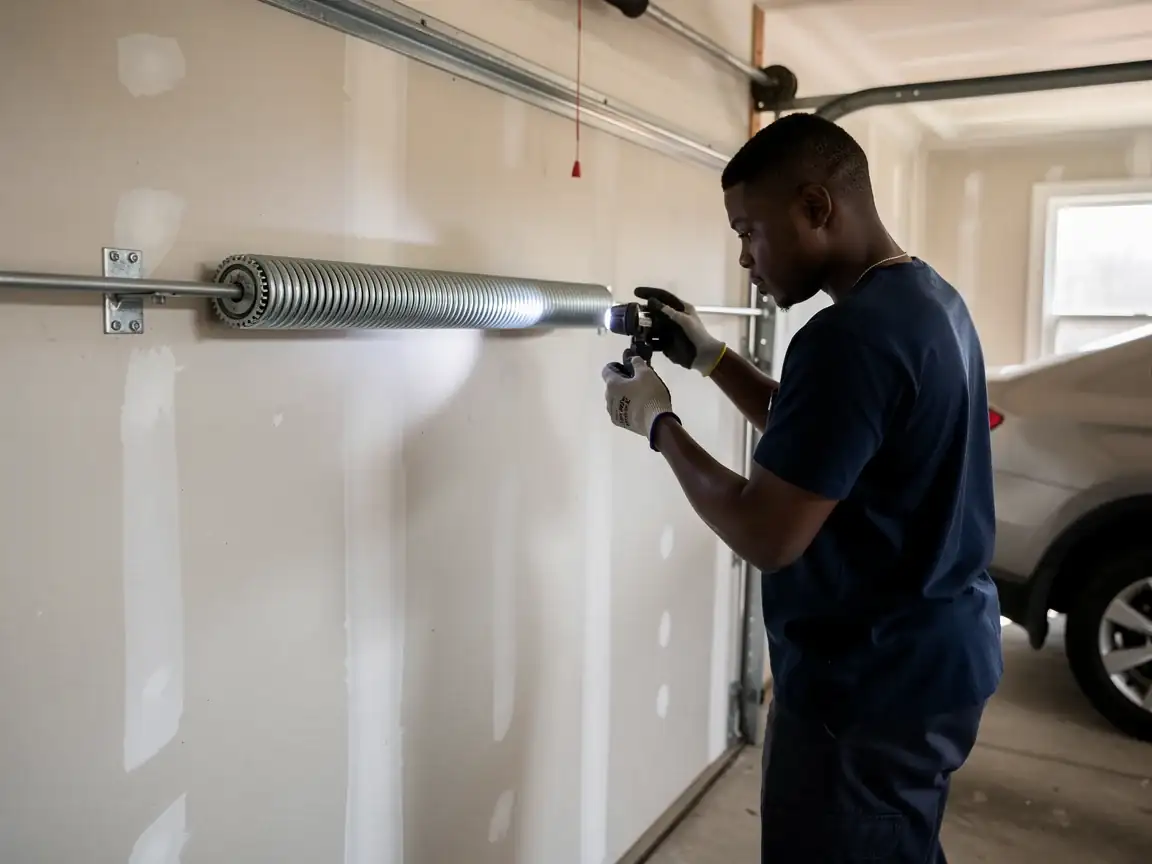
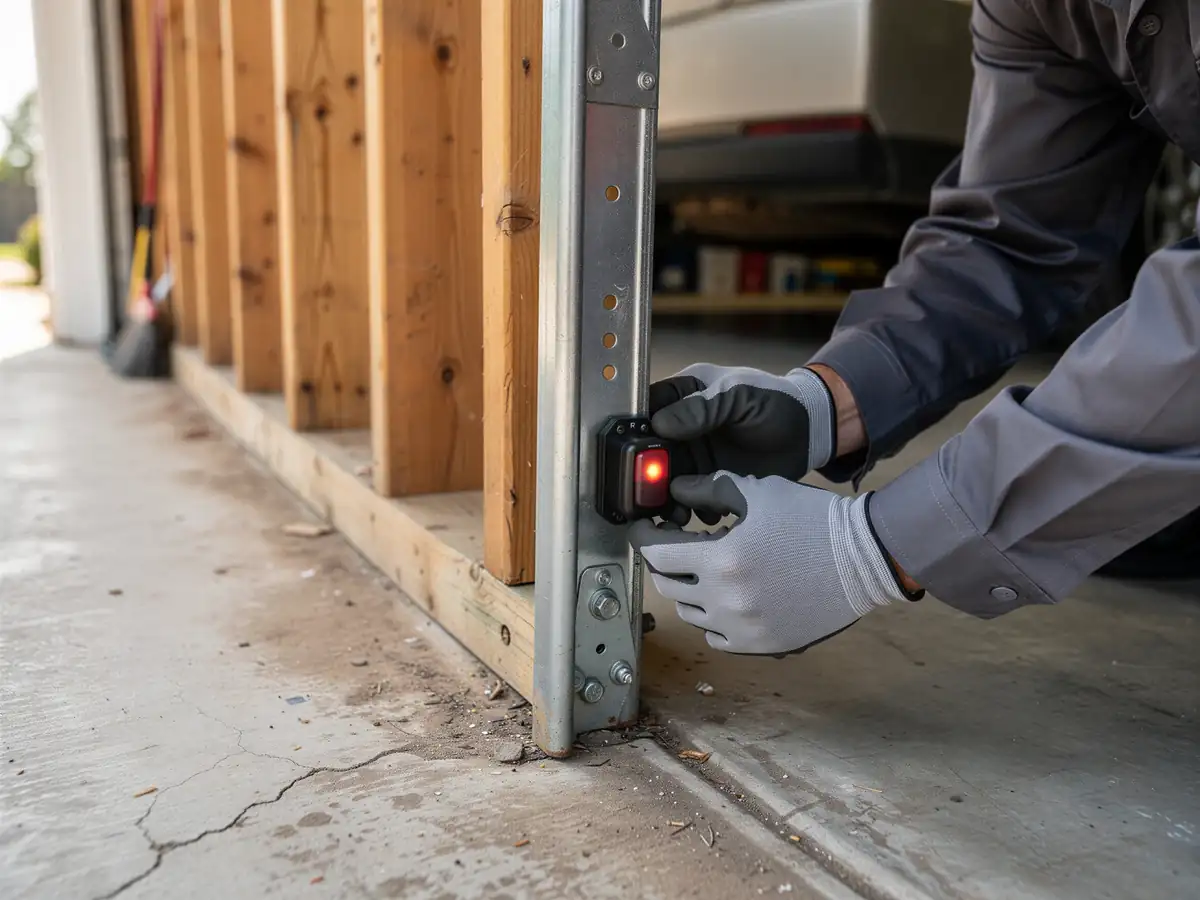
The other failure point is foam-core adhesion. Doors from this build period used foam-in-place insulation, and severe cold swings - which this region gets - cause the bond between the foam core and the steel skins to let go over time, especially at the bottom panel where moisture collects. When that happens, the panel can look fine from across the driveway but flex or boom when the door cycles. A straight panel swap fixes the symptom; it doesn't fix a track that's slightly out of plumb from years of an unbalanced door, which is why we check alignment before we quote.
We also see owners order a single panel for a double-wide door assuming it'll match the existing hardware spacing. Section widths changed slightly across manufacturers in the 1990s and 2000s, so we confirm the exact panel dimension against the installed door before ordering anything.
How It Shows Up
The call usually starts with one of two things
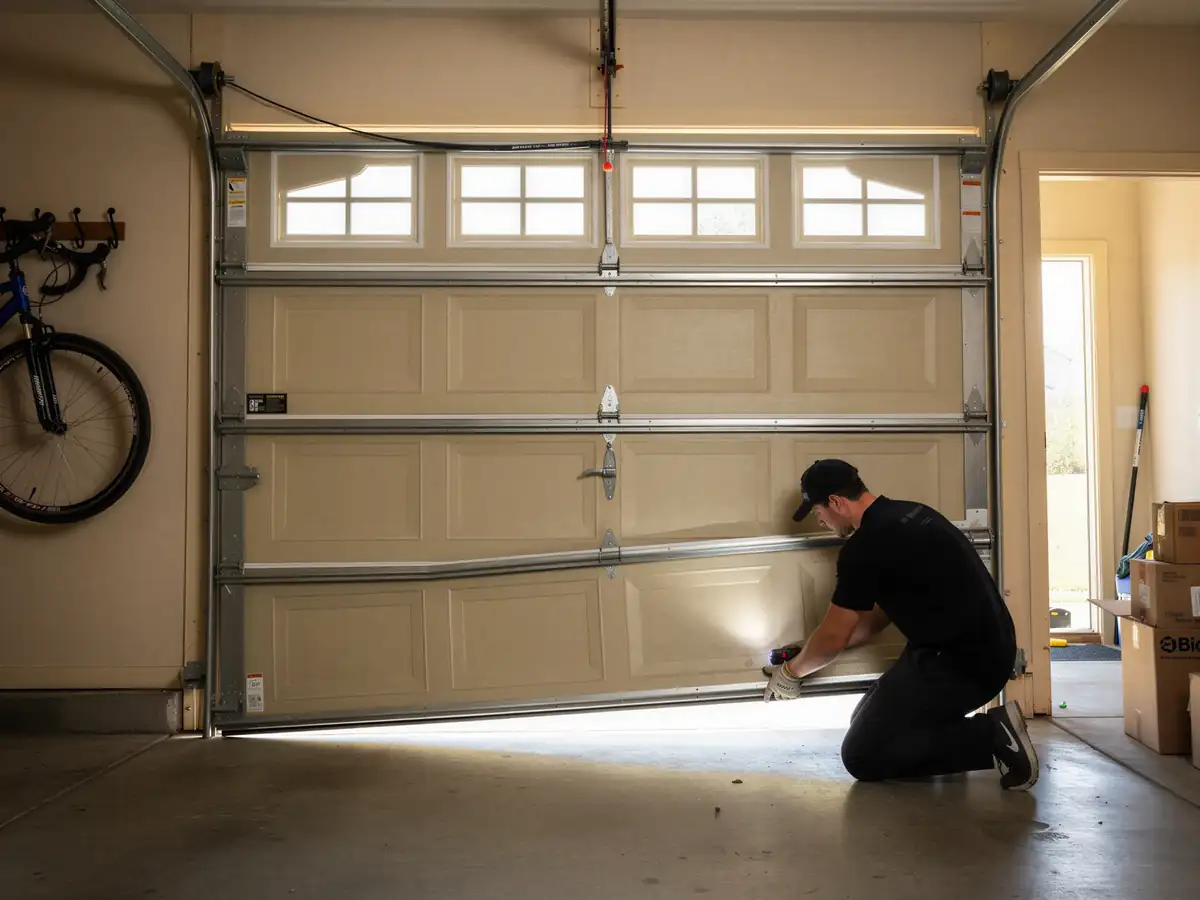
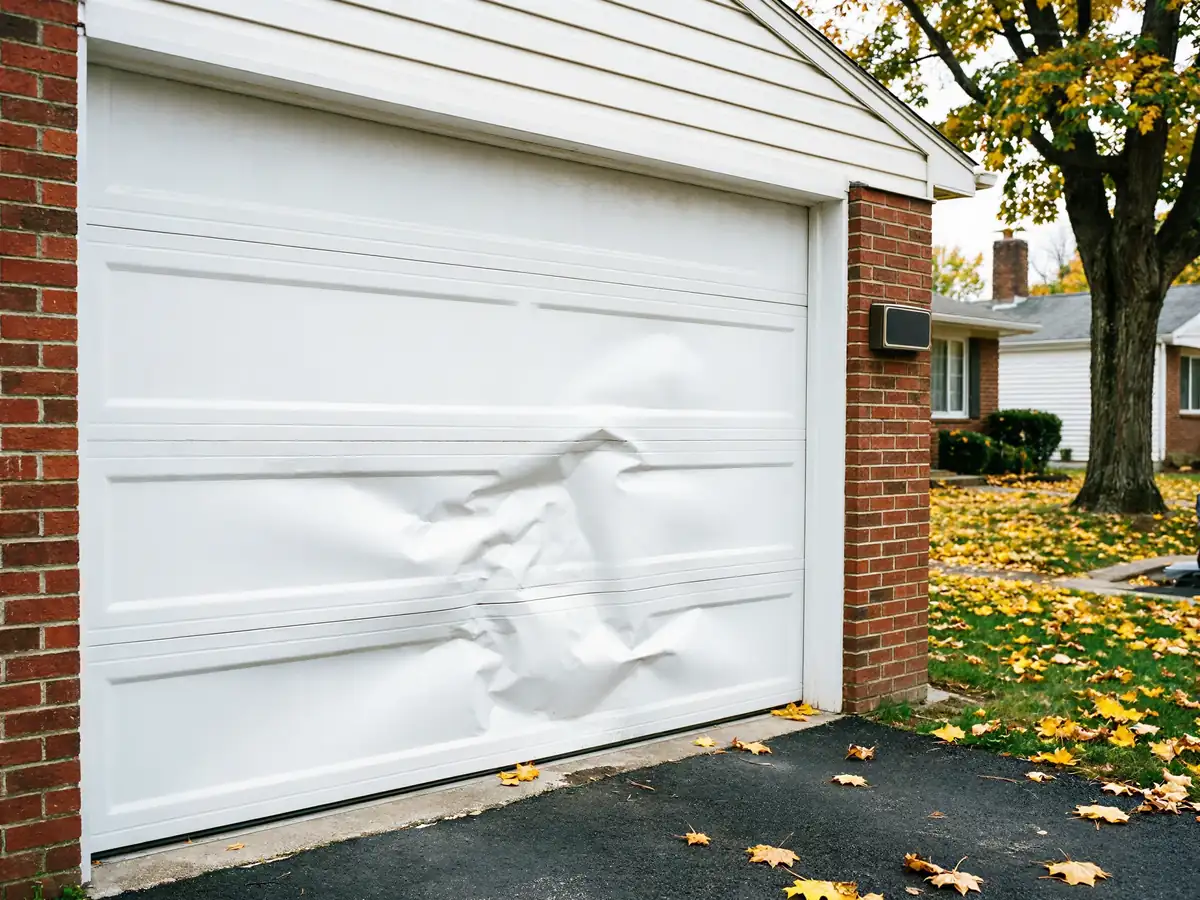
A visible dent or crack in a bottom panel, often from a mower or a backed-into car, or a section that's started to bow outward in the middle. On doors from Dublin's typical build era, the bow is almost always a foam-core separation, not a frame problem, which is good news because it's a panel fix, not a full-door fix.
You'll also hear it before you see it
A separated panel makes a hollow boom or rattle as the door travels, especially on the bottom section where the weight transfers through the rollers. If only one section is affected and the rest of the door tracks straight and seats evenly against the weatherstrip, that's a sign this is contained to the panel and doesn't need to turn into a replacement-door conversation.
Less common but real
On houses that still have their original mid-90s door, the panel's insulation value has usually dropped even before it fails visibly, since a loose foam core stops doing its job as a thermal break well before it rattles. If you're noticing a colder garage in winter along with the noise, both point to the same underlying cause.
Stocked Parts
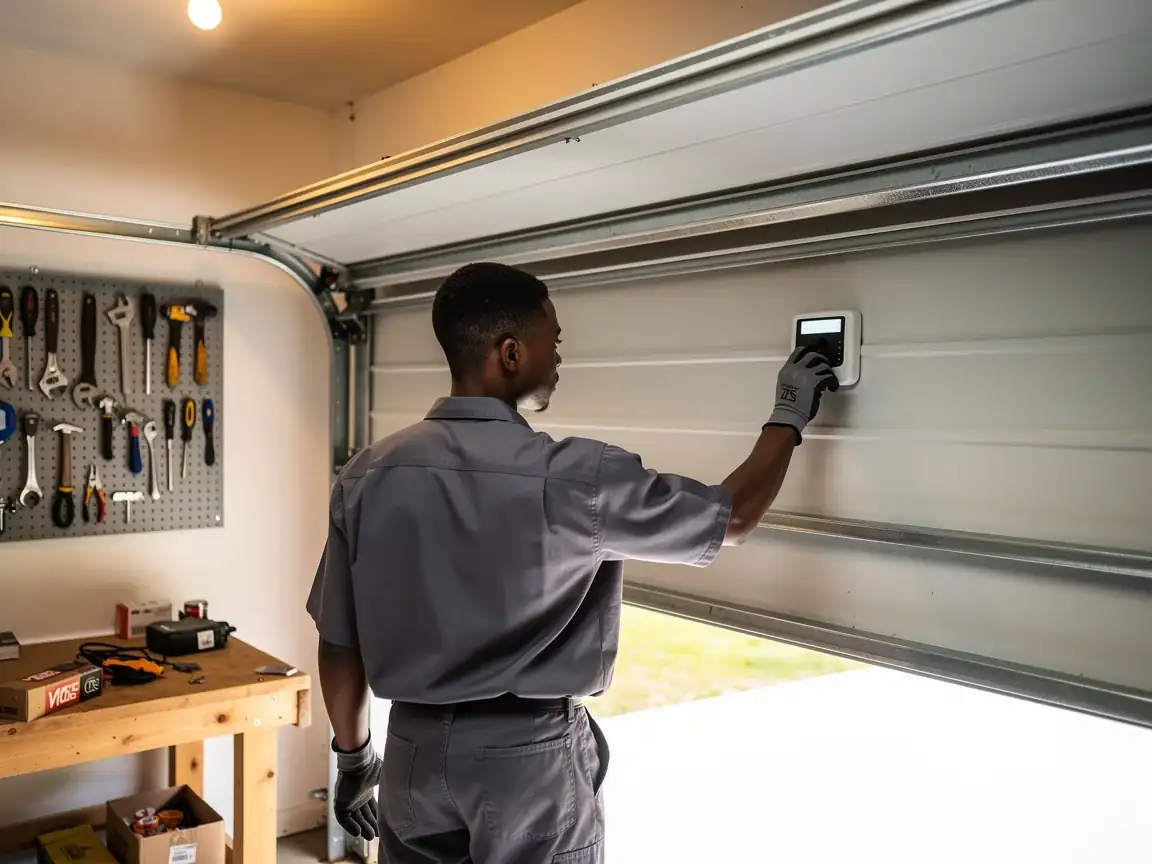
We carry common panel sections and hardware sized for the steel sectional doors typical of houses built from the late 1980s through the 2000s, which covers the bulk of what's on the ground around Dublin. Standard-width bottom sections, hinges, and end caps are usually available without a special order.
What isn't always on the truck: an exact color or wood-grain texture match for a specific builder-grade door from the mid-1990s, since those runs weren't standardized across manufacturers and some have been discontinued outright. For those, we order the matching section once we've confirmed the brand and panel profile against the door in person - we won't guess and ship the wrong stile width.
We work out of Columbus and travel to Dublin for this job; there's no local branch stocking parts on-site in town, so anything outside the common sizes goes through the same order process regardless of which part of the service area it's headed to.