The Cost of This Job
We quote the job the same way whether it's a call from Obetz or anywhere else in the service area, but what the job costs here tends to track the age of the house. Obetz's median home was built around 1978, almost a decade older than the broader service area's 1986 median, and with 2,167 households, this isn't a town full of fresh-build subdivisions with modern rolling-code openers. A lot of doors out here are still running original torsion springs or openers that predate the photo-eye safety requirement, which changes what a repair actually involves - you're not just swapping a part, you're sometimes bringing the whole setup up to a safer standard. We don't post a flat number for that because the spread between "new spring, same everything else" and "full hardware update" is wide. We'll tell you which one you're looking at before we start, not after.
Median household income here runs lower than the Columbus-wide figure, which is part of why we try to be straight about what's actually broken versus what would be nice to replace. If a cable snapped but the opener's fine, we're not selling you an opener.
How Long It Takes
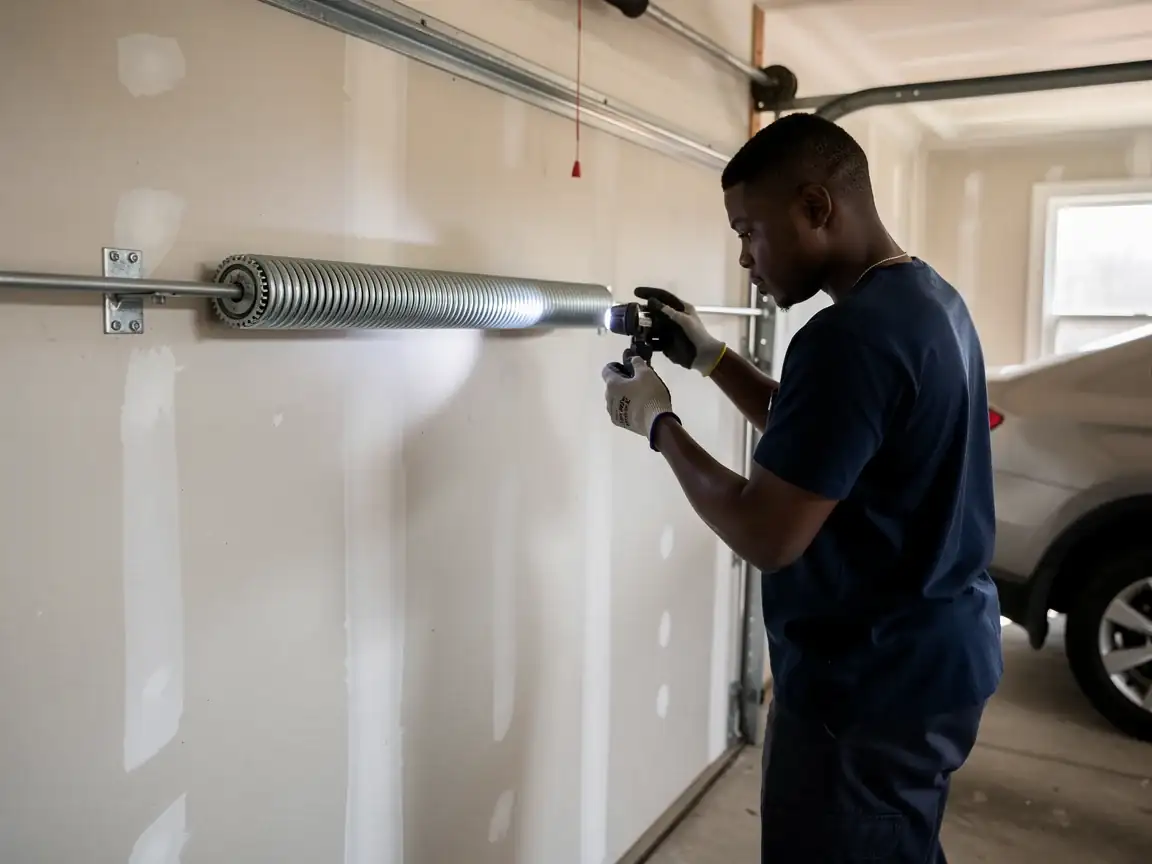
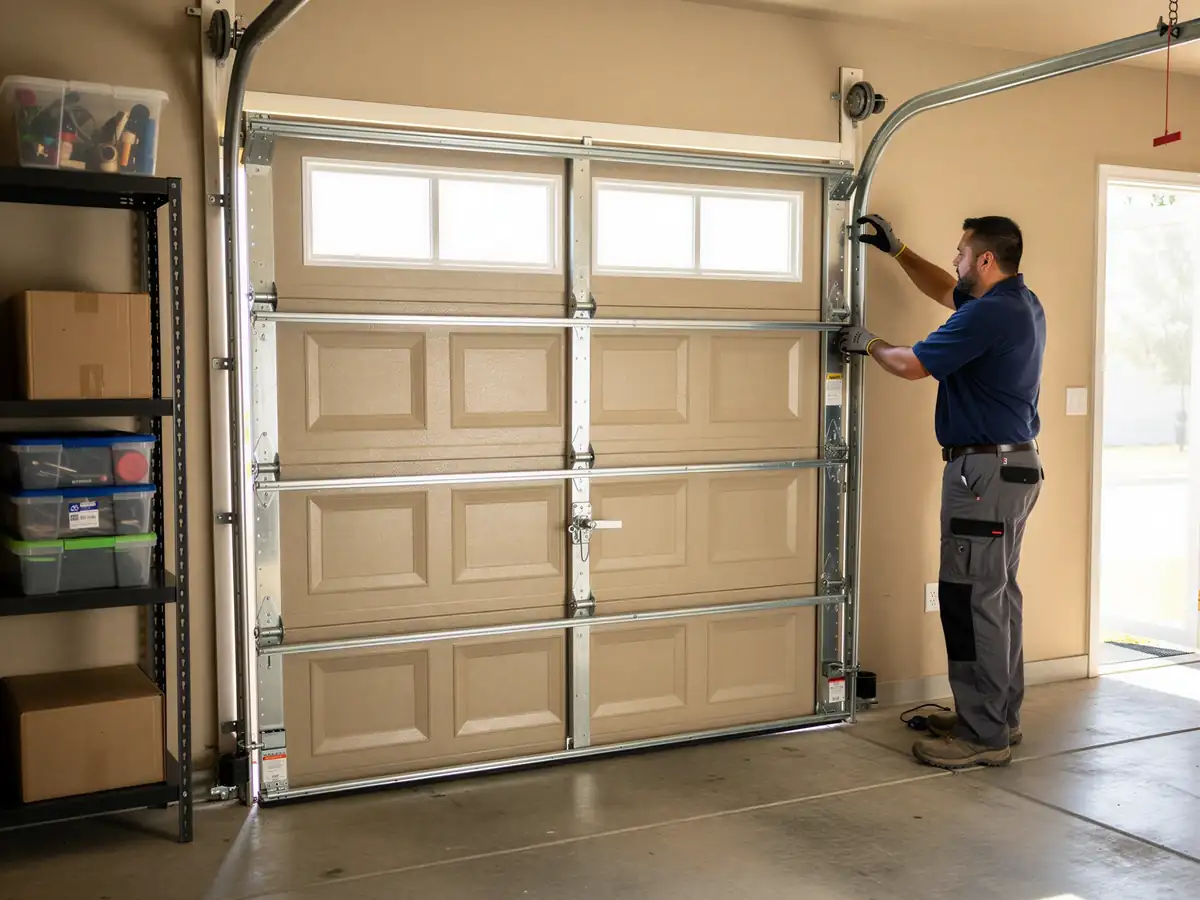
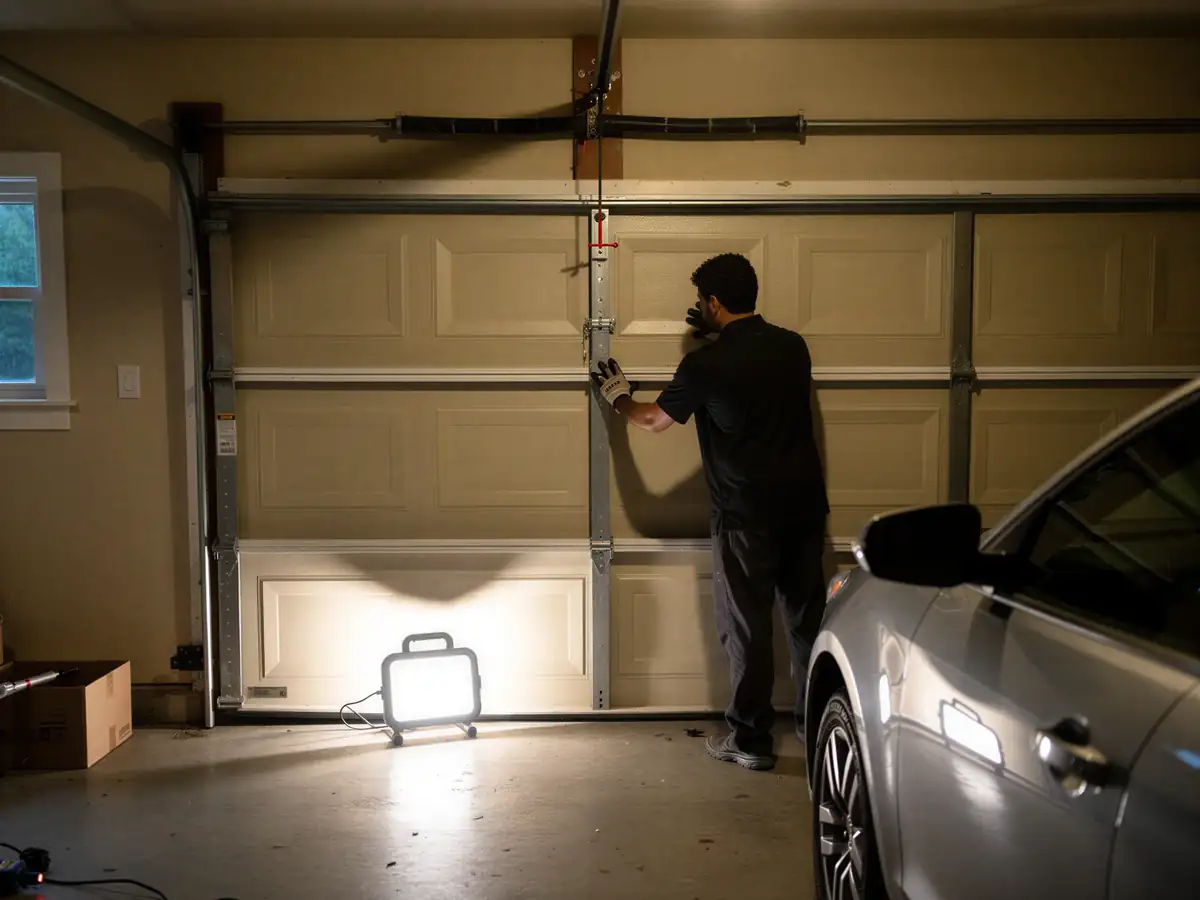
Obetz is about 8 miles from where our trucks run out of in Columbus, so the drive itself isn't the bottleneck - a straightforward spring or cable job still runs the same hour or so of hands-on time once the truck's in the driveway. What takes longer here is diagnosis on older setups. A house built in the late 1970s might have been through one or two door replacements since, so what's on the track now isn't always what the original builder installed. We spend a few extra minutes confirming spring size and drum type before we touch anything, because guessing wrong on torsion spring wind means a second trip.
If the job turns out to need a part we don't carry stocked (more on that below), the appointment itself still happens on schedule - we diagnose, we quote, and we tell you honestly if the fix needs to wait on a part.
Stocked Parts
Given the 1978 median build year in Obetz
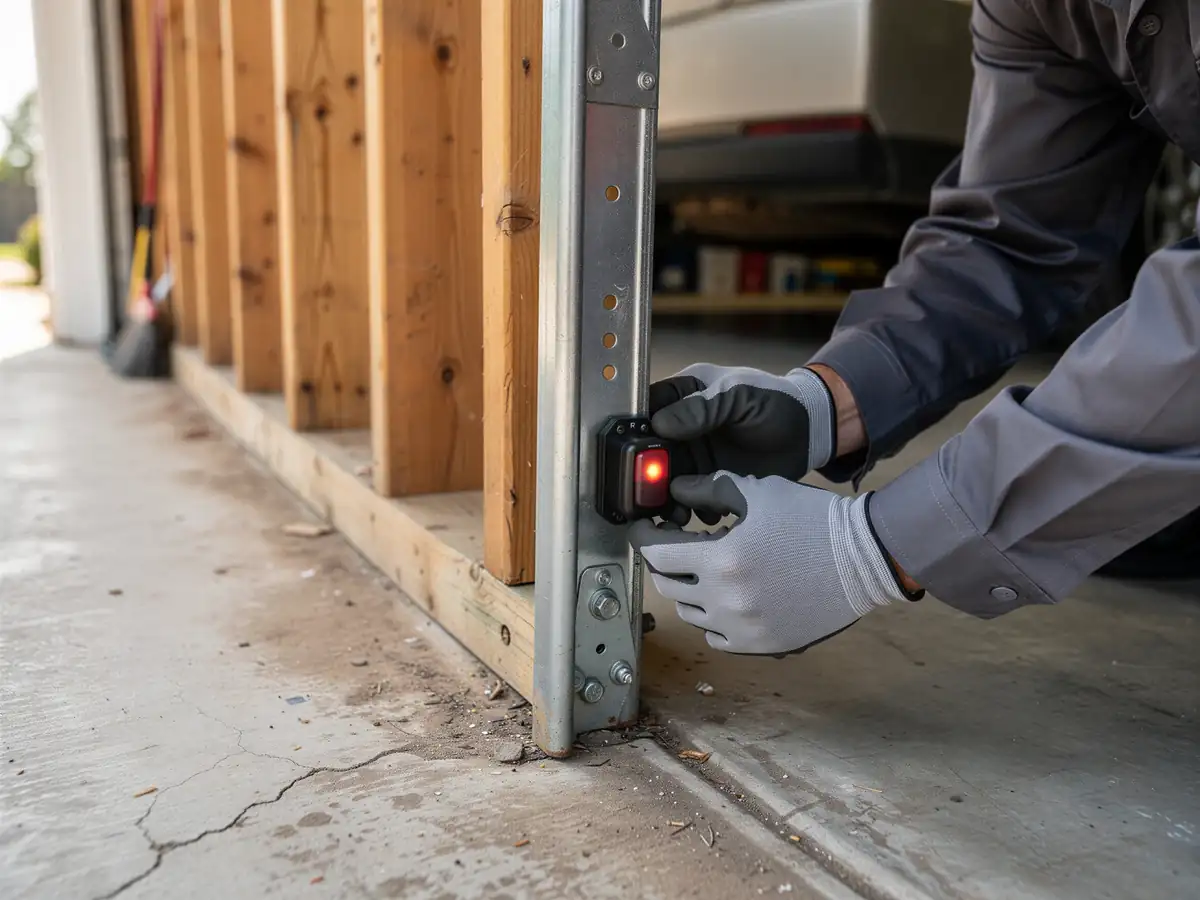
We load the truck expecting older torsion spring sizes and standard-lift track hardware rather than the newer low-headroom or jackshaft setups you'd see in a subdivision built in the 2000s. Rollers, cables, standard torsion springs in the common residential sizes, and basic safety sensor kits are things we carry regardless of which house we're pulling up to. Winters here fall into the cold-severe climate band, and cold makes old, dry springs and hardened grease the most common reason a door won't open on the first cold snap of the season - so that's the failure we're set up for before we even see the door.
What we don't carry on the truck
Specialty panel sections for discontinued door models and certain commercial-grade operators. If your door needs one of those, we'll tell you on the spot and get it ordered rather than make you wait around for a part that isn't coming that day.
How to Book
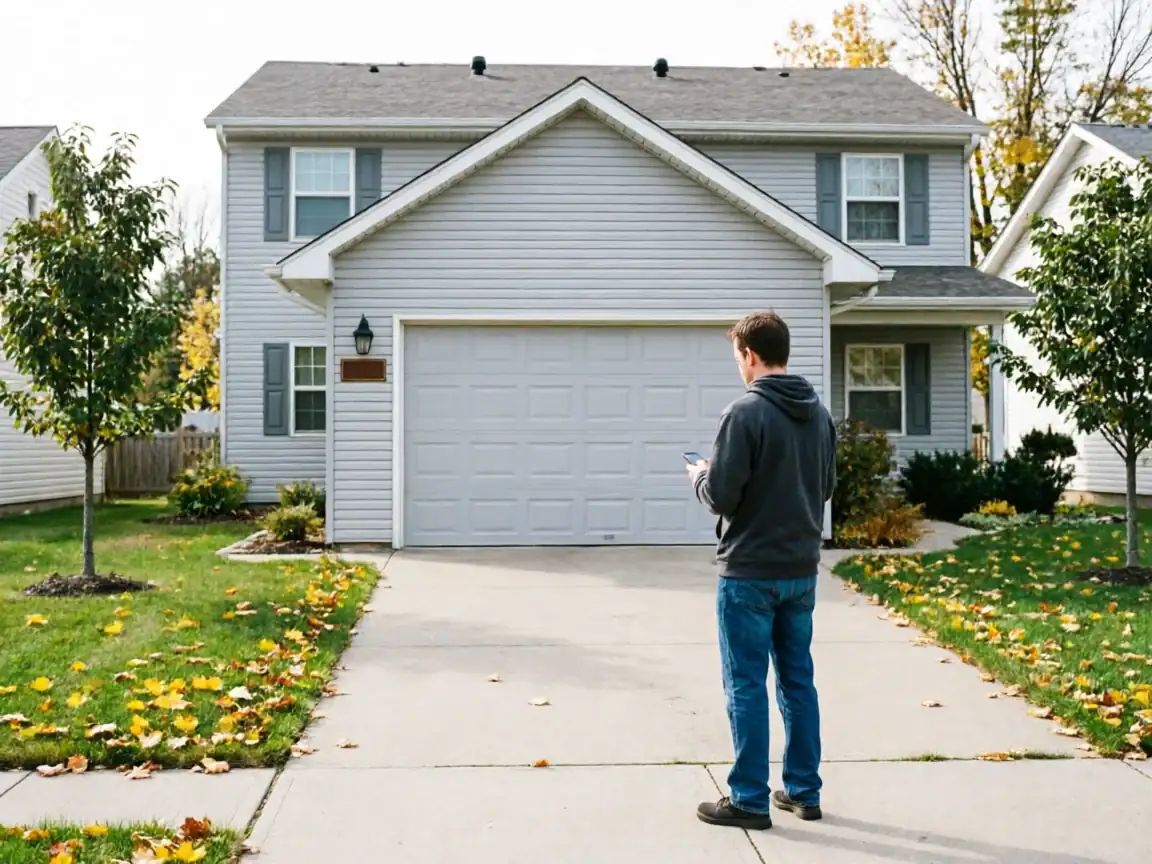
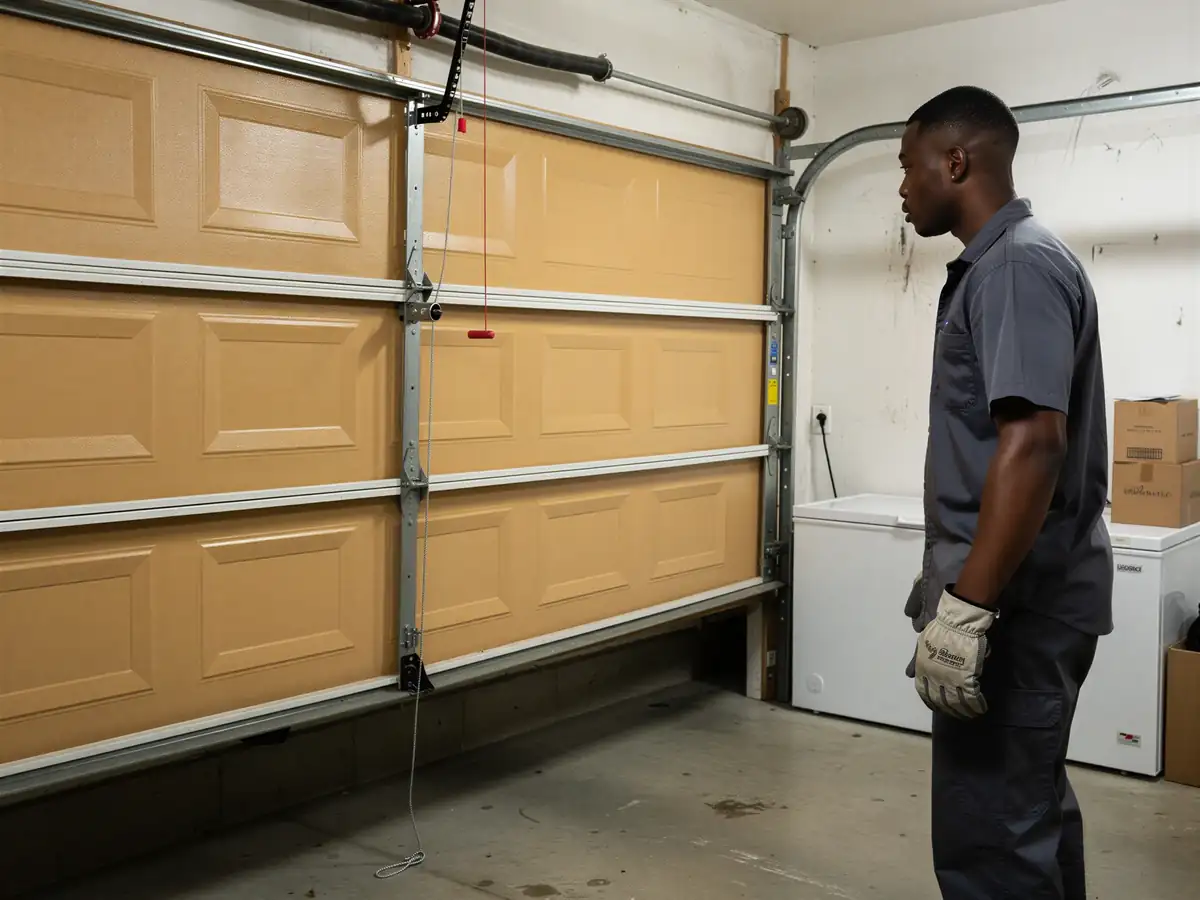
Calls for Obetz get scheduled out of our Columbus-based crew - there's no separate branch or local office here, just a truck making the 8-mile drive. Tell us what the door's doing (won't open, makes a bang, opener runs but door doesn't move) and the approximate age of the house if you know it; both help us bring the right spring size and hardware the first time instead of a second trip. We book the same way for every town in the service area, so there's nothing special about calling from Obetz other than the drive we already account for.
How It Shows Up
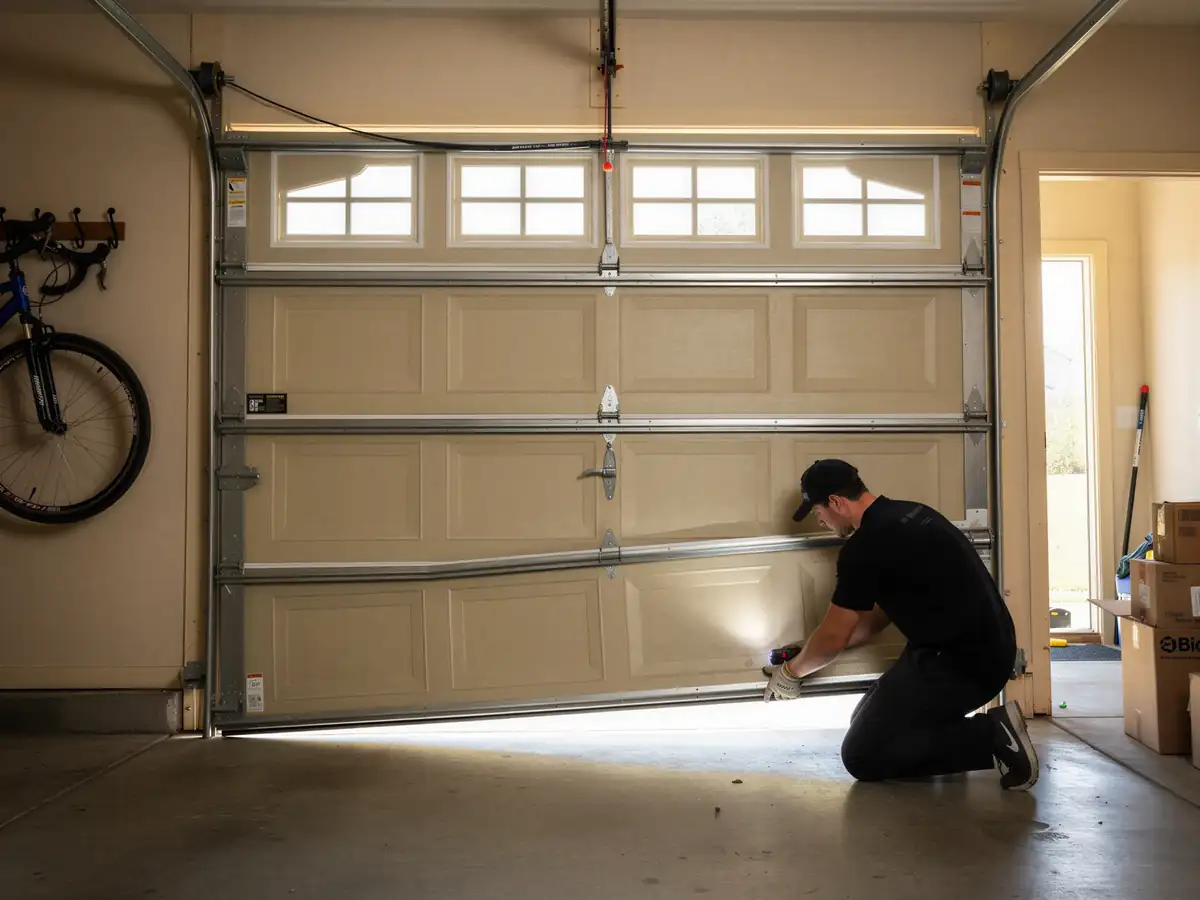
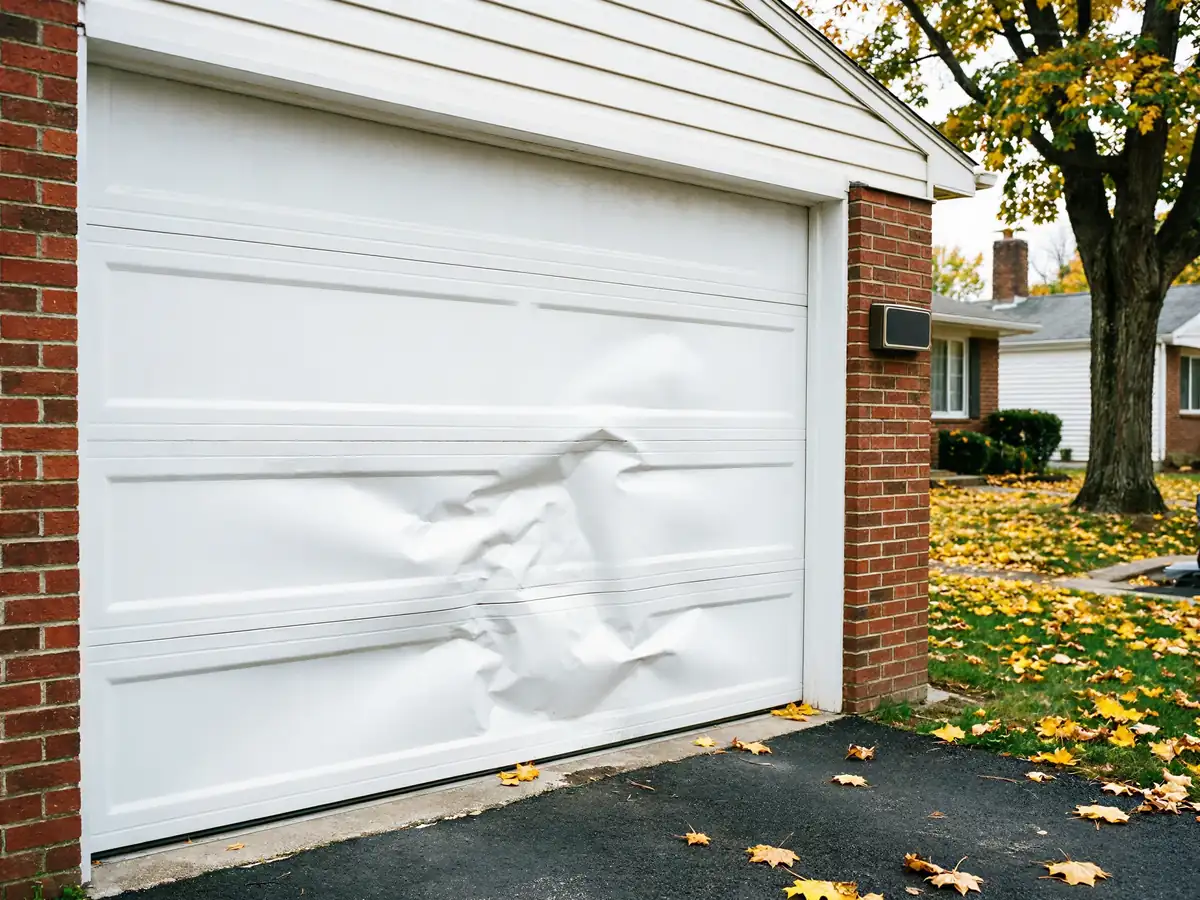
The most common call out of a town with Obetz's housing age is a torsion spring that's finally given out after decades of cold winters stressing the metal. You'll usually hear it before you see it - a loud bang from the garage, often in the morning after a hard freeze, and then the door won't budge or only moves a few inches before the opener strains and stops. Rollers on original track from this era tend to be steel rather than nylon, so a worn roller job sounds like a grinding or rattling the whole way up and down rather than a quiet click.
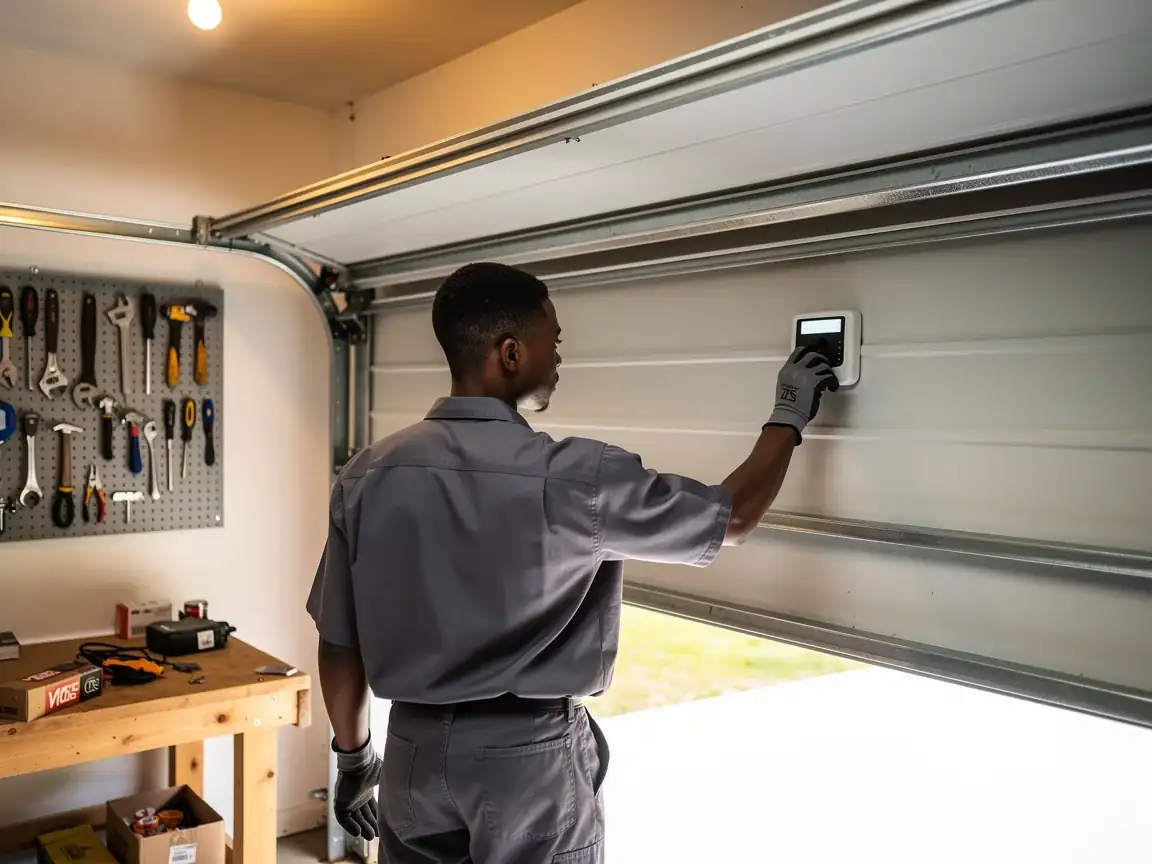
Less common but not rare: openers original to a 1970s-era install that have simply reached the end of their mechanical life, independent of the door itself. When that happens the fix is usually the opener alone, not the door or track, and we'll separate those two problems clearly on the quote so you're not paying to fix something that was never broken.