The Cost of This Job
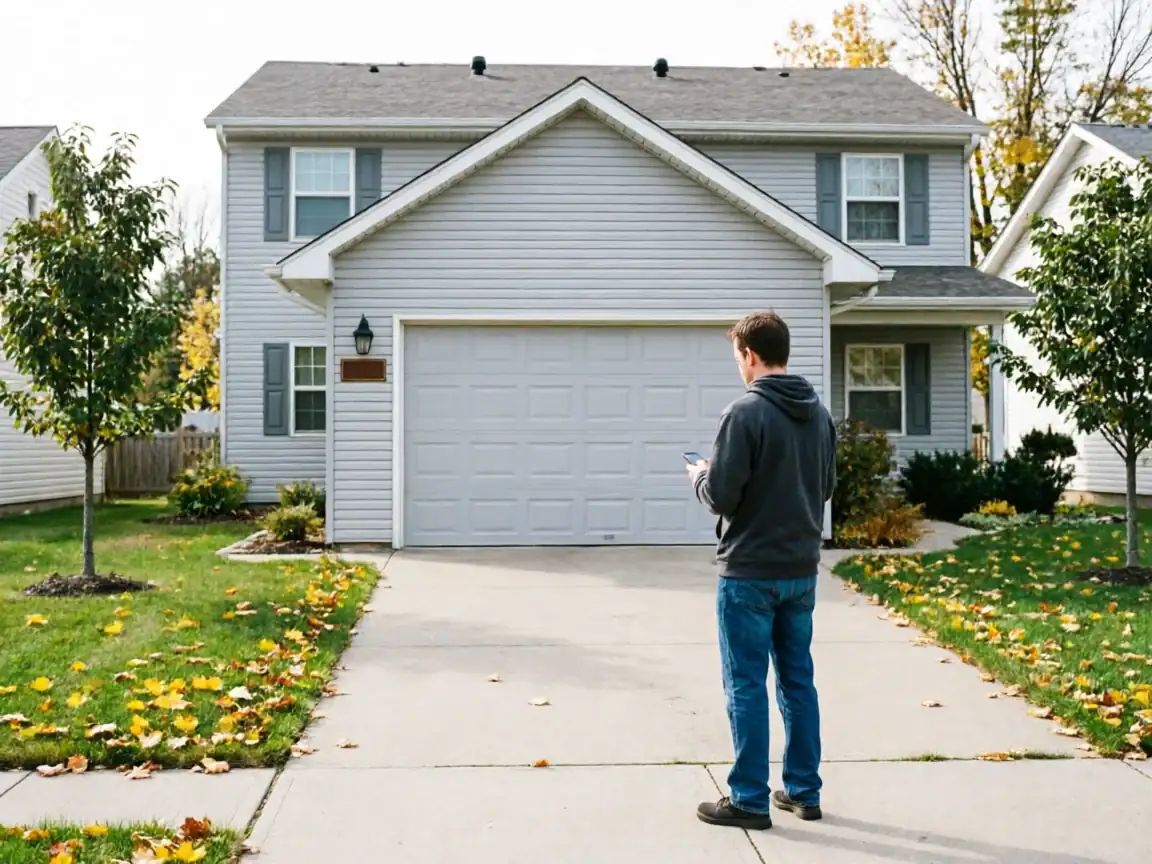
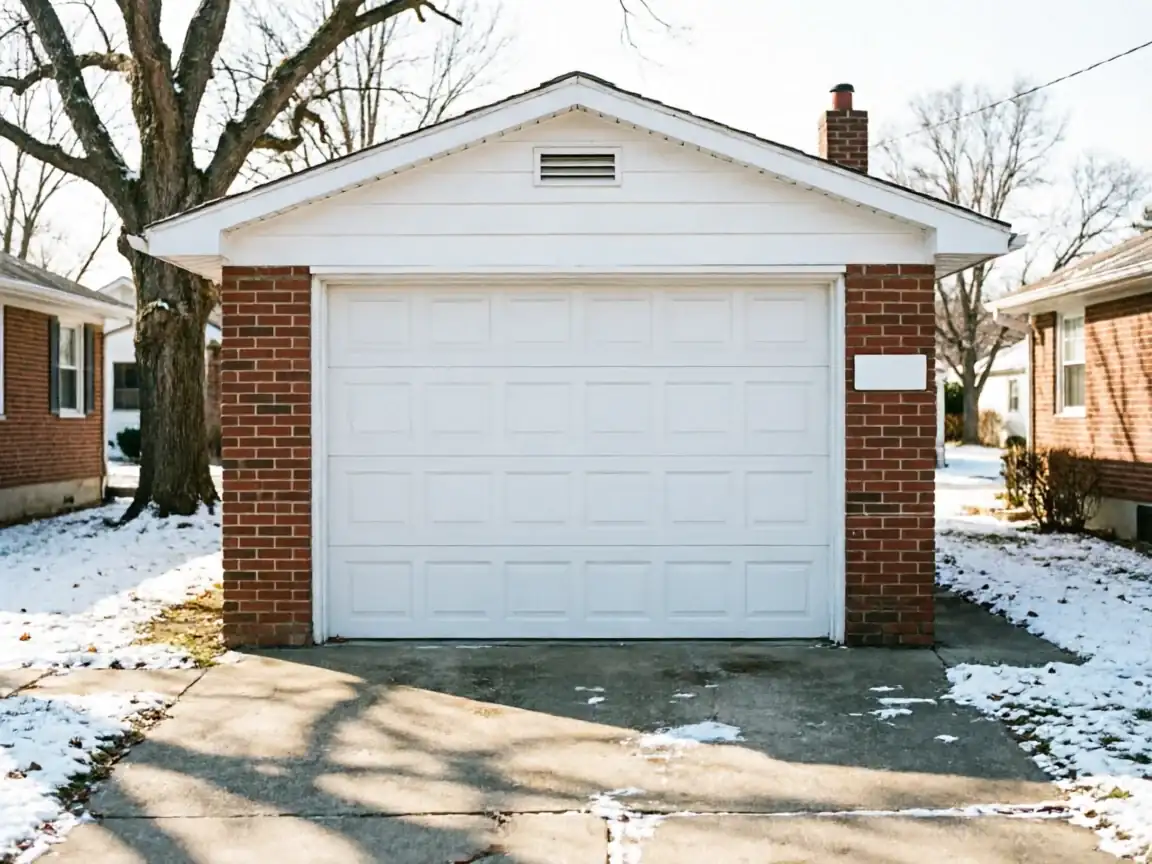
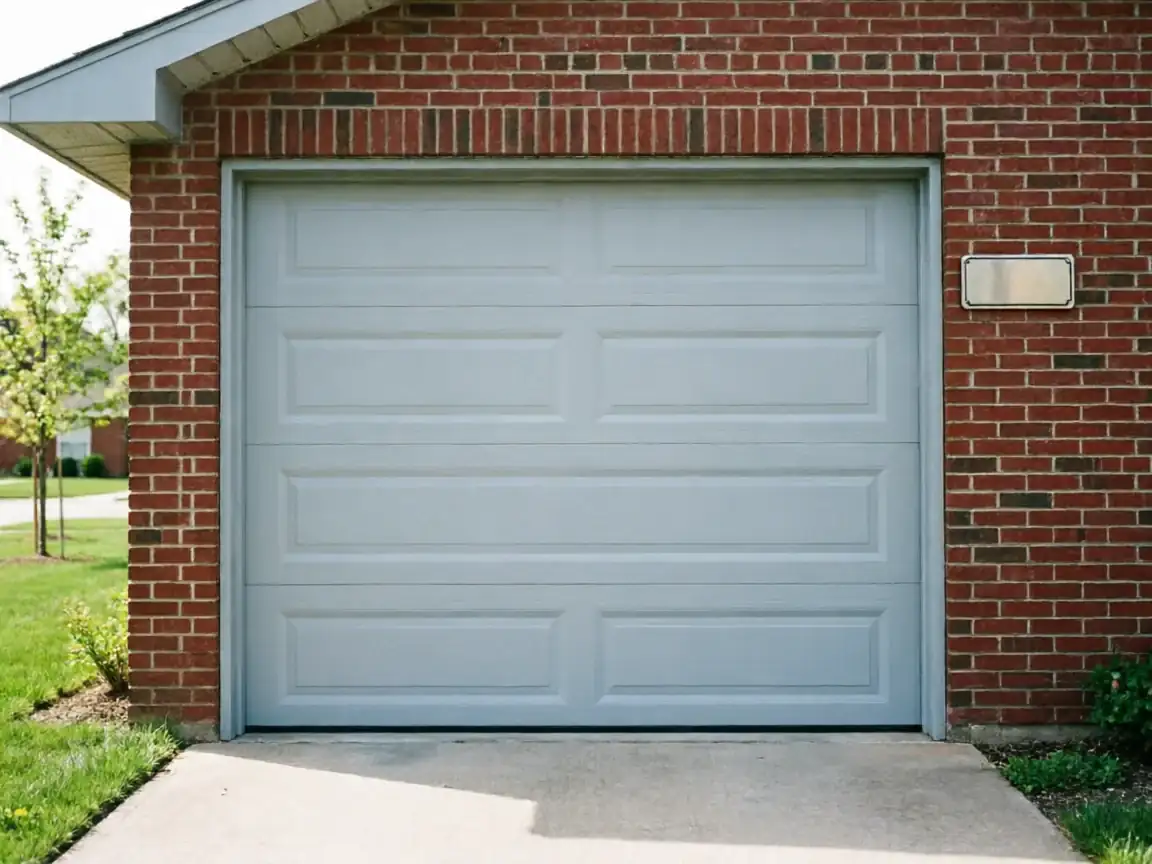
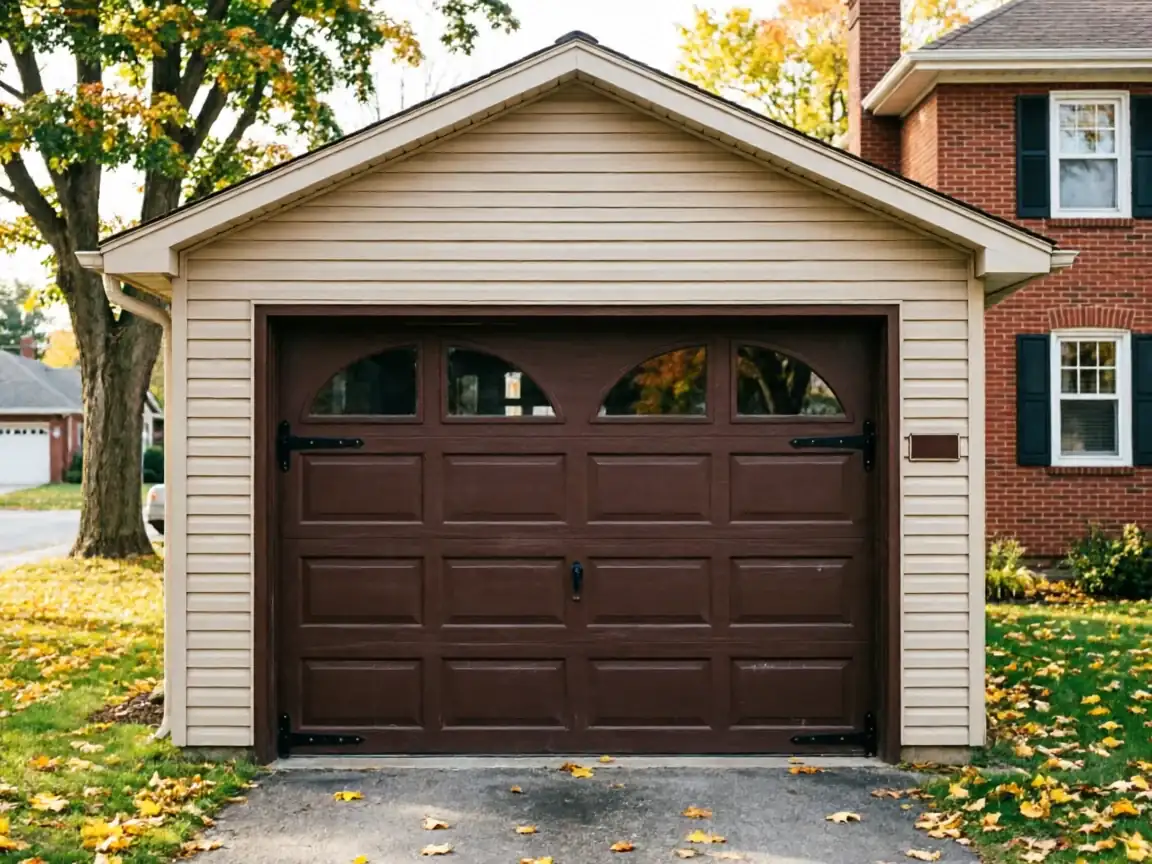
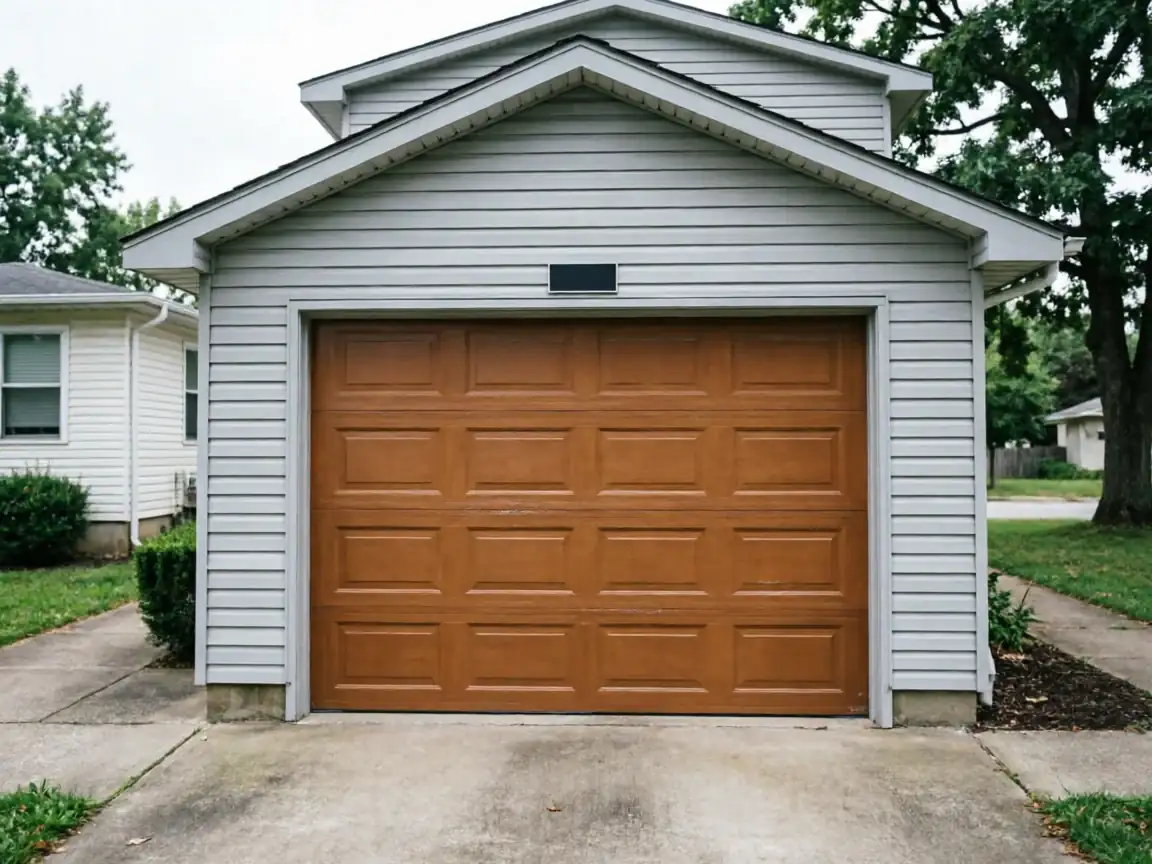
Obetz houses tend to date from around 1978, a few years ahead of the service area's overall median build year of 1986. That matters for panel replacement because doors from that stretch were usually single-layer steel sections, 24-gauge steel with two or three horizontal seams, not the thicker insulated panels that became common later. A dented or rusted-through section on one of these doors is often cheaper to patch than a 2000s-era insulated panel, because the steel is simpler and the hardware is narrower-gauge too. With a median household income of $81,200 in Obetz, below the service area's $99,964, we quote two options whenever the door allows it: a single matching panel versus a full replacement set, and let the owner pick where the line sits. We can't give a number here without seeing the door - the price swings on whether we can still match the panel profile or have to special-order a full set.
How Long It Takes
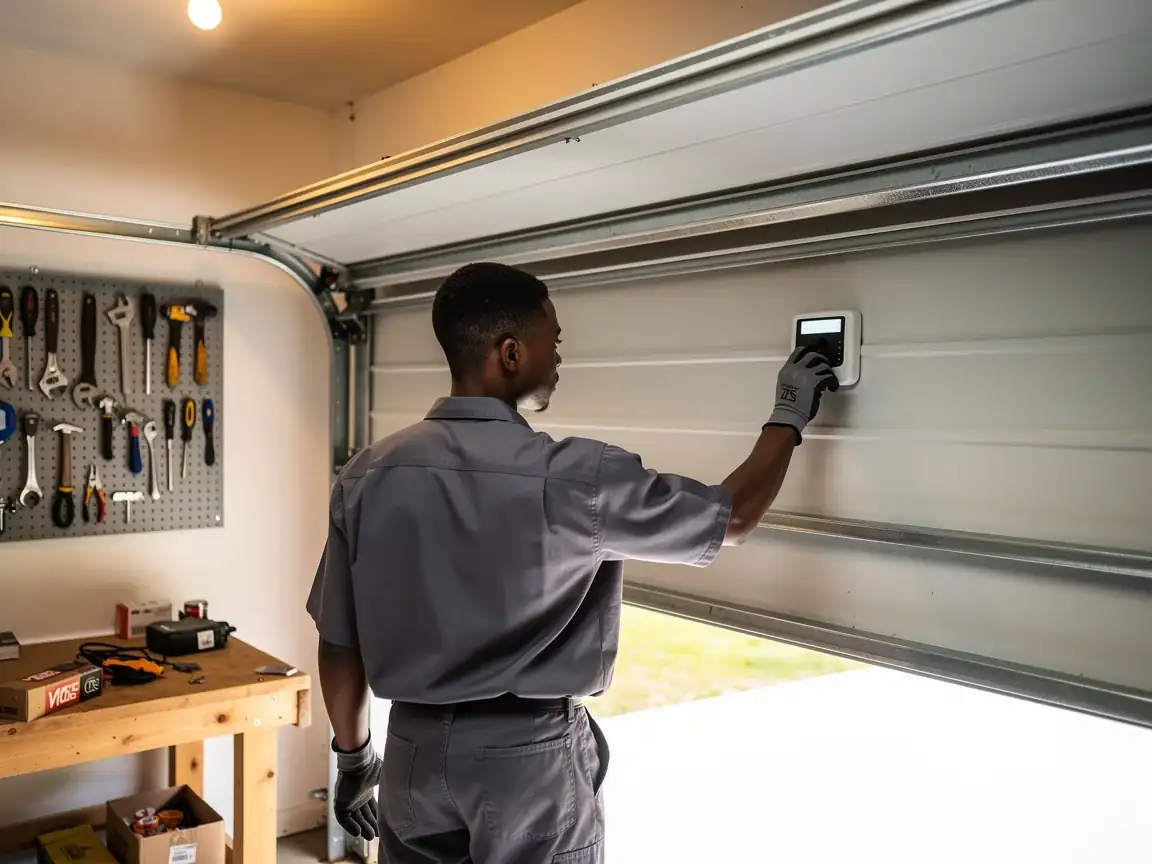
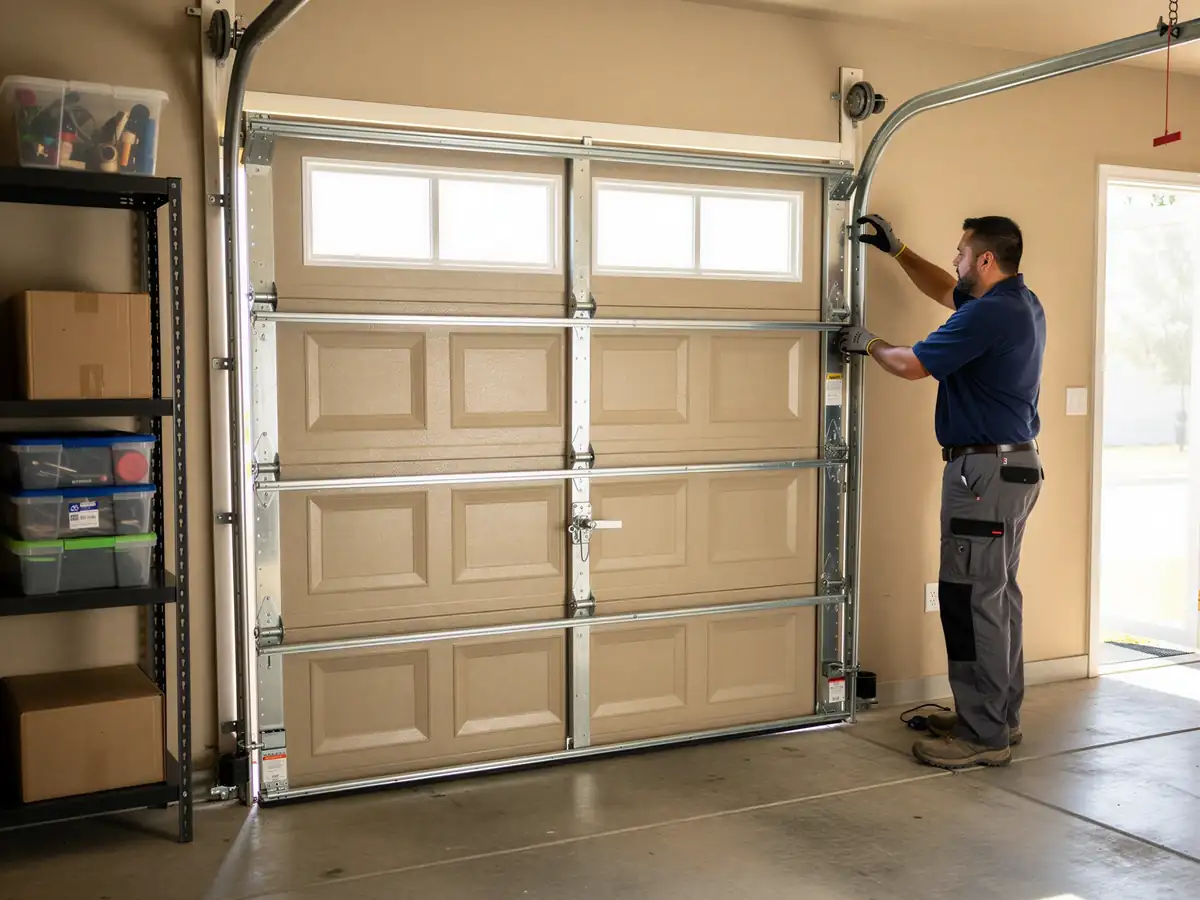
A matched single panel, when we can source it, is usually the faster visit. A full panel set, especially on an older 16x7 double door, takes longer because we're pulling and resetting every section's roller and hinge, not just one. Obetz sits 8 miles from our Columbus shop, a drive we make for scheduled panel jobs rather than same-day drop-ins, so the visit itself gets planned around the parts arriving first. We won't quote a time slot until we know which situation we're in - single panel versus full set - because they're genuinely different jobs.
How to Book
Call or request a visit through our Obetz service area page, and tell us the door's approximate age and what the damage looks like - a dent, a crack, rust along the bottom section, or something that's come loose at a hinge. That lets us bring the right panel stock on the first trip instead of a second one. If your job turns out to be a full door replacement rather than a panel swap, that's covered under our broader panel replacement work out of Columbus, and we'll say so plainly rather than selling a patch that won't hold.
How It Shows Up
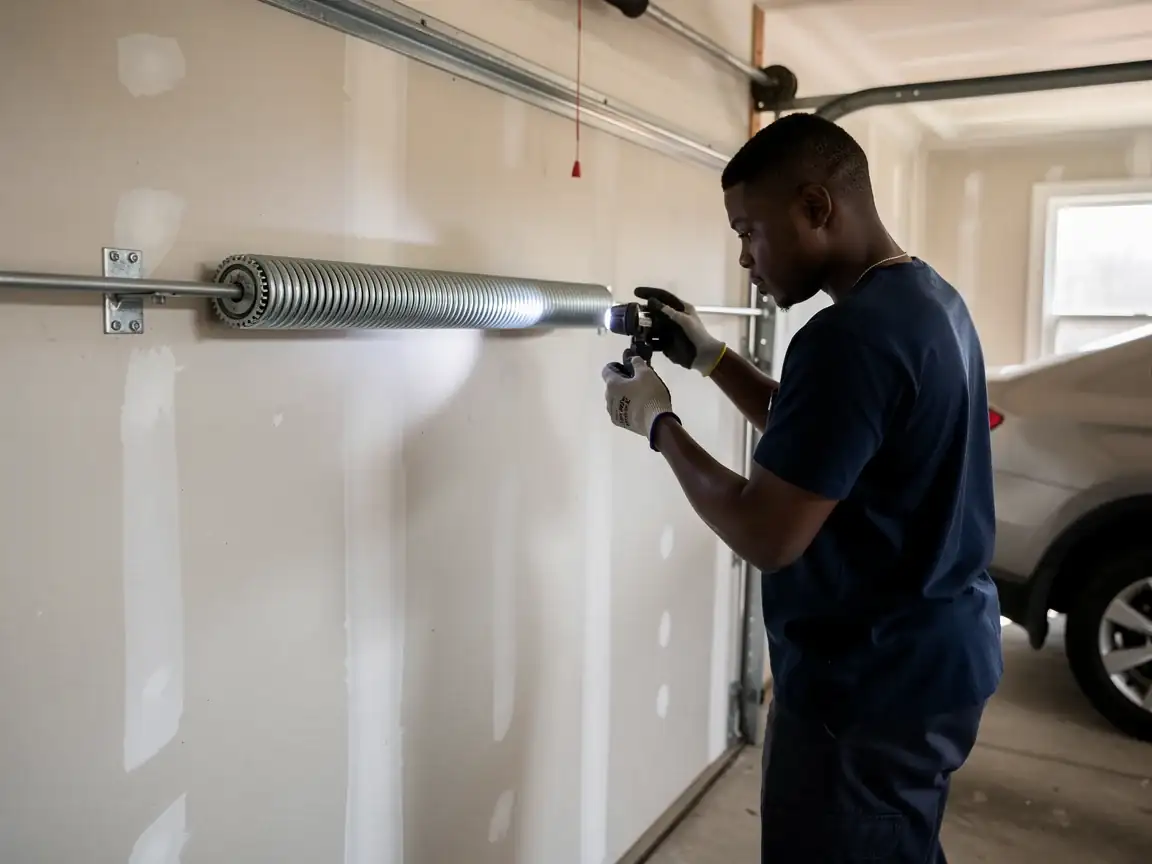
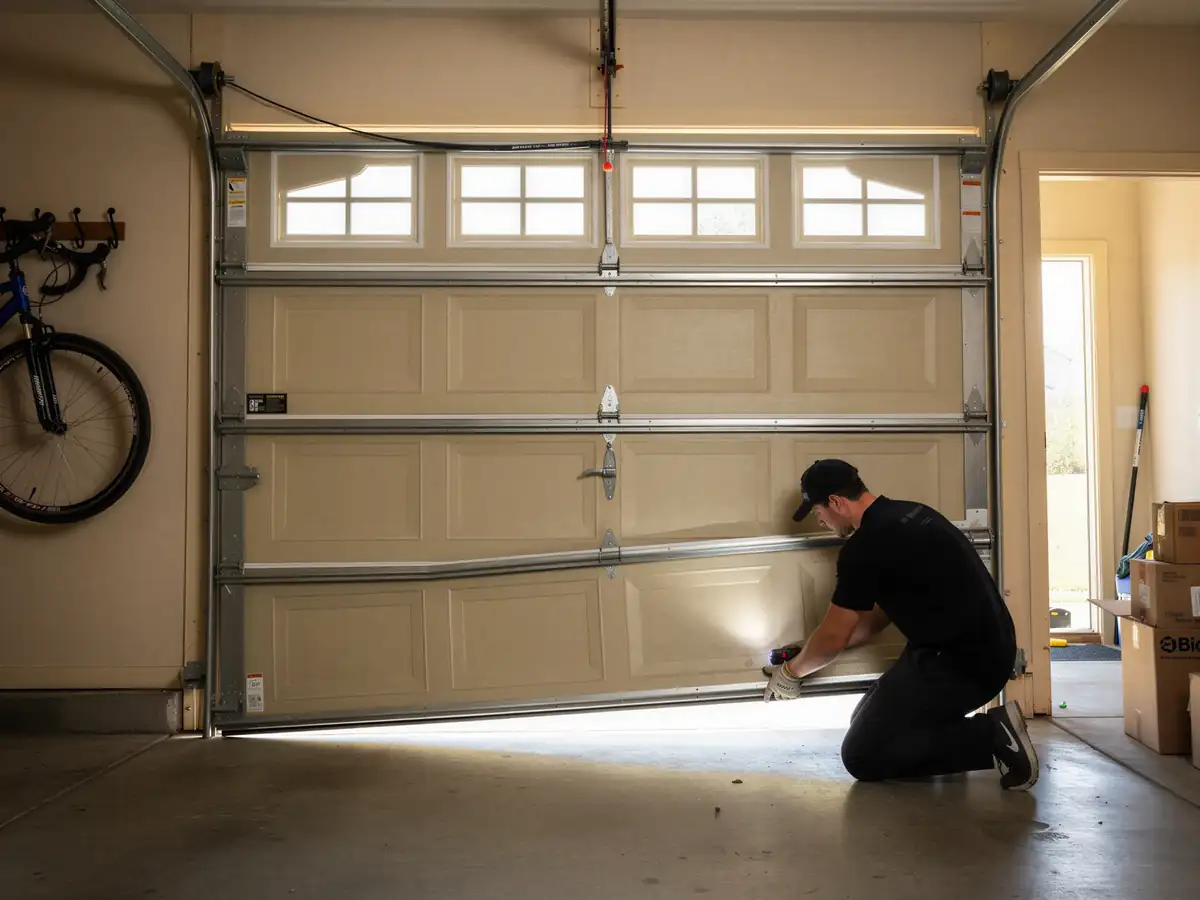
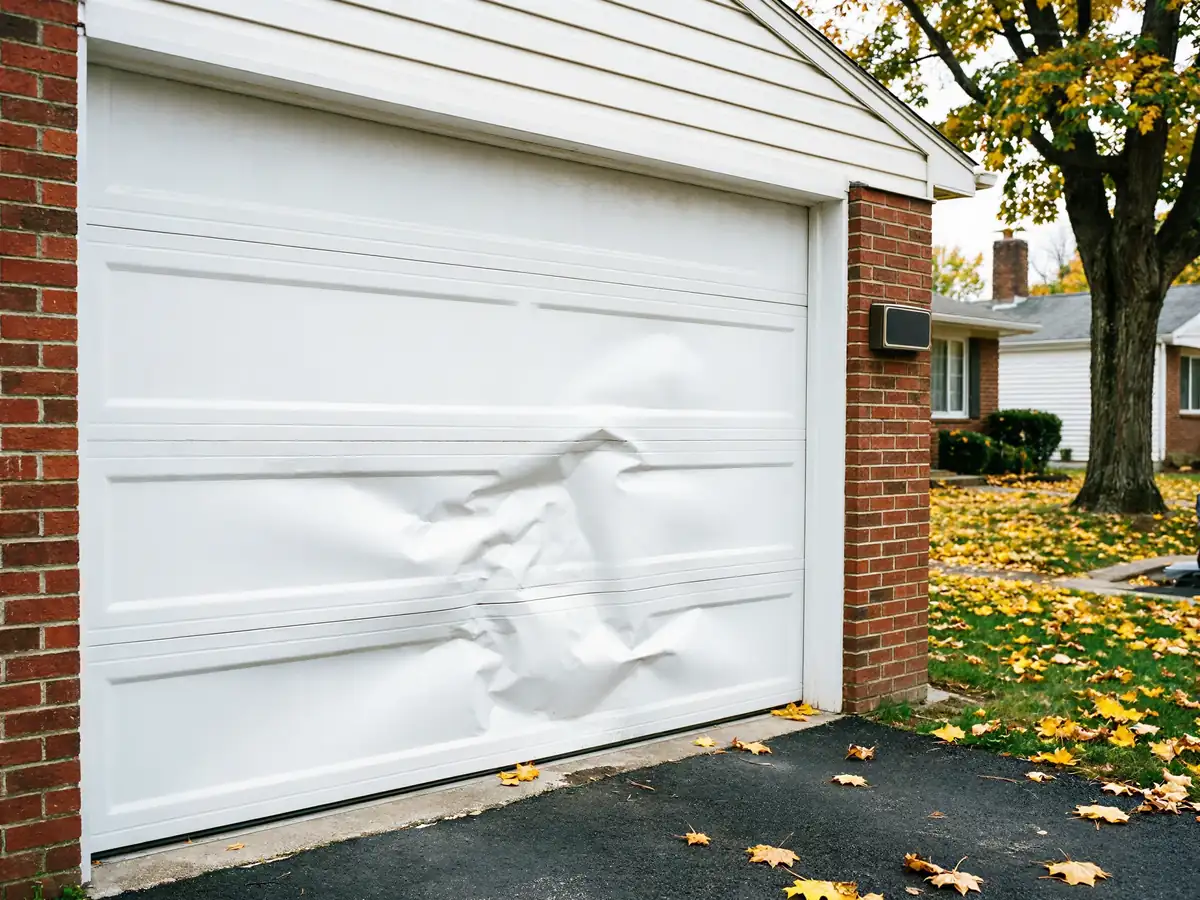
On a door this age, panel failure usually starts as a dent from a car bumper or a basketball, then turns into a crack along the seam a winter or two later once moisture gets into the steel. Rust shows up first along the bottom section, where snowmelt and road salt sit against the panel longest through a cold-climate winter. A section that's bowed outward at the middle, rather than just dented, is usually past patching - the steel's lost its shape and won't sit flush against the next panel no matter how it's clamped.