The Cost of This Job
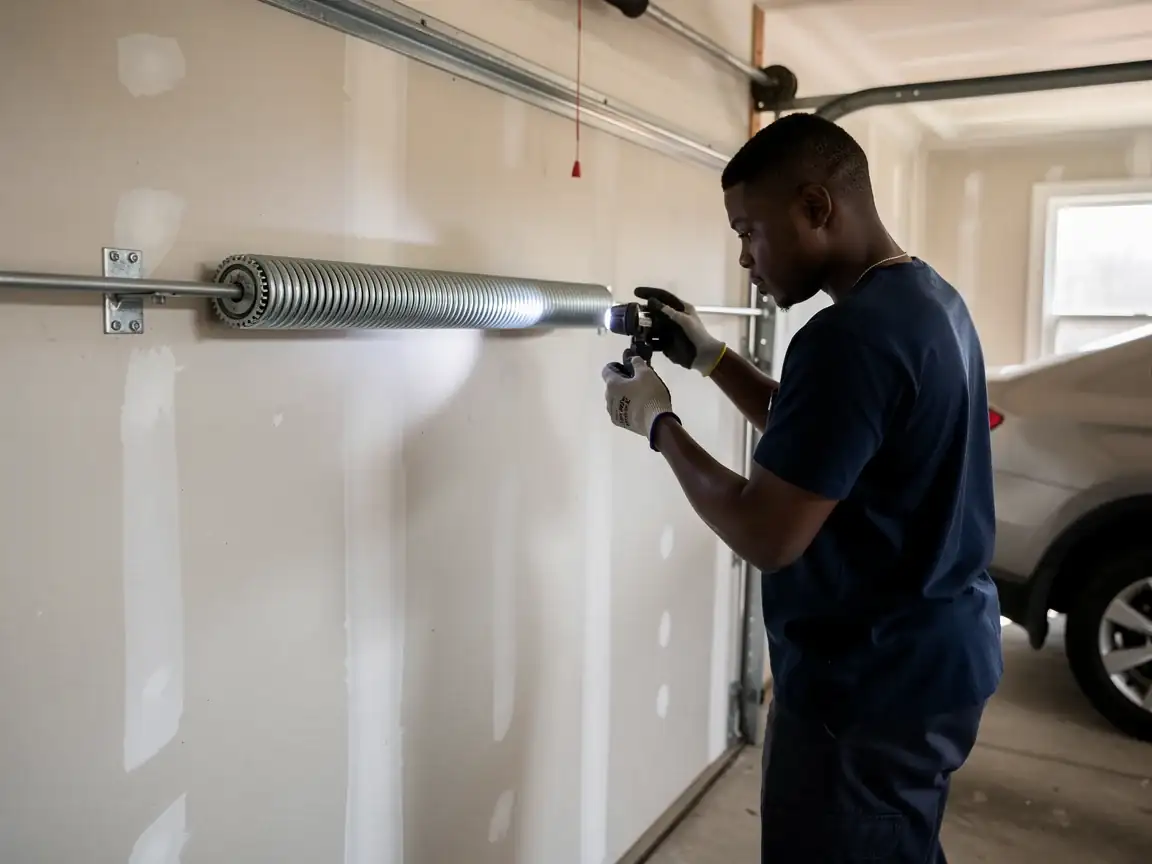
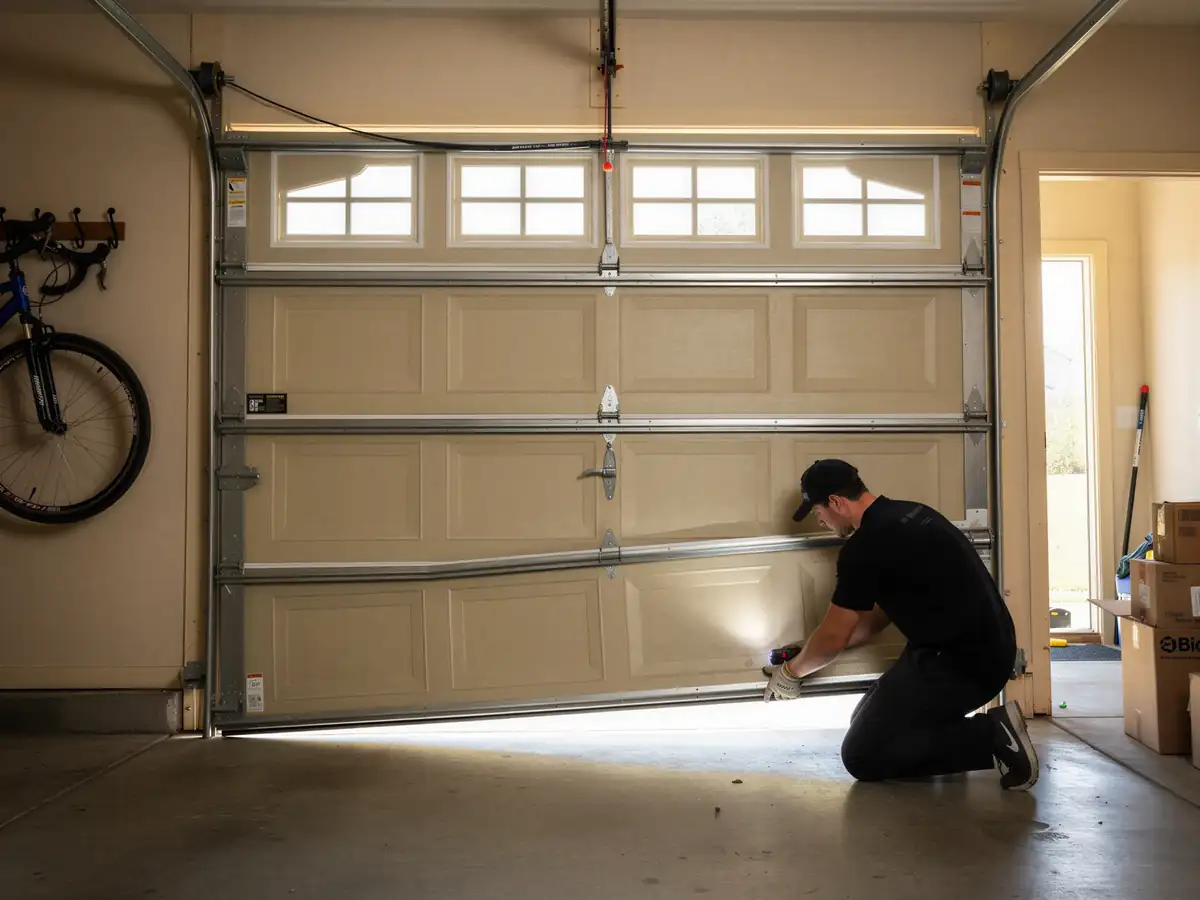
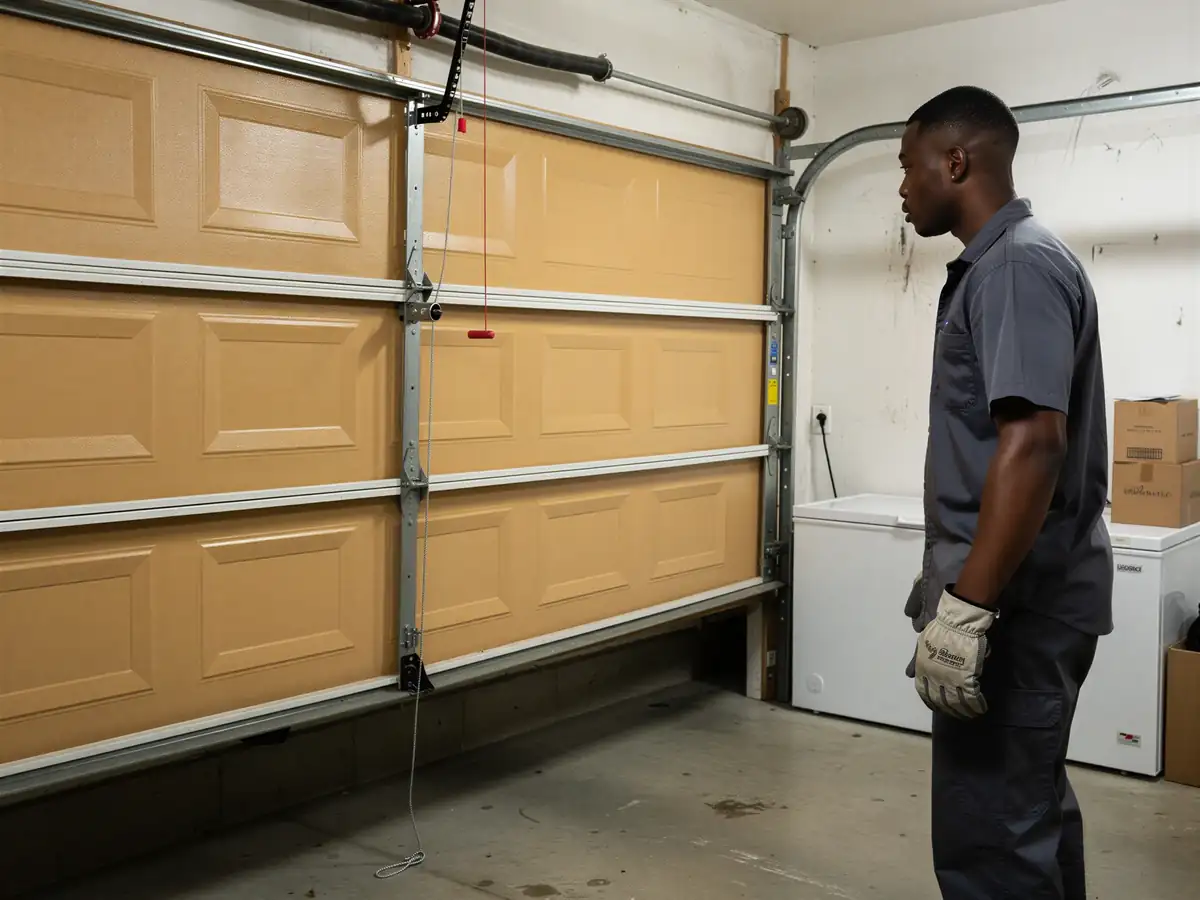
The fault we see first in Obetz isn't a broken opener board or a dead remote - it's torsion springs that have gone soft and tracks that have racked out of true. Obetz's housing stock centers on 1978, which puts a lot of these doors and their original hardware past the 40-year mark. Spring steel fatigues on a cycle count, not a calendar, but a door installed under Ford or Carter is well past due for inspection regardless of how it looks from the driveway.
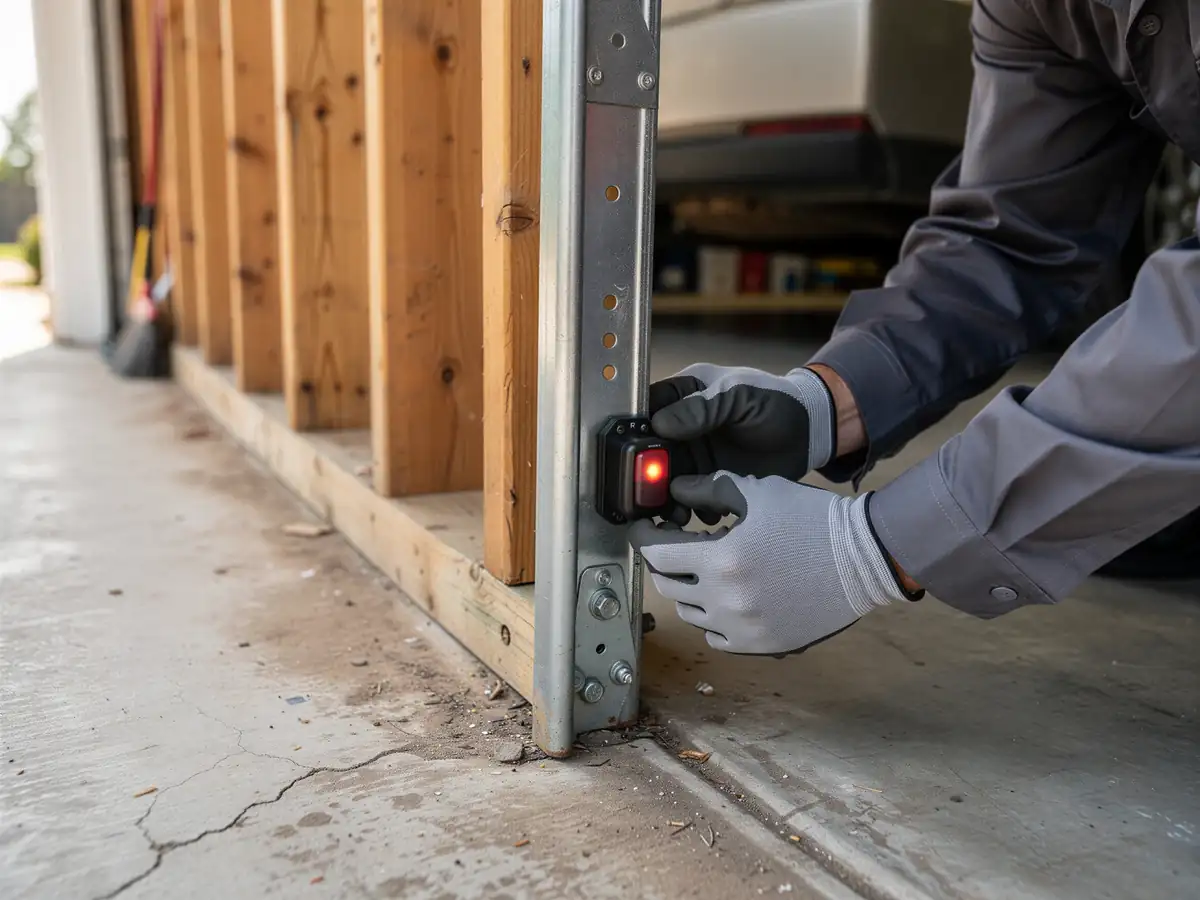
That 1978 median matters because it sits earlier than the 1986 median across the wider Columbus service area. Earlier builds mean more homes still running galvanized torsion springs rated for lighter doors, less insulation in the panel, and in some cases the older style extension spring setup along the horizontal track instead of a center torsion bar. None of that is wrong by itself. It just means a maintenance visit here spends more time on spring tension and less on calibrating a sensor than it might in a newer subdivision.
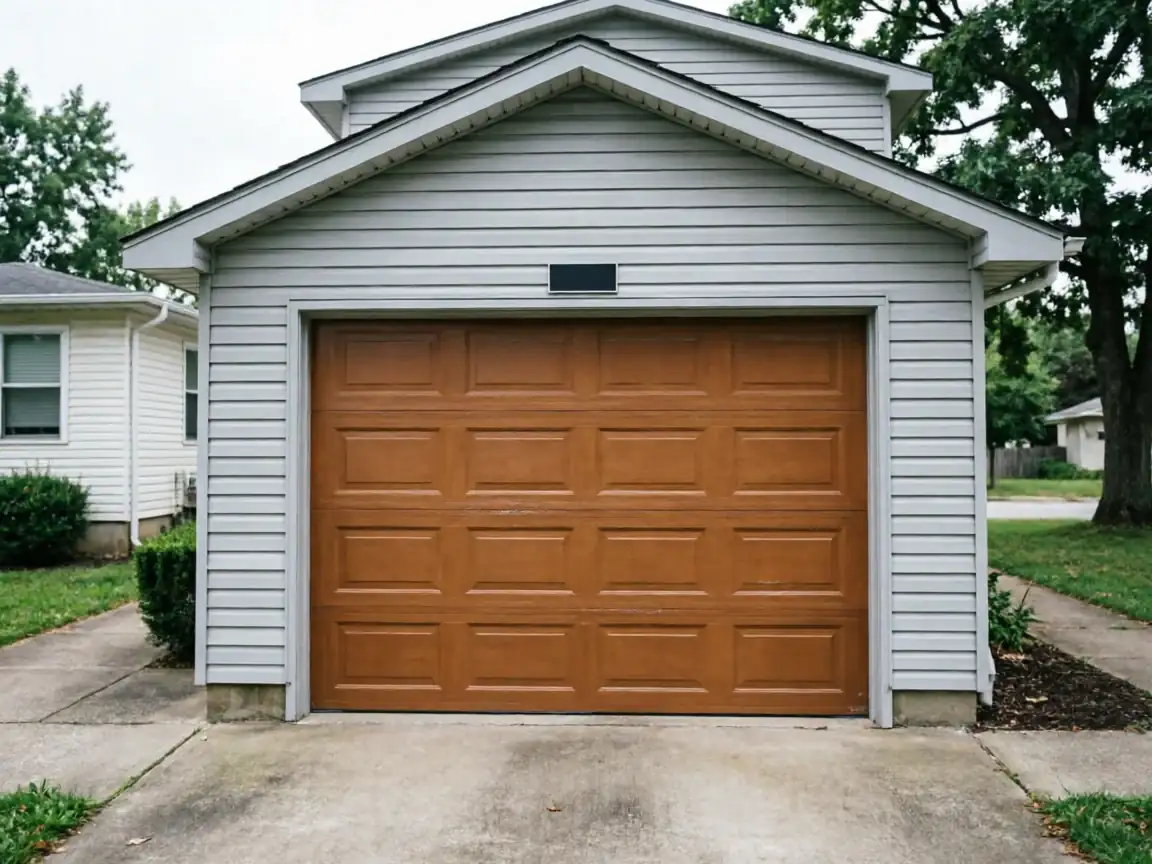
With 2,167 households in Obetz, this isn't a high-volume stop for us - it's an 8-mile drive out from Columbus, and we don't pretend otherwise. We don't keep a branch here. We bring the truck, we do the job, we leave.
How Long It Takes
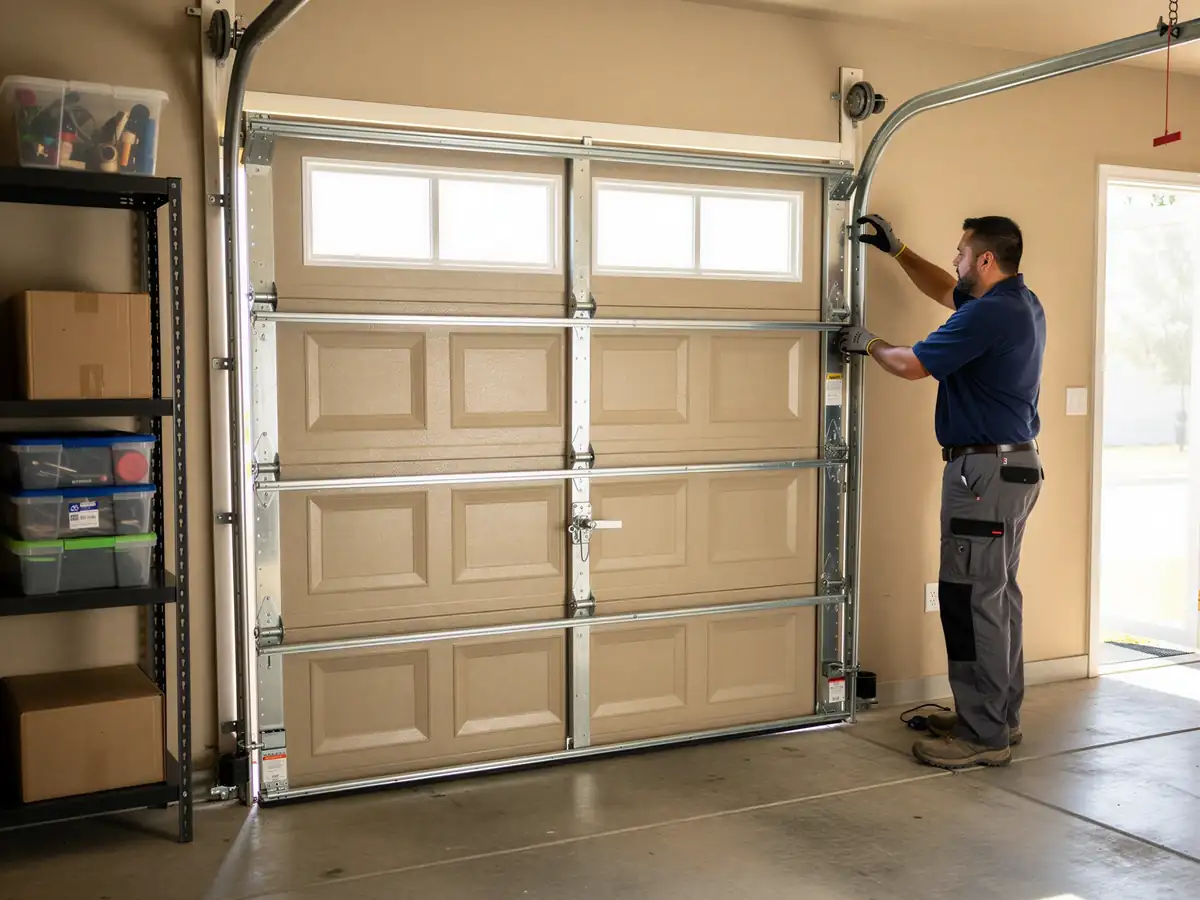
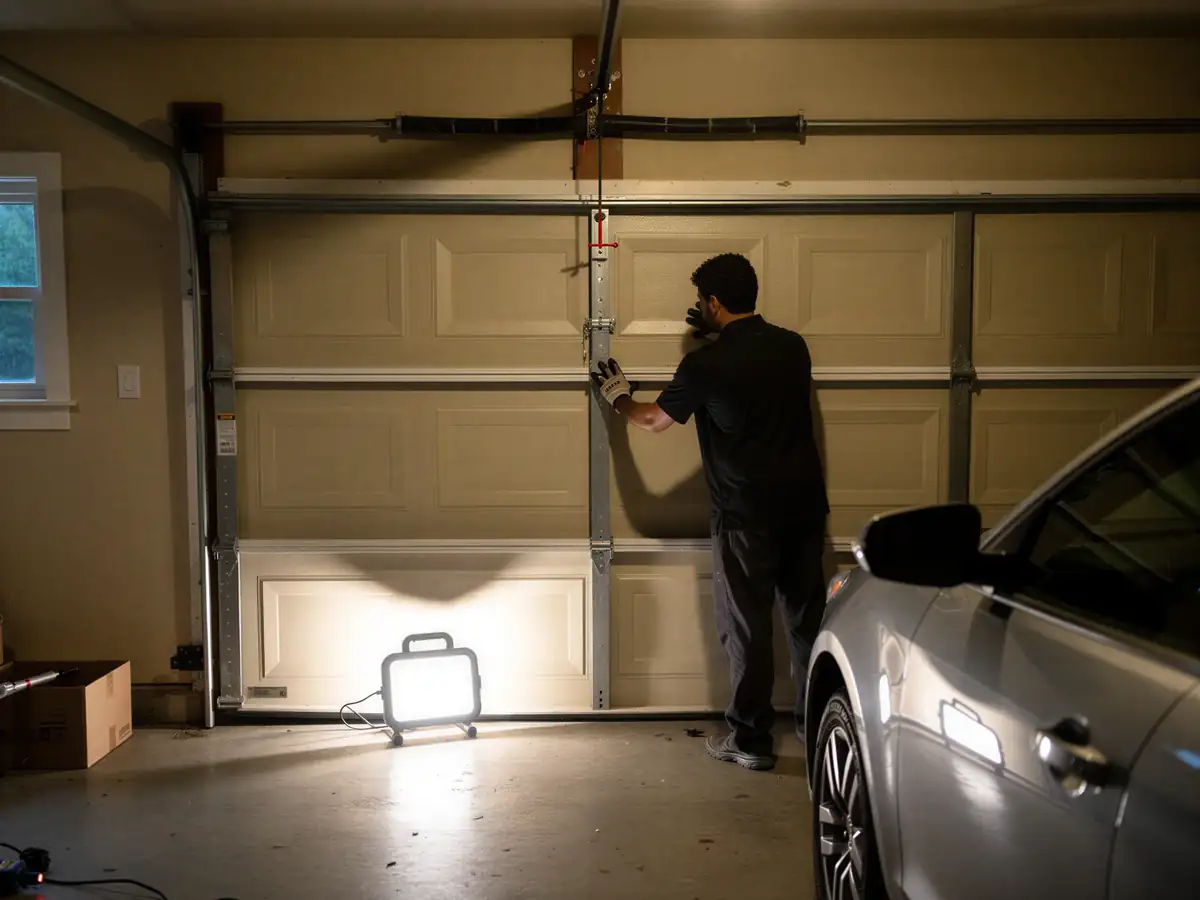
A straightforward maintenance visit - spring tension check, track alignment, roller and hinge lube, hardware torque, opener force test - runs about what you'd expect for a single door, and that doesn't change much by town. What does change in Obetz is how long the diagnostic takes before we start, because a door built around 1978 often has non-standard spacing or a spring gauge that doesn't match what's on the truck for a newer install.
COLD climate conditions add their own tax to the clock. Grease that was fine in August stiffens by January, and a track that's a sixteenth of an inch out of plumb will bind hard on a cold morning when it would have just groaned through in July. We budget extra time for cold-weather jobs here, not because Obetz is unusual, but because the severe winter swings this region sees hit older steel harder than newer coated hardware.
We're honest about one limit: if the door needs a full spring replacement on top of maintenance, that's a separate visit scheduling-wise more often than not, since the right spring isn't always on the truck for a 1970s-era door on the first pass.
Stocked Parts
For doors from the Obetz era
Built around 1978, per the local housing data - the parts that wear out first are torsion springs sized for older door weights, steel rollers with worn bearings, and lift cables that have started to fray at the drum. We carry common torsion spring sizes and standard galvanized rollers and cables on the truck because those fit the majority of doors from this build period.
What we don't always have on hand is a replacement for the original extension-spring track hardware some homes from the late 1970s still run
Since that setup was phased out in favor of torsion systems on most newer installs. If your door uses that older configuration, we may need to order a part rather than complete the swap same-visit - that's the honest limitation, not a sales pitch for a full replacement.
COLD-climate wear also shows up in weatherstripping and bottom seals faster here than in milder regions
So those are stocked too. For a door that's clearly reached the end of its service life rather than needing a tune-up, we'll say so plainly rather than keep patching parts that are fighting a losing battle against age.
How to Book
Booking a maintenance visit in Obetz works the same way it does anywhere in the Columbus service area - there's no separate Obetz line or local office, since we run out of Columbus and drive the 8 miles in. You can look at what we cover for the area through our service area page, and if what you need is broader than a single maintenance visit - a full opener swap, panel replacement, a second door - the Columbus maintenance page covers the services that apply across the whole area rather than just this one job.
When you call, it helps to know roughly how old your door is and whether it's ever had the spring replaced. For a city built up mostly in the late 1970s, that single detail - original spring or replaced spring - tells us more about what to bring than almost anything else you could mention. If you don't know, that's fine too; we'll figure it out on site, we just might need that second trip if the hardware turns out to be older than expected.
How It Shows Up
In Obetz, the maintenance call usually starts with something small: the door's gotten louder, it hesitates a half-second before lifting, or it slams the last six inches instead of settling. On a door from around 1978, that's almost always spring tension drifting off balance rather than anything wrong with the opener itself. The opener motor is doing extra work to compensate, which is why people sometimes think they need a new opener when the actual fault is upstream of it.
Cold weather makes it worse. A door that's slightly out of balance in August can become a door that won't budge in January once grease stiffens and metal contracts. We get more Obetz calls in the cold months for exactly that reason - not because anything's freshly broken, but because marginal wear finally crosses the line into a stuck door.
With household incomes in Obetz running lower than the broader service area average (F7 vs. the local $81,200 figure), we try to flag early when a repair is worth doing versus when the door's close enough to end-of-life that a maintenance visit is just delaying a bigger bill.
What the Repair Takes
Once we're past diagnosis, the repair itself on an Obetz door built near 1978 usually means one of three things
Re-tensioning or replacing a torsion spring, swapping worn rollers and resetting the track alignment, or replacing a frayed lift cable before it snaps under load. Each of those is a contained job, not a full-door teardown, as long as the panel and frame are still square.
What it doesn't usually take is a new opener
Openers fail on their own timeline, tied to the control board and motor, not to the house's construction year. We see plenty of Obetz doors with original-era hardware running a newer opener that's been swapped once or twice over the years - the two parts age independently.
We'll say plainly when a repair isn't worth it
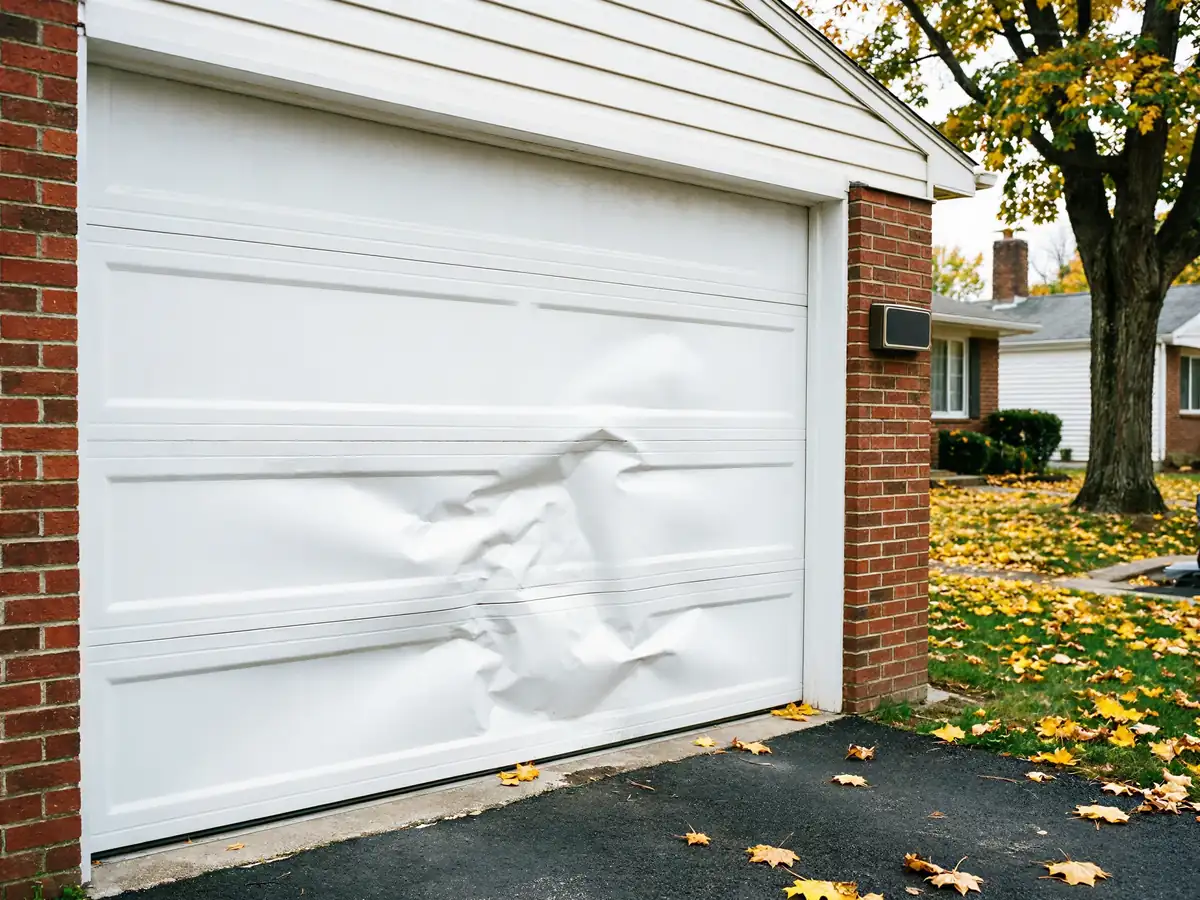
If the door itself has warped panels or the track has rusted through structurally, no amount of spring or roller work fixes that, and we'd rather tell you that up front than bill for a patch that won't hold through another COLD-band winter.