How Long It Takes
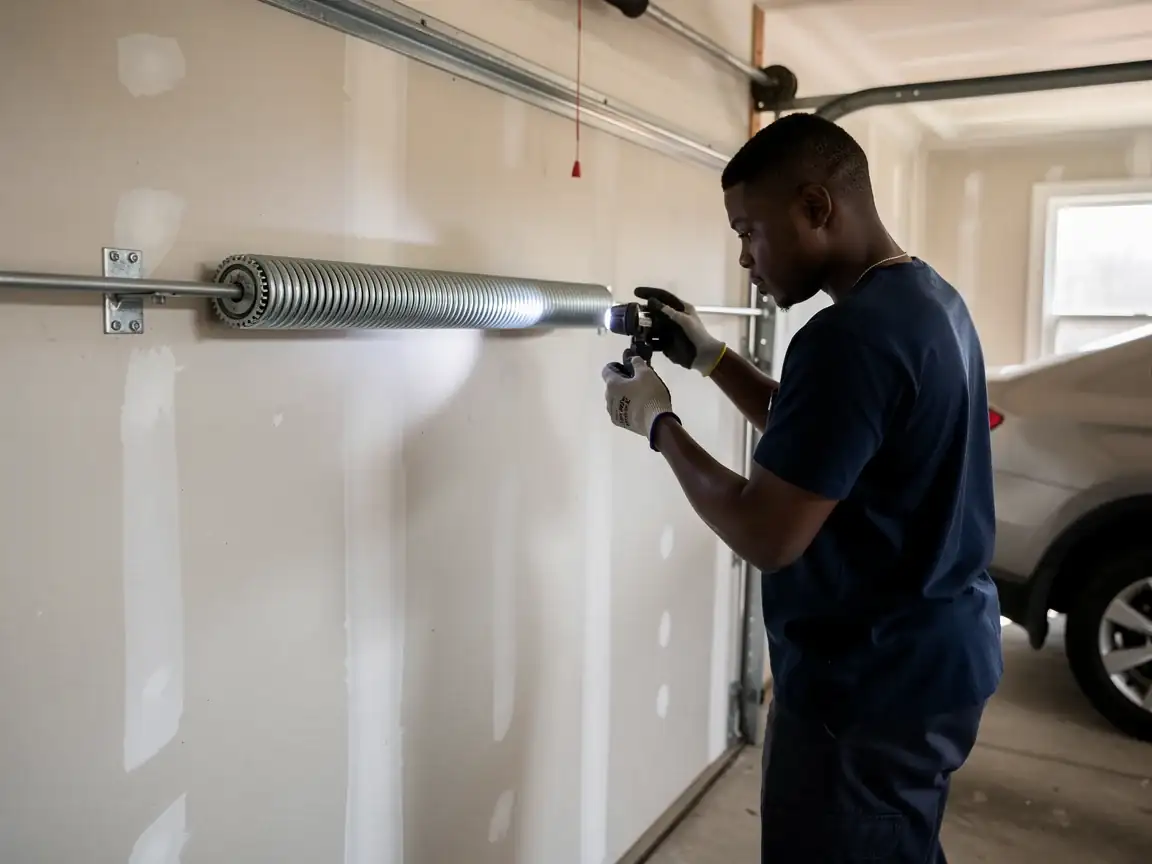
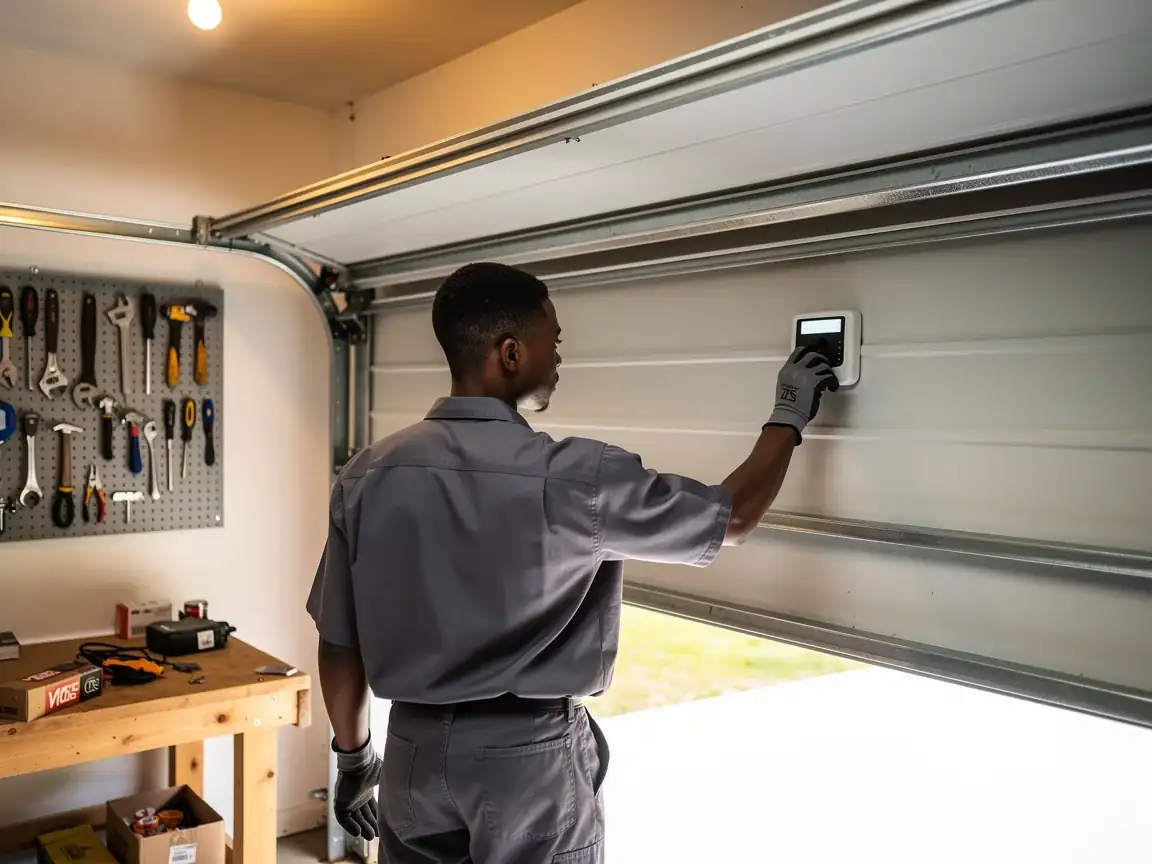
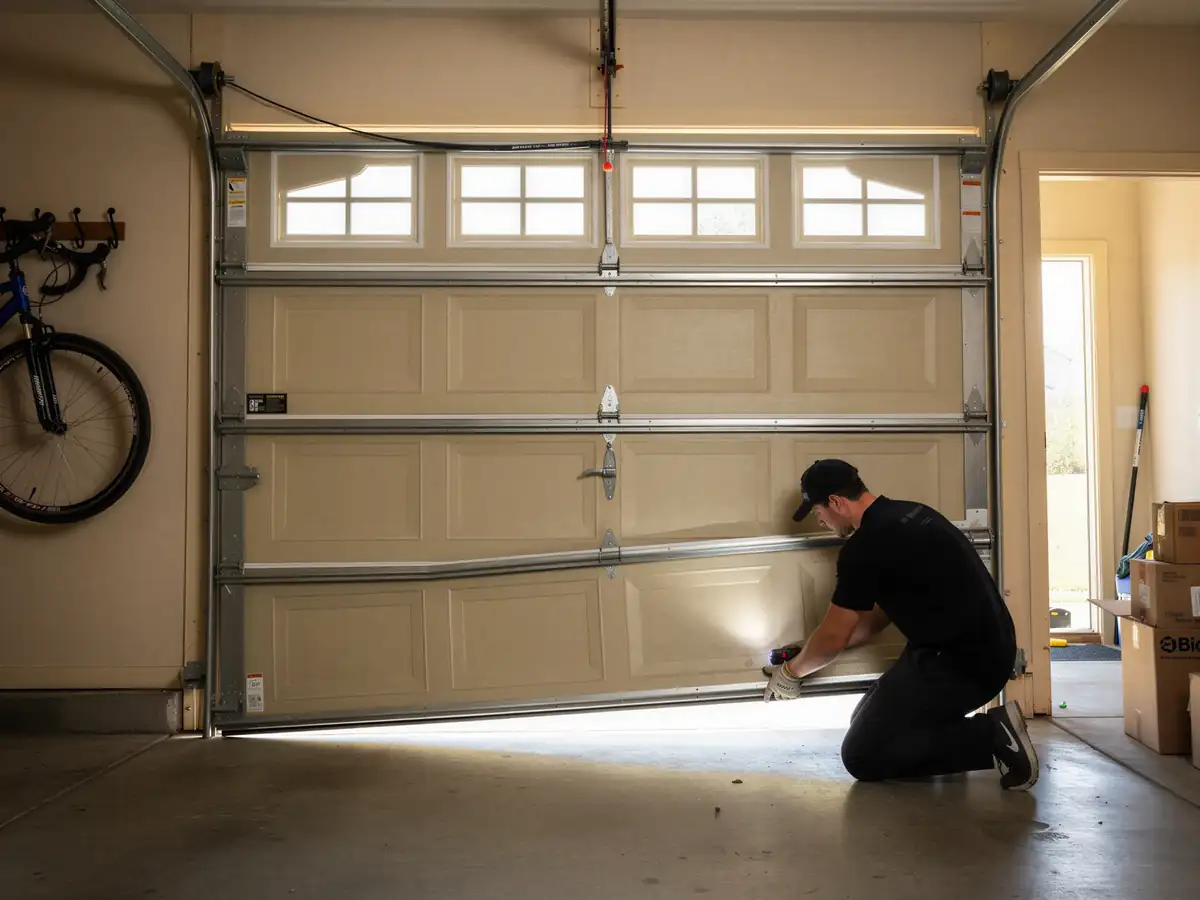
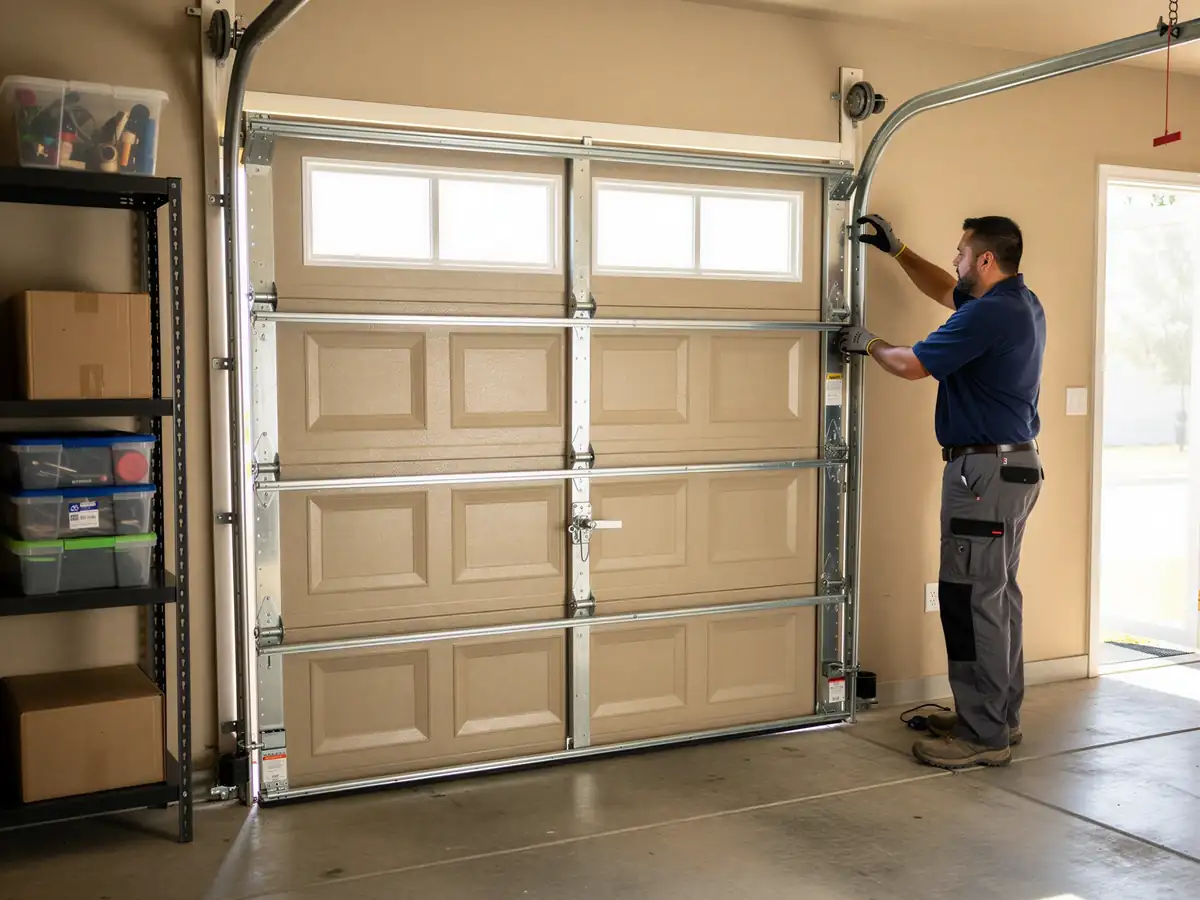
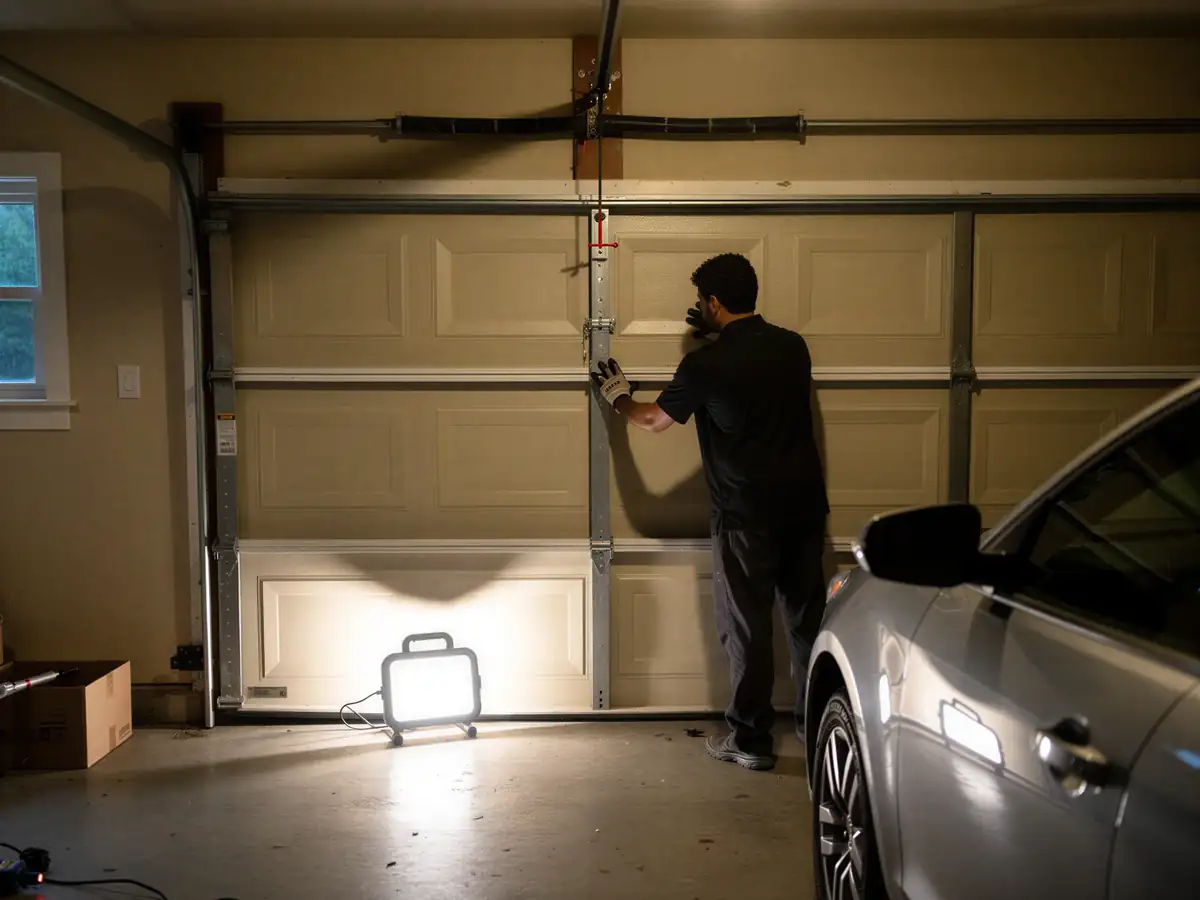
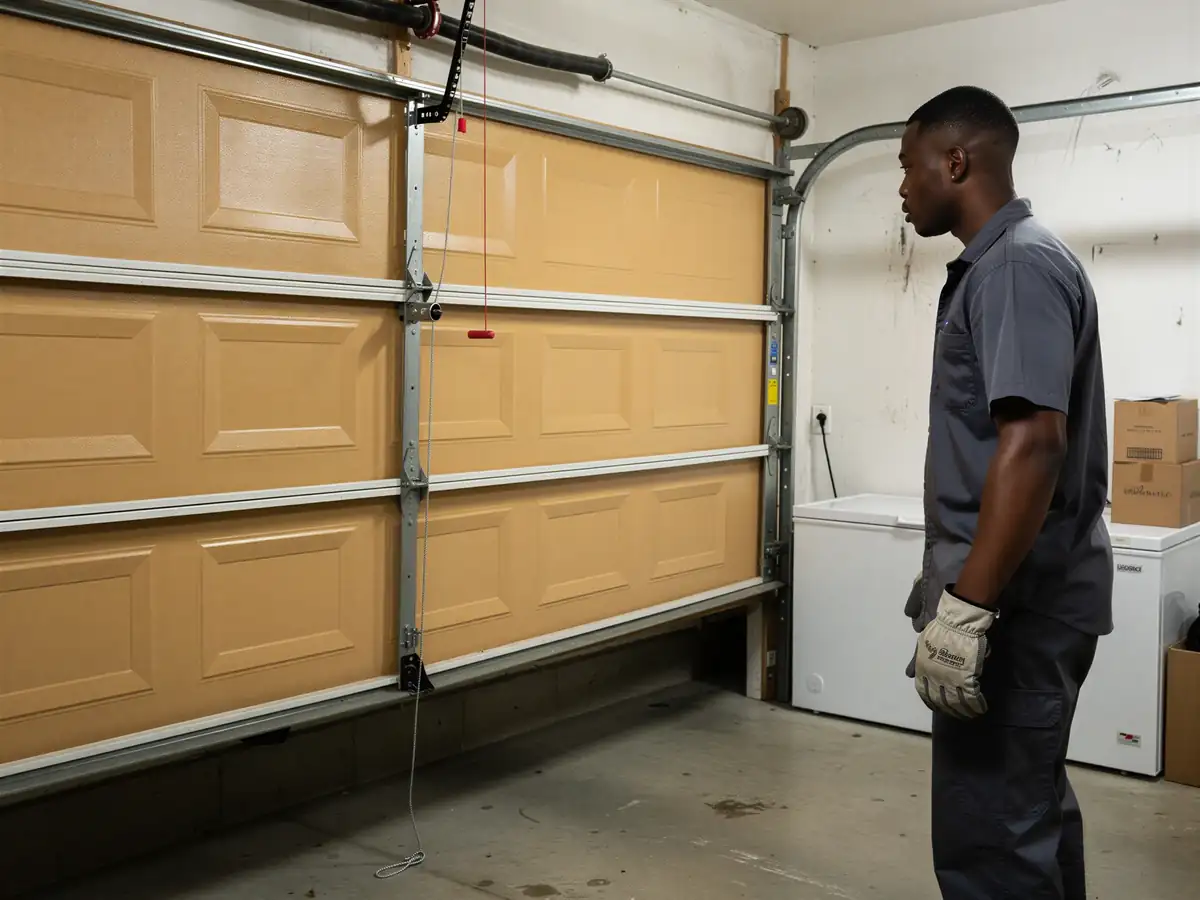
A snapped or frayed cable on its own is usually the fastest fix we do - pull the old cable off the drum, run a new one, reset the tension, check the door balances and runs even on both sides. The job gets longer the moment the drum itself is grooved, the track is bent from the door dropping crooked, or the opener has been straining against a door that's been running on one working cable for a while without anyone noticing. We won't quote you a timeline before we see the door, because on a street of mostly late-1950s construction, what looks like a clean cable snap is sometimes the first visible sign of hardware that's been quietly wearing out since Eisenhower was in office. We'll tell you on site, before we touch anything, whether you're looking at a cable swap or something bigger.
Where This Job Goes Sideways
Here's where the money question actually gets decided. Upper Arlington's median household income runs around $150,993 - well above the roughly $99,964 median for the wider Columbus service area - and that changes what makes sense to fix versus replace. On a lower-income block, we lean toward patching a cable and moving on. Here, if that cable failure comes on a door that's already original to a house built around 1959, with a worn drum, a pitted torsion shaft, or rollers that have outlived three owners, a lot of our customers decide the smarter spend is a new door and hardware set rather than another visit next winter. We won't talk you into replacement - a clean cable job is a clean cable job - but we'll tell you straight when the cable is the symptom and not the problem.
Why It Happens Here
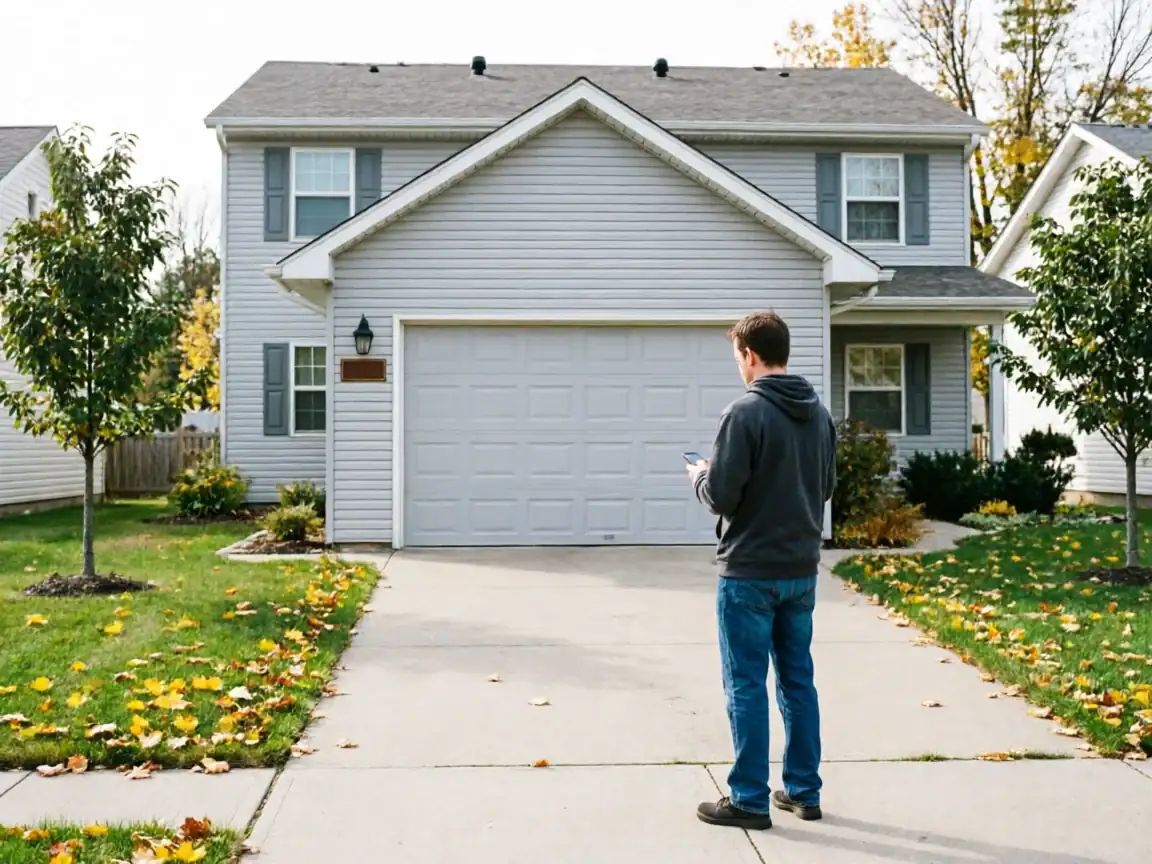
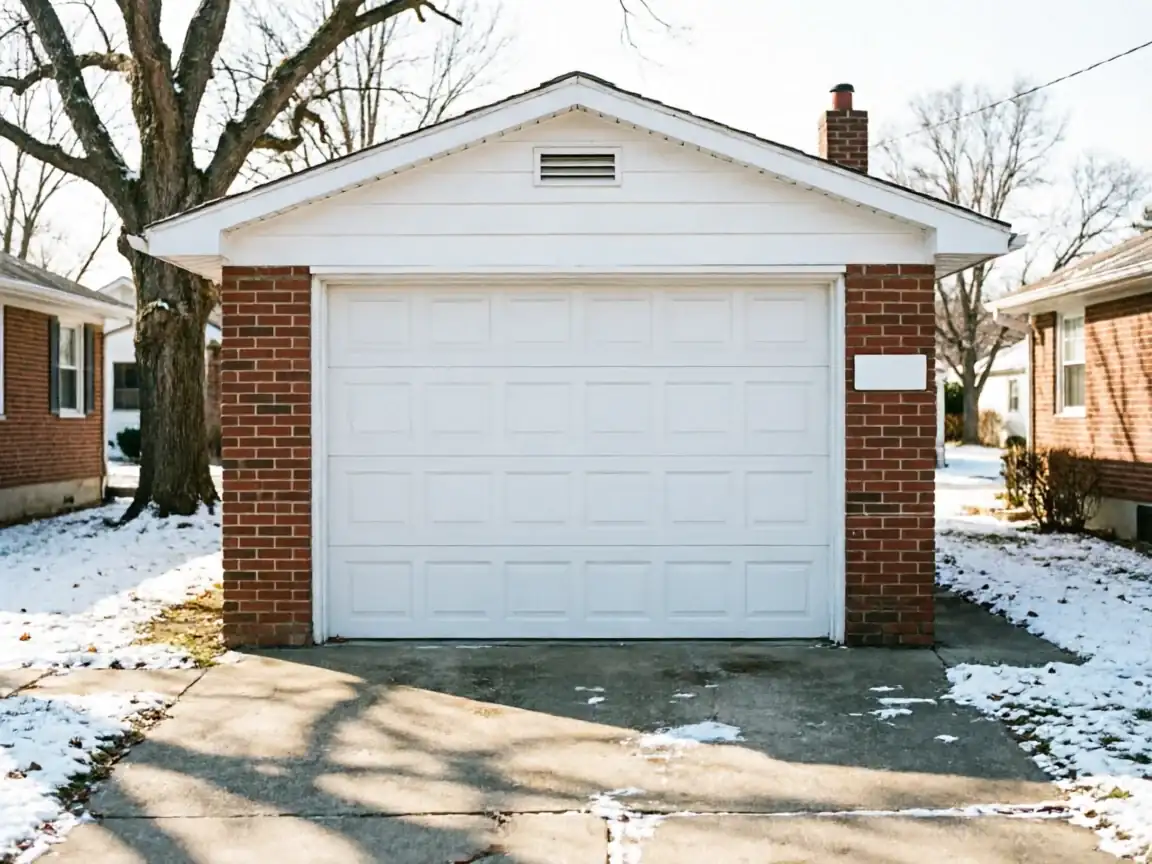
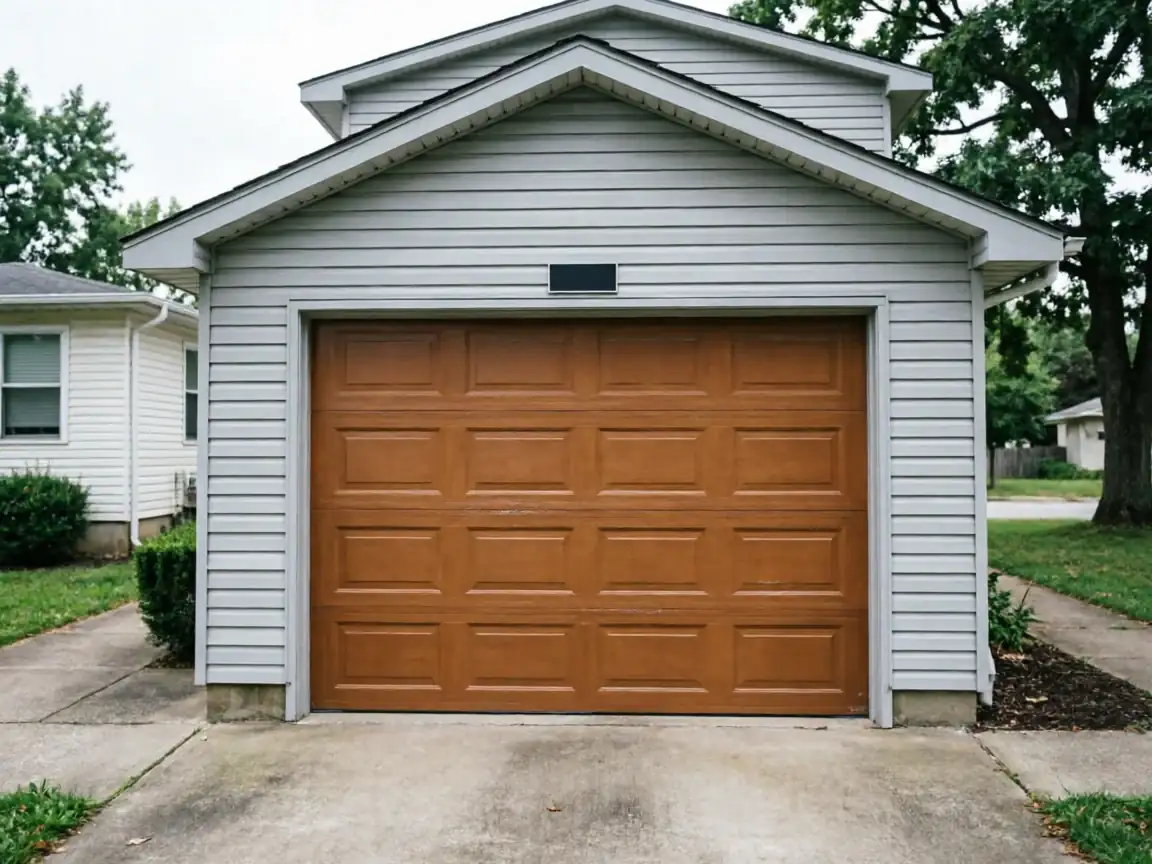
The median house in Upper Arlington went up around 1959, noticeably older than the roughly 1986 median across the wider service area. That means a lot of doors still running on hardware installed decades ago, or on a mid-life replacement door bolted onto the original track and drum assembly - a combination that ages unevenly. Add in the severe cold winters this region sees, and galvanized lifting cables that have been through forty-some freeze-thaw cycles start to show it: strand rust near the bottom bracket, fraying where the cable wraps the drum, cables that finally let go on the first subzero morning when the steel is stiff and the door is heavier than usual. It's not bad luck - it's a cable doing exactly what an old cable does in an old garage in a cold place.