How Long It Takes
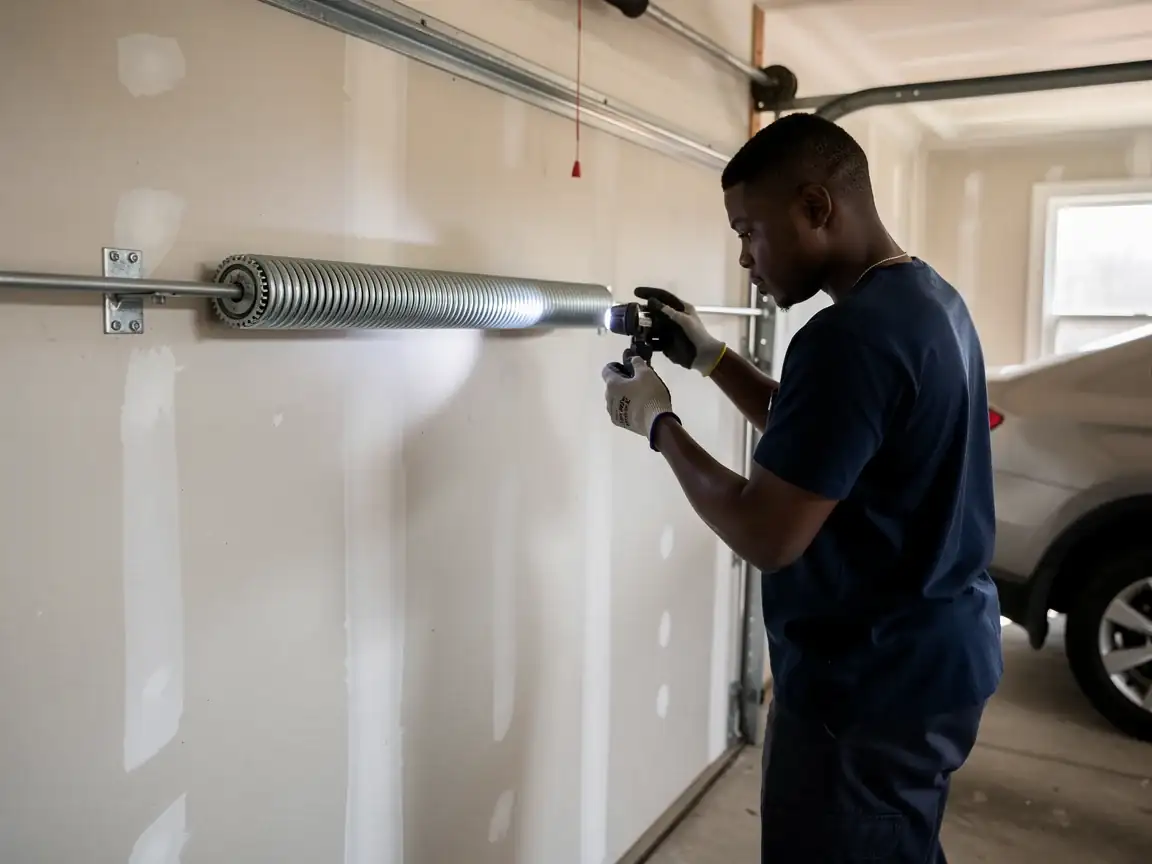
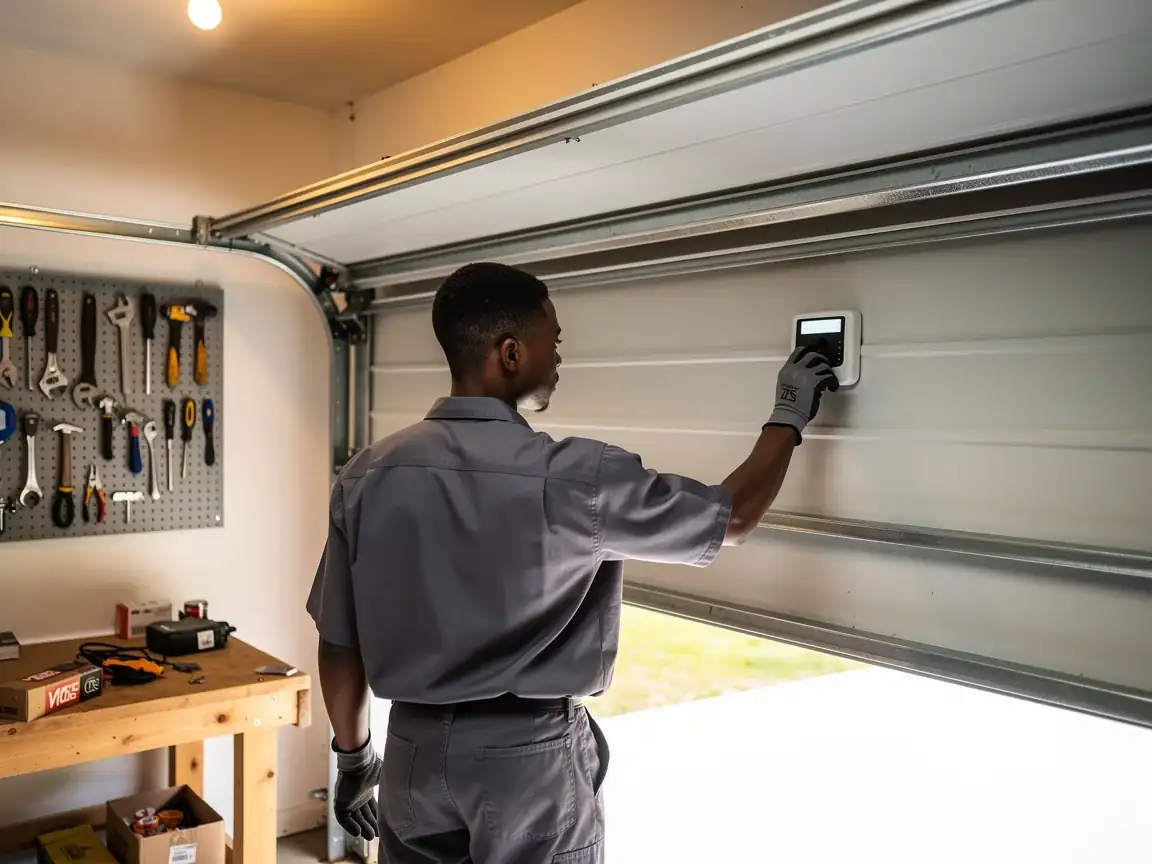
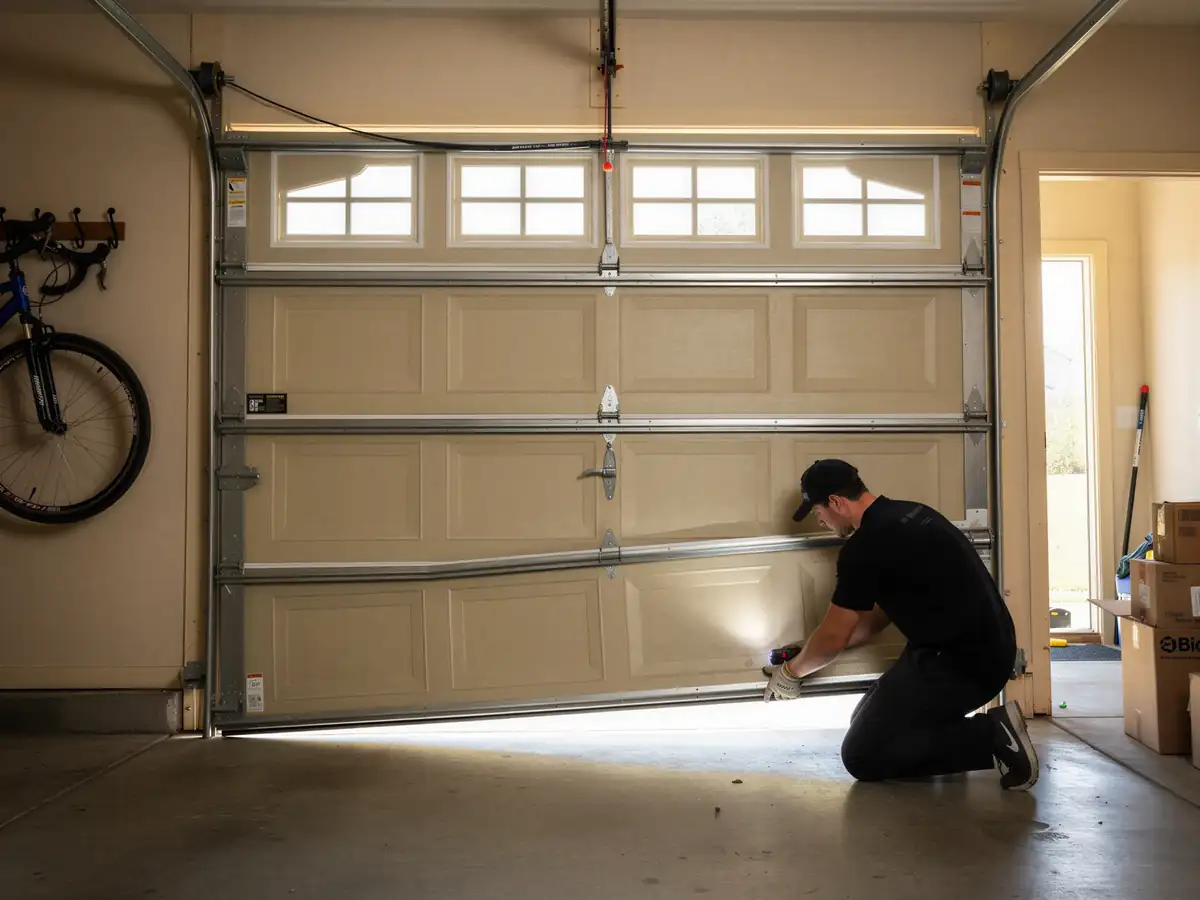
The clock on an emergency call has two parts: getting a truck to you, and actually fixing what's broken. Upper Arlington sits about six miles from Columbus, so the drive itself isn't the bottleneck it can be for suburbs twice that distance out. What takes longer is the fault itself. A snapped torsion spring on a door from the late 1950s or early 60s often means working with hardware that's been serviced once or twice already, not original 1986-vintage parts like you'd find on a lot of the broader service area's housing stock. That can mean an extra ten minutes checking whether the drum and shaft are still true, or it can mean nothing at all - every door's history is different. We won't quote you a guaranteed arrival window here, because that number belongs to the company's main Columbus page, not to this neighborhood specifically. What we will say: if the part that failed is a common spring size or roller, it goes on the truck already. If it's an obsolete opener logic board from a door that's never been upgraded, that's a parts-order day, not a same-call fix, and we'll tell you that straight when we see it.
Where This Job Goes Sideways
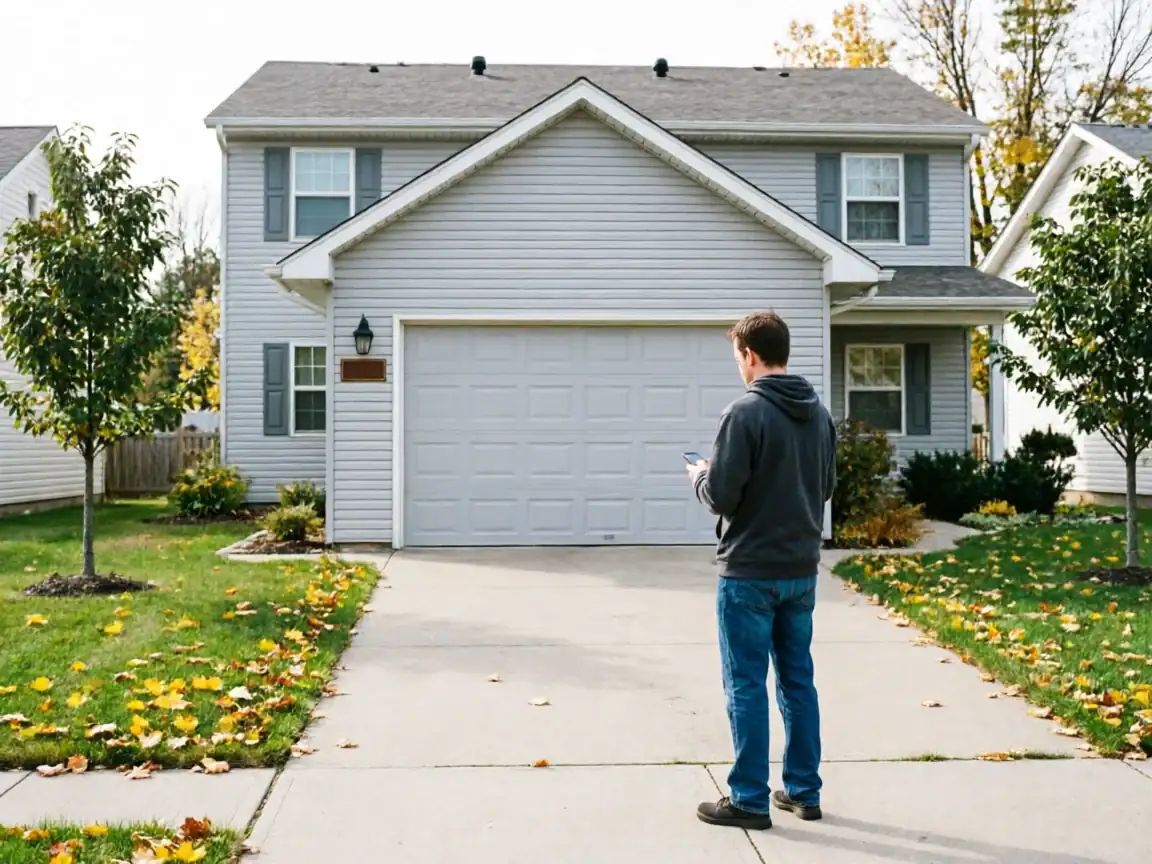
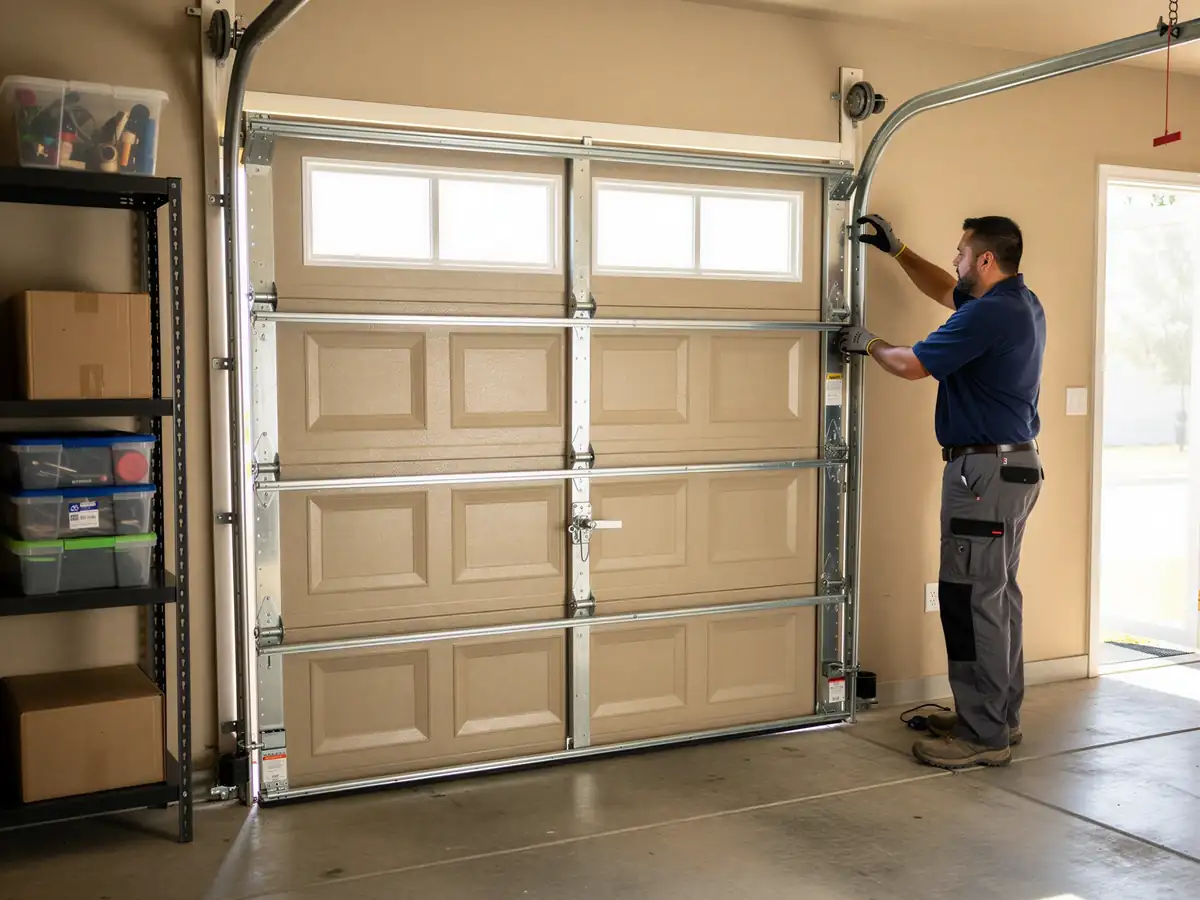
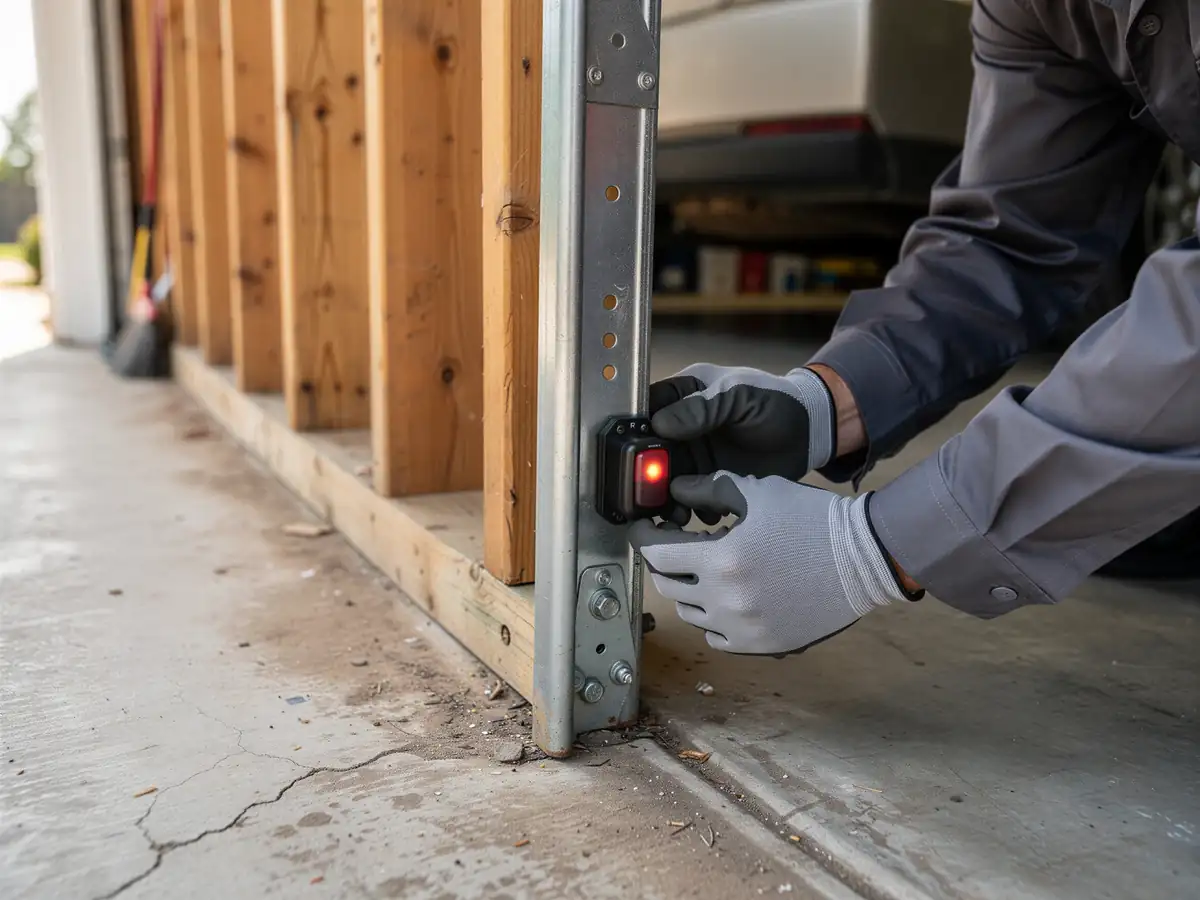
Median year built in Upper Arlington runs around 1959, noticeably older than the 1986 median across the wider service area covered from Columbus. That gap matters on an emergency call. Doors on houses from this era were often upgraded once already - sometimes with a replacement door bolted onto the original jamb hardware, sometimes with a newer opener grafted onto an old track. That mismatch is where a quick spring swap turns into a longer job: the track is bent from decades of a slightly-off door, or the header bracket was never meant to carry the torsion tube weight of a heavier replacement panel. Cold, severe winters add their own wear - metal track brackets and cable drums see more stress-cycling here than in milder climates, and a cable that's frayed for months can let go on the first bitter morning. The honest limitation: if your door was already patched together from two eras of hardware, a same-day fix might stabilize it safely rather than make it new again, and we'll say so rather than push a repair that won't hold.
Why It Happens Here
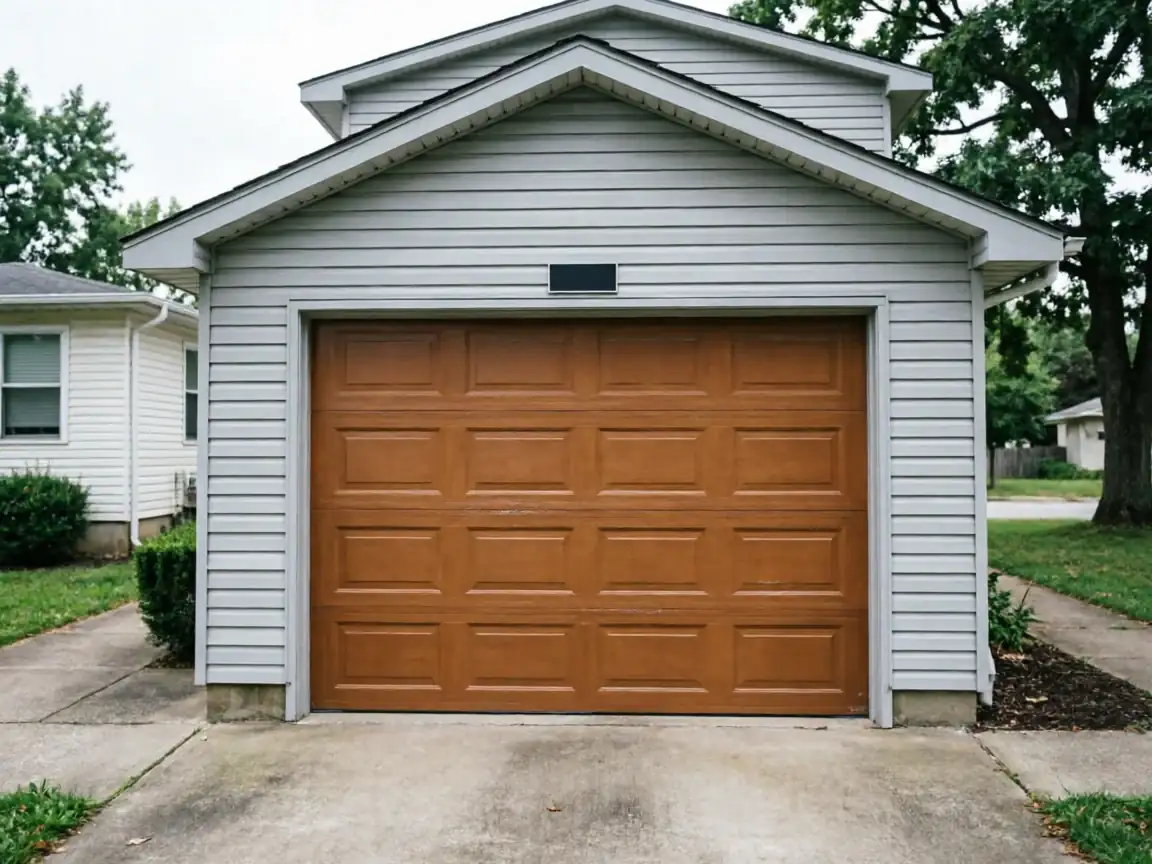
Upper Arlington's median build year of 1959 puts a lot of its garage doors and openers ahead of the curve compared with the rest of the service area, where the housing stock runs from 1938 to 2006 with a median closer to 1986. Older installations mean more doors that have been through at least one hardware swap, which is exactly where mismatched parts cause trouble later. At the same time, median household income here runs well above the wider service area's $99,964, and across that broader 70,994 owner-occupied houses we see a mix of patch jobs and full replacements - higher-income households more often choose to replace an aging opener or door outright rather than keep nursing original parts along. Add in a cold, severe climate that puts real stress-cycling on cables, drums, and brackets every winter, and you get a town where emergency calls skew toward springs and cables giving out on hardware that's been doing its job, without complaint, for a very long time.