How Long It Takes
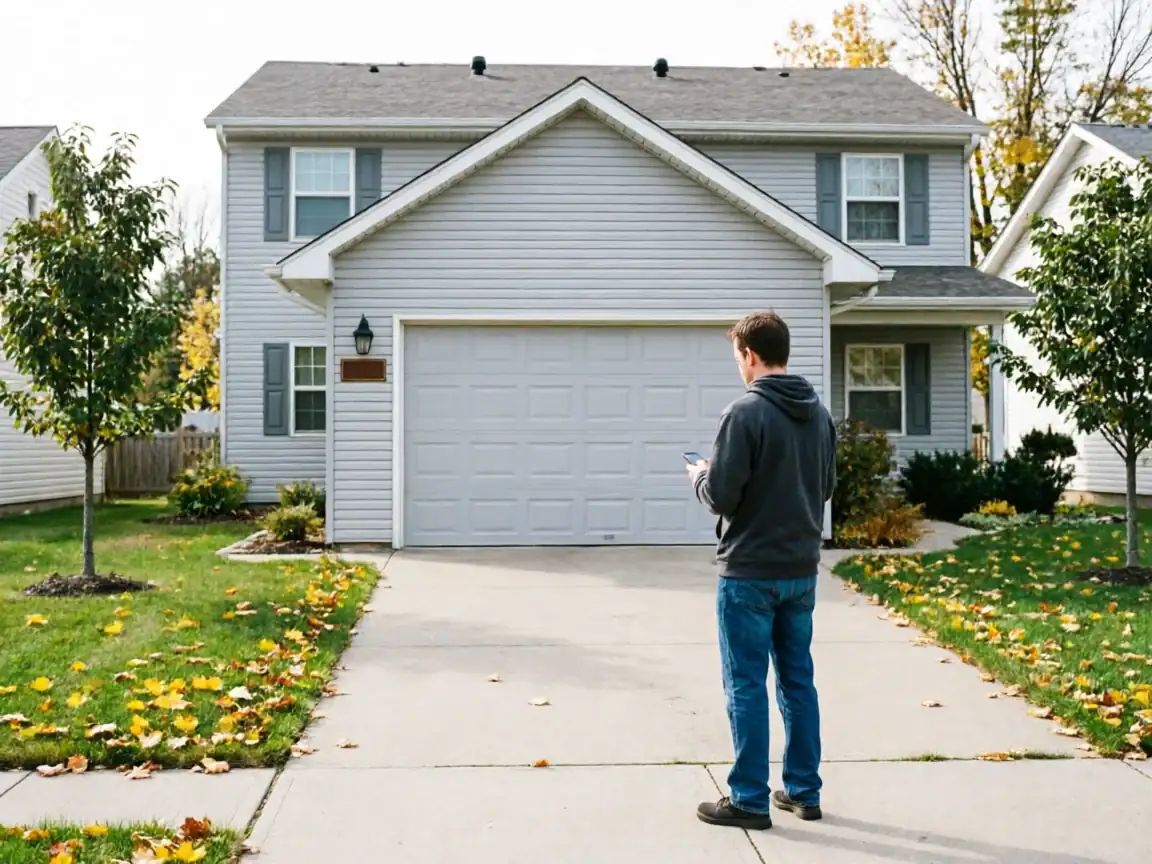
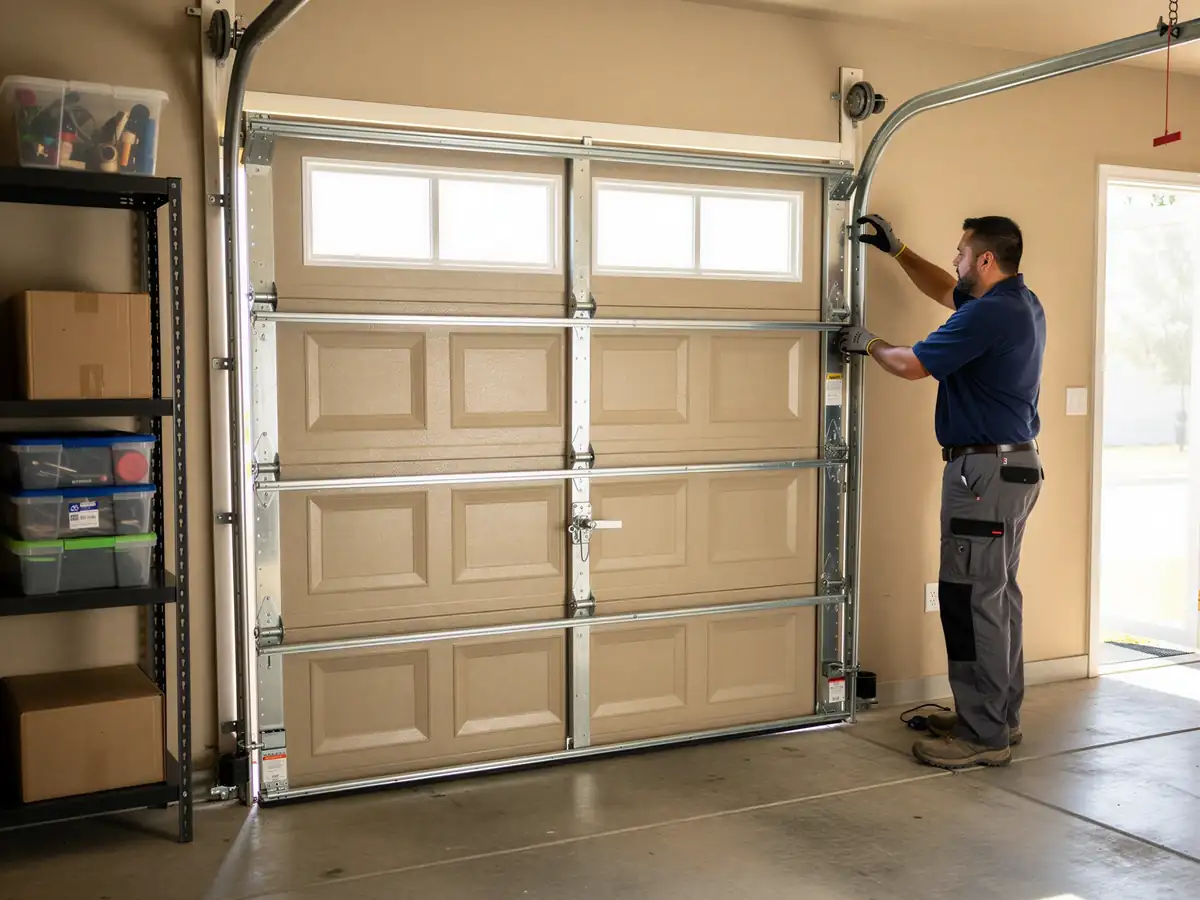
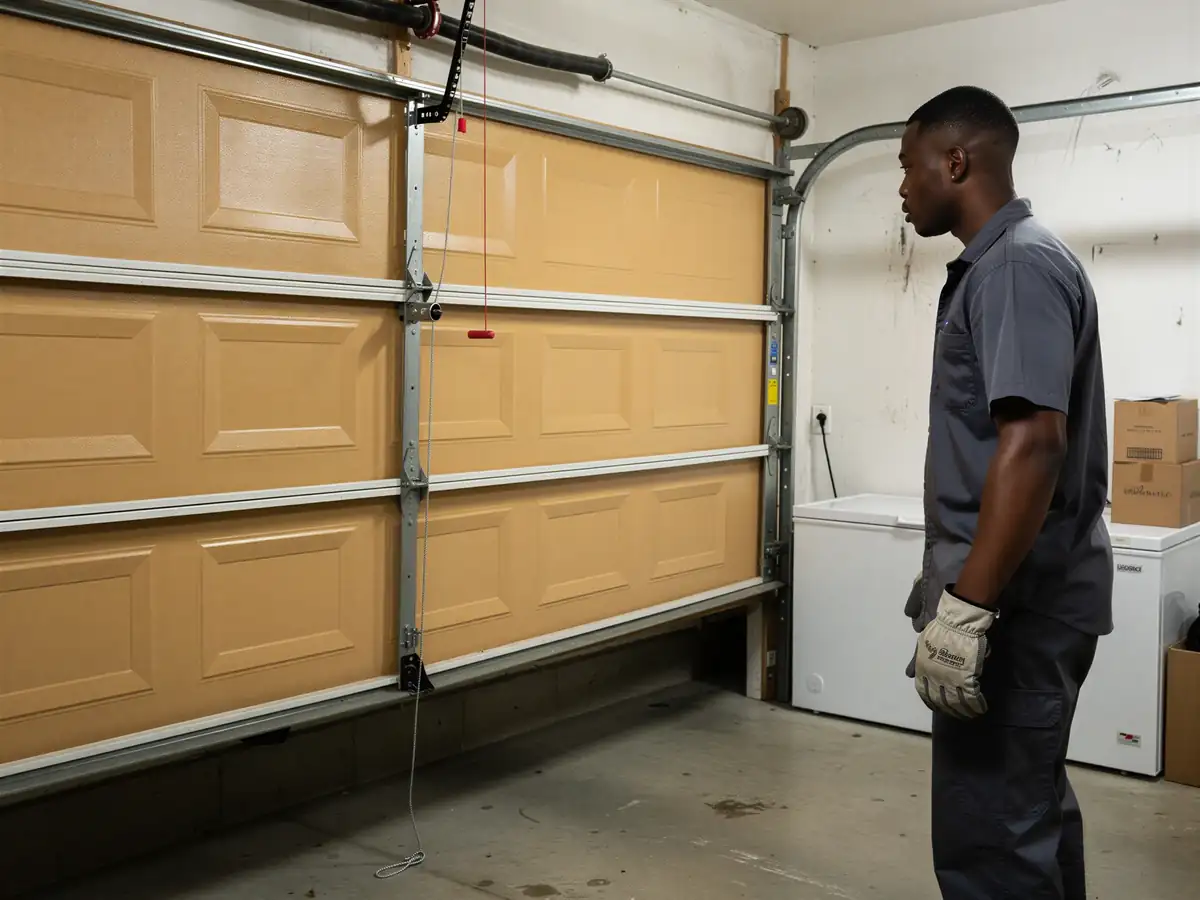
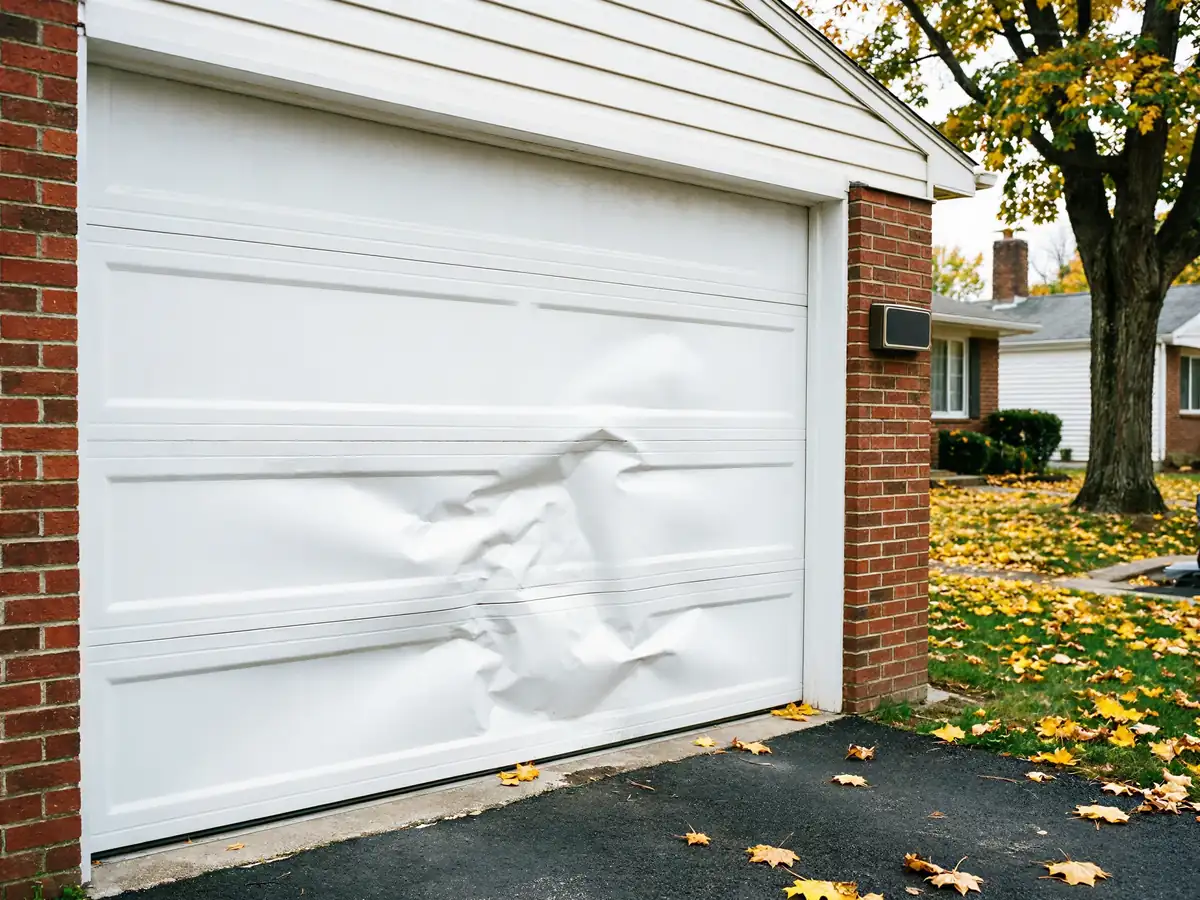
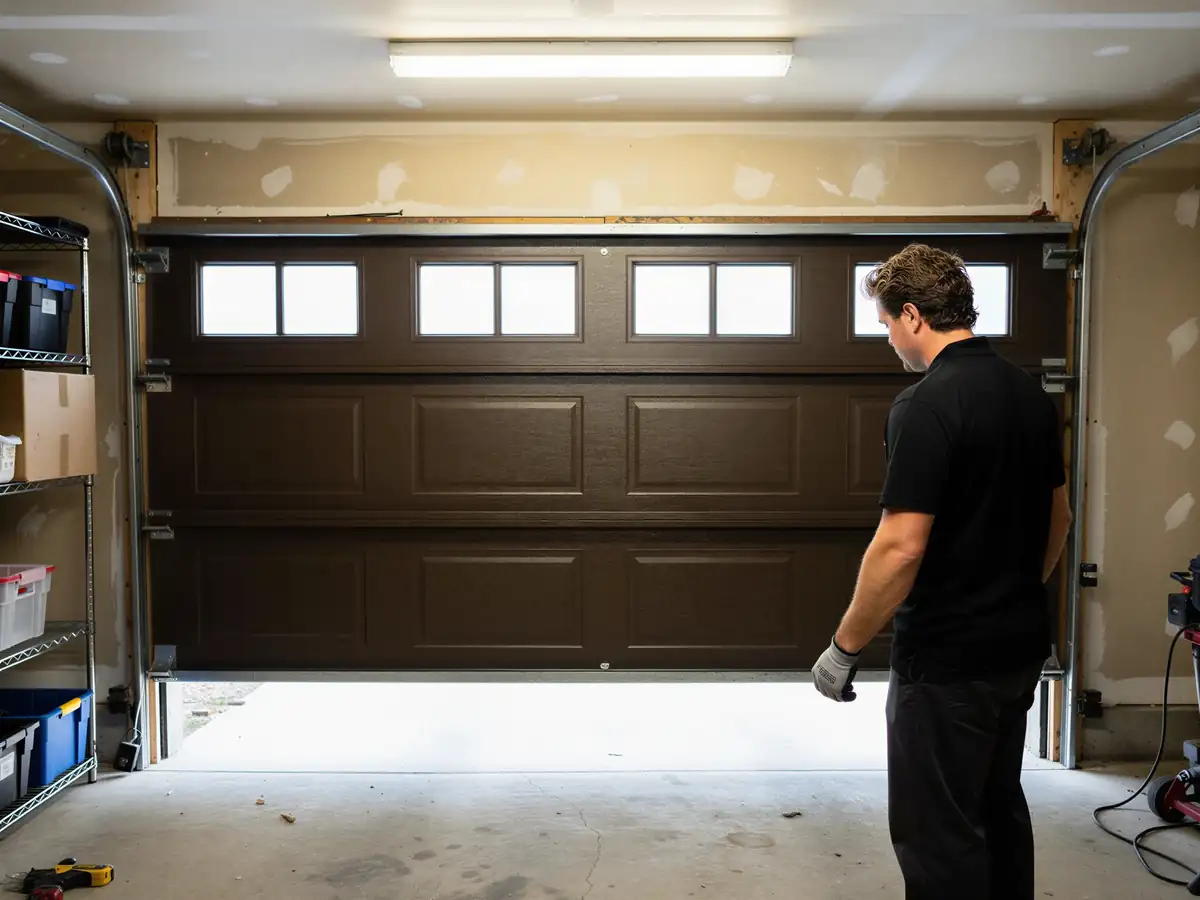
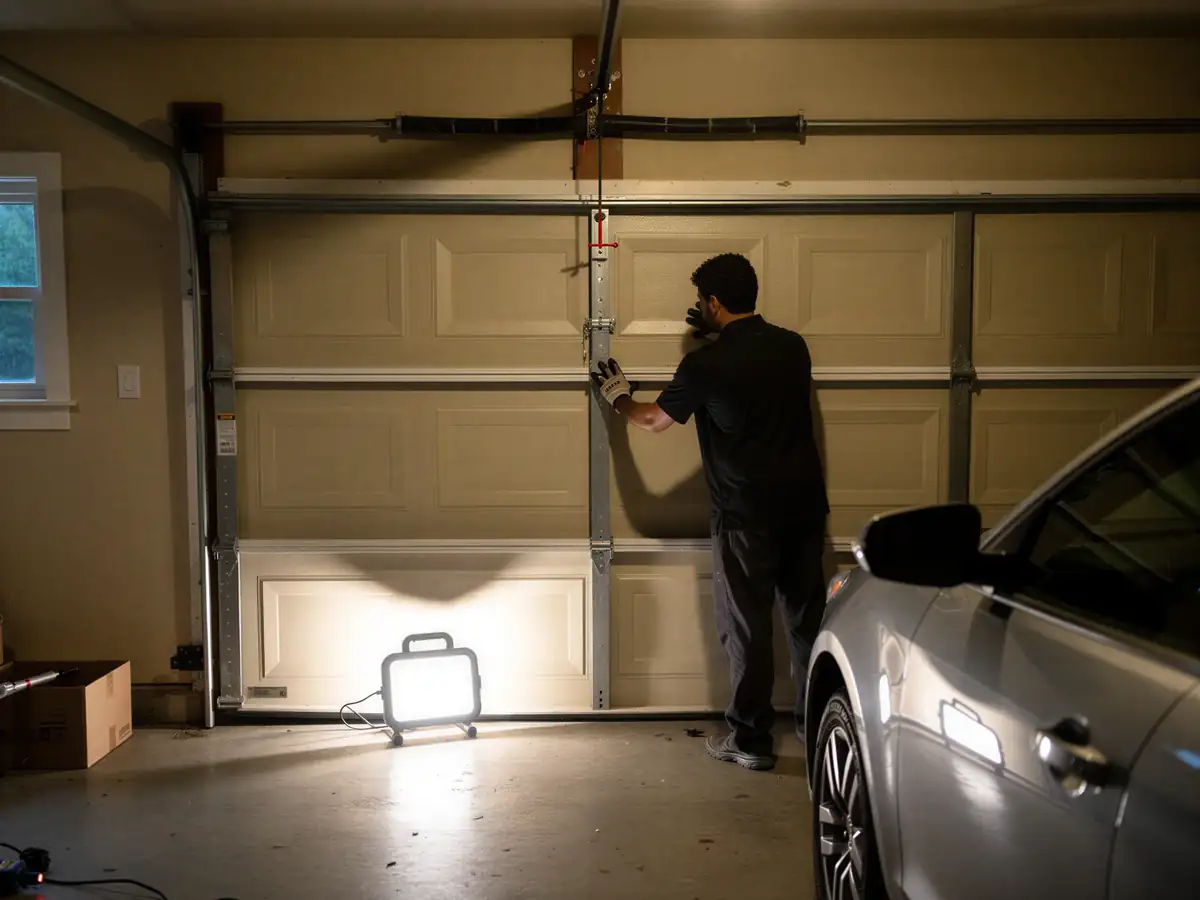
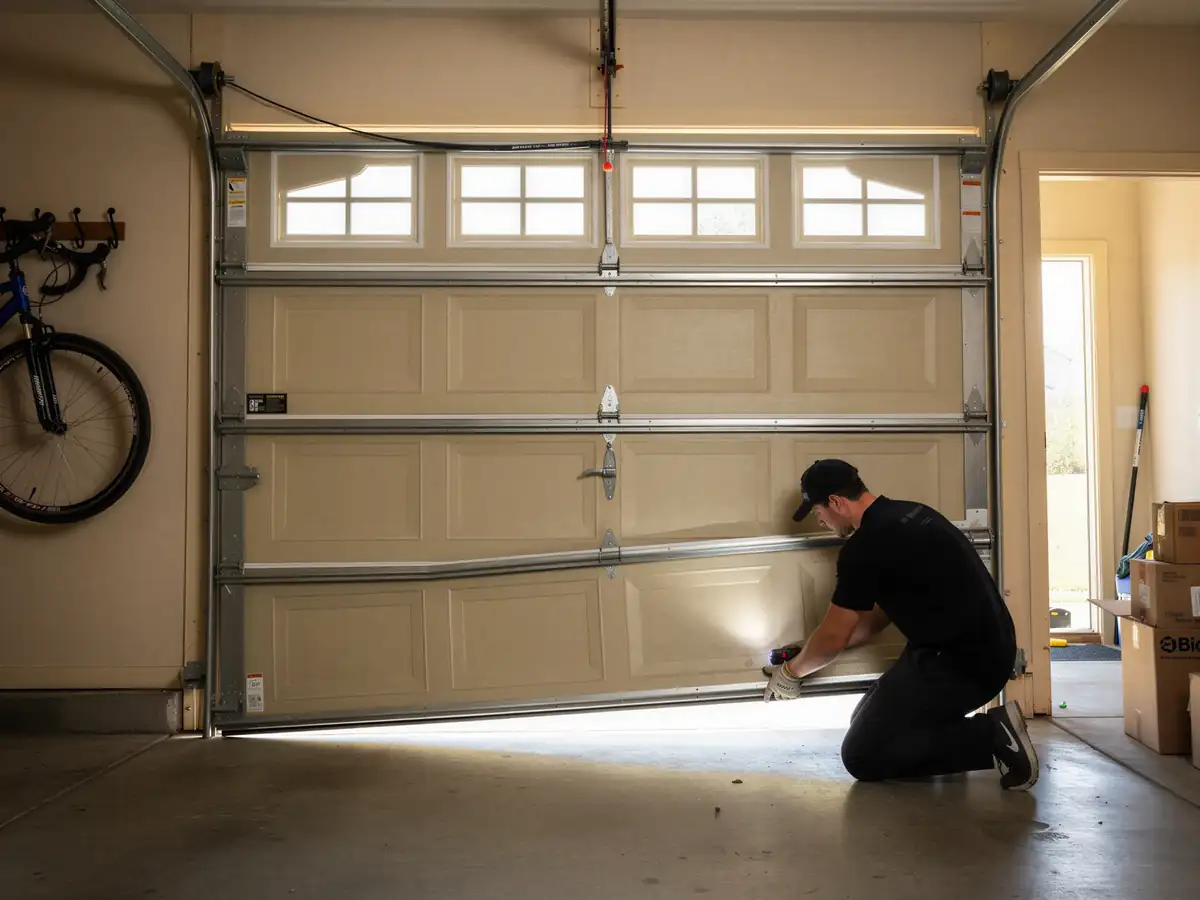
Most houses in Upper Arlington went up around 1959, well ahead of the area-wide median of 1986. That matters because a door from that era usually isn't the two-car double you see on newer streets - it's often a single-panel door on extension springs, sometimes with a side-mounted opener bolted into framing that's been there longer than most of the hardware. A broken cable or a seized extension spring on one of these setups is a different job than snapping a torsion spring on a modern sectional door, and it changes what's in the truck and how long the stop takes. A straightforward spring swap on a door we've got parts for typically runs under two hours once we're on site. If the track has rusted through or the panel is original and cracked, we're often looking at a full replacement conversation instead of a patch - we'll say so plainly rather than charge you for a repair that won't hold.We run from Columbus, about 6 miles out, so we build Upper Arlington stops into the day's route rather than treating it as a separate dispatch zone.
Where This Job Goes Sideways
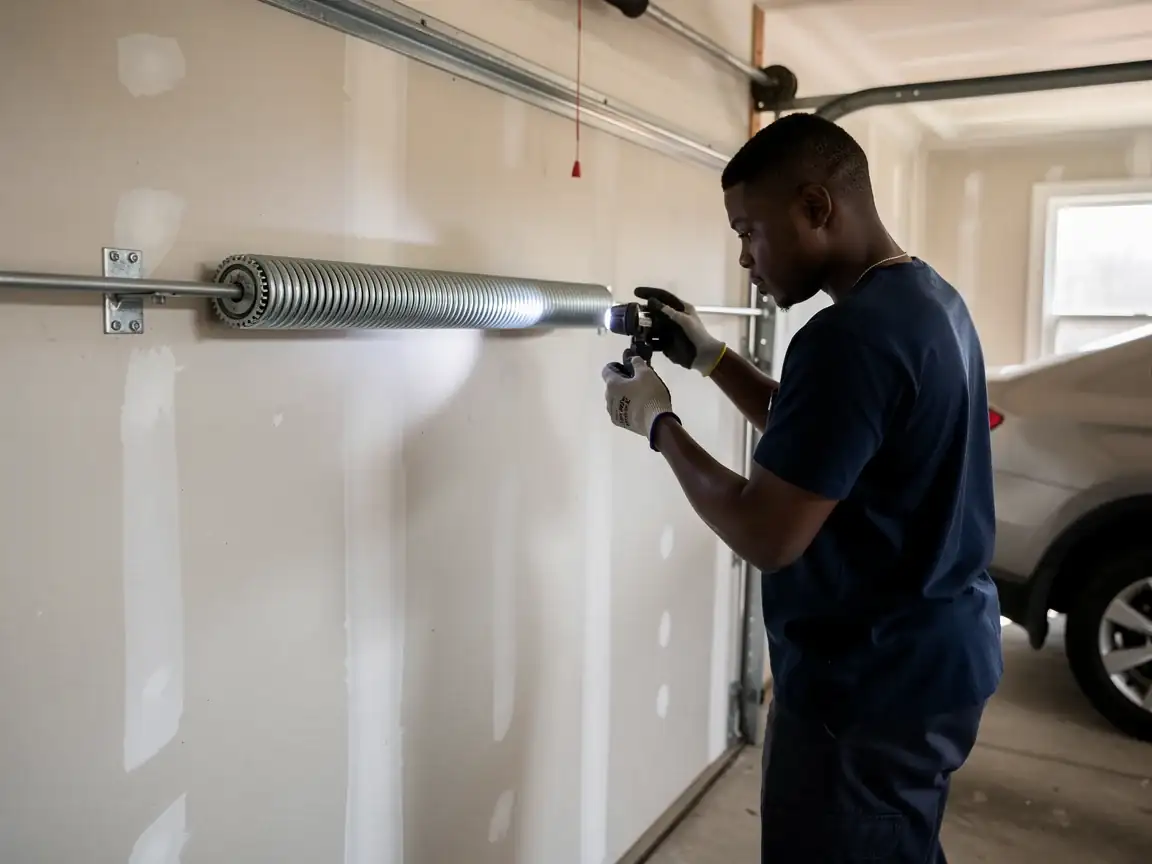
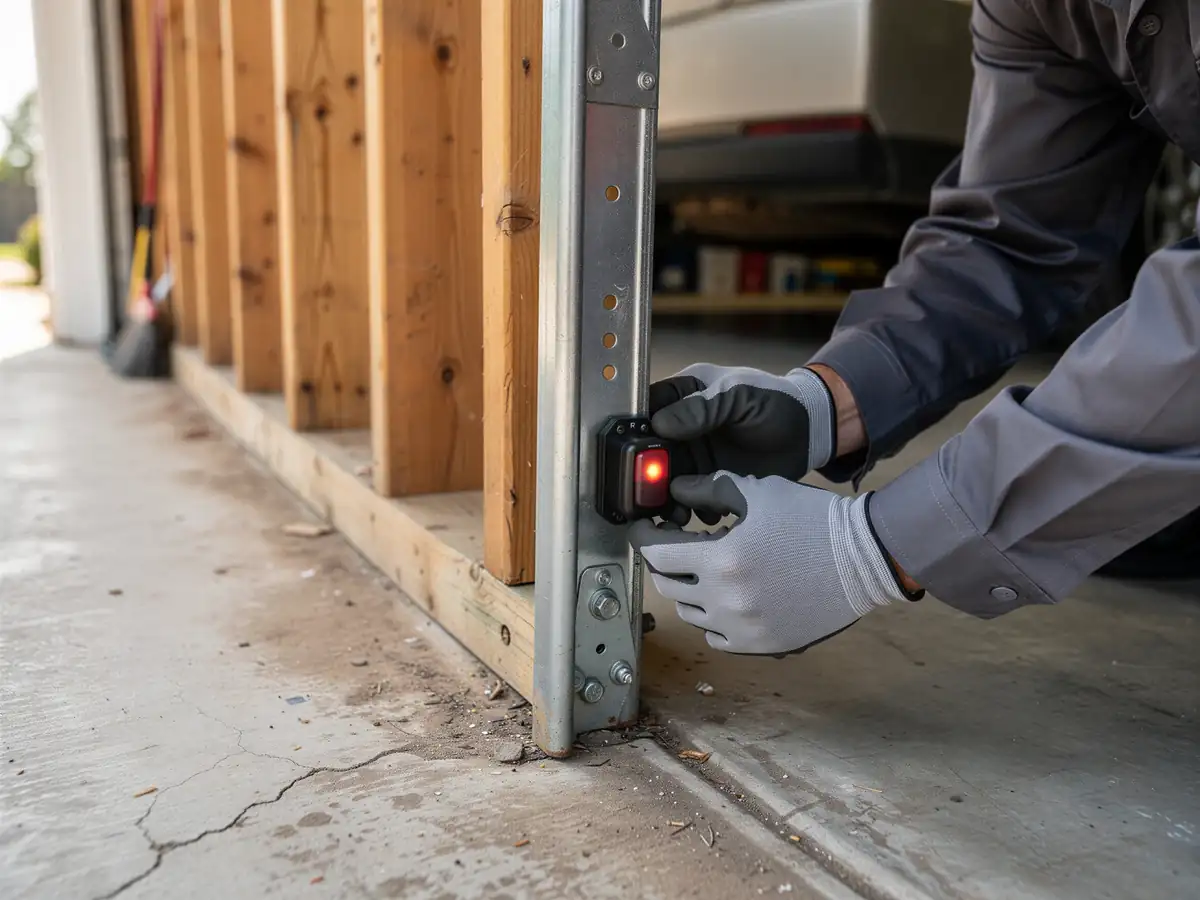
The trouble spot on a 1959-era door is usually the spring-to-track interface - old extension spring systems weren't built with the safety cables modern code requires, and after six decades of Ohio winters the eyebolts and pulleys are often more rust than steel. We've opened jobs expecting a simple spring swap and found the track bent from someone forcing a stuck door, or the header rotted enough that new hardware won't hold screws. That's the honest limitation: if the structure behind the door has failed, no spring or cable repair fixes it, and we'll tell you that instead of bolting new parts to bad wood. Severe cold is also a factor here. Upper Arlington sees the same hard winter swings as the rest of this part of Ohio, and a 65-year-old spring that's been flexing through that many freeze-thaw cycles is closer to its end than a spring installed ten years ago. We stock common replacement coils, but original hardware sizes from this era aren't always a shelf item, which can mean a short wait on parts rather than a same-visit fix.
Why It Happens Here
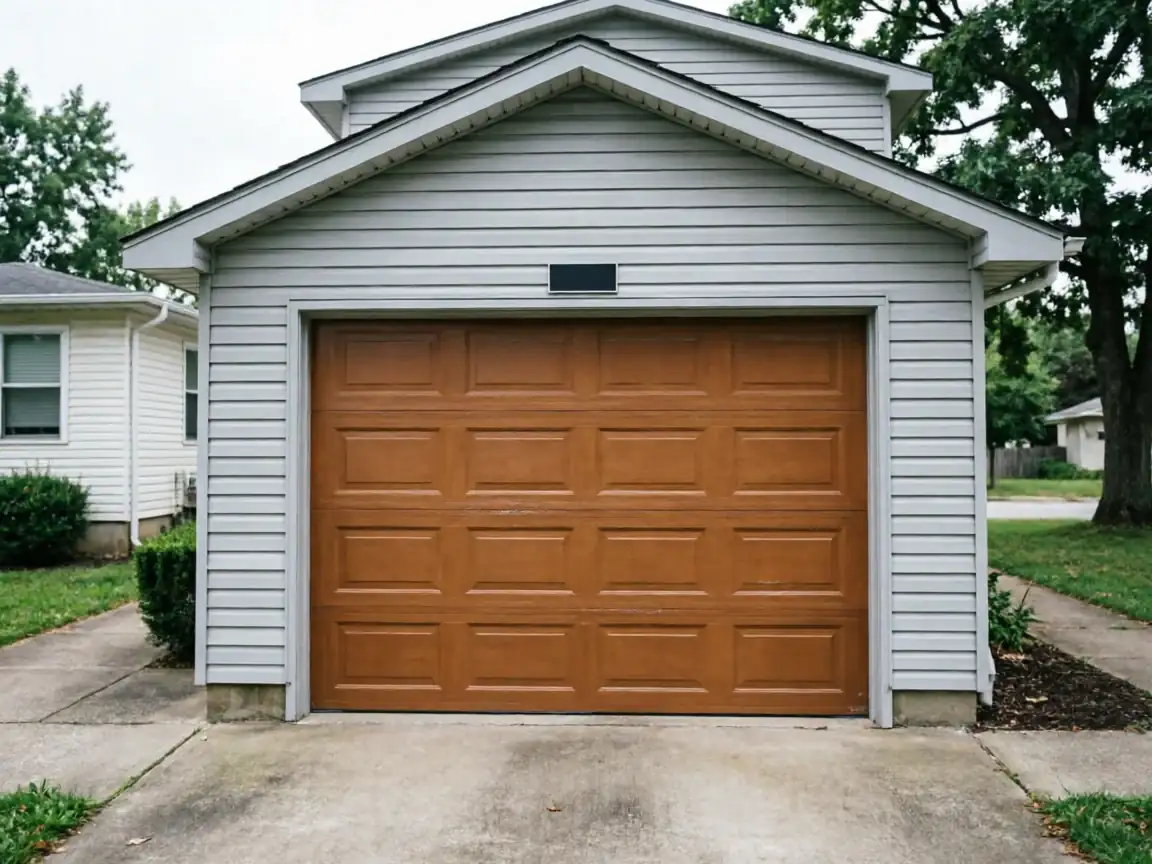
Upper Arlington's 14,389 households sit in a pocket of the service area that's older than the area-wide average - a median build year of 1959 against the broader median of 1986 means a meaningful share of these garage doors and their openers are original or close to it. Hardware from that period wasn't engineered for the cycle counts a door sees after sixty-plus years of daily use, and this area's winters are hard on steel springs and cables regardless of how well they were installed. At a median household income near $150,993, we also see more owners here opt to replace aging hardware outright rather than keep nursing a 1960s spring system along - it's often the more honest math once a door's track and opener are both past their working life. None of that is unique to one street; it's just what a 1959 build date does to a garage door over time, and it's why a repair call here tends to start with different questions than one from a newer subdivision.