How Long It Takes
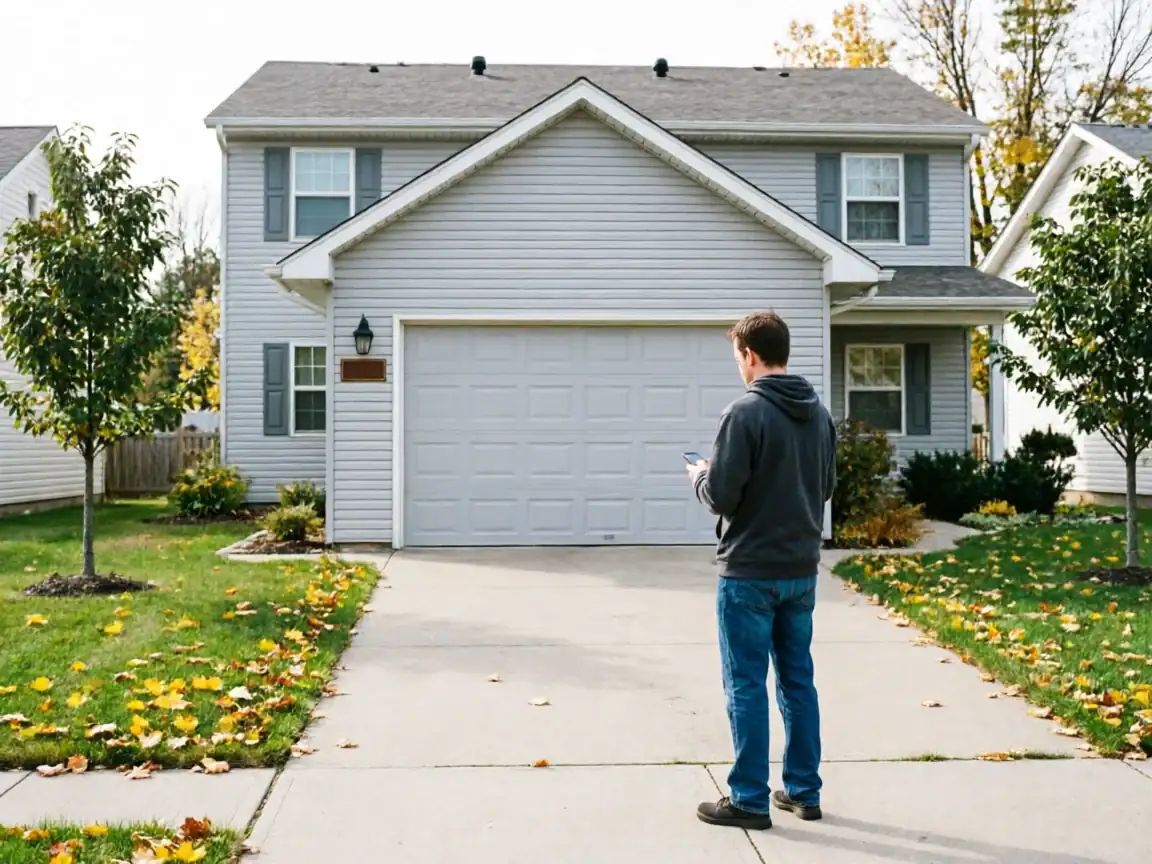
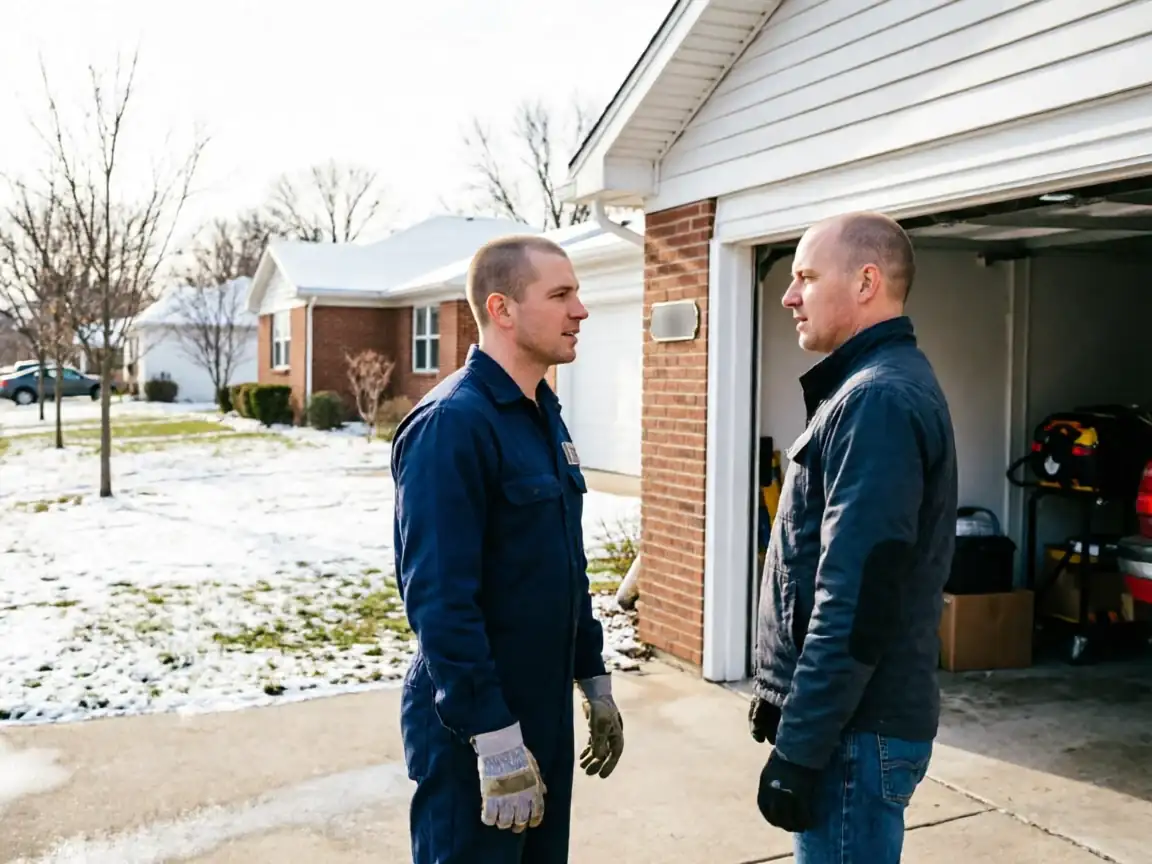
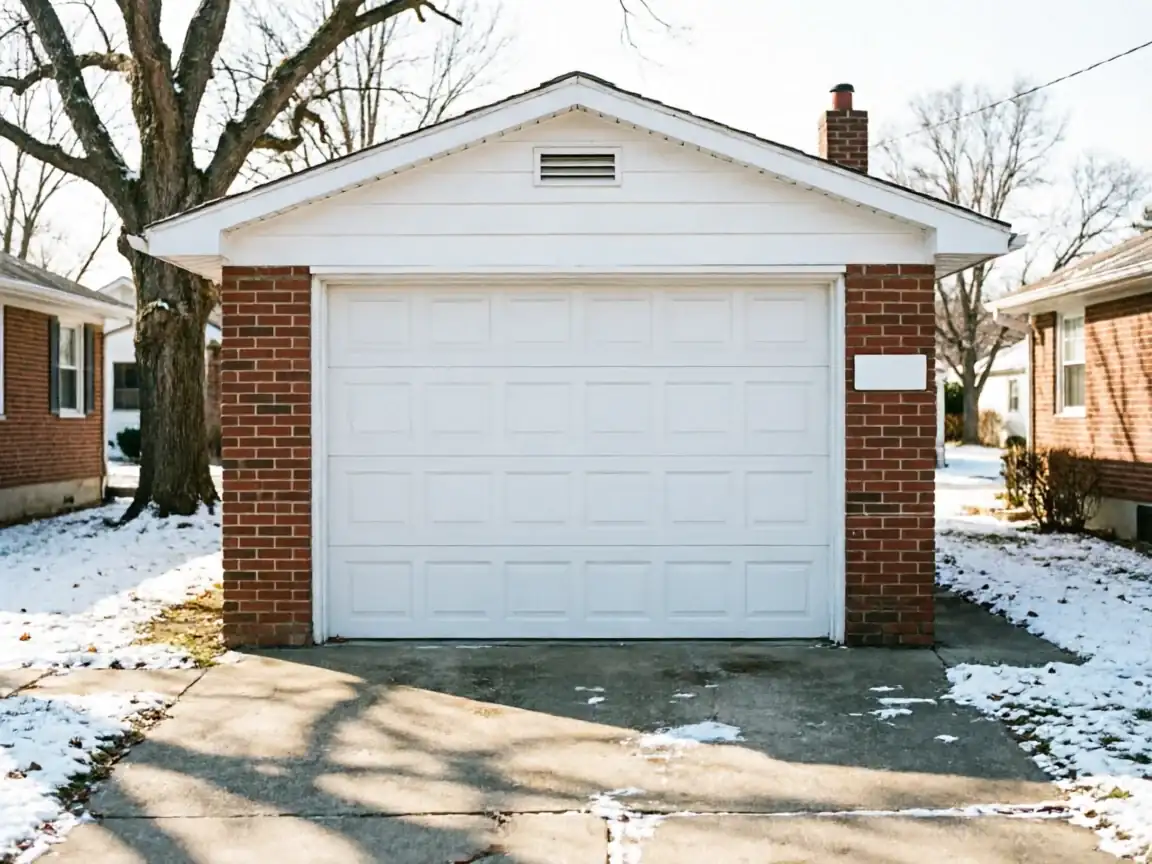
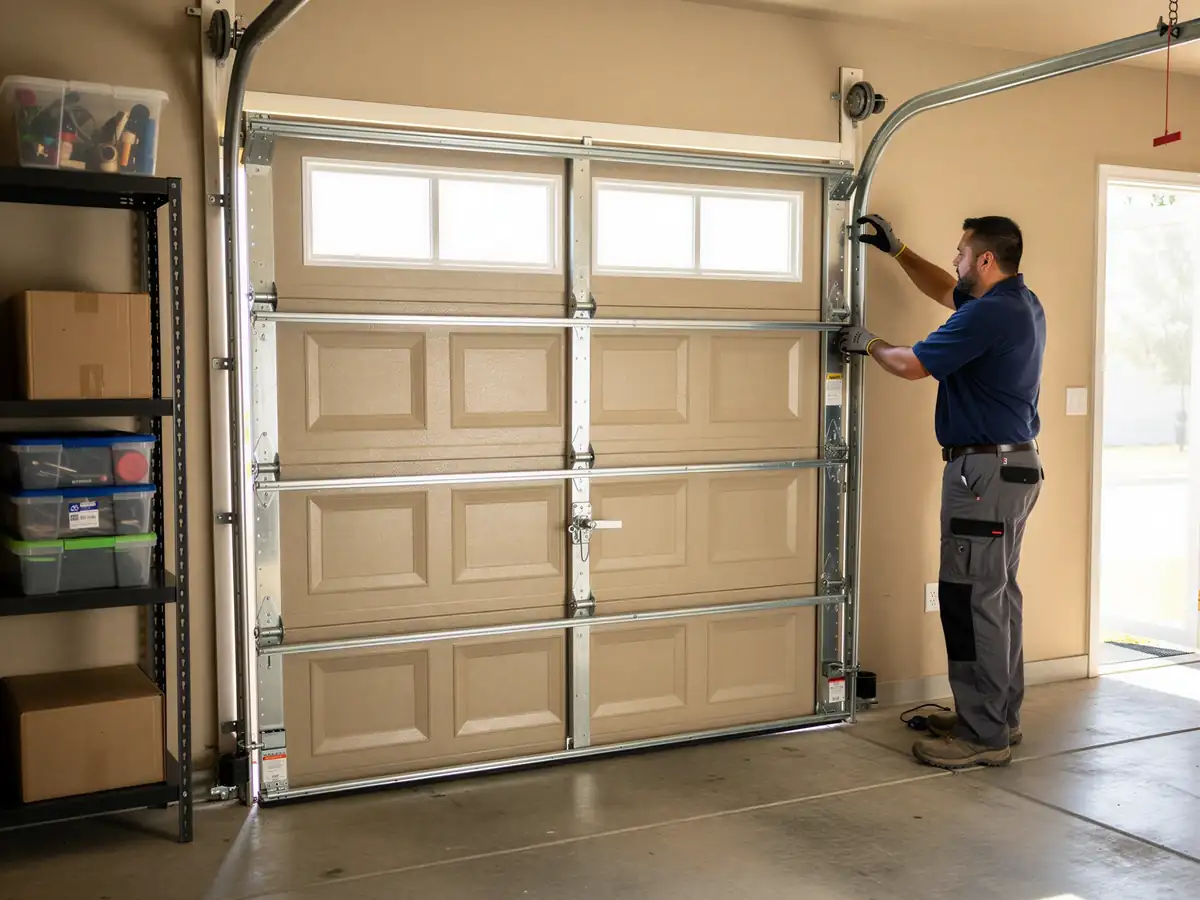
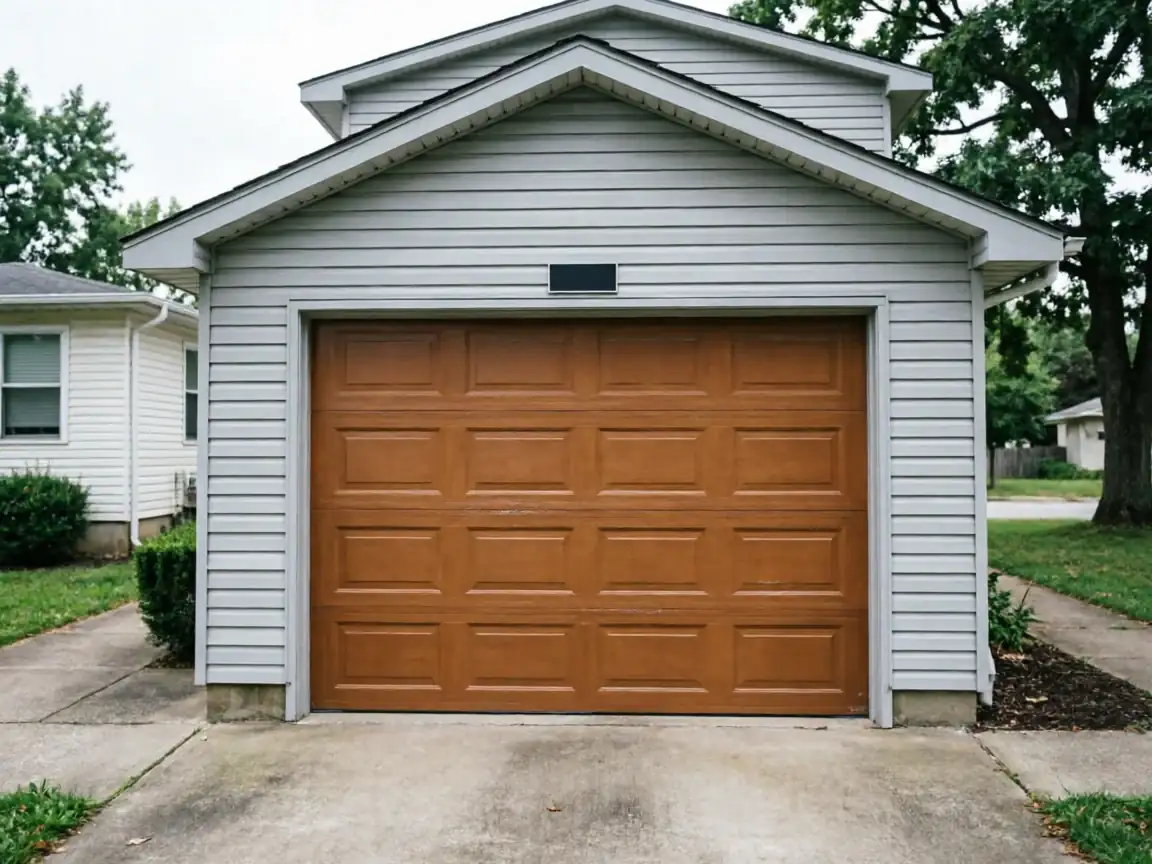
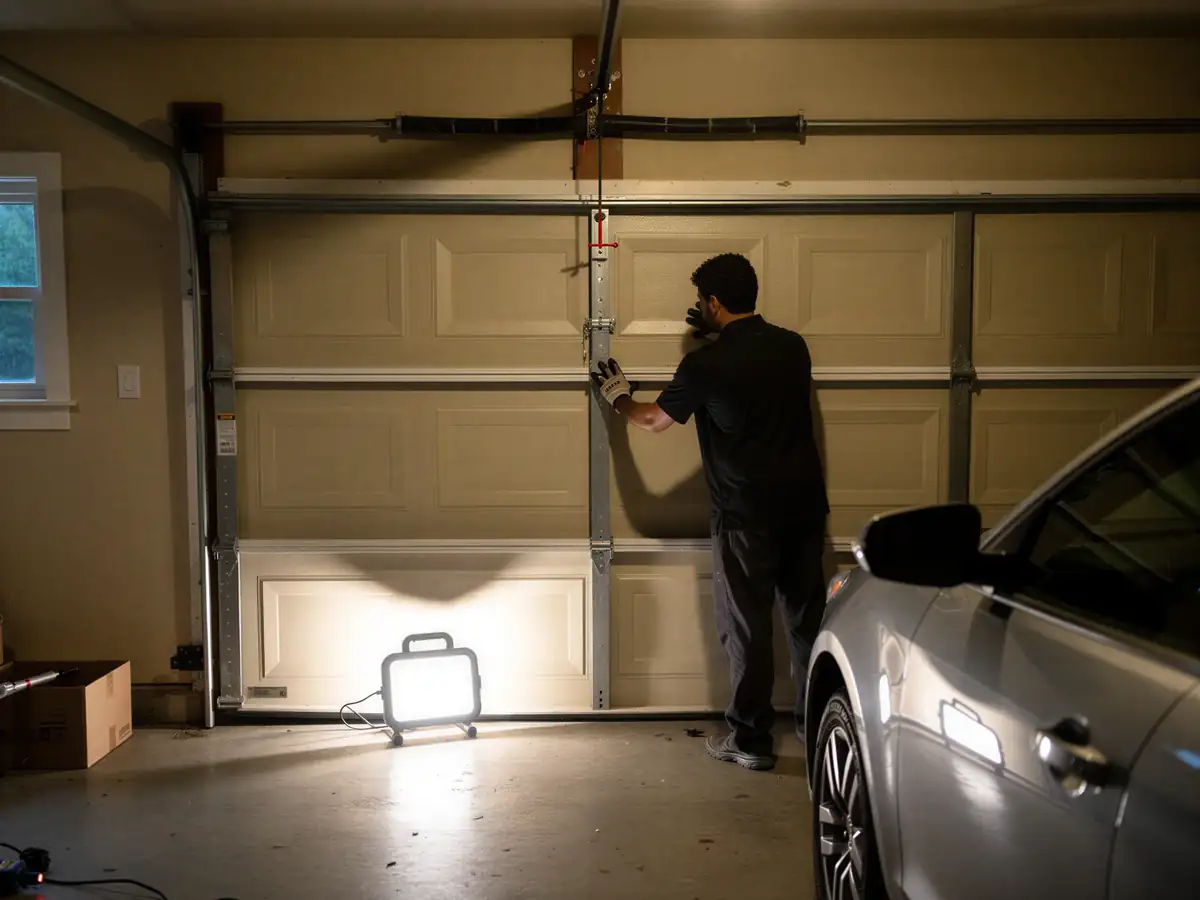
Most houses in Grandview Heights went up around 1954, squarely in the middle of the 1938-2006 build window that covers the wider Columbus service area. That matters more than the calendar date suggests: a door and opener installed or last replaced decades ago on one of these homes is often still running its original torsion spring and the same steel track that came with the house. A straightforward spring swap on a door like that, once a tech is on site with the right spring size in hand, usually runs under two hours. Add an opener that's also original - a chain-drive unit from the 80s or 90s with a worn gear - and you're looking at closer to three. What stretches a job past that is almost always a track that's bent from age or a jamb that's shifted slightly in a house this old, which means the door needs more than a parts swap to run true again. We don't dispatch from inside Grandview Heights itself - the truck comes from Columbus, a short run of about 3 miles - so the repair clock starts once the tech is actually in the driveway, not before.
Where This Job Goes Sideways
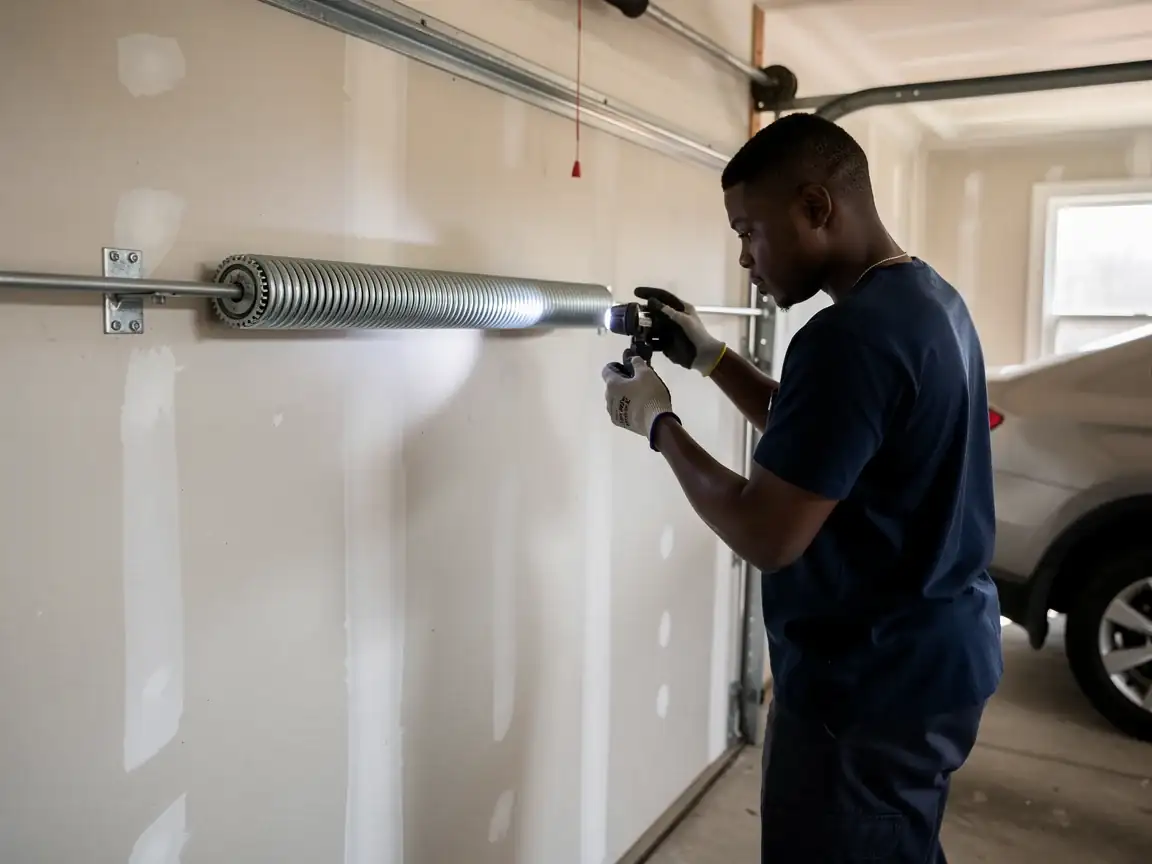
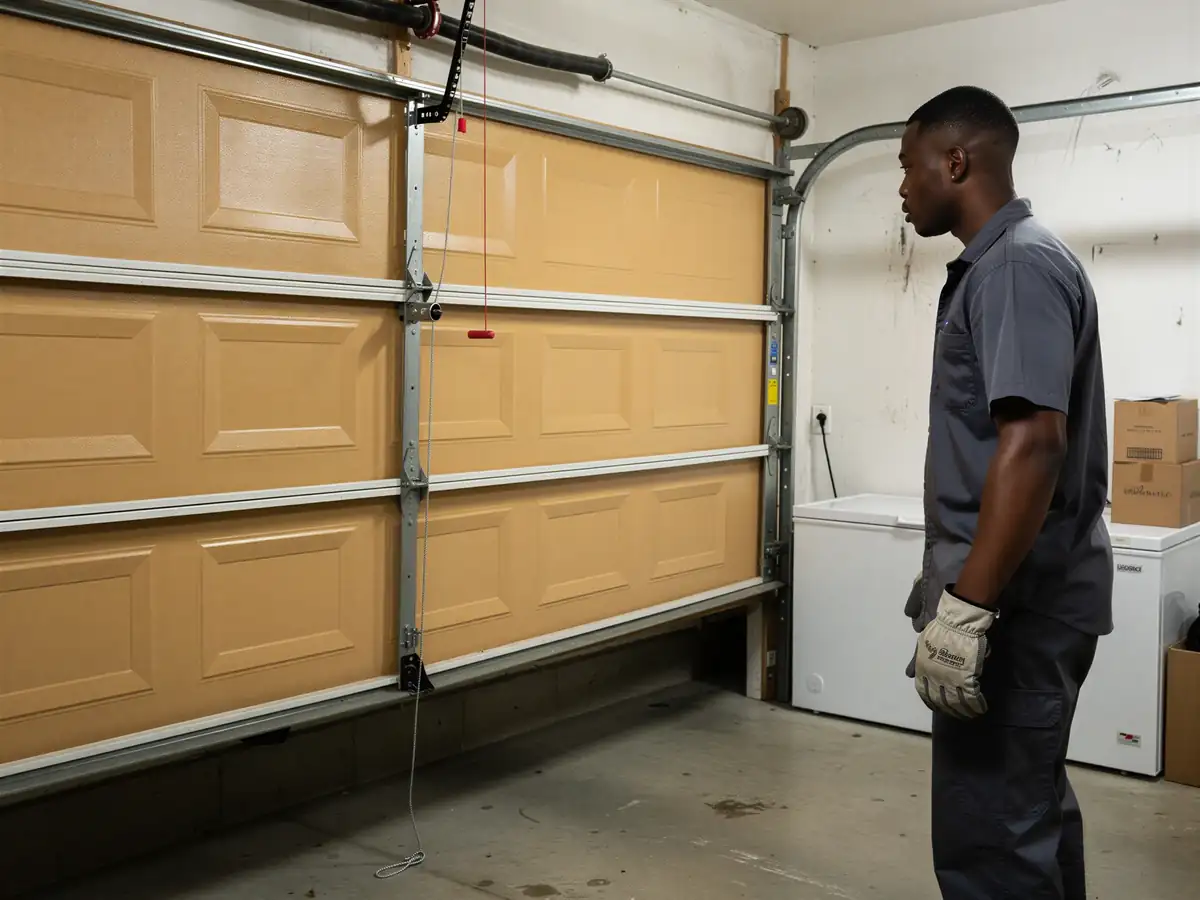
The thing that catches people off guard on a house from this era is how much of the original hardware is still doing the job it was built to do, badly. A torsion spring wound in 1954, even if it's been replaced once since, was likely sized for a lighter door than what's on the house now if a previous owner swapped a wood door for a heavier insulated steel one. That mismatch doesn't show up until the spring finally gives out, and then it goes all at once - the door drops fast and the opener motor takes the strain it was never meant to carry. Cold is the other factor. This part of Ohio sits in a severe cold climate band, and a spring that's already fatigued from age loses tension faster once temperatures drop, which is why a lot of these calls come in during the first real cold snap of the season rather than mid-summer. The honest limitation here: if the spring has failed and the opener has been straining against it for weeks, the gear set inside that opener may already be stripped, and no amount of spring work fixes that - it needs its own repair or replacement, and we'll tell you straight if that's where you've landed.
How It Shows Up
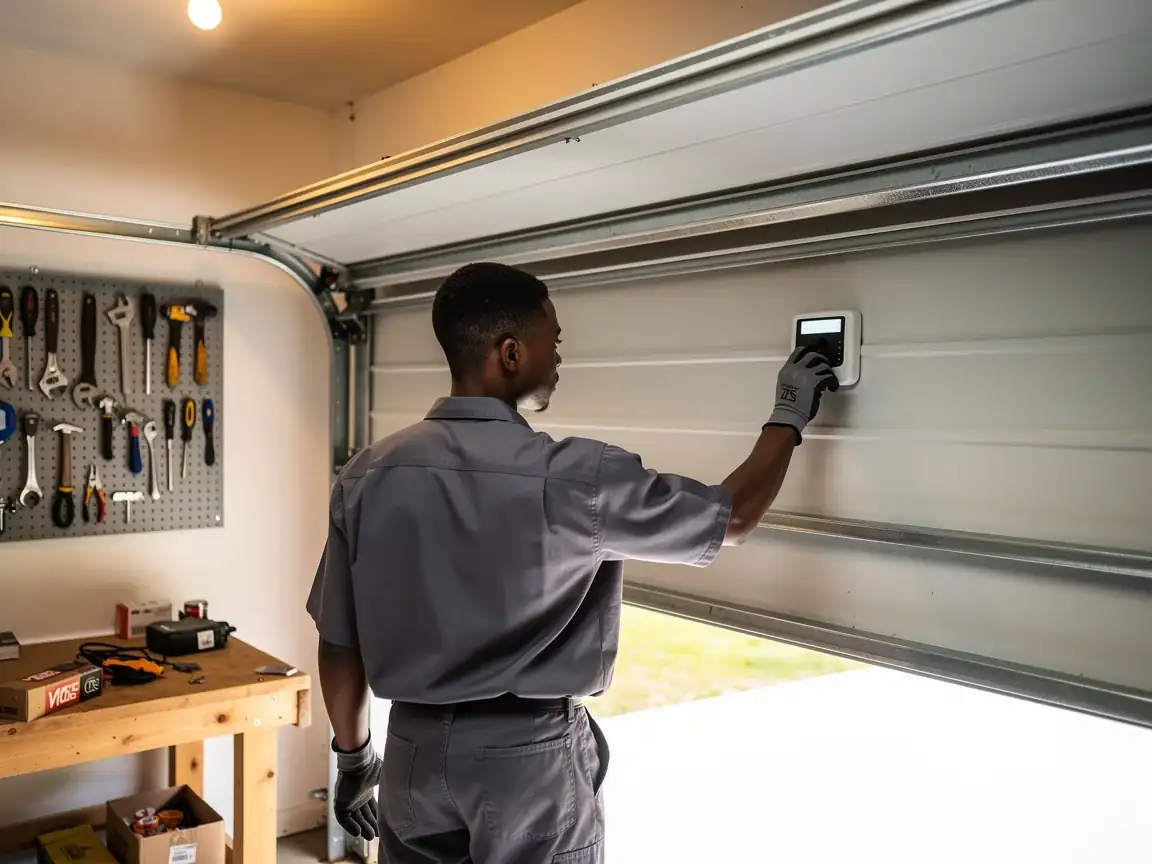
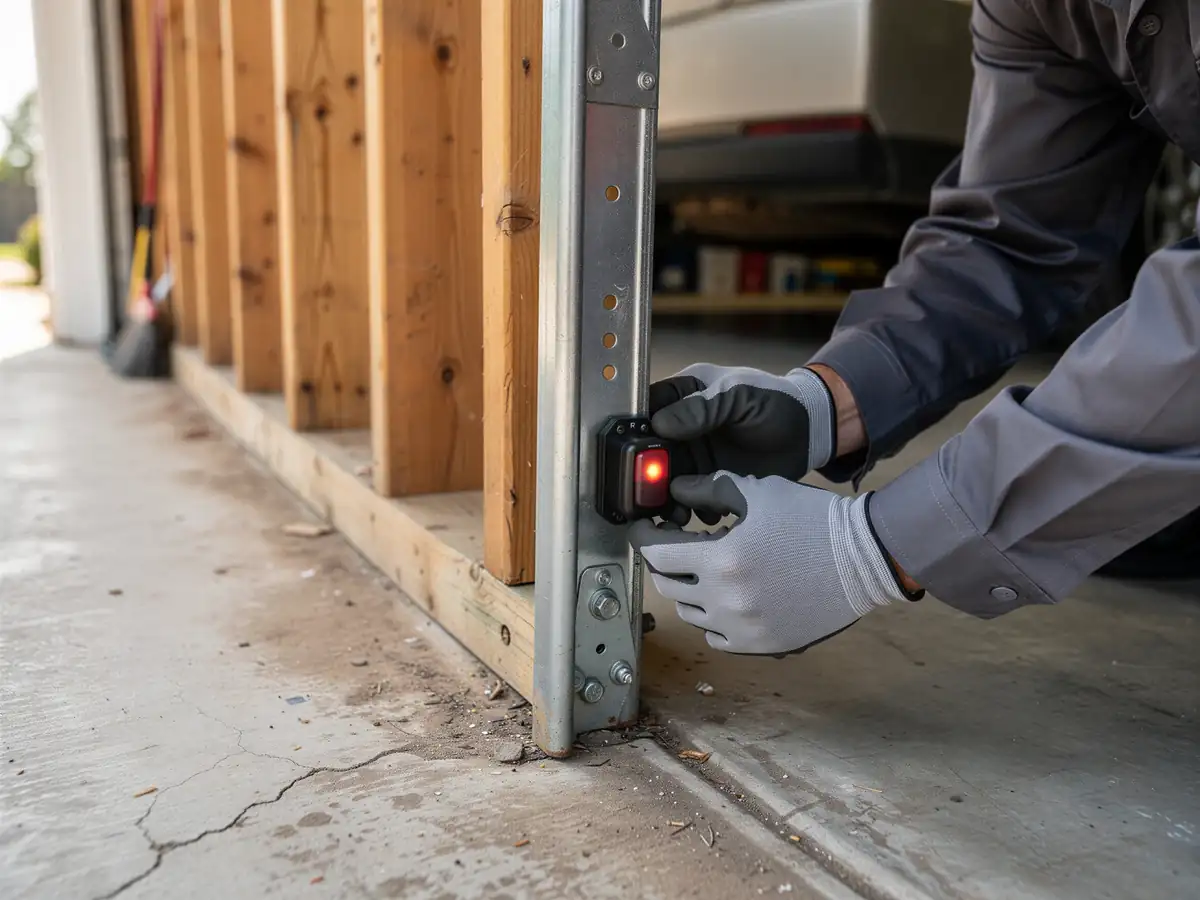
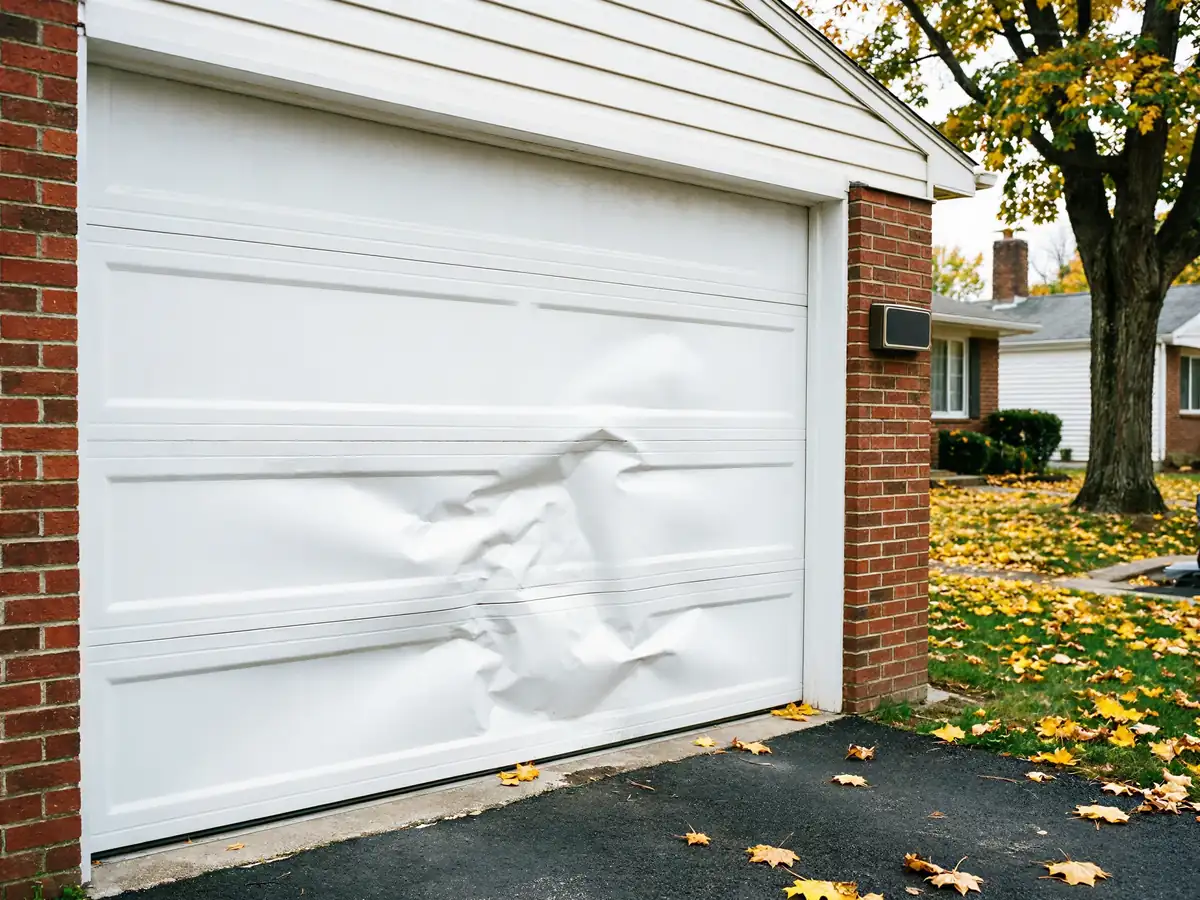
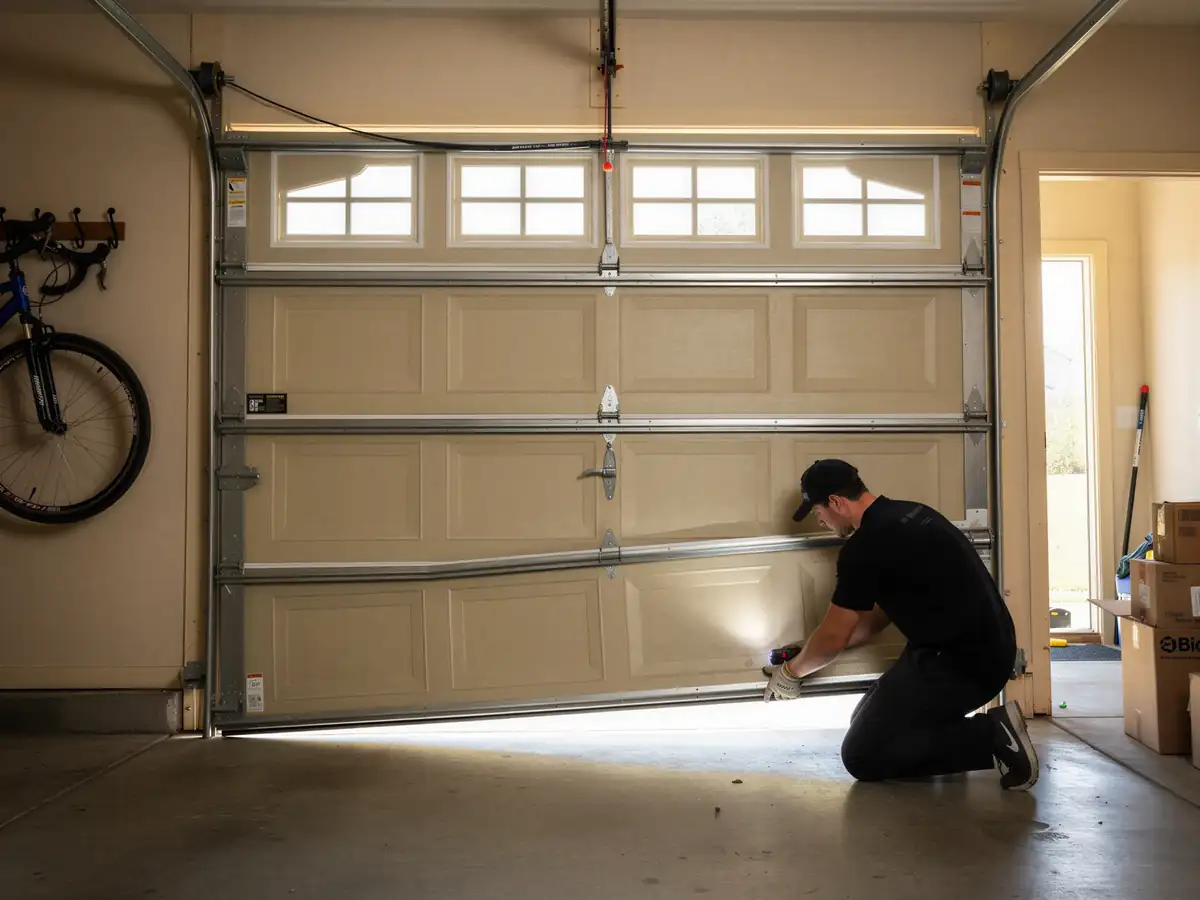
The call usually starts one of three ways. The door won't open at all and the opener is straining or clicking - that's a spring that's lost tension, and on a house from this era it's frequently the original. The door opens but drops on its own partway down, slamming instead of lowering - that's a cable that's frayed or a drum that's slipping, both common once hardware passes the 20 or 30 year mark untouched. Or the opener runs but the door barely moves, grinding against the track - that's usually a roller that's worn flat, which happens gradually enough that most owners don't notice until it's nearly through. None of these are urgent safety issues if you stop using the door and call rather than forcing it, but a spring under broken tension with cables still attached is not something to open by hand. If a home here has had any opener upgrade in the last decade, the symptoms shift - it's more likely a sensor alignment issue or a circuit board fault than hardware wear, since newer openers fail differently than the chain-drive units built into houses this old.
Stocked Parts
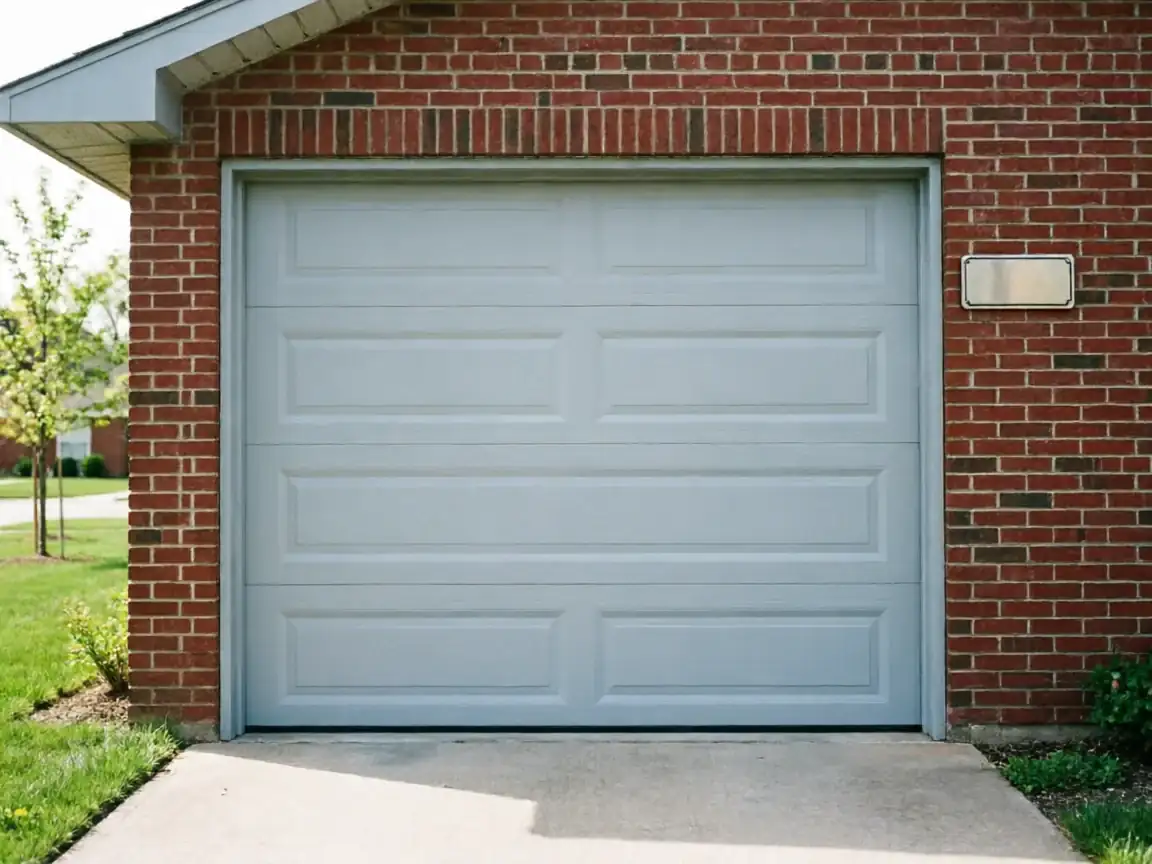
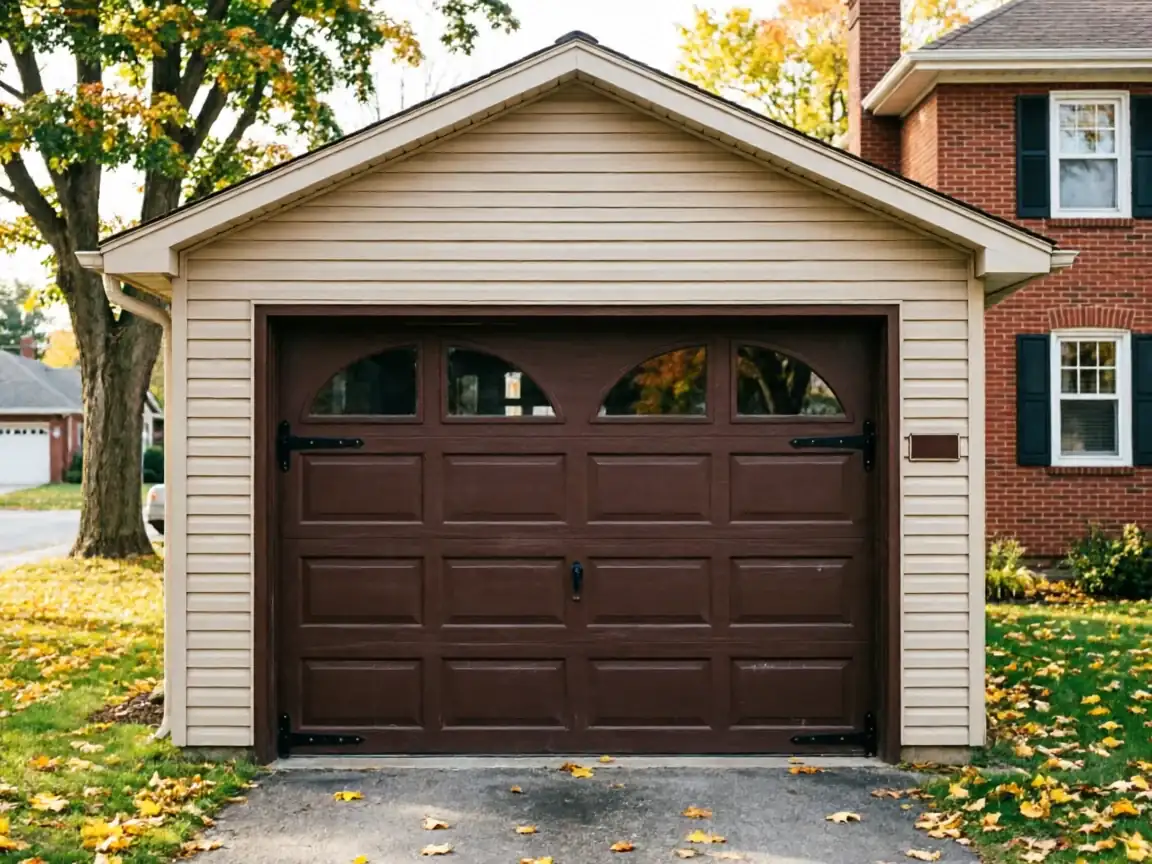
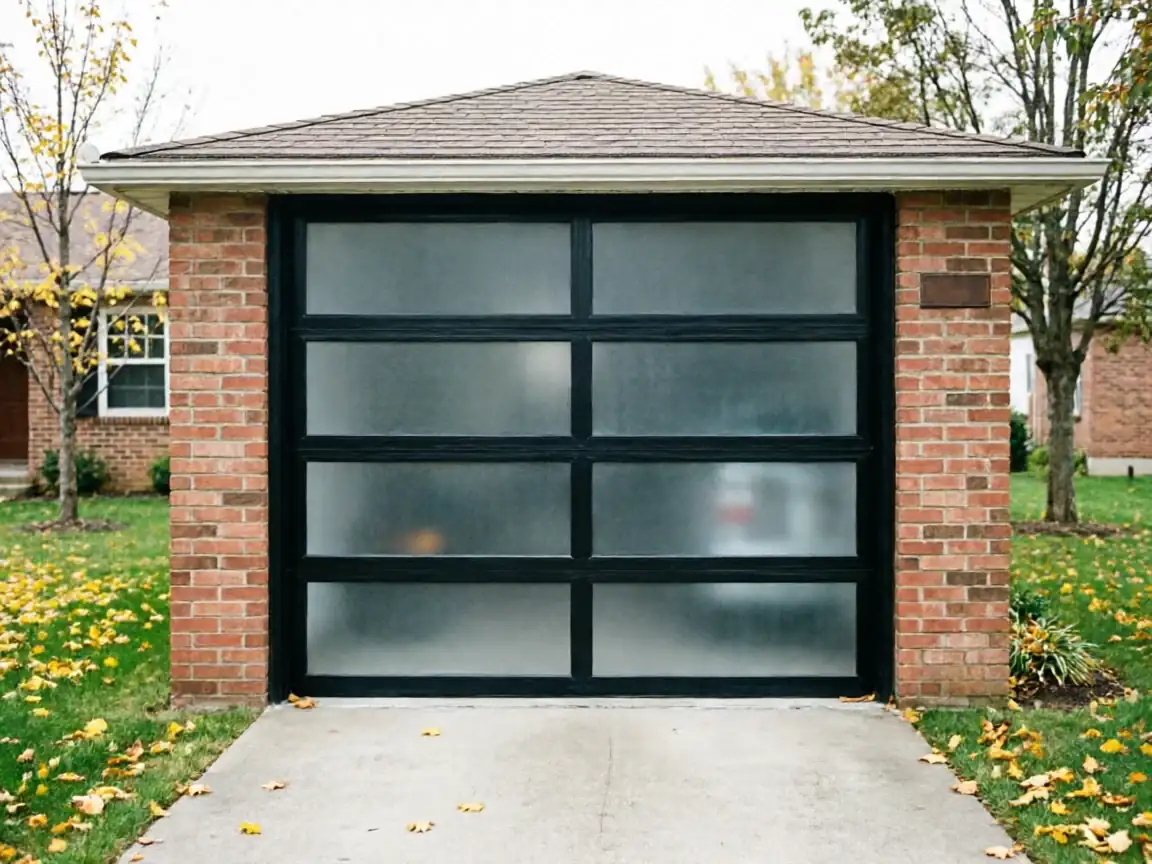
The truck carries common torsion spring sizes, standard lift cables, nylon and steel rollers, and the hinges and brackets that fit the door styles typically found on a house built in the 1938-2006 range this area falls into. For most Grandview Heights calls, that covers the job in one visit. Where it doesn't: a door that's been custom-sized, or hardware from a manufacturer that stopped making parts for that model years ago, which does turn up on original 1950s doors that were never replaced. In that case the repair isn't a same-visit fix - the part has to be sourced, and we'll tell you the lead time rather than guess at one. Opener boards and specific gear kits for older chain-drive units fall into the same bucket sometimes. It's a small share of calls, but it's real, and pretending every part is always on the truck is how a company loses trust on the second visit, not the first.