How Long It Takes
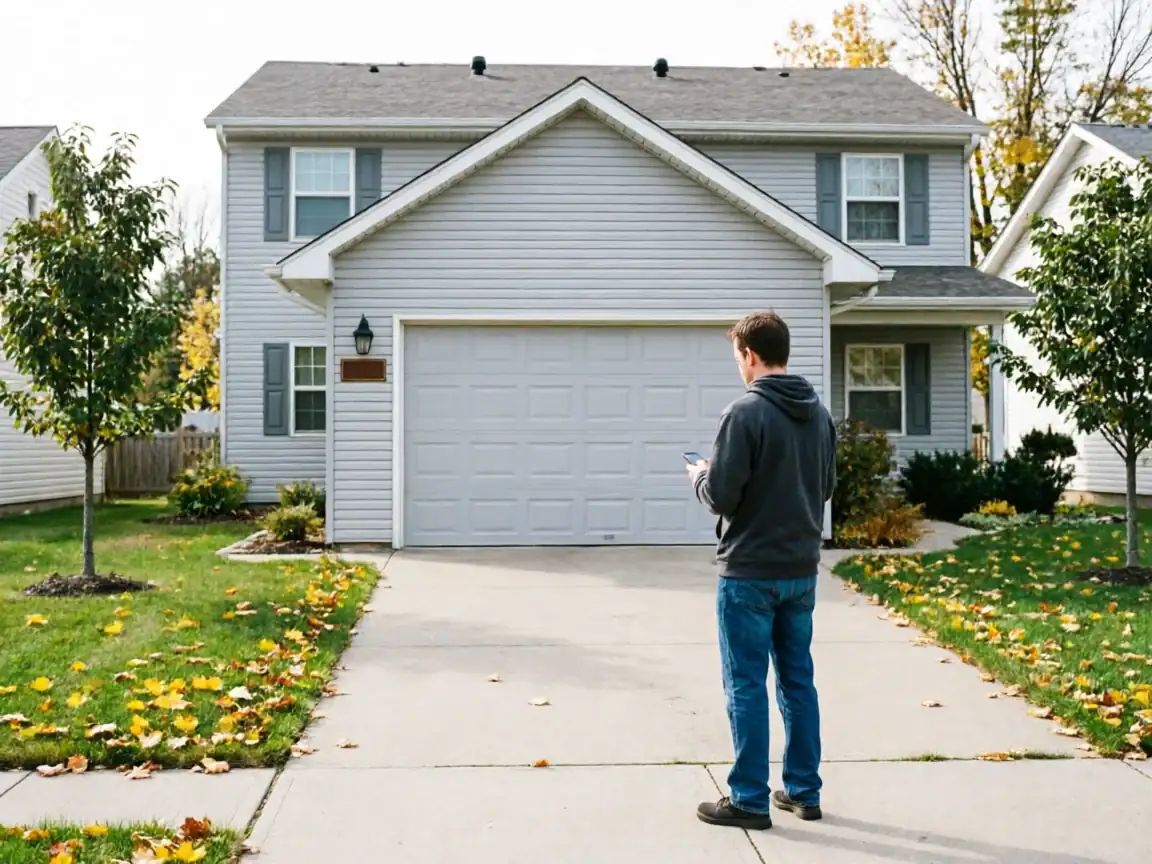
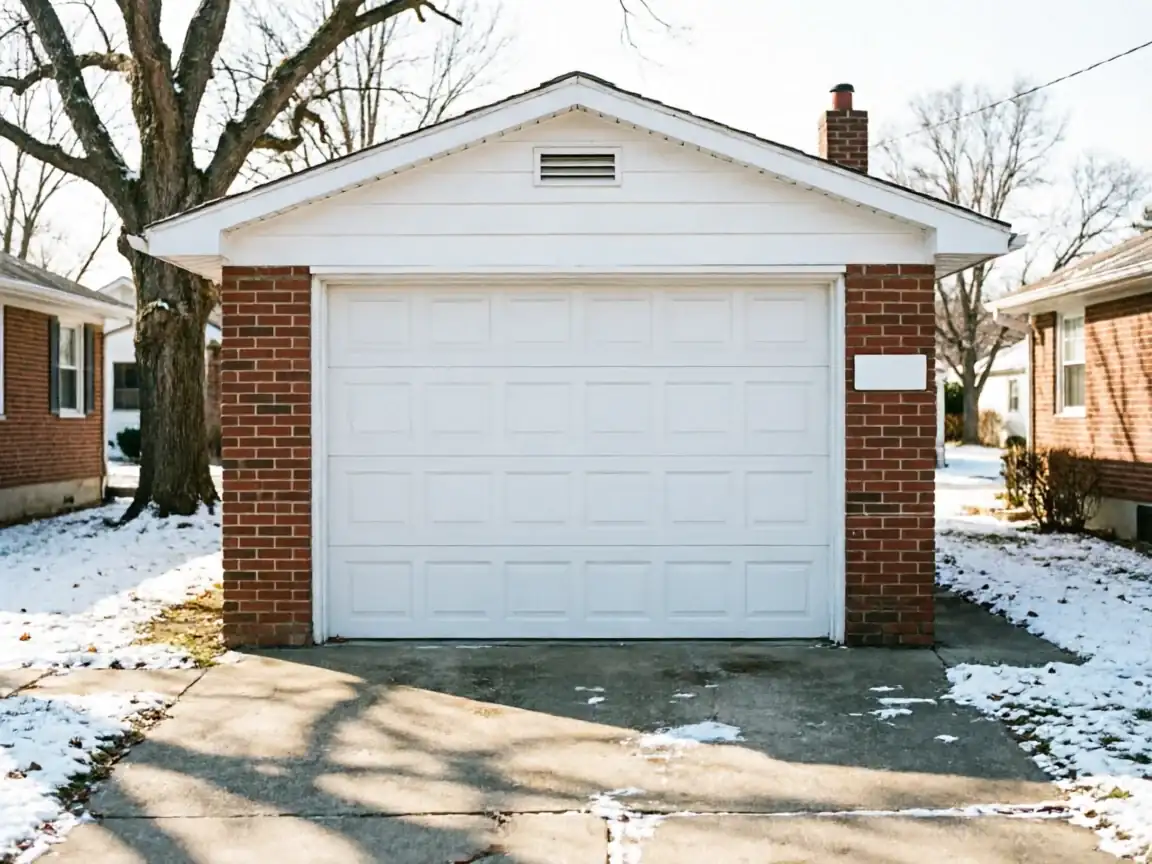
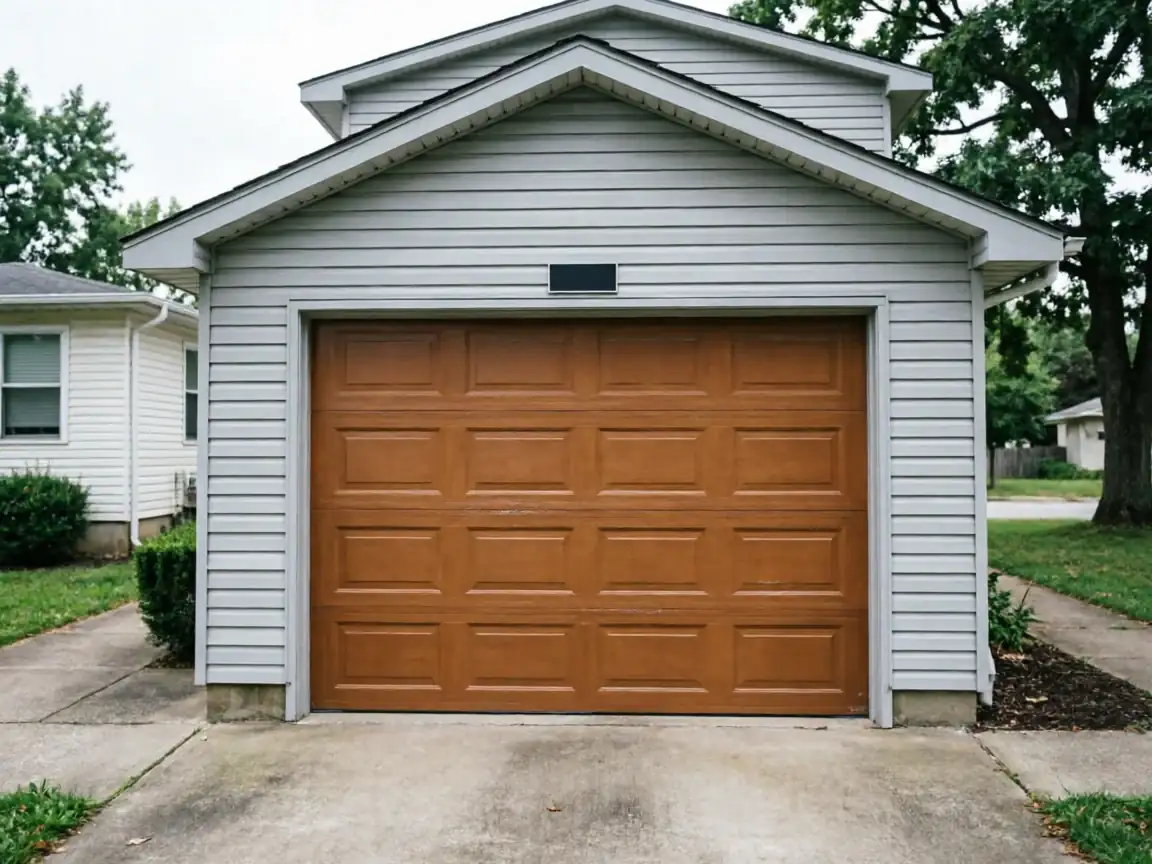
A house in Grandview Heights built around 1954 usually has a single bay sized for the car of that decade, not the SUVs parked in front of it now. That means an opening closer to 8 feet wide, sometimes narrower, with a door panel that's either the original steel or a replacement someone squeezed into the same frame decades later. Before we talk about what's broken, that's the starting point: the door itself is often smaller and older than what you'd find on a house built in the 1980s or 90s elsewhere in the service area.
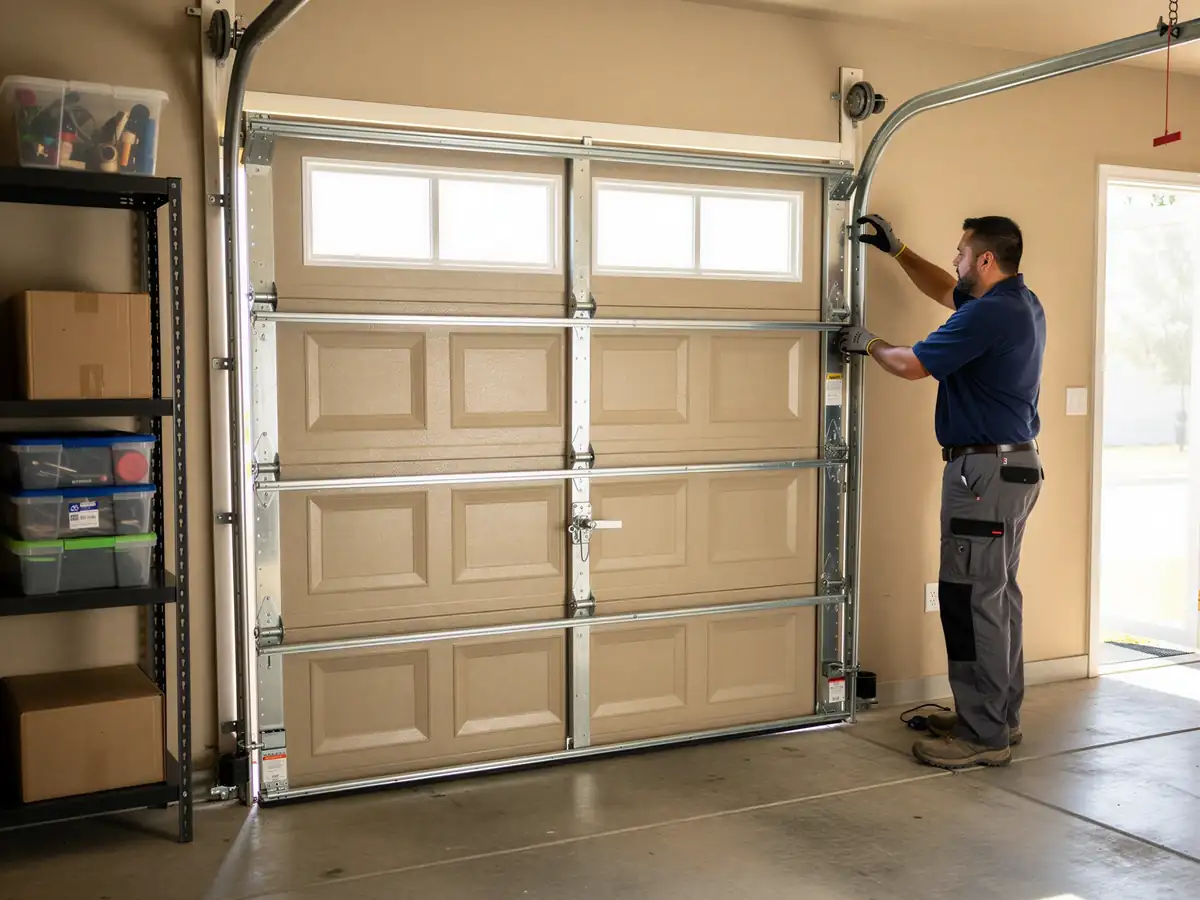
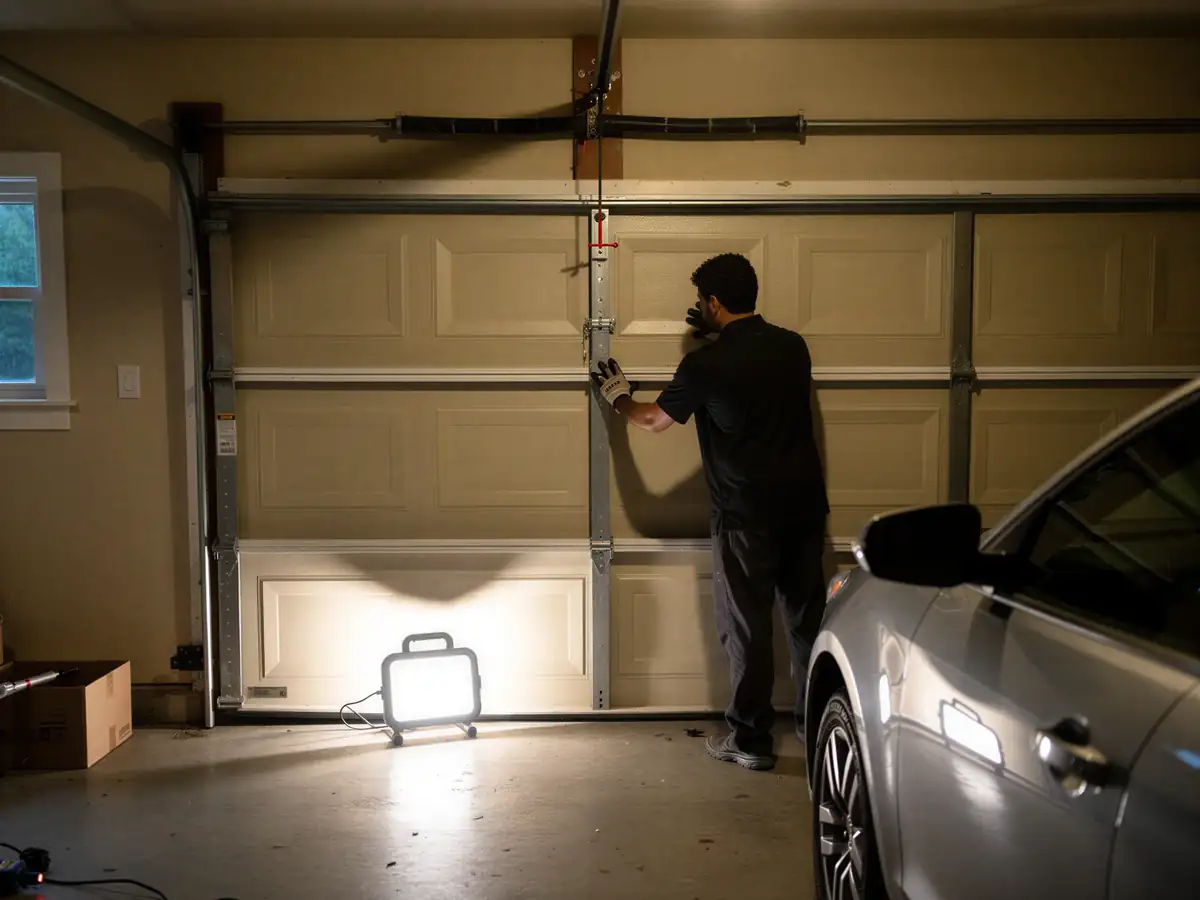
Most calls here run one visit. We diagnose on site, and if the part is something we carry on the truck - a standard torsion spring, a set of rollers, a cable - the job finishes the same trip. Three miles from our Columbus base, that's a short drive, not a dispatch window we're guessing at. If the fix needs a size or style that isn't common stock - an odd panel width for that narrower 1950s opening, for instance - we tell you that up front instead of pretending the truck has everything.
Where This Job Goes Sideways
The trouble with a 1954-era door is the opening geometry doesn't match what manufacturers build by default now. Track radius, header clearance, and spring drum sizing were all set for a narrower door, and when a past repair swapped in a modern panel without matching the rest of the hardware, the balance is off even when every part looks fine individually. That mismatch is what turns a simple spring swap into a full morning.
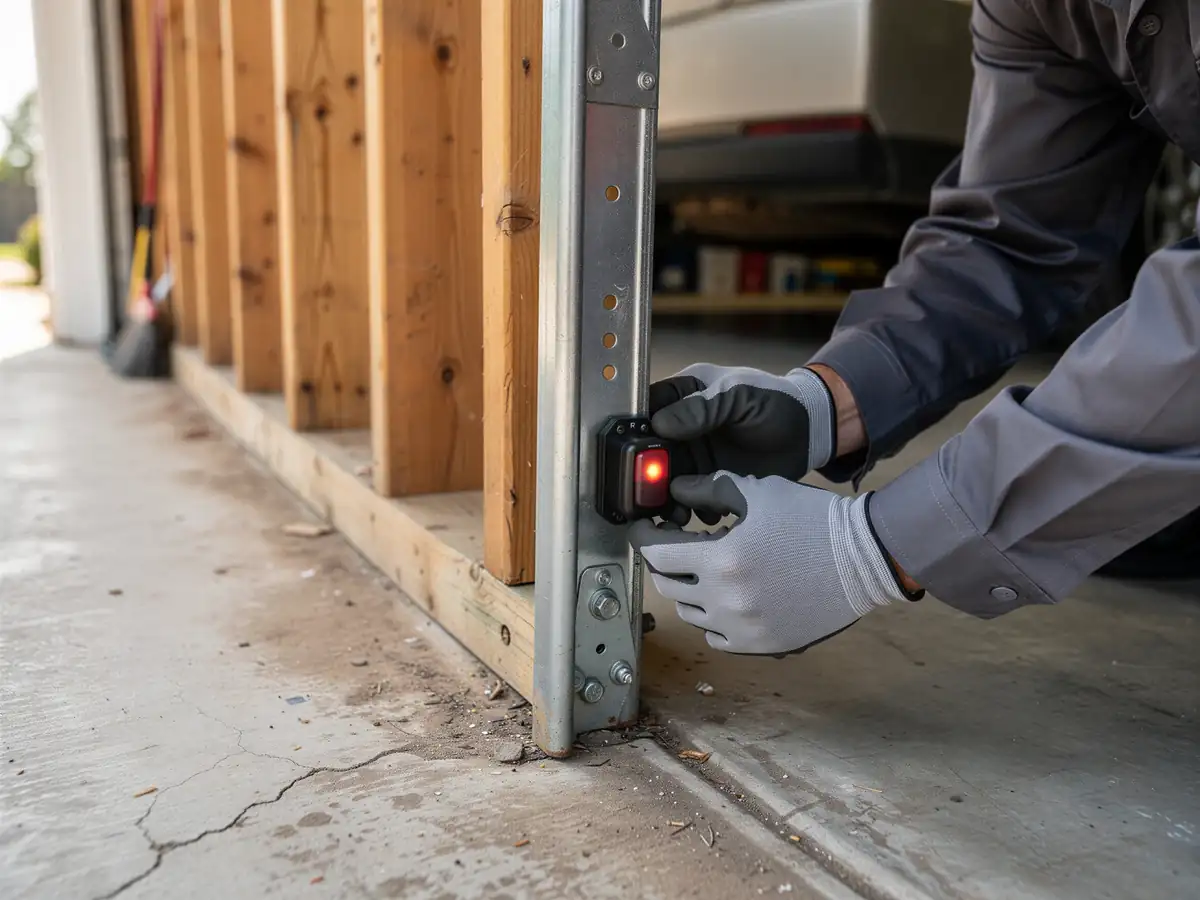
The other issue is just age. Hardware installed in the Eisenhower years has usually been touched more than once, and not always by someone who matched parts correctly. We've opened panels here and found bracket spacing that doesn't match any current kit. That's not a Grandview Heights-specific curse, but it's common enough on housing from this build year that we check for it before quoting anything.
What the Repair Takes
Severe cold matters here the way it does across the whole service area
Steel contracts in winter, and torsion springs wound for summer tension lose a little lift exactly when a heavy original-era wood or steel panel needs it most. On a house this old, the door panel itself is often heavier than anything sold today for the same width, because insulation standards and material gauges have changed since 1954.
That's the piece we check first on a cold-weather call
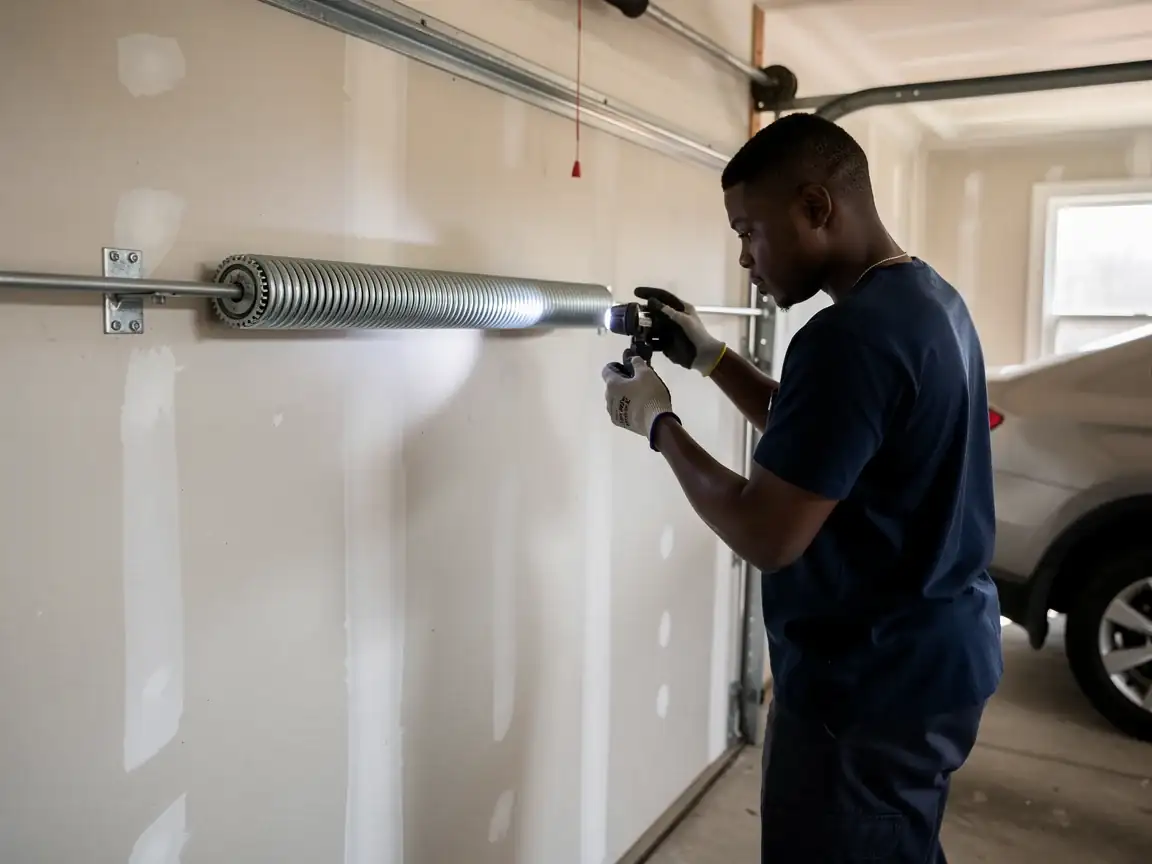
Is the spring undersized for a panel this heavy, or is the panel just old enough that the steel has sagged. Those two faults look the same from the driveway and need different fixes.
How It Shows Up
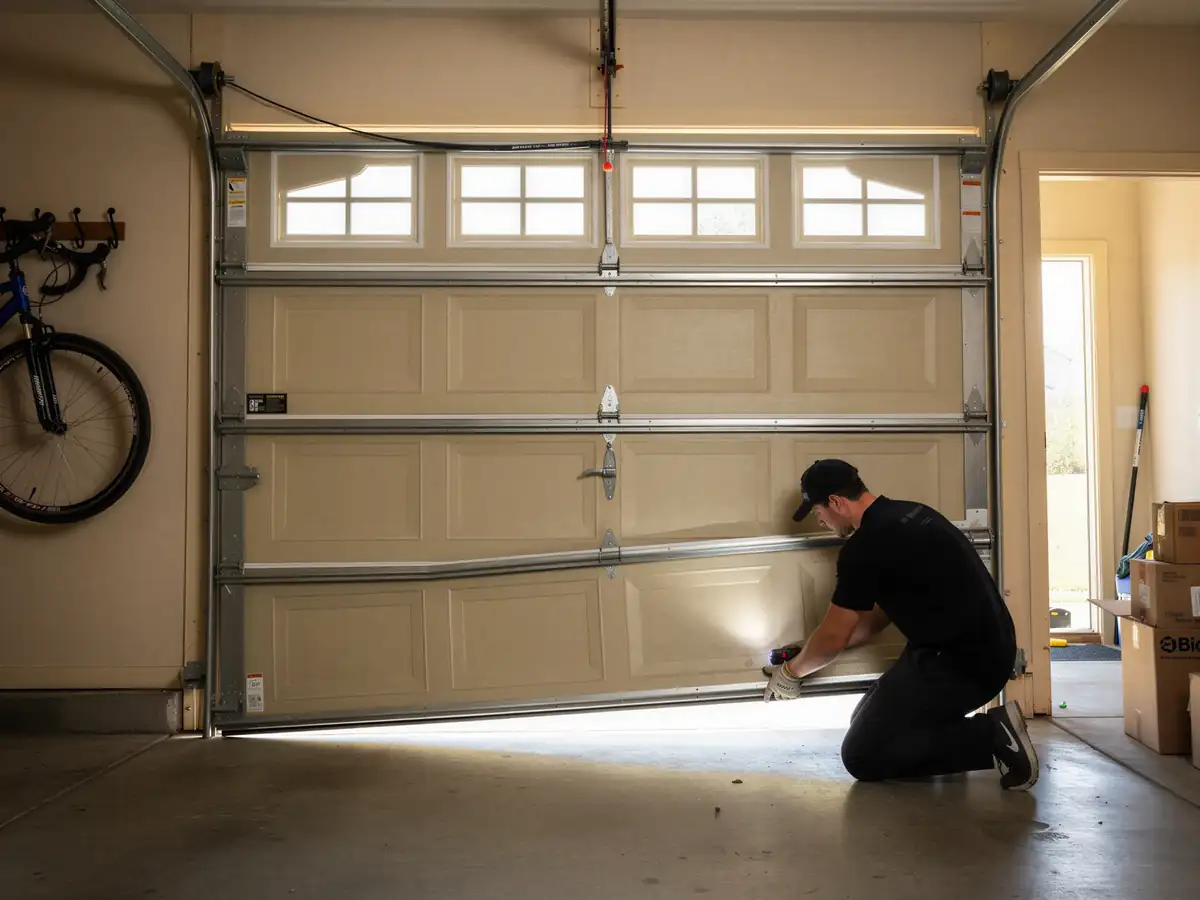
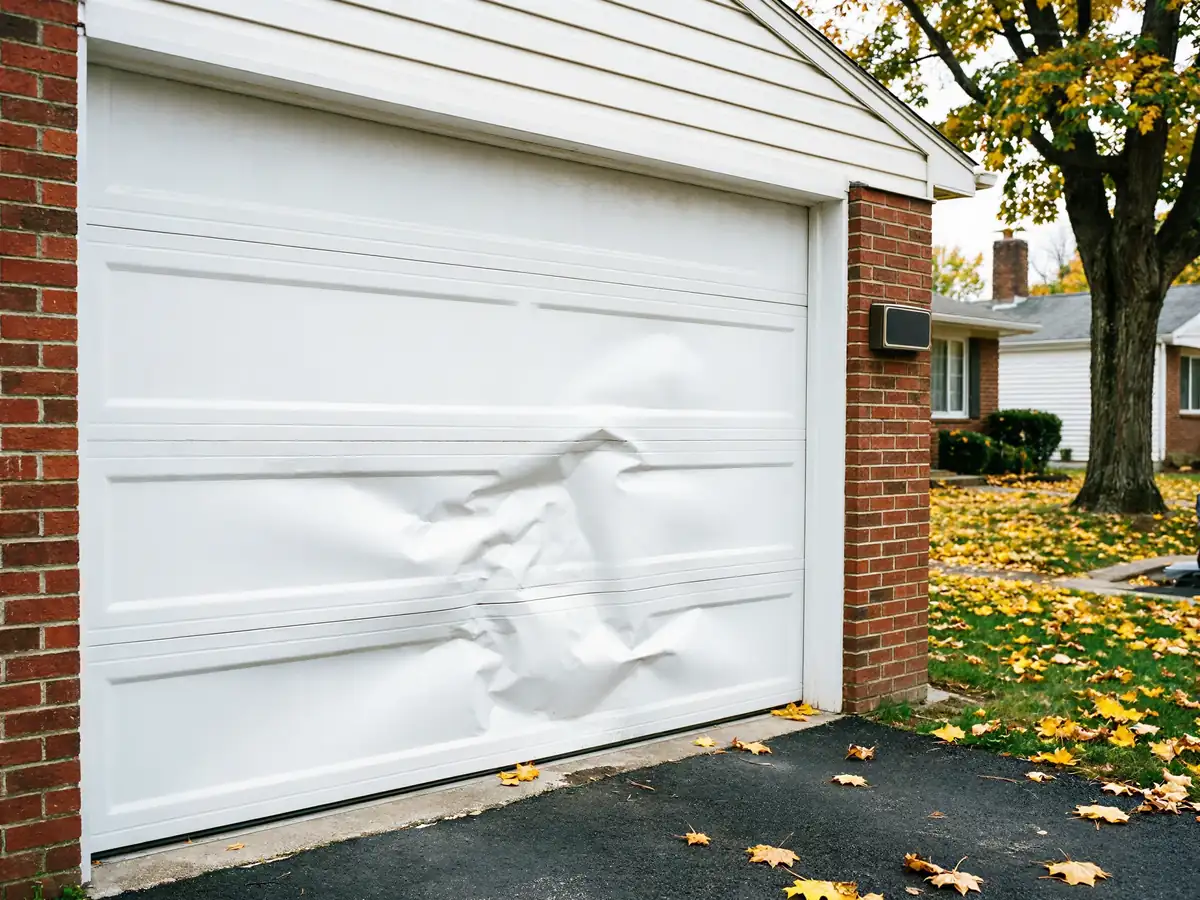
On a narrow 1950s-style opening, a failing spring usually shows up as the door catching unevenly a few inches off the floor rather than refusing to move at all - there's less door to carry, so a partial lift is still possible even with a broken spring. Listen for a grinding or scraping on the way up; on original-width tracks that haven't been widened, a roller riding slightly off true scrapes against the track lip instead of running clean.
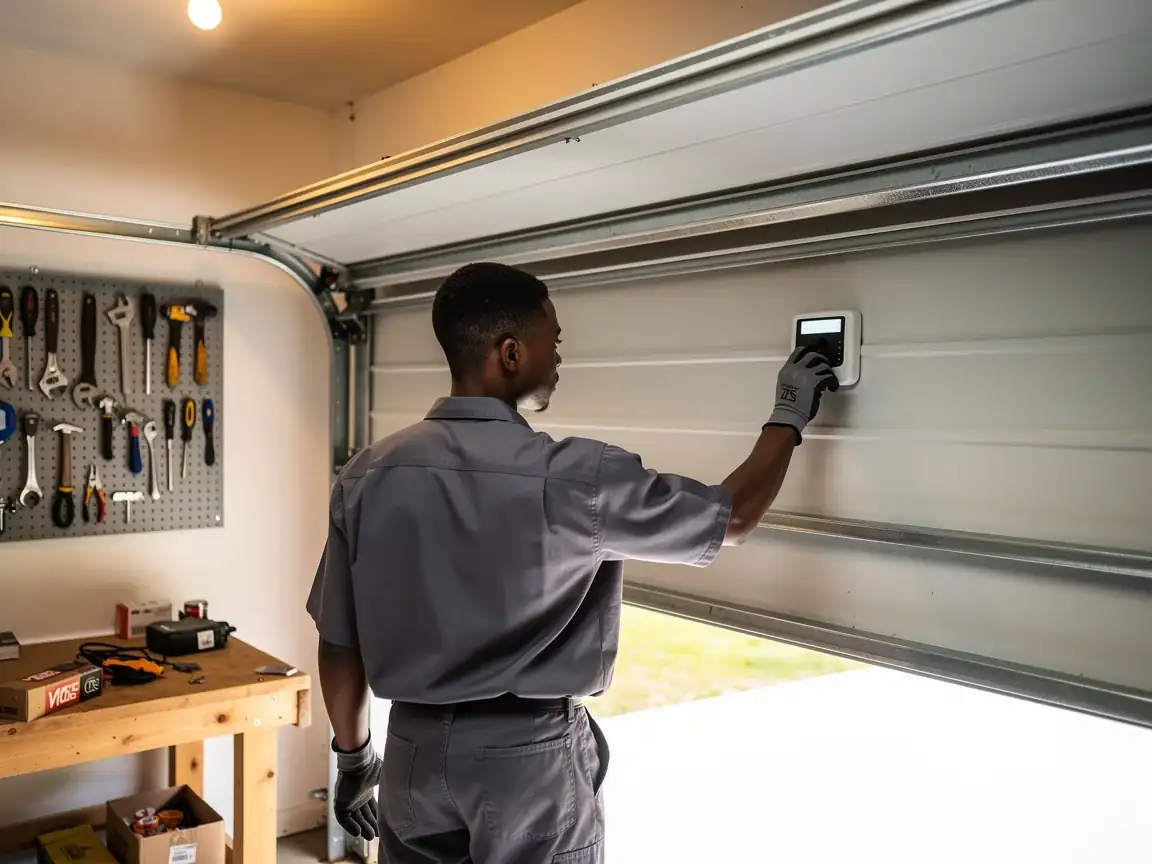
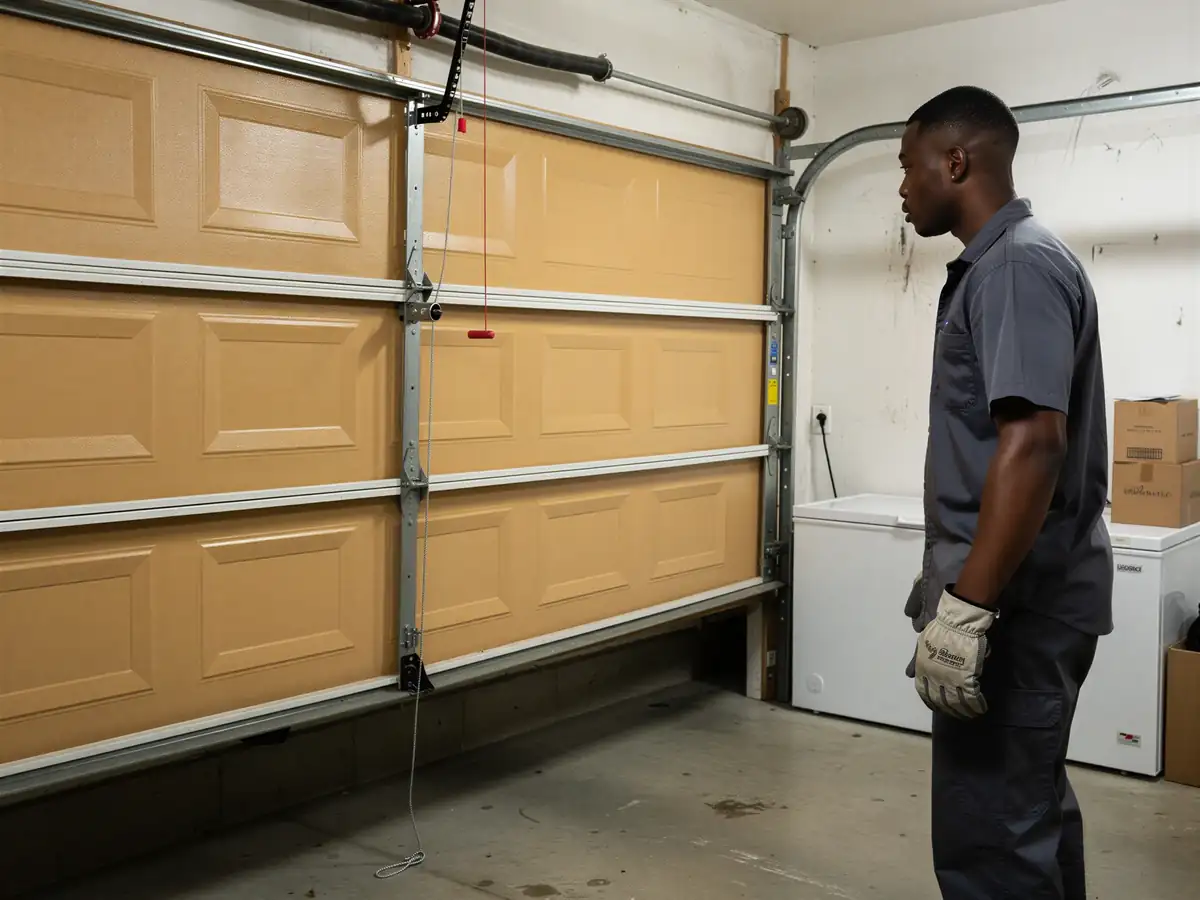
A door that slams the last foot instead of settling usually means the cable or spring tension has drifted, not that the opener is failing. We separate those two before touching anything, because replacing an opener on a door with a hardware problem just moves the symptom.
Stocked Parts
We carry standard torsion springs, rollers, cables, and common hinge hardware on the truck, which covers most of what breaks on any door regardless of age. What we don't always carry is a replacement panel sized for a narrower 1950s-era opening - those aren't a stock width for most manufacturers anymore, and if yours needs one, we order it rather than force a standard-width panel into a frame it won't fit.
That's the honest limit on this job: hardware repair, we handle on the spot almost every time; a full panel replacement on an original narrow opening sometimes means a short wait on the part.
The Cost of This Job
We don't quote a number without seeing the door
But the factors that move the price here are the same ones above: whether the fix is a stock part we carry versus a special-order panel, and whether a past mismatched repair means replacing more than the one failed piece. Grandview Heights households have a median income of $113,862, noticeably higher than the wider service area's, but that doesn't change what the repair itself costs - the door's age and size do.
- $113,862 median household income
We'll tell you on site which category your job falls into before we start, not after