Serving Columbus, OH & nearby
(614) 642-8619
Columbus, OH

Opener Repair for Grandview Heights' 1950s Housing Stock

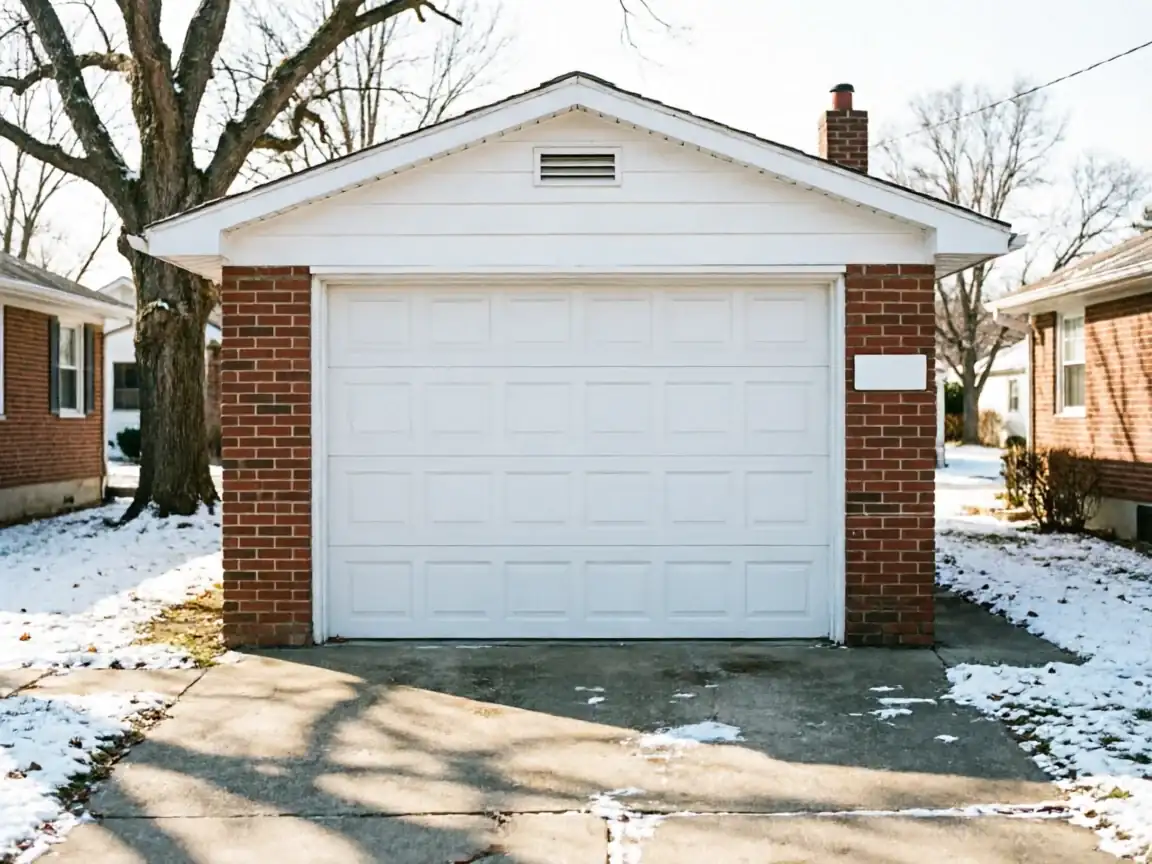
Grandview Heights homes mostly date to 1954, decades older than Columbus's median - openers here run on mounts and brackets newer installs don't use today.

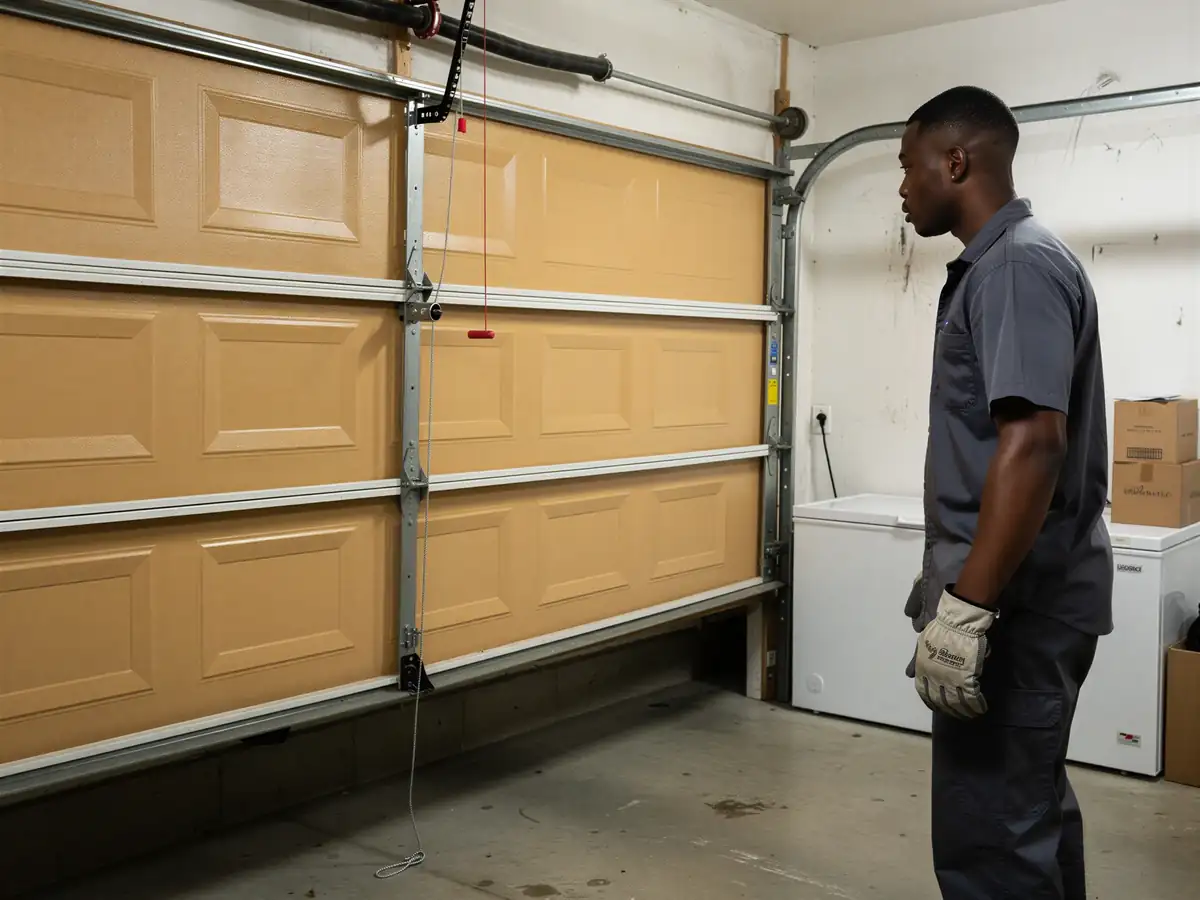
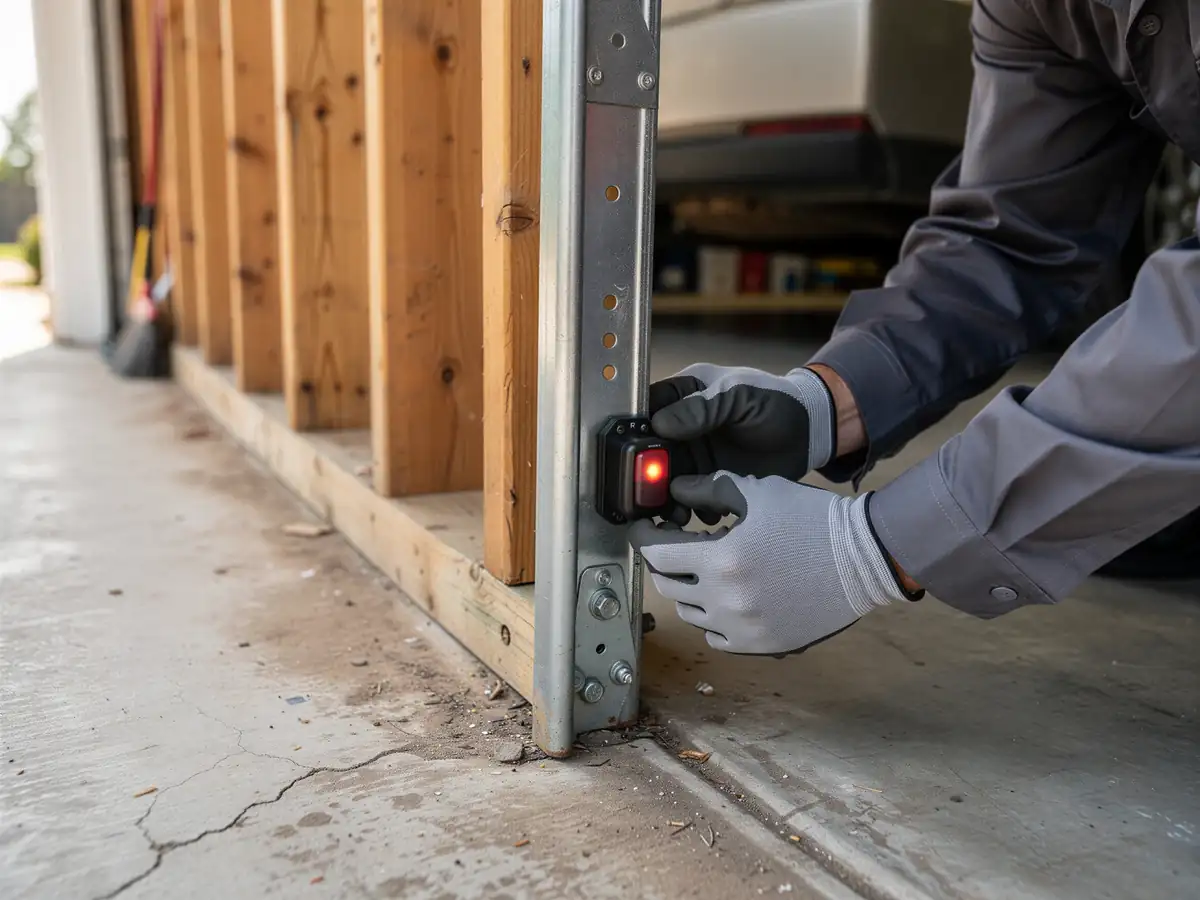
A technician in gloves adjusts a garage door safety sensor with a red light.
Columbus, OH
8 services
6 service areas
Diagnosis first, then the fix

How Long It Takes

Grandview Heights sits about three miles from our Columbus shop, one of the shorter drives on the route. That part is simple. What takes longer is the diagnostic once we're at the panel, because a lot of these houses were built around 1954, well ahead of the 1986 median build year you see across the wider service area. An opener bolted into a 1950s header isn't sitting on the same bracket spacing or framing depth as a 1990s build, so we spend more time confirming the mount is sound before we touch the motor unit itself. Most single-opener jobs - logic board, travel limits, a worn drive gear - still wrap up in one visit. Where it runs long is when the opener has been swapped once or twice already and the wiring behind the unit is a patchwork from different decades. We'd rather find that before we start than halfway through. There's no fixed clock we promise on this job; the age of the header and the opener's history decide it more than the drive to Grandview Heights does.

Where This Job Goes Sideways

The thing that trips people up here is assuming a modern opener will drop onto a 1950s frame the same way it would on newer Columbus construction. It often won't without extra bracing, because headers from that era weren't built with today's heavier belt-drive units in mind. We also see safety sensor retrofits that were never aligned right when they were added years after the original install - the door looks fine, the opener reverses anyway, and the owner assumes the new opener is defective when it's actually reading a sensor pair that's been slightly out of true since someone else installed it. Wiring is the other spot. Houses from this build era have gone through more than one electrical update, and garage circuits aren't always on the list. We've found openers wired into runs that were never meant to carry a motor load. None of this is unusual for housing this age - it's just not what you'd expect to deal with if you assumed every Columbus-area garage was built the same way.

What the Repair Takes

We start at the header, not the motor. On a house built around 1954, confirming the mounting bracket and framing can still take the load of the opener matters as much as checking the unit itself. From there it's the usual order: logic board response, travel limit settings, safety sensor alignment, drive gear wear, and the capacitor if the motor hums but doesn't turn. On older retrofits we're also checking whether the wiring run was ever properly rated for a garage door motor circuit, since that's a common gap in houses this age that have been rewired piecemeal over the decades. If the opener itself is sound and the problem is a bracket that's loosened in old wood, that's a separate repair from the motor work, and we'll say so rather than replace parts that don't need it. The honest limitation here: if the header framing itself has deteriorated, no opener repair fixes that, and we'll tell you it's a carpentry problem before a garage door one.

How It Shows Up

In this climate band - cold winters that get genuinely severe, not just chilly - old grease in a chain or screw drive stiffens up hard once temperatures drop, and that shows up as an opener that strains, groans, or reverses partway up on the first cold mornings of the season. On a newer unit with modern lubricant that's less of an issue; on an opener that's been in a Grandview Heights garage since before newer cold-rated lubricants were standard, it's often the first sign something's wearing out rather than just stiff. Other common complaints: a remote that works intermittently, which is usually the logic board or a dying wall switch rather than the remote itself, and a door that reverses right at the floor, which points to travel limit drift more often than a dead opener. We hear less about total failures and more about openers that are still running but acting wrong - slow starts, grinding on reverse, lights that don't trigger on schedule.

Stocked Parts

We carry the parts that cover most of what fails on standard chain and belt drive openers - drive gears, capacitors, logic boards for common brands, sensor kits, wall control units. That covers the bulk of calls in a suburb like this one. Where it gets slower is a genuinely old belt or screw-drive unit that predates current parts lines; if a house still has its original opener from decades back, we may need to order a part rather than pull it off the truck, and we'll tell you that up front rather than promise same-visit on something we don't have. Given that Grandview Heights' housing centers on an older build year than the broader service area, we see more of these older units here than in newer Columbus subdivisions, so it's worth asking about the opener's age before you book - if it's original to a 1950s build, a straight parts swap may not be the right call anyway, and replacement might make more sense than chasing parts for a motor that old.
The Cost of This Job

We don't quote a number without seeing the opener, but a few things shape where this job lands. A sensor realignment or a wall switch swap costs a lot less than a logic board or a drive gear replacement, and both cost less than tracking down a part for a decades-old unit that's no longer in common production. Grandview Heights carries a median household income of $113,862, noticeably above the $99,964 median across the full service area, and in practice that shows up as more owners here opting to replace an aging opener outright rather than keep repairing one that's original to a 1950s install. That's not a rule, just a pattern we see. With roughly 3,907 households in a small, dense suburb, the concentration of older openers per block is higher here than in newer parts of the service area, which is part of why we ask about the opener's age and the house's build era before we ever talk numbers.

How it works

From “it’s stuck” to “it’s fixed”

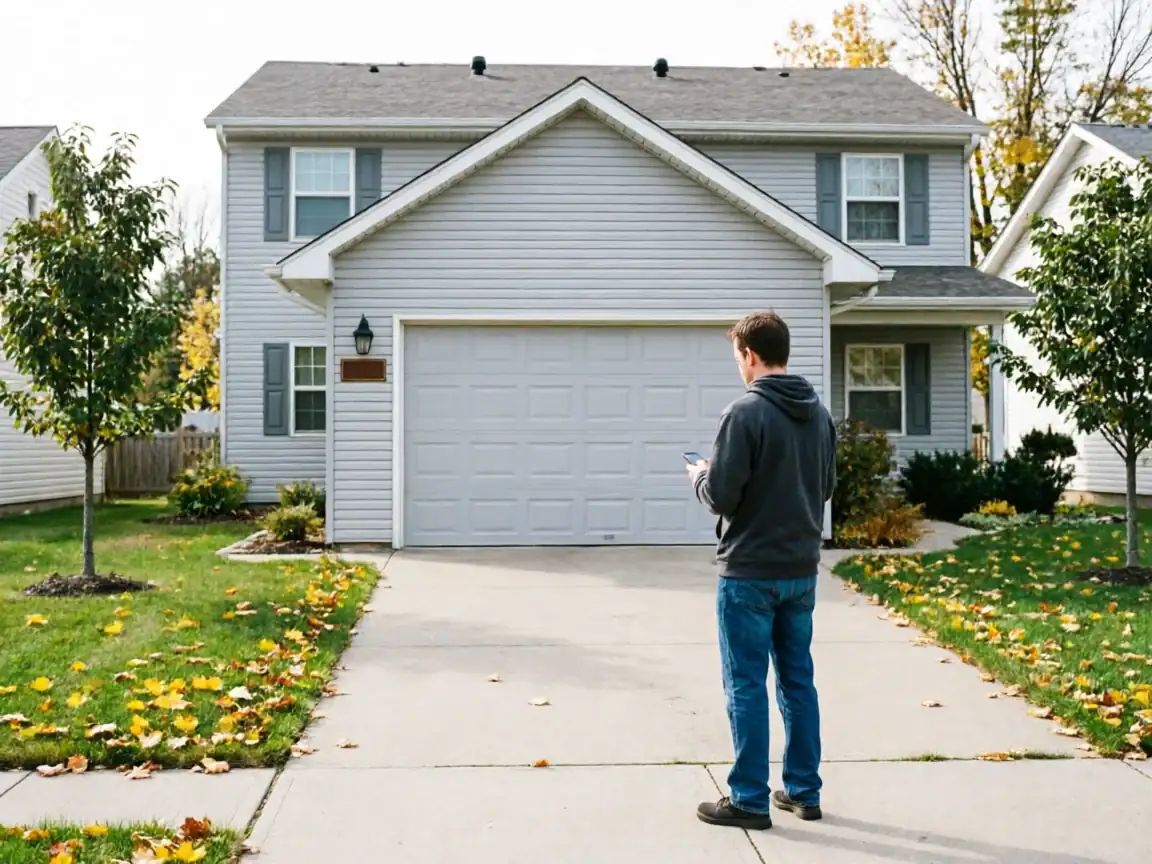
A man stands in a driveway looking at his phone in front of a house.

Tell us what’s wrong

Describe the symptom - won’t open, loud bang, opener runs but the door won’t move.

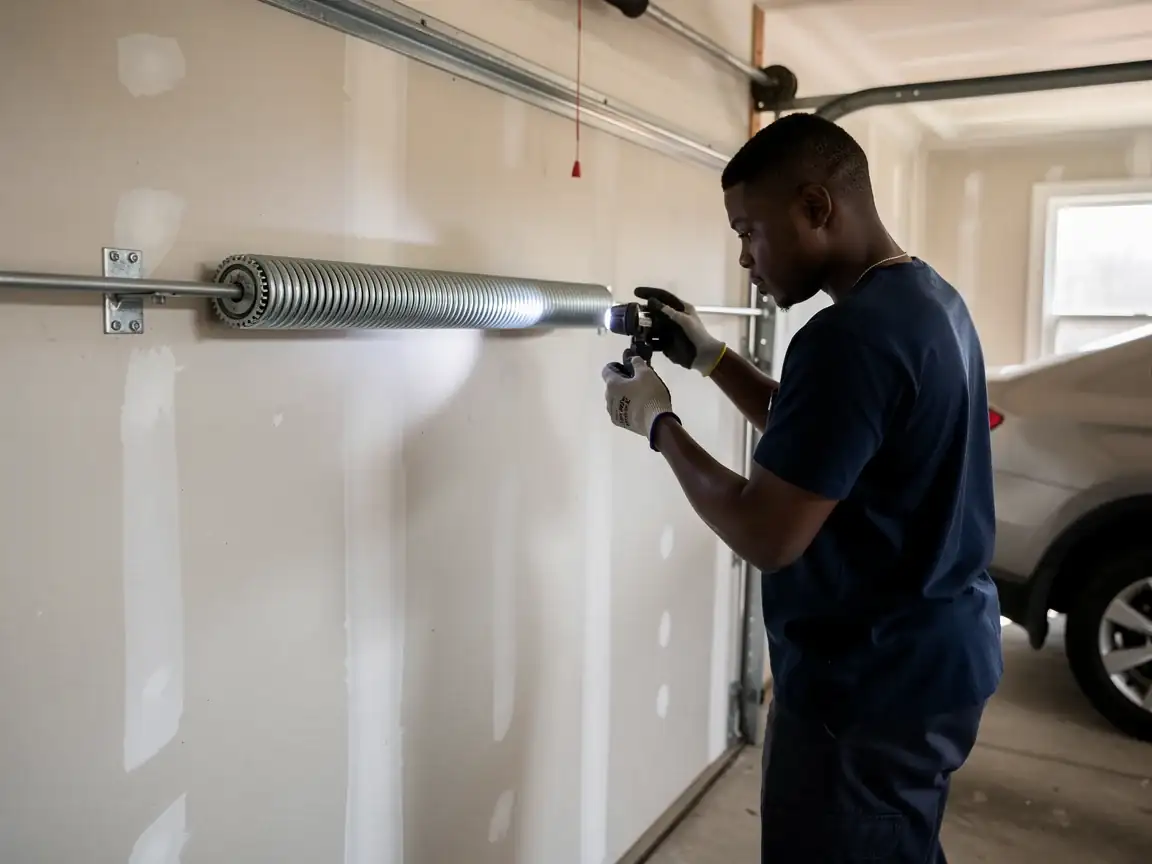
A technician shines a light on a garage door torsion spring.

On-site diagnosis

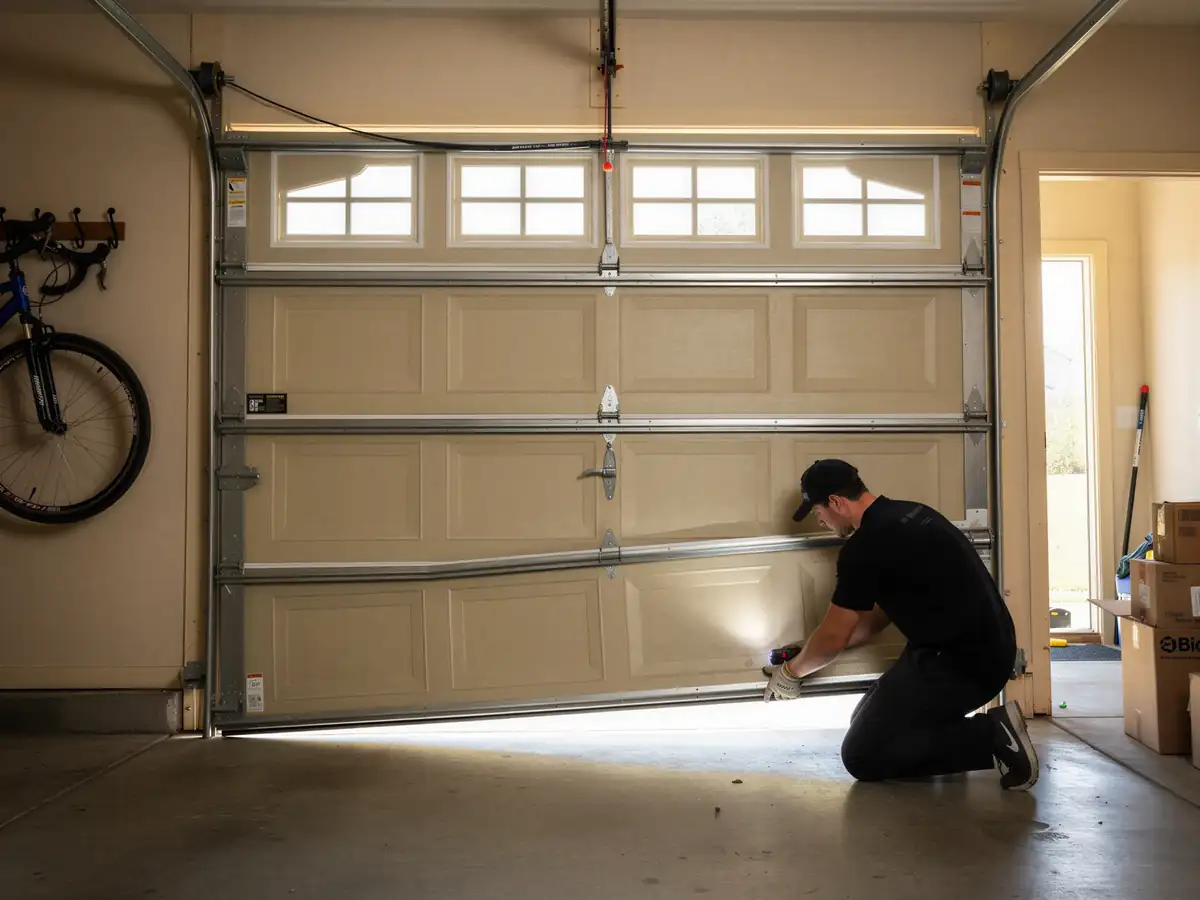
A technician tests the door under power and by hand and finds what actually failed.

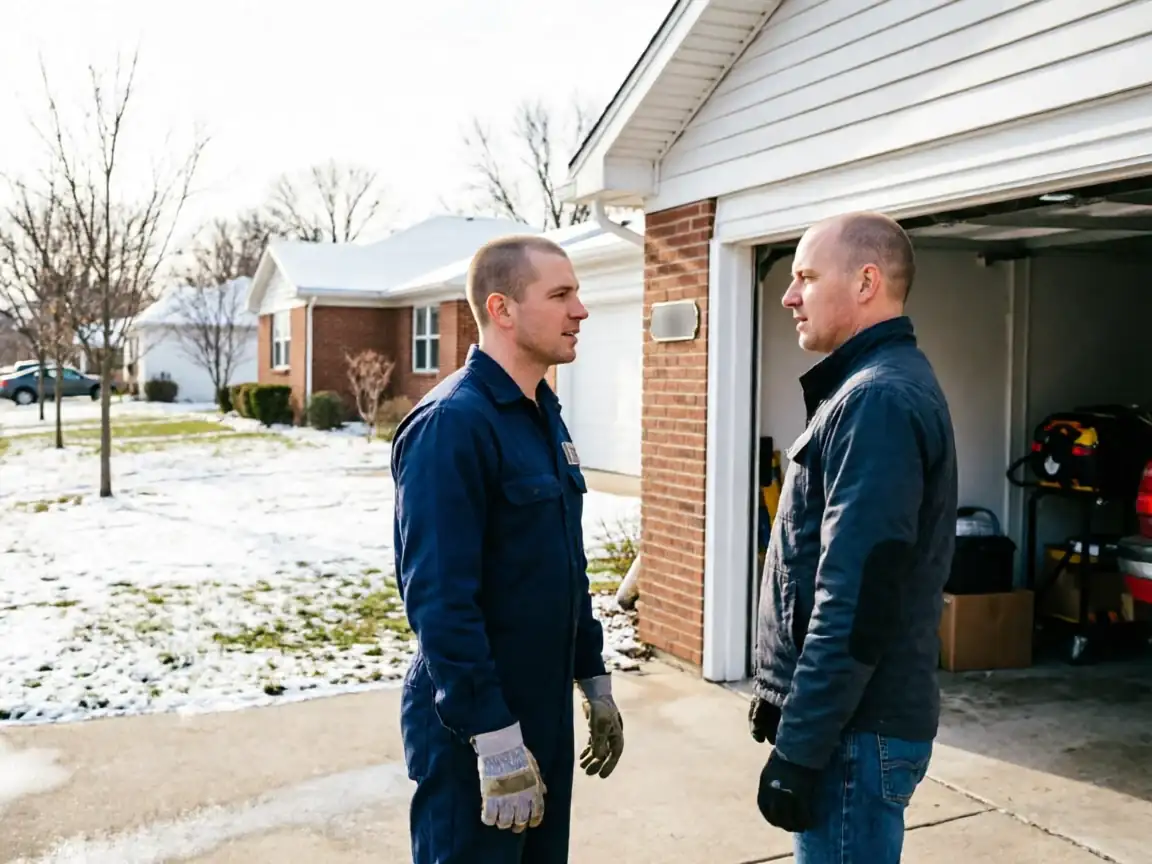
A technician in a blue jumpsuit talks to a man in front of a garage.

Clear, up-front plan

You get the fix that’s needed and what drives the cost - before any work starts.

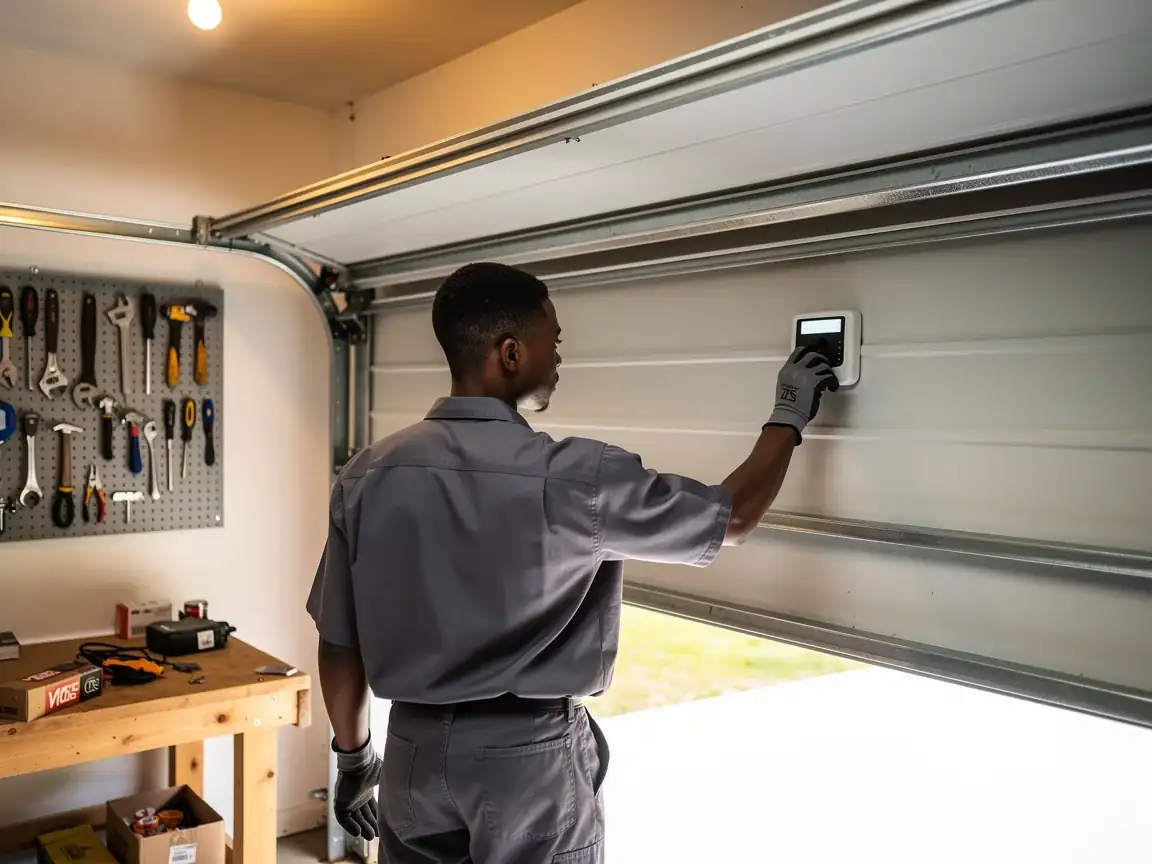
A technician in a gray uniform adjusts a white control panel on a garage door.

Repaired & tested

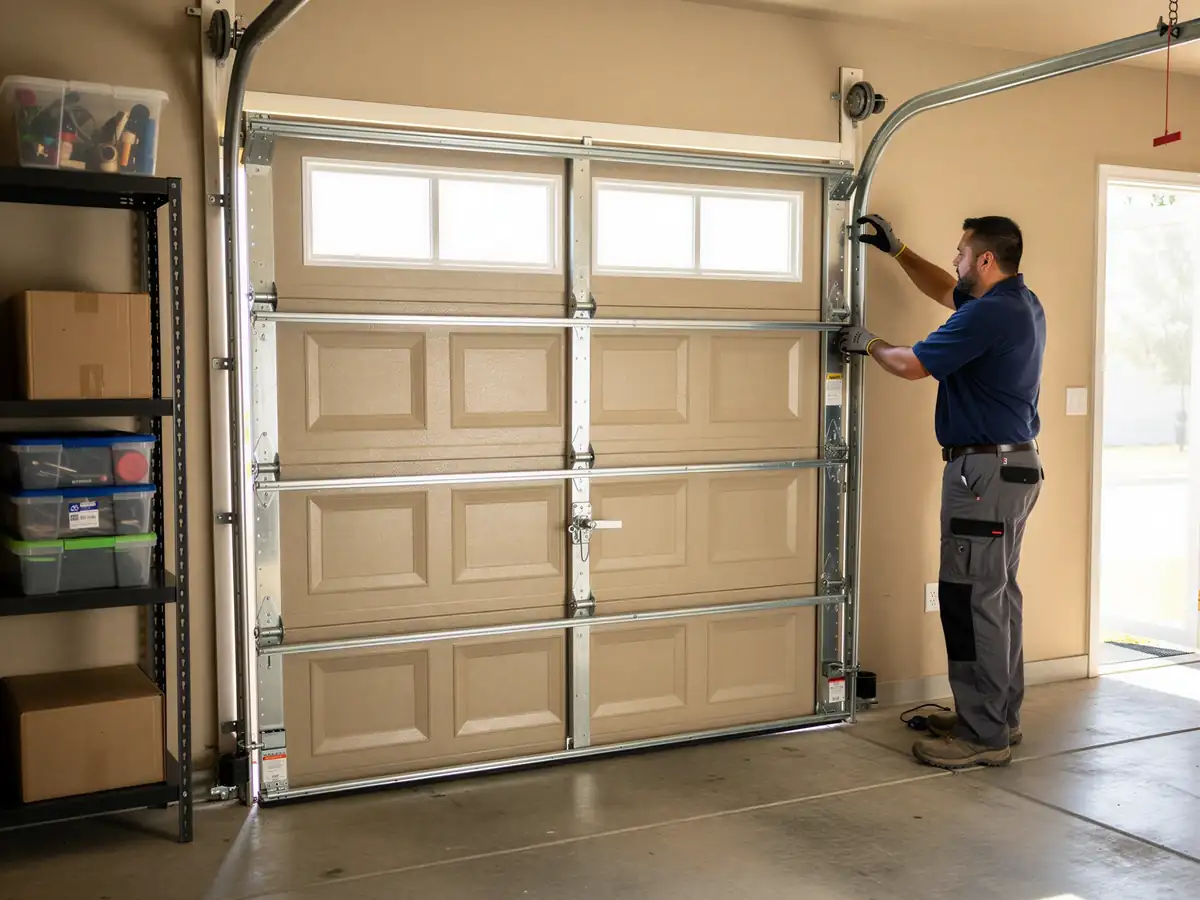
The repair is done, the door is set true and tested, and the work area left clean.

Not sure which repair your door needs in Columbus, OH? Describe what it’s doing - every job starts with a diagnosis.

How we work

What to expect

Diagnosis first

Every visit starts by finding what actually failed - not a pre-written parts list.

The right part for the door

Springs and openers matched to the door’s weight and age, so the fix holds up.

Straight answers

When a repair makes more sense than a replacement - or the reverse - you hear it plainly.

Clean, careful work

Tension released safely, hardware set true, the door tested under power before we leave.

913,175Residents in Columbus
8Garage door services
6Neighborhoods & suburbs
OHServing Columbus, OH
Questions

Frequently asked

Straight answers about garage door repair in Columbus. Still unsure? Ask us directly.

Will a new opener fit my garage if my house was built in the 1950s?

Usually, but the header framing in houses from that era isn't always sized the way newer construction is, so we check the mounting bracket before installing. Sometimes it needs extra bracing. We'll tell you if that's the case before we quote the job, since it changes what's involved beyond just swapping the motor unit.

Why does my opener struggle more in winter than it used to?

Old grease in a chain or screw drive stiffens in severe cold, and that strain is often the first sign of wear rather than a sudden failure. If your opener predates current cold-rated lubricants, this shows up earlier in the season than it would on a newer unit.

Do you keep a truck stocked near Grandview Heights?

No, we run out of Columbus and the drive to Grandview Heights is about three miles, among the shorter runs on our route. We don't have a depot in town, so what we carry is whatever's on the truck for that day's calls.

Is it worth repairing a very old opener instead of replacing it?

Depends on the unit. If it's a common chain or belt drive, parts are usually available and repair makes sense. If it's an older belt or screw-drive model that predates current parts lines, we may need to order a part, and at that point replacement is often the more practical call.

Ready to get your garage door sorted?

Tell us what it’s doing and where you are in Columbus - we’ll take it from there.

Request a QuoteCall