Serving Columbus, OH & nearby
(614) 642-8619
Columbus, OH

Garage Door Maintenance for Grandview Heights Homes

Grandview Heights homes median 1954, income $113,862. See where a tune-up beats a replacement and what original 1950s hardware actually needs from a service call.

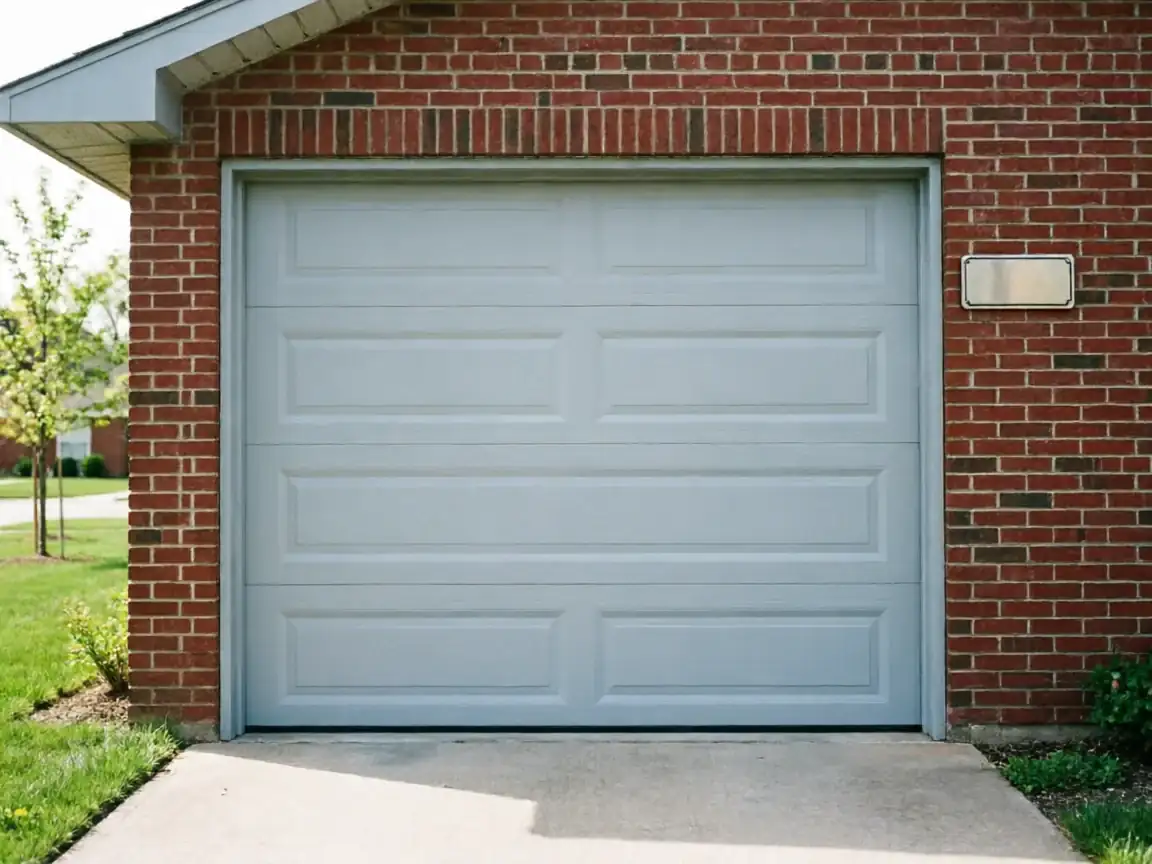
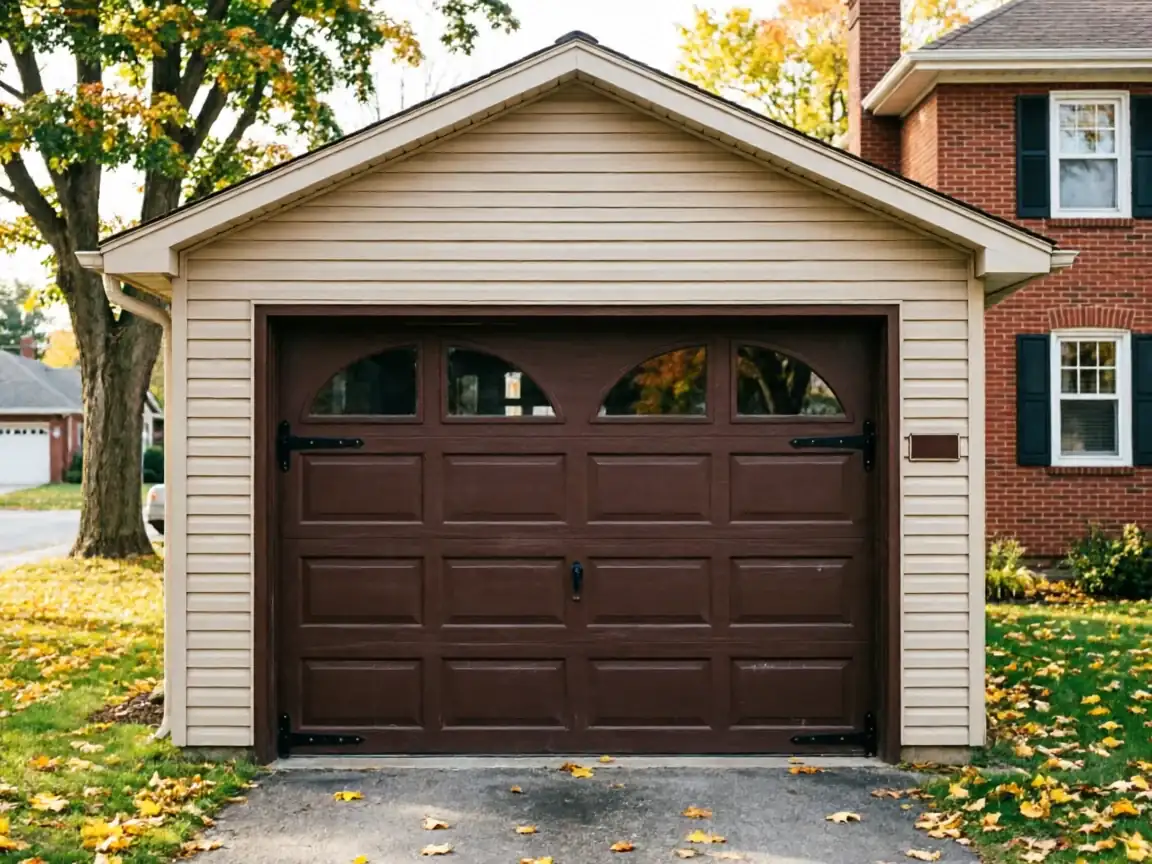
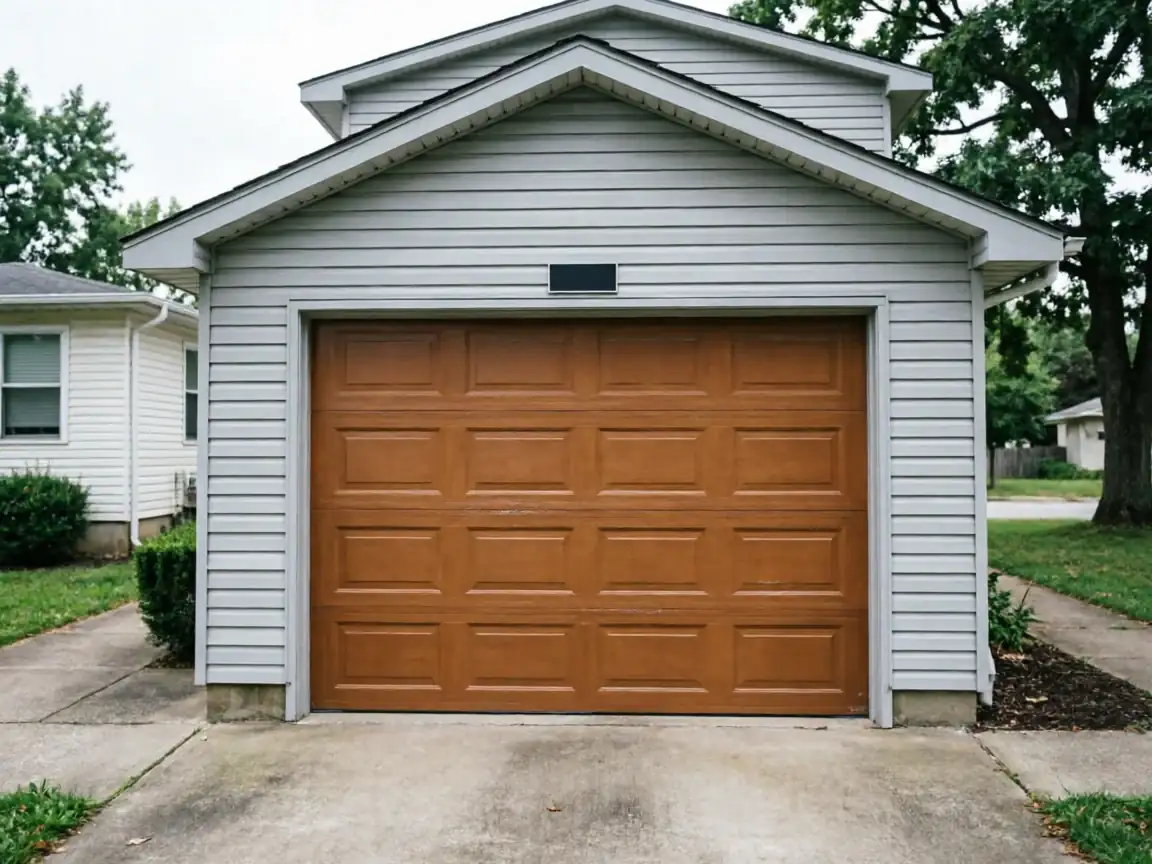
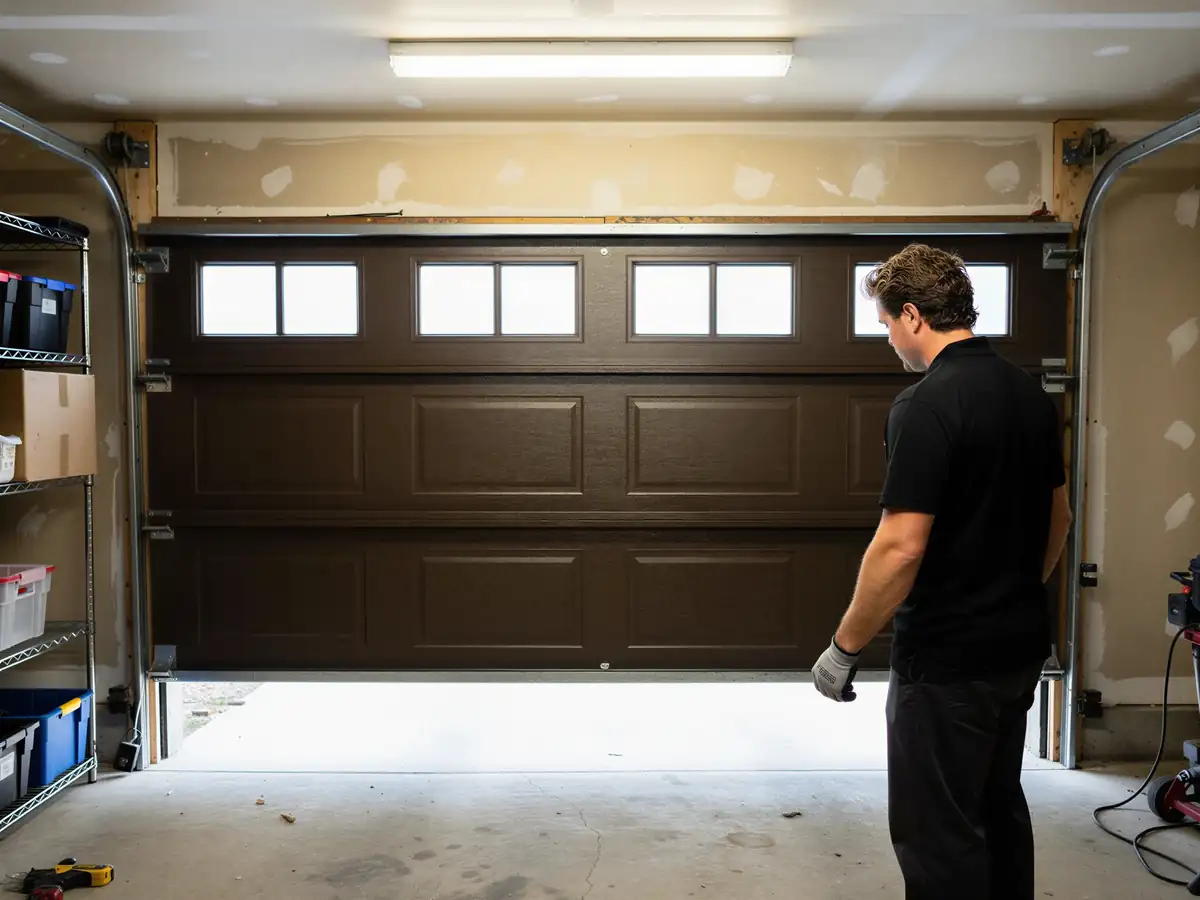
A technician stands in front of a brown garage door that is partially open.
Columbus, OH
8 services
6 service areas
Diagnosis first, then the fix

How Long It Takes

Grandview Heights homeowners sit at a median household income of $113,862, the highest figure in this close-in slice of the service area, compared with $99,964 across the broader service area. That gap matters for one reason: at this income level, a maintenance call almost always pencils out better than letting a small problem turn into a replacement job down the line. The houses here run older, too. The median home in Grandview Heights went up in 1954, decades ahead of the 1986 median across the wider 1938-2006 range covered from Columbus. A well-kept door from that era still runs fine, but it needs eyes on it on a different schedule than a door installed in the 1990s. We don't hand out the same once-a-year checklist to every house in the service area. A door running original 1950s hardware needs its track alignment, spring tension, and cable wear checked more often than something installed after 1980, simply because the parts have had longer to drift out of spec.

Where This Job Goes Sideways

With a median build year of 1954, a lot of what we find in Grandview Heights is hardware nobody has shipped in years: original brackets, narrower rail profiles, and lubricant that's turned gummy with age rather than worn out on schedule. Columbus winters are classified as a cold, severe climate, and on a 1954-era door that's had decades of freeze-thaw cycles, that shows up as rust bloom on the spring coils and stiff rollers that bind before they ever squeak. The failure mode we see most in this suburb isn't a dead opener, it's a door that still moves but is fighting itself on the way up or down - track slightly out of plumb, a cable starting to fray where it wraps the drum. None of that is dramatic until the day it is. The honest limitation here: once a spring from that era has visible pitting or flat spots, we don't recommend trying to extend its life further. At that point you're not maintaining the door, you're gambling on timing, and that's a repair call, not a tune-up.

What the Repair Takes

A standard maintenance visit on a Grandview Heights door covers the same ground as anywhere in the service area - track alignment, hardware torque, roller and hinge condition, spring tension, cable wear, and opener force settings - but the sequence matters more here because of the 1954 median build year. On original hardware, we check lag screws and jamb brackets before anything else, since loosened mounting points on a 65-plus-year-old frame are what throw off everything downstream. If the springs or cables show wear consistent with their age rather than a one-off issue, that gets flagged separately from the tune-up, since swapping spring hardware is a repair, not routine service. We don't treat every visit as a chance to upsell a full hardware replacement. If the door is tracking straight and the springs are sound, the visit stays a tune-up. Where the stock differs from newer suburbs in the service area is in fasteners and bracket sizes - original 1950s mounting hardware doesn't always match what ships on a modern track kit, so matching it correctly takes a few extra minutes on site.

How It Shows Up

In Grandview Heights, the first sign is usually a door that hesitates partway through its travel rather than one that stops working outright. On a house built around 1954, that hesitation is often a cable starting to walk off the drum or a track bracket that's loosened from decades of thermal cycling in a cold, severe climate zone. A grinding or popping sound on the way down, rather than the way up, usually points to a roller that's worn oval rather than round - common on original hardware that's never been replaced. Owners also notice the opener straining harder in the coldest stretch of winter, which on an older spring set usually means the coil has lost some of its tension over the years rather than anything wrong with the motor. None of these are emergencies by themselves. They're the kind of thing that's cheap to address in a maintenance visit and expensive to ignore through another Ohio winter, especially on a door that's already carrying 65-plus years of wear on its original parts.

Stocked Parts

We carry the rollers, cables, hinges, and standard spring sizes that cover most of what shows up on a maintenance visit across the service area, Grandview Heights included. Where it gets slower is original 1950s-era hardware - some bracket and fastener sizes from that build year aren't on a standard parts truck, since the supply chain moved to current sizing decades ago. On a house with a median build year of 1954, that's not rare. If a tune-up turns up a mounting bracket or a spring size that isn't current stock, we'll tell you on the spot rather than force a mismatched part onto the door. That sometimes means a short wait while the right part gets sourced, which is the one honest trade-off of maintaining a door this old instead of swapping it for new hardware that ships same-day. For most routine service - lubrication, alignment, tension adjustment, hardware tightening - nothing about the age of the house slows the visit down.
The Cost of This Job

We don't post a price list here, and we're not going to guess a number for your specific door. What we can tell you is where the repair-or-replace line tends to fall in Grandview Heights. At a median household income of $113,862, well above the $99,964 median for the broader service area, most owners here come out ahead sticking with maintenance on a door that's structurally sound, even one running original 1954 hardware, rather than jumping straight to replacement. The math changes once a spring shows pitting, a cable shows fraying, or the track is bent rather than just out of alignment - at that point you're paying for a repair regardless, and it's worth asking whether that repair buys you five more years or five more months. A straightforward tune-up is the cheapest visit we do. Anything beyond that gets scoped and quoted on site, because a 1954 house and a 1998 house down the street can need very different work even if the symptom looks the same from the driveway.

How it works

From “it’s stuck” to “it’s fixed”

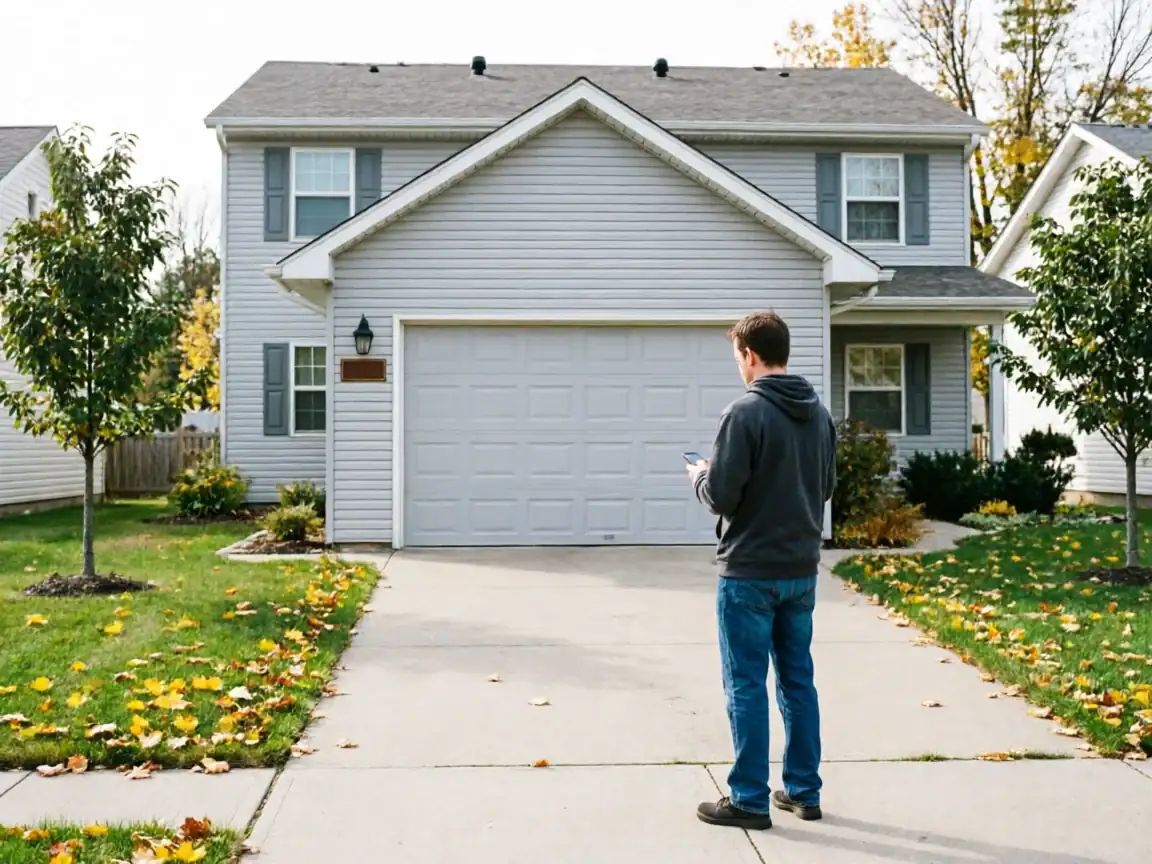
A man stands in a driveway looking at his phone in front of a house.

Tell us what’s wrong

Describe the symptom - won’t open, loud bang, opener runs but the door won’t move.

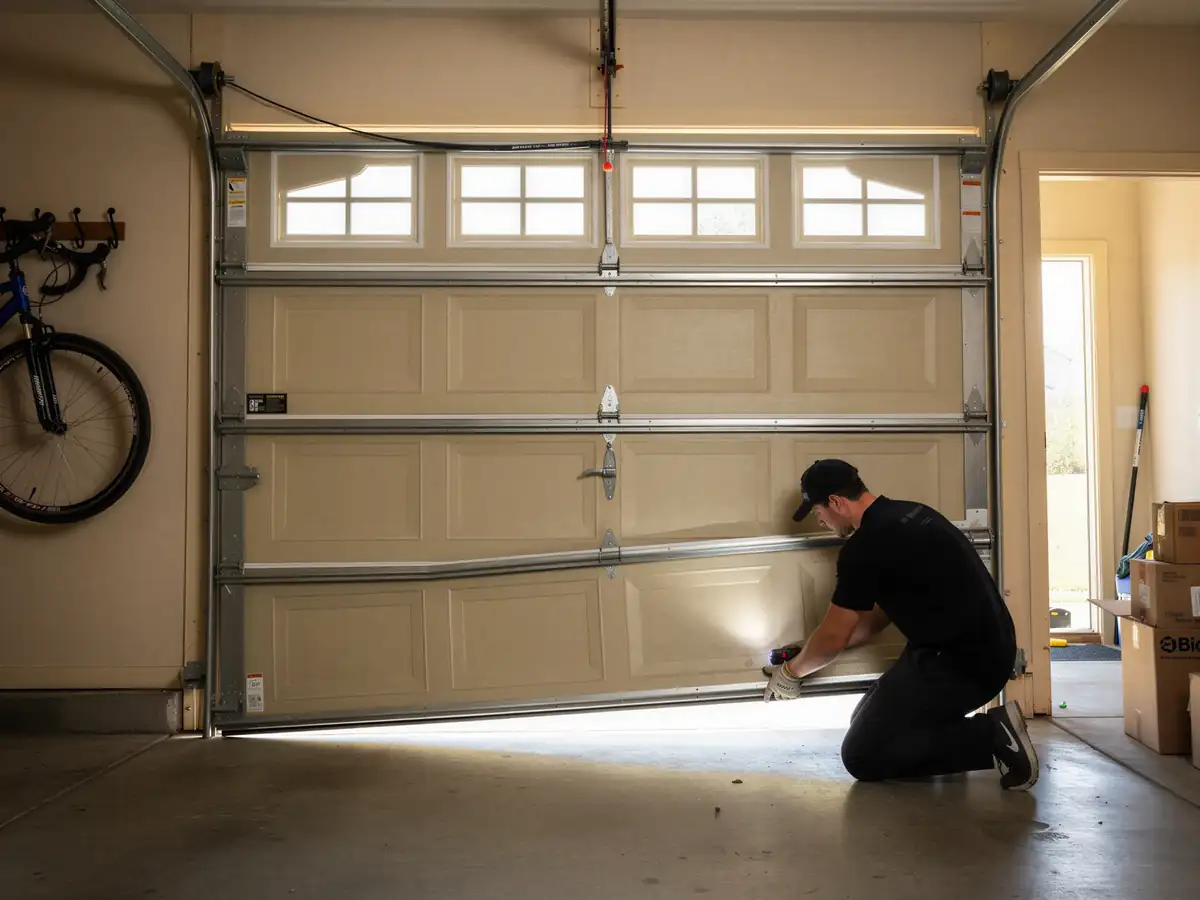
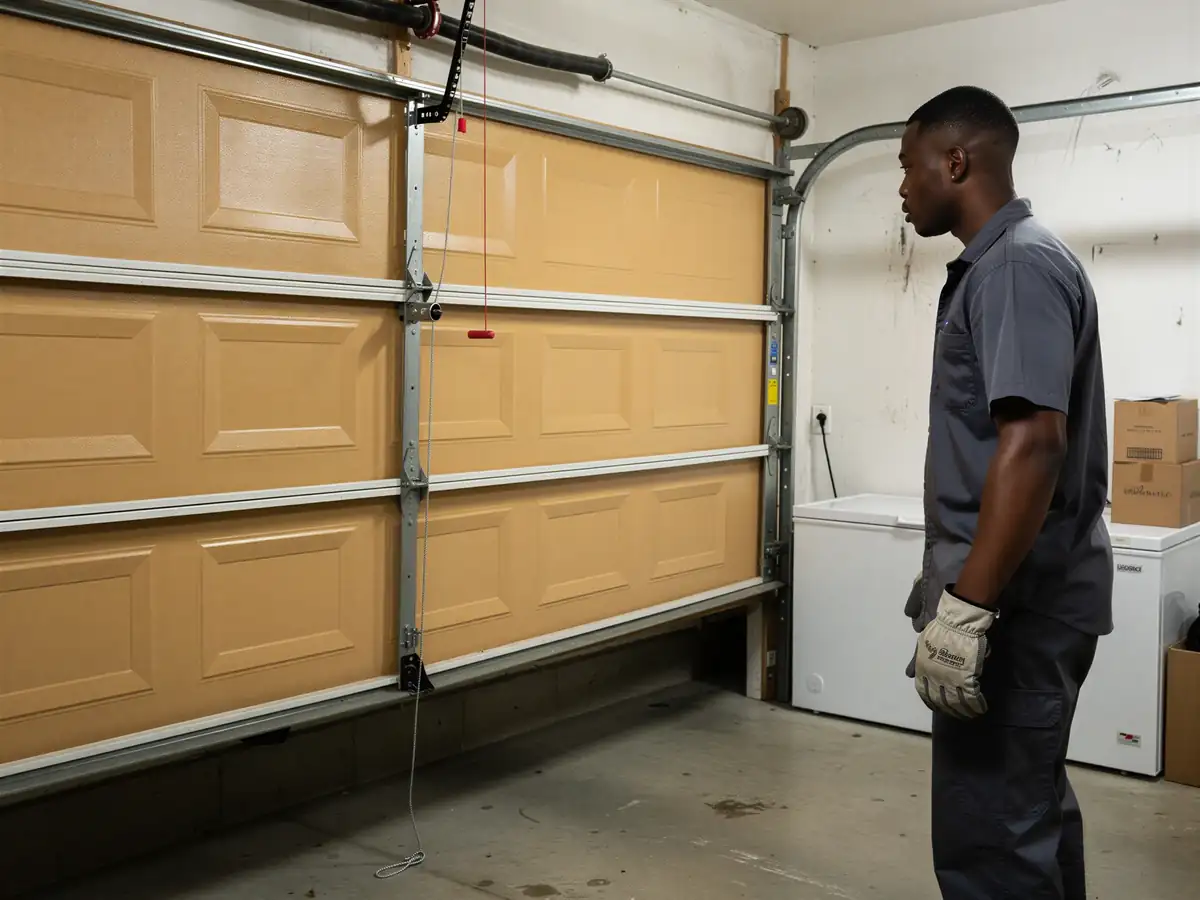
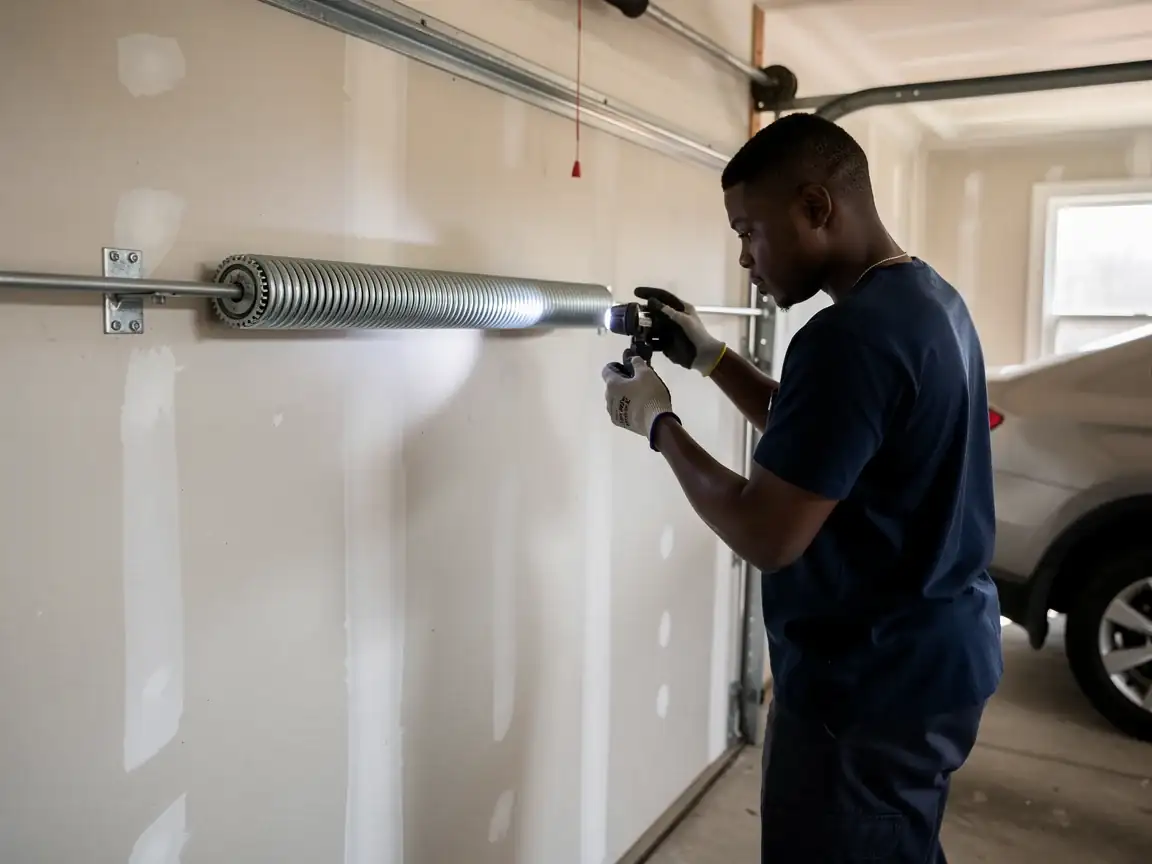
A technician shines a light on a garage door torsion spring.

On-site diagnosis

A technician tests the door under power and by hand and finds what actually failed.

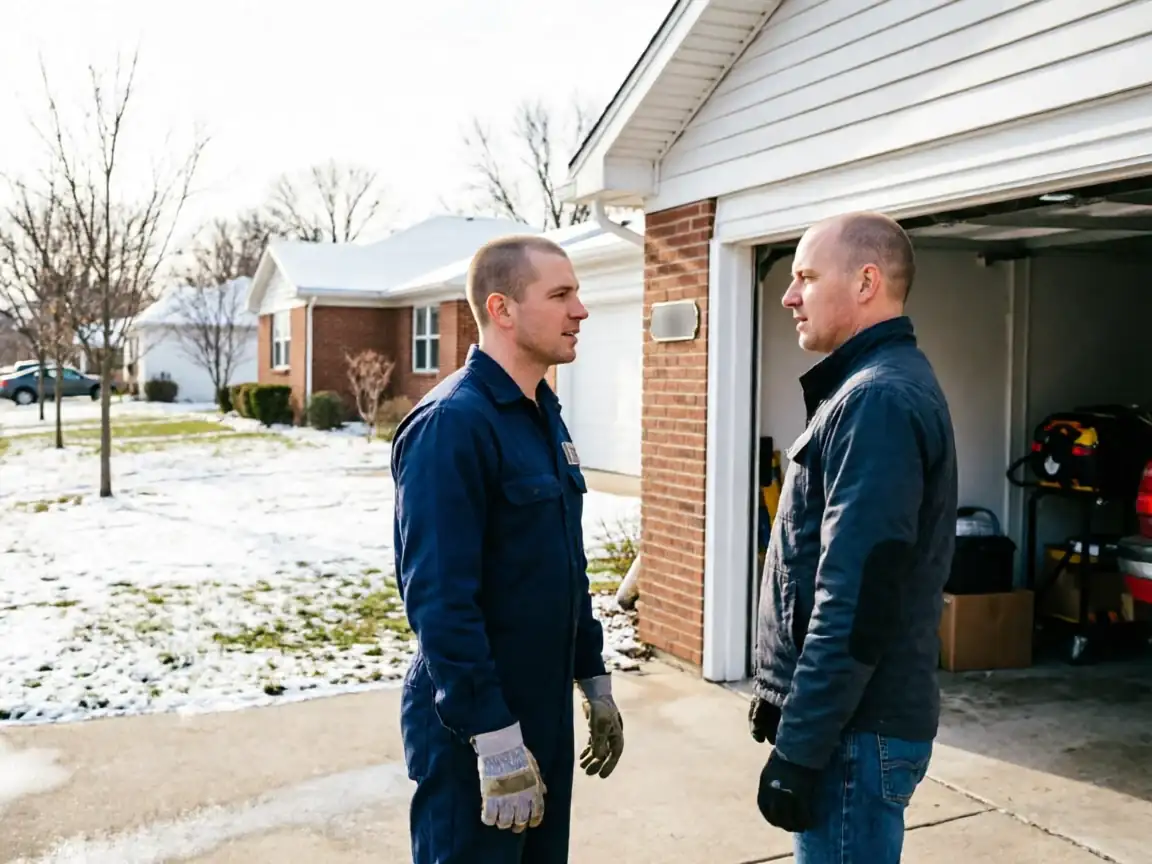
A technician in a blue jumpsuit talks to a man in front of a garage.

Clear, up-front plan

You get the fix that’s needed and what drives the cost - before any work starts.

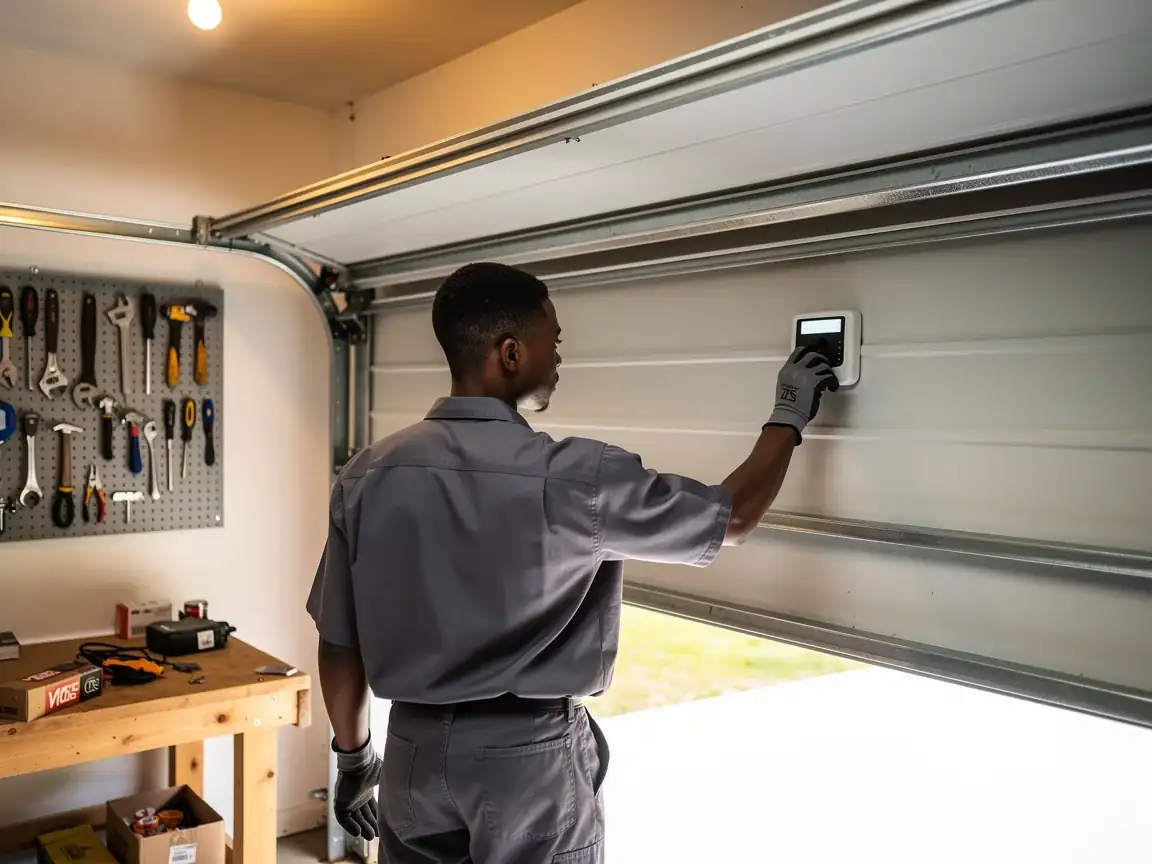
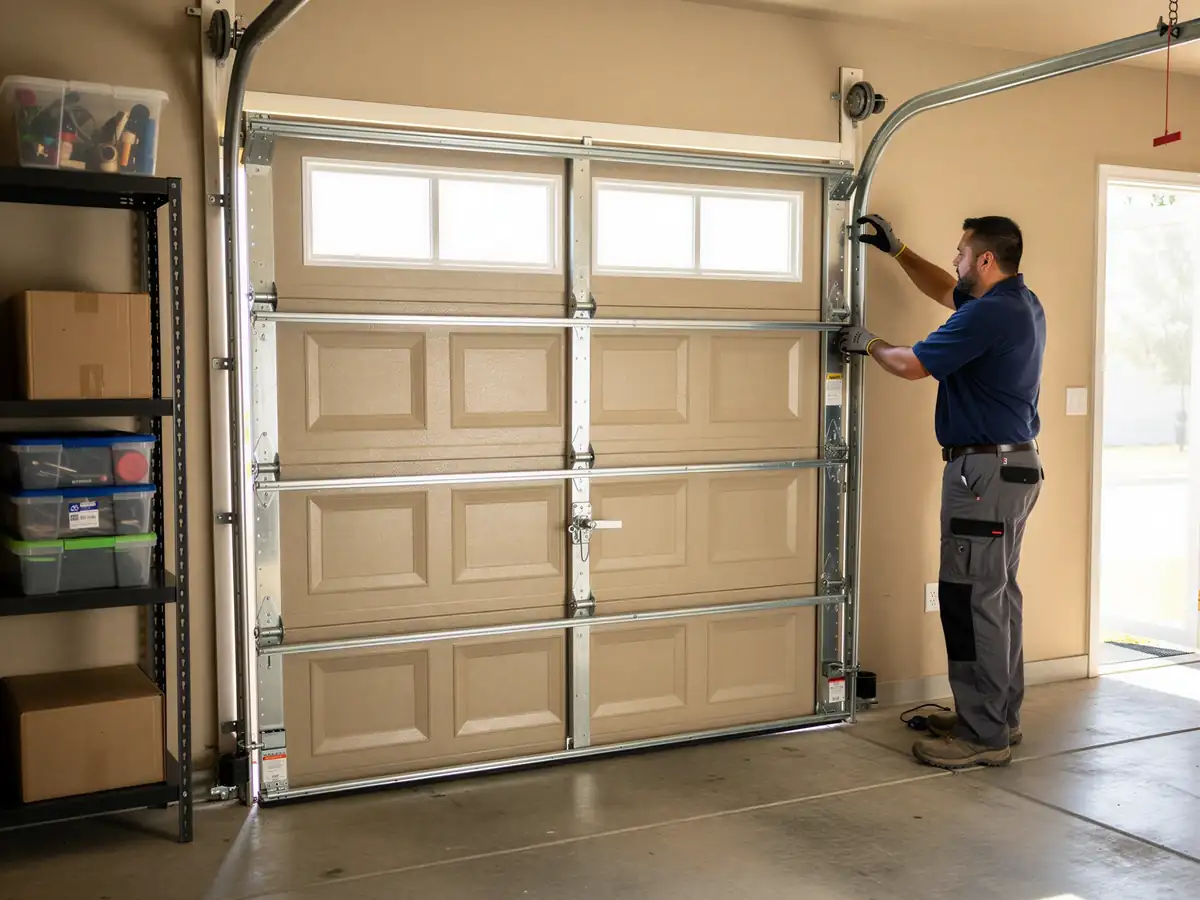
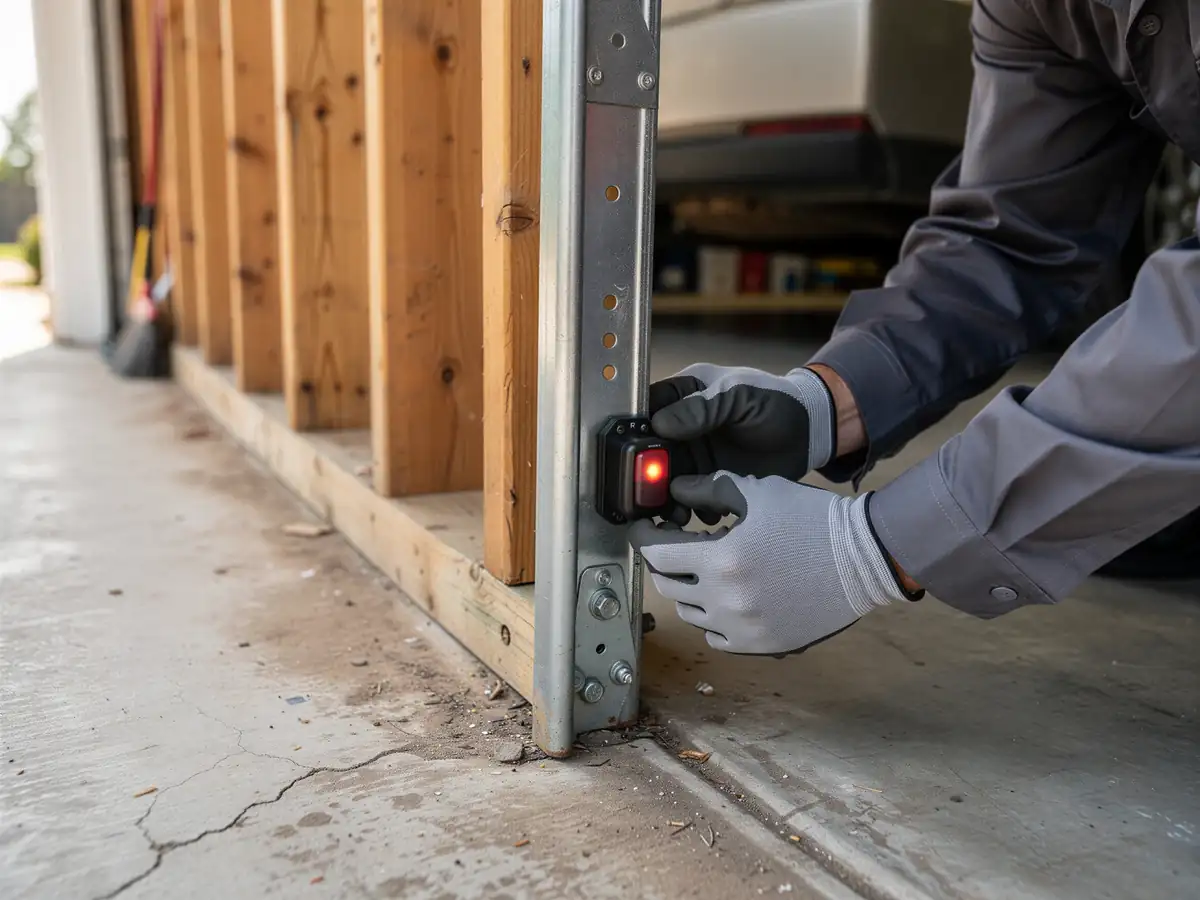
A technician in a gray uniform adjusts a white control panel on a garage door.

Repaired & tested

The repair is done, the door is set true and tested, and the work area left clean.

Not sure which repair your door needs in Columbus, OH? Describe what it’s doing - every job starts with a diagnosis.

How we work

What to expect

Diagnosis first

Every visit starts by finding what actually failed - not a pre-written parts list.

The right part for the door

Springs and openers matched to the door’s weight and age, so the fix holds up.

Straight answers

When a repair makes more sense than a replacement - or the reverse - you hear it plainly.

Clean, careful work

Tension released safely, hardware set true, the door tested under power before we leave.

913,175Residents in Columbus
8Garage door services
6Neighborhoods & suburbs
OHServing Columbus, OH
Questions

Frequently asked

Straight answers about garage door repair in Columbus. Still unsure? Ask us directly.

How often should a door this old get serviced?

A door running original or near-original hardware from a 1954 build benefits from more frequent checks than a newer installation, since the parts have had more years to drift out of alignment. We don't set a blanket schedule for the whole service area - it depends on what hardware your door is actually running and how it's held up.

Will you have parts for an original 1950s door on the truck?

Common wear parts like rollers, cables, and standard spring sizes, yes. Original bracket or fastener sizes from that build era sometimes aren't current stock, since suppliers moved to new sizing decades ago. If that's the case, we'll tell you before doing anything, not after.

Is it worth maintaining an old door instead of replacing it?

Often, yes, especially at income levels common in Grandview Heights, where a tune-up plus occasional repair usually costs less over time than an early replacement. That changes once springs or cables show real wear rather than just age - at that point it's a repair call, and we'll say so.

Why does winter seem to make the door worse?

Columbus sits in a cold, severe climate zone, and freeze-thaw cycles stiffen lubricant and can loosen hardware that's been in place for decades. On a 1954-era door, that often shows up as a harder-working opener or a louder roller right when the cold sets in.

Ready to get your garage door sorted?

Tell us what it’s doing and where you are in Columbus - we’ll take it from there.

Request a QuoteCall