How Long It Takes
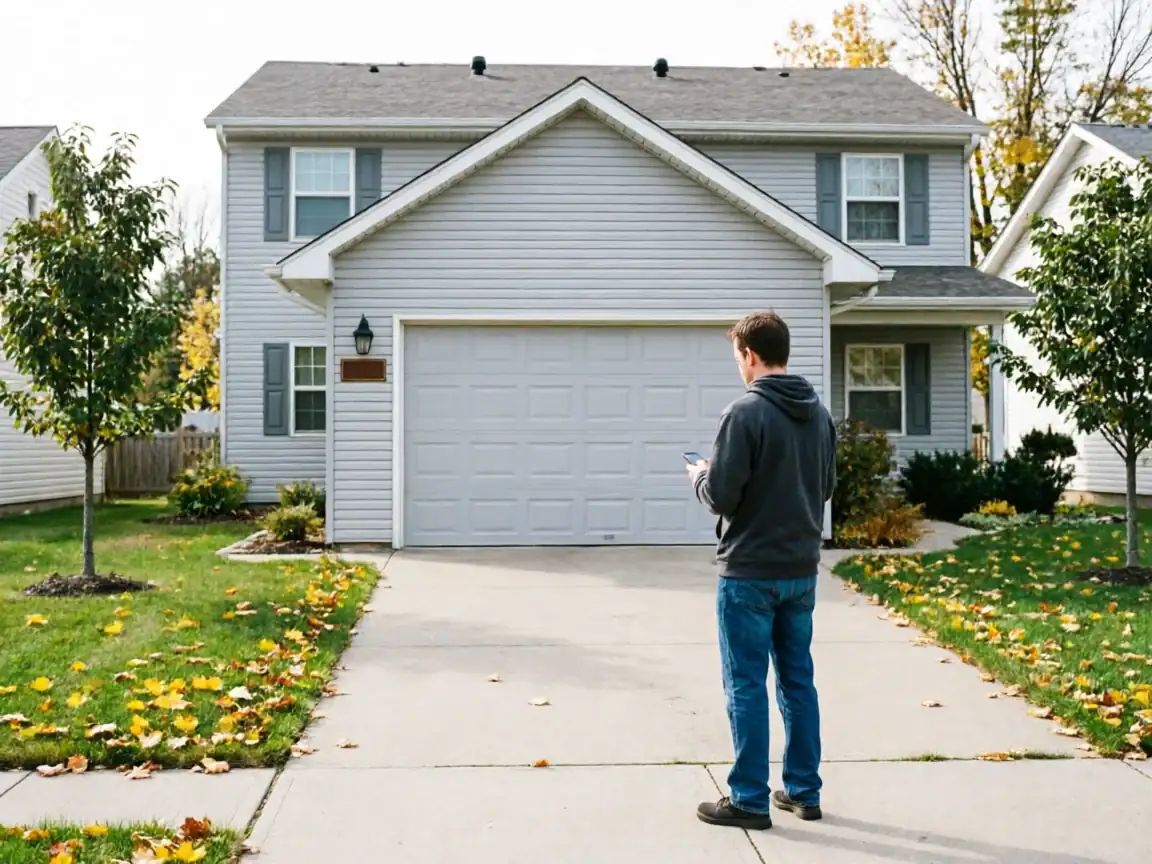
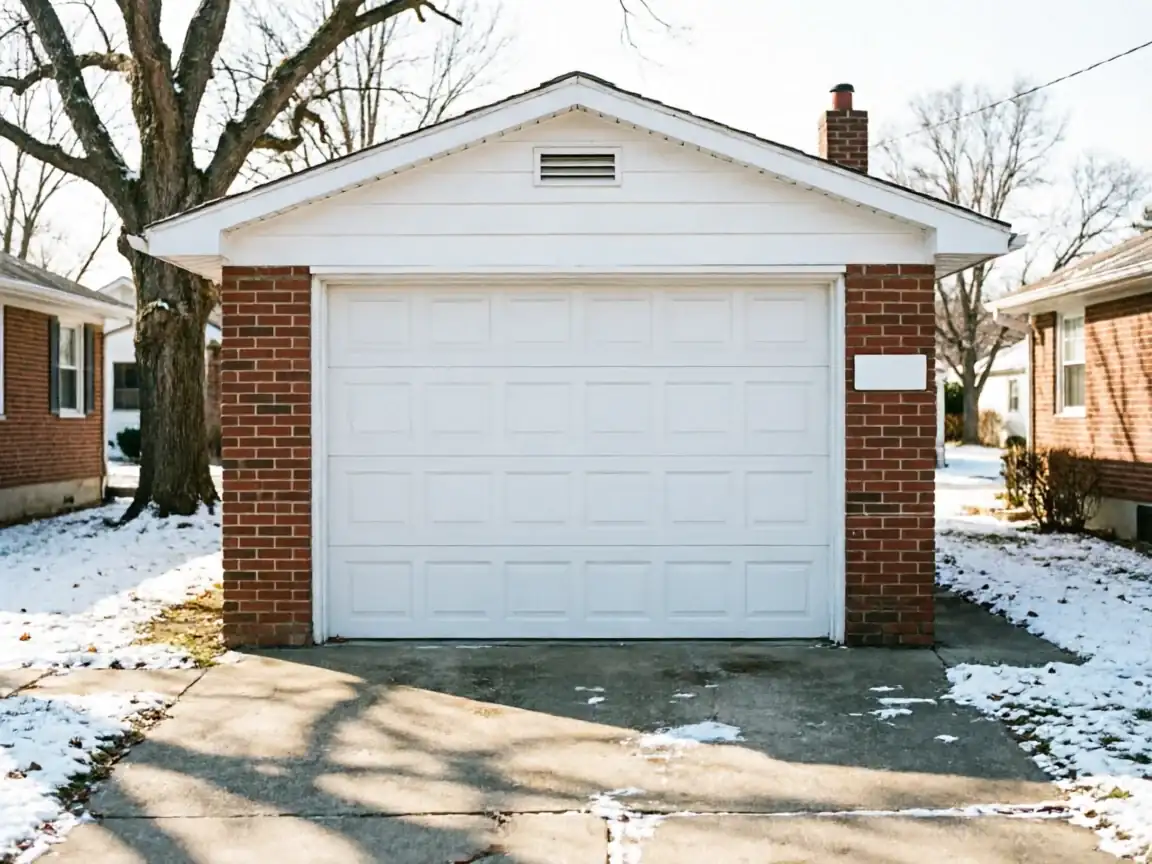
Most of what we see on panel jobs here isn't fresh damage, it's a mismatch. Grandview Heights homes sit on a median build year of 1954, which is decades older than most of the Columbus-area housing stock, and the original door openings on these houses weren't sized the way an 1980s or 90s steel door assumes. Somewhere along the way a lot of these doors got swapped out for embossed steel sections that were close enough to fit the opening but not an exact match to the original panel height or seam spacing.
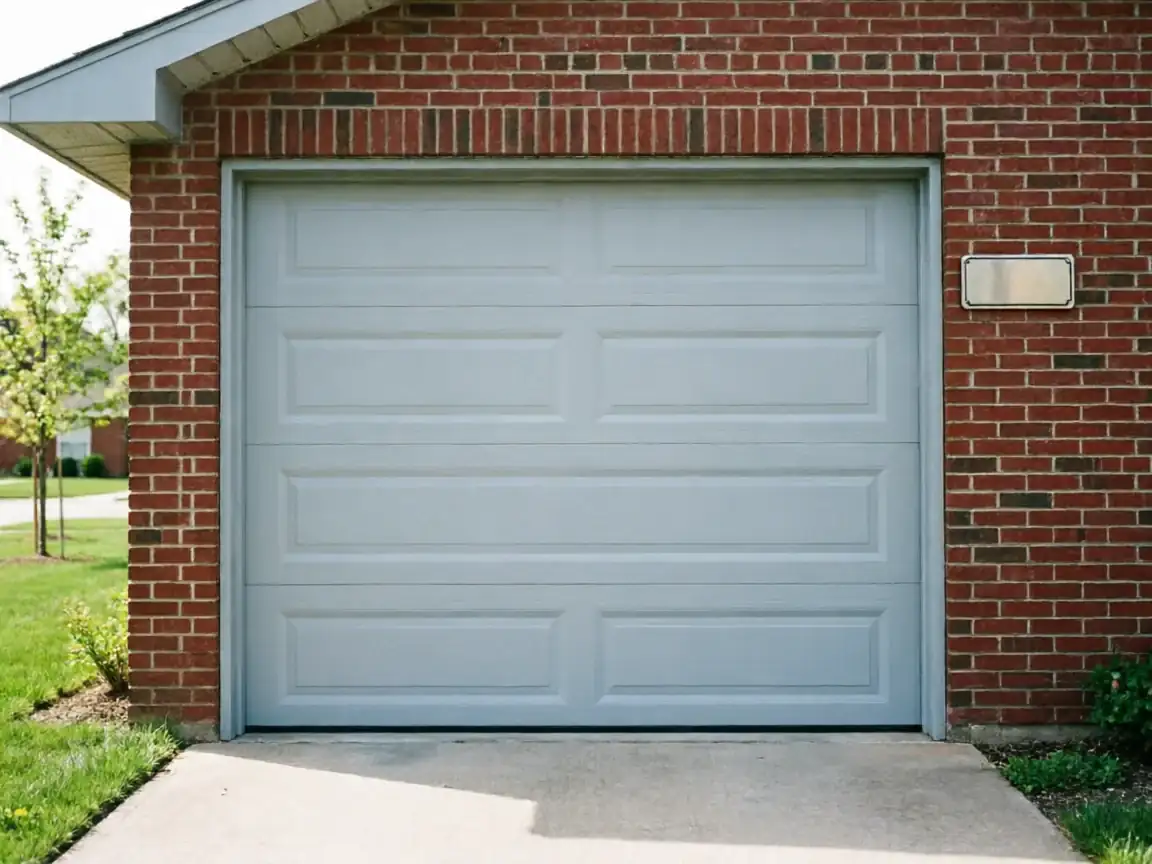
That gap matters when one panel cracks or dents and you want to replace just that section instead of the whole door. On a door that's already a retrofit, we sometimes can't get a factory-matched panel because the original run isn't made anymore, and the replacement section ends up visibly different in texture or color until it weathers in. We tell people that up front rather than promise a seamless match we can't guarantee. A straightforward one or two panel swap on a door we can source parts for usually runs half a day once we're on site, three miles from our Columbus base.
Where This Job Goes Sideways
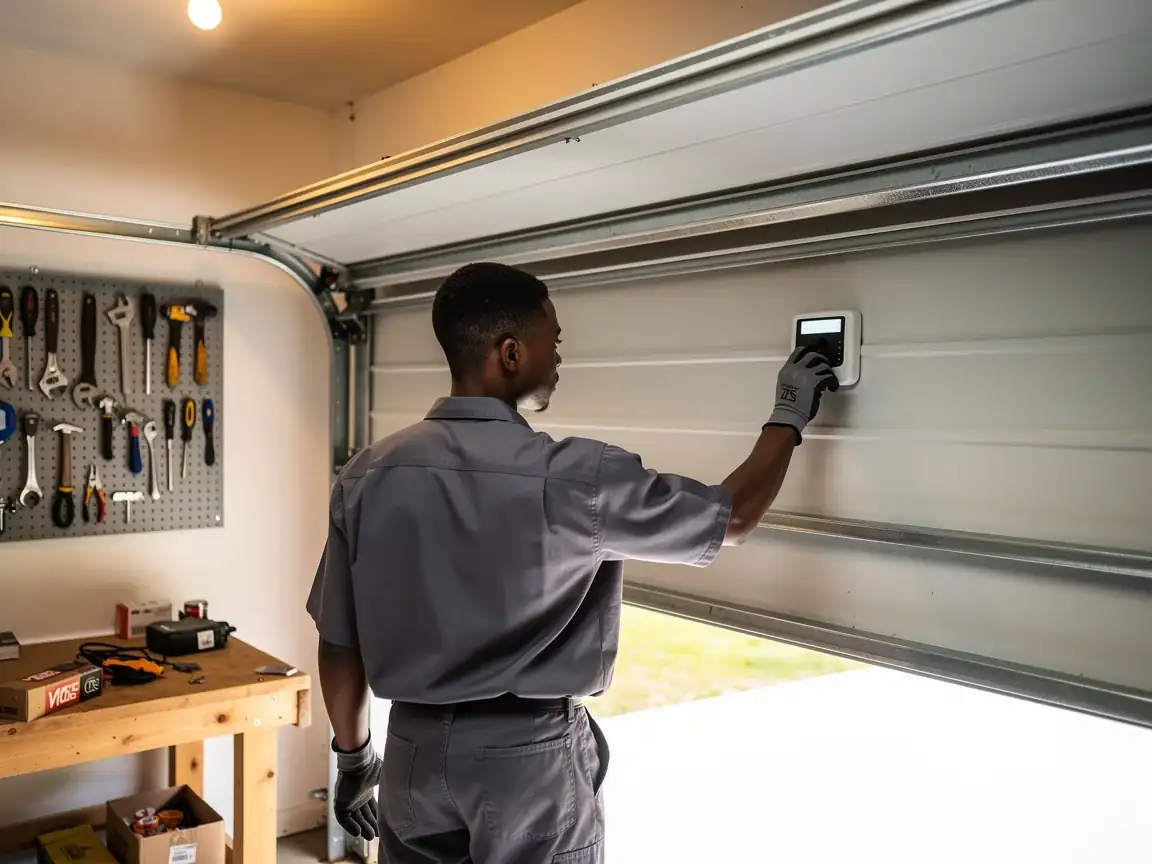
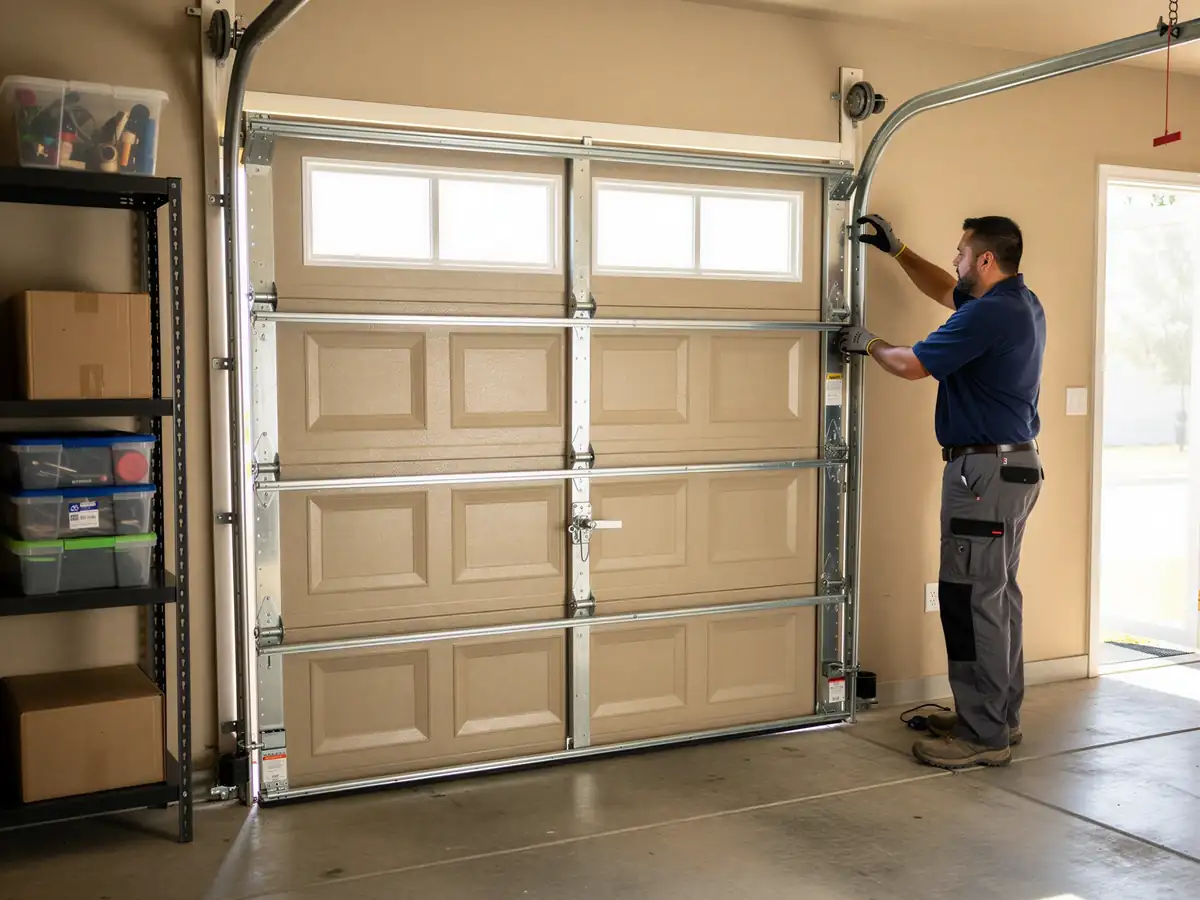
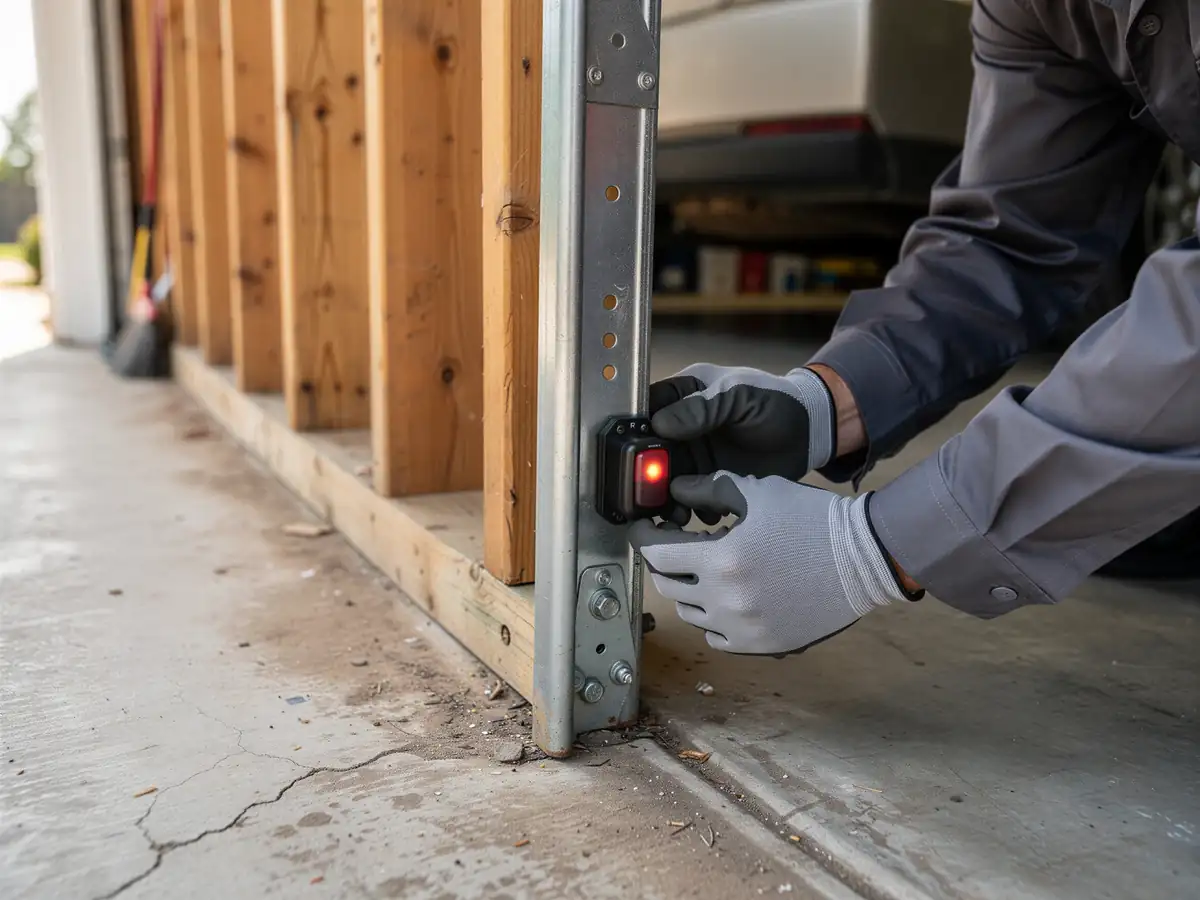
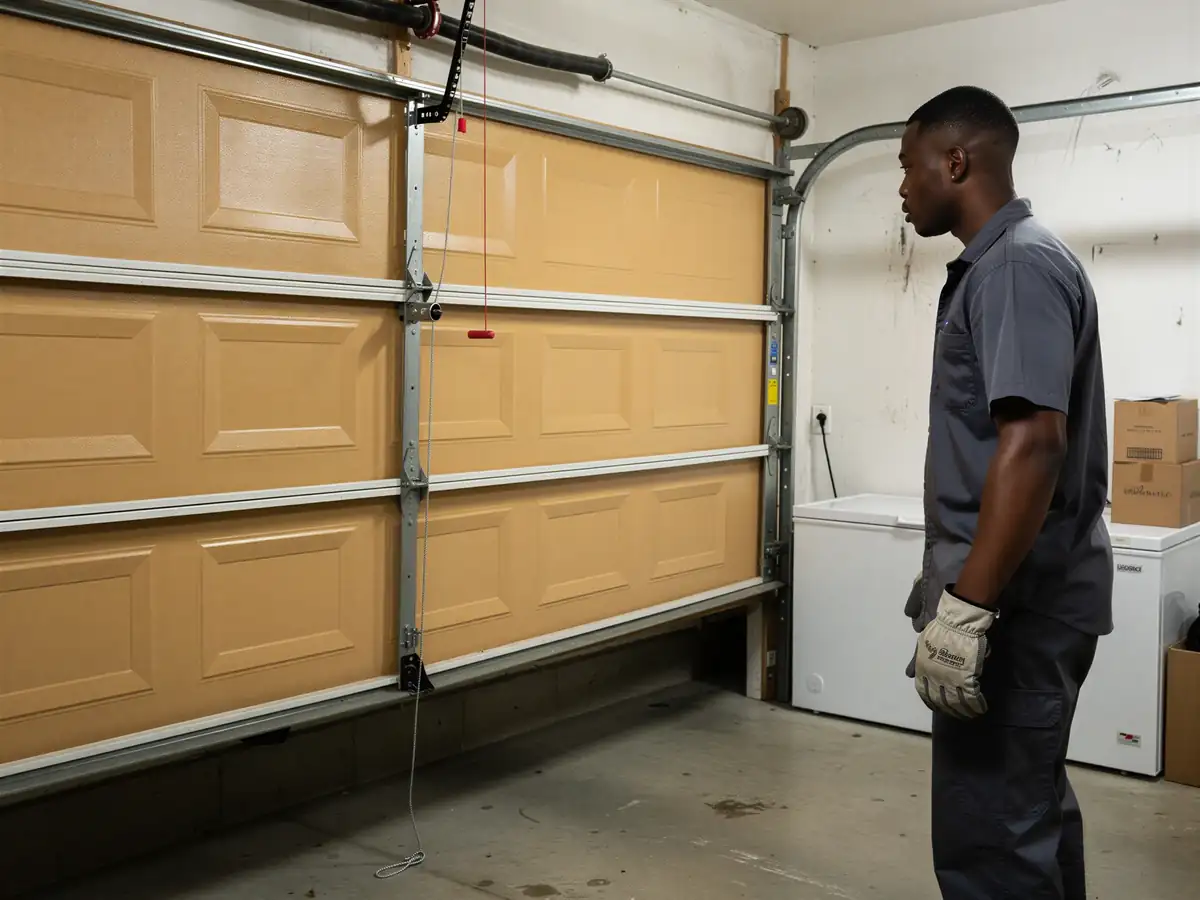
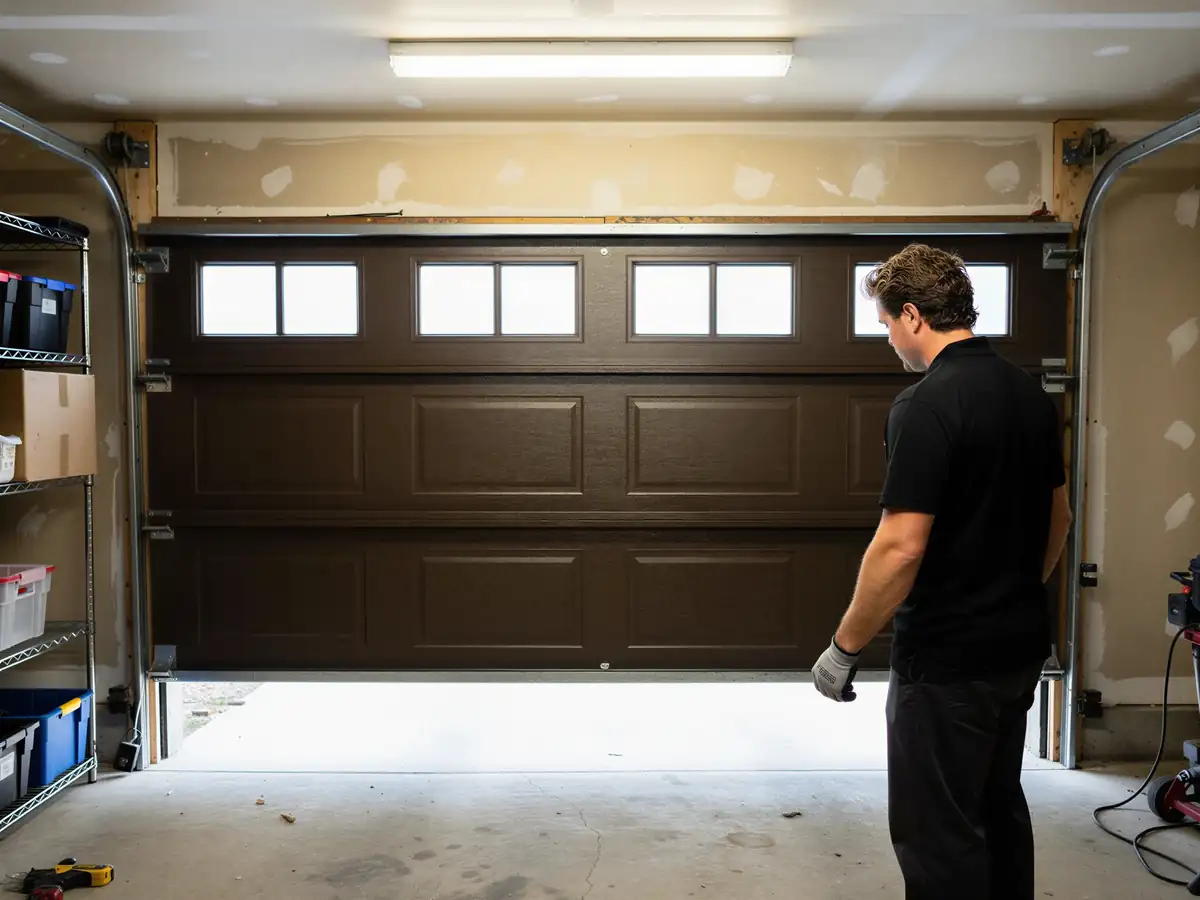
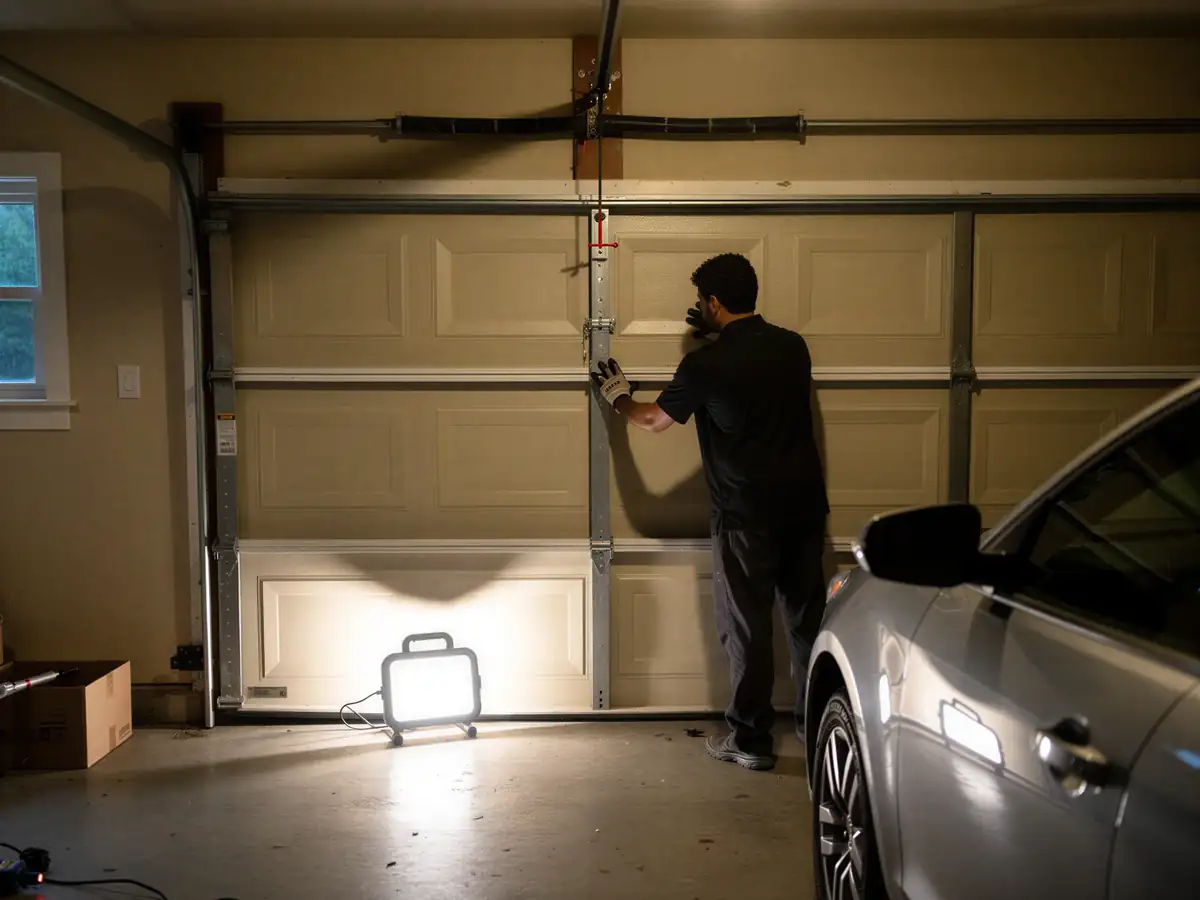
The trouble spot is track alignment. On a 1954-era opening that's been fitted with a newer steel door, the track hardware was often shimmed or re-set to make the door hang right, and a new panel doesn't always sit flush against that adjusted track the way the rest of the door does. You can end up with a door that closes but binds on one side, or a panel seam that won't seal evenly against the weather strip.
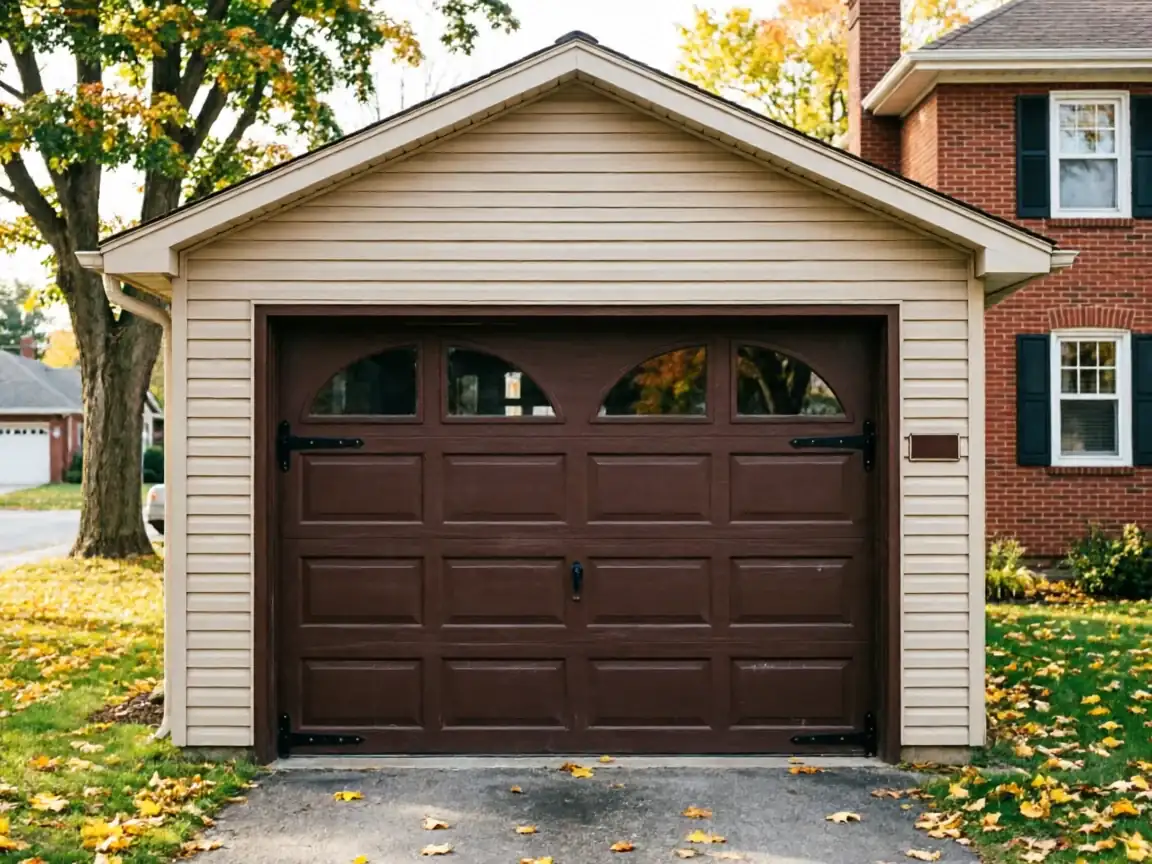
We've also found that houses in this part of the service area, going back to that same 1938-2006 build range across the broader area, frequently have doors where one section was already replaced once before, years back, by a different installer using a different panel profile. Stack a third mismatched panel onto that and the door looks patched together even when it operates fine. If a door's already two generations removed from original, we'll say so and talk through whether a full door makes more sense than another one-off panel.
What the Repair Takes
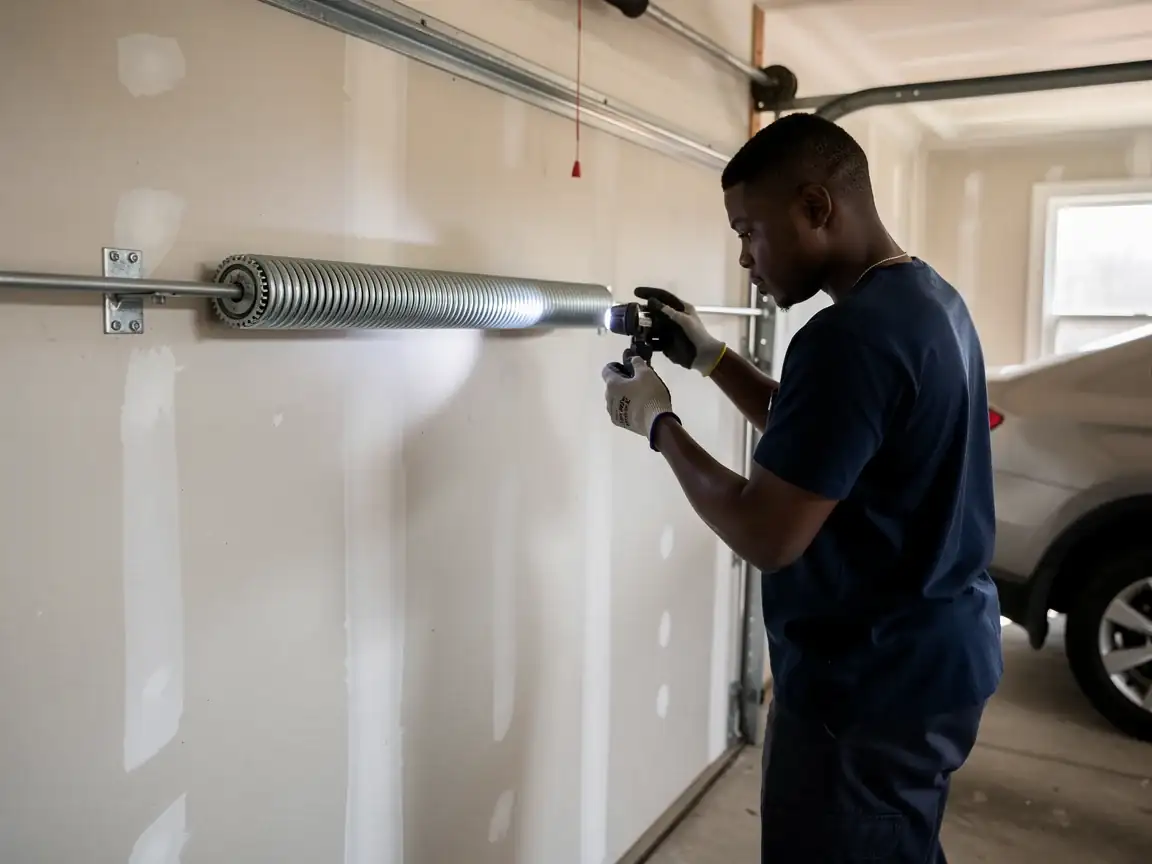
We pull the damaged section, check the hinges and rollers it was carrying
And match the new panel's gauge and profile against what's left of the door before we order anything. On the embossed steel sections common to 80s and 90s stock replacements in this area, the panel itself is usually the easy part - it's the end hinges and the track spacing that need the real attention, since a panel that's slightly off-gauge changes how the door tracks under tension.
Winters here are genuinely hard on steel panels
Cold-climate swings make steel contract and expand at the seams, and that's usually where we find the hairline cracking that turns into a full panel failure a season or two later. We check adjacent panels for the same early cracking while we're in there, because replacing one section and leaving its neighbor one winter away from the same fate isn't a finished job.
How It Shows Up
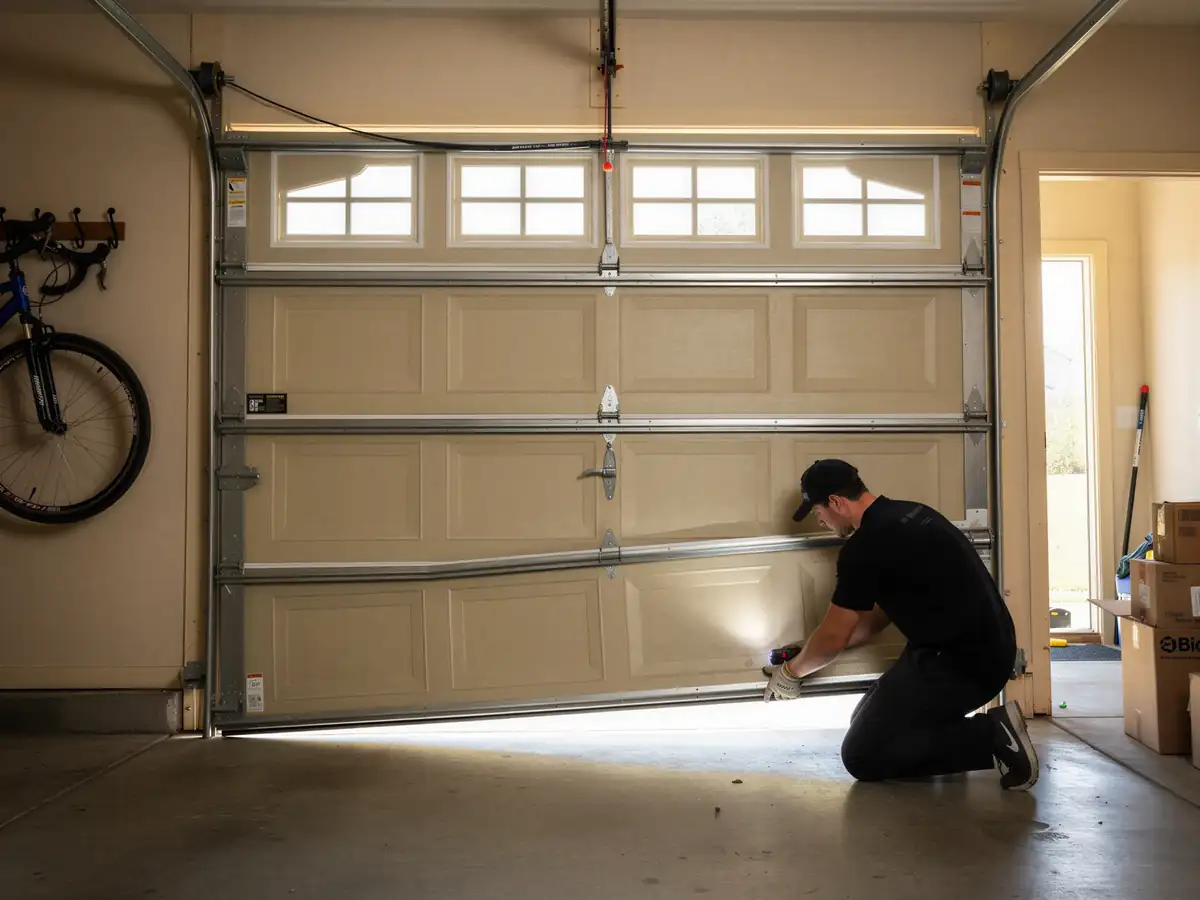
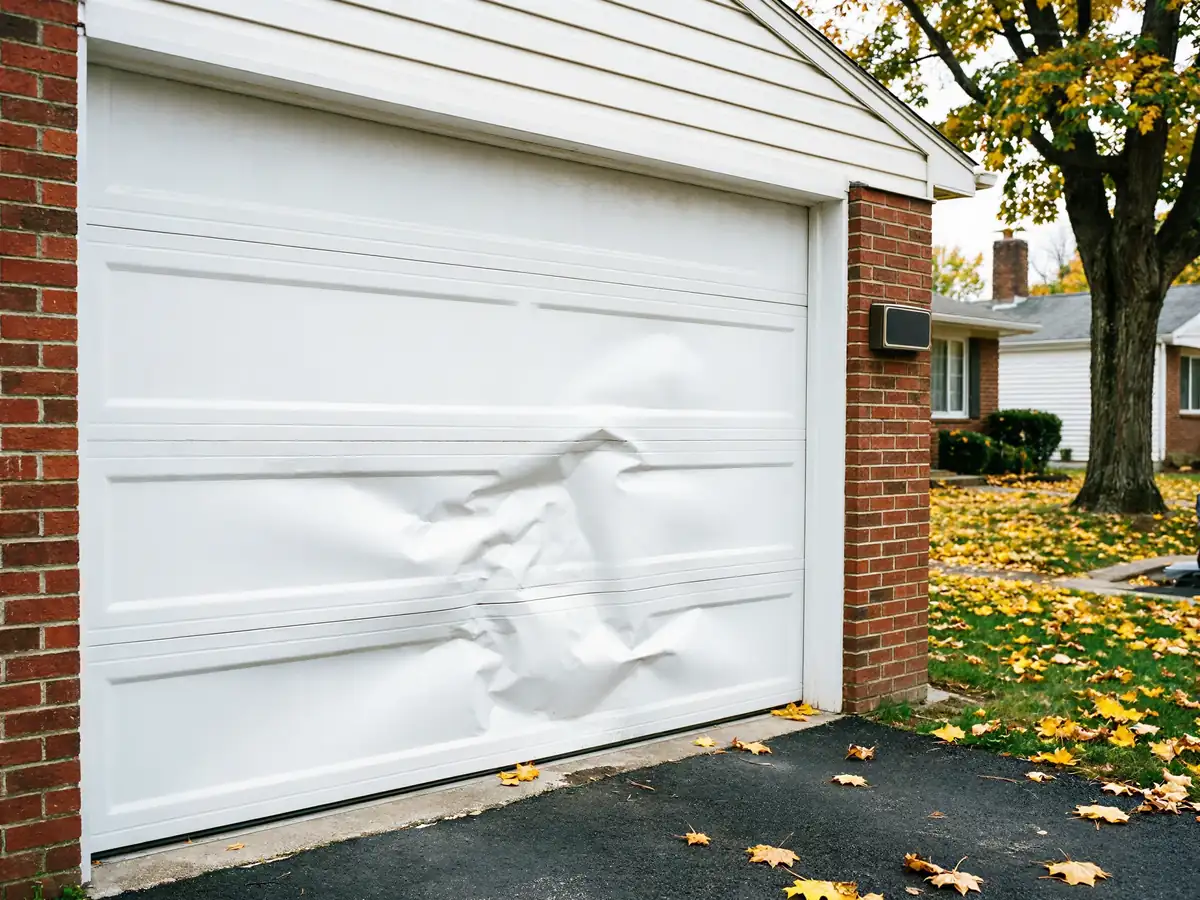
Panel damage here shows up two ways. The first is sudden - a car bumper catches the bottom section, or something gets thrown against the door, and there's an obvious dent or a bent seam. The second is slower: rust creeping in along the bottom panel edge where snowmelt sits against the steel through a cold-band winter, eventually eating through enough metal that the panel won't hold its shape under spring tension.
On the older housing stock in Grandview Heights, we also see panels that have simply fatigued - thin steel from an earlier retrofit that's flexed one too many times and now won't sit flat even with the door fully down. If you're noticing daylight at a seam that wasn't there last year, that's usually the fatigue version, not an impact.
Stocked Parts
We carry common panel sections and hardware sized for the steel doors that make up most of the 1980s and 90s retrofit stock across the service area, which covers a lot of what's actually installed on Grandview Heights garages today even though the houses themselves are older. What we don't stock is anything custom-profiled or matched to an obsolete embossing pattern - if your door is one of the older original retrofits, parts for it may need to be special ordered, and that can add time to the job rather than the same-visit turnaround we'd get on a more common panel.
We'll tell you at the inspection whether your panel is something we're carrying on the truck or something we need to order, so you're not guessing about timeline.