The Cost of This Job
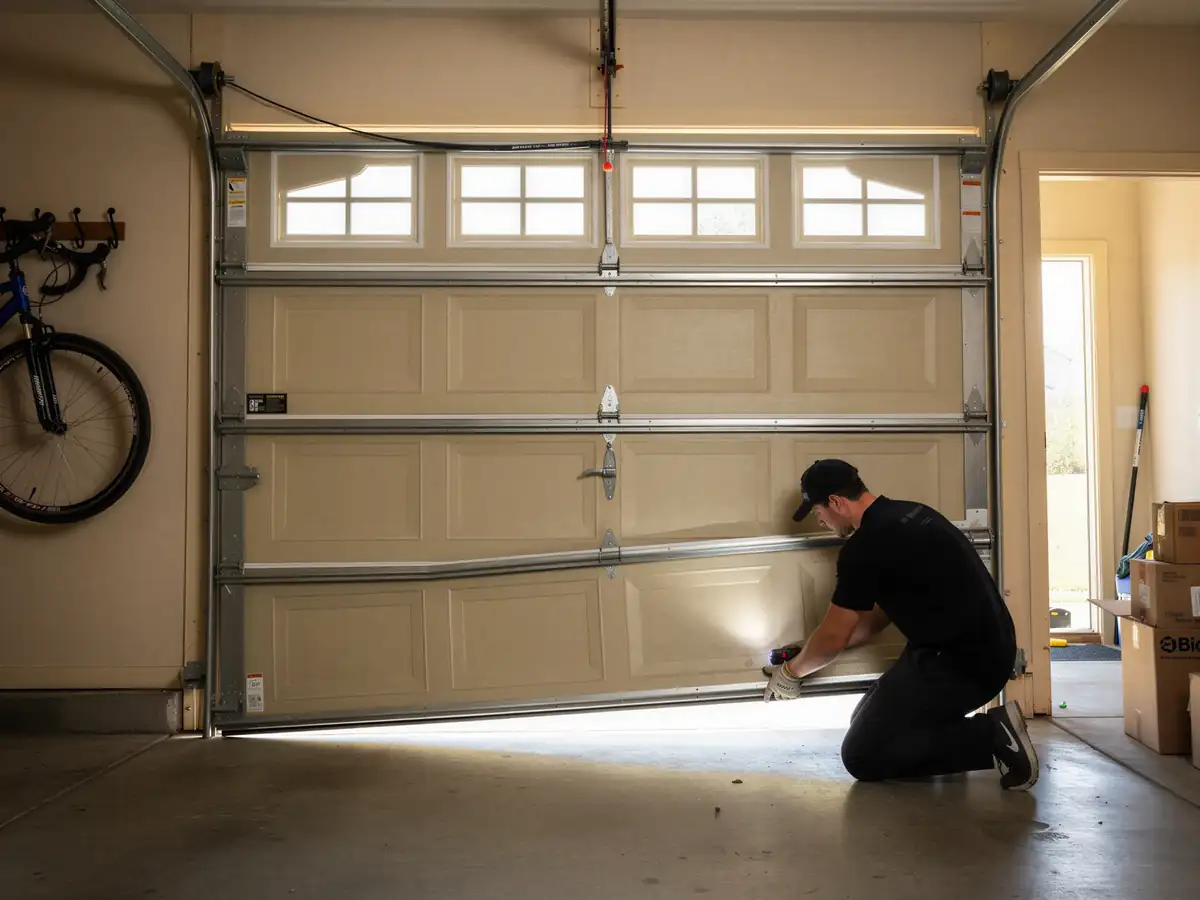
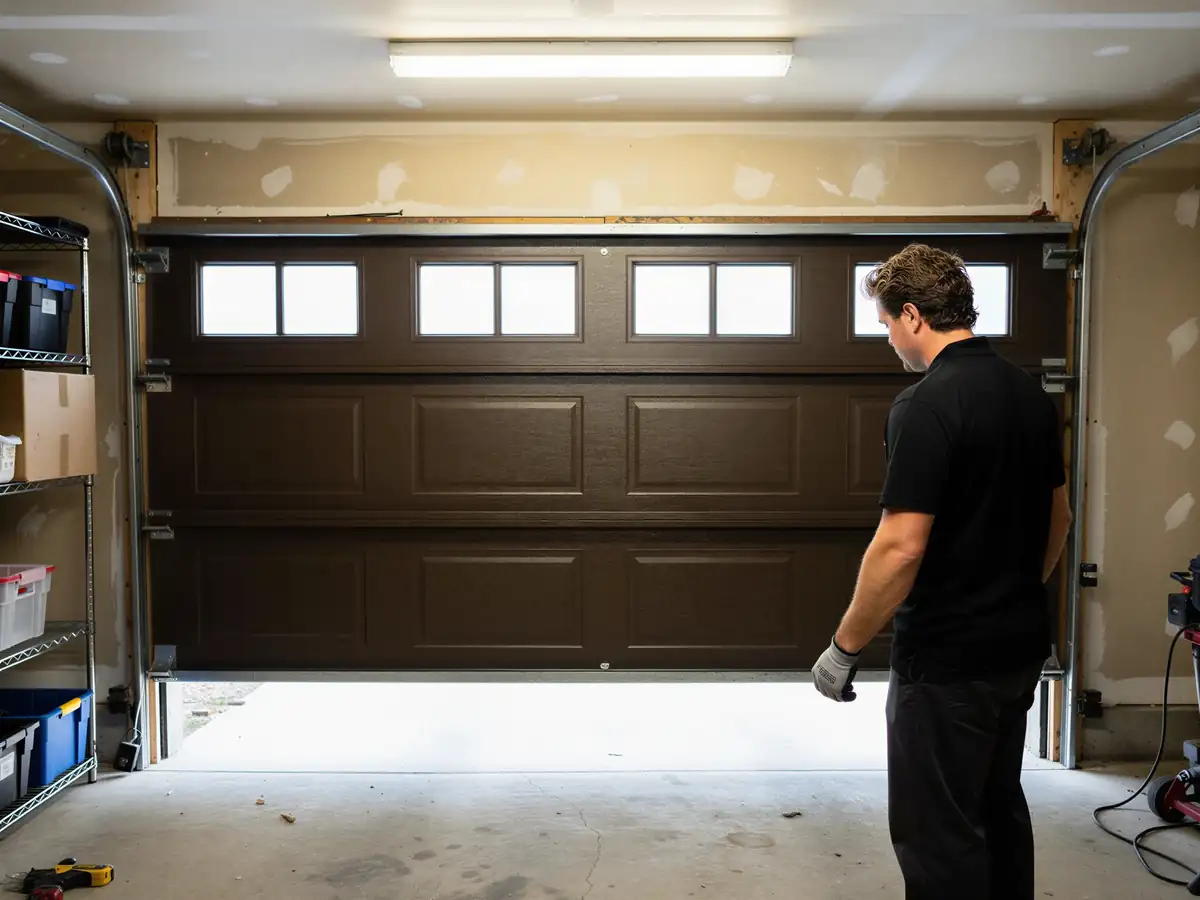
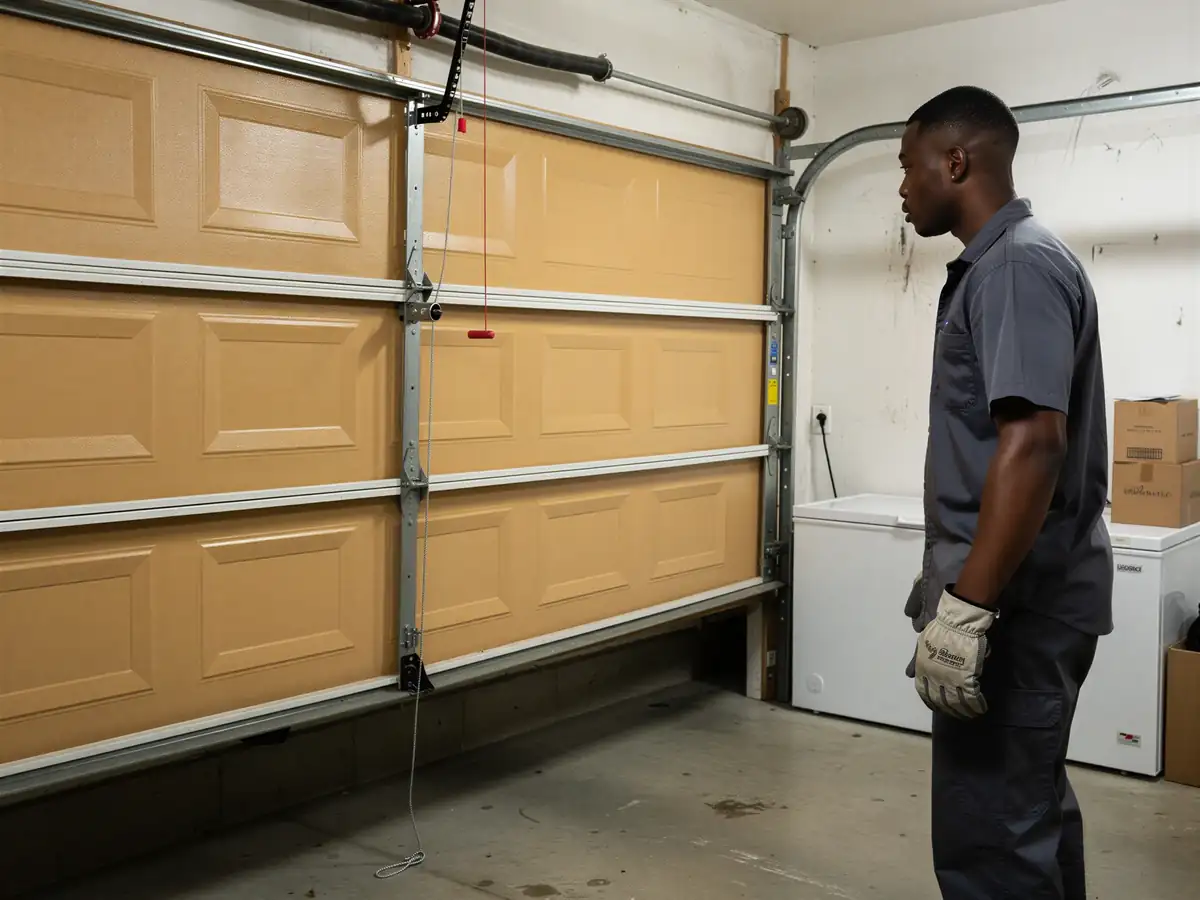
Cable repair pricing depends on what broke and why, and we won't quote a number here we can't back up on a service we run out of Columbus, 10 miles from Westerville. What we can tell you is what drives the cost on a typical call: whether one cable snapped or both, whether the drum or the spring took damage when the cable let go, and whether the door dropped crooked and bent a track on the way down. A single frayed cable caught early, before it jumps the drum, is a different job than a door that's sitting on the floor with a cable wrapped around the opener's trolley arm.
With about 15,115 households in Westerville, this isn't a rare call, but it also isn't the kind of volume where we keep a stocked branch in town. The truck comes loaded for the hardware we expect to see based on the age of the housing stock here, which keeps most jobs a single visit. What we won't do is replace a cable alone on a door where the drums are worn or the spring is clearly undersized for the door weight - that's a patch, not a fix, and it comes back.
Where This Job Goes Sideways
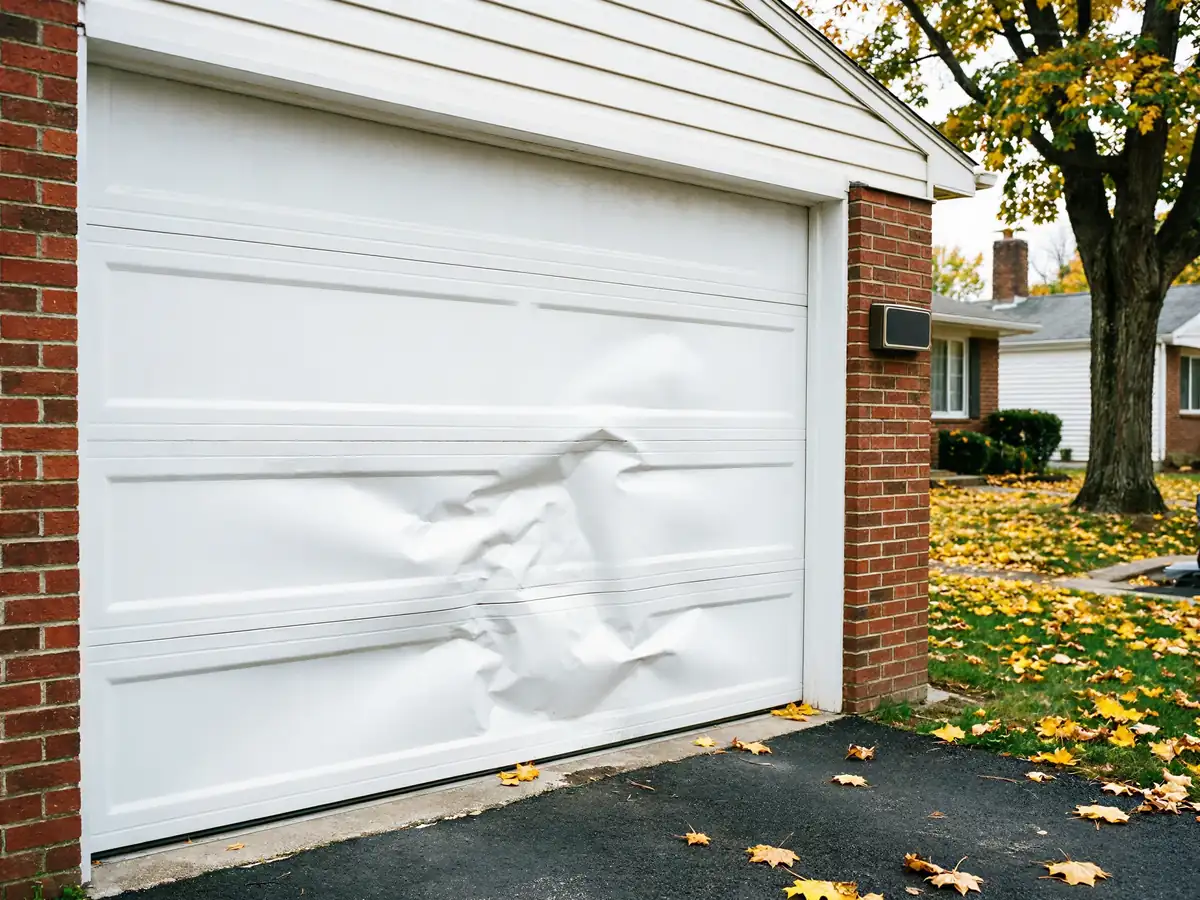
A cable repair goes bad in one of two ways. The first is a cable that's frayed but not yet broken, where the owner keeps using the door because it still opens - until it doesn't, and now the door is cocked in the track with one side lower than the other and a bent panel to show for it. The second is a DIY cable swap where the spring wasn't unwound first; garage door springs under tension are the main cause of serious injury in this kind of repair, and we see the aftermath more than we'd like.
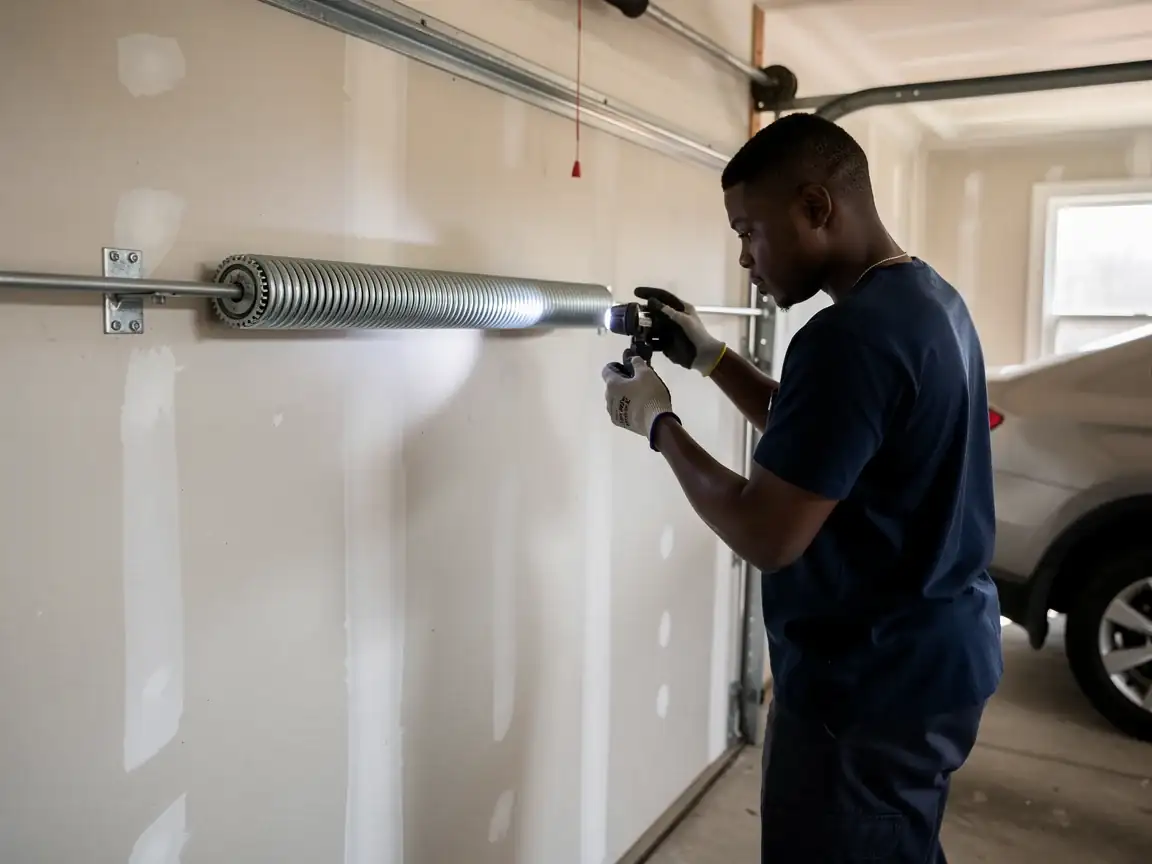
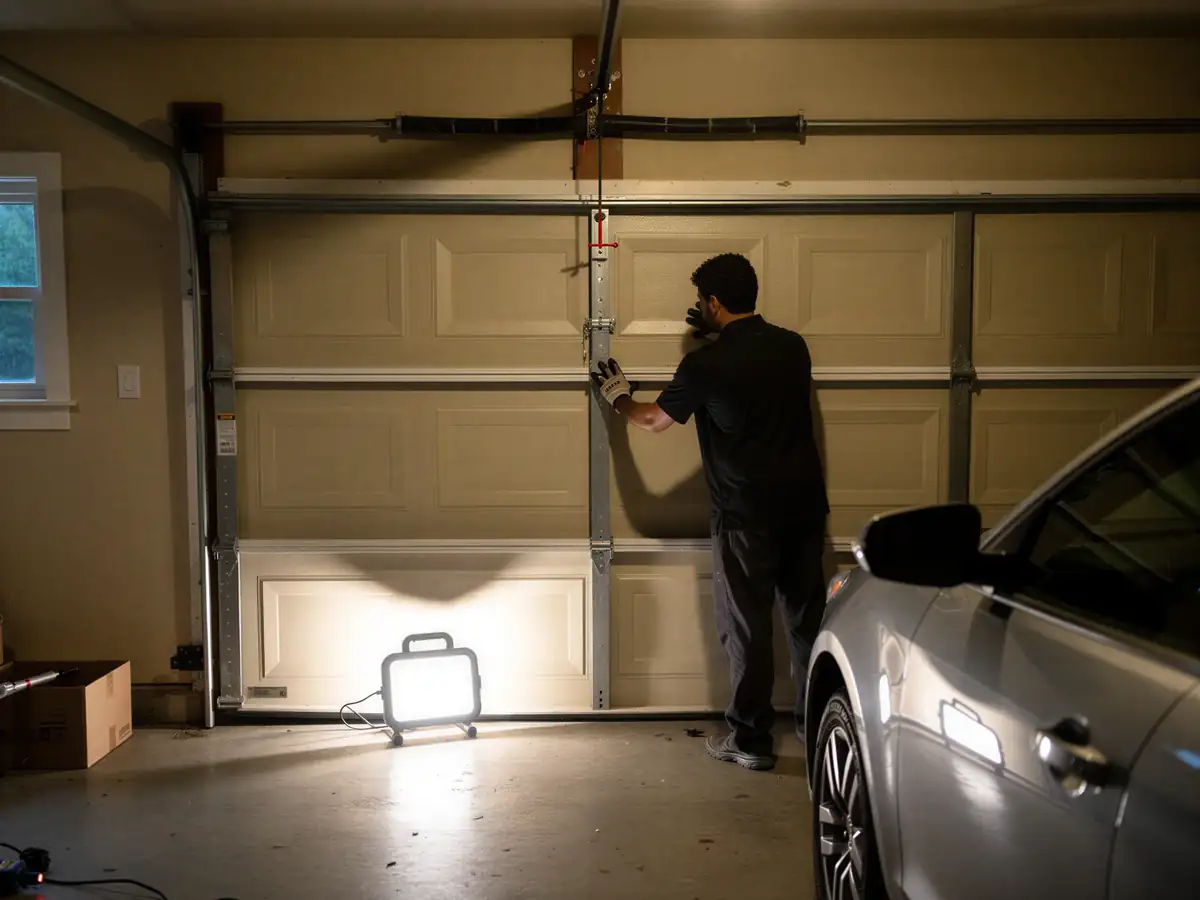
Westerville's housing, built with a median year around 1982, often still runs original torsion hardware that's over forty years old. On that hardware, the drums wear into the cable groove unevenly over decades, and a new cable on a worn drum frays again within a year. We check drum wear every time, because swapping the cable without it is the single most common reason this job gets redone twice.
Why It Happens Here
Westerville's median year built sits around 1982
Which puts a lot of the neighborhood squarely in the galvanized lift-cable era - thinner cable, smaller drums, sized for lighter doors than what gets installed today when owners upgrade to insulated steel. That mismatch is one source of failure on its own: a heavier door loaded onto cable rated for the original lighter panel wears faster at the drum.
The other driver is climate
This area falls in a cold, severe winter band, and cold does two things to a cable system: it stiffens the galvanized coating until it cracks under repeated flex, and it tightens tolerances enough that a drum already running slightly out of alignment starts chewing into the cable groove. We see more cable failures here in the first hard cold snap of the season than at any other point in the year, because that's when decades-old hardware gets tested hardest.
For context, the wider service area runs a median household income of $99,964
Westerville's figure runs higher, around $107,054, which tends to mean owners replace rather than defer once a cable goes - fewer calls where we find three other things wrong because nothing got addressed for years.
Stocked Parts
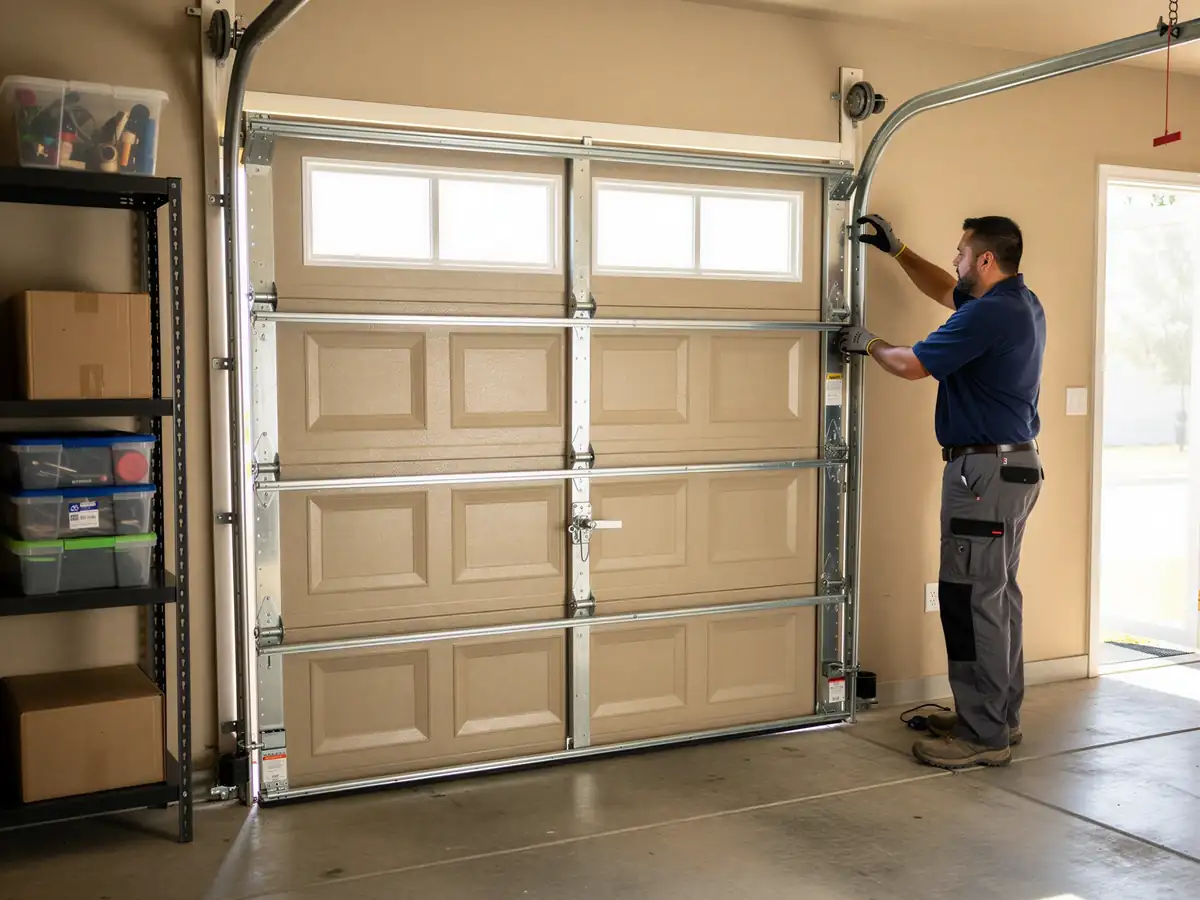
The truck carries standard lift cable in the gauges that fit 1980s and 90s torsion and extension setups, which covers most of what's original to Westerville's housing stock. Standard drums and the common safety cables for extension-spring doors ride along too, since those often need replacing at the same time as the lift cable on an older setup.
What we don't carry for every job is cable sized for oversized or custom doors - anything outside standard residential dimensions sometimes means a short order delay, and we'll tell you that up front rather than make you wait at the house while we figure it out. If your door is original to a build from the early 1980s, the parts on the truck are a good match; if it's been upgraded since, we check the spec before we start so the repair doesn't need a second visit.