The Cost of This Job
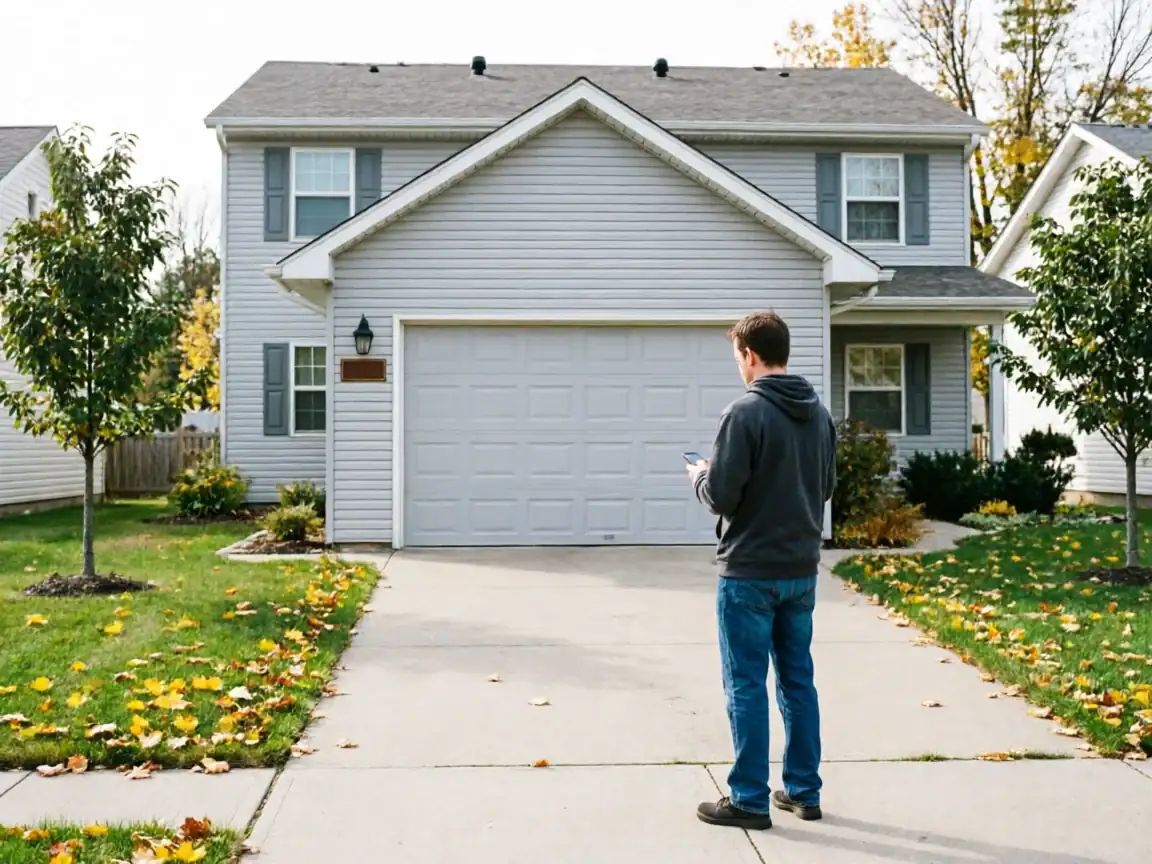
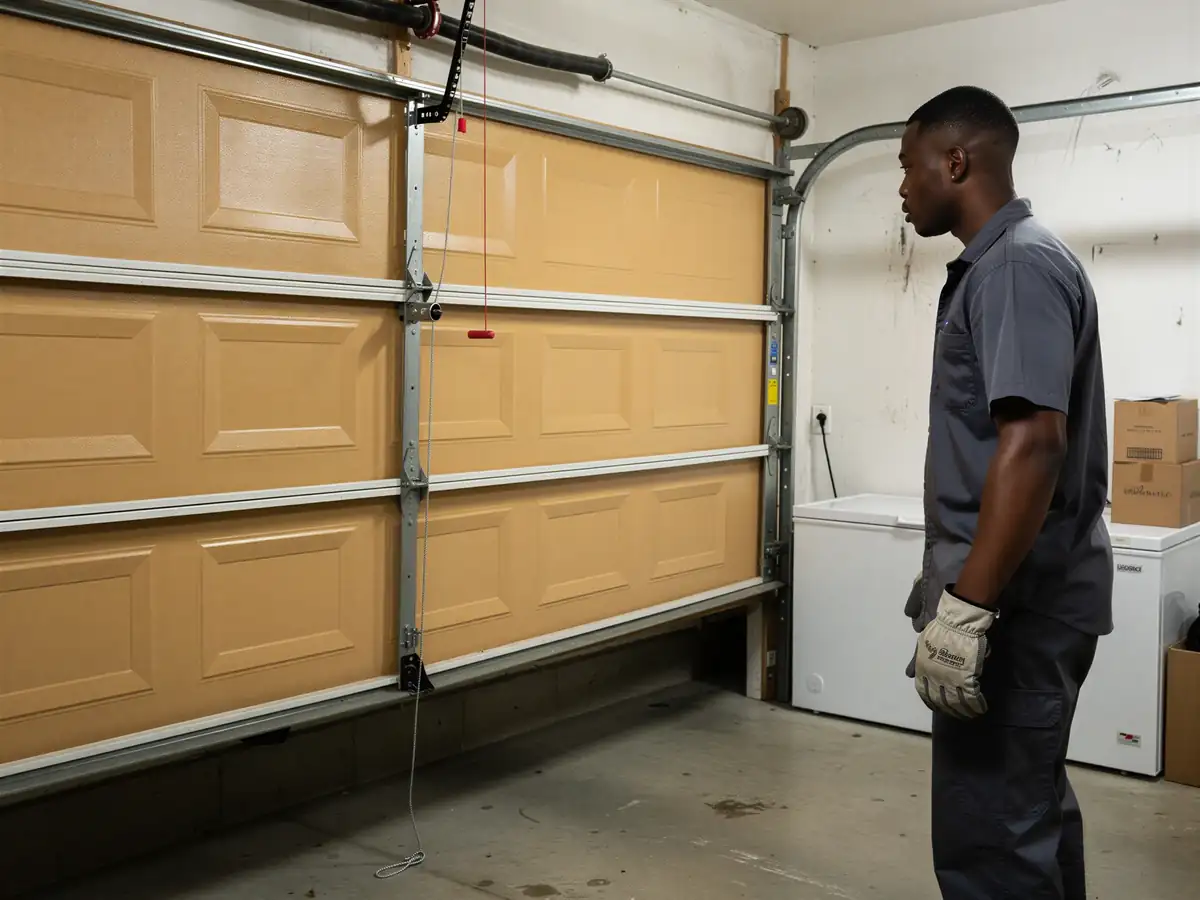
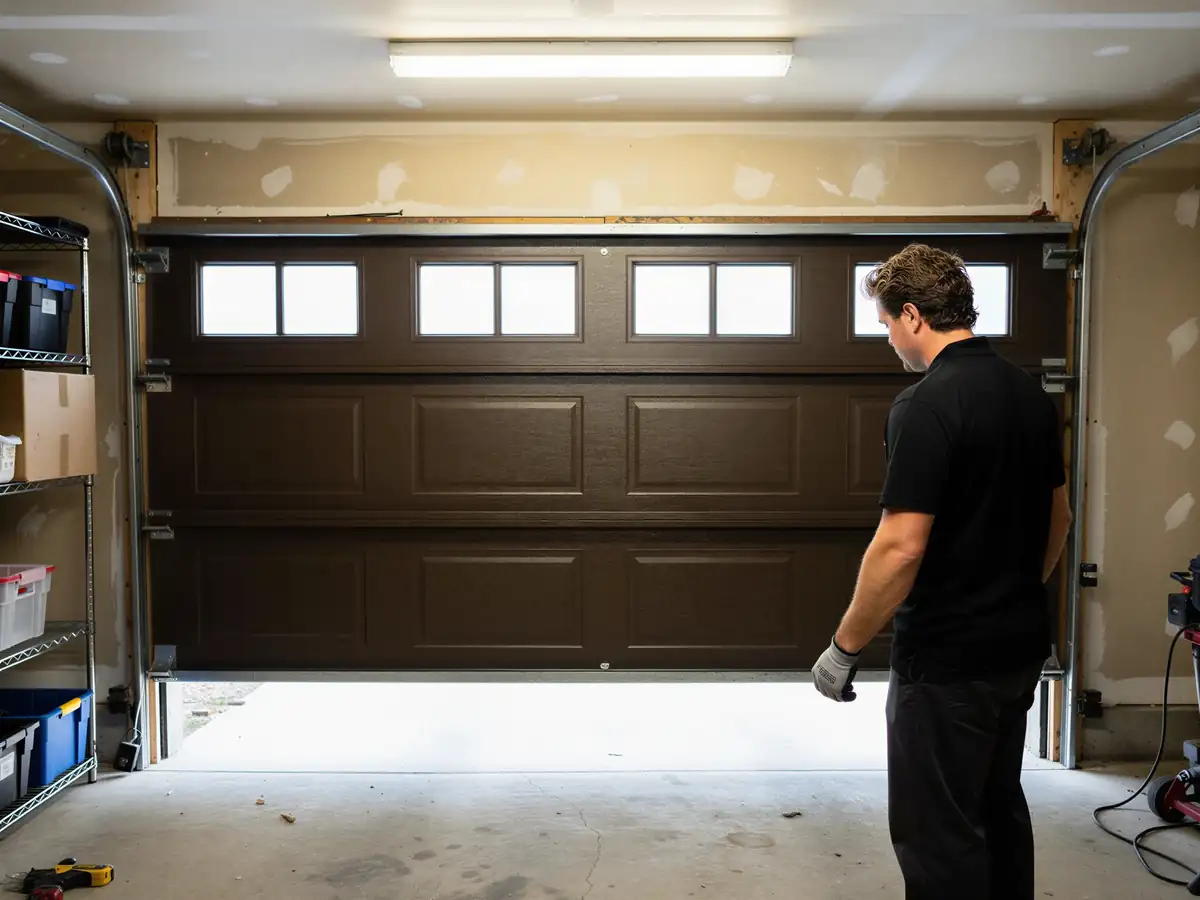
Westerville sits about ten miles north of Columbus, which changes how we schedule an install here more than it changes the ladder work itself. A new door job isn't a drop-in stop between calls closer to the shop - it's its own trip, so we plan the measure visit and the install visit as two trips that actually fit together, not a guess-and-hope same-day swing.
What the job costs depends on the door you pick, the opener you're pairing with it, and whether the existing track and header need rework, none of which we'll invent a number for here. What we can tell you is what tends to drive the decision in this town specifically: with a median household income around $107,054, a lot of Westerville homeowners skip the stripped-down steel panel and go straight to an insulated door, because the difference shows up on the energy bill in a winter this cold.
We'll give you a real number once we've seen the opening, the header height, and what's already run to it. A phone quote on a new install is a guess, and we don't sell guesses.
See what else we cover from the shop on the Columbus installation page, or check the Westerville service area page for what's nearby.
Where This Job Goes Sideways
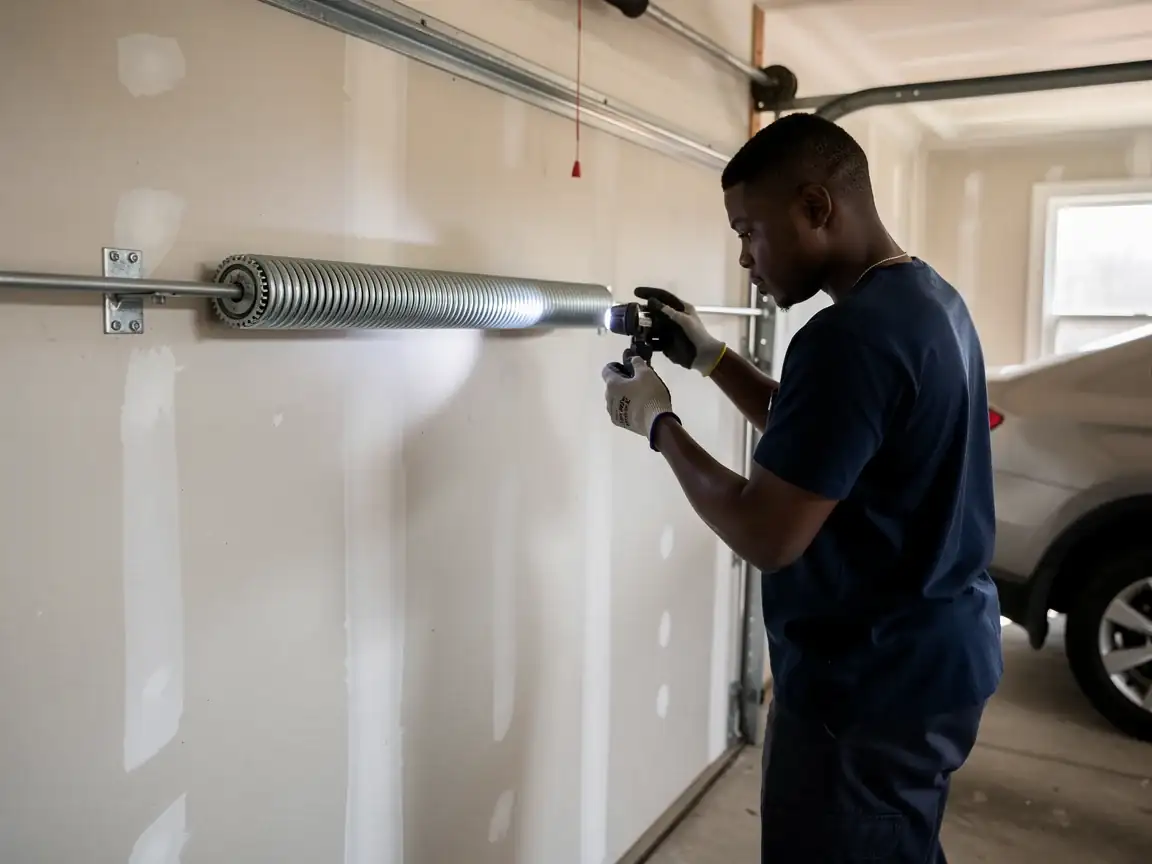
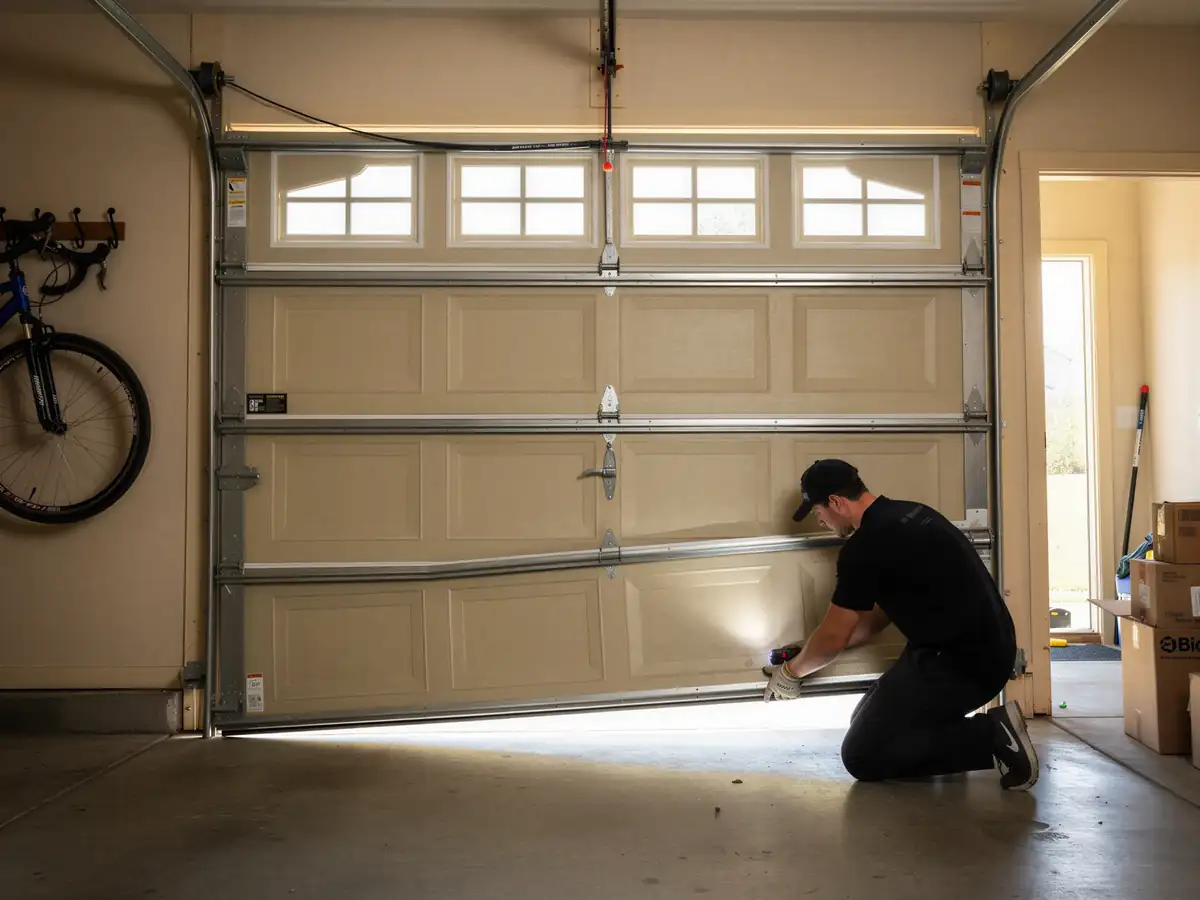
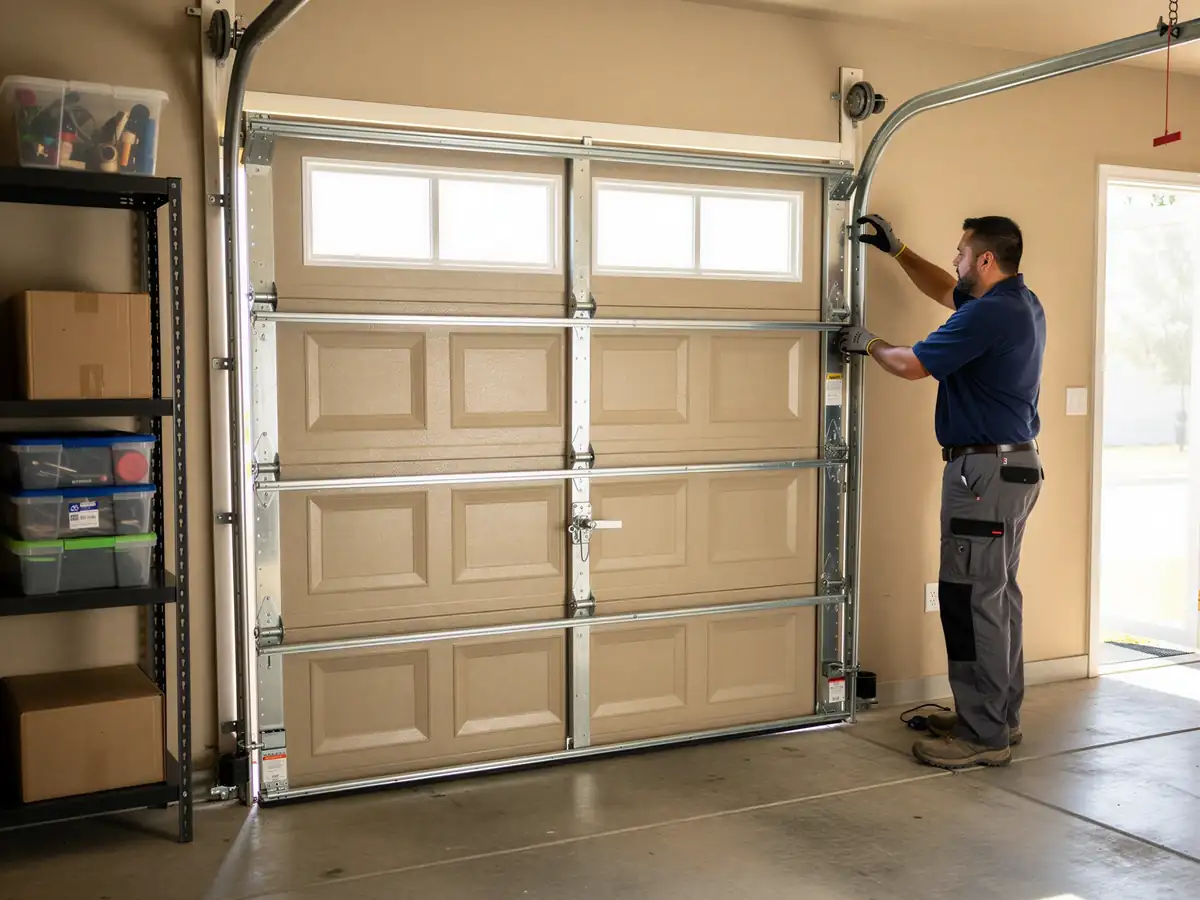
The houses that went up around Westerville's 1982 median year built came with garage openings sized for the doors of that decade - narrower headers, lighter track, openers rated for a lot less door than people now want to hang on them. Swap in a heavier insulated steel door without checking the header and the spring set, and you've got a door that's technically installed and wrong the day it goes up: too much deflection, a motor straining past its duty cycle, a torsion spring undersized for the new weight.
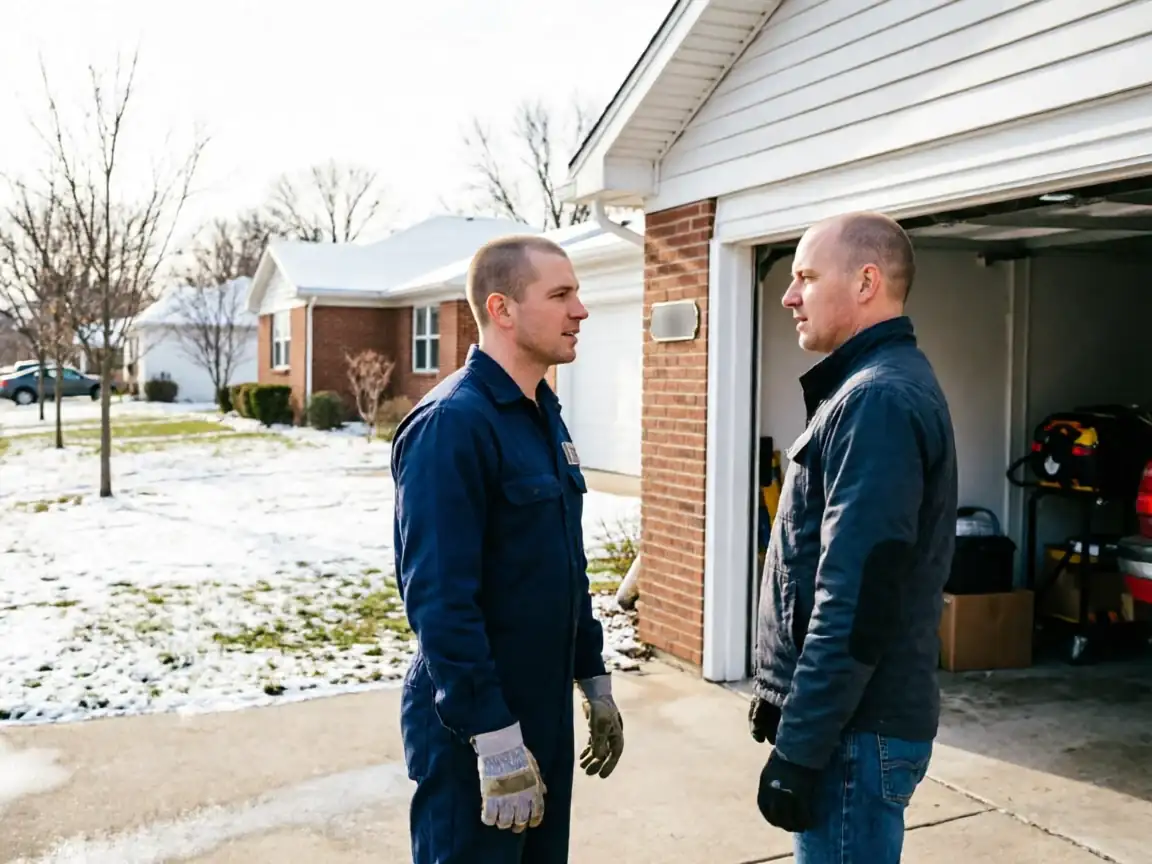
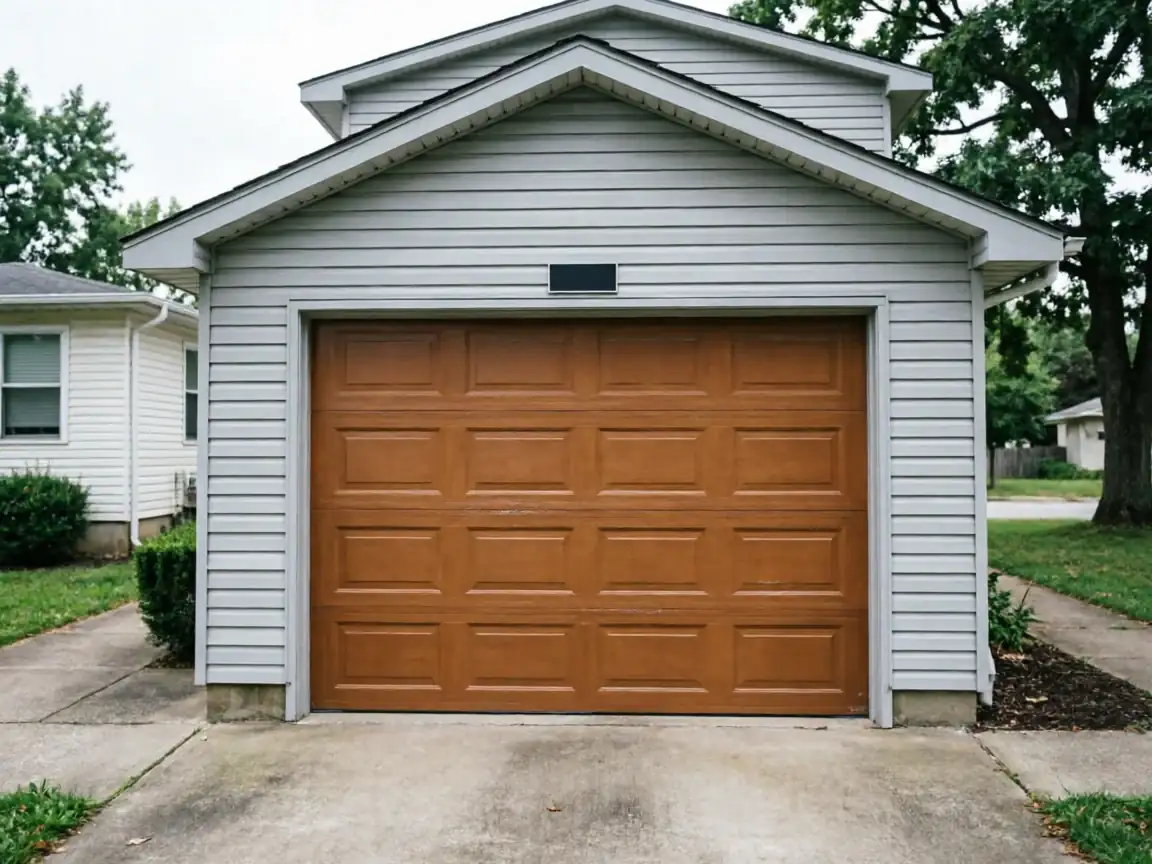
The other way this goes sideways is the opening itself. A lot of these original garages were framed before insulated doors were standard, so the rough opening sometimes runs a hair off square or a hair short on jamb depth for a thicker door slab. We catch that at the measure visit, not the install visit - which is exactly why we don't combine the two into one trip out here.
The honest limitation: if the opening needs framing work beyond trim and weatherstrip, that's carpentry, not a garage door job, and we'll say so rather than force a door into a header it doesn't fit.
Why It Happens Here
Westerville's housing stock centers on 1982, a touch earlier than the median across the wider service area
Which runs 1938 to 2006 with most of it landing in the 1980s and 90s. That narrow band matters: it means a large share of the doors we're replacing out here were installed under the same building codes, with the same generation of opener and track hardware, within a few years of each other. When one fails, the house two doors down is often on borrowed time with the same part.
The climate is the other half of it
This region sits in a cold-severe band, and a door and opener spec'd in 1982 wasn't built with today's thermal expectations in mind. Steel panels from that era flex more in a hard freeze, non-insulated doors let a garage swing cold fast, and openers from that generation weren't rated for the duty cycle a modern household puts on a door - two cars, a gym, a workshop, whatever the garage has become since. New installation here isn't about fashion. It's about hardware that was never built for the house it's on now.
Stocked Parts
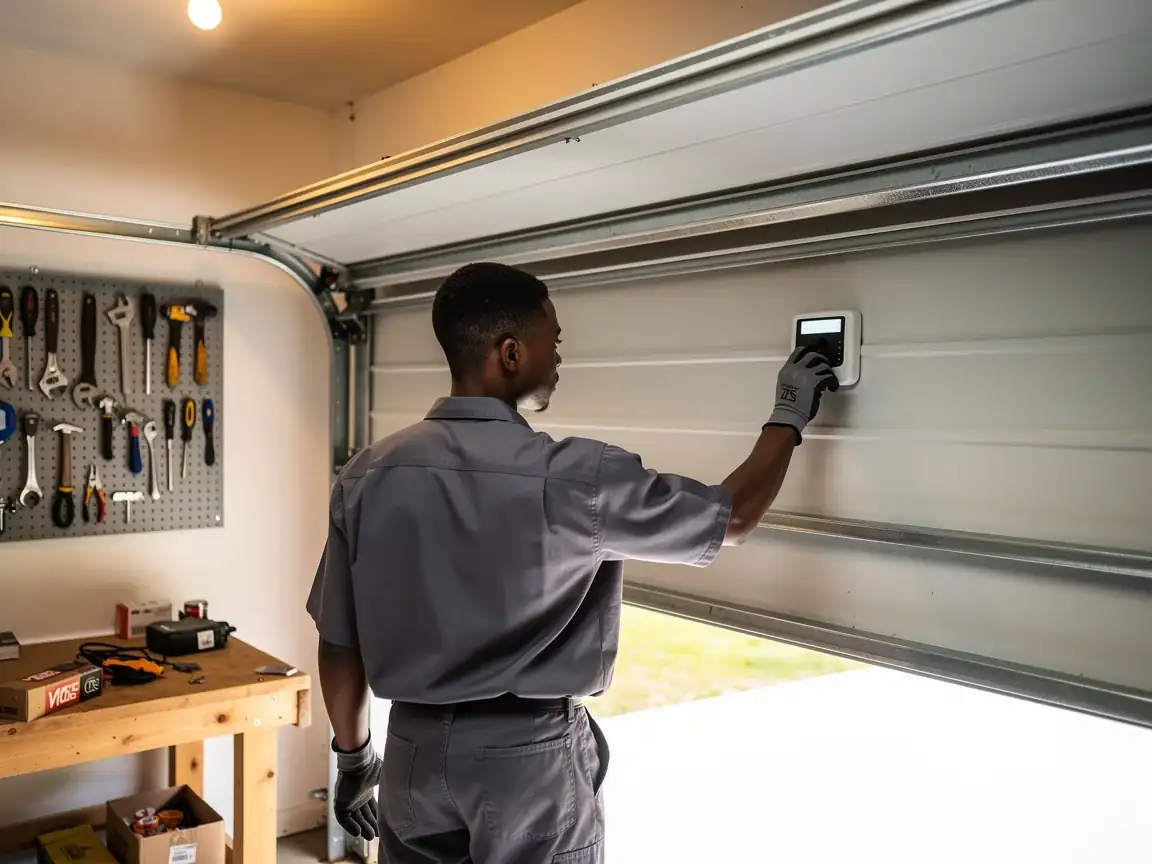
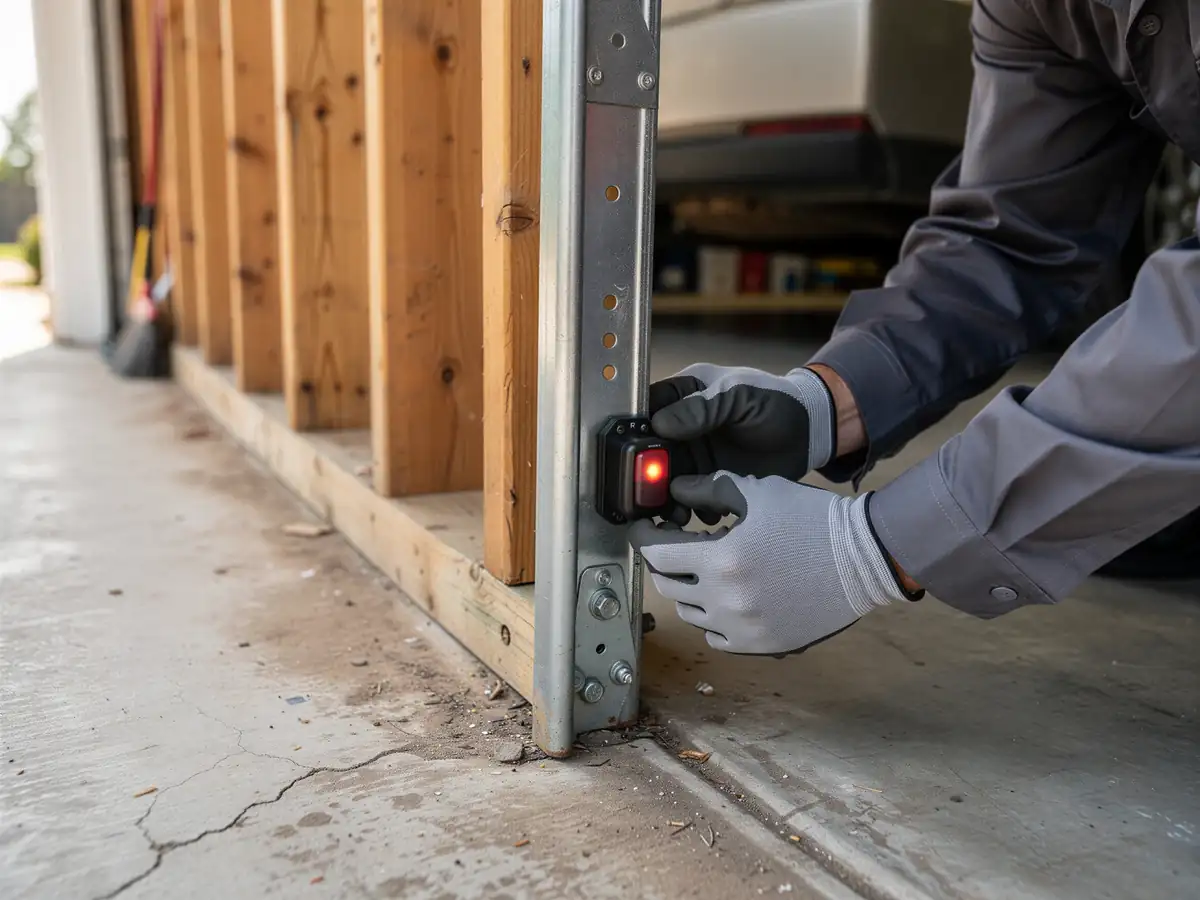
Because so much of Westerville's housing landed in that same early-80s window, we carry the track brackets, header reinforcement plates, and torsion spring sizes that match openings from that era - the parts that don't get stocked for houses built last year, because last year's houses don't need them. When we're out doing a measure visit, we're not guessing at what we'll need for the install; we know roughly what we're walking into before the truck leaves the shop.
What we don't stock is anything built to match a specific builder-grade model from that decade exactly - those branded panels are long out of production, and on a new install we're not trying to match old trim anyway, we're replacing it outright. If you're not sure whether your door is a repair or a full install job, that's a separate conversation, and it starts with us looking at the spring and track in person, not guessing over the phone.