The Cost of This Job
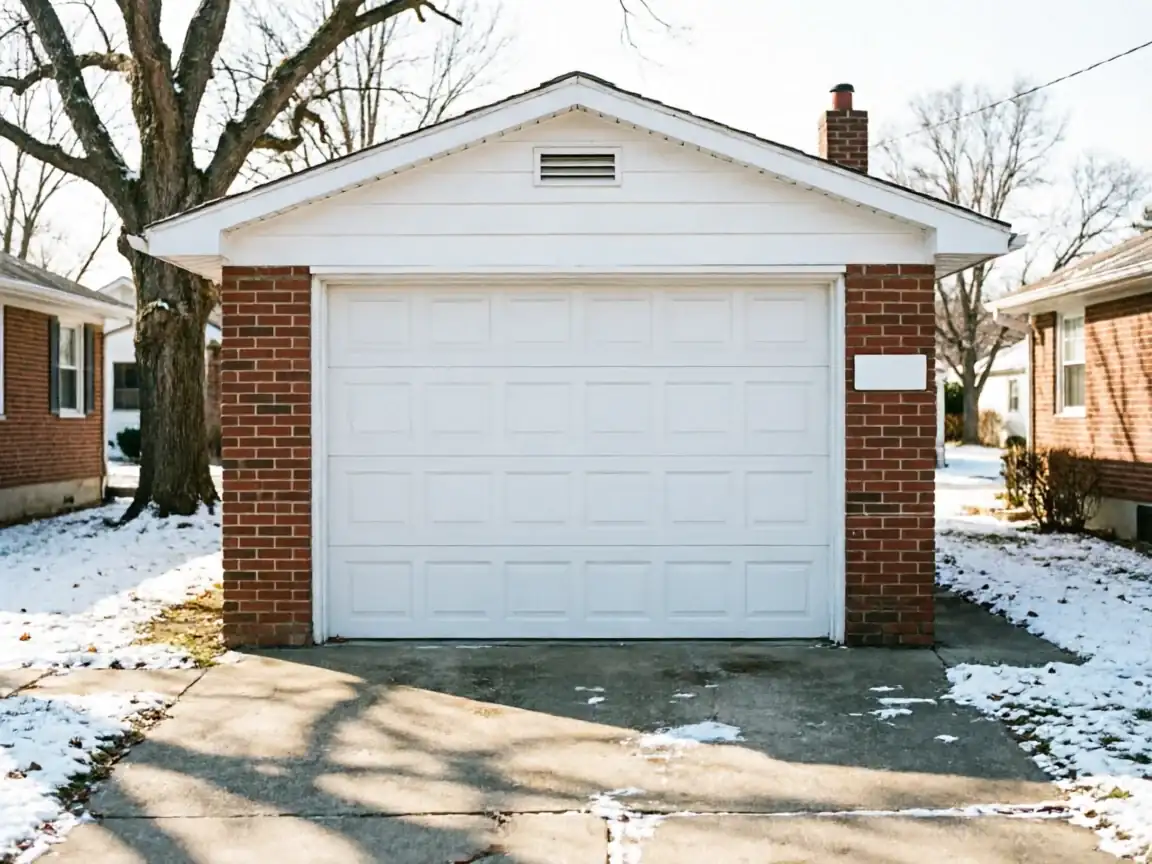
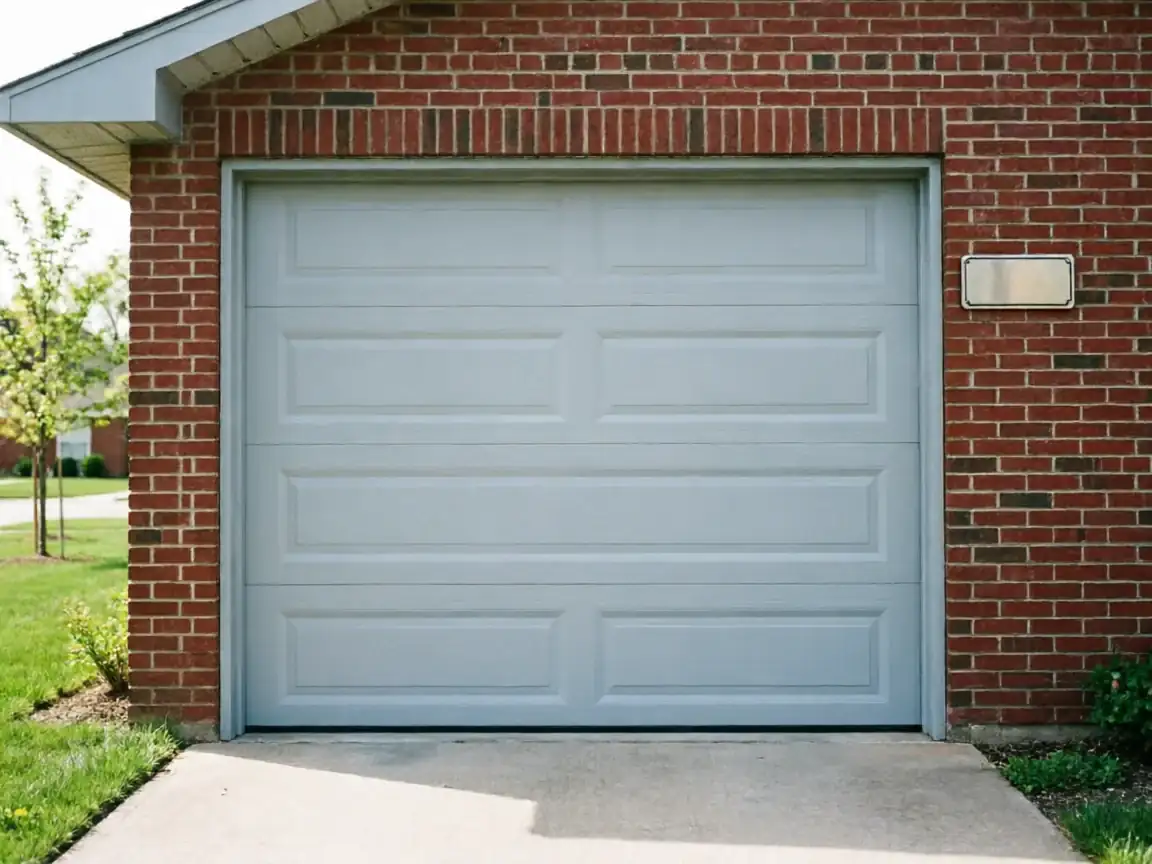
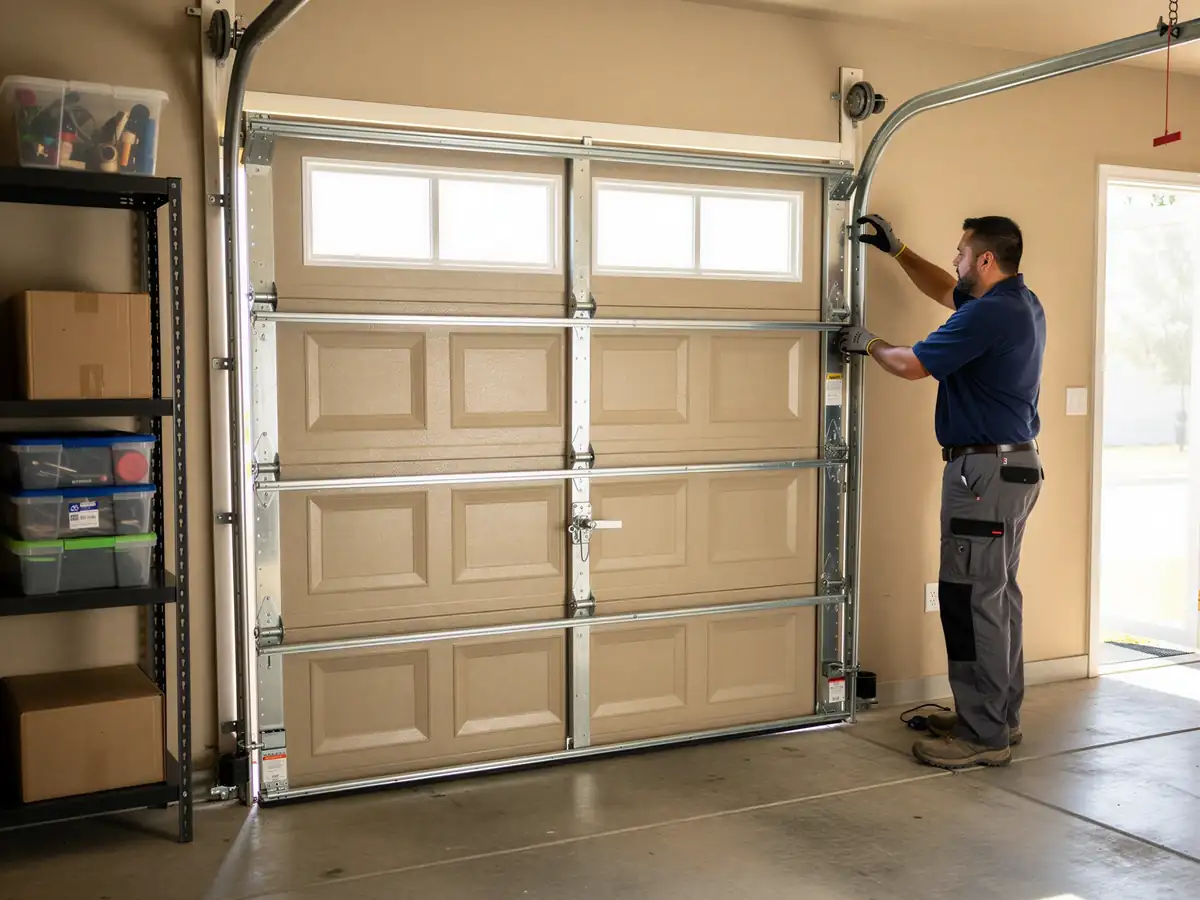
What a job costs here comes down to what's actually on the door, and in Westerville that's usually hardware from the early 1980s. A single steel sectional door from that period typically runs one torsion spring sized for a lighter, non-insulated panel - cheaper to replace than the dual-spring setups on wider doors, but the spring size itself is less common than what gets installed today. Extension spring systems from the same era cost less to fix but wear out cables and pulleys faster, especially with repeated use in cold weather.
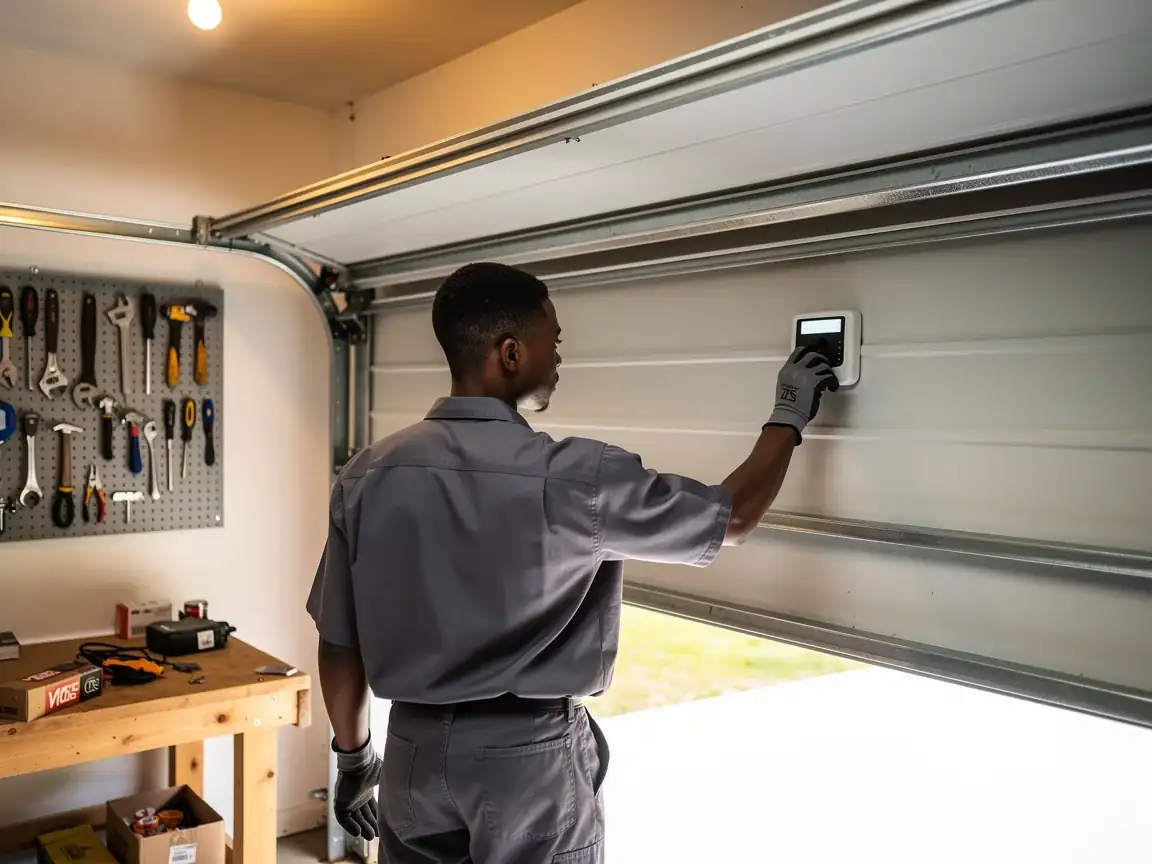
Openers are the other variable. A lot of Westerville garages still run chain-drive units installed decades after the house itself, which means the opener's age doesn't always match the door's. Replacing a worn drive gear costs less than replacing a logic board, and you won't know which you need until someone's actually looking at the unit.
We can't quote a number over the phone that means anything - door width, spring count, and whether the track is bent all change the math. What we can tell you is that the parts common to 1982-era doors aren't the same parts on the shelf for a 2015 build, and that's the real driver of cost here, not the brand on the door.
Where This Job Goes Sideways
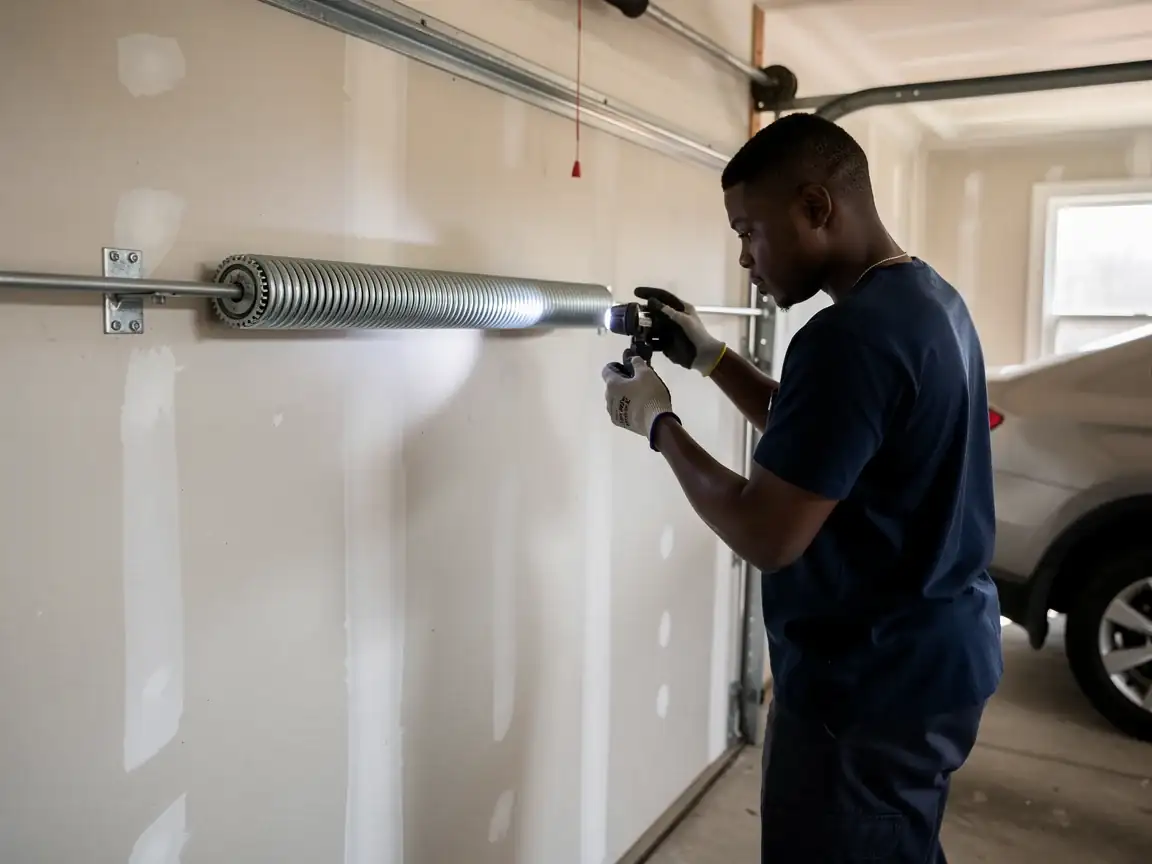
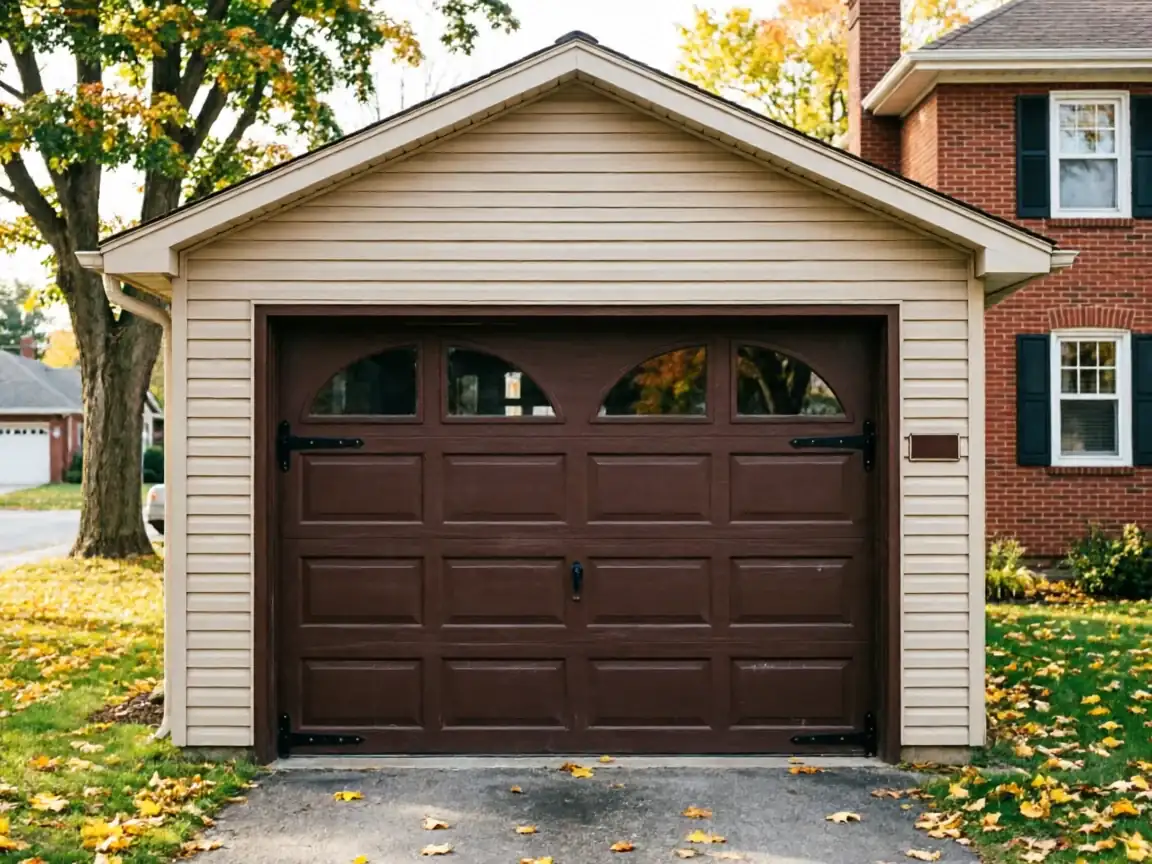
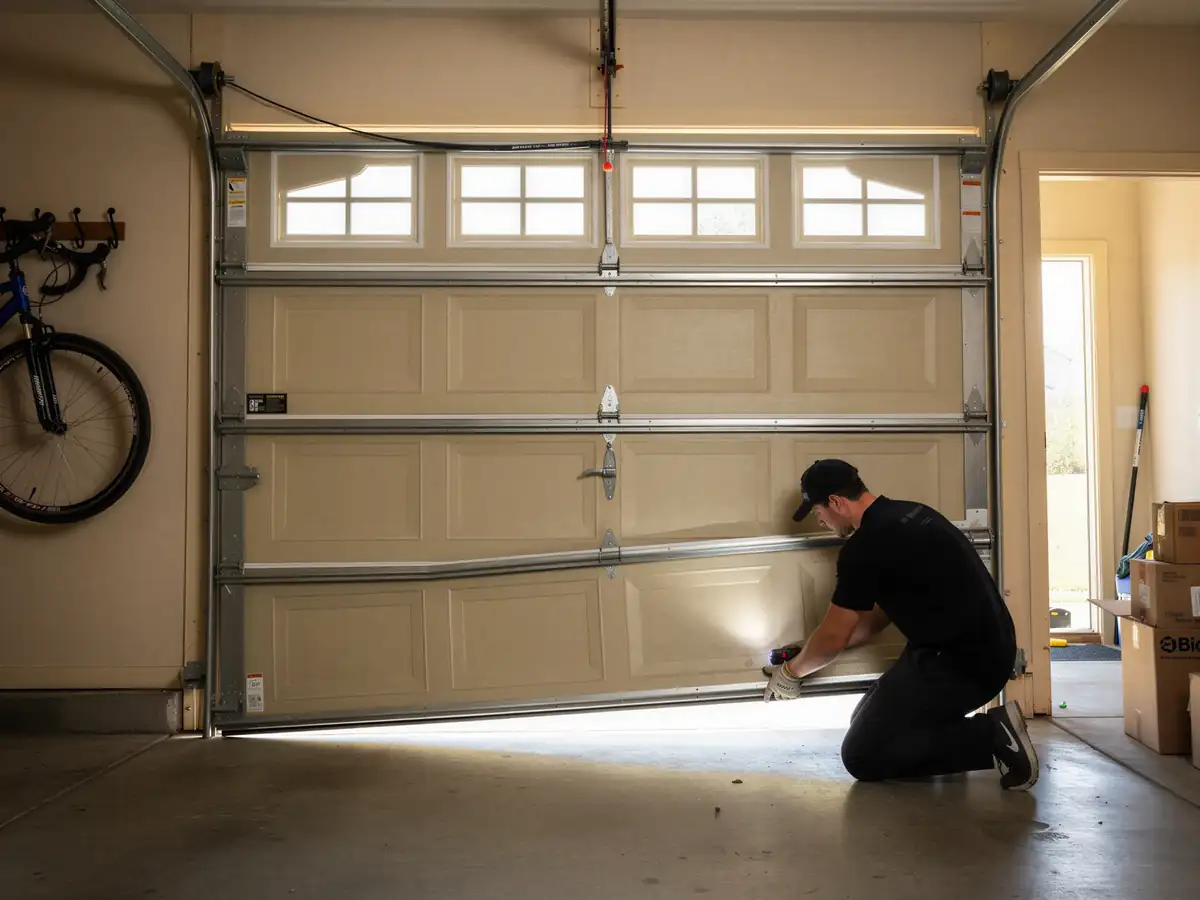
The failure we see most in Westerville starts with a mismatch nobody notices until the door won't lift. A house built around 1982 came with a torsion spring sized for a lightweight, single-layer steel panel. Over the decades, a lot of those original doors got swapped for heavier insulated replacements - but the spring didn't always get upgraded with it. The door looks newer. The spring underneath is still doing 1980s-era work on a heavier load, and it fails early.
Cold is the second piece. This area sits in a severe cold climate band, and steel springs lose tension and crack faster when they're already undersized for the load they're carrying. A spring that might have limped along for another year in a mild climate snaps on the first hard freeze here.
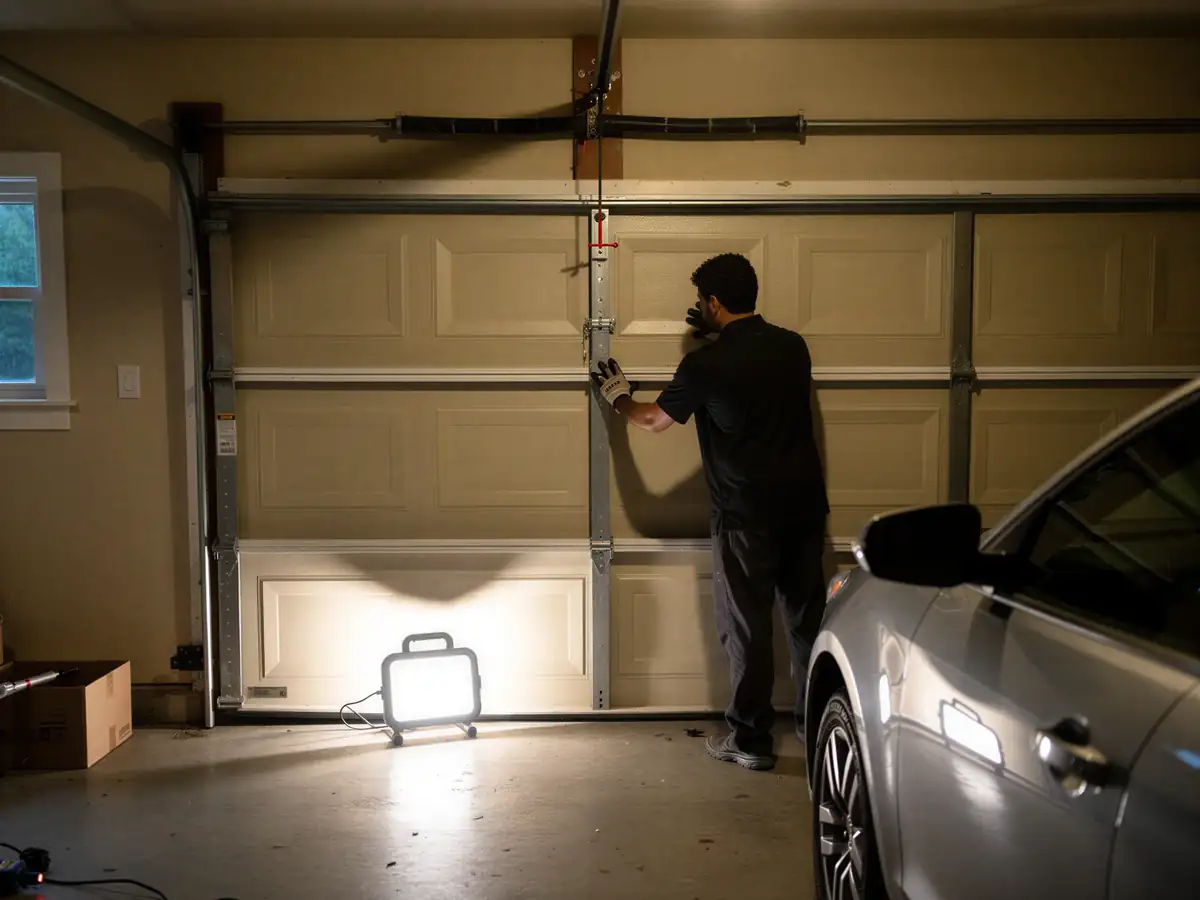
Extension spring setups have their own version of this problem: the cables and pulleys stretch and fray with repeated cold-weather cycling, and by the time a homeowner notices fraying, the cable's close to snapping under tension - which is not a repair to leave for later.
We don't recommend patching a spring that's the wrong size for the door. It'll fail again, usually sooner than you'd think.
Why It Happens Here
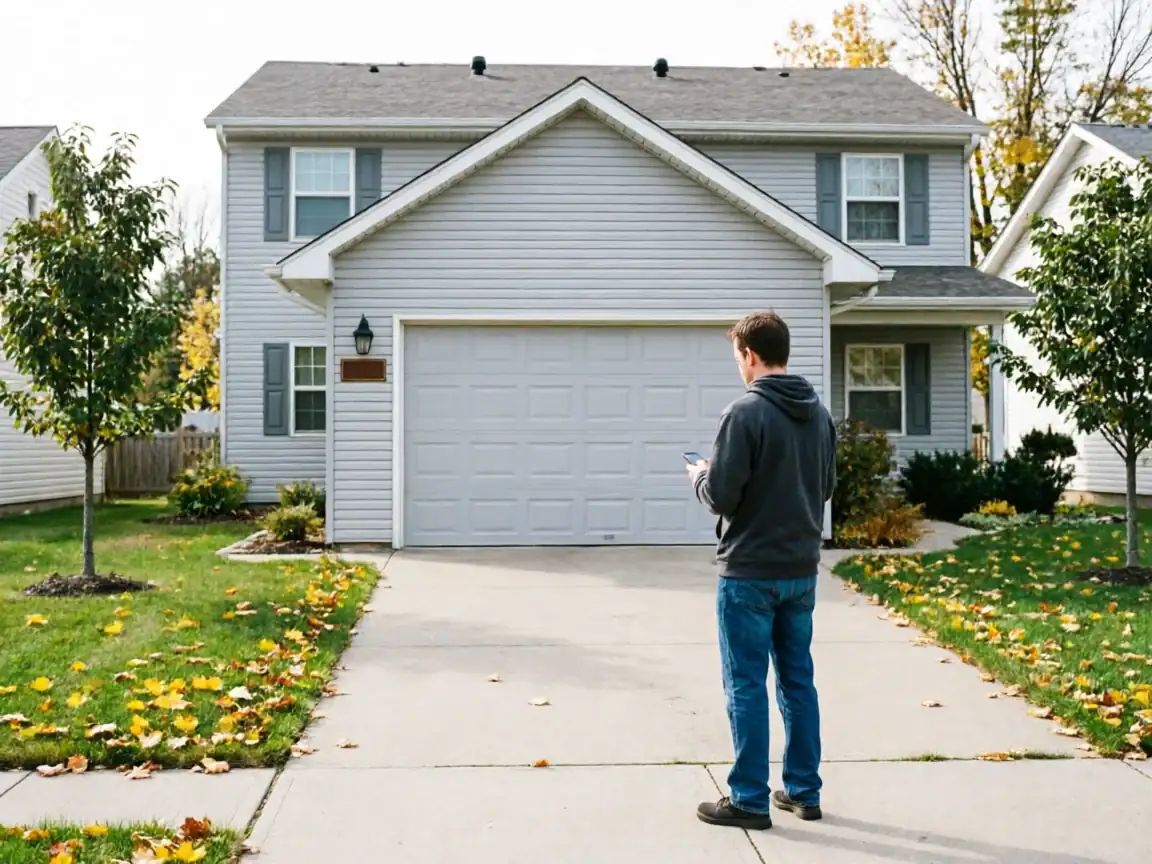
Westerville's housing runs a bit older than the service area's overall median
1982 here against 1986 across the wider area - which means a larger share of original torsion and extension hardware is still in place on doors that have since been upgraded around it. Panels got swapped for insulated versions as owners updated their homes; springs often didn't, because nobody thinks to check a part that's still technically working.
With 15,115 households in Westerville, that's a meaningful number of garages carrying this exact mismatch
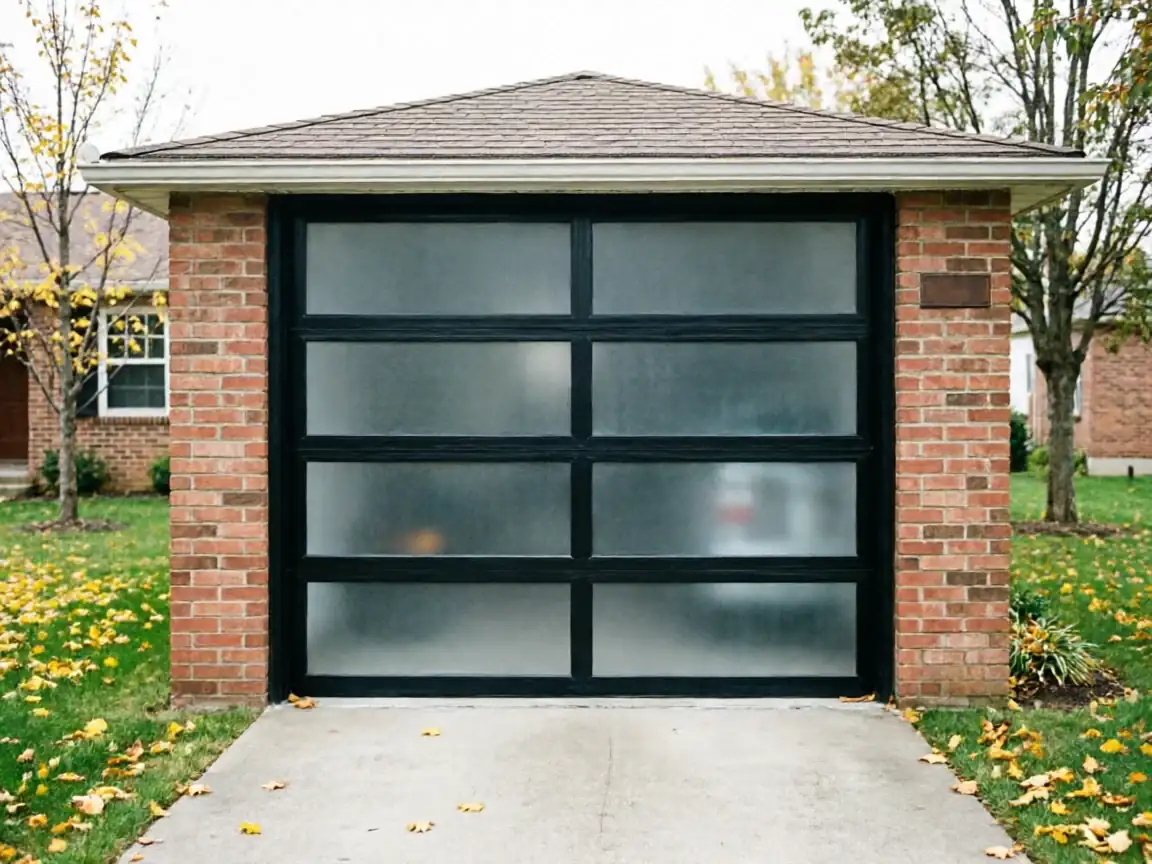
Lightweight hardware under a heavier door, in a climate band classified as severe cold. The median household income here, $107,054, runs well above the $99,964 figure for the service area as a whole, and that shows up in the kind of upgrades we see: higher-end insulated doors and quieter belt-drive openers, installed on top of hardware that's forty-plus years old and never got a second look.
- 15,115 households
It's not that Westerville's doors are worse maintained
It's that the upgrades happened in the wrong order - door first, spring second, if at all.
Stocked Parts
We carry torsion springs sized for the lighter, non-insulated doors common to Westerville's early-1980s housing, along with the standard sizes used on newer insulated replacements - because on a given street you'll find both generations side by side. Rollers, cables, and pulleys for extension spring systems are stocked too, since those wear out on a shorter cycle than springs do.
What we don't keep on the truck is every obsolete extension spring length or a niche opener logic board for a unit that's been discontinued for years. If your opener is old enough that the manufacturer's stopped making parts for it, we'll tell you that straight - sometimes a repair isn't worth chasing down a part that'll cost more than a new opener.
For anything in that older bracket, expect us to order it rather than carry it, which can add a day or two to the job. We'd rather tell you that up front than promise same-day on a part we don't actually have.