The Cost of This Job
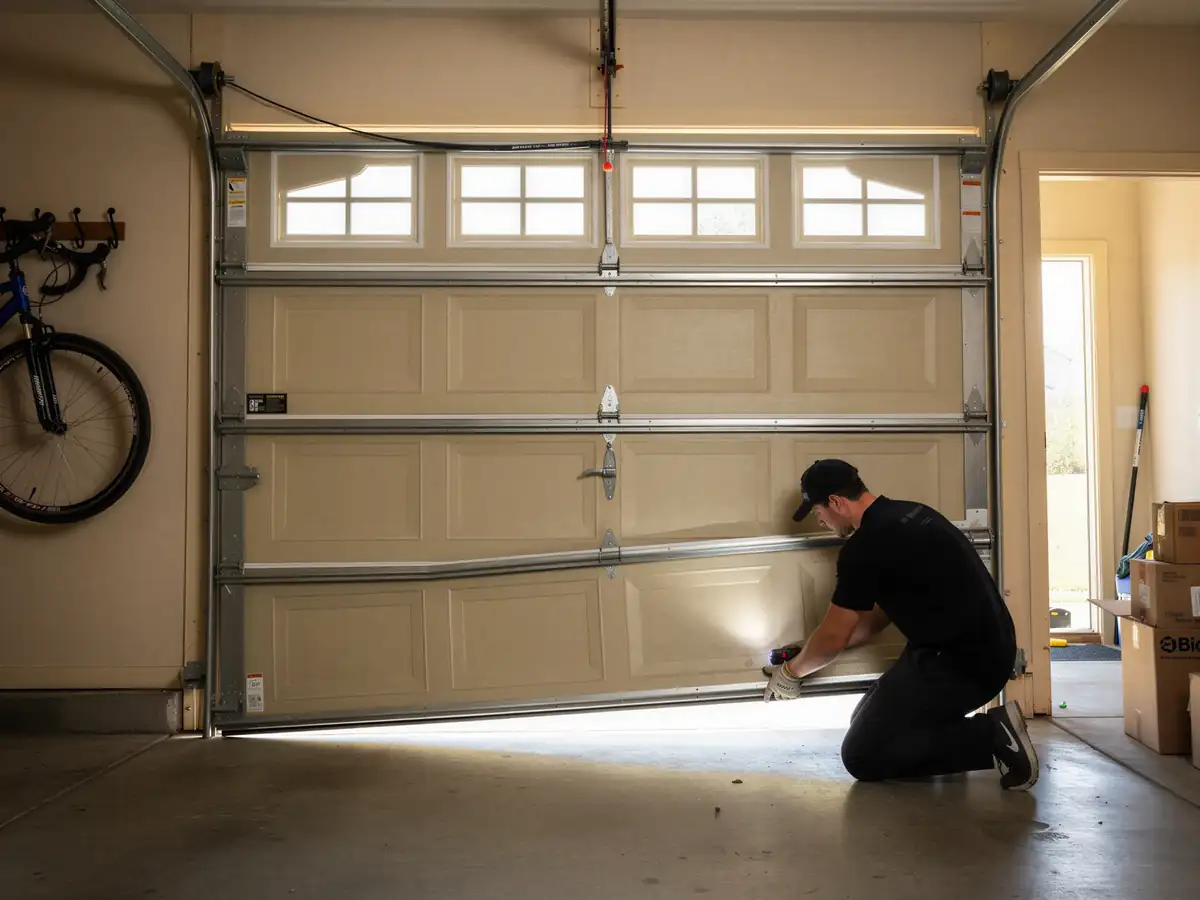
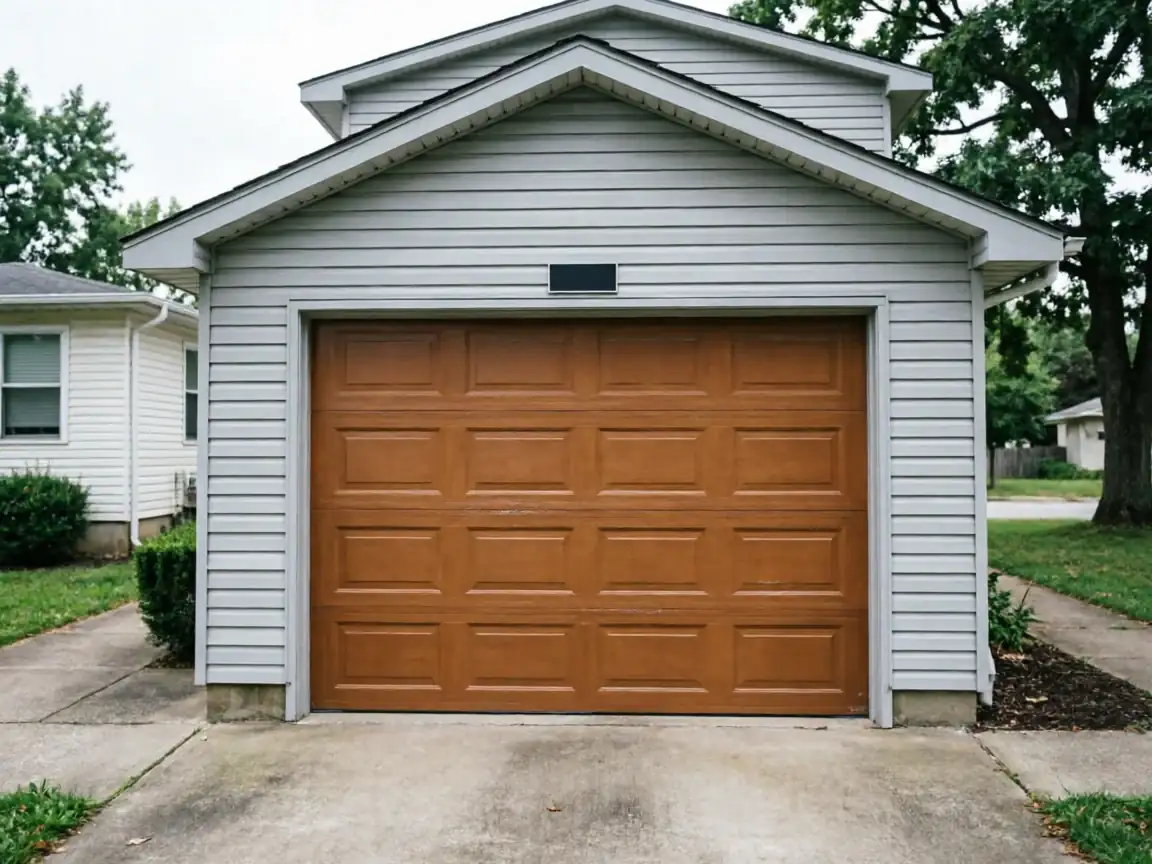
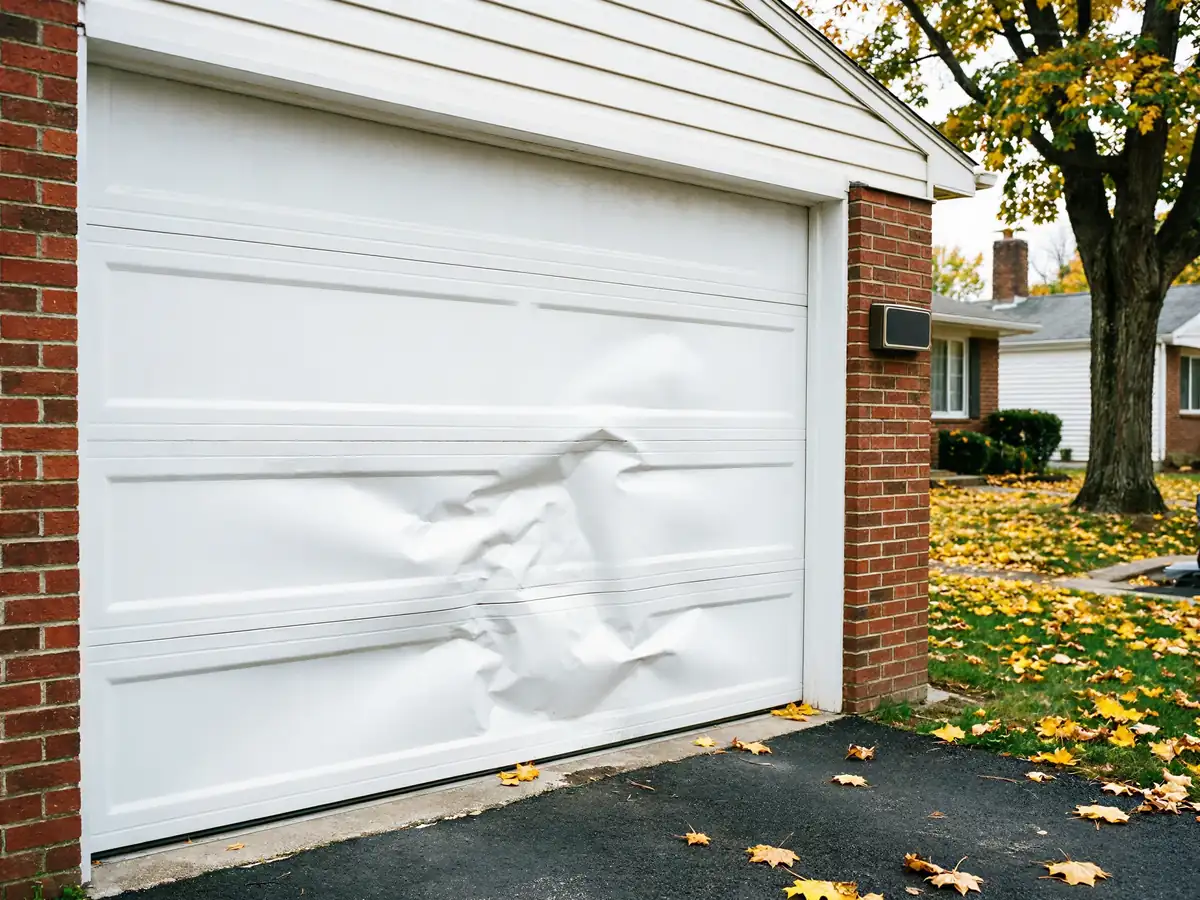
Most houses in Westerville went up around 1982, and a lot of the garage doors on them are still wearing their original panels - just dented, rusted at the bottom seam, or cracked from forty-plus winters of being slammed by a chain-drive opener that's younger than the door itself. Panel replacement here usually means matching a section to a door that's never been touched, which is a different job than swapping a whole door.
Cost depends on whether we can source a matching panel for the existing door or whether the run is discontinued and the whole door needs replacing to keep the sections uniform. A single bottom panel on a door that's still structurally sound is the cheapest version of this job. A full re-panel, or a door where the track and springs are also original and due, costs more because we're not just swapping metal - we're bringing the whole unit up to something that'll hold for another twenty years. We don't quote a flat number here because we haven't seen your door; we quote on site, not over the phone.
Westerville households have a median income of $107,054, which is higher than the broader Columbus service area's $99,964, and we mention it only because it shapes a real decision: a lot of owners here choose full replacement over patching a 1982 door once one panel goes, rather than hunting down a match for hardware that old.
Where This Job Goes Sideways
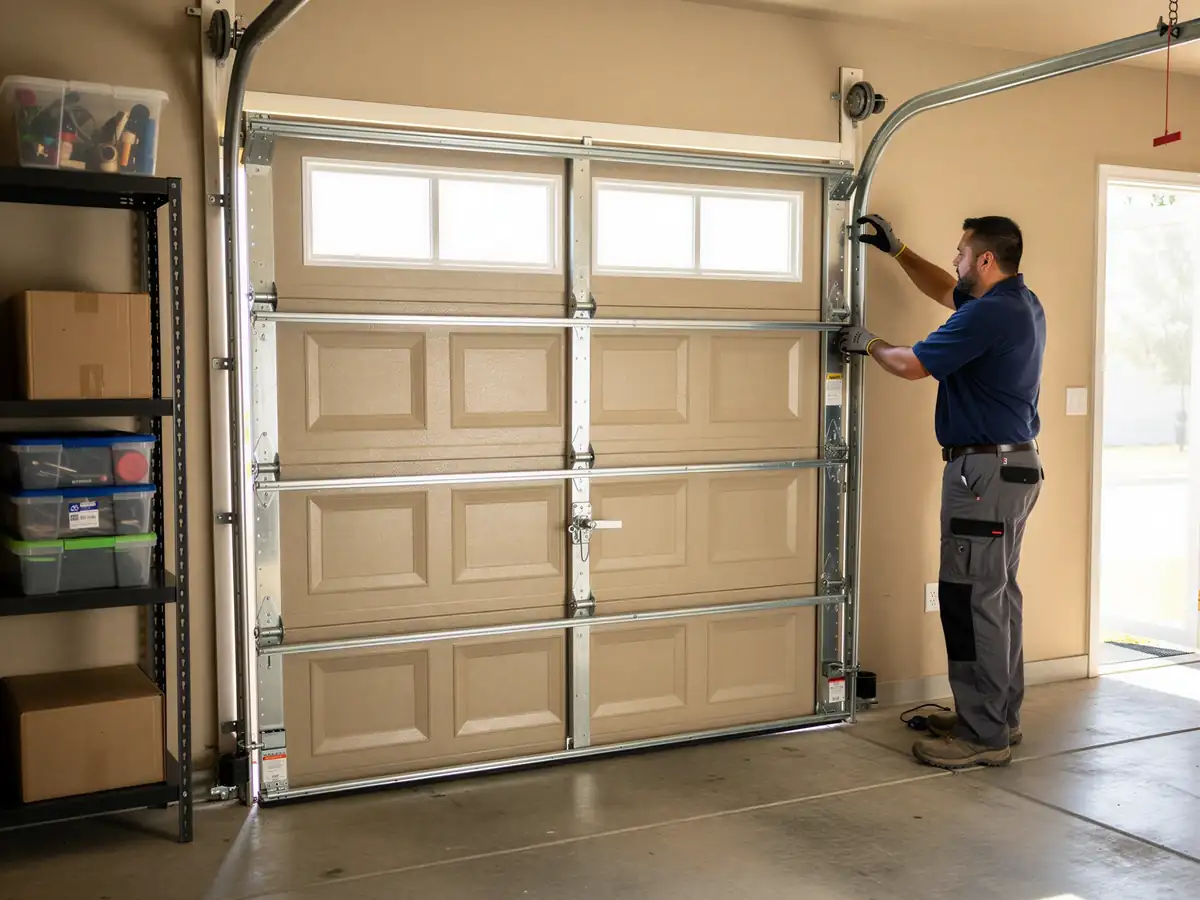
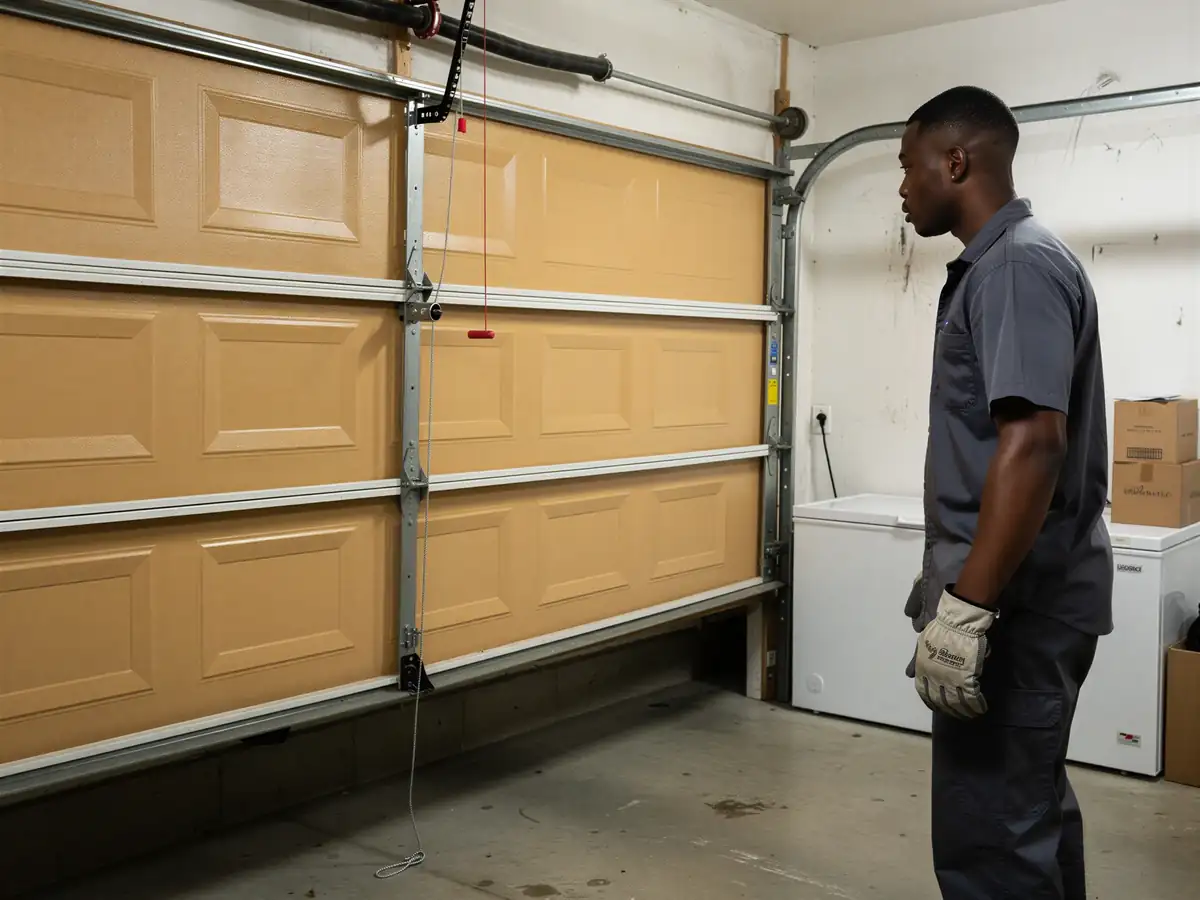
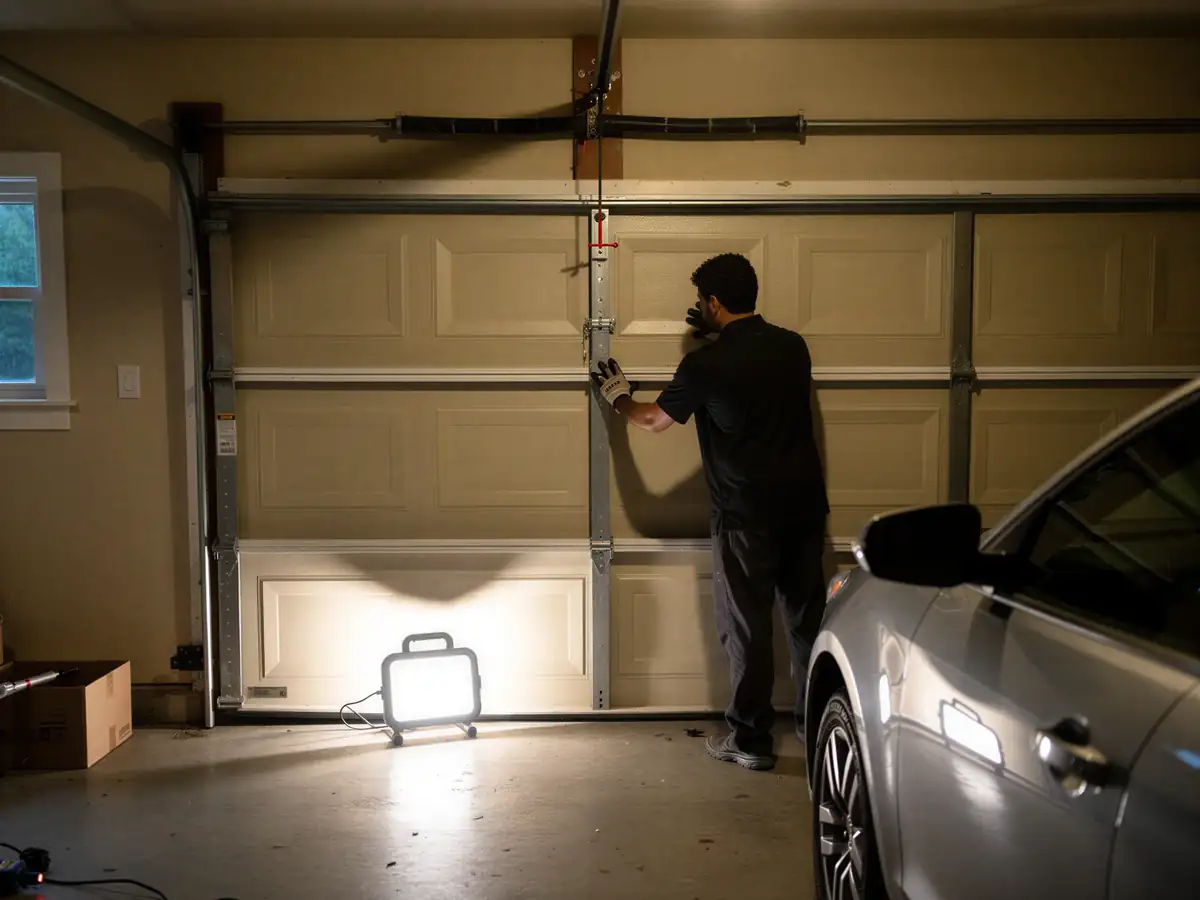
The panel is rarely the only thing original. On a door built in 1982, the rollers, the hinges, and often the torsion spring are the same age as the panel that's failing. Swap just the dented section and leave the rest, and you've put a new panel on a door that's one more cold snap away from a cable jumping its drum.
We've seen it go sideways when a homeowner orders a panel online that's close enough in size but wrong in gauge or rib pattern - it never sits flush against the sections next to it, and the door binds in the track. On a door this old, measurements matter more than they would on something from the last ten years, because manufacturers changed panel profiles more than once since 1982.
The honest limit here: if your door is a style that's been fully discontinued, we're not going to pretend we can match it panel-for-panel. At that point replacing the whole door is the straighter path, even if it costs more up front, because a mismatched panel looks wrong and ages differently than the rest of the door within a year or two.
Why It Happens Here
Westerville sits about 10 miles from Columbus
And its housing stock centers on 1982 - newer than the oldest pockets of the wider service area (which runs back to 1938) but still old enough that steel panel technology has moved twice since these doors were hung. The service area has 129,263 households total; Westerville's share is 15,115 of those, a fairly concentrated run of same-era construction, which means a lot of these doors are failing in the same decade-wide window.
- 10 miles
- 129,263 households
The area sits in a cold, severe climate band
Steel panels built in the early 1980s don't have the insulation core or the sealed bottom gaskets that later doors use, so forty-some winters of freeze-thaw at the bottom seam is where panels crack first. That's the pattern we see on these doors specifically, not a general garage door complaint - it's tied to the build year and the climate band together.
Stocked Parts
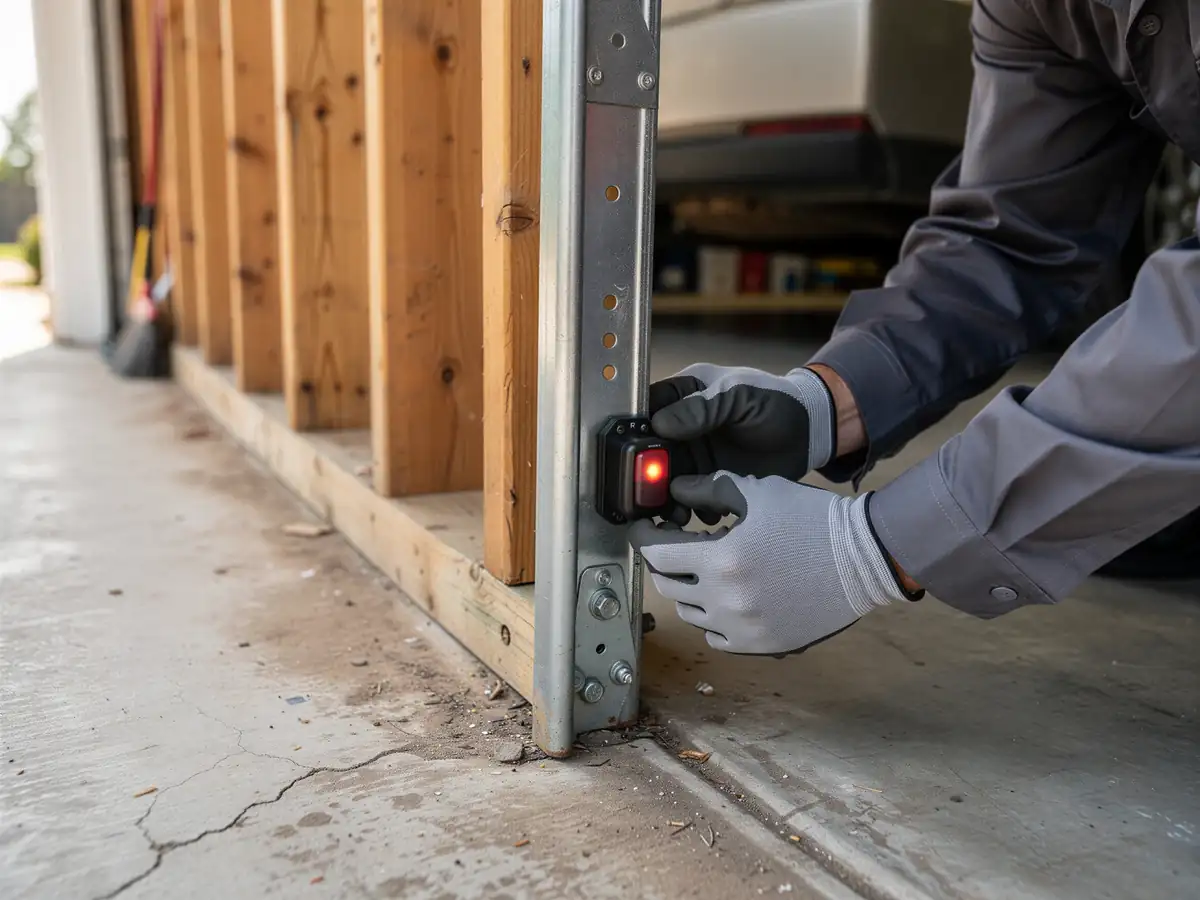
We carry common panel sizes and standard steel gauges on the truck out of Columbus, along with the rollers, hinges, and end stiles that typically go with a panel job on a door this age. For a widely used size, we can often complete the swap same visit.
What we don't carry is every discontinued profile from 1982. If your door is a less common brand or a run that stopped production years ago, we may need to order the panel, and that lead time isn't something we control - we'll tell you straight when we see the door whether it's a stock item or a special order. We'd rather say that up front than promise a same-day fix we can't deliver.