How It Shows Up
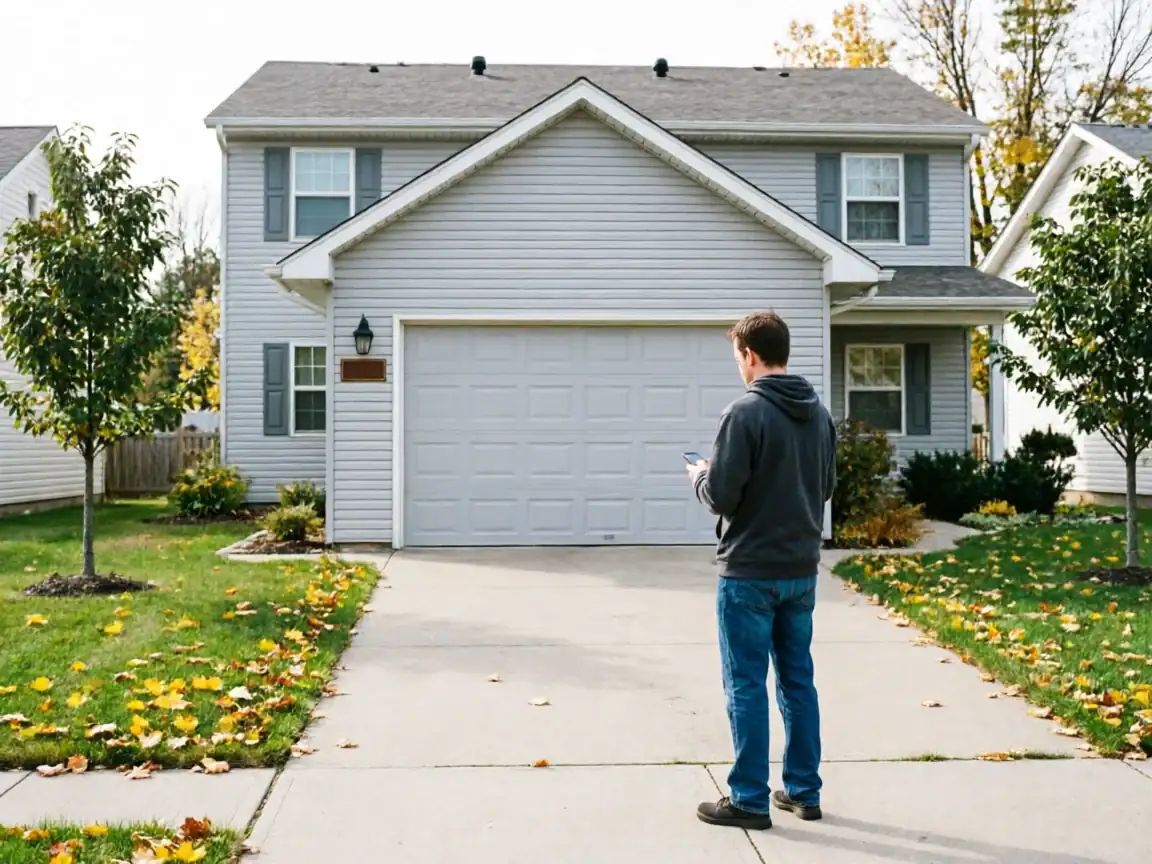
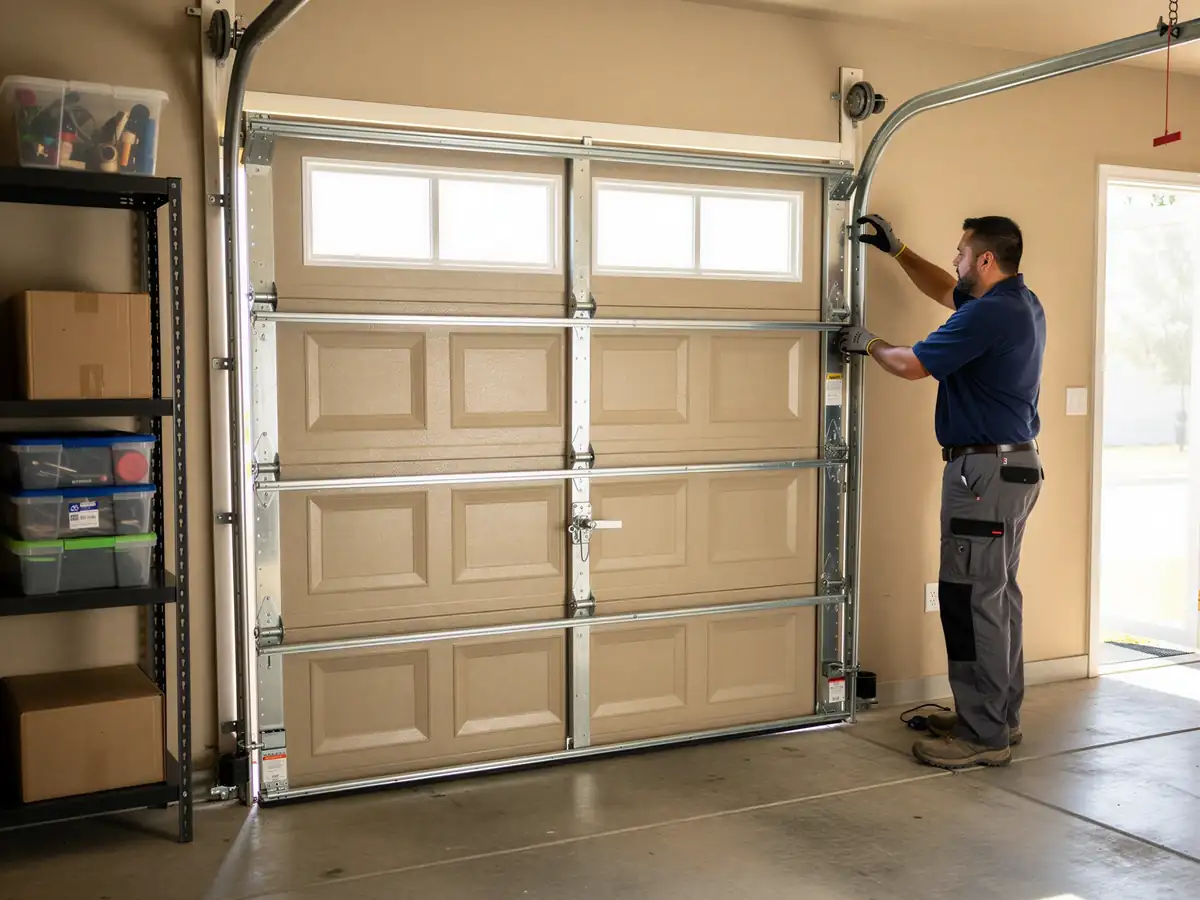
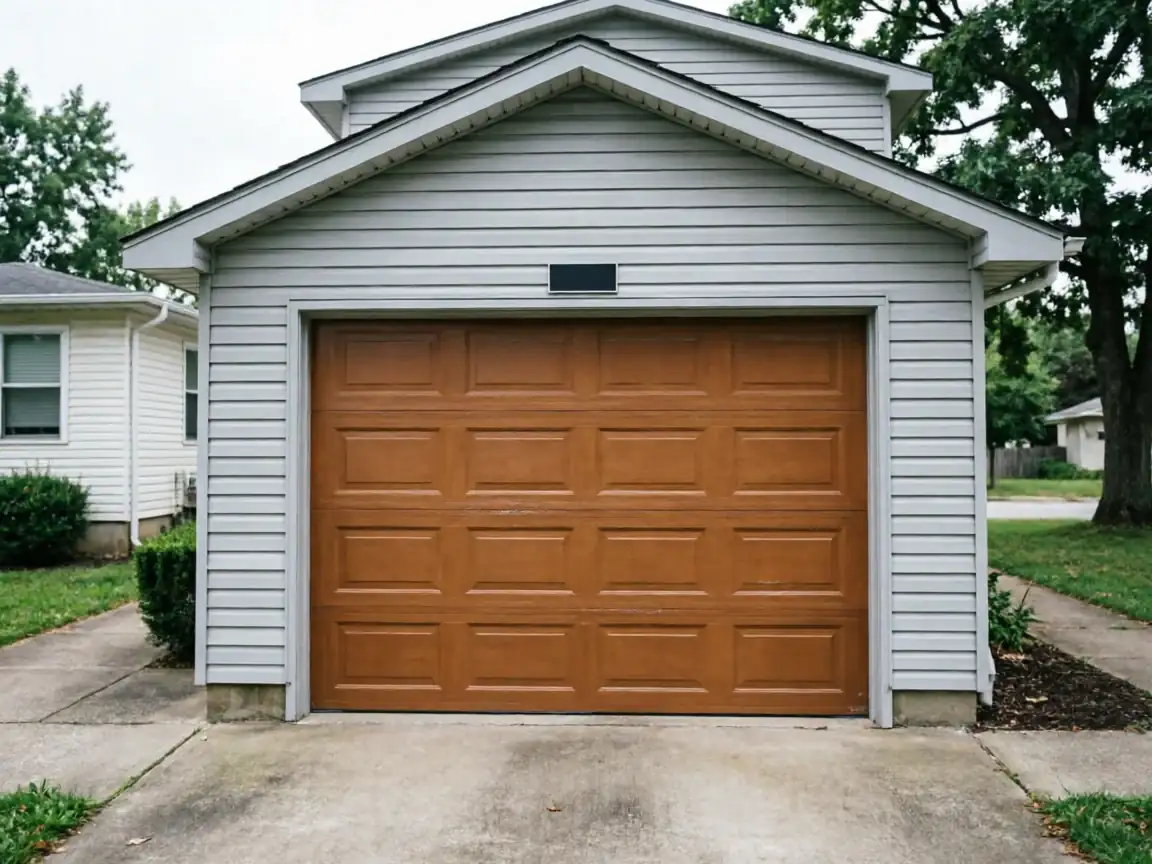
Bexley sits three miles from our Columbus base, close enough that a cable call here doesn't turn into a half-day round trip, which matters because these calls tend to need a second look. Houses here mostly went up around 1944, decades before the 1986 median for the wider Columbus service area, which means older drum-style cable drums and worn pulley systems that newer code doesn't address. A lot of the doors we find on these streets are on original or second-generation hardware, not the stamped galvanized cable and sealed-bearing drums that came standard after the 1980s.
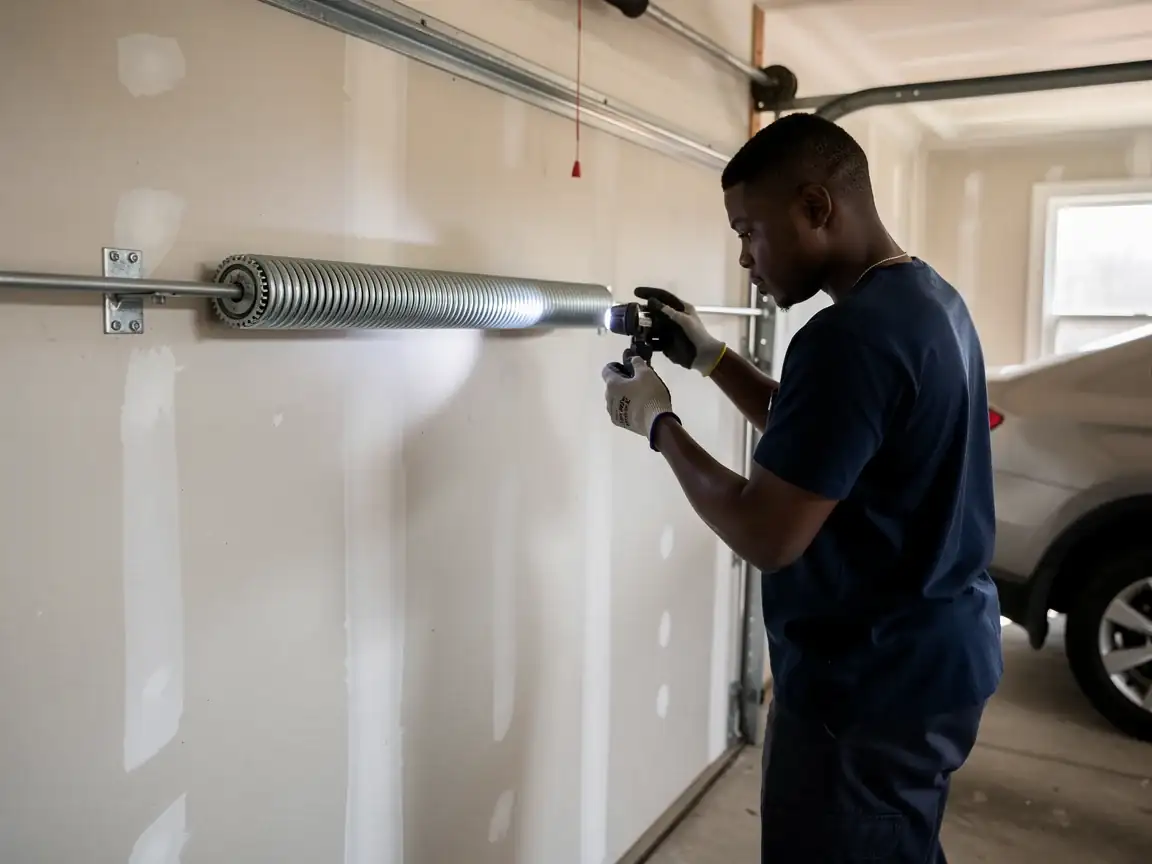
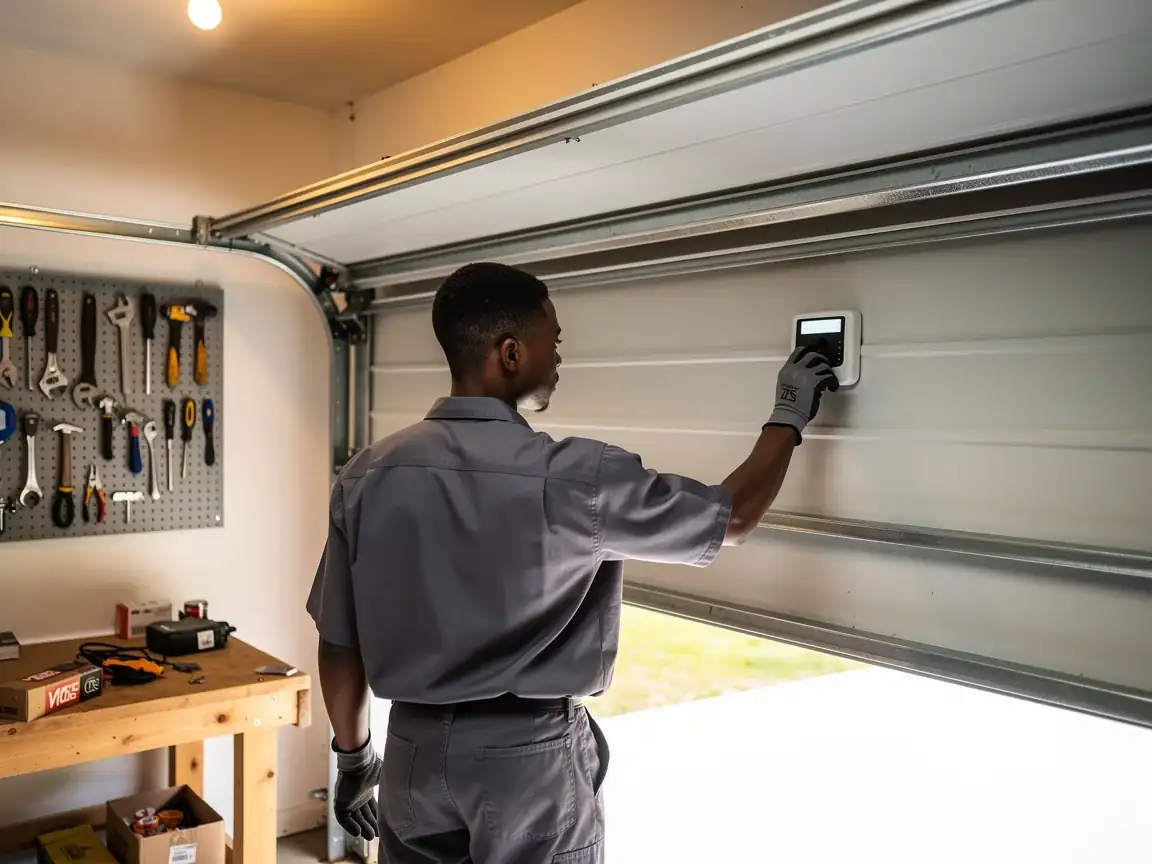
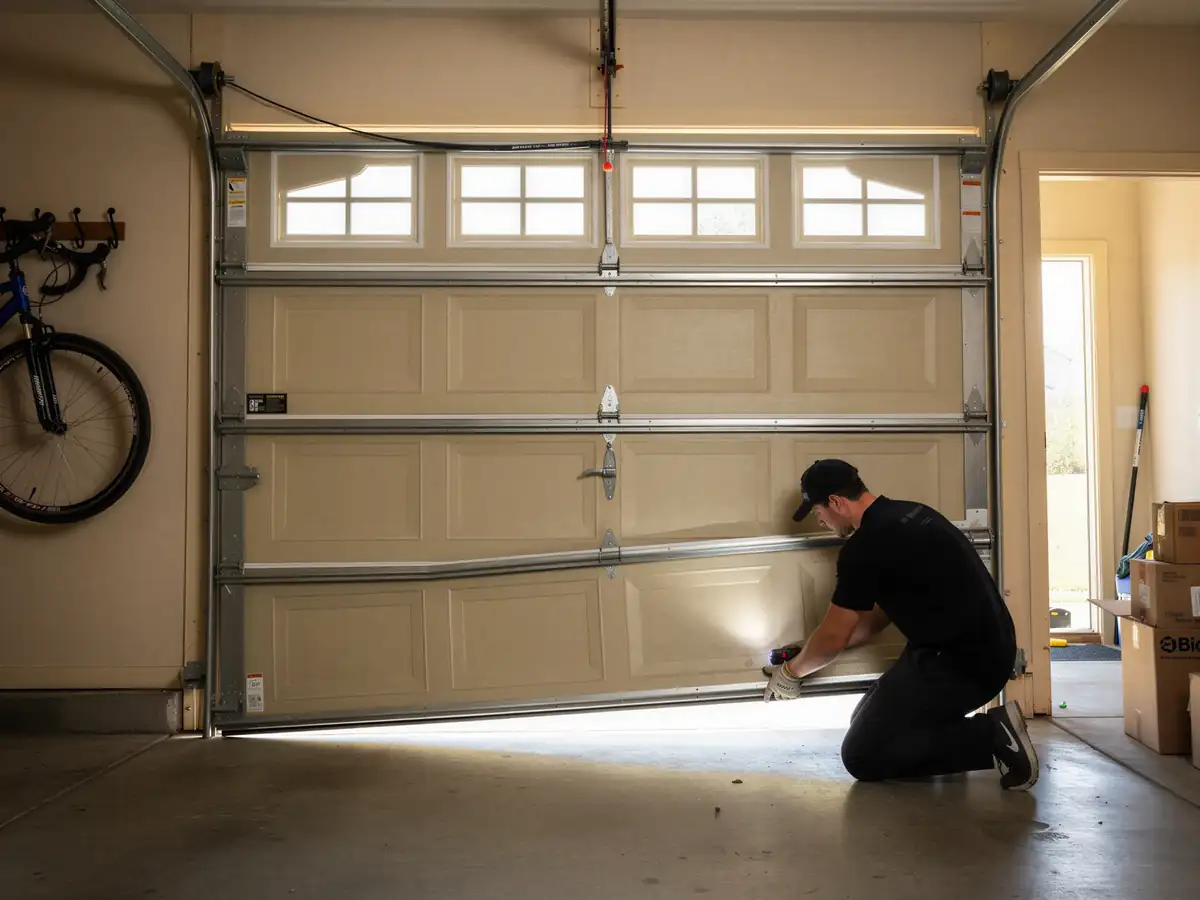
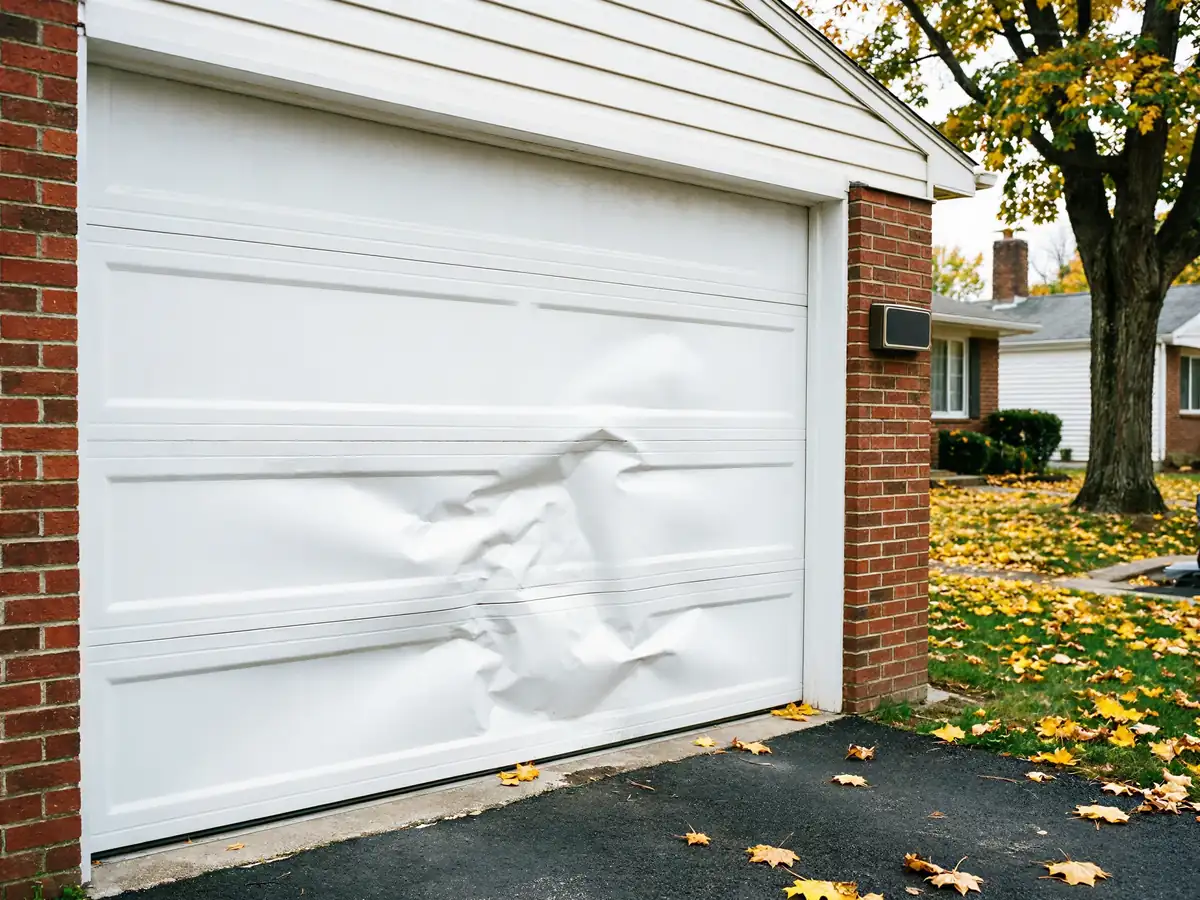
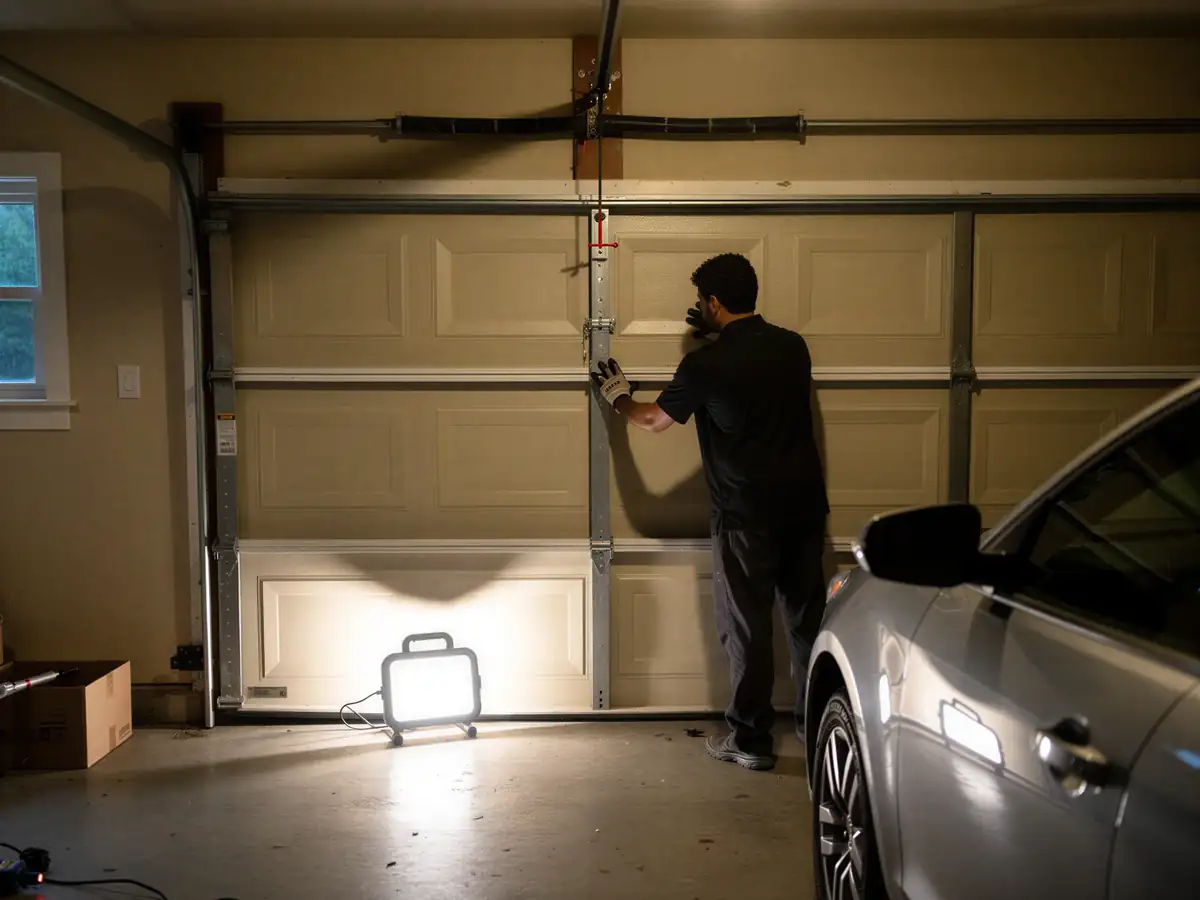
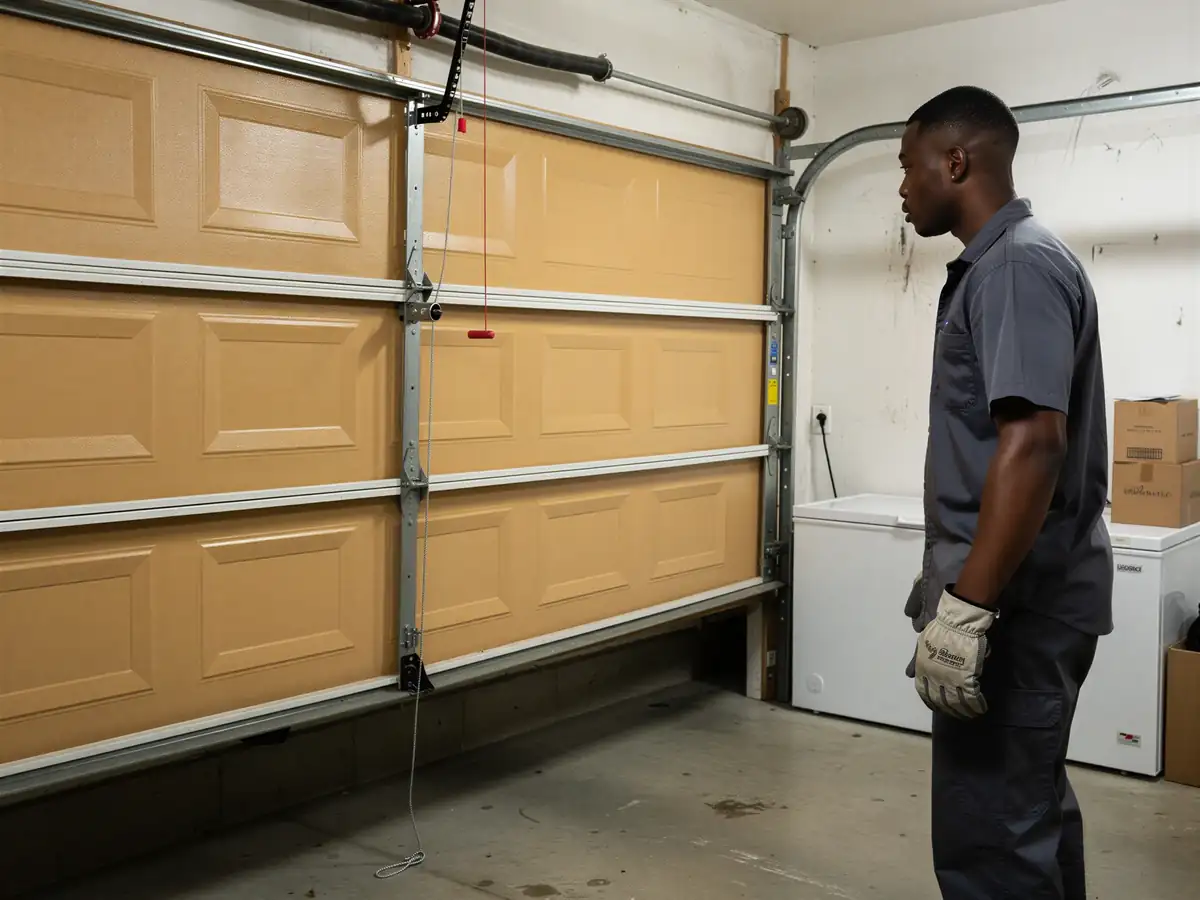
The failure pattern matches the age. Cable frays where it wraps the drum, not just at the bottom bracket, because the drum groove itself has worn a rough edge over seventy-plus years of use. You'll see one cable noticeably looser than the other, the door hanging crooked in the track, or a snap that happens mid-cycle and drops one side hard. On a two-car door with a single top fixture, a broken cable on one side can still look like the whole opener failed, which sends people down the wrong repair path before anyone's looked at the drum.
Cold makes it worse. The climate here runs severe cold in winter, and old steel cable gets brittle fast once the temperature drops, so a cable that's been fraying slowly for months is more likely to actually part on a cold morning than a mild one.
How to Book
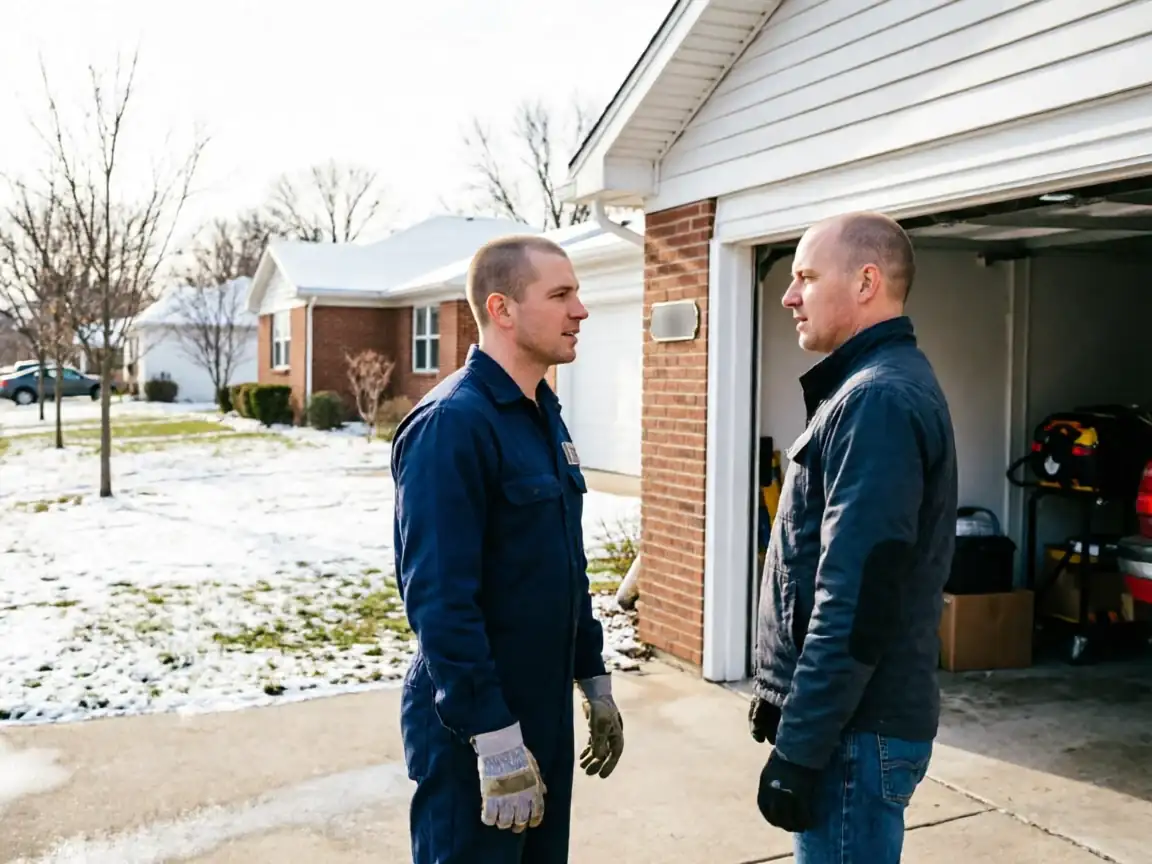
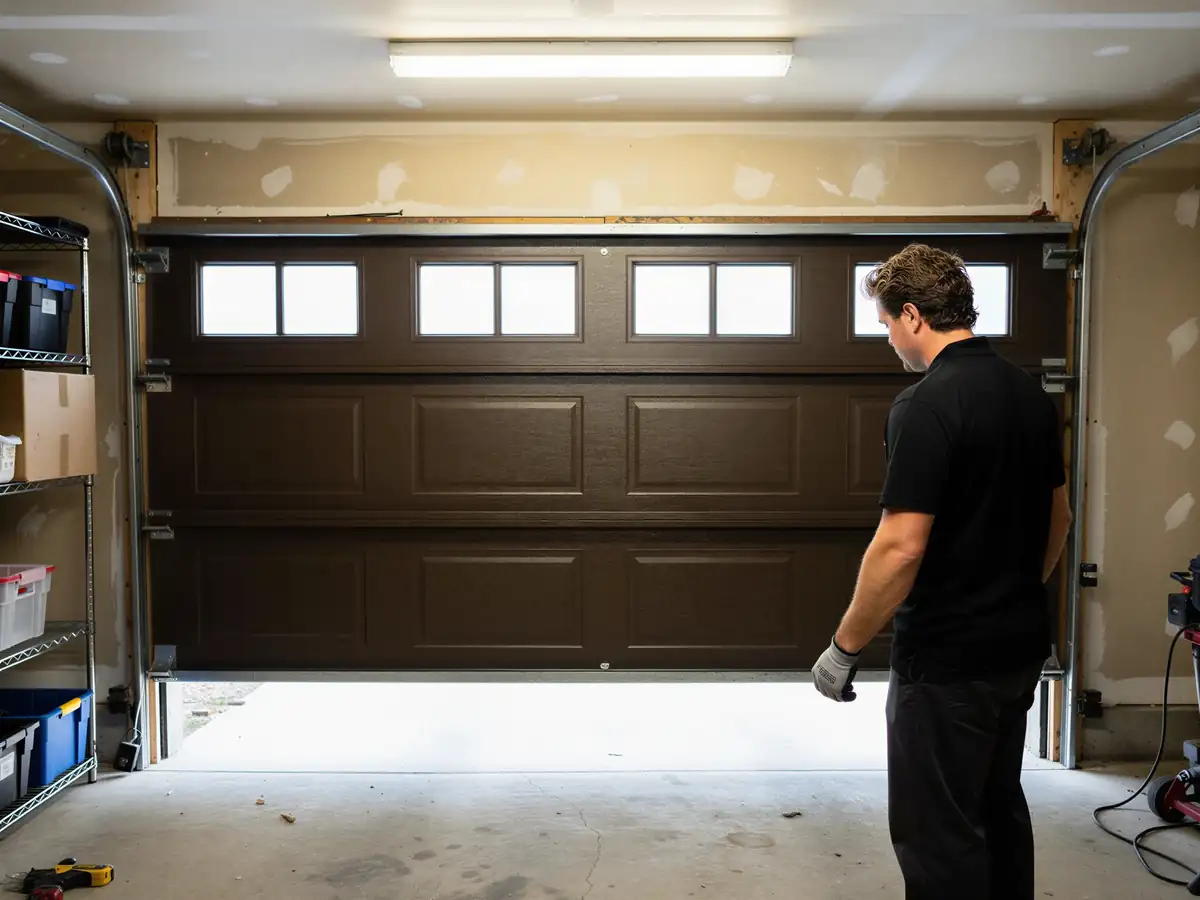
We run this job out of Columbus, not out of a branch in Bexley, so there's no separate local crew or depot to call - the truck comes from Columbus, three miles out. That's a short enough drive that it doesn't change how the job is scoped; we still want to know the door's age, whether it's one cable or two, and whether the door is currently stuck open or stuck shut, because that changes what we bring.
If you're not sure whether what you're looking at is a cable problem or a spring problem, say what you see: a door that won't move at all usually points to springs, a door that's crooked or dropped on one side with a visible frayed strand points to cable. Either way, tell us the door's rough age if you know it - on a street where original hardware from the 1940s is still common, that one detail changes what's in the first bag we grab.
You can see what else we cover across the area on the service area page, and the full rundown of cable repair as a service, not specific to any one suburb, is on the Columbus cable repair page.
Where This Job Goes Sideways
A straightforward cable swap turns into a bigger job more often on houses this old
And it's worth knowing that going in. The drum under a worn cable is often grooved or pitted from decades of wear, and setting a new cable into a bad drum just moves the failure point - the cable will fray again, faster, in the same spot. On original 1940s track and drum assemblies, we sometimes find the drum itself needs replacing alongside the cable, which is a different job and a different bill.
With a median household income of $152,526
Well above the $99,964 median across the rest of the service area, more owners here choose full cable and drum replacement over a patch job when we find that kind of wear, rather than asking us to make the old parts last one more season. That's a reasonable call on a door this age, but it's the homeowner's call to make, not something we decide for you on the driveway.
The other place this goes sideways
Springs and cables share load, and a cable that's been slipping unevenly for a while can mask a spring that's also losing tension. If we only replace the cable and the spring goes two weeks later, that's not a comeback job, that's a second real problem that happened to show up close together.
Can You Do This Yourself
Don't. A garage door cable is under real tension even with the door down, and on a torsion or extension system that's decades old, you don't know what shape the rest of the hardware is in until you're already working on it. Cutting or removing a frayed cable on a loaded system is how people lose fingers, not a line we're adding for effect.
What you can safely do yourself: look. If one side of the door hangs lower than the other, if you can see frayed strands near the bottom bracket or the drum, or if the door makes a popping or grinding sound partway through a cycle, that's useful information to pass along before anyone comes out. Don't try to force the door open or closed once you've spotted a problem - a door that's half-stuck on a failing cable can come down the rest of the way without warning.
One honest limitation: if the drum or track on a door this old is bent or badly worn, cable repair alone won't fix it, and we'll say so rather than sell a cable job that won't hold.