How It Shows Up
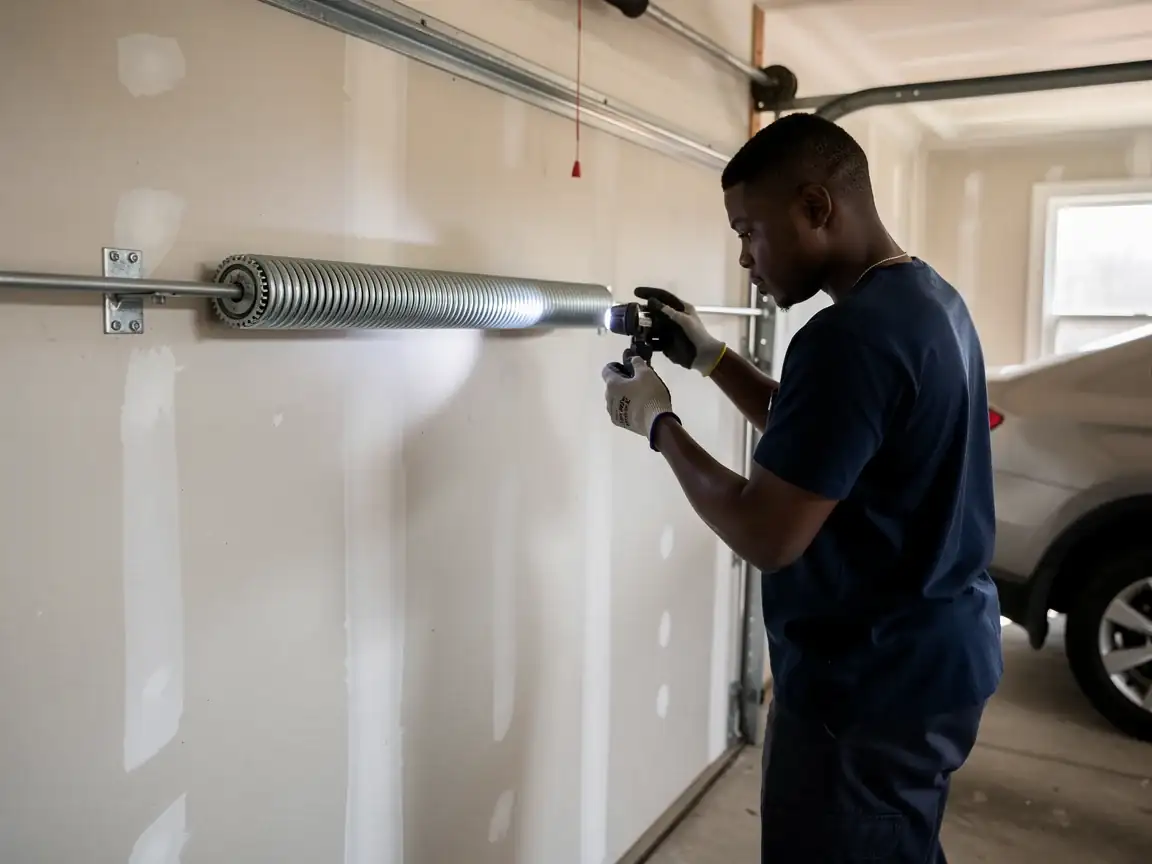
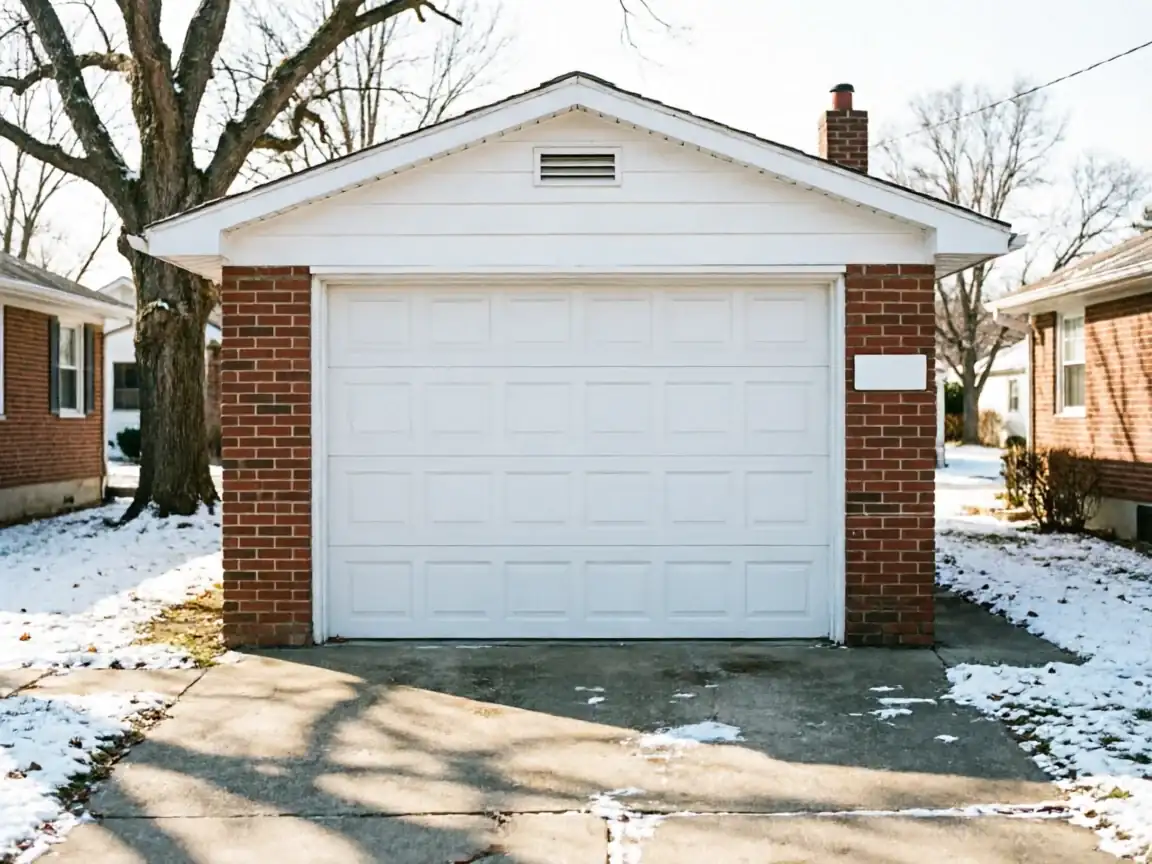
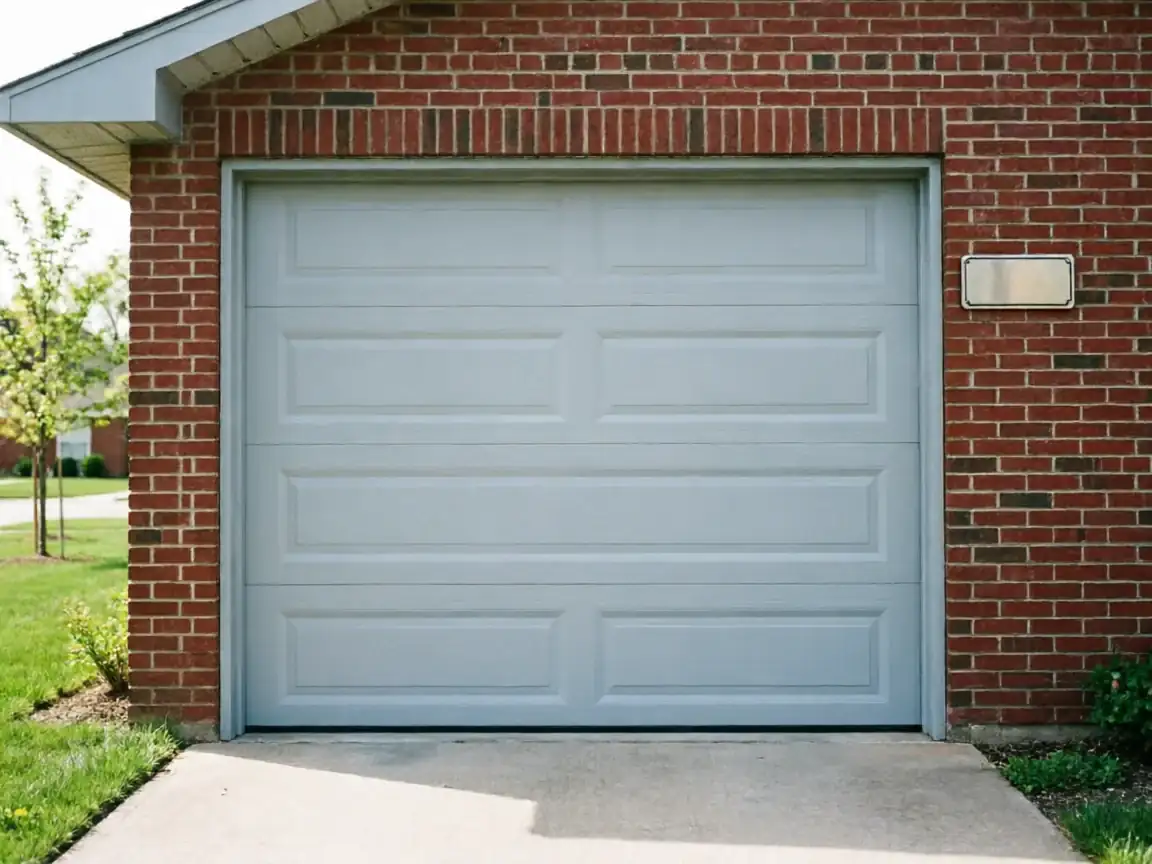
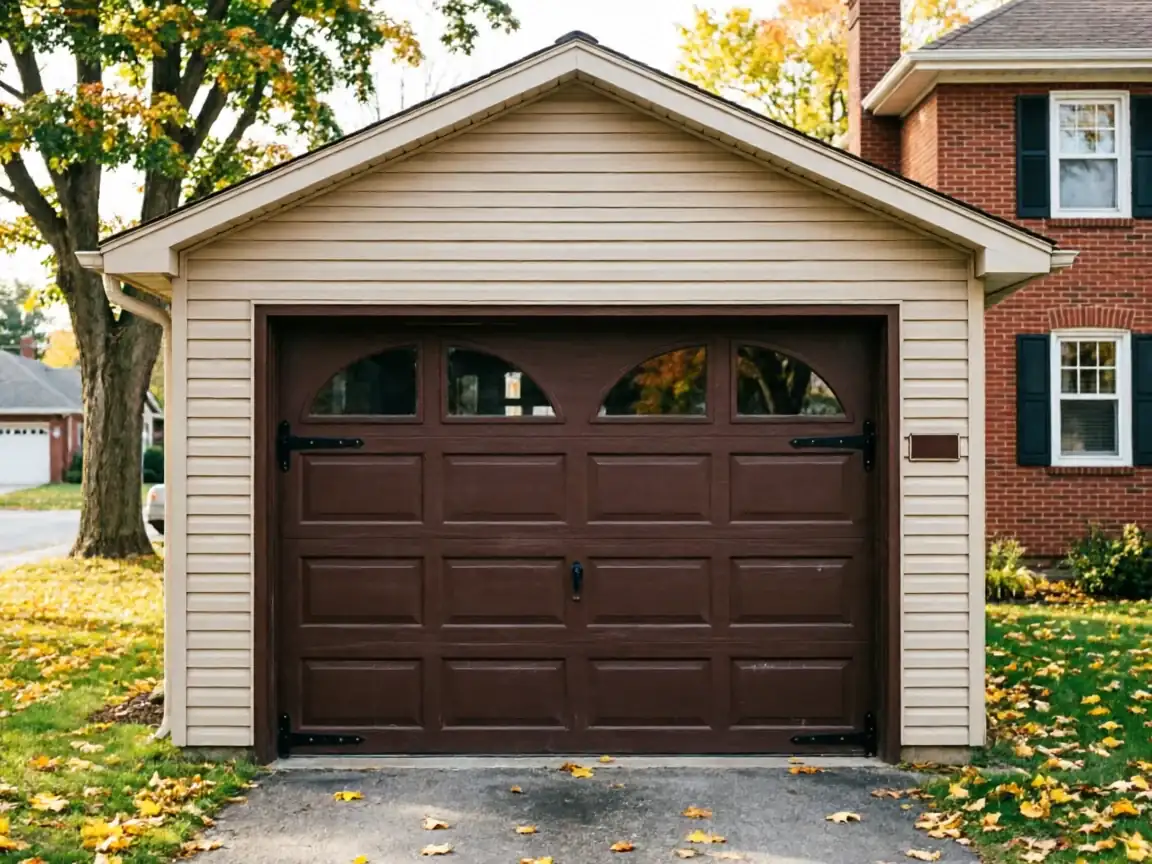
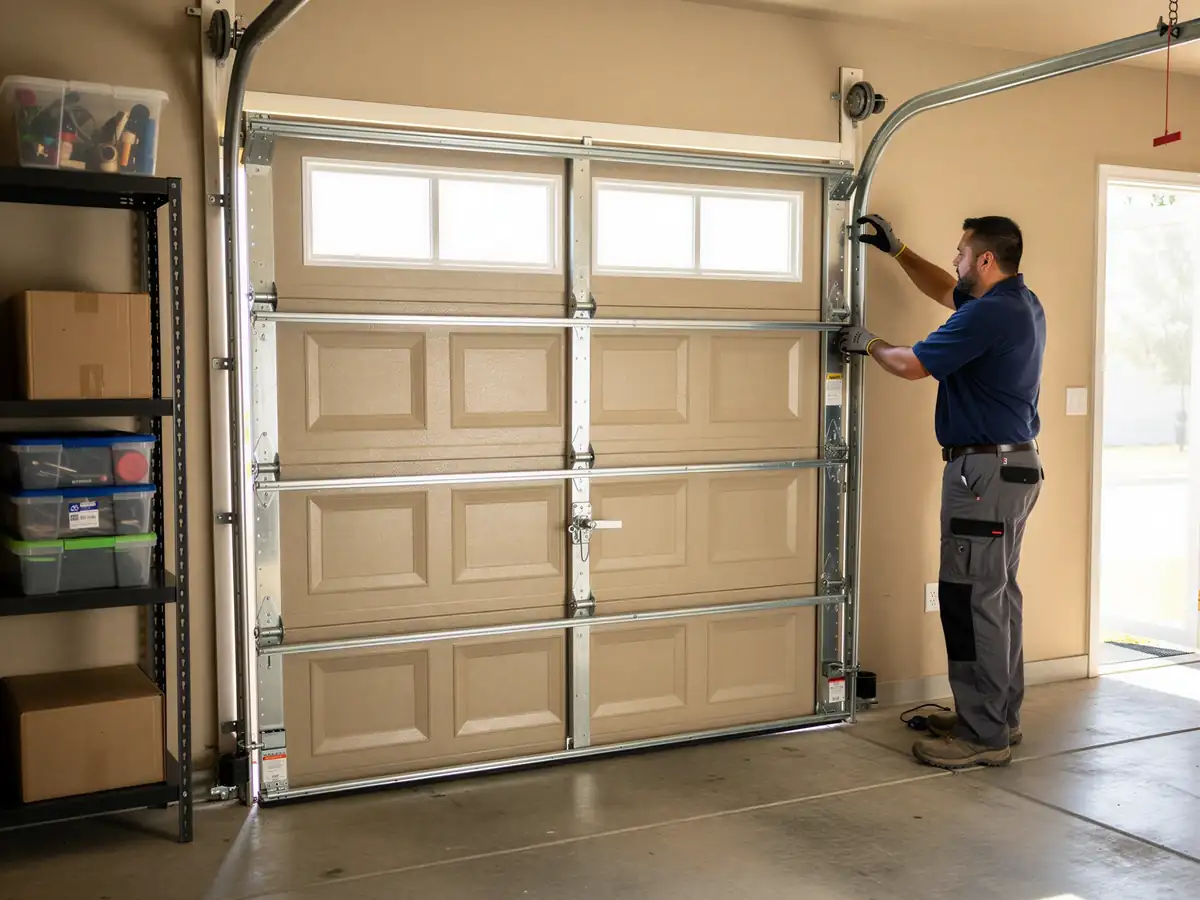
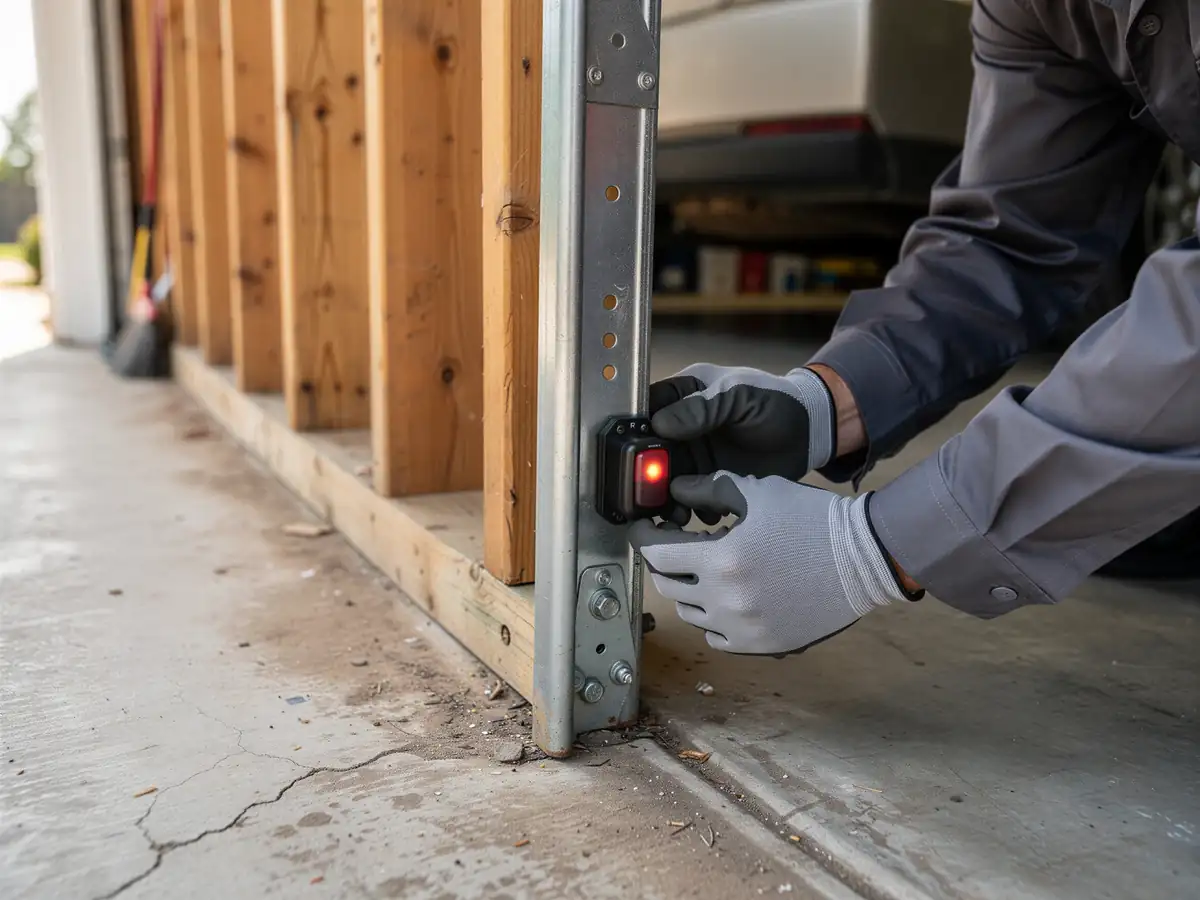
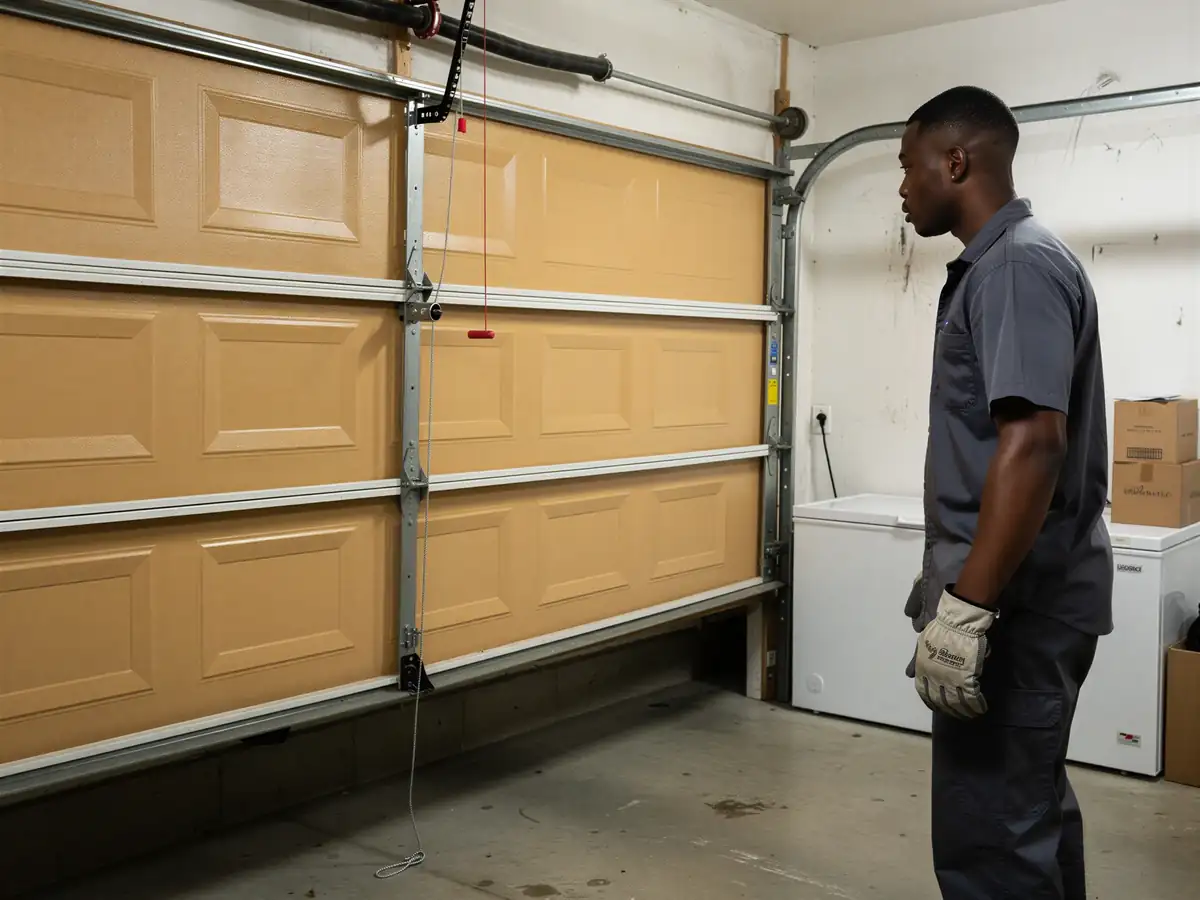
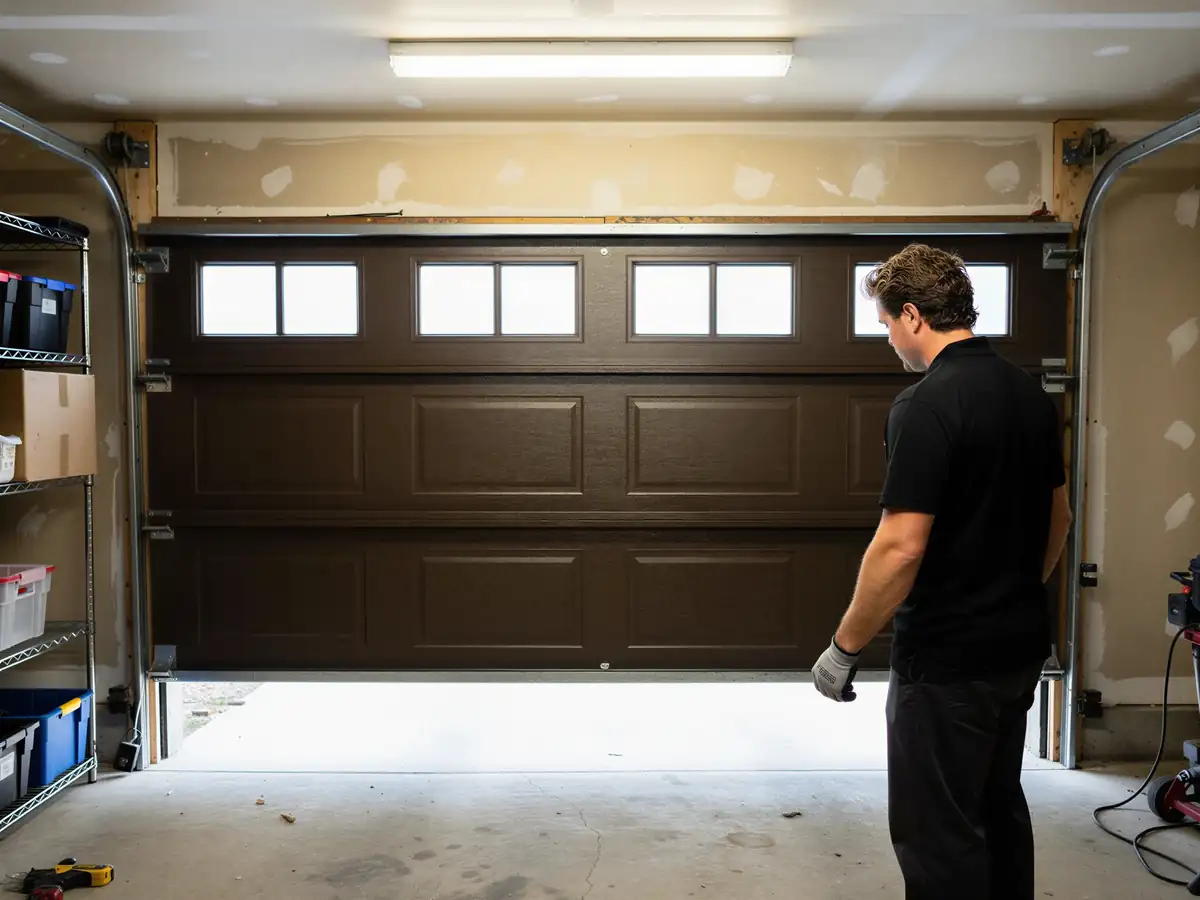
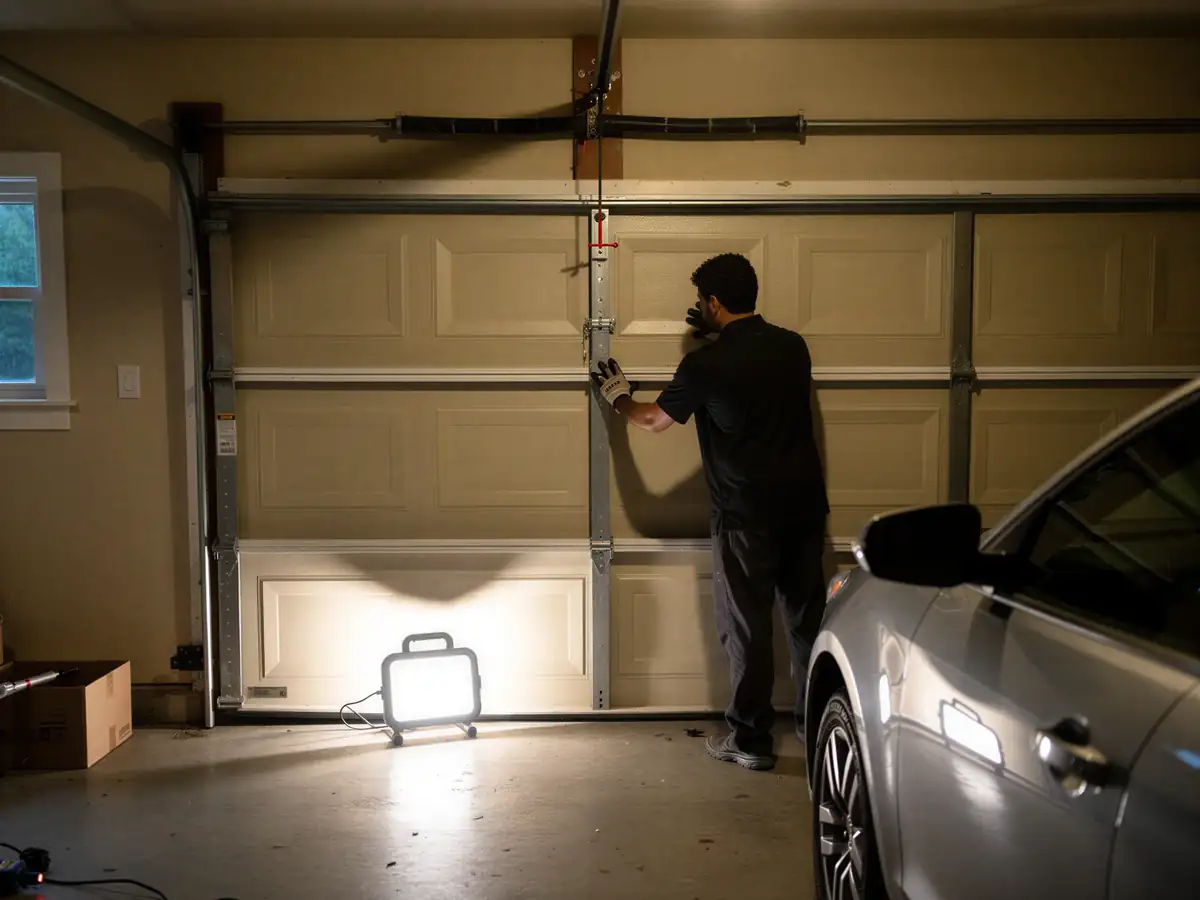
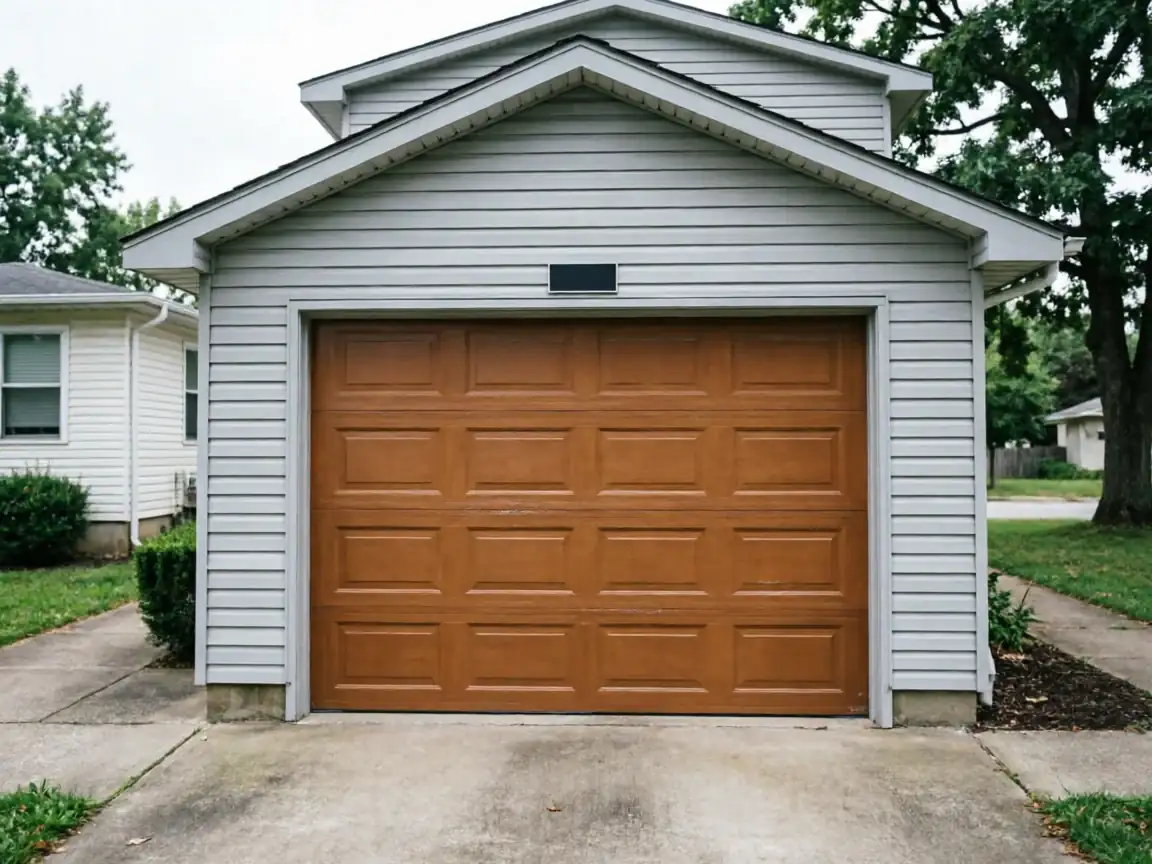
Bexley's median home was built in 1944, which puts it well ahead of the 1986 median across the rest of the service area we cover from Columbus. That gap matters more than it sounds like it should. A house built in the 1940s was usually built with a single-car garage, or a detached one set back from the house, sized for cars that were narrower and shorter than what people drive now. The door openings in Bexley run narrower than what you'll find on a 1980s or 1990s tract house, and a lot of them still carry the original wood jambs the door track was mounted to decades ago. When a torsion spring finally gives out on one of these, the fix isn't always a straight swap. The drum size, the shaft length, even the mounting bracket spacing can be different from the stock parts a tech would grab for a newer door three miles away. We've seen enough of these across the area to know to check before we quote, not after we show up. Cold-climate swings add their own wear on top of that age - steel panels that have been expanding and contracting every winter for seventy-plus years don't seal the way they did new.
How to Book
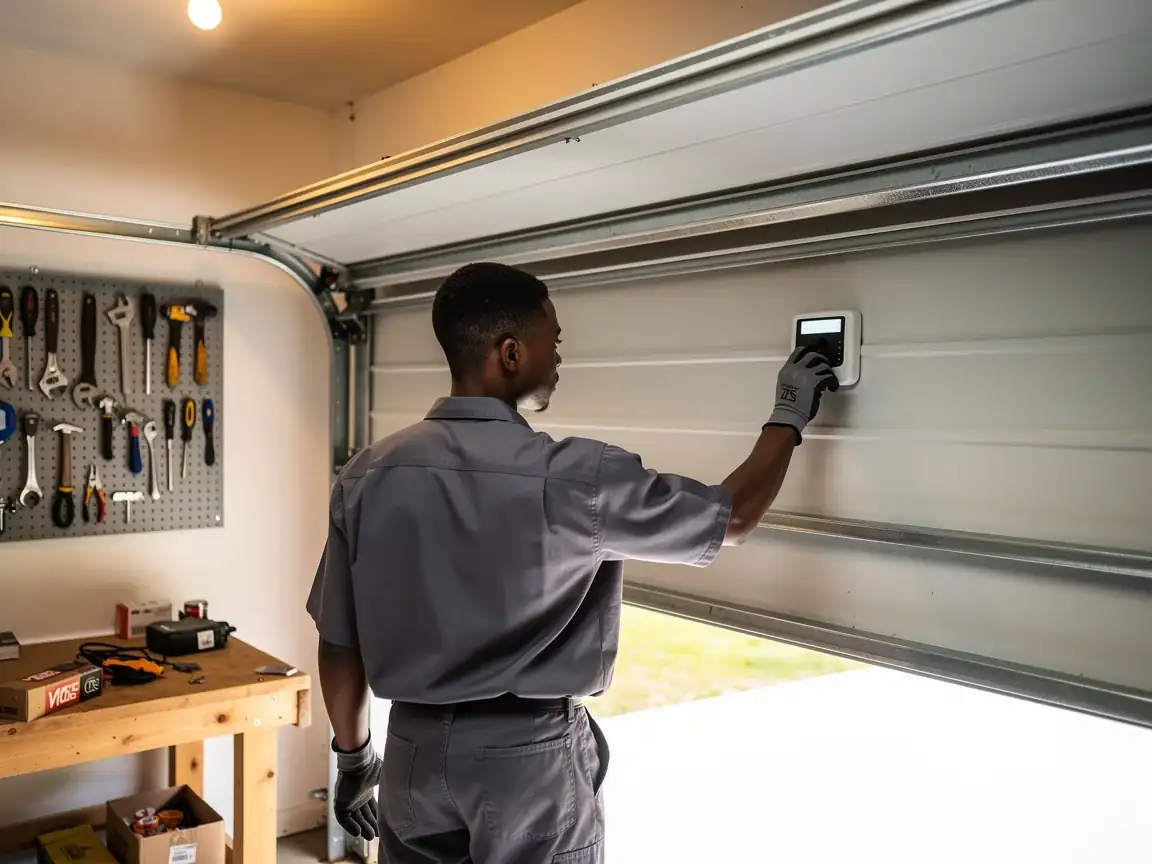
We run this job out of Columbus, about 3 miles from Bexley, so there's no separate branch or local crew to call - one team covers Bexley the same way it covers the rest of the area. When you call, tell us the door's age if you know it, or just tell us it's an older Bexley house; that's often enough for us to bring the right spring sizes and track hardware instead of guessing from a photo. If your opener is newer than the door itself, which is common here since openers get swapped out more often than doors, mention that too. It changes what we load on the truck before we leave the shop.
Can You Do This Yourself
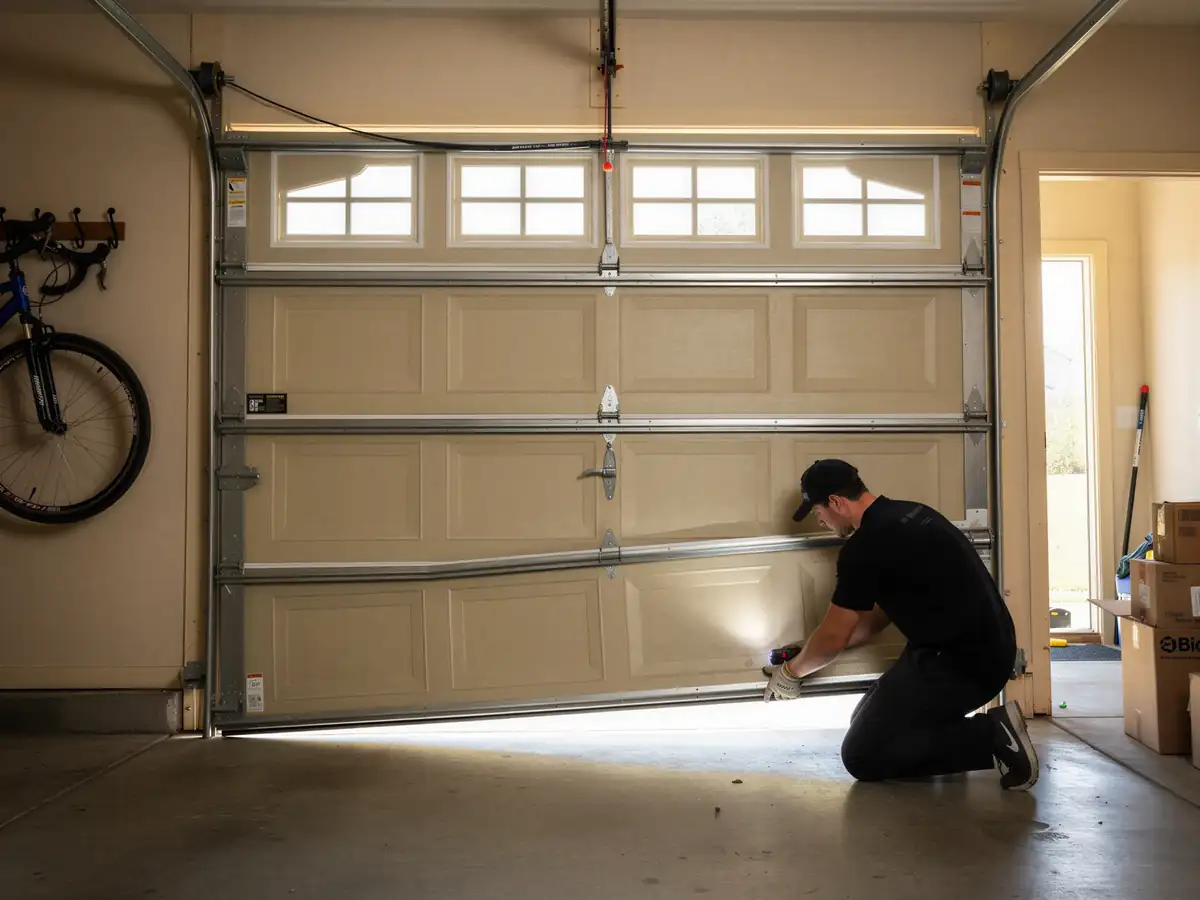
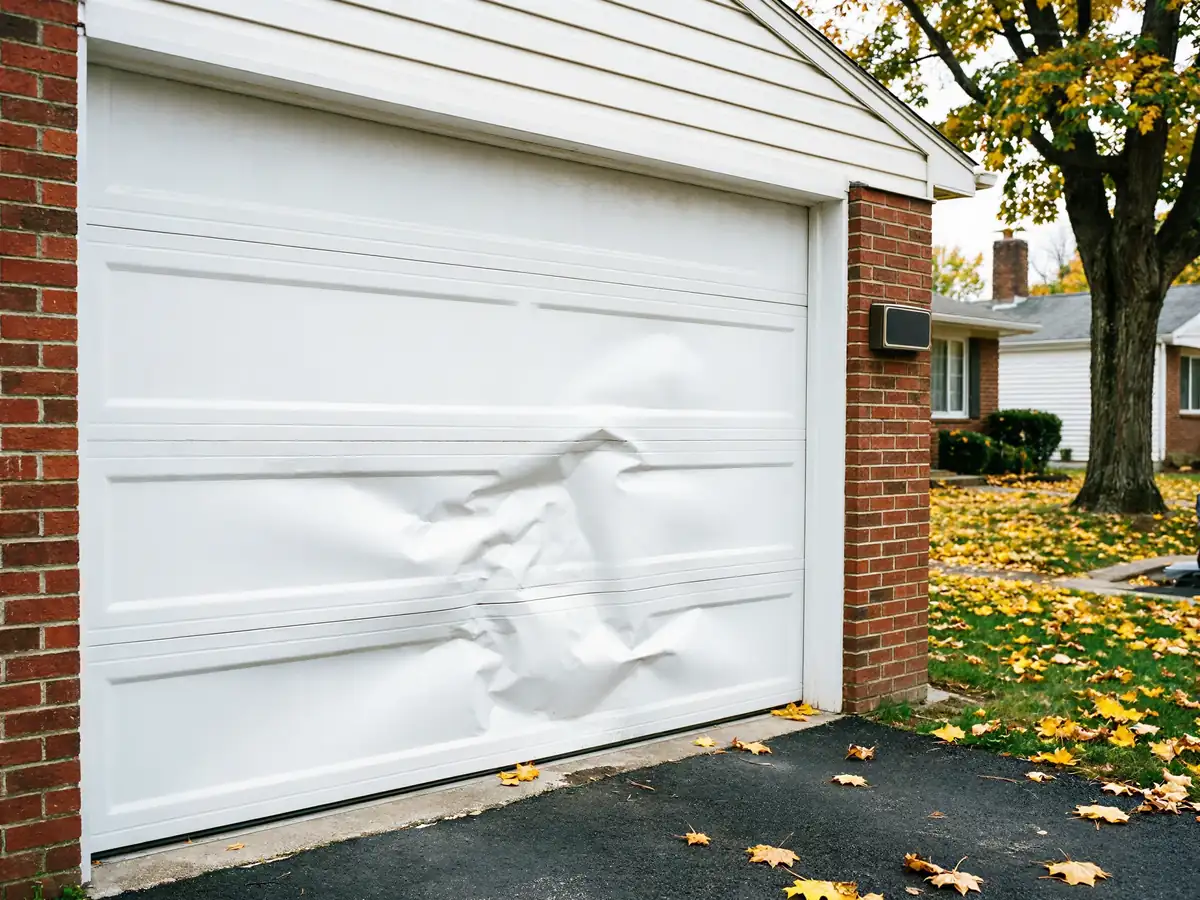
Tightening loose hinge bolts or lubricating rollers on one of these older doors is reasonable to handle yourself, and it's cheap insurance against bigger wear. Replacing a torsion spring is not, especially on a door this age - the spring is under enough stored tension to cause a serious injury, and on a narrower vintage opening you're more likely to be working with a size that isn't printed on any box at the hardware store. If the door is original to a 1940s build and the panels are starting to rust through or delaminate, patching usually costs more over time than replacing the unit, and that's a call worth having a second opinion on before you sink money into a repair.