How It Shows Up
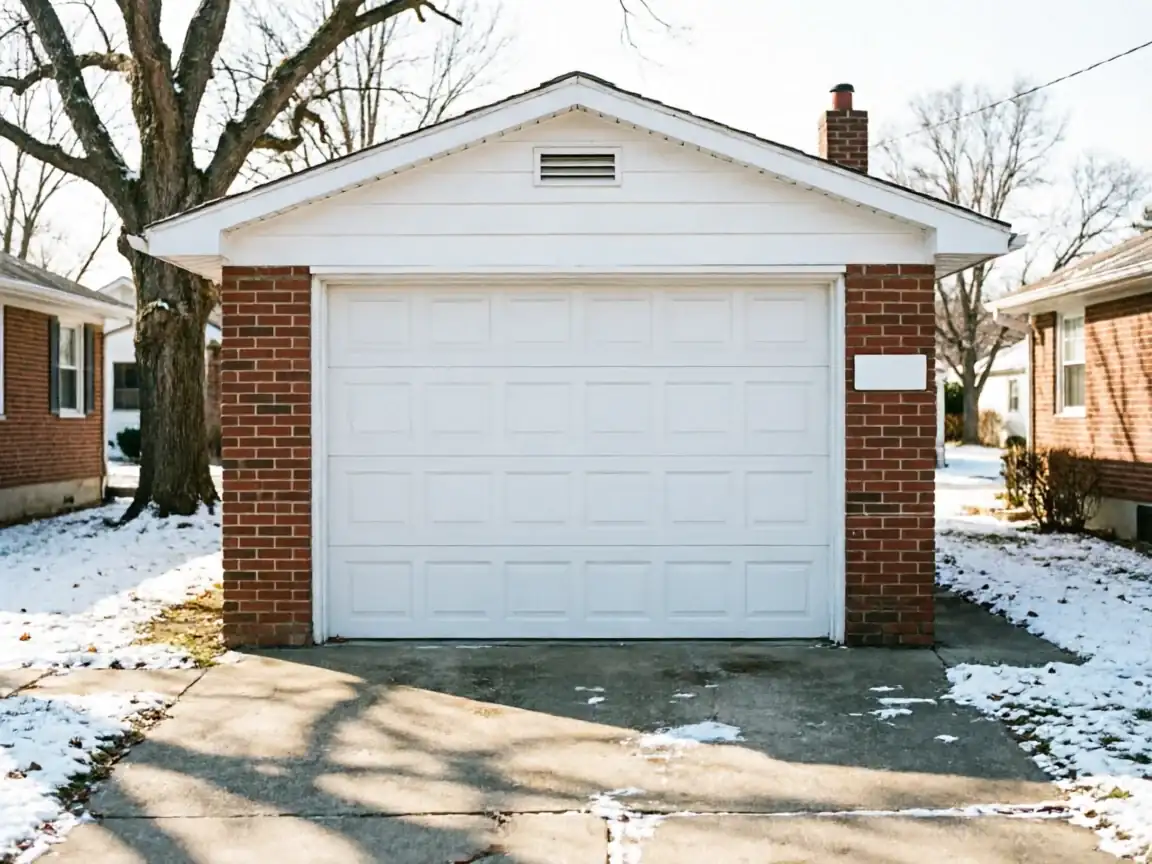
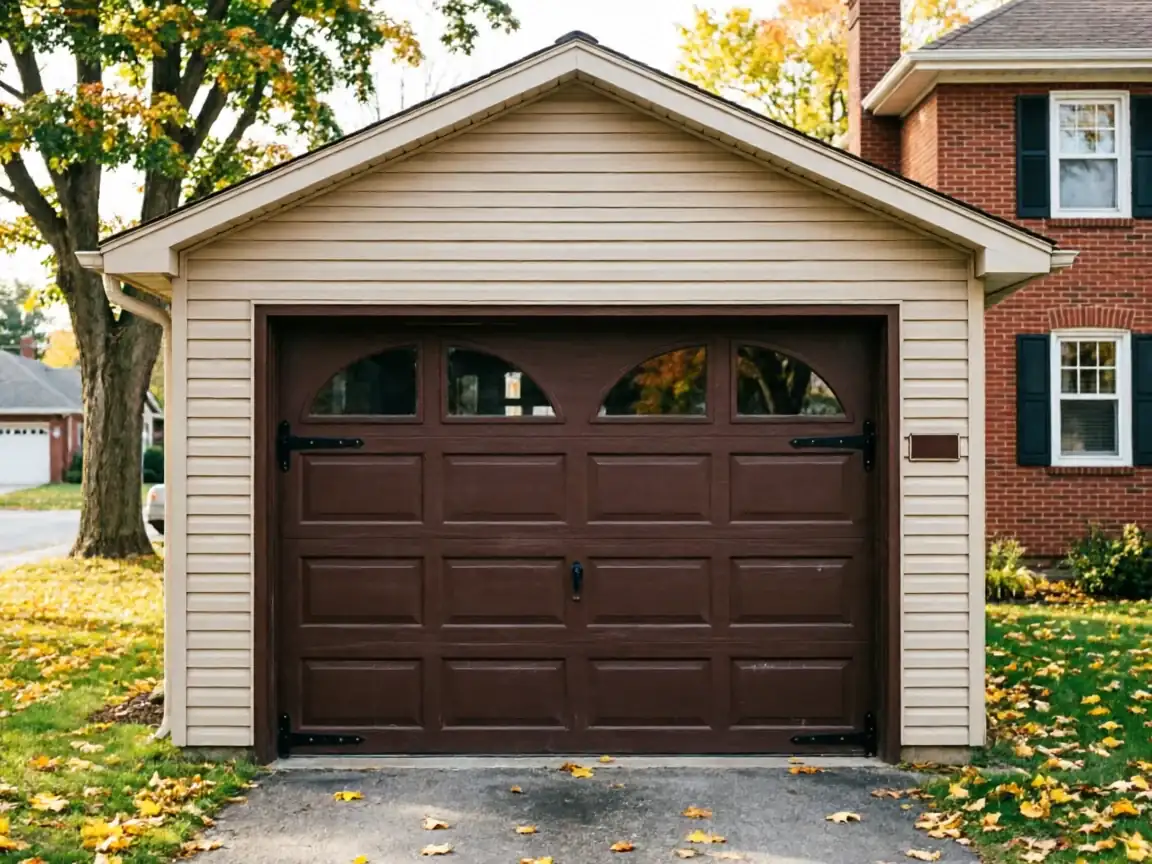
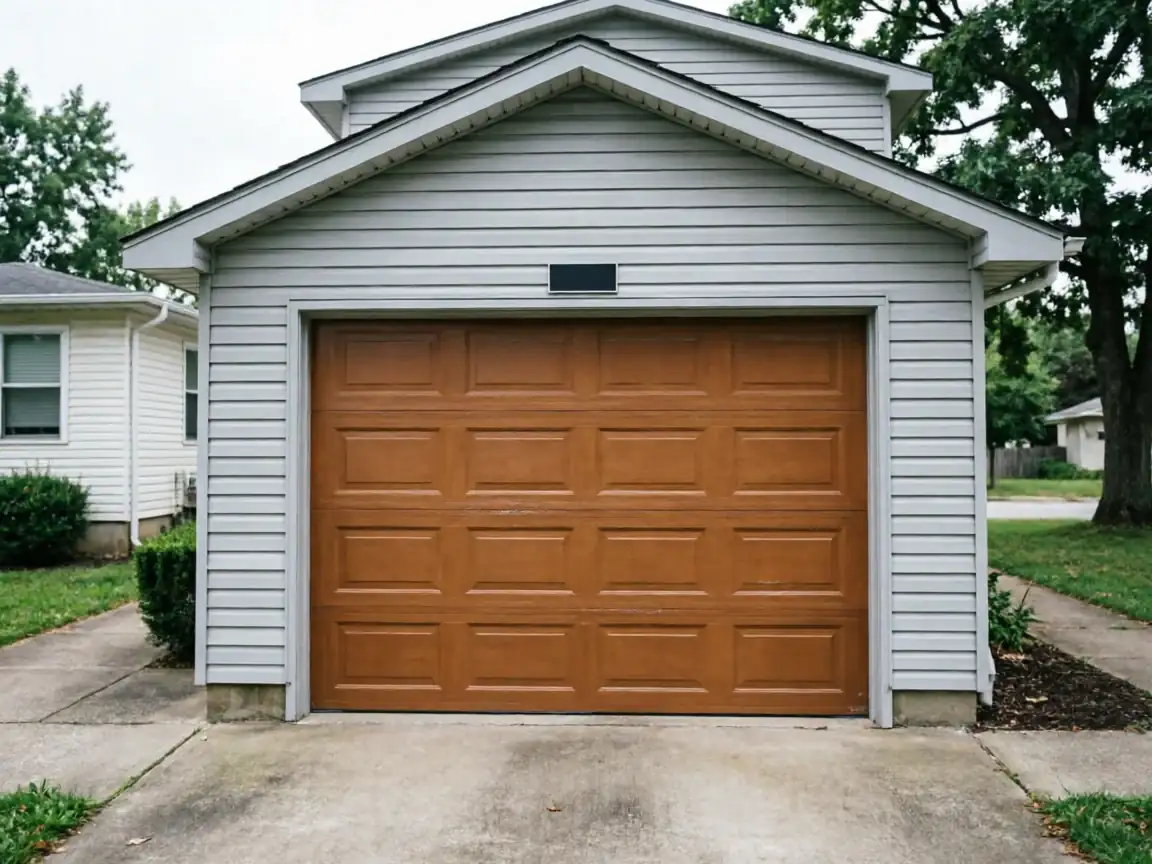
Bexley's median build year sits at 1944, a good four decades ahead of the 1986 median across the rest of the service area we cover from Columbus. That gap matters more than it sounds like it should. Houses built in the 1940s went up with narrow single-car bays, often framed for a door width that nothing off the shelf matches today without trim work on the jamb. Openers weren't standard then either, so a lot of these openings were never built to carry the extra load of a motor head and a torsion shaft bracket.
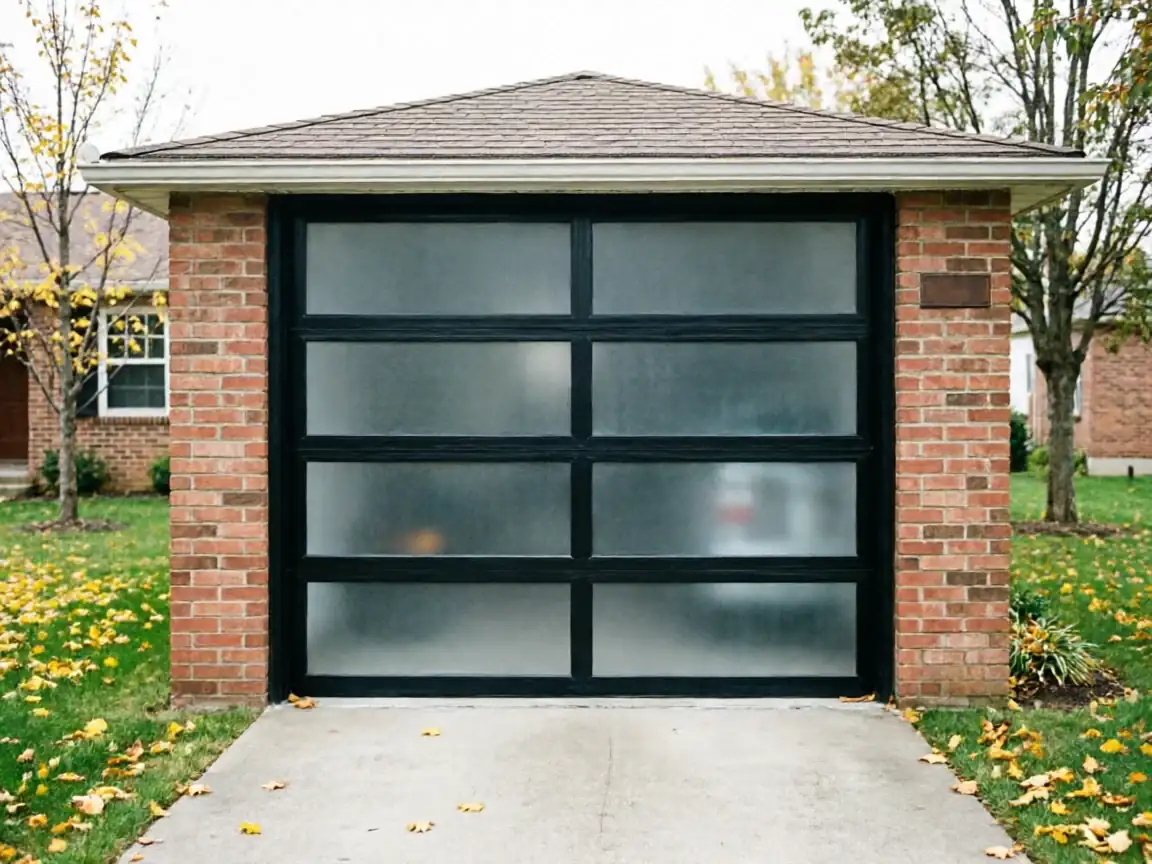
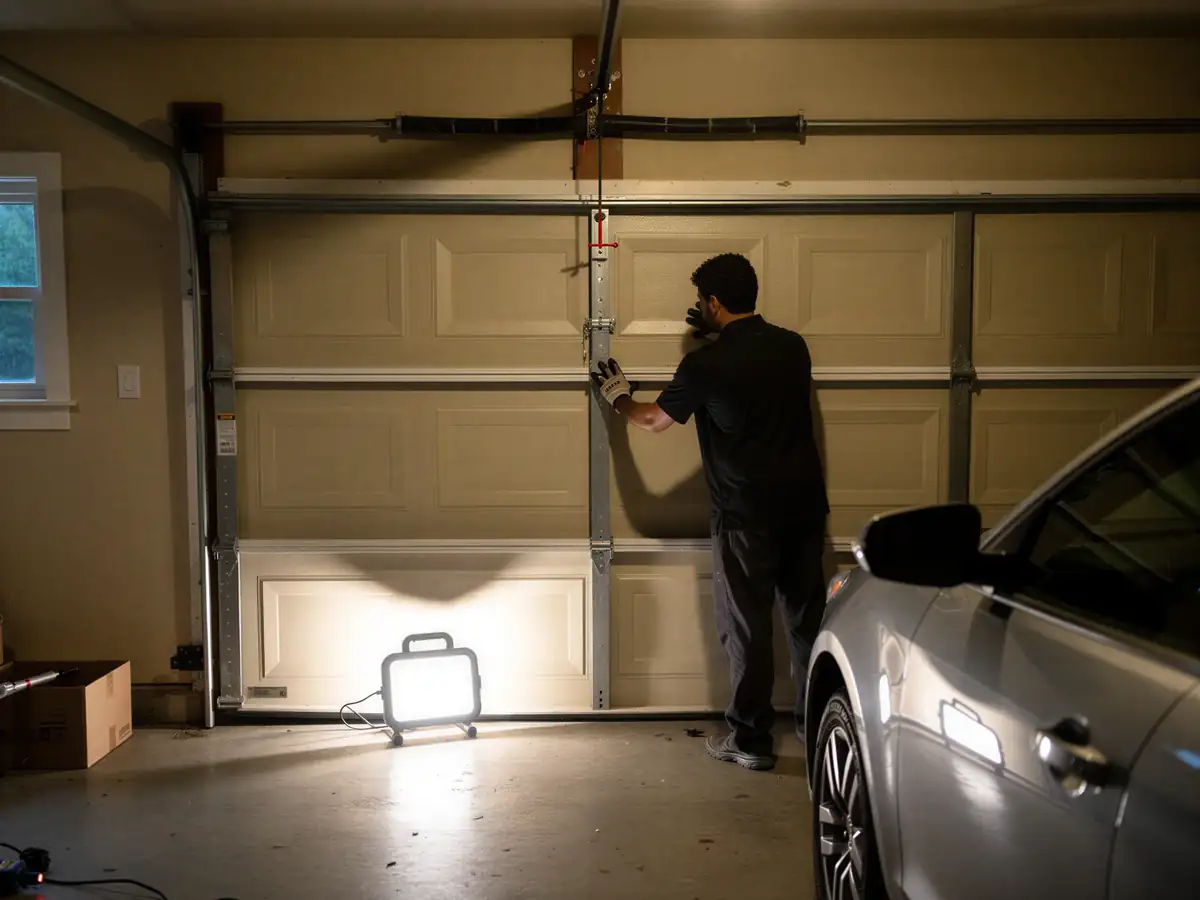
What we run into on a new install here is less about the door itself and more about what's behind the drywall: a header that was sized for a hand-lifted wood door, not an 18-gauge steel panel on rollers. With a median household income above $152,000 in Bexley, against roughly $99,964 across the broader area, owners here are more often asking for insulated steel or a wood-look composite than the builder-grade steel that moves fastest elsewhere. The opening has to be squared and sometimes reframed before either option goes in cleanly.
Cold-climate sealing matters too. The region sits in a severe cold band, and a door hung on a header that's shifted with eighty years of settling won't seal at the bottom corners no matter how good the weatherstrip is.
How to Book
We run this job out of Columbus, about 3 miles from Bexley, so there's no separate branch or depot here - it's the same crew and the same truck stock that covers the rest of the service area. Call and tell us the door width you're working with, the age of the house if you know it, and whether you've got an opener currently mounted or you're starting from a hand-lifted door. That last detail changes what we bring on the truck.
Because Bexley's housing skews older than most of the roughly 70,994 owner-occupied houses across the wider area, we'll usually ask for a rough opening measurement before we quote, not just a door style. If the header needs reframing, that's a different scope than a straight swap, and we'd rather know before the truck rolls than after.
We don't keep a Bexley-specific crew or a local yard - it's a short drive from our base, and scheduling works the same as anywhere else we serve. If you want to see which other suburbs we cover alongside Bexley, that's on the service area page.
Where This Job Goes Sideways
The failure point on a 1940s-era opening isn't usually the door - it's the frame behind it
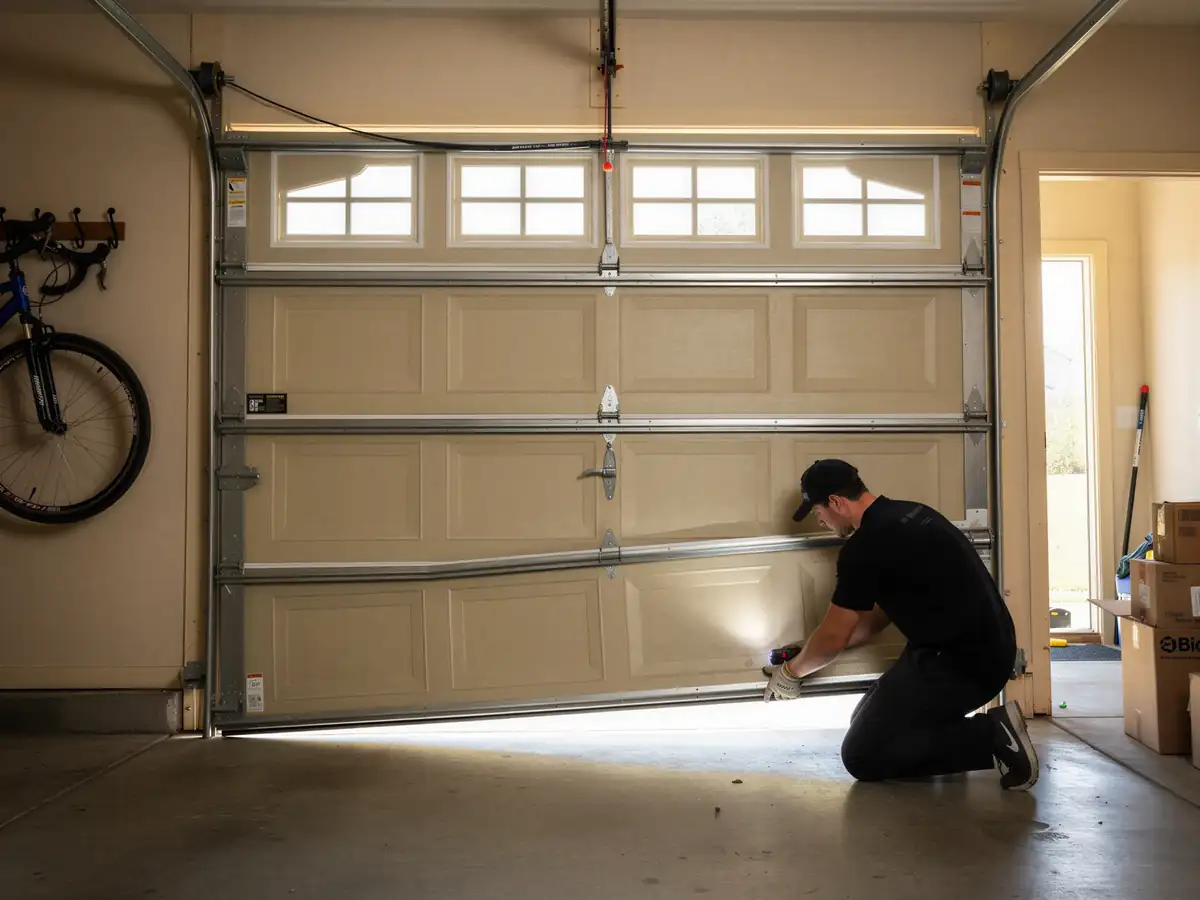
On a house built when Bexley's housing stock went up, the jamb and header were often sized tight to a specific door width, and nobody standardized those dimensions the way a 1980s subdivision would have. We've had quotes change mid-job because what looked like a simple panel swap turned into header reinforcement once the old trim came off.
The other place this goes wrong is insulation and sealing
A severe cold climate means a poorly sealed bottom panel costs real money in heating loss over a winter, and on an older opening that's settled unevenly, a standard bottom seal won't sit flush without shimming the track first. Skipping that step to save an hour on install day is the single most common callback we see on older housing stock.
We won't quote a flat price over the phone for a Bexley opening without seeing it first
Because the header condition varies house to house in a way it doesn't in newer subdivisions. That's not us padding the job - it's the one honest variable we can't guess at from a photo.
Can You Do This Yourself
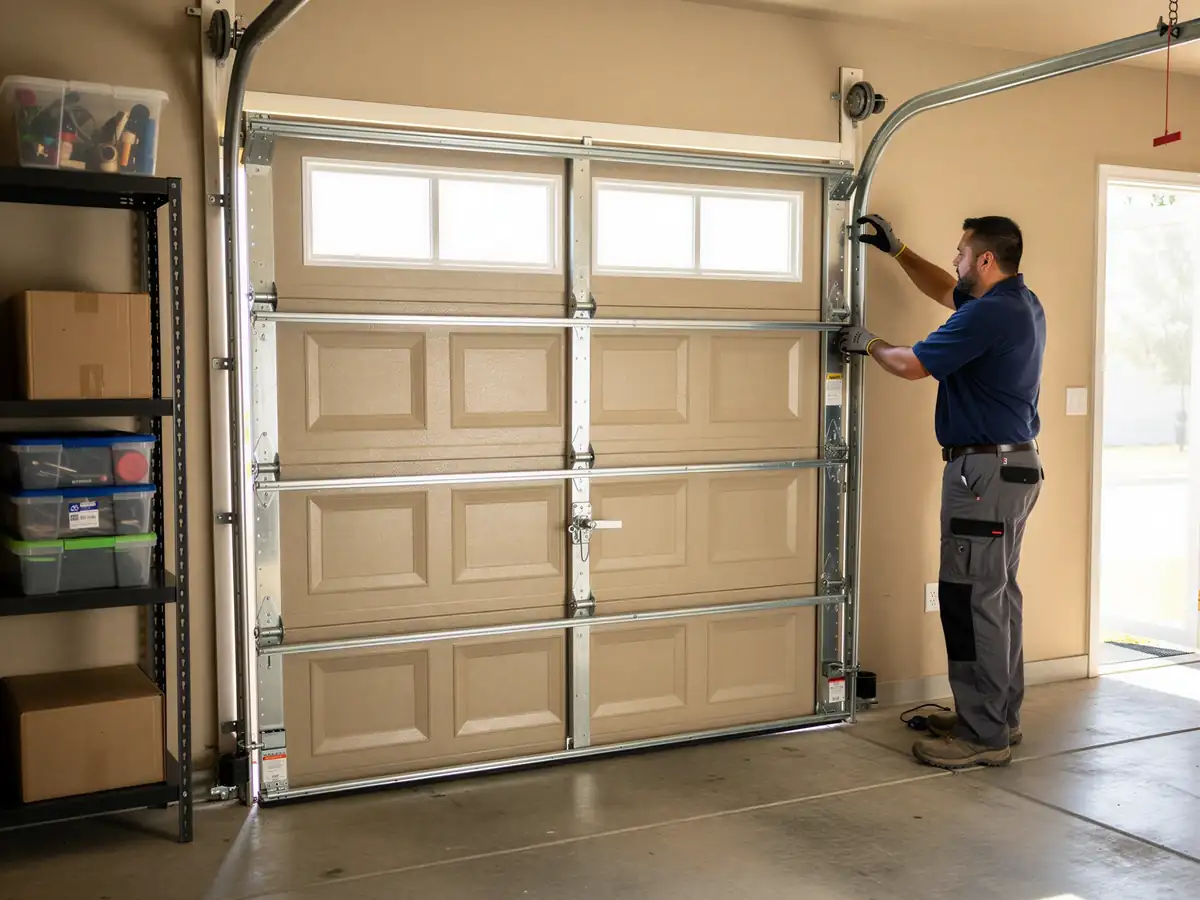
Swapping a panel on a newer door is one thing. Replacing a full door and track system on an opening built in 1944 is a different job, and we'd tell you that straight even if it cost us the work. The risk isn't the door - it's pulling the old frame apart and finding the header isn't square, then being mid-demo with no way to hang a new door that day.
If you've already got a straight, modern-width opening with an opener installed and you're just upgrading the panel itself, that's a reasonable DIY weekend for someone comfortable with a drill and a torsion spring warning label taken seriously. Torsion springs under tension are the one part of this job we'd never recommend handling without the right bars and training - that's true on any door, any era.
But on older Bexley stock specifically, where the rough opening often predates the door hardware by decades, we'd rather measure it first than have you find out the header's undersized after the old door's already off the hinges.