How It Shows Up
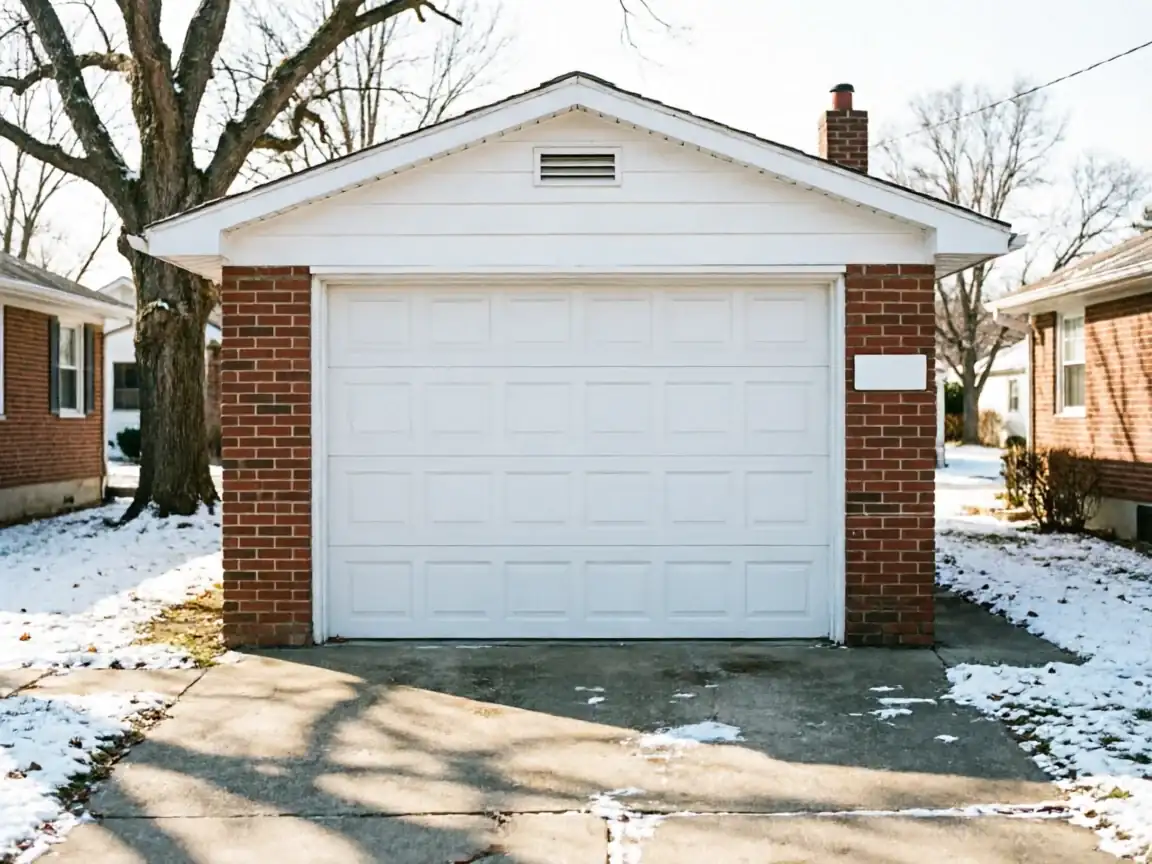
Columbus as a whole has a median build year of 1986, but Bexley's housing centers on 1944 - four decades earlier. That gap matters for openers. Garages built in the 1940s were framed for a single swing door or a narrow one-piece panel, which means low headroom, odd ceiling slopes, and joist spacing that pre-dates the standard bracket patterns most openers ship with today. When a homeowner here calls about a dead opener, the fix is rarely a drop-in swap. We're often working around a header that was never meant to carry a modern jackshaft or belt-drive unit, or wiring runs added decades after the house went up that don't match current gauge or routing.
The cold is the other variable. This service area sits in a severe cold climate band, and openers in unheated, older garages take the brunt of it - grease in the drive gear stiffens, limit switches drift, and capacitors in older circuit boards fail faster when they cycle through hard freezes every winter. On a house this age, we're also checking whether the opener was ever matched to the door's actual weight, since many of these doors were replaced over the decades without anyone re-rating the opener that runs them.
How to Book
We cover Bexley from our Columbus base - there's no branch or drop-off point in town, just a truck that comes to you. Call and tell us the opener's symptom: won't close, reverses on its own, runs but doesn't move the door, or just hums. That tells us which parts to load before we leave. Because the housing stock here skews older, we try to get a model number or at least a photo of the motor unit and the header above it, so we're not guessing at bracket compatibility on site. If the opener's original to a mid-century garage, there's a decent chance the mounting won't match a current retail unit without an adapter bracket, and knowing that ahead of time saves a second trip.
We book by phone, confirm the address, and go from there. No dispatch estimate promised here beyond what gets set at booking.
Where This Job Goes Sideways
The common mistake on a house like the ones in Bexley is treating the opener as the problem when the door is the real one
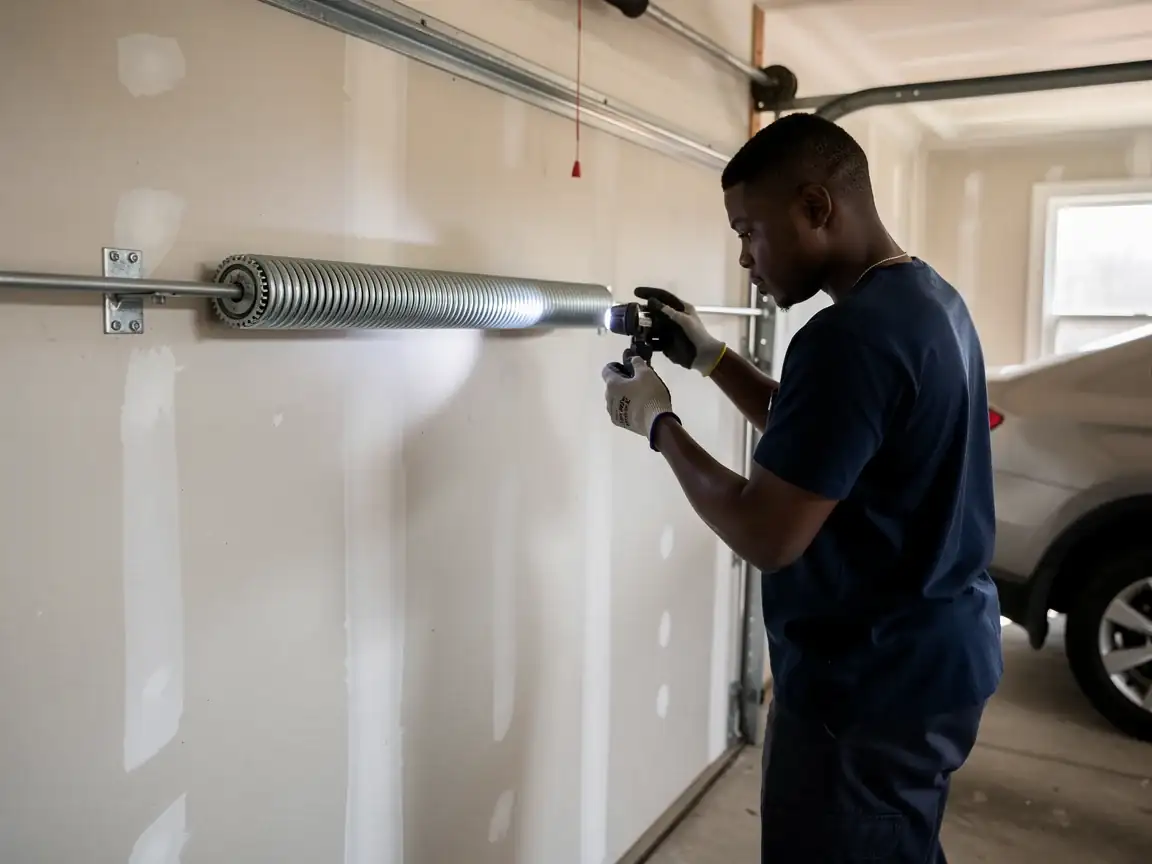
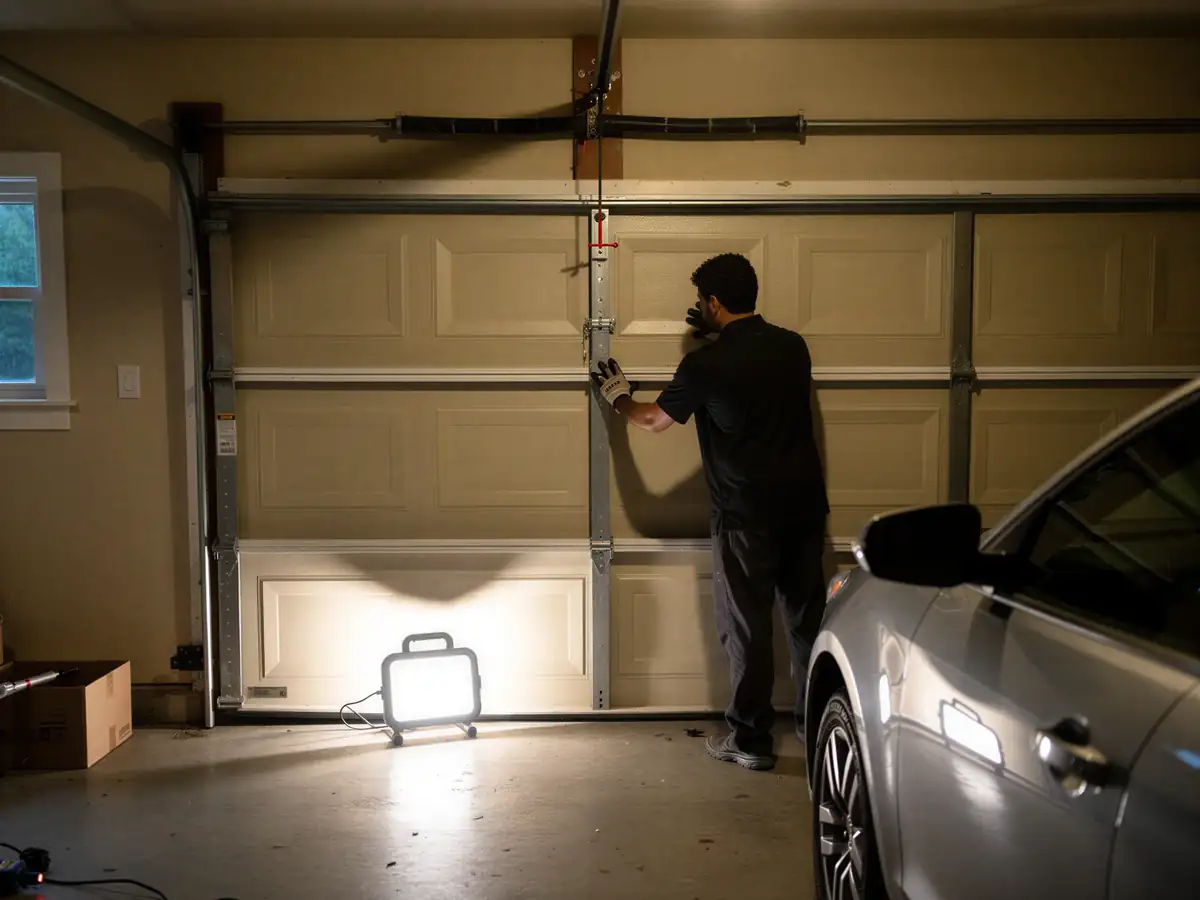
An opener rated for a 2020s steel door will strain and eventually fail against a heavier original wood door from the 1940s that was never re-weighed after paint, insulation retrofits, or added hardware. We've also seen openers blamed for a slow close when the real cause is a spring that's lost tension over decades - the opener's motor is just straining to do a spring's job.
The other failure point is the safety sensors
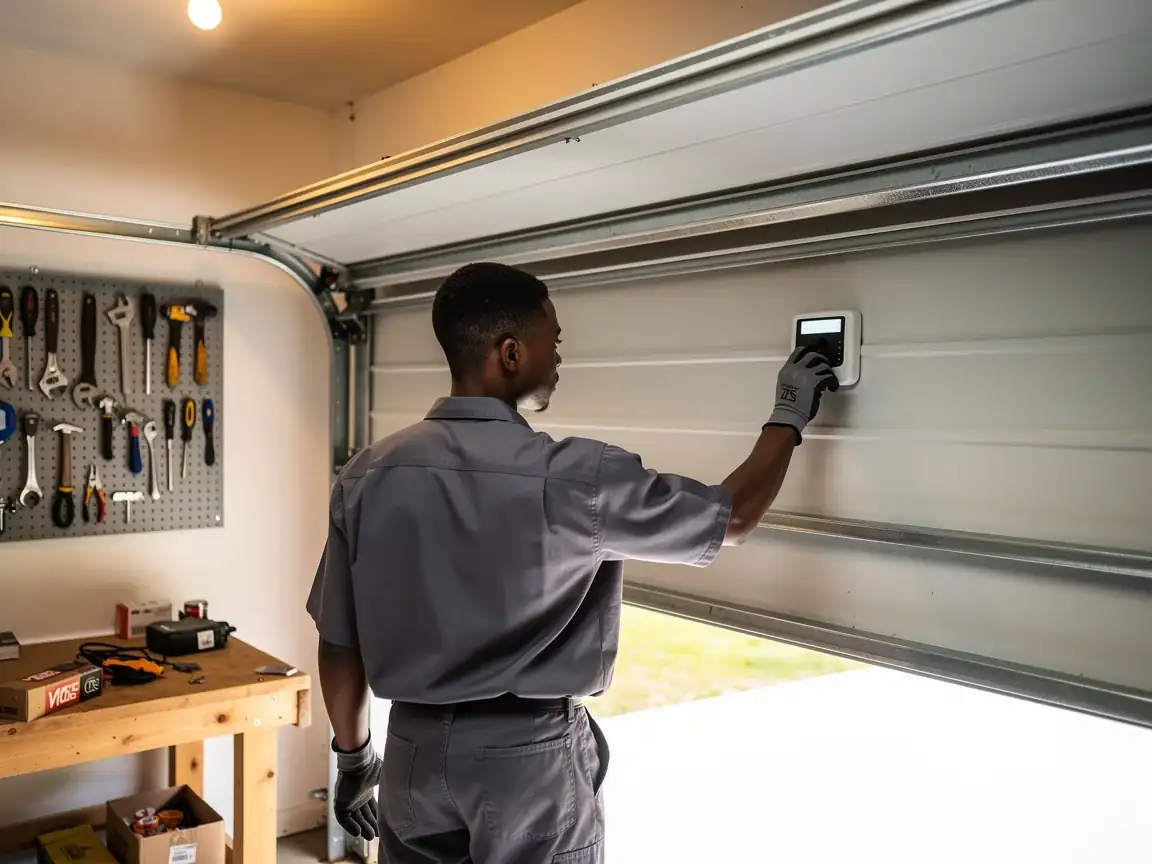
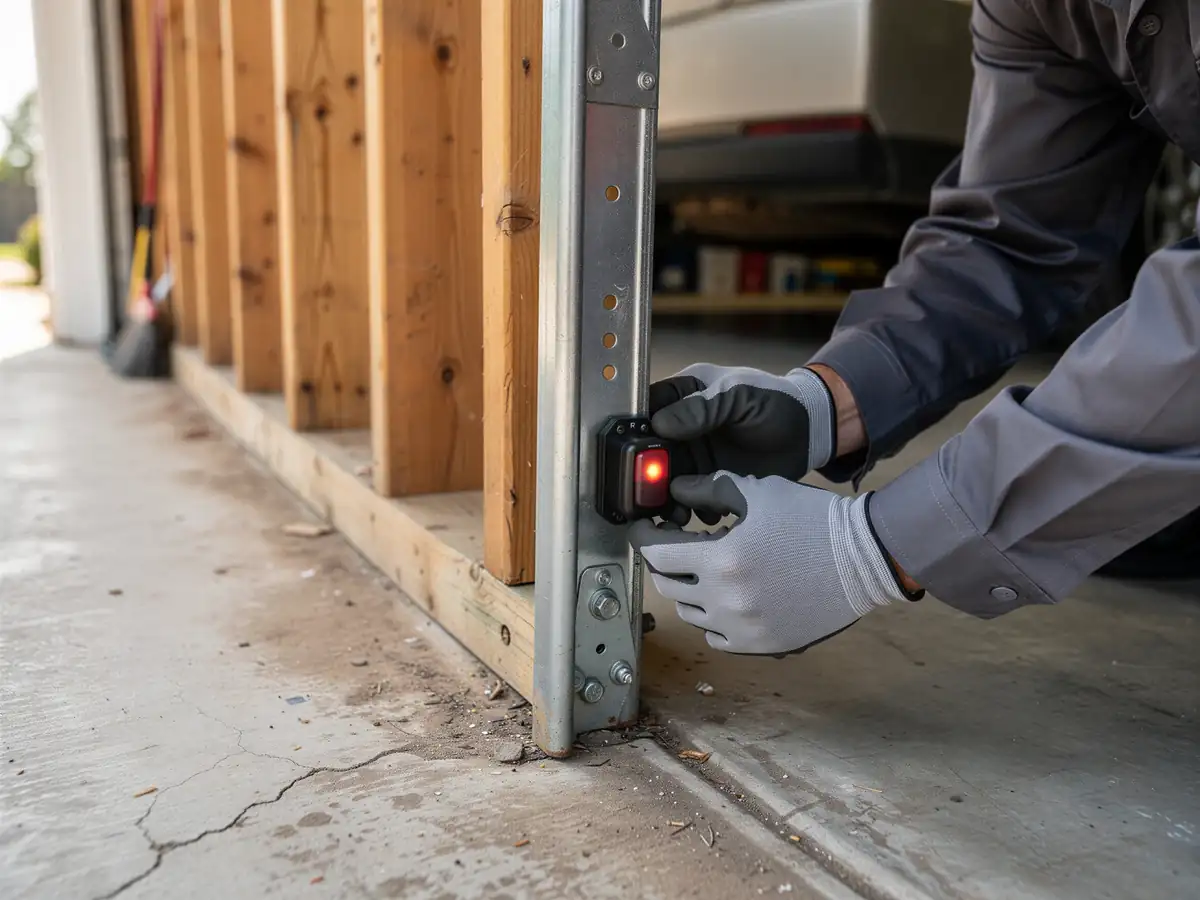
Homes with additions or finished garages sometimes have sensor wiring run along walls that were never meant to carry anything but a doorbell circuit, and a short or corrosion point years back can make an opener intermittently refuse to close with no obvious cause. On an older property, we trace the circuit before we touch the motor unit, because replacing a $200 opener doesn't fix a $20 wiring fault.
Can You Do This Yourself
Resetting the travel limits or reprogramming a remote is reasonable DIY territory, and the manual that came with most openers covers it. Where we'd stop you: if the opener is original or near-original to a 1940s install, the wiring behind the wall-mounted switch may not be grounded to current code, and opening that panel without knowing what's behind it isn't worth the risk for a repair job.
Our honest limitation: we don't carry every obsolete bracket or motor part for openers from that era sitting in the truck. If yours is a genuinely old unit with no modern equivalent, replacement is usually cheaper and faster than sourcing parts for a motor that's been out of production for years. We'll tell you straight if that's where your unit stands rather than running up a bill chasing a part that doesn't exist anymore.