How It Shows Up
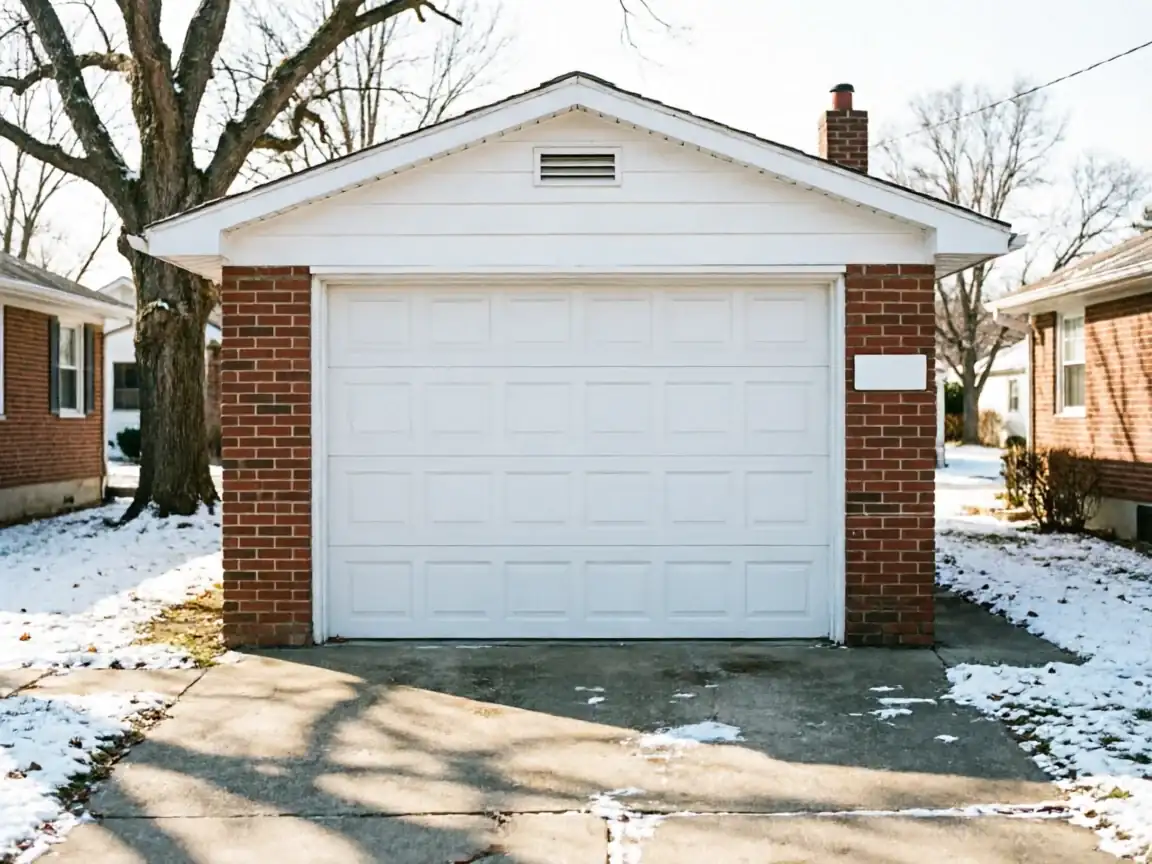
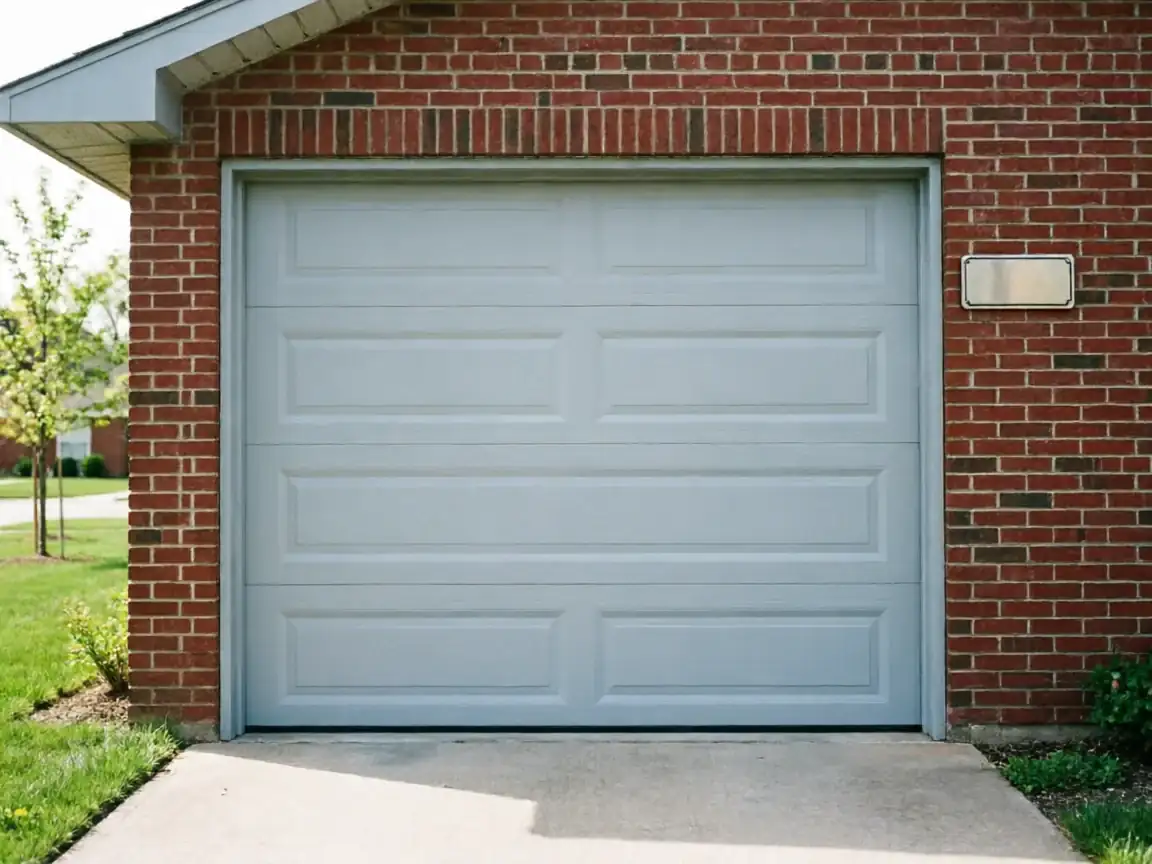
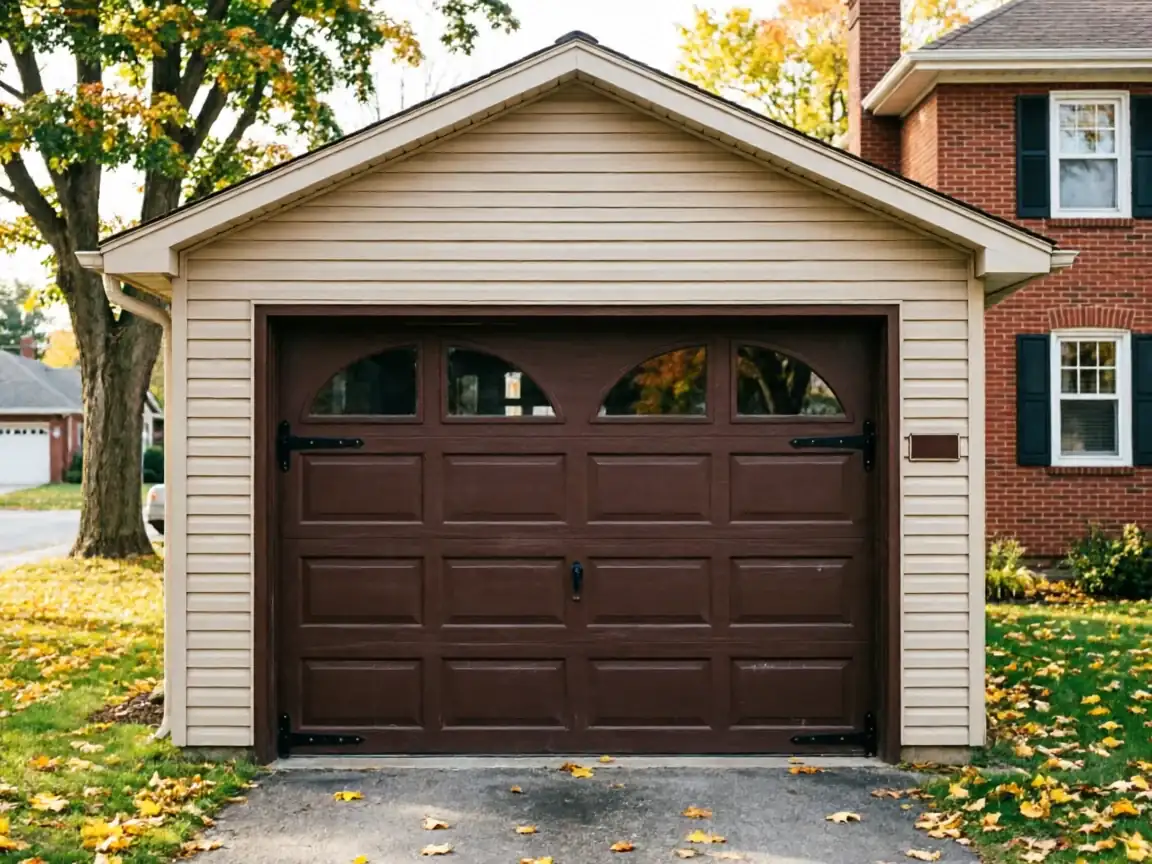
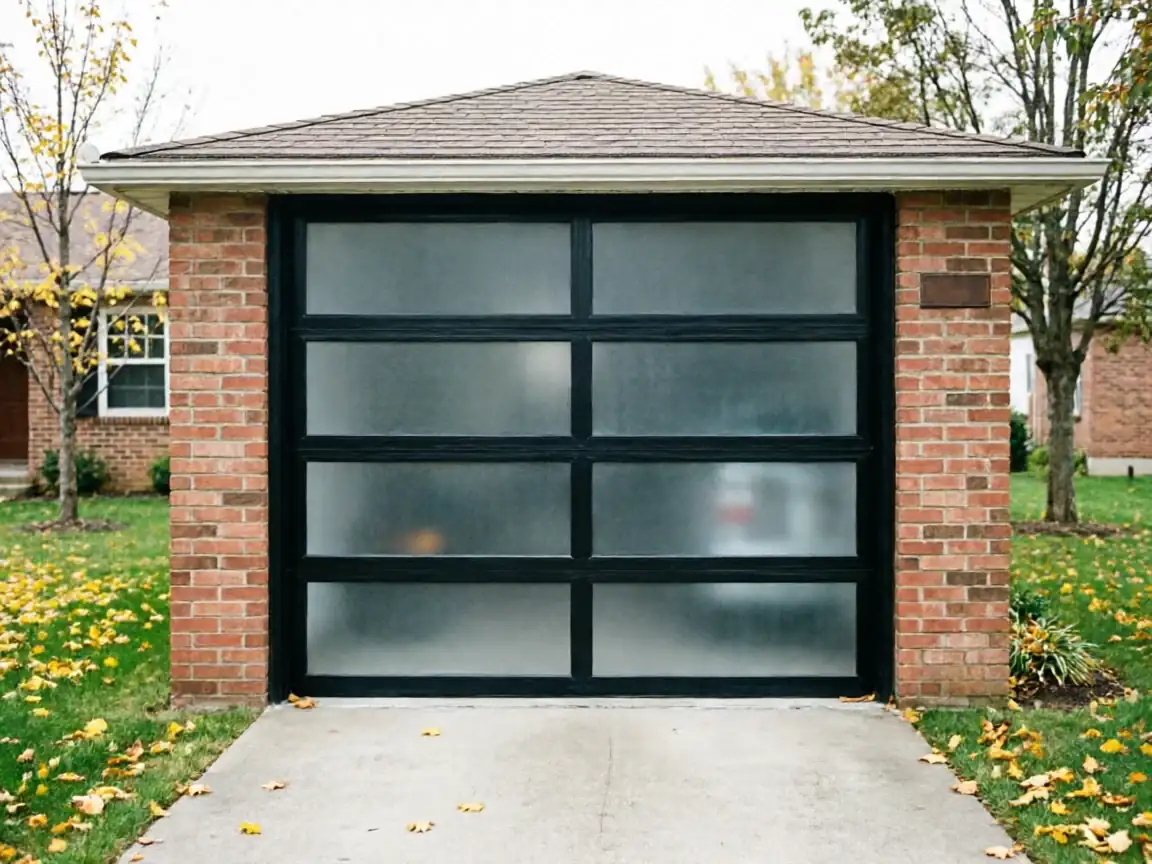
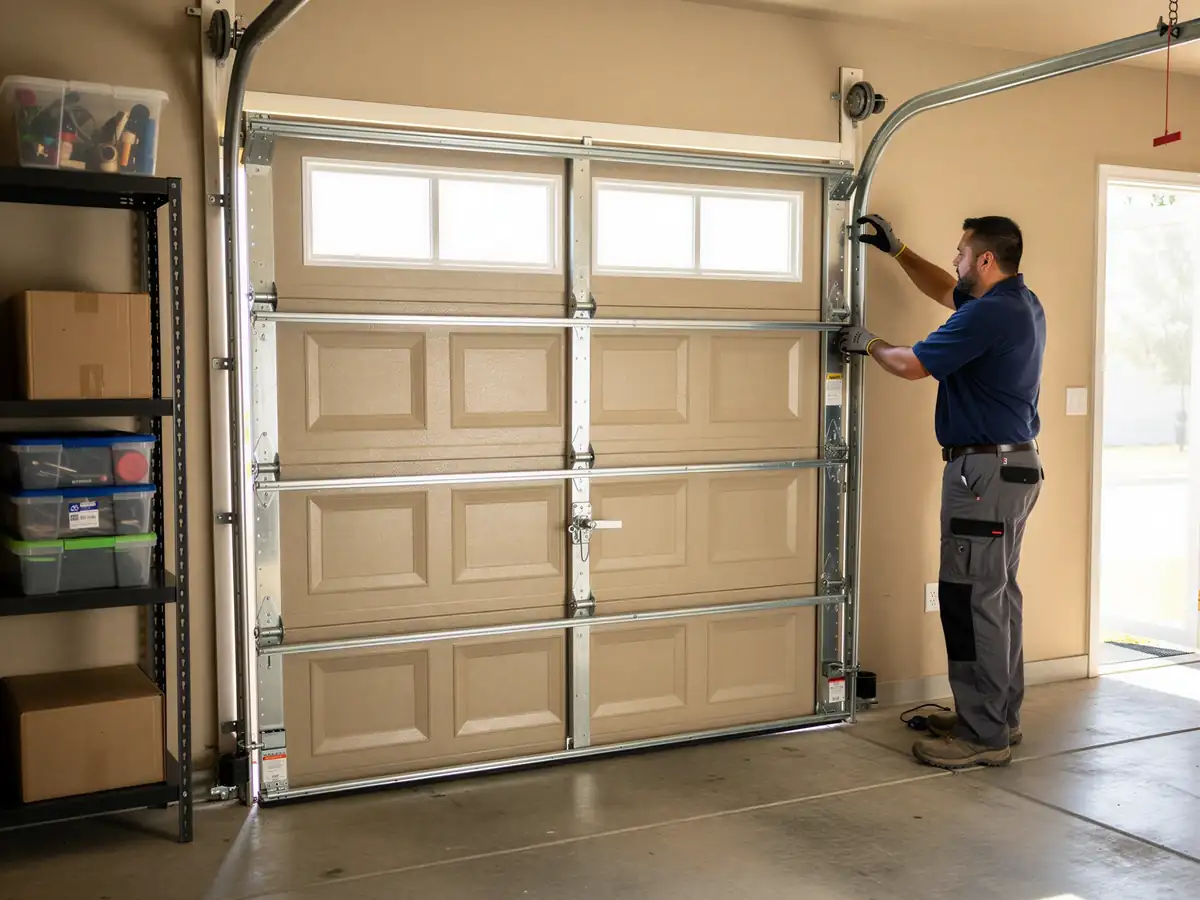
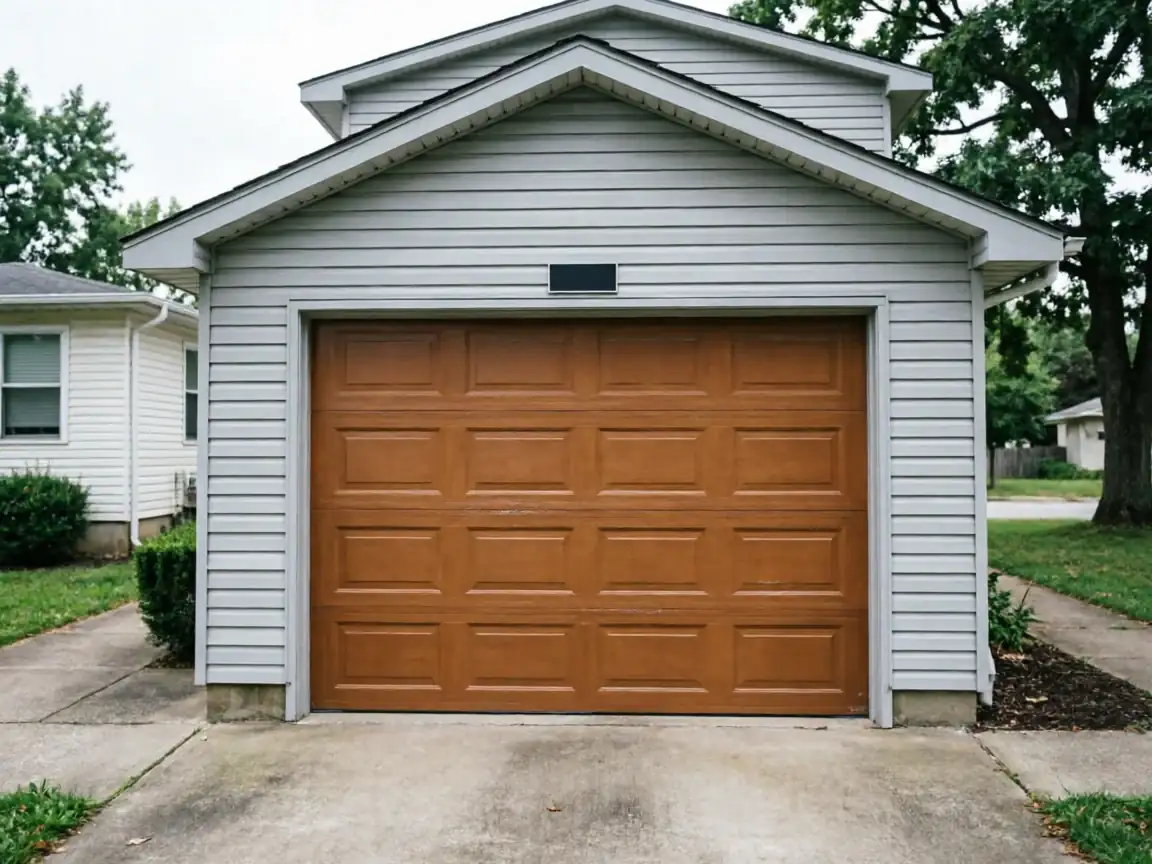
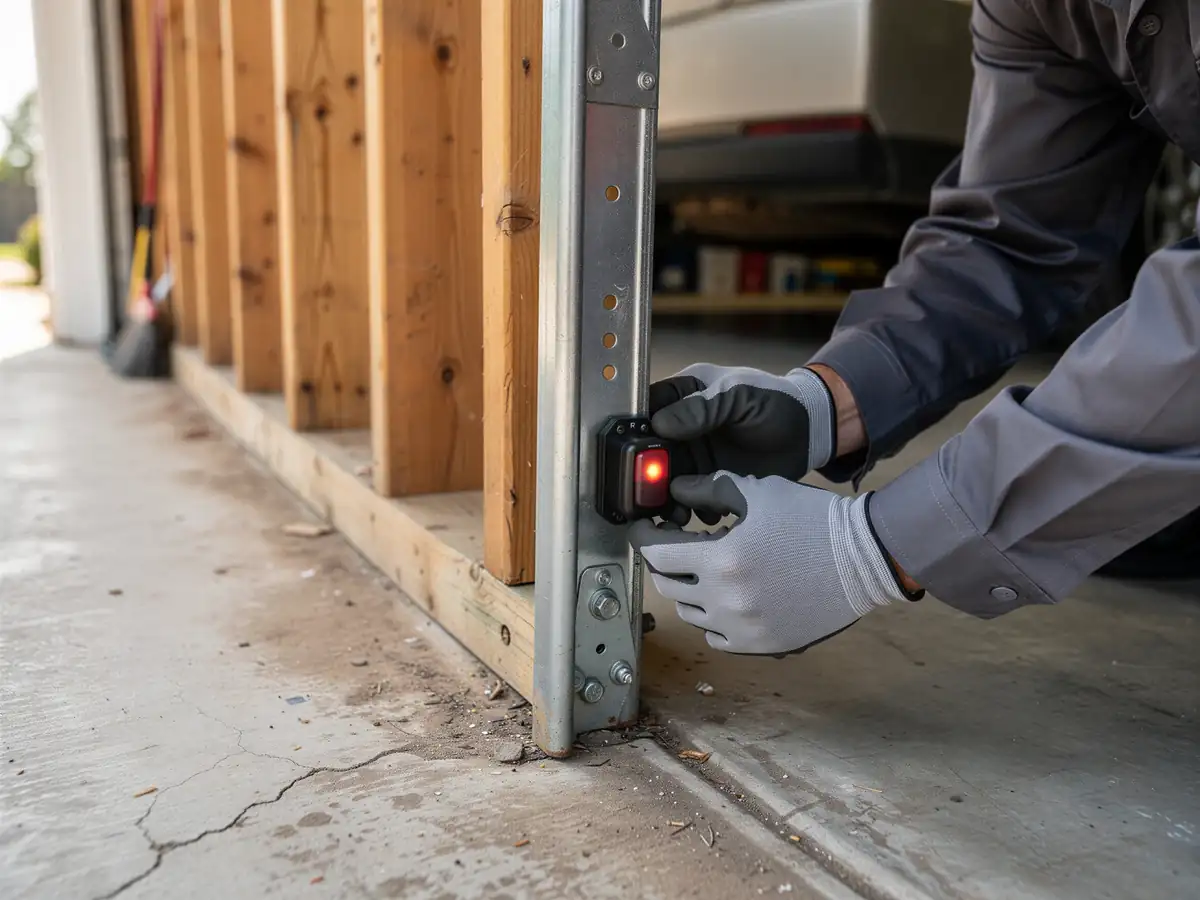
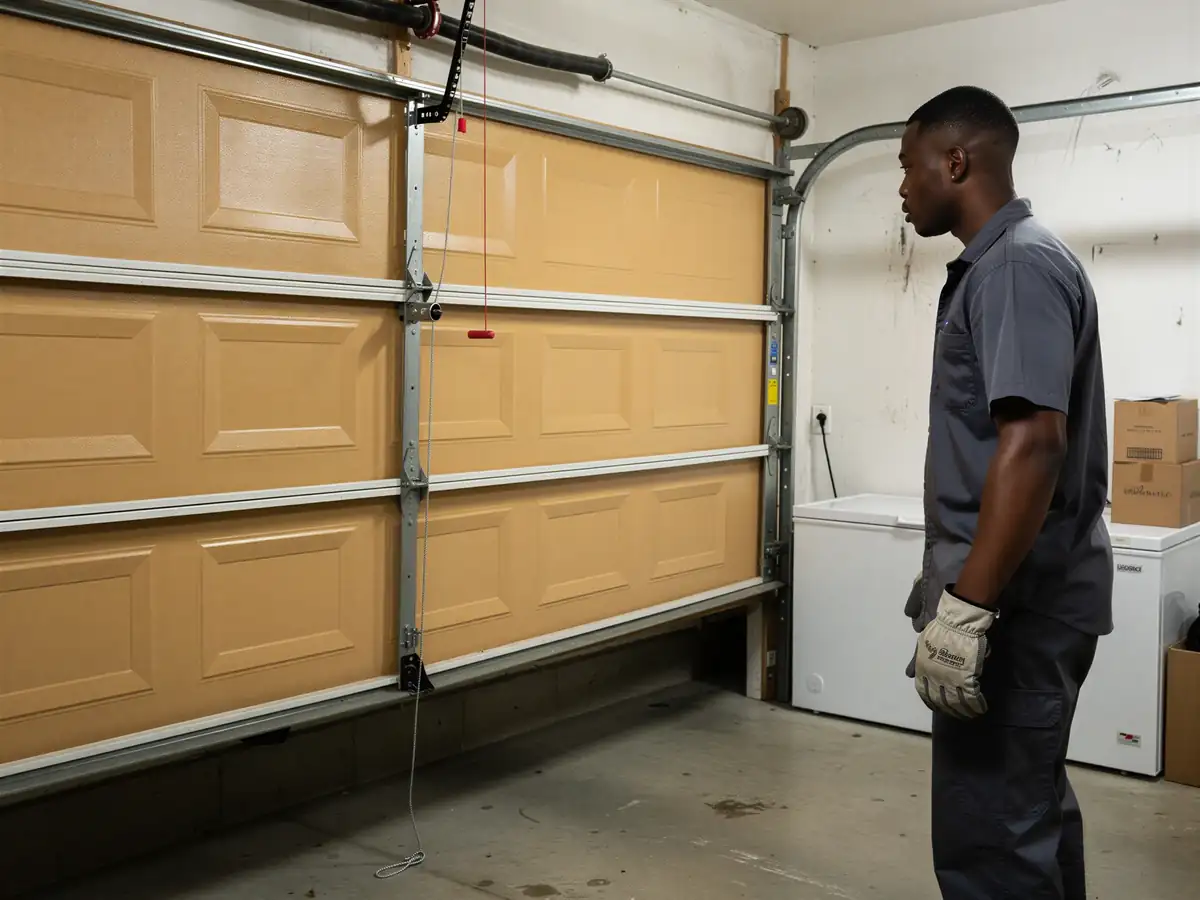
Bexley's median household income runs $152,526, well above the $99,964 median across the wider Columbus service area, and that number changes a conversation we have on almost every call here. On a lower-income block, a homeowner with a worn spring or a track pulling loose often wants the cheapest fix that gets the door moving again. In Bexley, the math usually points the other way: with houses built around a 1944 median, the original hardware is long gone, replaced at least once by whatever was standard at the time, and the owner can afford to do the job right instead of patching it a third time. That means full torsion spring replacement instead of a stretched extension spring swap, and a new opener with real safety sensors instead of bypassing a dead one. The fault pattern itself is what you'd expect from a neighborhood this old: hardened grease on decades-old tracks, panels that have been repainted so many times the seams don't seal, and openers bolted to framing that's shifted slightly over 80 years. None of that is a Bexley-specific defect - it's what happens to any door built before torsion-spring safety cables were standard.
How to Book
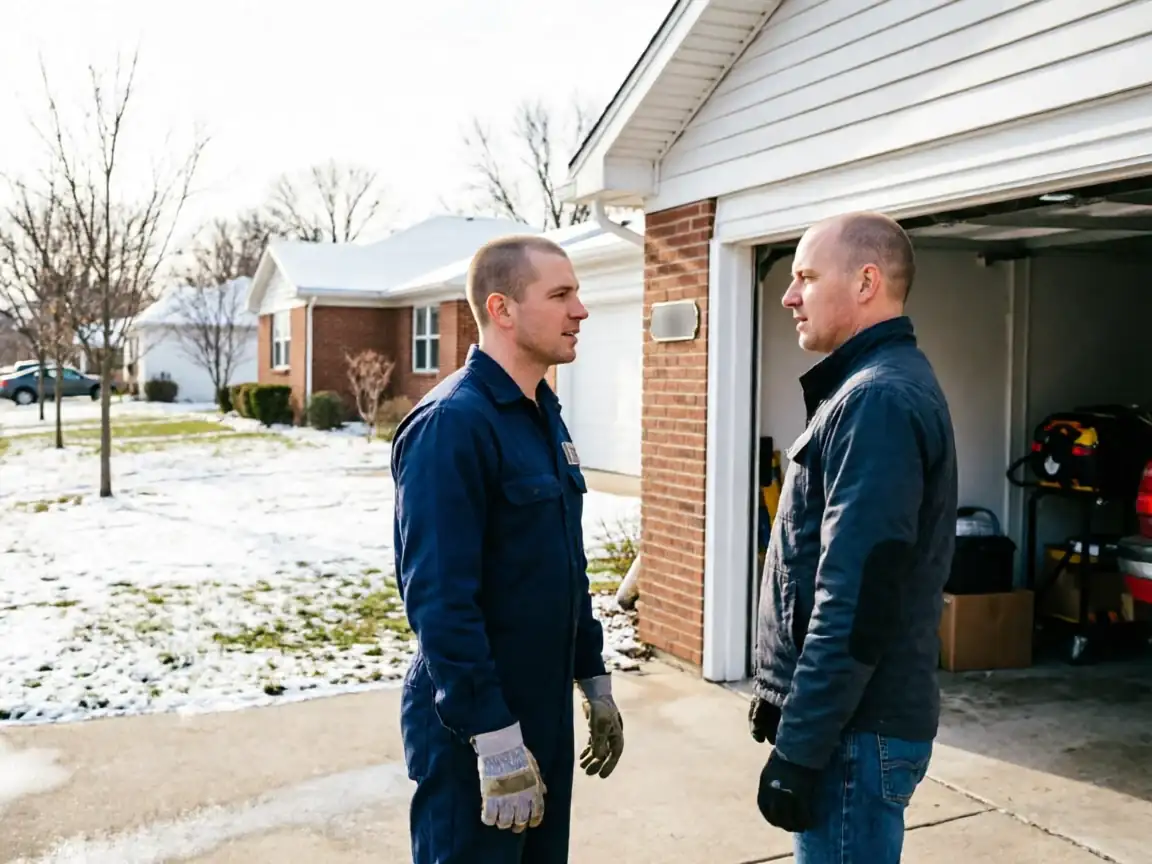
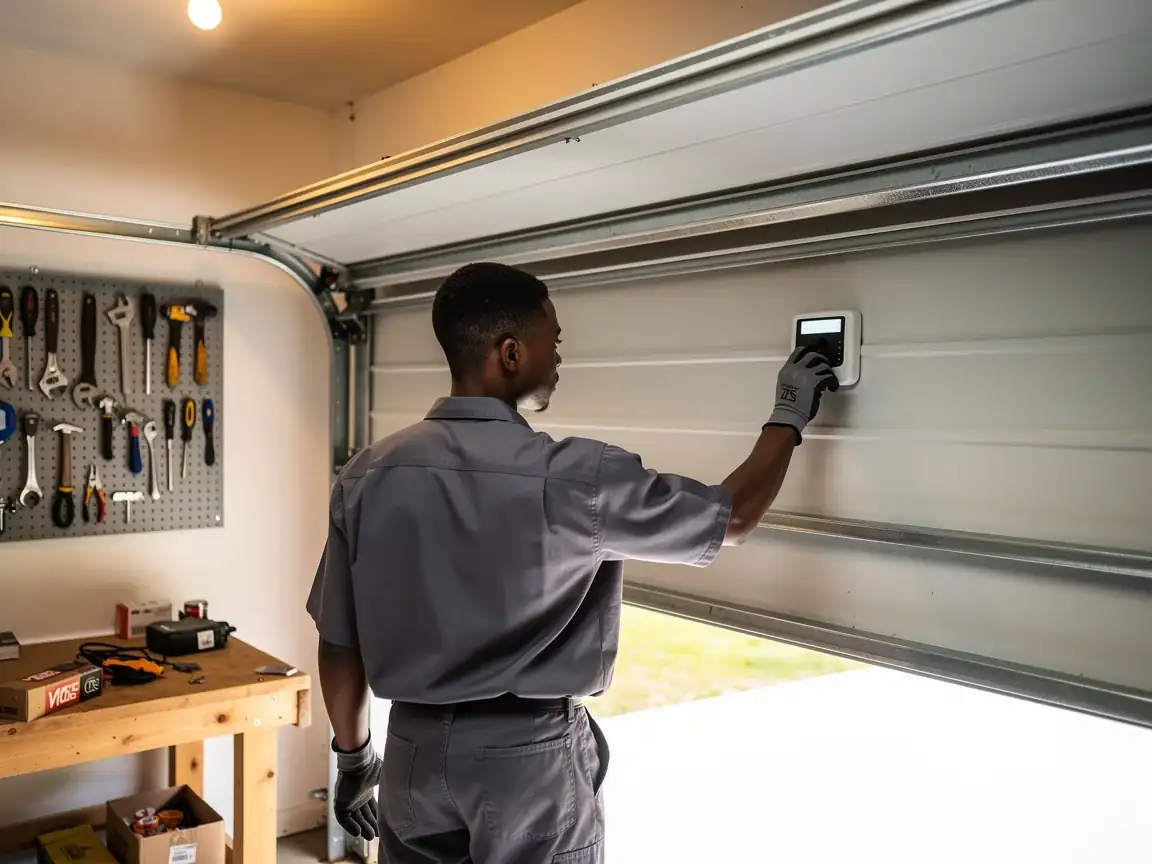
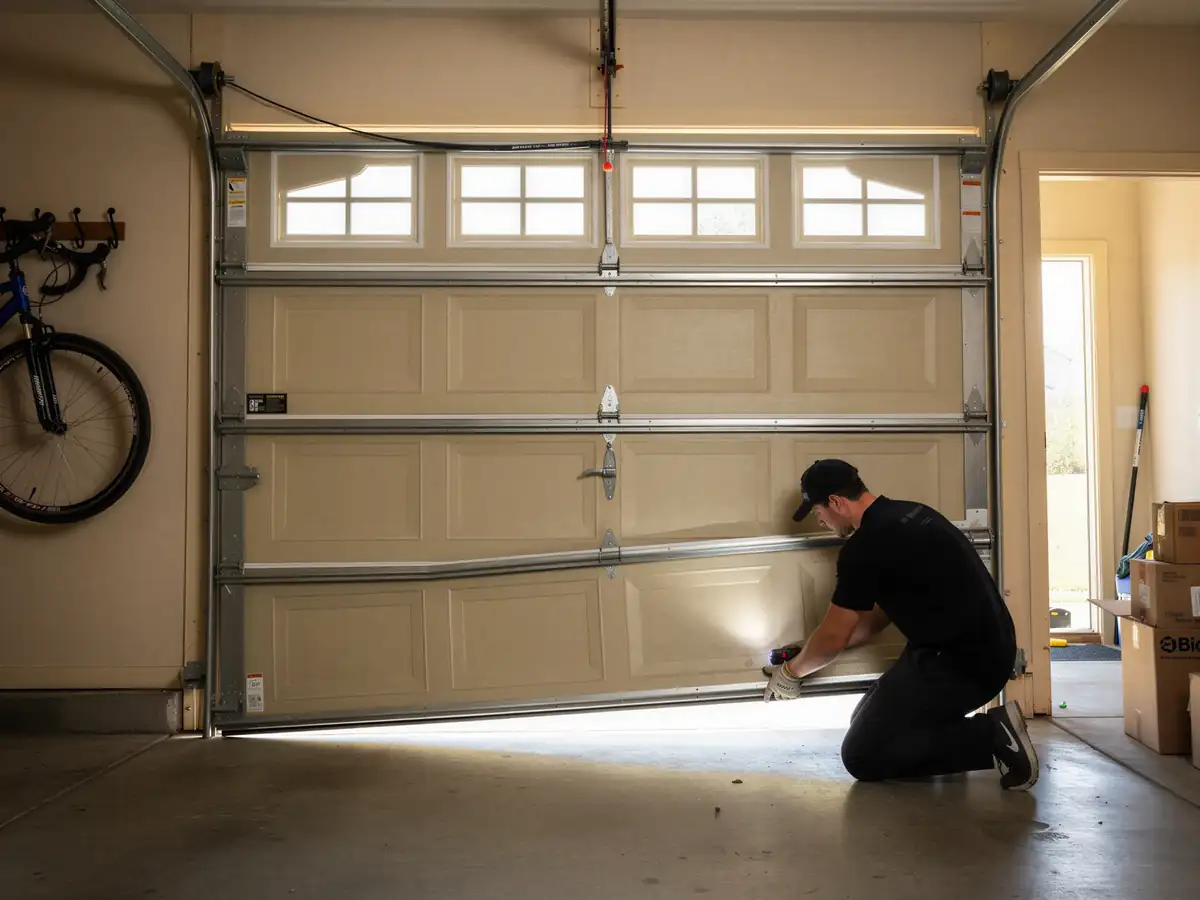
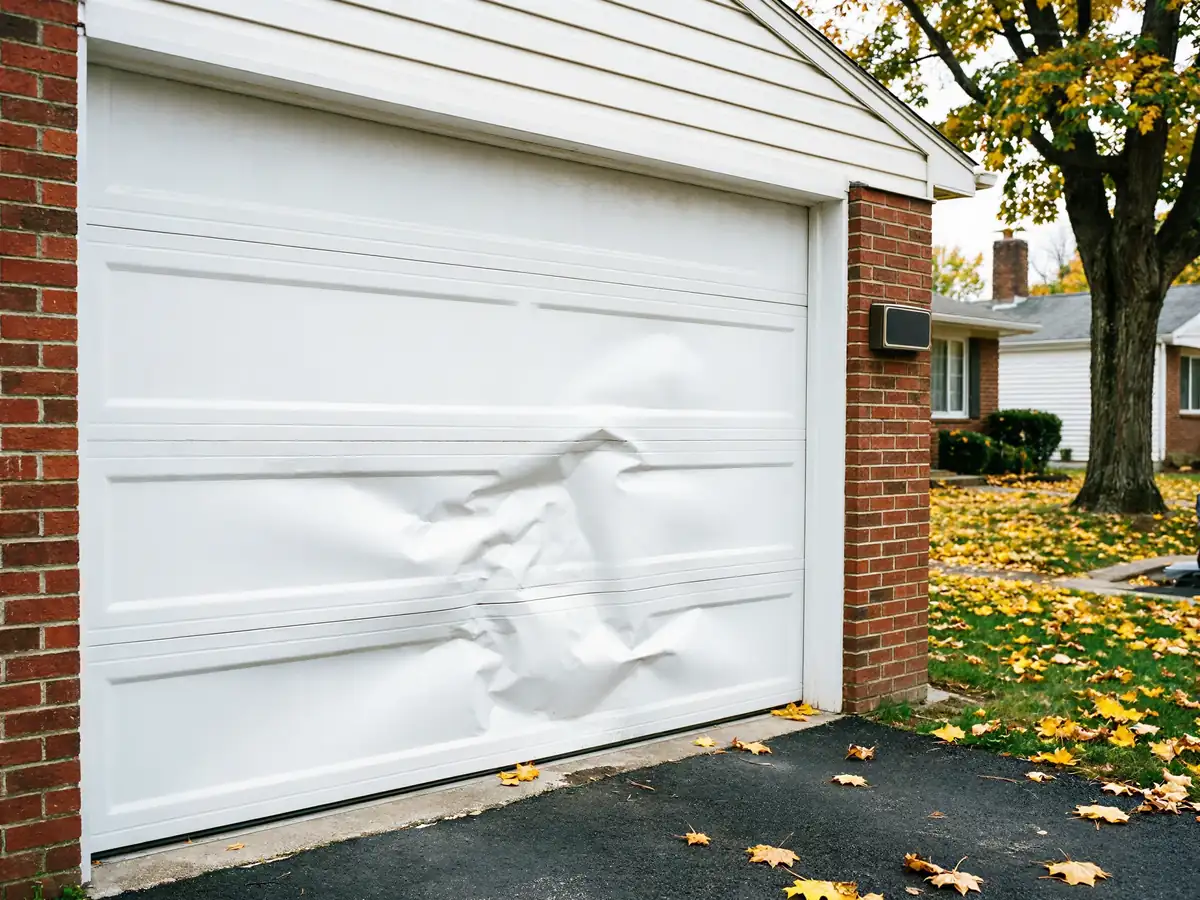
We run out of Columbus, about 3 miles from Bexley, so there's no separate branch or crew dedicated to this suburb - the same trucks and the same scheduling handle Bexley alongside the rest of the service area. You can see where Bexley sits relative to our other coverage on our service area page. For maintenance specifically, the call is usually the same regardless of which neighborhood you're in: describe what the door is doing (grinding, slow closing, uneven travel), and we bring the tools for spring tension, track alignment, and opener diagnostics in one visit. If your issue turns out to be bigger than a tune-up - a cracked panel or a dead opener board - we'll say so on site rather than trying to stretch a maintenance call into something it isn't.
Can You Do This Yourself
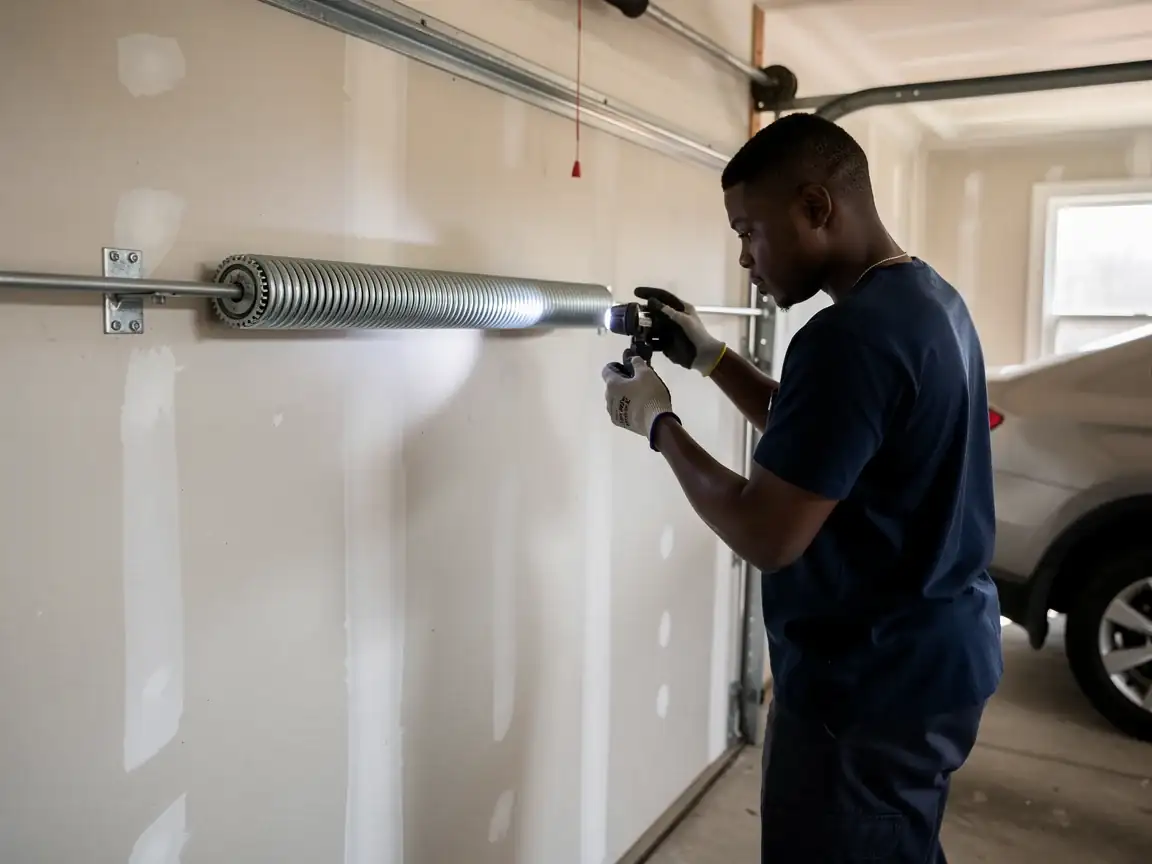
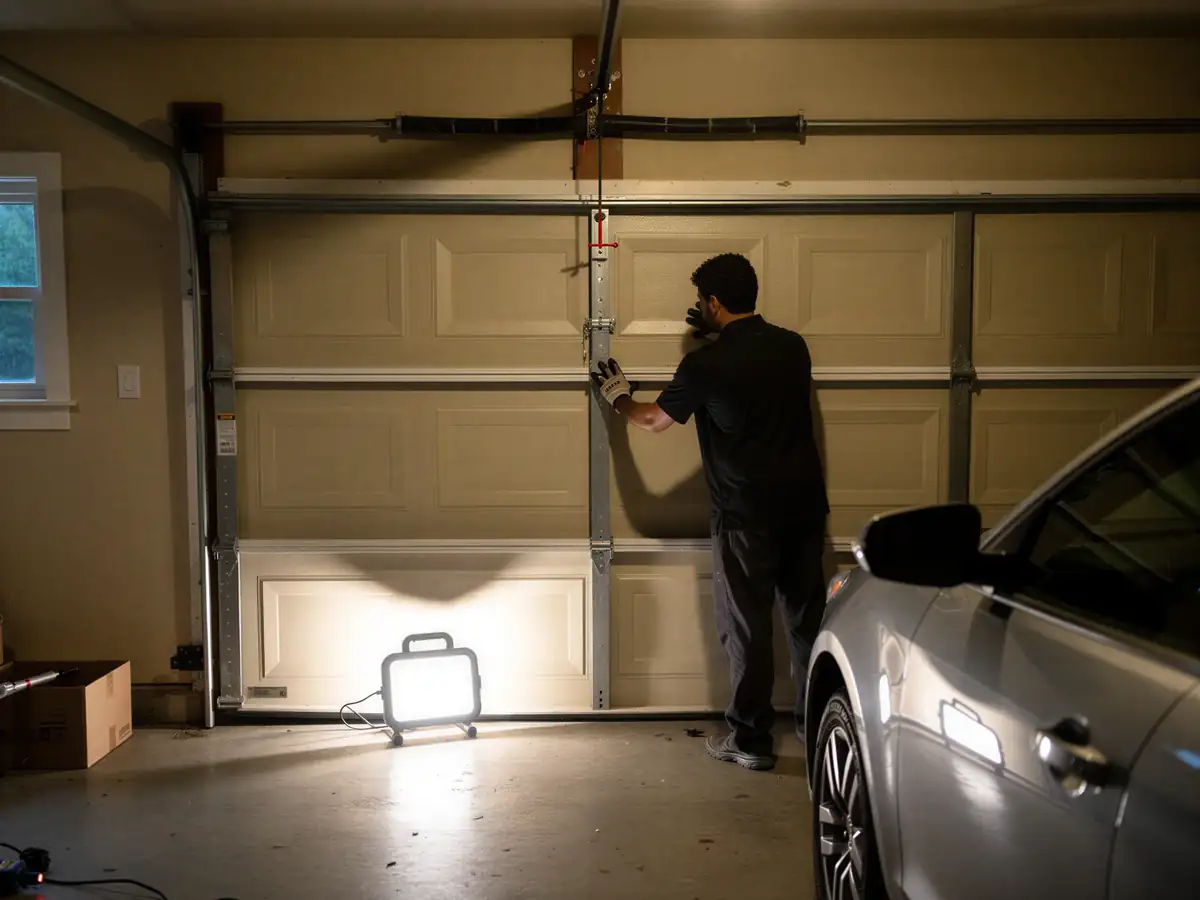
Some of this is reasonable to do without us. Wiping down tracks, checking that the auto-reverse sensors still trip when you wave a hand under the door, and tightening visibly loose hinge bolts are all fair for a homeowner with a ladder and some patience. What we don't recommend touching yourself is anything involving the torsion spring itself - the tension stored in that spring can cause serious injury, and on a door old enough to have outlived its original hardware, you often can't tell by looking whether the spring, the drum, or the cable is the weak point. We'll say plainly: if the door is original to a 1944-era build and nobody's documented when the spring was last replaced, that's not a DIY call. For a broader look at what maintenance covers across the rest of the area, see our Columbus maintenance page.