How It Shows Up
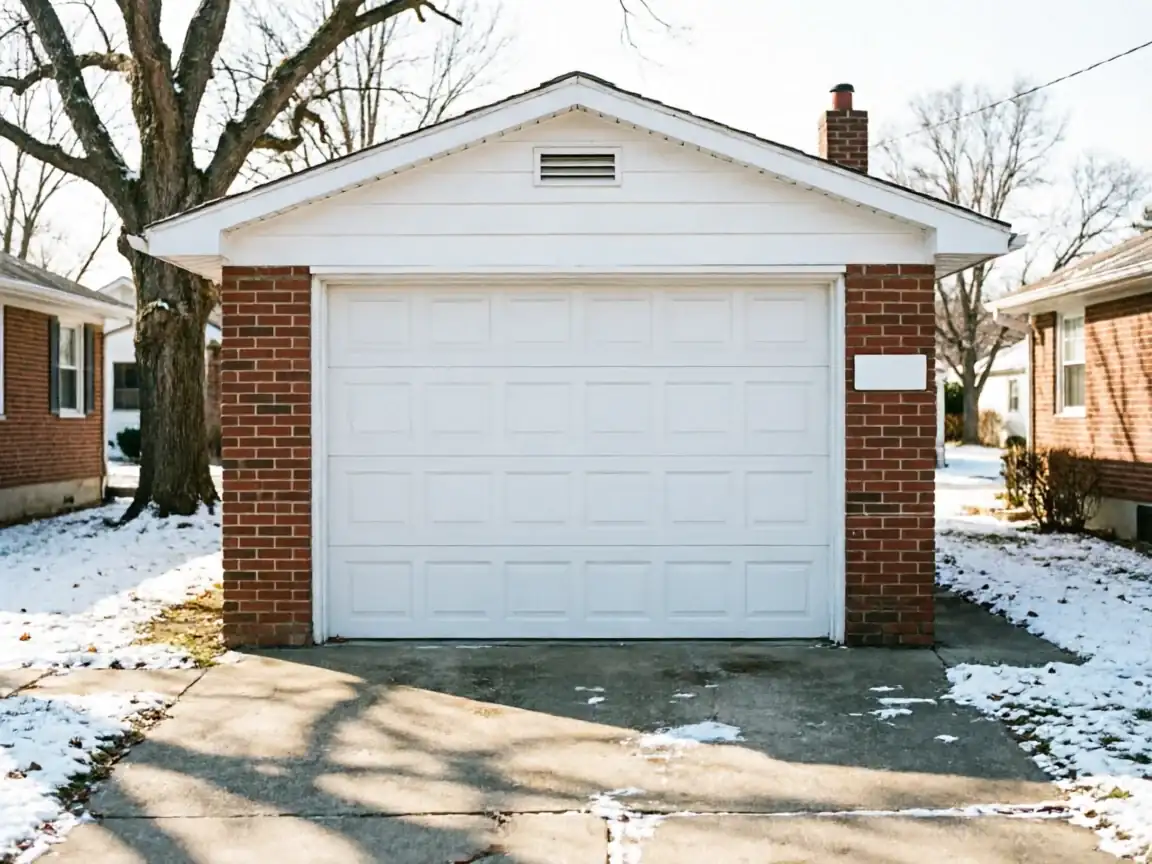
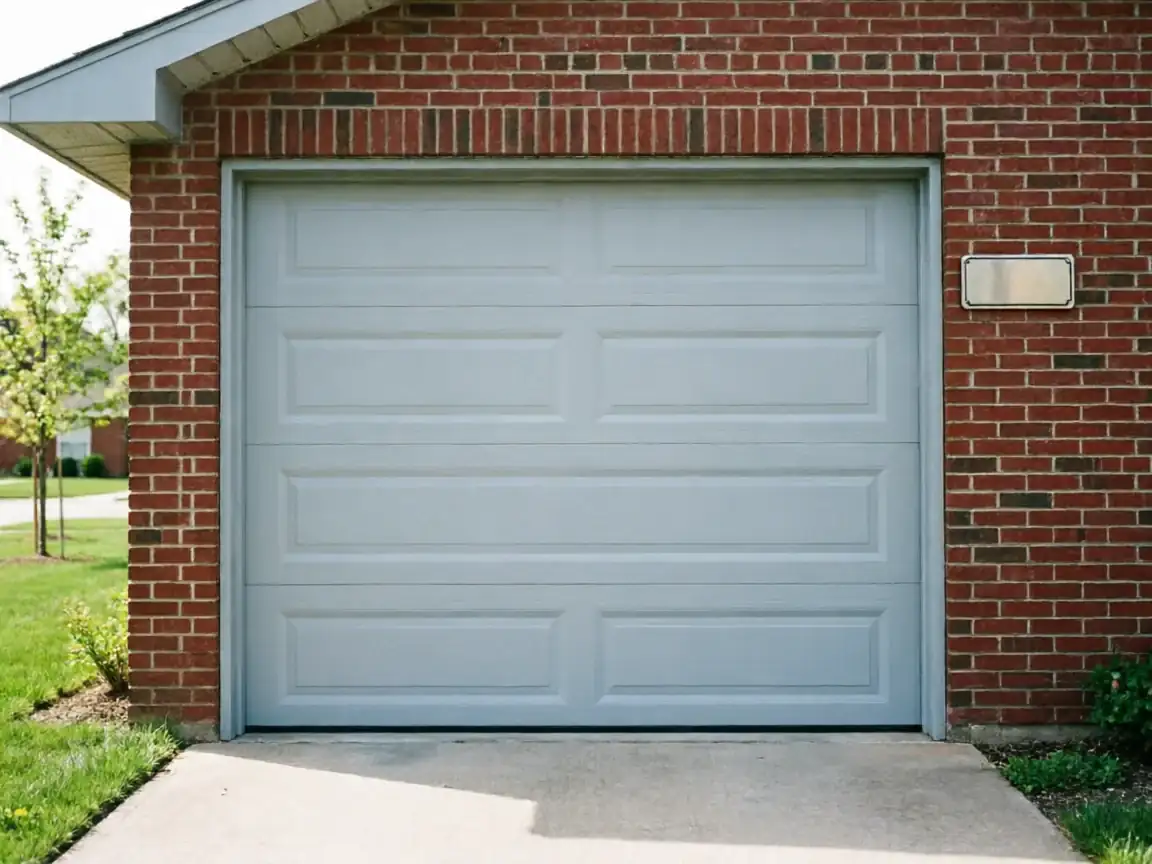
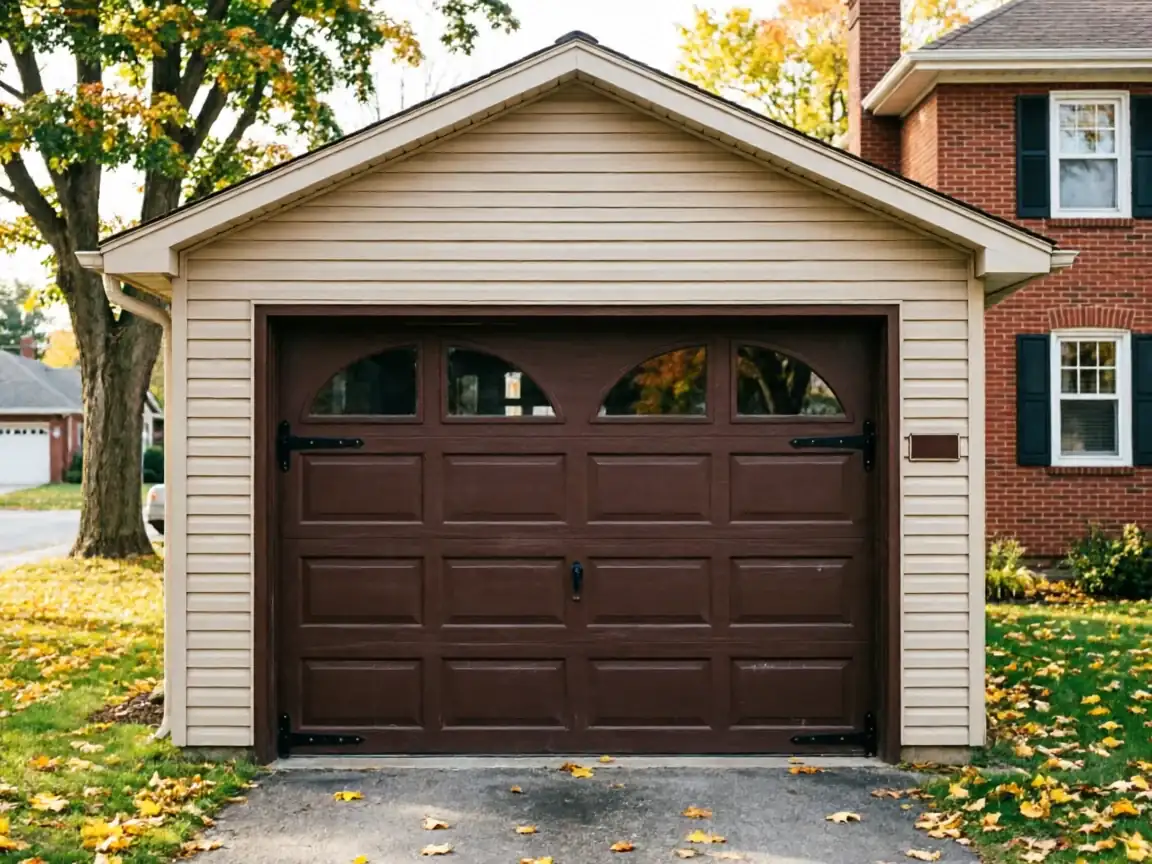
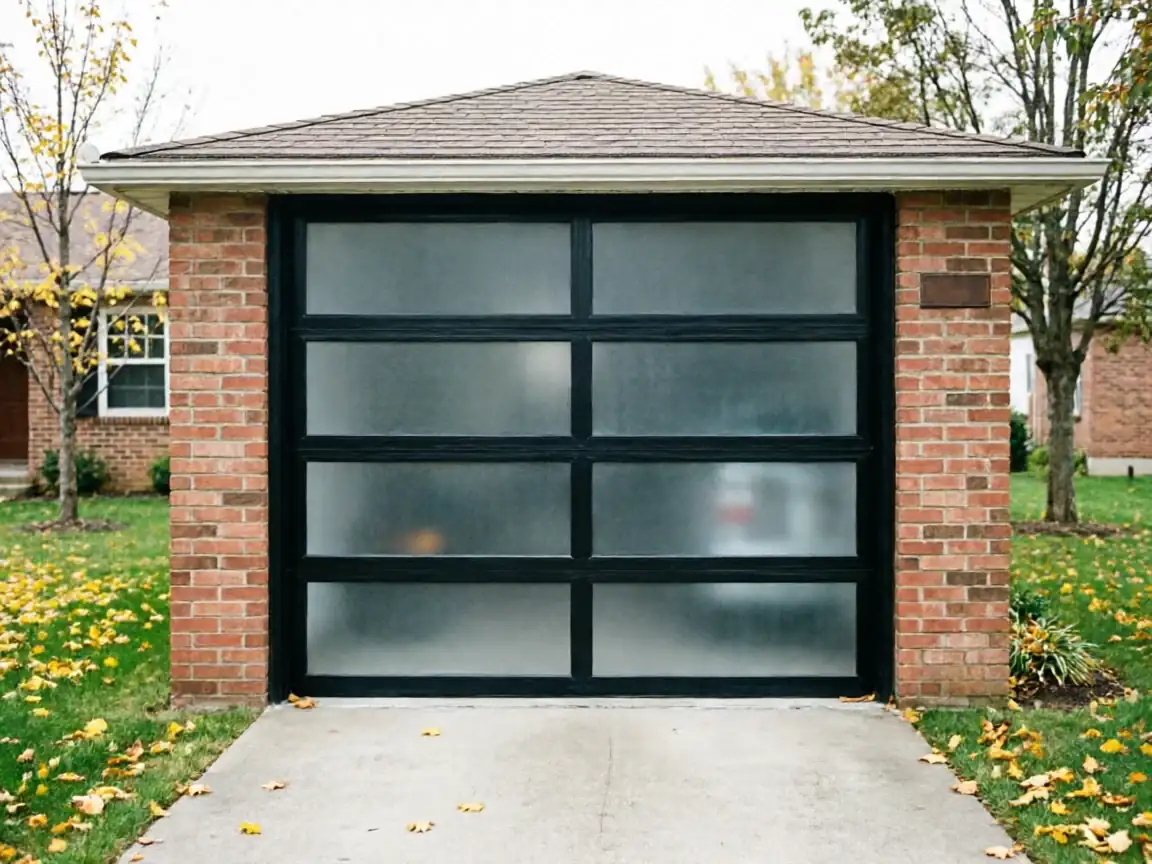
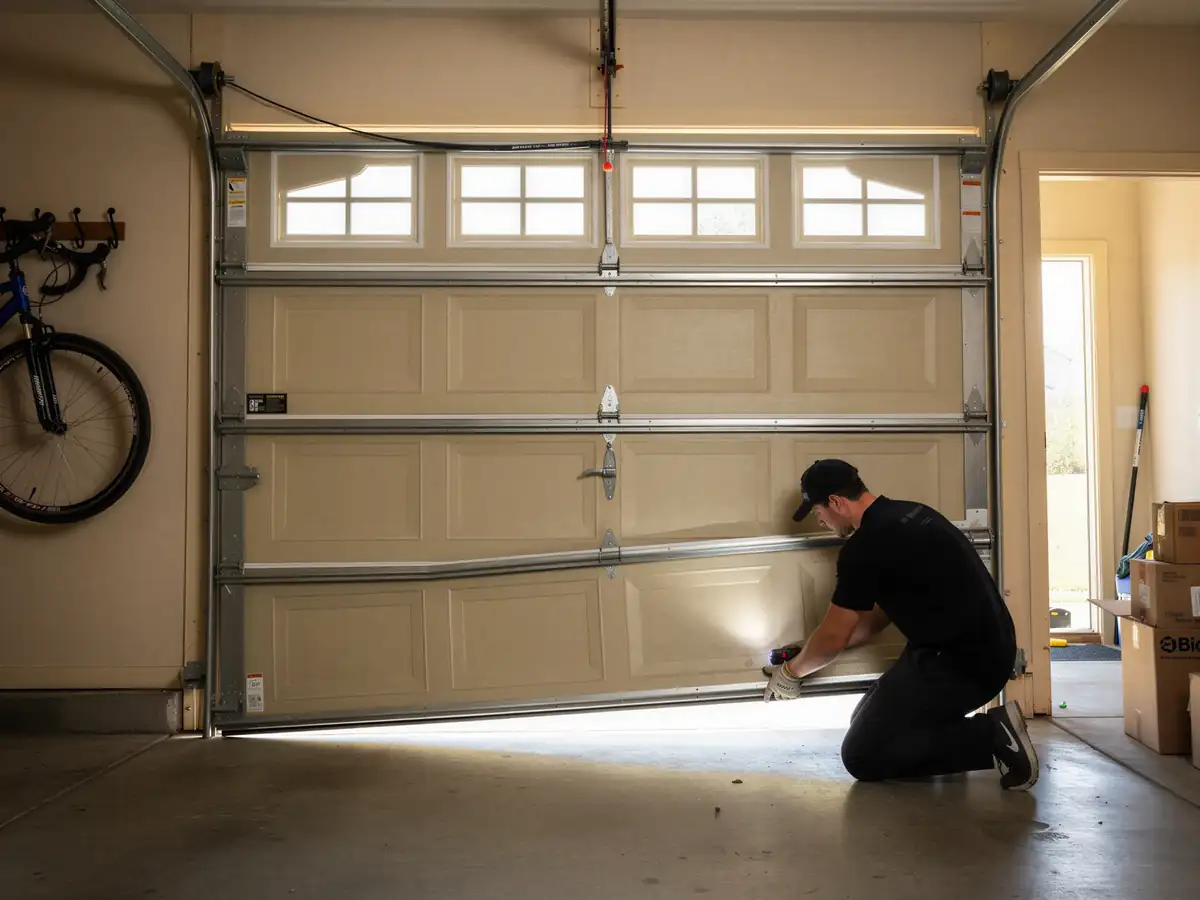
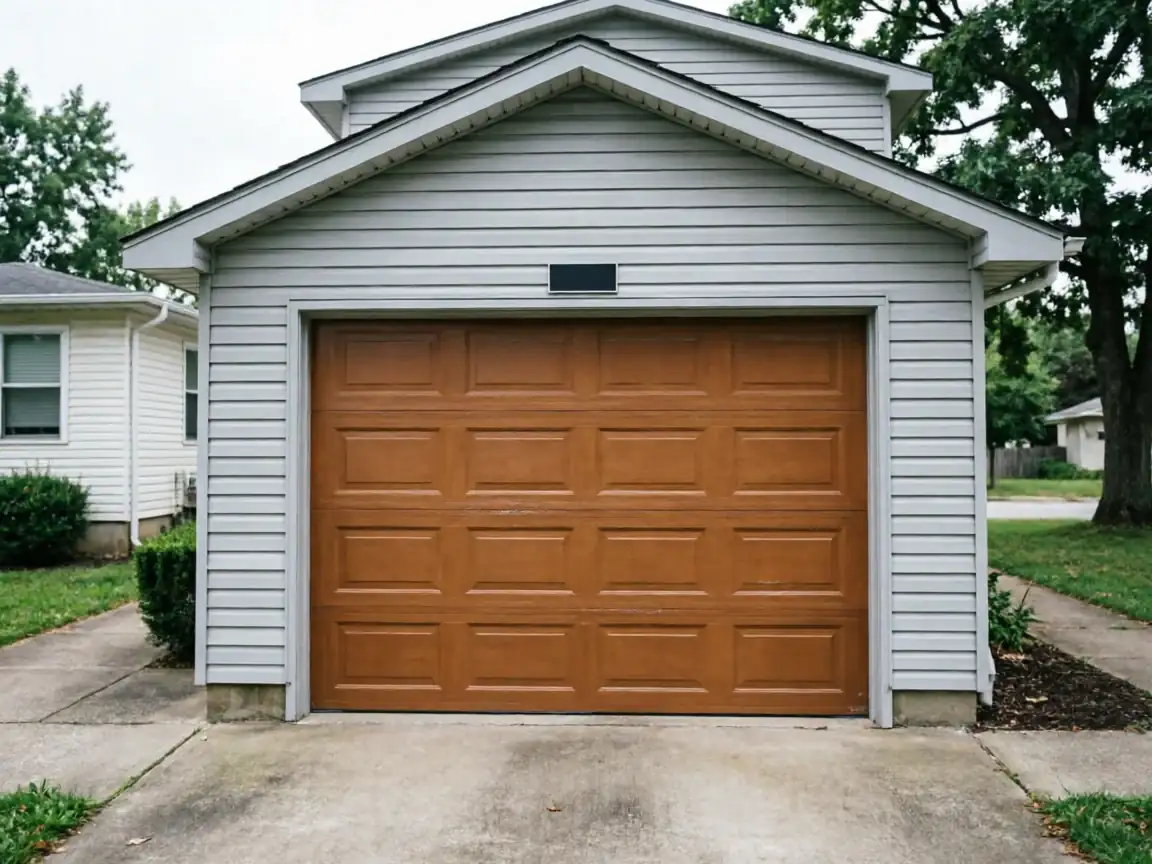
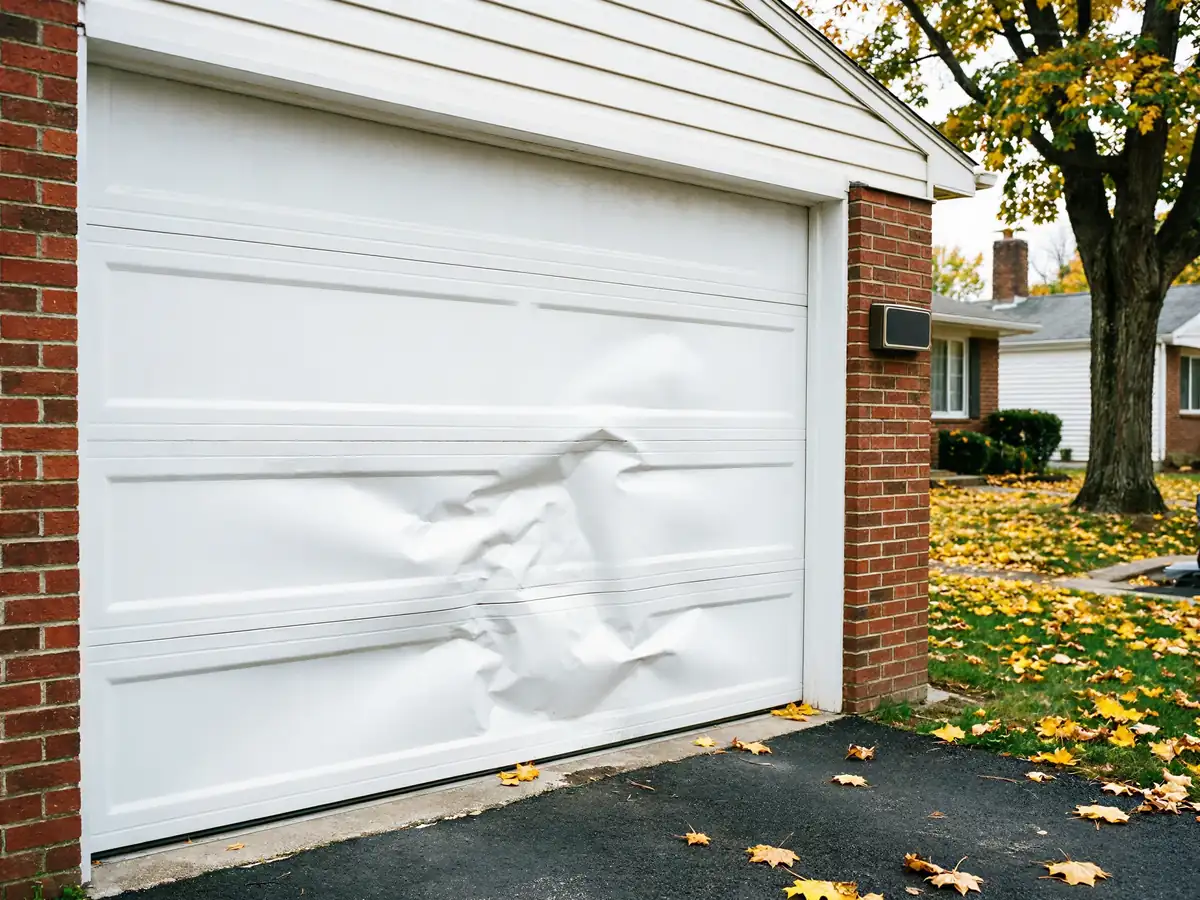
The fault we see most in Bexley isn't a dented panel from a backed-into car - it's a panel that's cracked or bowed from age, on a door that was sized for a garage built decades before anyone standardized door widths. Bexley's housing stock runs older than most of the service area we cover; the median build year here is 1944, well ahead of the 1986 median across the wider Columbus area. That matters for panel work specifically: a lot of these garages were framed for doors that are narrower, or taller, or just oddly proportioned compared to what gets stocked at a supply house today.
So the first sign of trouble often isn't a hole in the panel. It's a seam that's separated because the steel has fatigued with age, or a wood-composite panel that's swelled and warped after enough winters. Columbus sits in a cold, severe climate band, and freeze-thaw cycling is hard on any panel material that isn't holding its seal well anymore. On an older door, that shows up as a panel that looks fine in July and binds or cracks by February.
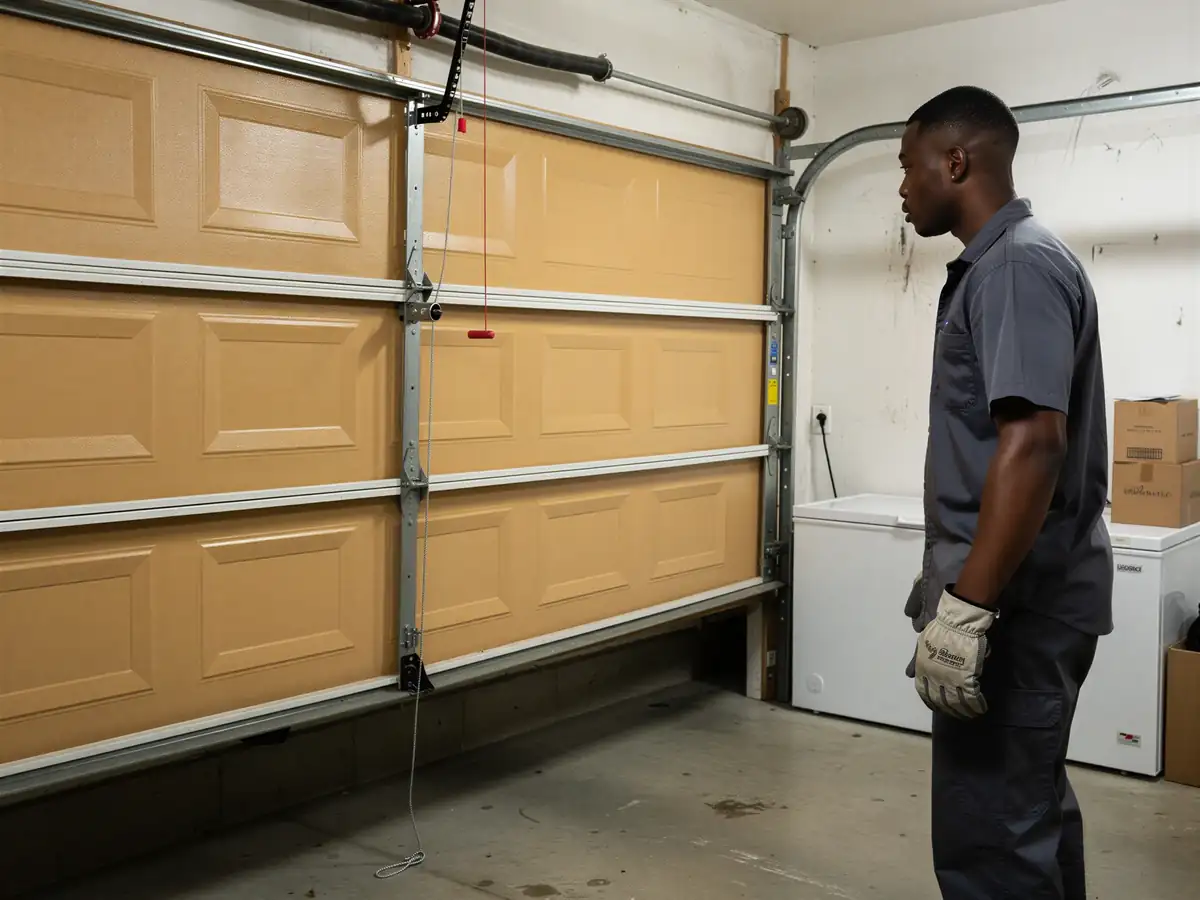
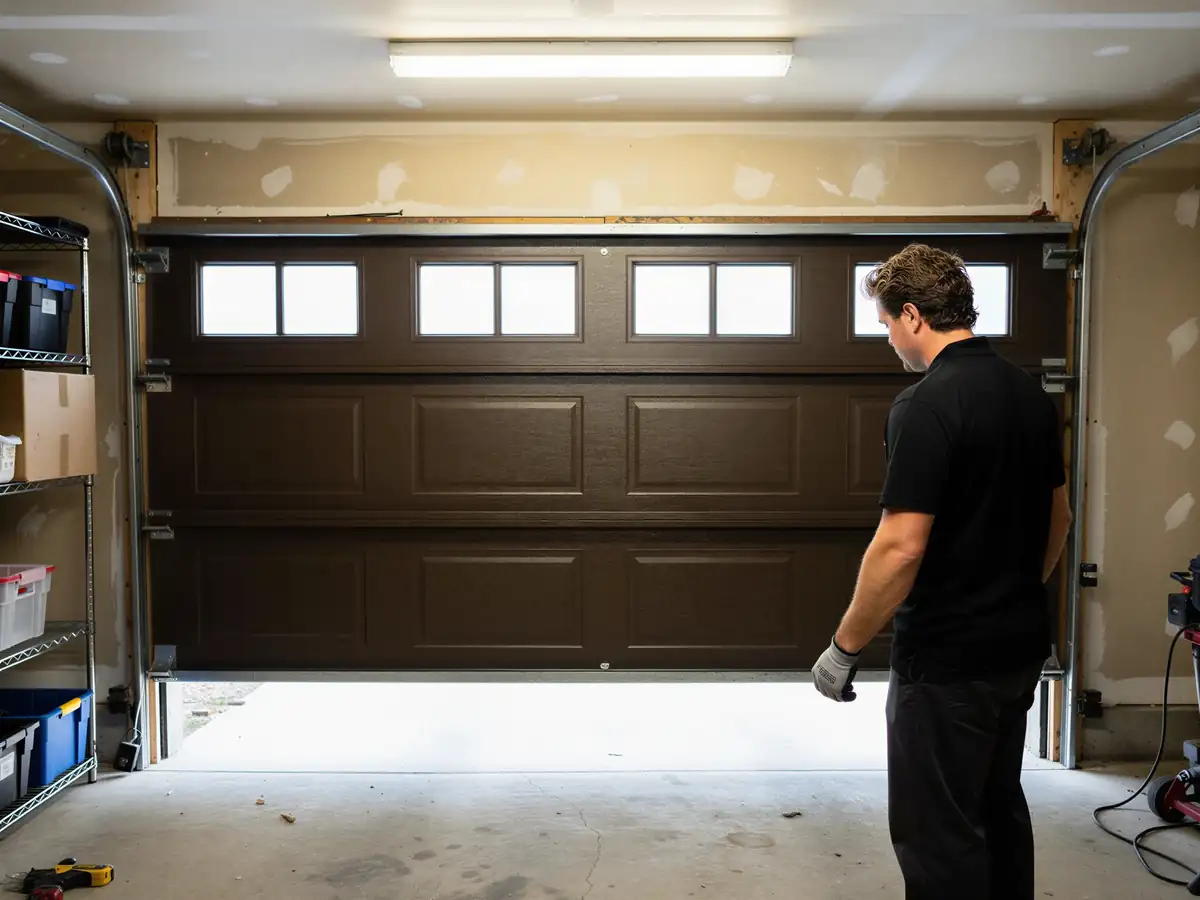
We travel in from Columbus for these calls - about 3 miles to Bexley - and the first thing we do on site is measure the actual panel, not assume it matches a catalog size.
How to Book
Call and tell us the door's approximate age if you know it, along with whether it's one panel that's damaged or the whole run. If the house dates to the 1940s or earlier, mention that up front - it changes what we bring on the truck versus what we need to special-order. We work out of Columbus and come to Bexley for the job itself; there's no local branch here, so the call routes through our main line.
If you can get a photo of the full door and a close-up of the damaged panel before we arrive, that helps us start pricing panel stock before the truck even leaves. For a single panel, we try to confirm sizing on the first visit. For a full matched run, expect a second visit once the panel order comes in - more on that below.
Where This Job Goes Sideways
The job goes sideways when a homeowner assumes we can swap in one new panel and have it match the rest of the door exactly
On a door built to fit a garage from the 1940s or earlier, the original panel profile may not be manufactured anymore. We can usually source a close match, but "close" sometimes means a visible seam line or a slightly different rib pattern next to the older panels - we'll tell you straight if that's what you're looking at before we order anything.
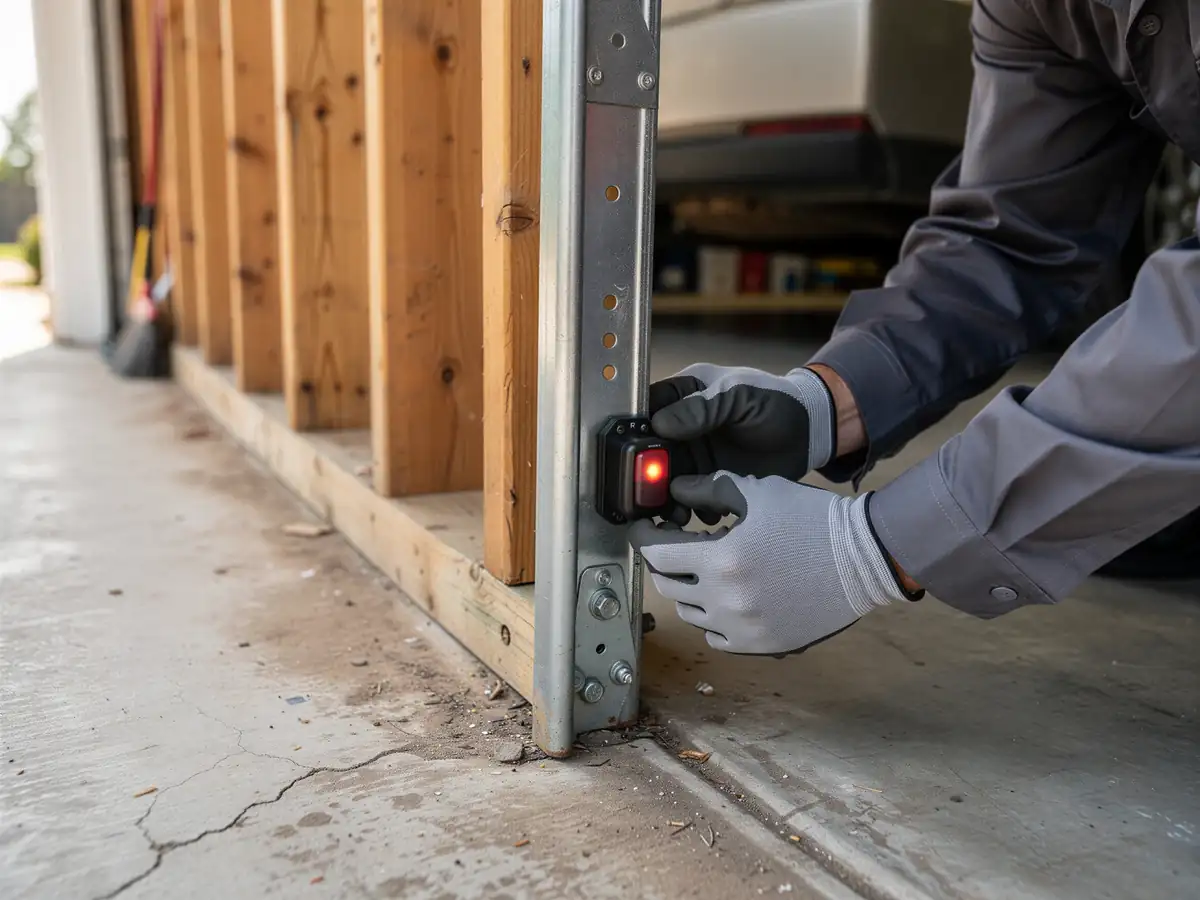
The other place this goes sideways is when what looks like panel damage is actually a track or hinge problem bending the panel out of true
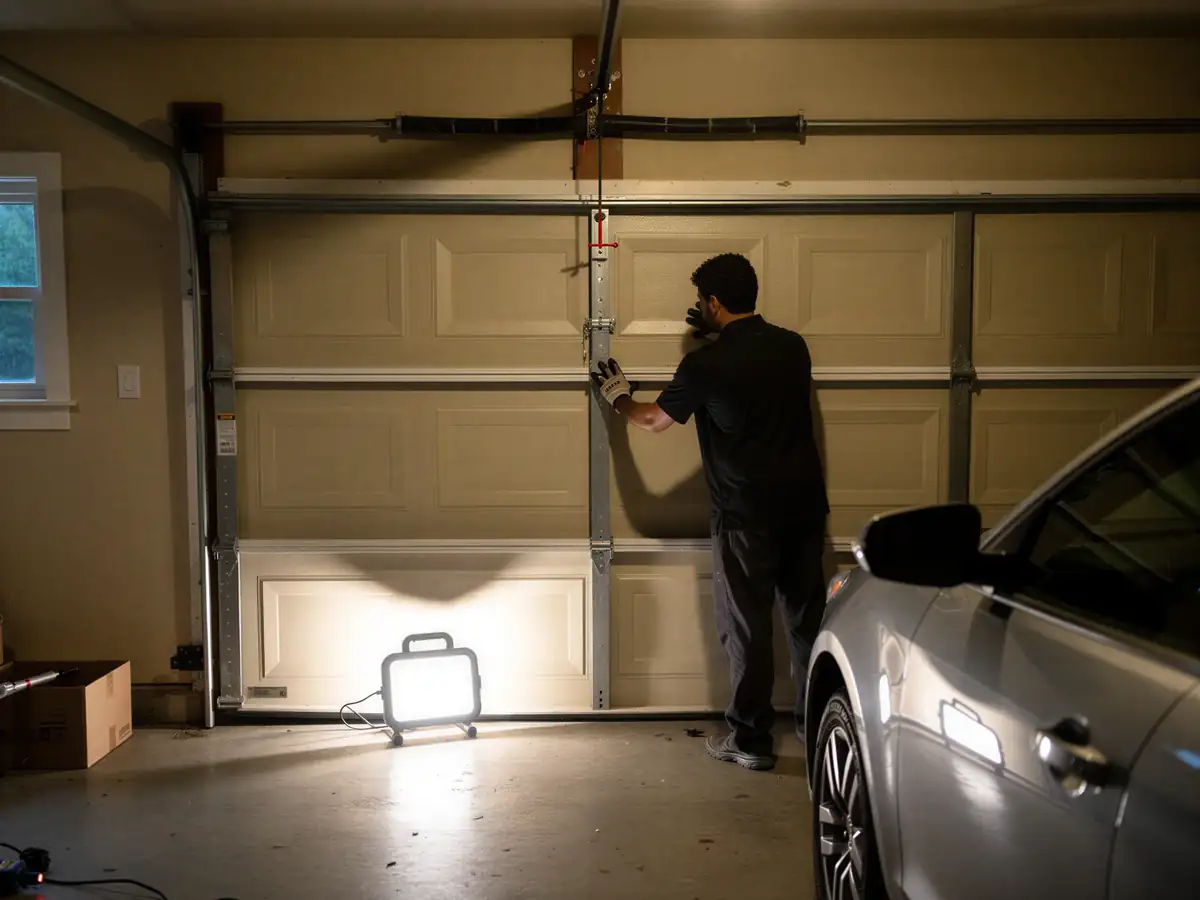
Replacing the panel without fixing the hardware underneath just repeats the dent in six months. We check the track alignment and hinges before we quote panel work, not after.
Lead time is the honest limitation here
Matched panels for older or discontinued profiles aren't something we keep on the truck. If your door needs an exact match, plan on the order taking longer than a same-day panel swap would on newer stock.
Can You Do This Yourself
A single bolt-on panel on a newer sectional door is within reach for a handy homeowner with the right tools and someone to hold the door steady. An older door in Bexley is a different animal. The panels are heavier gauge in a lot of cases, the fasteners may be rusted or non-standard, and getting a mismatched replacement to sit flush without throwing off the door's balance takes more trial and error than most people want to spend a Saturday on.
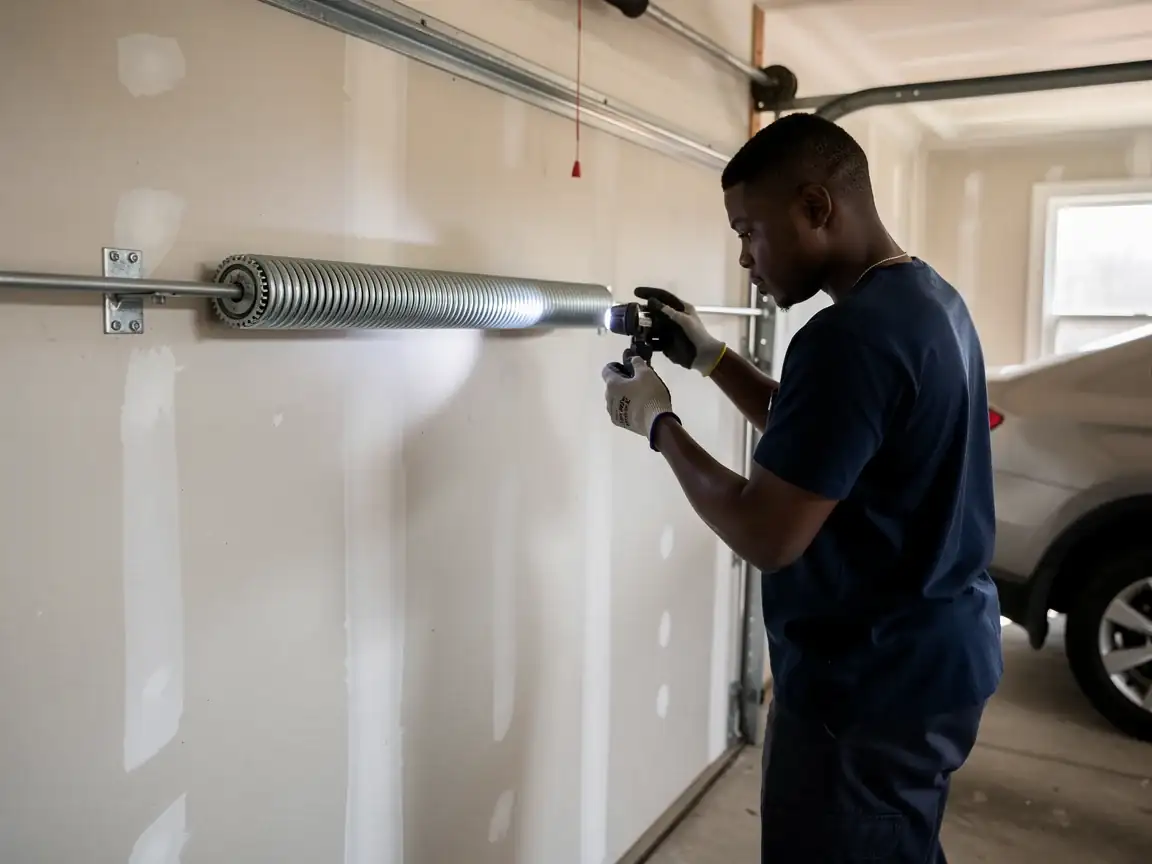
There's also the spring. Panel work means taking weight off a torsion or extension spring system that's often original to a decades-old door, and that spring is under real tension whether the door looks old or not. We'd rather you call us before you've got the door half-disassembled in the driveway than after.